Lauren D. Hill-Bowen

163 posts

Lauren D. Hill-Bowen banner
Lauren D. Hill-Bowen

Lauren D. Hill-Bowen

@laurend_bowen

Cognitive neuroscientist 🧠 | Research Instructor of Psychiatry and Behavioral Sciences | @VUMCPsych

Nashville, TN Katılım Şubat 2017
250 Takip Edilen150 Takipçiler
Lauren D. Hill-Bowen retweetledi

Heather Burrell Ward, MD
Heather Burrell Ward, MD@hbwardMD·
🚨We are hiring a ⭐️Research Assistant⭐️ to run rTMS 🧲🧠 clinical trials in people with substance use and psychosis @VUMCPsych ! RAs get lots of clinical contact and experience with neuromodulation! Great for someone applying to MD or PhD programs! vumc.wd1.myworkdayjobs.com/vumccareers/jo…
English

2
13
21
2.3K
Lauren D. Hill-Bowen retweetledi
Paul Thompson
Paul Thompson@PTenigma·
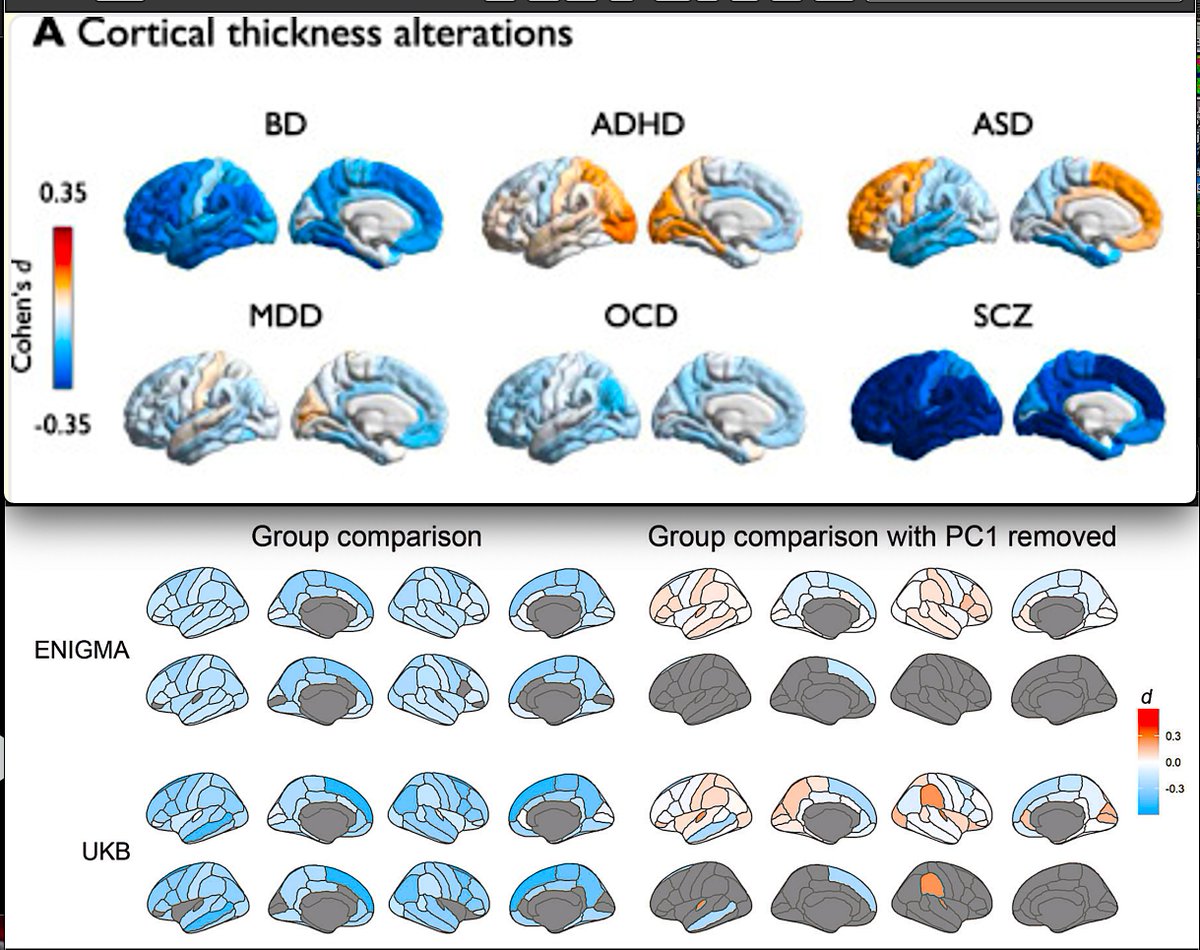
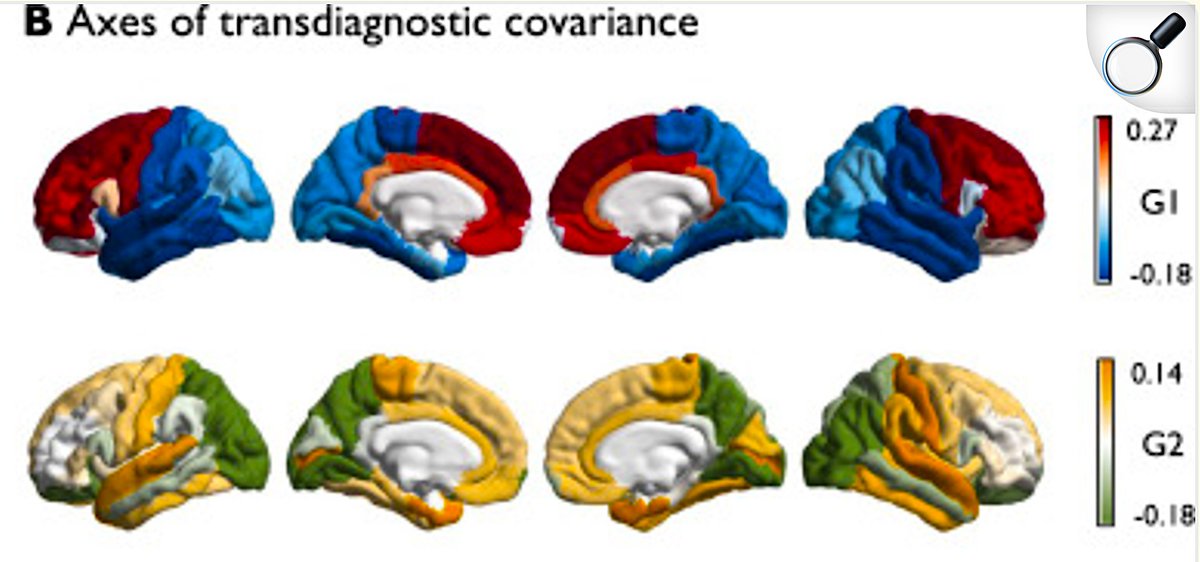
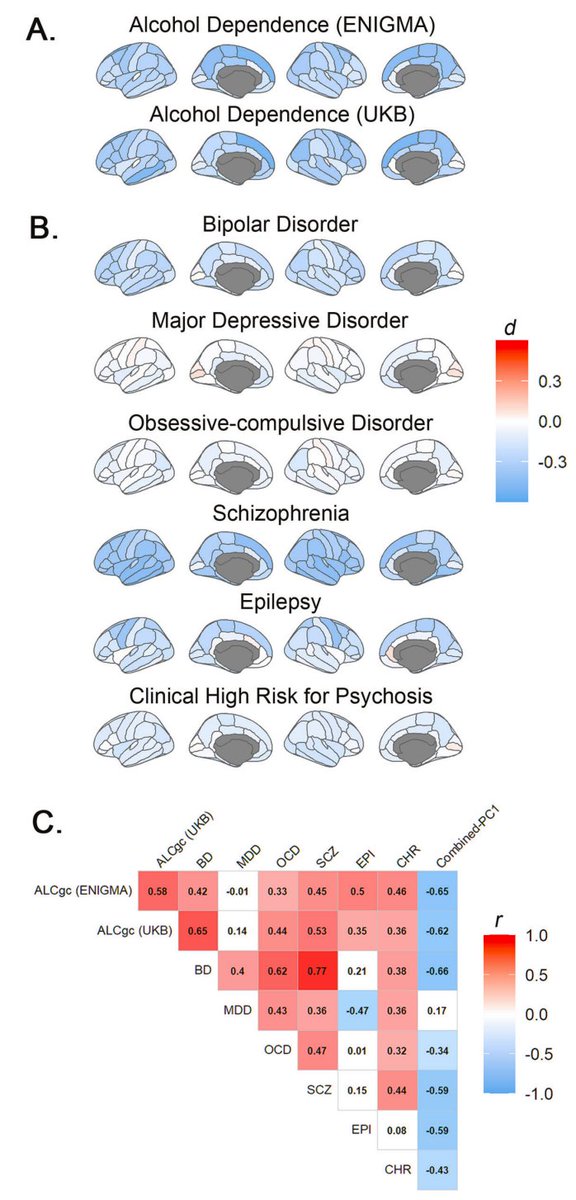
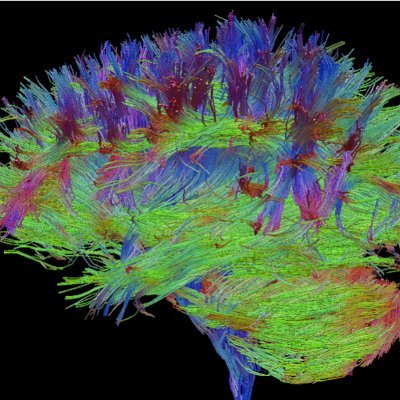
Today's ENIGMA Summit compared over 20 brain disorders in tens of thousands of people scanned with MRI, and suggests that: 1. brain disorders that hit very early, before birth (e.g. those due to genomic copy number variants such as genetic deletions) tend to affect cortical surface area, often excessively in primary sensorimotor cortex 2. neurodevelopmental brain disorders that hit after birth but before adolescence tend to reduce cortical surface area more than (i.e. with greater effect sizes than) they reduce cortical thickness but more in a transmodal association cortex pattern than a primary sensorimotor pattern; these can be split into an strong externalizing and a weak internalizing pattern depending on the disorder type [4] 3. brain disorders that hit after puberty tend to affect cortical thickness, more so than regional cortical surface area, with some exceptions, as do adult onset disorders 4. the last category of mainly-thickness-deficit disorders can have their abnormality decomposed into 3 components - (1) a general component common to all disorders (PC1 in Zhipeng Cao's work [2]), (2) a disorder specific component, and (3) a medication effect; 5. focusing on the first two of these, there is a transdiagnostic covariance [1] that spans the set of disorder effects on the cortex and consists of 2 primary axes of disturbance, G1 and G2 6. to some extent, the amount and anatomical distribution of structural brain deviation in a disorder depends on the location and profile of greatest normal age-related brain change that is normally occurring in healthy people when the disorder hits and can look like an exaggerated version of that change, i.e. 'aging' 7. some of this is set out more formally in the transdiagnostic ENIGMA papers by Meike Hettwer/Sofie Valk on transdiagnostic covariance [1] and brain gradients, and in the linear PCA paper by Zhipeng Cat Hugh Garavan and ENIGMA [2]. For the CNV part see work by Clara Moreau [3], and for the childhood part see work by Sophie Townend and 4 of the ENIGMA neurodevelopmental working groups [unpublished except an abstract]. This is not really obvious until you see all the work presented together (as it was today at the ENIGMA Summit). Links in the thread below. @sofievalk @MMG_Kirschner @ClaraMoreau9 @JulioVillaln1 @kkumar_iitkgp @enigma_bipolar @ENIGMA_Diabetes @ENIGMA_ACRI @SCAN_Lab
Paul Thompson tweet mediaPaul Thompson tweet mediaPaul Thompson tweet mediaPaul Thompson tweet media
English
5
46
179
18.1K
Lauren D. Hill-Bowen retweetledi
Anna Huang
Anna Huang@annash128·
🧵1/ Excited to share our latest research conducted with our collaborators Michael Halassa and Ralf Wimmer! Our new paper reveals deficits in conflict processing in schizophrenia dependent on MD-PFC circuits. @HalassaLab @WoodwardLab tinyurl.com/yrav3sz5 1/11
English
1
4
7
369
Lauren D. Hill-Bowen retweetledi
Thomas Yeo
Thomas Yeo@bttyeo·
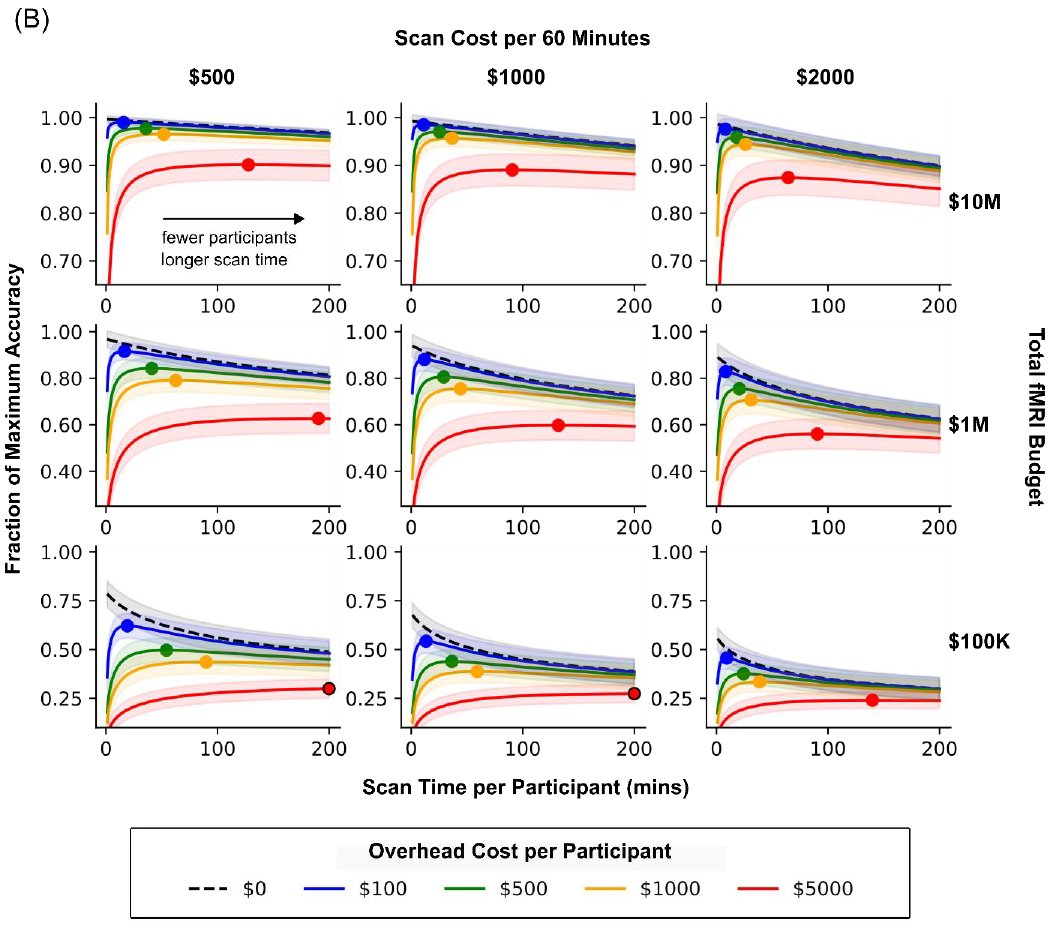
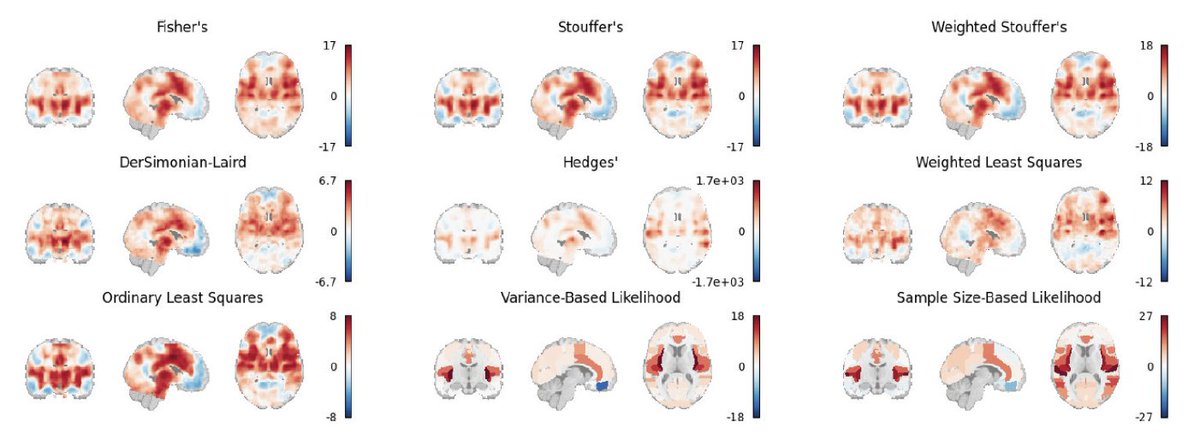
Here's a preliminary release of our calculator to explore sample size and scan time to maximize individual-level prediction accuracy: leonoqr.github.io/ORSP_Calculato… Let us know if anything is unclear or if there's bugs. Your feedback is welcome. If you find this calculator helpful for your grant application, etc, please also let us know!
Thomas Yeo@bttyeo

Super excited about our revised study! 4 more datasets showing robustness across fMRI sequences, racial groups, disorders, lifespan, phenotypic domains & resting/task FC: doi.org/10.1101/2024.0… @Leon_Oo1 @ZShaoshi @csabaorban broke the lab's record with a 76-page response!

English
3
67
166
40.4K
Lauren D. Hill-Bowen retweetledi
@parkvillegeek
@parkvillegeek@ParkvilleGeek·
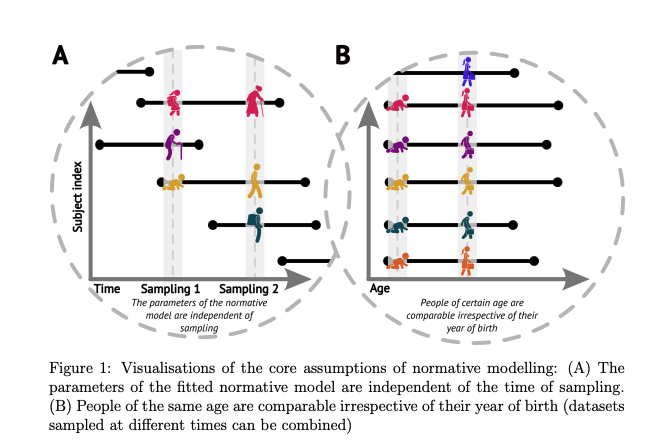
Using normative models pre-trained on cross-sectional data to evaluate longitudinal changes in neuroimaging data | bioRxiv biorxiv.org/content/10.110…
@parkvillegeek tweet media
English
0
6
34
2K
Lauren D. Hill-Bowen retweetledi
Caterina Gratton
Caterina Gratton@GrattonCaterina·
Ever ask yourself, what 🧠 network is this? Check out this new tool that allows you to make quantitative comparisons across common network atlases, overcoming issues of variable terminology in the field.
Lucina Uddin@LucinaUddin

Need help interpreting your new findings? The NCT lets you easily examine and report spatial correspondence between novel neuroimaging results and sixteen widely used functional brain atlases 🧠 #OHBM2024

English
0
14
58
5.6K
Lauren D. Hill-Bowen retweetledi
Nico Dosenbach
Nico Dosenbach@ndosenbach·
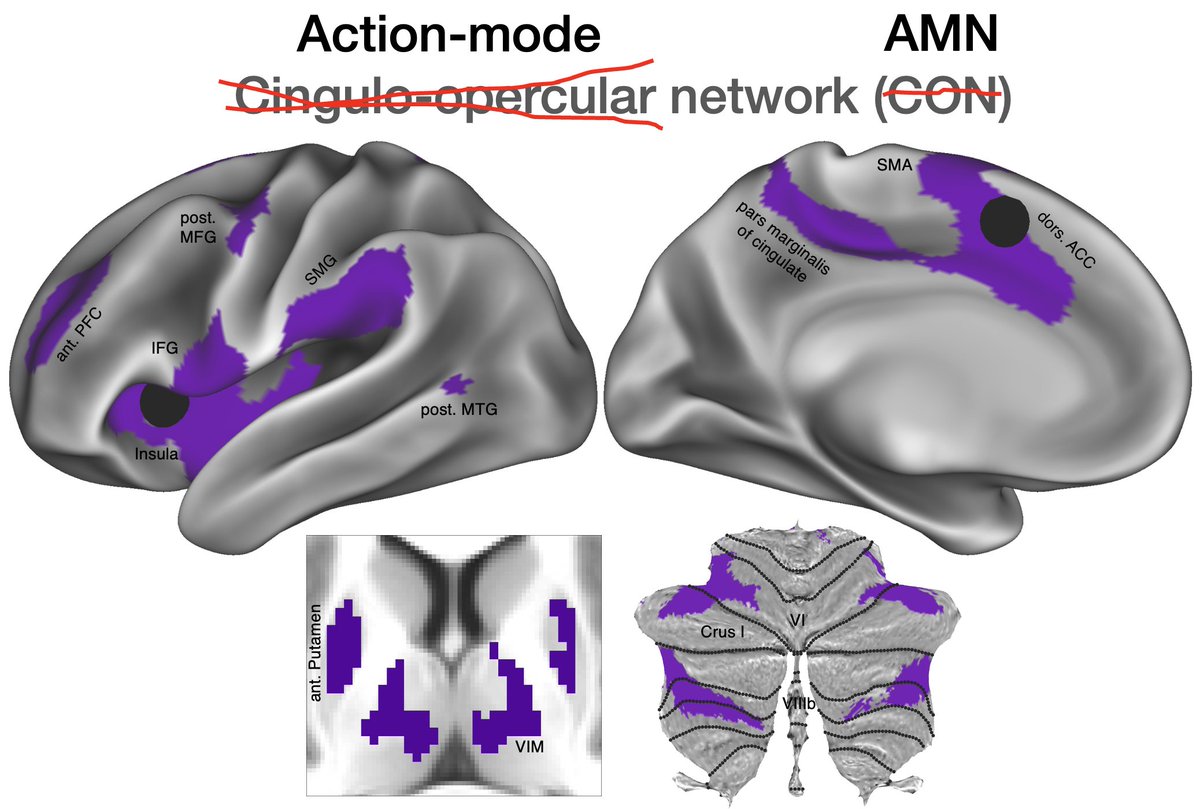
Introducing the Action-Mode Network – AMN. Better late than never! 17 years ago, we clumsily called this the Cingulo-opercular Network (CON) based on its anatomy (we weren’t exactly sure what it does). Now we’ve finally got the evidence to give it the functional name it deserves: the Action-mode Network (AMN). Find our arguments here: osf.io/preprints/psya… with the peerless Marc Raichle and the brilliant @gordonneuro. 🧵 ↓
Nico Dosenbach tweet media
English
16
263
844
181.2K
Lauren D. Hill-Bowen retweetledi
Paul Thompson
Paul Thompson@PTenigma·
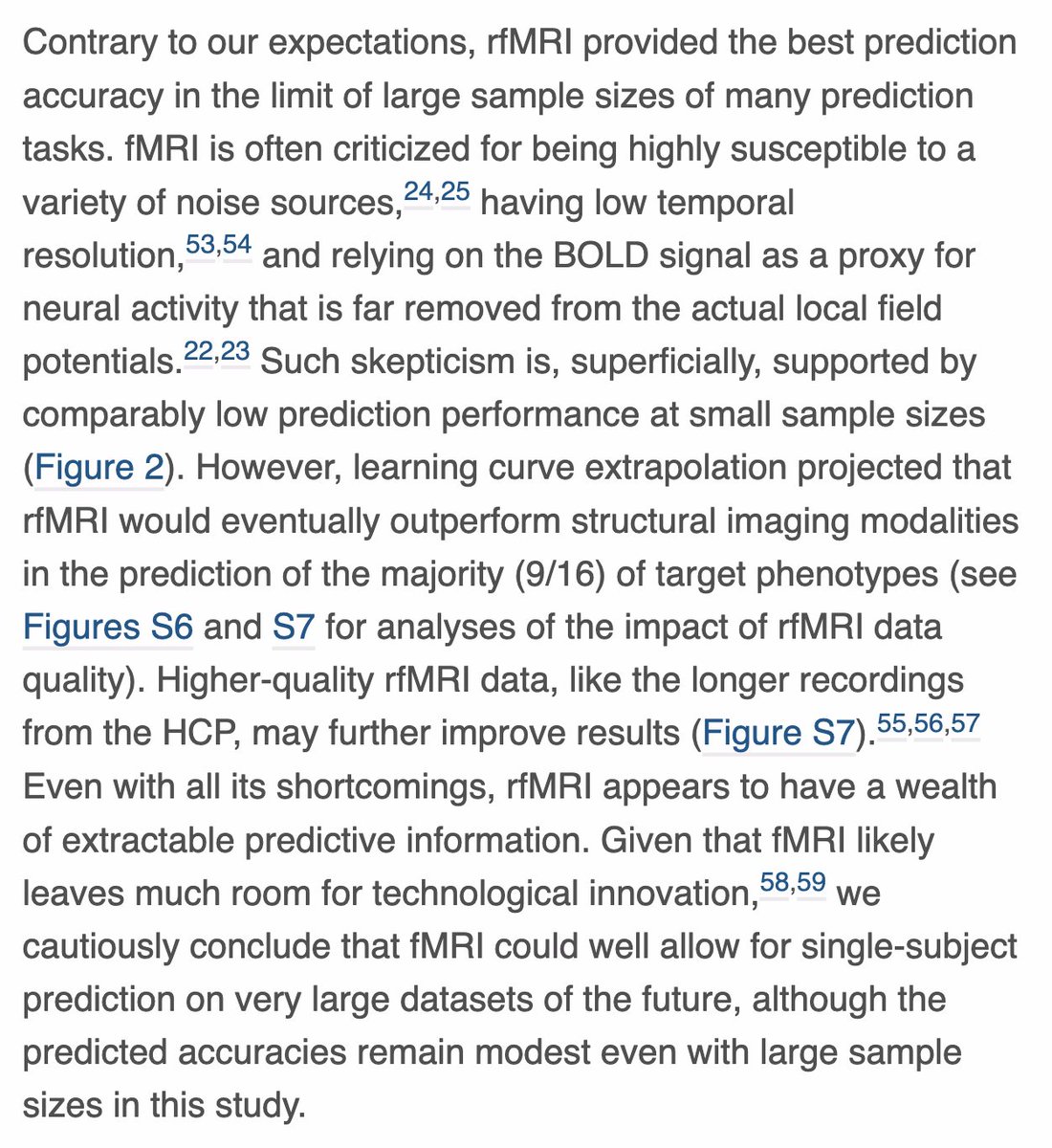
Cool paper about making predictions from various types of brain imaging (sMRI, DTI, rsFMRI) - with a tantalizing bet for the future : 👇👇🧠🧠⚡️⚡️
Paul Thompson tweet media
Danilo Bzdok@danilobzdok

Finally out ! Performance reserves in brain-imaging-based phenotype prediction What if we has 1,000,000 datapoints? ⁦@KordingLab⁩ ⁦@neuro_data⁩ ⁦@CellPressNews⁩ ⁦@BoWang87#sample #complexity #scaling #behavior cell.com/cell-reports/f…

English
0
8
31
5.4K
Lauren D. Hill-Bowen retweetledi
Michael Fox
Michael Fox@foxmdphd·
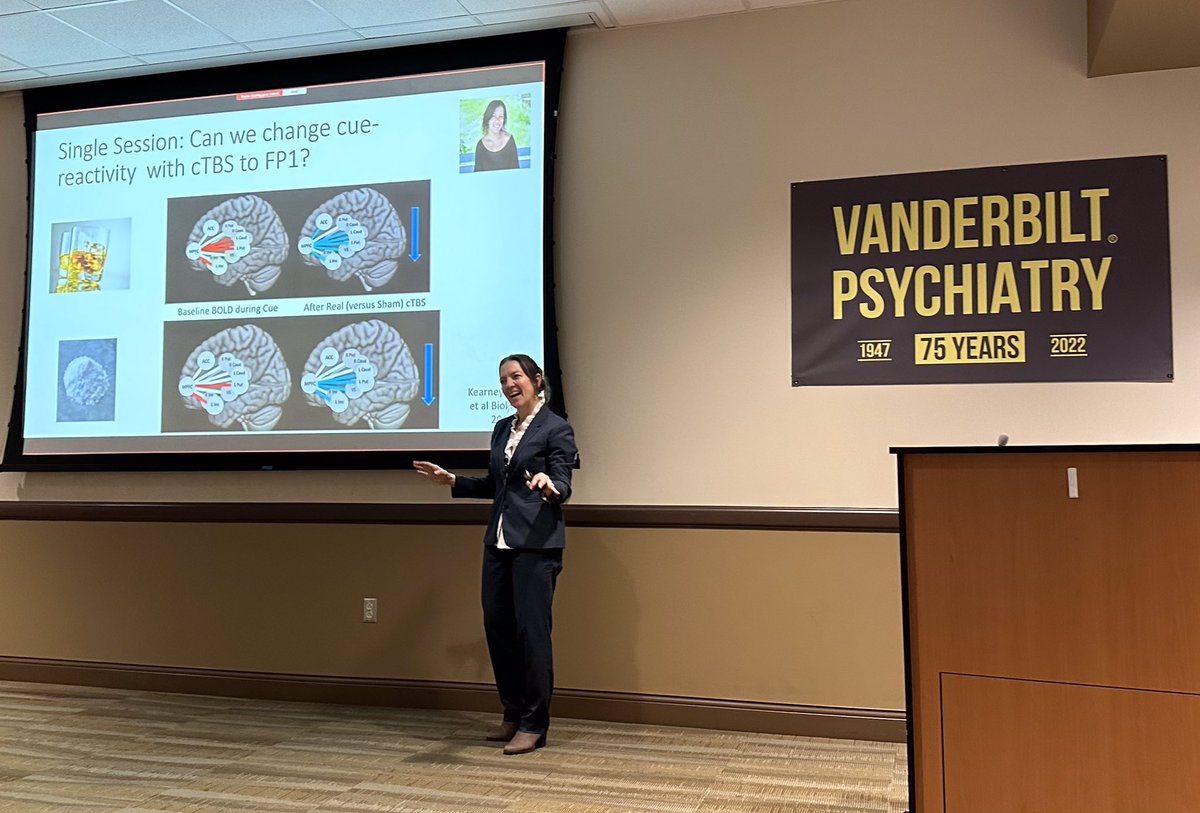
Where should we target brain stimulation to treat #addiction? New review led by @SoleimaniGhazal @EkhtiariHamed show many different lines of evidence converging on the frontopolar cortex. @Brain_Circuits
Hamed Ekhtiari@EkhtiariHamed

@APAPubJournals Converging evidence supports potential for treatment optimization among individuals with substance use disorders through brain stimulation targeting the frontopolar cortex @foxmdphd @brainstimgrl @mpwpaulus @MaromBikson @SoleimaniGhazal ajp.psychiatryonline.org/doi/full/10.11…

English
2
33
105
17K
Lauren D. Hill-Bowen retweetledi
Brenden Tervo-Clemmens
Brenden Tervo-Clemmens@tervoclemmensb·
Now available at @NatureComms ! When do adolescents reach adult levels of executive function? We used FOUR independent datasets (N>10,000), behavioral data from 17 distinct EF tasks, and nonlinear modeling to address this and related questions. nature.com/articles/s4146…
Brenden Tervo-Clemmens tweet media
English
10
129
412
157.3K