@CitadelOne_ Much love, was great to be in the trenches alongside you!
English
Lavender.Five Nodes 🐝
5.3K posts

@lavender_five
Validator, RPC provider, Investor, IBC relayer and blockchain Infrastructure enthusiasts Community fueled staking for 60+ networks 💜




📣 The Althea Cardinal Upgrade is here! Part of the Go Live phase of Althea L1, this update advances machine-to-machine settlement and usability for the iFi DEX. With this upgrade, Althea L1 continues to unlock the $3T market in telecom, utilities, and infrastructure. 👇1/3

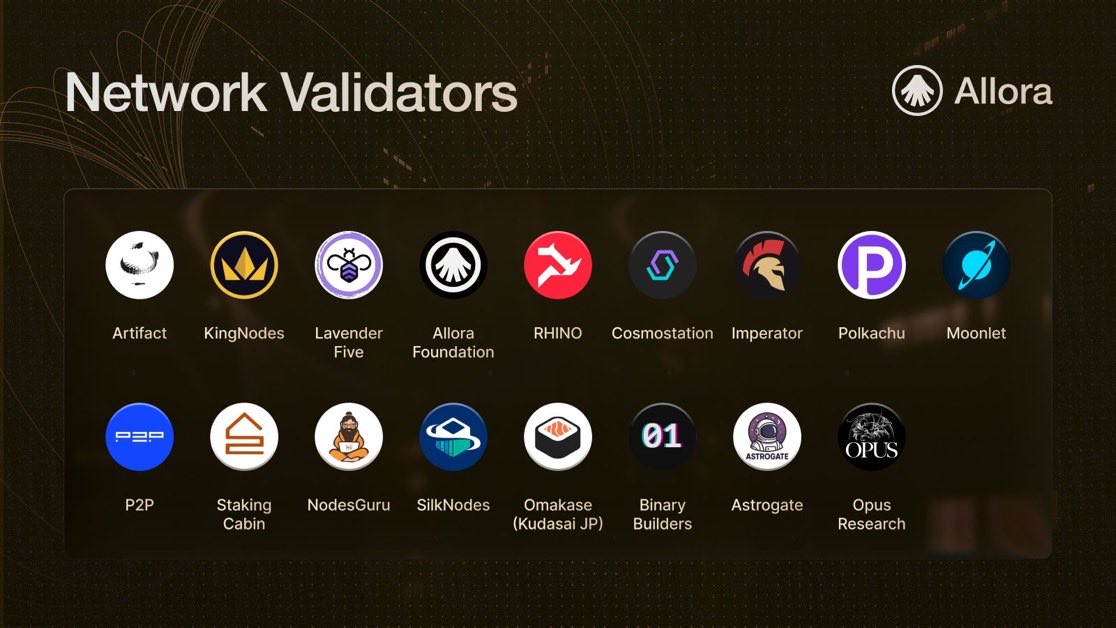
The Comprehensive Guide to Staking on @AlloraNetwork Staking on Allora Network isn’t just about locking tokens. It’s how the entire network keeps its AI predictions accurate, reliable, and self-improving. When you stake $ALLO, you’re directly powering the intelligence layer of the system. Here’s the breakdown 👇 • The Two Routes to Stake There are only two ways to take part: 1.Run a Validator or Reputer – You handle the technical side: verifying model predictions, maintaining uptime, and checking data accuracy. The better your accuracy, the higher your rewards. 2.Delegate $ALLO to Validators or Reputers. You don’t need to run infrastructure; you just back someone who does. When they perform well, you earn a share of their rewards. It’s a way to participate in the network’s growth without being technical. Both routes feed the same outcome: stronger intelligence and higher model precision across the protocol. • Why Delegation Is Key Delegation makes the network accessible to everyone. You choose who to trust, and your stake amplifies their influence on the network. The system then continuously evaluates performance, if your chosen validator keeps accuracy high, you get rewarded more. If they drop in reliability, the system adjusts rewards accordingly. It’s a real time feedback loop that keeps the network efficient. • How to stake your $ALLO 1. Visit 👉 explorer.allora.network 2. Connect your wallet 3. Head to the “Staking” tab 4. Review validator/reputer profiles (you’ll see performance metrics & reliability scores) 5. Choose who to delegate to(I’ll be choosing @AlloraFND 6. Enter the amount of $ALLO you’re staking 7. Confirm the transaction 8. Track rewards and reliability in your dashboard 9. Undelegate anytime if you want to switch or exit You can even split your stake across multiple validators in one go, which is perfect for spreading risk. • Reward System Allora’s reward system is built to favor performance over participation. It’s not about how much you stake, it’s about how well your chosen participant contributes to accuracy. Key highlights: 1. ~12% average rewards in the first year 2. Rewards distributed automatically by protocol logic 3. Early users may qualify for the Allora Prime Rate bonus 4. Emission schedule similar to Bitcoin, meaning rewards reduce gradually over time for sustainability You’re not chasing yield, you’re backing intelligence. • The Role of Validators and Reputers Validators > Keep the network online, verify transactions, and ensure data consistency. Reputers > Evaluate AI predictions, score their accuracy, and filter out poor results. Both are paid based on precision, not activity. This design ensures that even as the network scales, it remains trustworthy and self-correcting. • Security Meets Simplicity ~ No minimum technical setup for delegators. ~ No data exposure, your tokens never leave your wallet. ~ Rewards are handled automatically by the network. ~ You can exit whenever you want. Everything about staking on Allora is structured to make decentralization easy for both advanced and everyday users. • Why It Matters Every token staked contributes to: ~ The accuracy of network wide predictions. ~ The security of validator and reputer performance. ~ The stability of the reward economy. It’s how Allora aligns incentives, good performance gets paid, bad performance fades out. Thanks for reading🤍







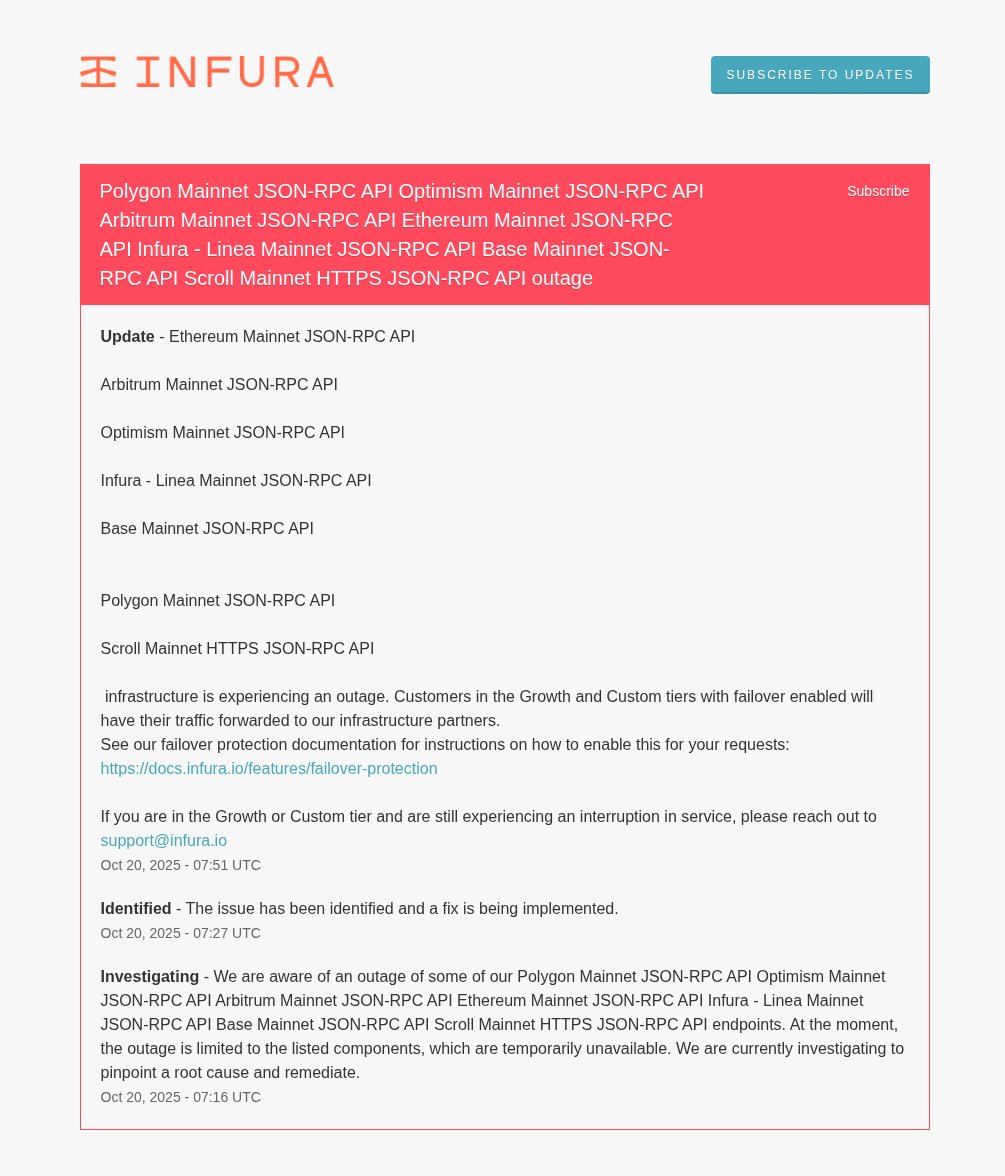
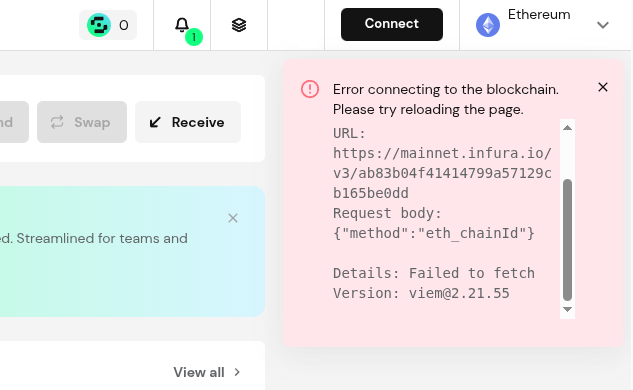
AWS is down and then the internet stops working. But the blockchain, it never goe ... wait a minute. Scratch that. This sector is a joke. Everyone preaching decentralization and censorship resistance but in reality ... it's all 100% reliant on the cloud.