stan barton

52.2K posts

stan barton

stan barton

@lawyerstan

lawyer/mediator/collaborative lawyer seeking sense in this confusing world. If anyone can supply an answer call me .......... Army Veteran...

East Cleveland UK Katılım Ocak 2010
4.2K Takip Edilen3.5K Takipçiler
stan barton retweetledi
Auschwitz Memorial
Auschwitz Memorial@AuschwitzMuseum·
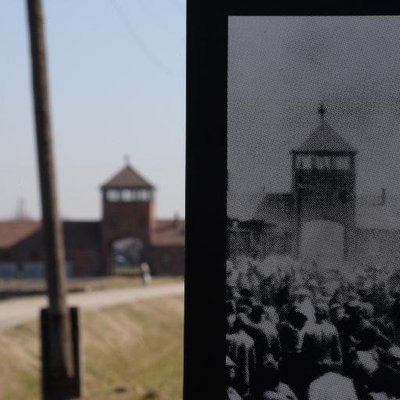
29 January 1936 | A French Jewish boy, Michel Ejzenberg, was born in Paris. He arrived at #Auschwitz on 26 August 1942 in a transport of 1,000 Jews deported from Drancy. He was murdered in a gas chamber after selection. --- ▶ A short video about gas chambers and crematoria of the Auschwitz camp: youtu.be/-A05i25j9Ck
YouTube video
YouTube
Auschwitz Memorial tweet media
English
71
417
1.8K
29.3K
stan barton retweetledi
Bobbie
Bobbie@bo66ie29·
Scenes of everyday life at Waterloo Station, London. Filmed in the 1960s.
English
48
252
1.4K
54.9K
stan barton retweetledi
Right To Life UK
Right To Life UK@RightToLifeUK·
Even assisted suicide cheerleaders know that using the Parliament Acts to force their flawed Private Member's Bill onto the statue book would be constitutionally irregular, historically novel and politically problematic. It is time to let the Bill die.
Nikki da Costa@nmdacosta

Interesting. Big AD advocate, Polly Toynbee recognises that using Parliament Acts for Starmer's Bill - a personal project with no electoral mandate pushed via PMB - sets a bad "precedent...before a...Farage succession". Unfair to NF - he'd have the honesty to put in a manifesto!

English
4
56
213
5.2K
stan barton retweetledi
Right To Life UK
Right To Life UK@RightToLifeUK·
Ann Widdecombe makes a strong case against assisted suicide on the BBC 📺💬
English
10
180
623
8.3K
stan barton retweetledi
Ron Eisele
Ron Eisele@ron_eisele·
Returning From A Mission.
Ron Eisele tweet media
English
6
53
668
11.5K
stan barton
stan barton@lawyerstan·
@VeteransFdn .. But will he be any good at the job??.... 😳😳
Brotton, England 🇬🇧 English
1
0
0
15
Veterans’ Foundation
Veterans’ Foundation@VeteransFdn·
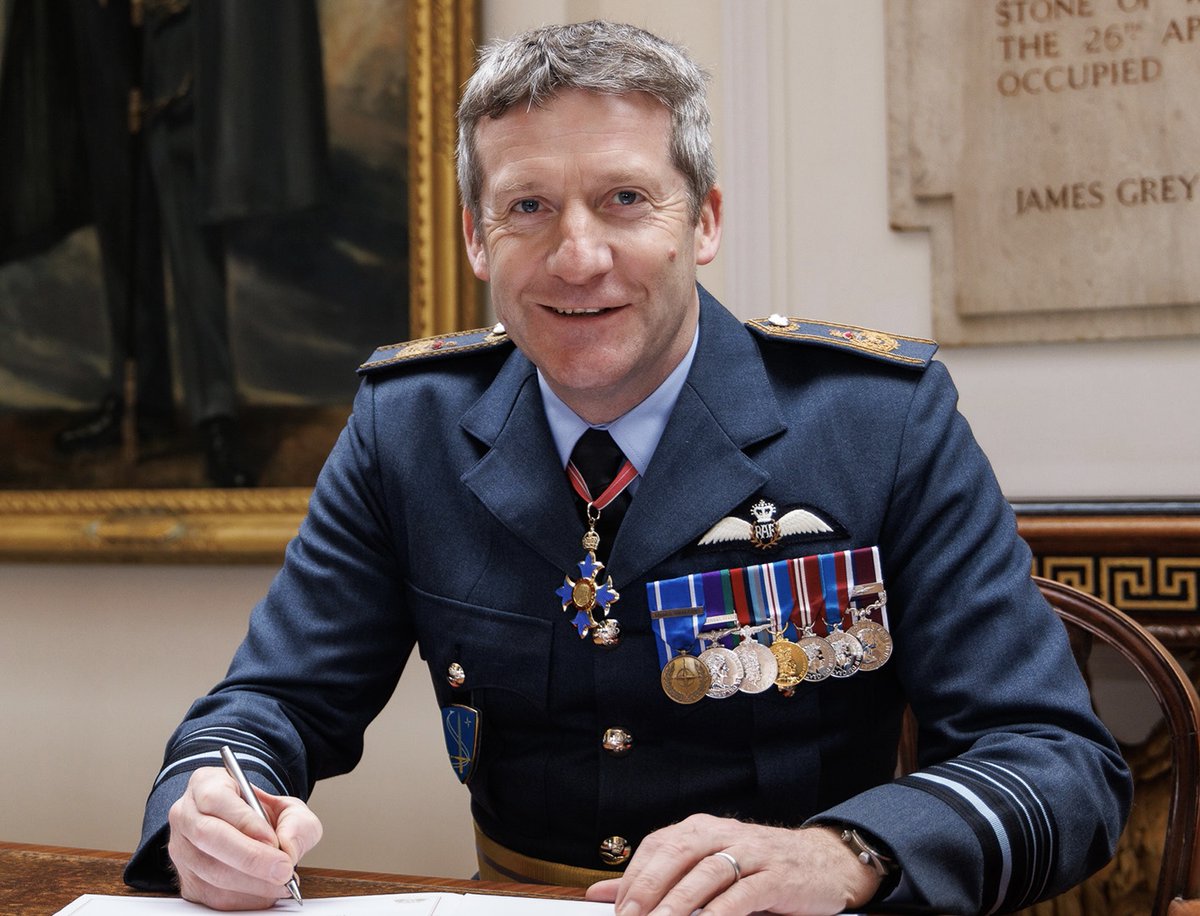
👏 Huge congrats to Air Chief Marshal Sir John Stringer on becoming NATO's DSACEUR! 🇬🇧🕊️ A historic moment for the RAF & UK leadership in security! #NATO
Veterans’ Foundation tweet media
English
11
11
58
880
stan barton retweetledi
BladeoftheSun
BladeoftheSun@BladeoftheS·
BladeoftheSun tweet media
ZXX
118
1.5K
7.9K
99.6K
stan barton retweetledi
Quentin Letts
Quentin Letts@thequentinletts·
I was undecided on assisted-dying but the proposal to hire NHS 'personal navigators' to help patients towards their fate is nudging me against the Bill. What a revolting euphemism.
English
136
339
2.2K
50.2K
stan barton retweetledi
Imperial War Museums
Imperial War Museums@I_W_M·
Priest self-propelled guns filmed in action shelling enemy territory in the Western Desert, 3 November 1942. Film: IWM AYY 275/2-4
English
2
51
415
13.9K
stan barton retweetledi
Paintings of London
Paintings of London@PaintingsLondon·
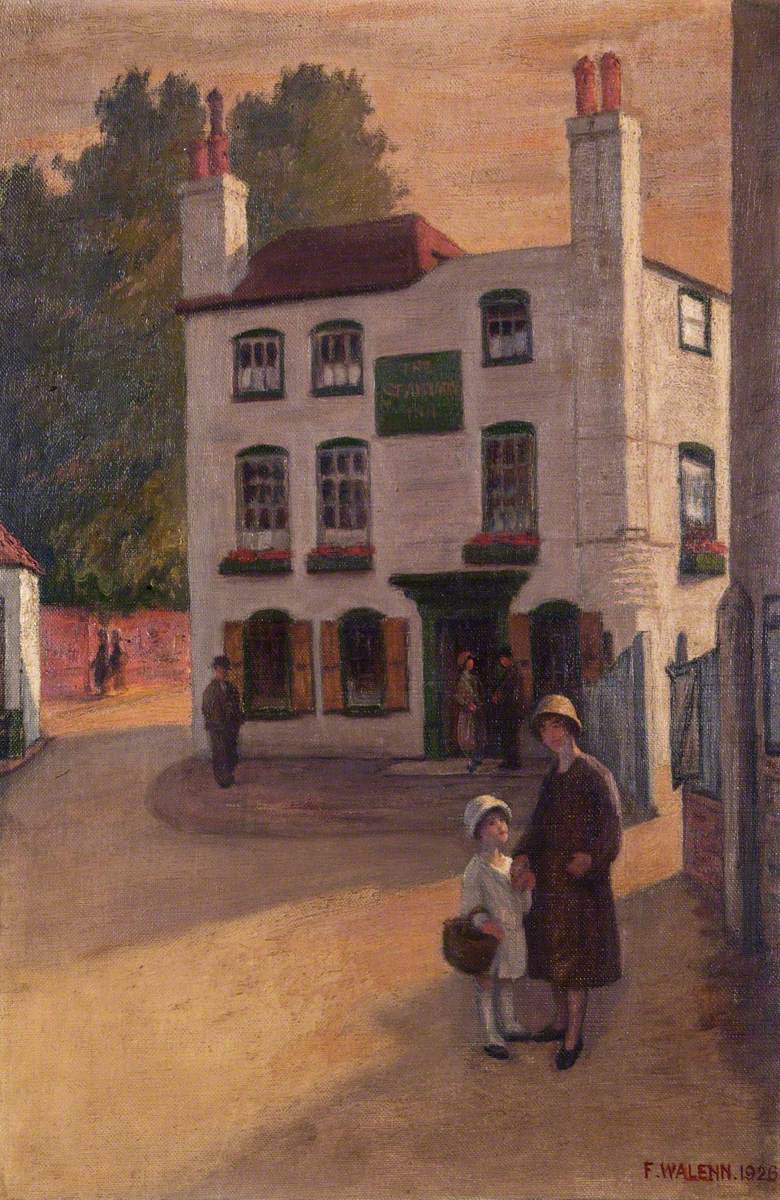
'The Spaniards Inn', Hampstead (1926) by Frederick Dudley Walenn (Camden Local Studies and Archives Centre)
Paintings of London tweet media
English
3
66
444
6.5K
stan barton retweetledi
Chris Parry
Chris Parry@DrChrisParry·
Let's remind ourselves about Sir Robert Peel's Principles of Policing: 1. The basic mission for which the police exist is to prevent crime and disorder. 2. The ability of the police to perform their duties is dependent upon public approval of police actions. 3. Police must secure the willing co-operation of the public in voluntary observance of the law to be able to secure and maintain the respect of the public. 4. The degree of co-operation of the public that can be secured diminishes proportionately to the necessity of the use of physical force. 5. Police seek and preserve public favour not by catering to public opinion but by constantly demonstrating absolute impartial service to the law. 6. Police use physical force to the extent necessary to secure observance of the law or to restore order only when the exercise of persuasion, advice and warning is found to be insufficient. 7. Police, at all times, should maintain a relationship with the public that gives reality to the historic tradition that the police are the public and the public are the police; the police being only members of the public who are paid to give full-time attention to duties which are incumbent on every citizen in the interests of community welfare and existence. 8. Police should always direct their action strictly towards their functions and never appear to usurp the powers of the judiciary. 9. The test of police efficiency is the absence of crime and disorder, not the visible evidence of police action in dealing with it.
English
50
250
820
20.5K
stan barton retweetledi
Archaeo - Histories
Archaeo - Histories@archeohistories·
George Orwell, born Eric Arthur Blair in 1903, grew up in a modestly prosperous British family. Educated at Eton, he later joined the Indian Imperial Police in Burma, where his disillusionment with imperialism took root. This experience, chronicled later in his essay Shooting an Elephant (1936), was the beginning of his lifelong opposition to oppressive systems of power. Rejecting the privilege of his upbringing, Orwell then turned to the downtrodden. He lived among the poor in Paris and London, writing Down and Out in Paris and London (1933), a searing account of urban poverty. His time in northern England during the Great Depression, documented in The Road to Wigan Pier (1937), solidified his commitment to socialism. Orwell saw socialism as the moral answer to the inequities of capitalism and empire, believing, at first, in its potential to lift the working class out of poverty and create a just society. Yet, even in this early period, Orwell’s writing reflected a critical eye, as he criticized the leftist British intelligentsia for their detachment from the struggles of ordinary people. Then, his experience in the Spanish Civil War became a turning point. Orwell had gone to Spain in 1936, fired with idealism to fight against the fascist forces of General Franco. He joined the POUM militia, a small Marxist faction, and fought on the front lines. But the war, which he detailed in Homage to Catalonia (1938), shattered his illusions about the purity of leftist ideals. Instead of solidarity, he found deep divisions among the anti-fascist forces. Stalinist communists, backed by the Soviet Union, turned violently against their socialist allies, including Orwell’s comrades. He narrowly escaped arrest and execution by fleeing to France, deeply shaken by the experience. The political infighting he witnessed in Spain opened his eyes to the dangers lurking within all rigid, ideological movements. “I have seen wonderful things,” he wrote, “but also I have seen horrors.” From this point onward, Orwell’s critique of extremism sharpened. He now saw the capacity for tyranny not just in fascism, but in any form of authoritarianism—whether it came from the right or the left. In his later years, Orwell’s writings became an impassioned warning about the corruption of power and the dangers of totalitarianism. Animal Farm (1945), a satire of the Russian Revolution, exposed how revolutionary ideals could be perverted by the pursuit of power. The novel famously portrays the pigs, who lead the rebellion, slowly becoming indistinguishable from the oppressive humans they overthrew. But it was 1984 (1949) that cemented Orwell’s legacy. Written in the aftermath of World War II, as the Cold War began, the novel depicts a dystopian future where totalitarian regimes, like those he had seen in Nazi Germany and Soviet Russia, control every aspect of life. “Big Brother is watching you,” Orwell wrote, a phrase that has since become synonymous with surveillance and state control. By that point in his life, Orwell had moved beyond the simplistic dichotomy of socialism versus capitalism. He remained a democratic socialist but now believed that any unchecked ideology, if wielded by those in power, would lead to oppression. His work, he said, was driven by the belief that “totalitarianism, whether of the left or right, is the major evil of our time.” In the final years of his life, Orwell battled a relentless foe: tuberculosis. The disease slowly consumed him even as he poured his last strength into finishing 1984, often writing in bed through fits of coughing and fever. He sought rest on the remote Scottish island of Jura, but the isolation could not heal him. On January 21, 1950, at just 46 years old, he was dead. Orwell did not live to see the world he feared—but he wrote so that we might recognize it. #archaeohistories
Archaeo - Histories tweet media
English
35
269
682
23.2K
stan barton
stan barton@lawyerstan·
@SBarrettBar @Daren0109 ... People... especially Labour people... have short memories as to who Burnham really is. It shows how far the party has fallen to regard him as some sort of saviour...
Brotton, England 🇬🇧 English
0
3
22
370
Steven Barrett
Steven Barrett@SBarrettBar·
Just sit down for a second and think this through. Our Prime Minister is so weak and pathetic That he is afraid of Andy Burnham. Andy Burnham. 🙄🙄🙄
English
179
925
6.8K
39K
stan barton retweetledi
James Melville 🚜
James Melville 🚜@JamesMelville·
“I think there are two ways in which people are controlled. First of all frighten people and secondly, demoralise them…An educated, healthy and confident nation is harder to govern.” ~ Tony Benn
English
123
1.8K
5.5K
71.3K
stan barton retweetledi
Dr. M.F. Khan
Dr. M.F. Khan@Dr_TheHistories·
Honor Blackman, long before she became famous as Cathy Gale in *The Avengers* or as Pussy Galore in *Goldfinger*, served her country in a way few would expect from a future screen icon. During World War II, she volunteered as a dispatch rider, fearlessly zipping through the streets of London on her own Norton ES2 motorcycle. With air raid sirens howling and bombs occasionally falling in the distance, Blackman would weave through rubble-strewn roads, delivering urgent packages and communications to government offices and civil defence units—a daring and unglamorous job carried out with remarkable poise and grit. The Norton ES2, a sturdy single-cylinder machine favoured for its reliability, was more than a vehicle—it was her companion in duty. In one famous photograph, Blackman poses beside it, dressed in uniform, helmet tucked under one arm, the faintest trace of a smile on her lips. It’s a portrait of defiance and quiet heroism, capturing a young woman determined to contribute in a time of national crisis. Her courage and independence during these years helped shape the strong, no-nonsense characters she would later bring to the screen. Honor Blackman’s wartime service often goes unmentioned in the shadow of her film fame, yet it remains one of the most compelling chapters of her life. She was not just a glamorous actress, but a Londoner who braved blackout nights and bomb raids for the sake of duty. Her legacy, like the roar of her Norton echoing through wartime streets, reminds us that heroism often arrives not with fanfare, but with resolve and a willingness to act when it matters most. © British History Unveiled #drthehistories
Dr. M.F. Khan tweet media
English
2
30
178
5.9K
stan barton retweetledi
Auschwitz Exhibition
Auschwitz Exhibition@auschwitzxhibit·
Jewish girl Tzesia Rozenberg was born in Katowice in 1938. In 1942, she was killed in Auschwitz. A premature, unfair and incomprehensible death that suffered as many as 1.5 million Jewish children that were murdered during the Holocaust.
Auschwitz Exhibition tweet media
English
183
905
3.6K
29.4K
stan barton retweetledi
Ron Eisele
Ron Eisele@ron_eisele·
Hawker Sea Fury fly past.
English
7
36
343
7K
stan barton retweetledi
Alethea Bernard
Alethea Bernard@Tush27J·
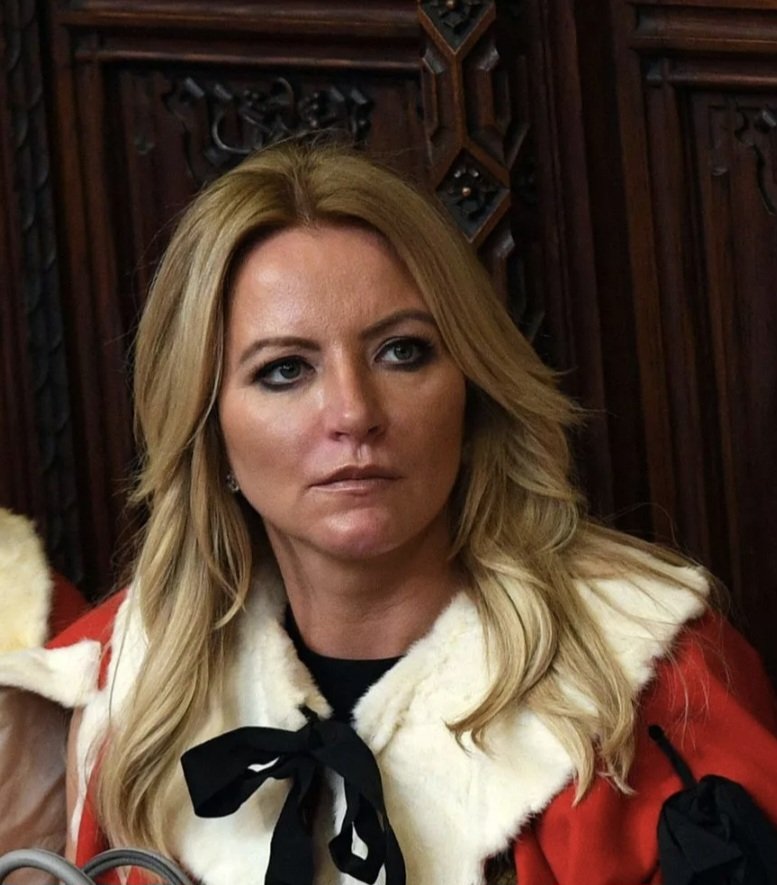
Paula Vennells keeps her £Mns in bonuses despite her disgraceful conduct in the Post Office scandal. Michelle Mone gets to keep £15k pw received via the renting out of her London mansion despite the £148 Mn owed to taxpayers. The greatest robberies since the Hatton Garden Heist
Alethea Bernard tweet mediaAlethea Bernard tweet media
English
215
3.4K
8.4K
78K
stan barton retweetledi
eburke
eburke@JamesWHankins1·
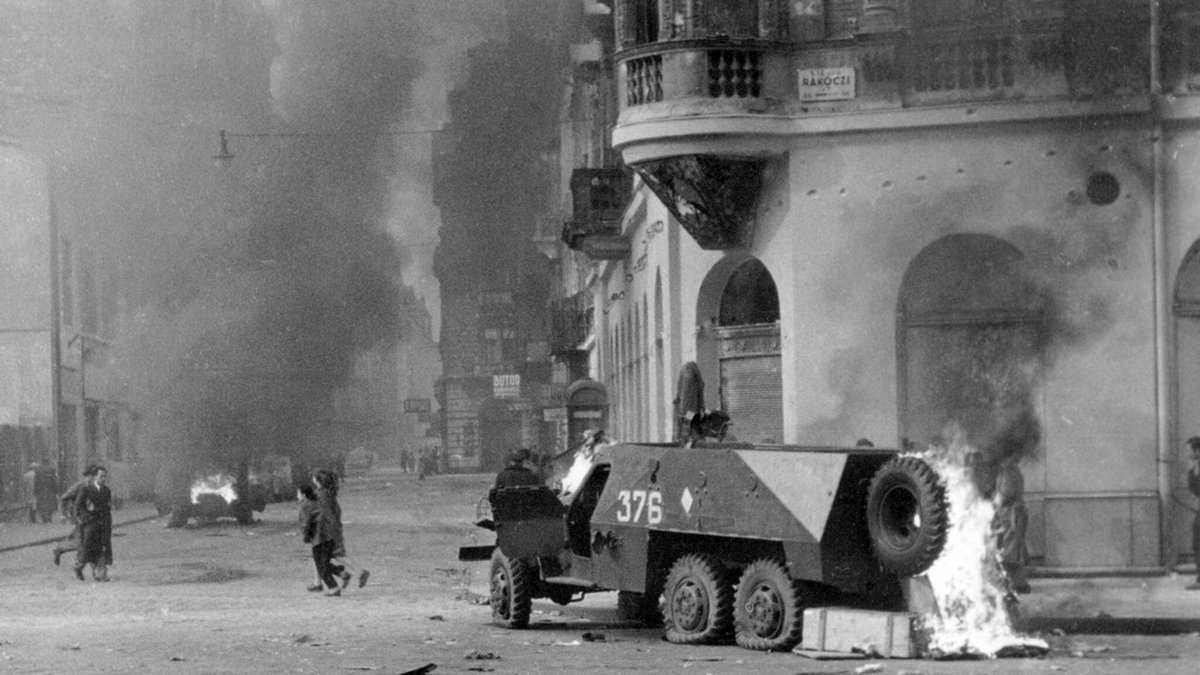
The warmth of collectivism, Budapest, 1956.
eburke tweet media
English
85
1.4K
9K
132.3K