Le_walkabout
71 posts

Le_walkabout
@le_walkabout
Somewhere between nowhere & everywhere Off the map, out of the grid – one path at a time
Latvia Katılım Mart 2024
98 Takip Edilen19 Takipçiler

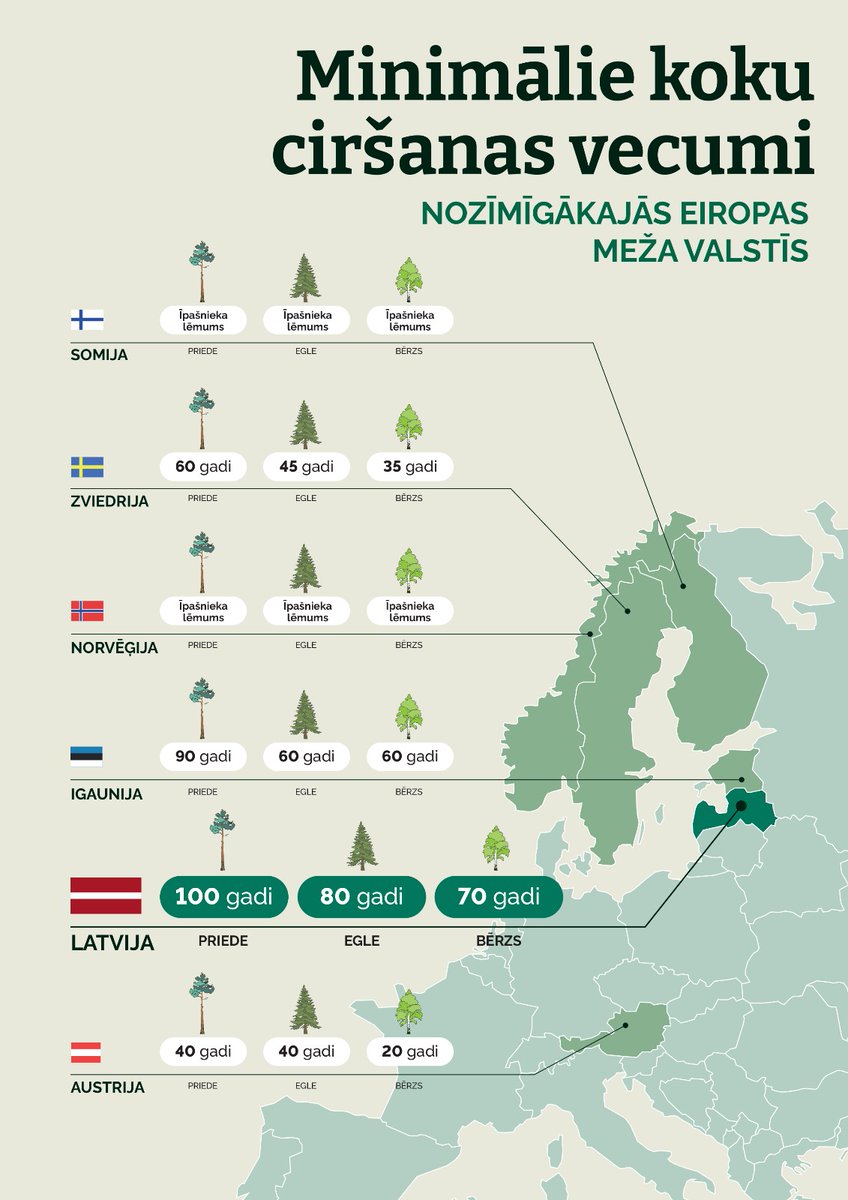
@rokpelnis_haris tie dati ir meli! Viņi izmanto savu koksni un Baltijas uzskata 2 šķiras youtu.be/Lh7qJ5YO0Gg?si… Necērt cauru gadu! Austrijā cērt 80-120 gadus vecus. wald-prinz.de/umtriebszeit-w… vai waldverband.at/wp-content/upl…

YouTube
Latviešu

Le_walkabout retweetledi

🚨BREAKING: SINCE POLAND JOINED THE EU IN 2004 – BILLIONS IN PROFITS FLOW OUT EVERY YEAR TO GERMAN & PORTUGUESE RETAIL GIANTS WHILE POLISH SHOPS DISAPPEAR! 🇩🇪🇪🇺🔥🇵🇱
This was the real Trojan Horse
When Poland entered the EU in 2004, German and Portuguese supermarket chains rushed in.
Poles were happy: finally modern stores, low prices and thousands of new jobs.
But the newest reports (Euromonitor + NIQ 2025–2026 data) show the brutal truth:
- German chains Lidl & Kaufland + Portuguese Biedronka now dominate the grocery market.
- Discounters (mostly foreign) control 38% of all grocery sales in Poland.
- These foreign giants take billions of złoty in profits every single year** — money earned in Polish stores goes straight to owners in Germany and Portugal.
Small Polish family shops are closing fast or being bought out.
They cannot compete with the giants’ prices, logistics and power.
Poles work in these foreign stores, pay taxes here, get cheap shopping like in the West…
But we own **almost nothing** anymore.
It’s like peeing in your pants when it’s cold: feels warm for a moment… then you are freezing.
Poland celebrated EU membership.
Now we work for foreign owners, our own shops vanish, and billions flow out forever.
Is this the “European dream” they sold us — or did we become economic slaves in our own country???


English
Le_walkabout retweetledi

More than 100 service stations across Victoria have run out of petrol while more than 80 have run out of diesel, as prices surge across the state.
skynews.com.au/australia-news…
English
Le_walkabout retweetledi

England's second largest city, Birmingham, this afternoon.
English
Le_walkabout retweetledi


Le_walkabout retweetledi

A nasty Windows 11 bug is causing the C drive to become inaccessible in select devices, says Microsoft
bit.ly/4sJE3pA

English
Le_walkabout retweetledi

🚨: A meteor just burned up in the atmosphere above the Netherlands and Germany.
Local authorities have gotten reports of people's homes being damaged by the entry shockwave.
English
Le_walkabout retweetledi

Perfect European career:
18yo - Start bachelor studies
19 - Go on Erasmus to have sex with foreign students
21 - Finish bachelor
22 - Start master studies
23 - Get unpaid internship
25 - Finish master studies
28 - First well-paid job (€1,200/month)
29 - Get second master's degree
31 - Move out from your parents house
32 - Get online MBA from University of Südwestfalen
33 - Find new job (€1,600/month, can never be fired)
35 - Get online certificate in Sustainability Leadership 67 - Retire with €650/month pension
Life in Europe is simply paradise
English
Le_walkabout retweetledi

Le_walkabout retweetledi

Most people think the semiconductor race is about nanometers.
3nm vs 2nm. EUV vs no EUV.
Who can print smaller, faster, denser circuits
That era is ending.
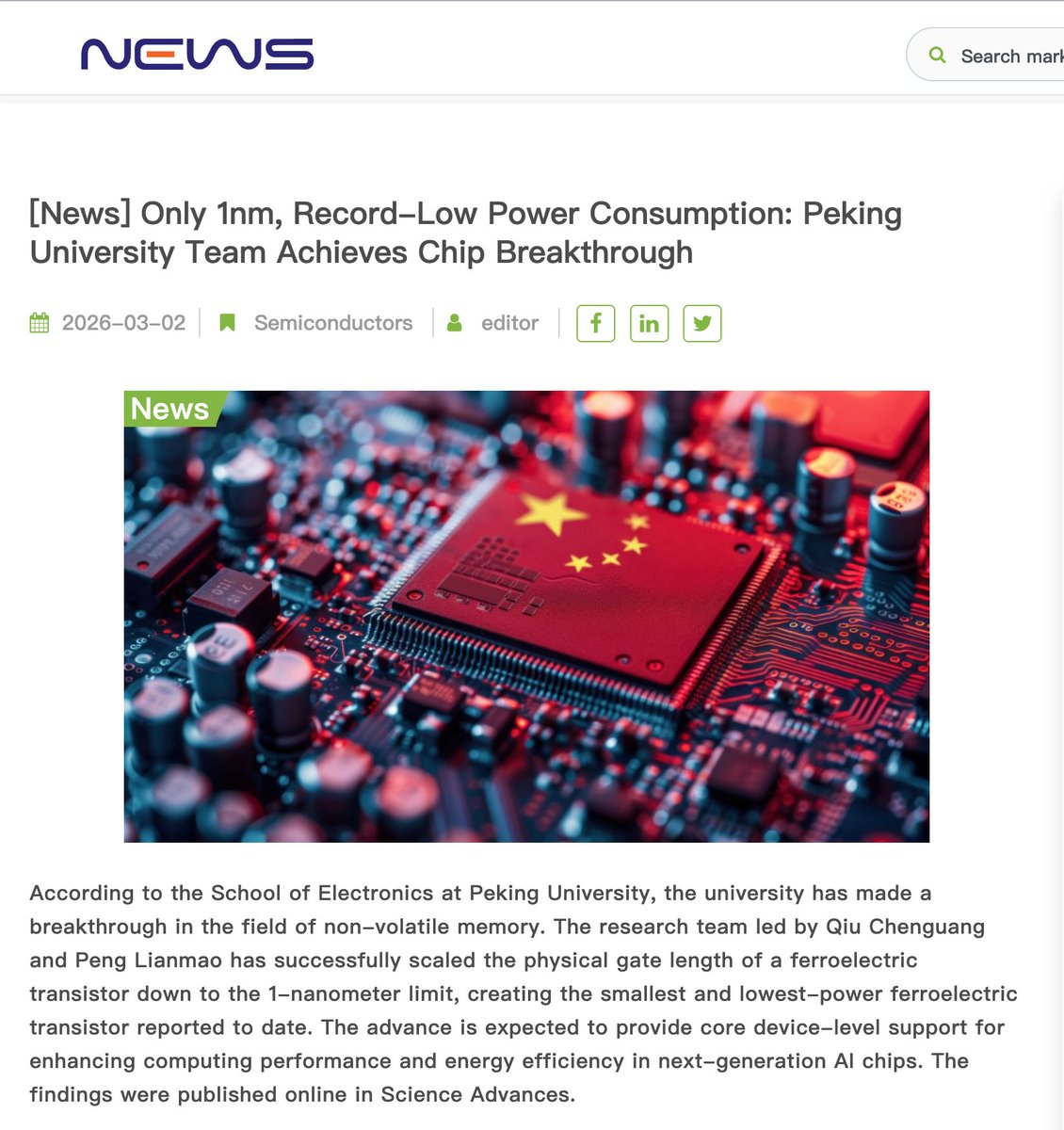
China’s new 1nm ferroelectric transistor from Peking University is not about “catching up” in lithography, it’s about rewriting the architecture of computing itself.
And that’s where the real war is.
This is not a commercial chip, it is device-level physics, the layer beneath CPUs, GPUs and memory, but that layer is exactly where post-Moore innovation happens.
When lithography hits physical limits, materials science takes over, and China just planted a flag at 1 nanometer.
They reduced the physical gate length to 1nm (smallest ever recorded), achieved 0.45 fJ/µm energy consumption (world record low), achieved 0.6V operation, making it compatible with logic circuits, and solved the long-standing voltage/coercive-field tradeoff in ferroelectrics, this is the kind of breakthrough that changes roadmaps.
This is crucial for AI, because ferroelectric transistors can:
• store data (like memory)
• process data (like logic)
The holy grail is compute-in-memory, which crushes the memory bottleneck that limits all modern AI accelerators.
NVIDIA, Intel, TSMC, everyone knows the bottleneck is memory bandwidth, but China just published a device that directly attacks that wall.
This is how you compete in a world where EUV machines are banned.
The U.S. plays supply-chain blockade, China responds with architecture divergence.
While Washington cuts access to tools, Beijing cuts dependence on the tools themselves.
The highest form of “decoupling” is innovation that makes the sanctions irrelevant.
Western reporting still frames China’s chip efforts as “trying to catch up,” but breakthroughs like this point to a deeper shift:
China is no longer following TSMC’s or Intel’s roadmap, it is writing its own roadmap.
One built on:
• ferroelectrics
• 2D materials
• memristors
• photonic compute
• neuromorphic architectures
• chiplet ecosystems
• storage-class memory
• heterogeneous AI accelerators
This is not a copy of the Western trajectory, it’s a fork, and a very strategic fork. Because new device physics has very little dependency on Western chokepoints: no EUV, no Dutch photomasks, no U.S. EDA monopoly, and no restricted advanced resists.
Materials-driven breakthroughs shift power away from manufacturing bottlenecks, and toward scientific talent, which China has in enormous quantities.
Here’s the part most analysts will miss: Post-Moore innovation is winner-take-all.
When a country hits a foundational physics breakthrough first, every layer above it, memory, logic, packaging, architecture, and AI software is forced to reorient around that discovery.
It’s not a new chip, it’s the beginning of a new ecosystem, and ecosystems outperform sanctions.
Some people ask Is this commercially ready?
Of course not, but neither was the first FinFET, neither was the first EUV resist, neither were the first HfO₂ ferroelectrics. Yet every one of those early papers foretold the next decade of semiconductor evolution.
This 1nm device belongs in that category.
Not hype, but trajectory.
The Western discourse is trapped in: “Can China ever match TSMC?”
The real question is: What happens if China stops trying to match TSMC?
What happens if China leapfrogs into domains the West isn’t prepared to dominate?
The U.S. bet the entire containment strategy on manufacturing chokepoints.
China is now betting on physics.
Physics tends to win.
English
Le_walkabout retweetledi
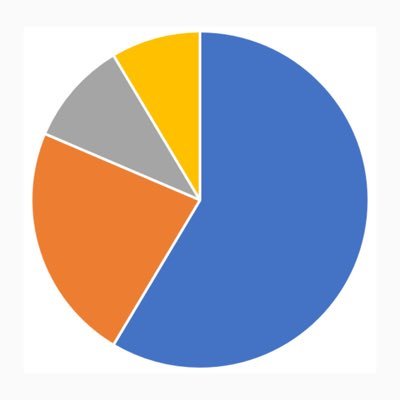
Genetics according to dominant haplogroup:
🧬 R1A
Russia 🇷🇺
Belarus 🇧🇾
Ukraine 🇺🇦
Latvia 🇱🇻
Poland 🇵🇱
Moldova 🇲🇩
Czechia 🇨🇿
Slovakia 🇸🇰
Hungary 🇭🇺
Slovenia 🇸🇮
🧬 N
Finland 🇫🇮
Estonia 🇪🇪
Lithuania 🇱🇹
🧬 l1
Sweden 🇸🇪
Denmark 🇩🇰
🧬 l2
Romania 🇷🇴
Serbia 🇷🇸
Kosovo 🇽🇰
Bosnia and Herzegovina 🇧🇦
Croatia 🇭🇷
🧬 E1b1b
Bulgaria 🇧🇬
Albania 🇦🇱
🧬 J1
Saudi Arabia 🇸🇦
Jordan 🇯🇴
Iraq 🇮🇶
Iran 🇮🇷
Yemen 🇾🇪
Oman 🇴🇲
UAE 🇦🇪
Palestine 🇵🇸
🧬 J2
Turkey 🇹🇷
Greece 🇬🇷
Azerbaijan 🇦🇿
🧬 G
Georgia 🇬🇪
🧬 C
Kazakhstan 🇰🇿
🧬 R1b
Germany 🇩🇪
France 🇫🇷
Spain 🇪🇸
UK 🇬🇧
Ireland 🇮🇪
Italy 🇮🇹
Austria 🇦🇹
Switzerland 🇨🇭
Belgium 🇧🇪
Netherlands 🇳🇱
🧬 E
Egypt 🇪🇬
Libya 🇱🇾
Algeria 🇩🇿
Tunisia 🇹🇳
Morocco 🇲🇦
🧬 Q
Turkmenistan 🇹🇲
Le_walkabout retweetledi

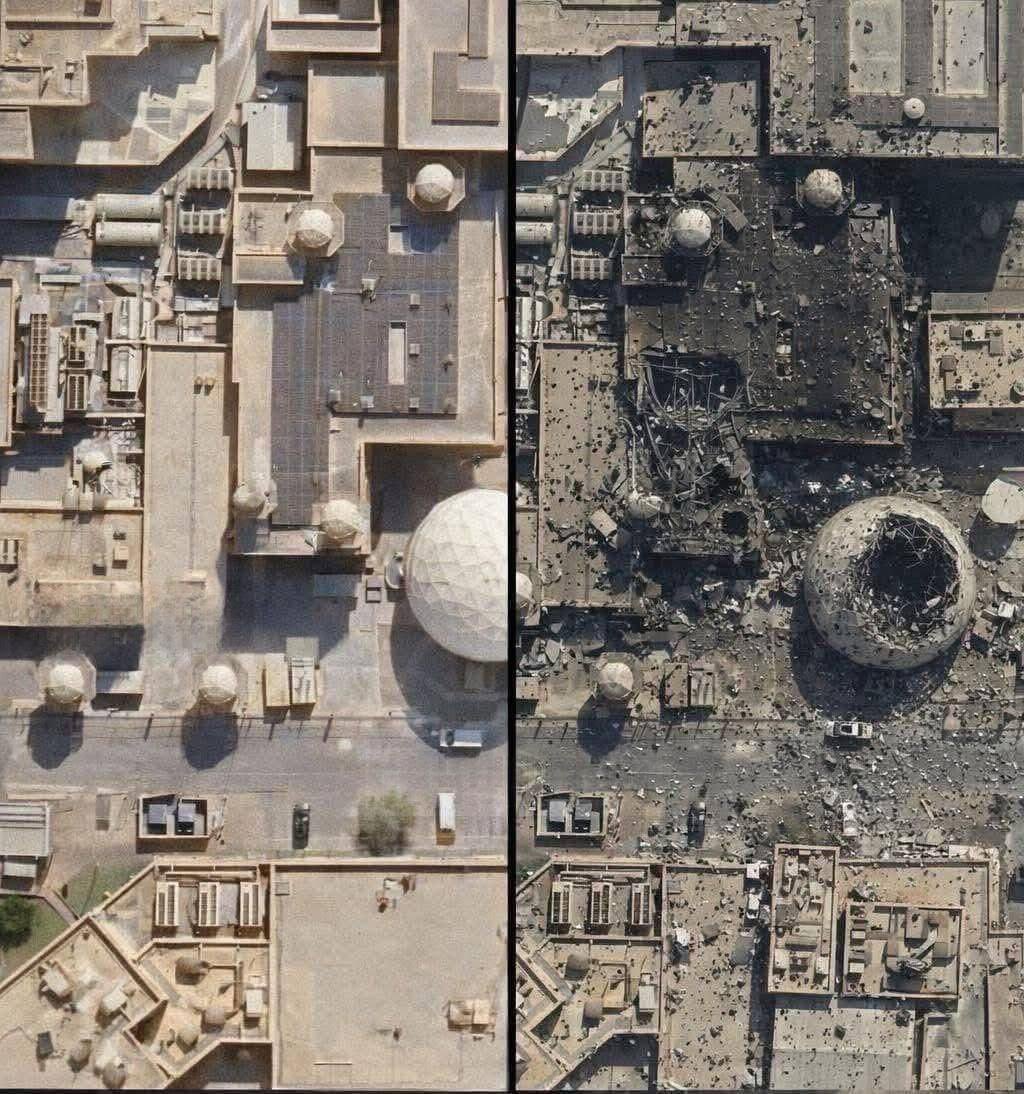
🇮🇷✖️🇺🇸 Iran destroyed a $1.1 billion American radar in Qatar - Fars
💥 An Iranian strike on military facilities hit a US early warning radar in Qatar, estimated to cost around $1.1 billion, reports the Iranian agency Fars.
📡 It is reported that the radar was used to track Iranian missile launches.
- Ostashko
English
@madcap412 Companies still don't get it. We don't own games anymore. We gamifying game releases.
Bad games flopping literally melting my heart!
GIF
English
Le_walkabout retweetledi

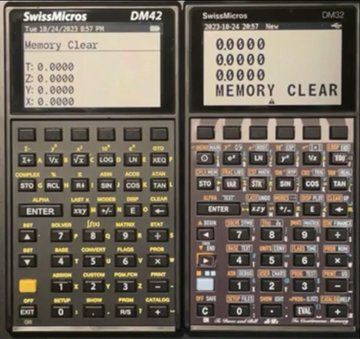
DYSTOPIAN: Due to age verification laws, open source calculator firmware is being restricted in some states.

English
Le_walkabout retweetledi


Le_walkabout retweetledi

Reels make you retarded.
We should get our adversaries addicted to Reels.
Hey, wait a minute! 🤔
Nicholas Fabiano, MD@NTFabiano
Addiction to short-form videos reduces brain activity in the frontal lobe weakening the ability to focus.
English
@SyphoticART Tiberian Sun. That feel. Voxel graphic. Backgrounds and destroyed landscape. Perfect for me.
GIF
English

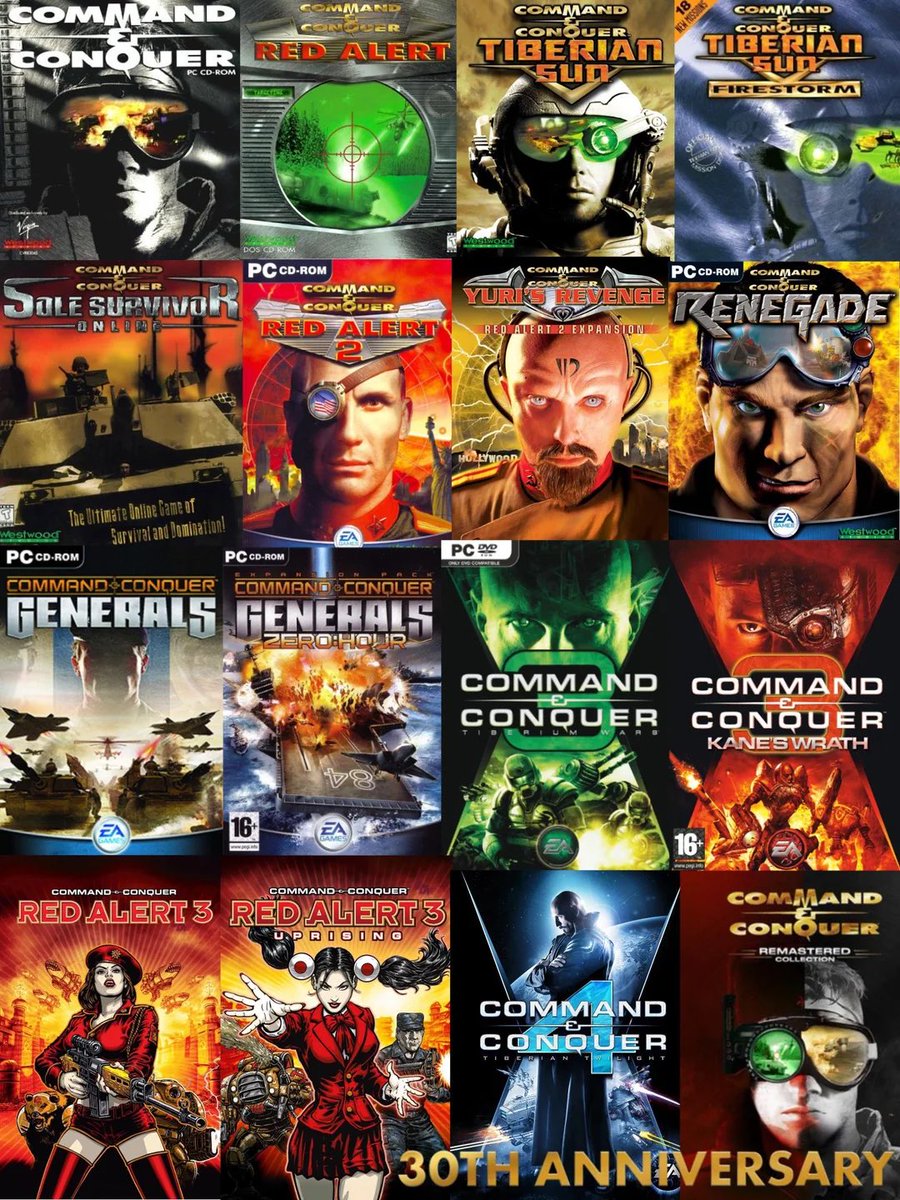
One of the Saddest things about command and conquer is that I personally don’t feel like we ever got the perfect game.
We got the innovative titles, the game play improvements but I just don’t think C&C was allowed to hit its peak in the end, it had so much potential, so much room to continue being genre defining.
Instead it came crashing down in a wall of corporate flame.
It’s been 31 years. In the first 15 years we had 14 releases including expansions. In the last 16 years we’ve had 4, 3 of those were mobile/web games and the 1 was the remaster.
In my opinion, that’s a damn shame. Everyone who worked on those games deserved to have the IP grow into something bigger, or at least survive. I doubt we’ll see another C&C game for awhile yet. Even the my money is on another remaster to deliver sales.

English
Le_walkabout retweetledi

Unforgettable sight in Lithuania 🇱🇹❄️ A herd of European bison was spotted calmly walking across snow-covered fields in the Lančiūnava forestry.
📹 The rare winter scene was captured on video by a local forester and shared by the State Forest Enterprise.
English
Le_walkabout retweetledi