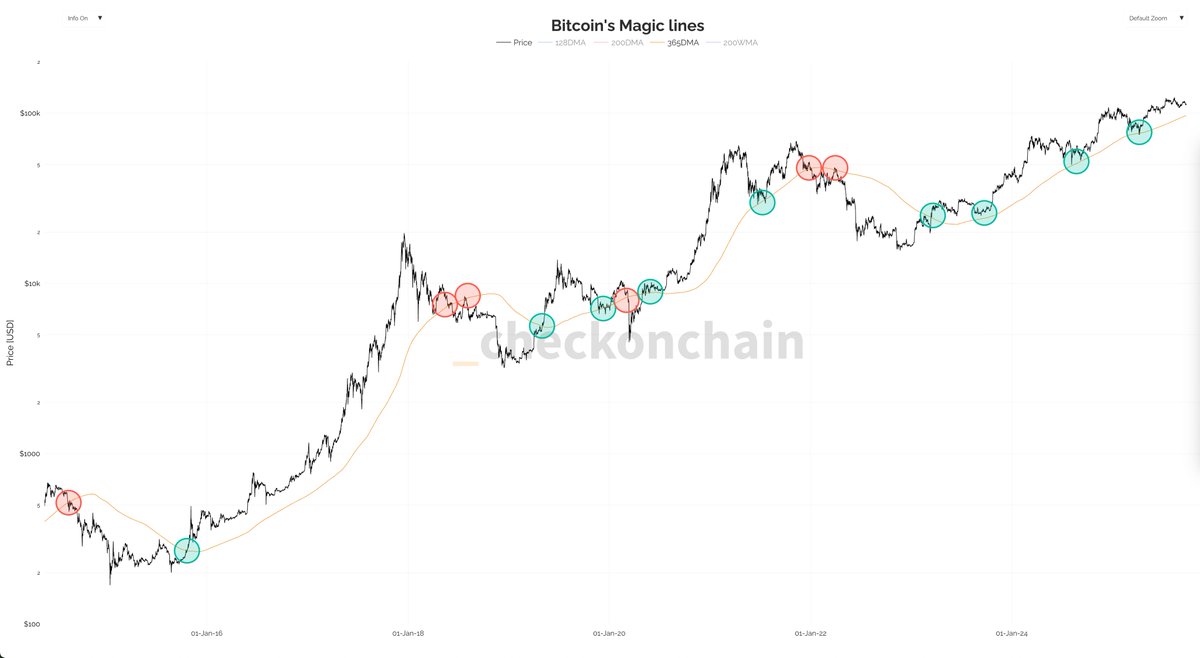
@quant_arb Overlap wont affect the estimate though right? Just affects the error bounds around the estimate
English
bluehonour
1.5K posts
@lonestar799
Math nerd. Student for life. Stem phd. Get 5% discount on GMX trading fees: https://t.co/pS1dcMm0jy…

Howard Marks on the 10 year returns of the SP500 when you buy it at a 23 P/E ratio or higher. Right now it’s 24-25. In every case the 10 year return range was between -2% and +2% best case scenario. Essentially a lost decade.


Flying Tulip’s multi-year roadmap is now live. It outlines the evolution of our ecosystem, from trading infrastructure to stablecoin architecture, unified collateral, and beyond. Each milestone represents deliberate, audited progress toward a safer and more secure DeFi foundation. Explore the full roadmap: docs.flyingtulip.com/roadmap


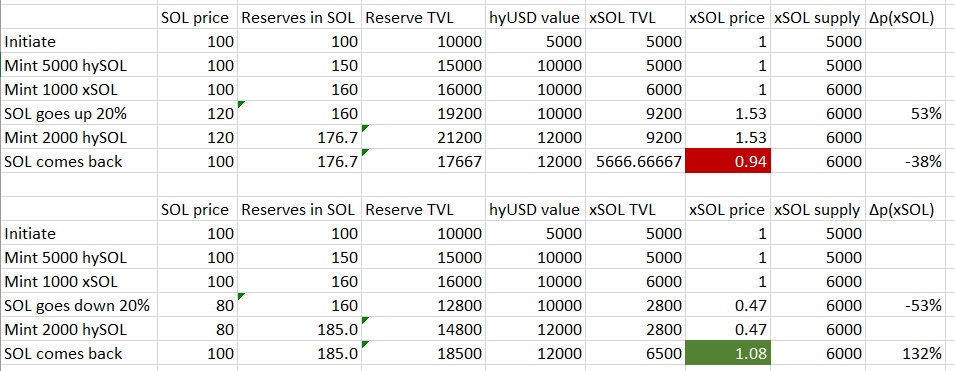
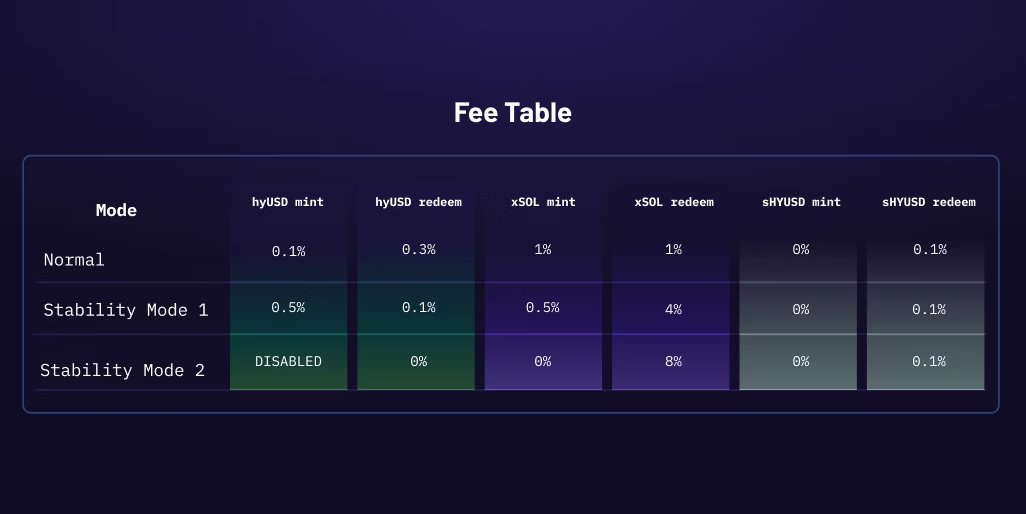
As I dig into @hylo_so, I already mentioned that my interest primarily lies in sHYUSD as I already have enough SOL exposure. But since most of you seem to be excited about the xSOL, I thought I will share a short analysis so that you actually understand what you hold. p(xSOL) = (TVL - hyUSD supply)/n(xSOL) This is the simple equation that dictates how price of xSOL behaves wrt to SOL price. So, with every incremental hyUSD mint, the effective leverage goes up. Ceterus paribus, every epoch jitoSOL collateral yield harvesting mints new hyUSD, which means your xSOL is constantly levering up. As @0xPlish explained to me, this is analagous to funding rates on your levered positions. In addition, large hyUSD mints by users also lever you up. So, as hyUSD TVL goes up, xSOL keeps levering up constantly. This is something to be aware of. This is actually beneficial in an up only market that reaps amplified rewards. In a down only market, with CR coming down, if hyUSD holders flee for fear of whatever and redeem, or because the protocol incentivizes them to redeem, that levers you down, also saving you from amplified downside. I like how it behaves in this regard. Let me show you the behavior with a few examples in this thread.


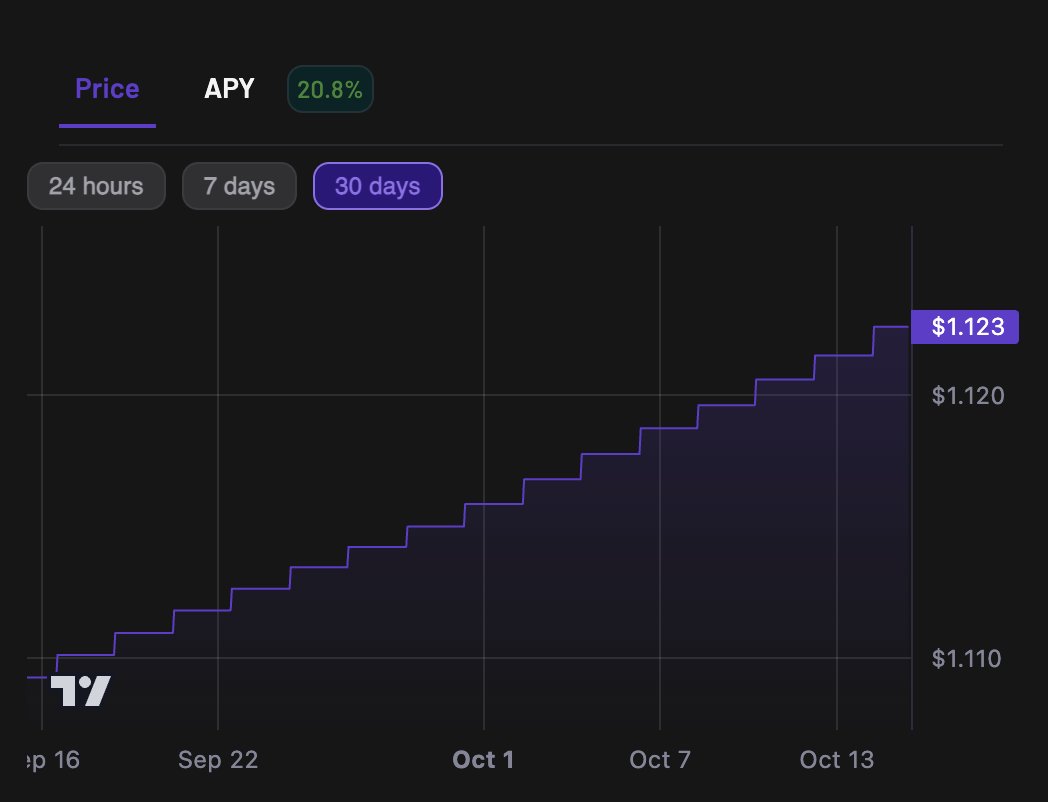
The best stablecoin yield is on @solana 🖨️💵