B&W黑白

575 posts

B&W黑白 banner
B&W黑白

B&W黑白

@lych01101

冷眼热心看世界!#BTC#BCH#BSV#HBAR#STX#LINK#TON#DOGE#SUI#APT

Katılım Nisan 2020
949 Takip Edilen89 Takipçiler
Max Crypto
Max Crypto@MaxCrypto·
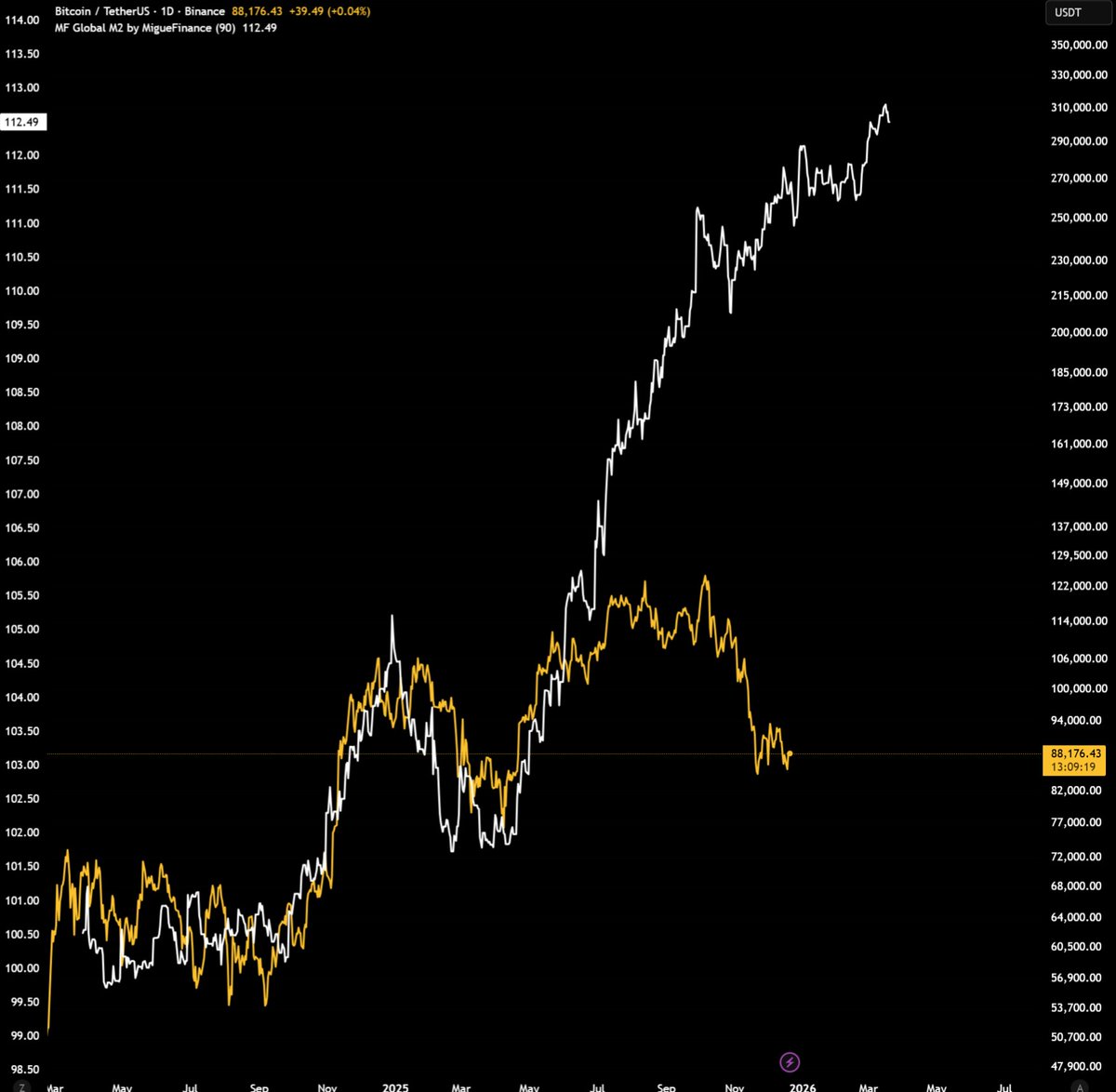
Bitcoin has never been this detached from Global liquidity. Looks mispriced and undervalued to me.
Max Crypto tweet media
English
721
540
5.2K
608K
B&W黑白
B&W黑白@lych01101·
@BensonTWN 所谓发展,只是贵族生活不断平民化,现在的贵族只剩长生不老了。
中文
0
0
0
513
Benson Sun
Benson Sun@BensonTWN·
最近跟一位在圈內闖蕩多年、已經財富自由的朋友交流。 她提出一個非常有意思的洞察: 「現在的錢,已經沒有以前那麼好用了。」 為什麼? 因為在高度工業化的現代,過去王公貴族才能享受的生活品質,現在平民老百姓都觸手可及。 這位朋友提出了一個經典例子:Jeff Bezos 拿的 iPhone,跟普通人拿的 iPhone 沒有任何差別。即便你再有錢,你也買不到一台比 iPhone 領先 50 年的通訊設備,因為技術邊界就在那裡。 我仔細想想,好像真的是這樣。 在清末,慈禧太后用的馬桶是檀香木刻、鋪著綢緞與香料的「官盆」,而平民用的是簡陋的茅坑,兩者有著天壤之別。但在今天,你家裡的馬桶跟首富家裡的,本質上已無代差。即便多花了幾十倍的錢,頂多也就是多了免治功能或自動掀蓋——在最基本的生理尊嚴上,現代工業已經抹平了階級的鴻溝。 這代表財富在「物質功能」上的邊際效應遞減得極快: 食: 財富自由的人吃一頓米其林三星,跟你吃一頓精緻料理的飽足感與美味落差,已不再是天壤之別。 衣: 頂級訂製西裝與優質成衣的差距,比起百年前的絲綢與粗麻,視覺上的階級感大幅縮小。 行: 頭等艙與經濟艙雖然舒適度有差,但抵達目的地的時間是一樣的。 如果第一個 100 萬美金帶給你的邊際效用是 10(它解決了安全感與基本自由); 那麼第二個 100 萬美金,效用可能就遞減到 5; 到了第三個,效用可能只剩下 1。 這個效用遞減函數不是線性的,而是斷崖式的(Cliff)。 這位朋友說,她見過不少人白手起家,資產從 A6 翻到 A9,又從 A9 跌回 A6(單位是美元)。 很多人財富增加了,心態卻仍停留在 Degen 慣性。簡單來說,就是賭上癮了。 他們成了數字的囚徒,為了追逐帳面上更高的收益,在錯誤的時間點重倉豪賭,冒著 100% 返貧的風險,去換取那早已遞減到幾乎為零的邊際效用。 我跟她也有類似的觀察。或許是華人基因裡帶有上一代的苦難記憶,我們普遍對金錢有一種深層的恐懼感,喜歡囤積數字、喜歡攀比。這種「匱乏感」就像是一種基因病毒,代代相傳。 即便我們已經生活在物質過剩的時代,腦袋裡的作業系統卻還停留在「飢荒模式」。我們習慣用資產的數字來填補內心的不安全感,卻忘了問自己:當邊際效應已經進入斷崖區,繼續透支生命去交換那些多出的數字,代價究竟是什麼? 如果你觀察那些在幣圈起伏、最終卻無法守住財富的人,你會發現,他們追求的往往不是「更好的生活」,而是「贏過別人的感覺」。 他們買超跑、買名牌,本質上不是為了自己爽,而是買給別人看的。 試想一下,如果你住在一個無人島上,你會想開一輛藍寶堅尼嗎?上下車得彎腰、椅子難坐得要死,進出車庫還怕刮到底盤。在沒有觀眾的地方,這些財富象徵反而是一種累贅。 有趣的是,這種「優越感」完全是比較出來的結果。再做另一個思想實驗:如果你住的不是無人島,而是所有人都開藍寶堅尼的小島,你還會想開它嗎?應該也不會,因為當超跑變成標配,它就失去了炫耀的價值。 這種對「優越感」的追逐,本質上是一場永無止盡的西西弗斯推石遊戲。 優越感不是來自於你「擁有的多」,而是來自於你「比別人多」。這意味著你的幸福感並非建立在自己的基座上,而是漂浮在別人的目光裡。一旦進入更高階層的圈子,原有的優越感會瞬間崩塌,迫使你投入更多的人生預算去換取下一個階梯的虛榮。 這正是為什麼有些資產 A9 的人依然活得像個飢餓的囚徒。因為在優越感的金字塔中,永遠有比你位居更高處的人。 真正通透的人生,是把自主權從別人的眼光奪回到自己手裡。 這意味著你清楚知道自己需要多少物質就能抵達「舒適」的邊界,而邊界之外的每一分精力,你都選擇用來餵養自己的靈魂,而不是用來滿足無止盡的攀比。 真正的自由,並非擁有買下一切的權力,而是擁有一種「即便不參與這場遊戲,也不覺得自己輸給任何人」的底氣。 當你不再是數字的囚徒,也不再是別人的對照組,你終於能在這擁擠的世界裡,找到一個最讓自己舒服的坐姿。 就像風清揚傳授獨孤九劍時,對令狐沖說的那句:「根本無招,如何可破?」 如果說人生也有獨孤九劍,那麼破除一切煩惱的招式,就是放下心中的比較心——「根本無人,何必去贏?」
中文

165
344
2.1K
1M
李德胜DavidTheRealtor
李德胜DavidTheRealtor@david88lee·
大家来说说,从11/1号的发帖到感恩节行情的发动(11/21),用时三周,有三天的误差,刚好出现了天地板延迟了三天。现在我承诺的圣诞节行情,又准备起航了。如果再一次完美的实现圣诞行情,X友们应该怎么谢谢我,请我喝杯咖啡不过分吧。过来波士顿买/卖套房也理所当然吧!当然前提是,你不是我们的对手盘😜
李德胜DavidTheRealtor tweet media
李德胜DavidTheRealtor@david88lee

华尔街周末情绪依然低落,回调的概率>突破,回调时间大概2-2.5周,然后开始做感恩节行情,年底继续做圣诞和新年红包行情。今年任务完成😀

中文

19
1
45
14.2K
B&W黑白
B&W黑白@lych01101·
@phyrexni 川普任内把泡沫吹到极致,甩给下届民主党,又一个1929--1932
中文
0
0
1
166
Phyrex
Phyrex@PhyrexNi·
这就像是我们之前聊过的,当鲍威尔卸任后,新的美联储主席不论是沃什还是哈塞特,最终很可能都要听川普的指示,我想川普肯定是会避免之前任免鲍威尔的问题。 这次的采访川普的目标是美国的利率降低到 1% ,现在是 3.75% ,如果真的能降低到 1% 的话,对于风险市场的刺激肯定是好的,但对于美国的通胀肯定是非常不利的。 如果川普通过透支“通胀”的方式来维持经济,那么接下来的一个雷可能会更大。而换来的应该是最近两年股市的继续上行可能。 Bitget VIP,费率更低,福利更狠
Nick Timiraos@NickTimiraos

Trump said he thought the next Fed chair should consult with him on rates. “Typically, that’s not done anymore. It used to be done routinely. It should be done,” Trump said. “It doesn’t mean—I don’t think he should do exactly what we say. But certainly we’re—I’m a smart voice and should be listened to.” Trump also said he thinks rates should be at 1% or lower. Because the U.S. is the best credit, "we should have the lowest rate in the world," Trump said.

中文
52
6
88
48.1K
B&W黑白
B&W黑白@lych01101·
@Murphychen888 好象26年夏天6,7月会是个关键时刻 1,25年收阳,并顺势维持到26年世界杯,出现最高价,但26年最终收阴 2,25年收小阳或小阴,并顺着从25年7月进入顶部盘整并下跌的势,一直到26年世界杯结束,见低点,也刚好是熊一年
中文
1
0
1
353
Murphy
Murphy@Murphychen888·
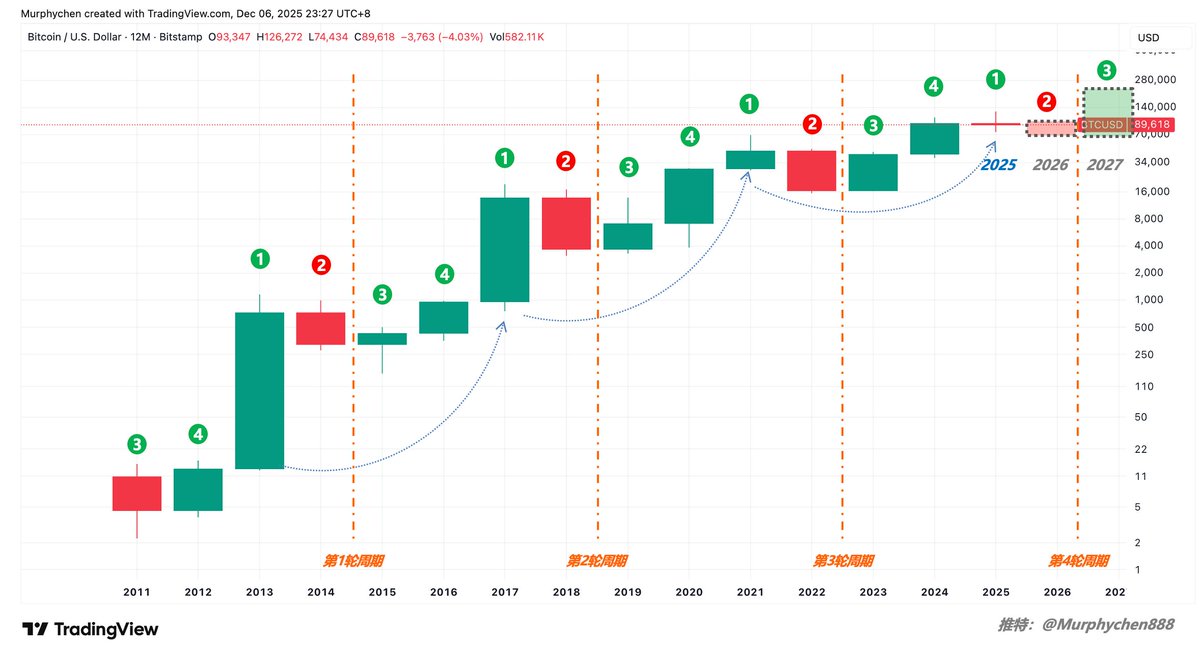
这是采用的是对数坐标刻度的BTC年K线图,它反映的是BTC一年中价格百分比变化,而不是绝对价格变化。从这个图上,小伙伴们能看出什么问题么?我先抛砖引玉...... 首先,最直观的当然是BTC在过去15年里,始终遵循4年一次牛熊转换,即图中标注的“3-4-1-2”为一轮周期,并且保持3阳1阴的节奏,3-4-1为阳线(牛市),2为阴线(熊市)。 (图1) 其次,如果我们单独把2013、2017、2021这3根K线进行对比(图中蓝色虚线),可以发现 “1” 越来越短,意味着涨幅越来越小。而2025年正好就是 “1”。 按规律,原本1应该是阳线(绿色柱),然而现在我们看到还是阴线(红色柱);需要在12月结束时BTC收盘在$93,347以上,才会是阳线。但即便如此,也是一个十字星,这是历史上从没有过的情况(之前都是有实体的阳线)。 如果12月收盘低于$93,347,收阴线,就更加说明之前4年一轮牛熊周期的时间点被打破了!即不按照“3阳1阴”的节奏,那就意味着2026这个 “2” 也未必就一定是阴线了。 同时,我们观察到 “2” 也是越来越短,说明无论25年最终如何,2026也大概率只是一小段实体的阴线或阳线,即跌幅或涨幅都不大。且如果25年收阴线,按照以往不会连续2年出现阴线的规律,26年反而很有可能会收阳线。 此外,“1” 和 “2” 都是越来越短,唯独只有“3”是越来越长。所以,会不会是2027年的涨幅反而最明显,到2028年K线的实体又变小了,29年又变成阴线...... 如此看来,BTC的周期依然存在,但时间点已和过去的规律不吻合,以后也未必就一定就是4年一次转换,给人的感觉就是“周期变快了,涨幅变小了”。 为什么我要把这个图拿来讲,是因为我觉得其中即有逻辑也有玄学,和我们的“三线合一”指标存在相关性,那么下一篇我们就用“三线合一”来对照分析,会有些很有意思的发现。 小伙伴们如有不同的观察,欢迎在评论区留言共同探讨。 ---------------------------------------------- 本文由 @Bitget 赞助| Bitget VIP,费率更低,福利更狠
Murphy tweet media
中文
32
19
154
108.2K
B&W黑白
B&W黑白@lych01101·
@emmasu0909 @Murphychen888 刻舟了上两个平台的时间,最低价刚好出现在21--23周,约150--160天,而后变盘。是否长短期变化是以150天左右为统计基数?而现在又到了这时间段,会不会又变盘?兰线急升?
B&W黑白 tweet media
中文
0
0
0
93
修心者
修心者@xiuxinze·
仔细看了一,也看了二,说说自己的体会,其实“蓝线(LTH敏感度)上穿红线”的本质,就是时间的残酷性。并不怕急跌,最怕的是高位横盘或阴跌——这会导致大量高成本的STH被动熬成LTH。 一旦这批“被迫格局”的筹码不仅没等到解套,反而跌破心理防线,那时候就不再是调整,就真的是2026年深熊的“确认函”。我们要盯着的不是价格,而是时间。嗯,对,时间是重中之重吧!
中文
3
0
12
1.6K
Murphy
Murphy@Murphychen888·
“周期牛转熊” 的触发点(二) 在一次机构内部研讨会上,老板问我:你觉得这次BTC进入深熊的概率有多少?尽管有谈及一些个人观点,但我知道那其中带有我的主观意愿。会后我也一直在思考,应该如何用客观的逻辑及数据,来解释这个问题? 我觉得 “投资者价格敏感度” 可以作为依据之一。该指标的逻辑我们在上一篇推文中有说明(见引文),其核心就是量化在BTC价格下跌时,让不同投资群体所产生的“心理压力”或承受的“痛苦程度”,即对价格敏感度。 (图1) 它呈现的是一条贯穿十余年的周期性规律,并清楚揭示了过去几轮周期中BTC最终陷入深熊的关键触发因素 —— 每当LTH的价格敏感度(蓝线)超过了STH敏感度(红线),且持续上升,意味着进入深熊的概率飙升(如图1)。 所以,仔细观察图中过往周期的演变过程,就不难发现似乎都有这样一个过程: 1、一开始,只是牛市的正常回调,此时只有STH敏感度变强,红线单独上升,LTH几乎没有损失,价格敏感度为零。 2、此后价格下跌,红线到了一定阈值后不升反降,意味着高位的套牢筹码开始割肉离场,短期筹码成本下降,以至于敏感度也跟着下降了。 3、最后,随着更多高位入场的LTH对价格的敏感度变强,蓝线超过红线意味着市场一只脚已踏入深熊的大门。 回到当前...... 蓝线已然开始抬头,但并未超过红线,说明当前下跌仍是短期投资者对价格较为敏感。类似的情况在2024年8月也出现过,但25年4月却没有,说明24年8月在情绪面上更像“熊市”,虽回调幅度不深但时间跨度很长(7个月)。 当然,如果对比过去,至少当前LTH敏感度还未达到危机四伏的程度(已用相对市值做了曲线平滑),但风险正在上升是不可否认的事实。那么在什么条件下,“风险” 转 “危机” 的概率会快速上升呢? 下一篇推文中我们继续...... 本文由 @Bitget 赞助| Bitget VIP,费率更低,福利更狠
Murphy tweet media
Murphy@Murphychen888

“周期牛转熊” 的触发点(一) 在以下引文中,我们分析了“超卖区”和“深熊区”本质上是SPI 情绪的倒挂,只是后者更严重、更持续。那么小伙伴们觉得,2026年BTC有没有可能从超卖区进入深熊区?什么条件下其概率有多少? 我想每个人心中应该都会有一个预期,现在满仓的,肯定希望这个概率是零;而现在空仓的,预期一定是100%。 (图1) 而我的答案藏在了这幅图里 —— 投资者价格敏感度指标;指衡量的是:当BTC价格每下跌1%,长期持有者(LTH)和短期持有者(STH)的相对未实现亏损强度分别是多少? 我们可以将“相对未实现亏损”理解为“亏损压力”或“承受的痛苦程度”。指标越高,说明此时BTC每下跌一个单位,给投资者造成的账面损失越大,心理压力就越大,对价格的敏感度就越强。 图中蓝线是LTH价格敏感度,红线是STH价格敏感度;时间跨度是从2014年至今的四轮周期。根据上述逻辑,看看小伙伴们是不是能看明白。 如有需要“喂饭”,请评论区留言,下一篇我来尝试解读😂 本文由 @Bitget 赞助| Bitget VIP,费率更低,福利更狠

中文
28
13
163
93.7K
B&W黑白
B&W黑白@lych01101·
@CryptoPainter 当他们有一天突然想通了去中心化帐本技术是为AI设计的,加密货币的最终日常使用对象是各个AI体而不是人类时,指数型思维就涌现出来了。
中文

0
0
0
14
Crypto_Painter
Crypto_Painter@CryptoPainter·
硅谷是指数增长思维,而华尔街是线形增长思维; 因为加密货币开始被华尔街接受,所以传统估值体系从指数增长变为了线形增长… 这才有了公链估值空间大幅被压低的原因,说白了就是:市梦率变成了市盈率… 在我看来公链无非就是互联网二层,当互联网全面转向AI时,公链还在早期增长阶段… 那么这轮周期山寨走的弱,ETH和SOL不尽如人意,也就都是正常的了… 举个例子,假设你是韩立的徒弟,炼气期,当你师傅在外面和元婴大佬斗法时,你还在为怎么搞到筑基丹而发愁…
Haseeb >|<@hosseeb

In Defense of Exponentials I used to tell founders, the reaction you are going to get to your launch is not hate, it’s indifference. By default, nobody cares about your new chain. I have to stop telling them that now. Monad just launched this week, and I’ve never seen so much hate about a blockchain that just launched. I’ve been investing into crypto professionally for 7+ years now. Before 2023, almost every chain I’ve ever seen that launched was mostly met with enthusiasm or indifference. But now, new chains are born into a chorus of hate. The amount of haters I’ve seen for projects like Monad, Tempo, MegaETH—before they even hit mainnet—is a genuinely new phenomenon. I’ve been trying to diagnose: why is this happening now, and what does it mean about the psychology of this market? The Cure is Worse than the Disease Forewarning: this is going to be the vaguest blockchain valuation post you ever read. I don’t have any fancy metrics or charts to sell you on. Instead, I’ll be arguing against the zeitgeist of Crypto Twitter, which for the last couple of years, I’ve been constantly on the opposite side of. In 2024, I felt like what I was arguing against was financial nihilism. Financial nihilism is the belief that none of these assets matter, it’s all memes at the end of the day, and everything we’ve built is inherently worthless. Thankfully, that’s no longer the vibe. We have broken out of that spell. But the zeitgeist now is what I’d call financial cynicism: OK, maybe some of this stuff has value, maybe it’s not all memes, but it’s grossly overvalued and it’s only a matter of time before Wall Street finds that out. Not that all chains are worthless. But these things are all maybe worth 1/5th-1/10th of what they’re currently trading at (have you seen these PE ratios?), and so you’d better pray like hell Wall Street doesn’t call us on our bluff, because once they do it’s all getting wiped out. You’ve got many bullish analysts now trying to conjure up optimistic L1 valuation models, inflating PE ratios, gross margins, DCFs, trying to fight against this mood. Late last year, Solana very proudly embraced REV as a metric that could finally justify their valuation. They proudly announced: we—and only we—are no longer bluffing to Wall Street! And, of course, almost immediately after REV was embraced, it fell off a cliff (though $SOL, tellingly, did better than REV did). Not that there’s anything wrong with REV. REV is a very clever metric. But the point of this post is not metric selection. Then came the launch of Hyperliquid. A DEX that had real revenue and buybacks and PE multiples. And the chorus said—look, look I told you! Finally, for the first time ever, a token that has some real profits and a proper PE multiple. (Nevermind BNB, we don’t talk about that.) Hyperliquid will eat everything because obviously Ethereum and Solana don’t make any real money, we can stop pretending to value them now. Hyperliquid, Pump, Sky, these buyback-heavy tokens are all great. But the market always had the ability to invest into exchanges. You could always buy Coinbase, or BNB, or whatever. We own $HYPE, and I agree that it’s a fantastic product. But that’s not why people were investing in ETH and SOL. The fact that L1s don't have exchange-like profit margins is not why people were buying them—if they wanted that, they could’ve bought Coinbase stock. So if I’m not critiquing blockchain financial metrics, maybe you think this post is going to be chiding the sinfulness of the token-industrial complex. Obviously, everyone has lost money on tokens in the last year, VCs included. Alts are down bad this year. And so the other half of the zeitgeist on CT is arguing about who's to blame. Who’s become greedy? Are the VCs greedy? Is Wintermute greedy? Is Binance greedy? Are the farmers greedy? Are the founders greedy? The answer, of course, is the same as it’s ever been. Everyone is greedy. Everyone. The VCs, Wintermute, the farmers, Binance, the KOLs, they're all greedy, and you are greedy too. But it doesn't matter. Because no functioning market has ever required anyone to act against their self-interest. If we're right about crypto, we can all be greedy and the investments will still work out. Trying to analyze a market that has gone down by figuring out “who’s greedy” is going to be about as fruitful as commissioning witch trials. I guarantee you, nobody just started being greedy in 2025. So this, too, is not what I’m going to be writing about. Many people want me to write a post about why $MON should be valued at X or $MEGA at Y. I’m not interested in writing this post, or advocating that you buy anything in particular. In fact, you probably shouldn’t buy any of them if you don’t already believe in them. Will any new challenger chain win? Who knows. But if it has a material chance of winning, it's going to be priced on that basis. If Ethereum is worth $300B or Solana is worth $80B, a project that has a 1-5% chance of becoming the next Ethereum or Solana will be priced according to those probabilities. Somehow CT is scandalized by this, but it’s no different than Biotech. A drug that has less than a 10% chance of curing Alzheimer's is priced by the market as worth billions of dollars, even if 90% chance it won’t pass stage 3 trials and will go to 0. That's how the math works—and turns out, markets are pretty good at doing math. Binary outcomes are priced on probabilities, not on run rates or moral turpitude. It’s the “shut up and calculate” school of valuation. I really don’t think that’s an interesting question to write about. “5% chance to win? No way, that’s clearly a 10% chance!” Markets, not articles, are the best way to assess that for any individual token. So here’s what I am going to write about: CT doesn't seem to believe anymore that chains are valuable. I don’t think this is because they don’t believe new chains can win market share. We just saw Solana dominate market share after emerging from the ashes less than 2 years ago. It’s not easy, but of course it’s possible. It’s more that people have come to believe that even if a new chain wins, there’s no prize worth winning. If $ETH is just a meme, if it’ll never generate real revenue, then even if you win, you won’t be worth $300B. The contest is not worth winning, because these valuations are all bunk and it’ll all come crashing down before you go to claim your prize. Being optimistic about chain valuations has become passé. Not that nobody is optimistic—obviously there must be optimists out there. For every seller there’s a buyer, and as much as CT cool kids love to drag L1s, people are comfortable buying SOL at $140, ETH at $3000. But there’s a perception now that all the smartest people are over buying smart contract chains. Smart people know the jig is up. If not now, then soon. The only people buying here are suckers—Uber drivers, Tom Lee, and KOLs who say stuff like “trillions.” And maybe the US Treasury. But not the smart money. This is bullshit. I don’t believe it, and you shouldn’t either. So I felt like I had to write a smart person’s manifesto on why general purpose chains are valuable. This post is not about Monad or MegaETH. It’s really in defense of ETH and SOL. Because if you believe ETH and SOL are valuable, the rest is straight downstream. Defending ETH and SOL valuations is generally not my job as a VC, but fuck it, if nobody else is willing to do it, then I’ll write it. Feeling the Exponential My partner Bo experienced the Chinese Internet boom first-hand as a VC. I’ve heard how “crypto is like the Internet” so many times now that it doesn’t even register for me anymore. But when I hear his stories, it always reminds me how costly it is to be wrong about these things. A story he often tells is about when all the early e-commerce VCs (it was a small group back then) got together for coffee in the early 2000s. They debated: how big is the market for e-commerce going to be? Is it going to be mostly electronics (maybe only techies will use PCs)? Could it ever work for women (perhaps they’re too tactile)? What about food (maybe impossible to manage perishables)? These were deeply important questions for early VCs to decide what to invest in and what prices to pay. The answer, of course, was that literally every single one of them was devastatingly wrong. E-commerce would sell everything, and the target audience was the whole fucking world. But nobody at the time actually believed it. And even if they did, it would be too absurd to say out loud. You just had to wait long enough for the exponential to show you. Even among the believers, very few thought e-commerce would become as big as it became. And those few who did, almost all of them became billionaires from just not selling. Every other VC—as Bo tells me, since he was one of them—sold too early. It has become passé in crypto to believe in the exponential. I believe in the crypto exponential. Because I’ve lived it. When I started in crypto, nobody used this stuff. It was tiny and broken and awful. TVL on-chain was in the millions. We invested into the first generation of DeFi, MakerDAO, Compound, 1inch, back when they were science projects. I remember playing around on EtherDelta back when DEXes traded single digit millions a day, and that was considered to be a huge success. It was complete dogshit. Now we routinely trade in the tens of billions on-chain every day. I remember believing it was crazy that Tether hit a billion dollars in issuance and was being written up in the NYT as a ponzi scheme on the brink of shutdown. Now stablecoins are over $300B and regulated by the Federal Reserve. I believe in the exponential because I’ve lived it. I’ve seen it over and over again. But you might respond—well, stablecoin growth might be exponential, maybe DeFi volumes are exponential, but they don’t accrue to ETH or SOL. The value doesn’t get captured by the chains. To which I answer: you still don’t believe in the exponential. Because the exponential’s answer is always the same: it doesn’t matter. This stuff is going to be so much bigger than it is today. And when it’s absolutely enormous, you’ll make it up on scale. Study this chart. This is Amazon’s P&L from 1995 to 2019. That’s 24 years. Red is revenue, gray is profit. You see that little blip on the end where the gray line goes up? That’s when, 22 years in, Amazon started actually making a profit. Amazon was 22 years old when this little gray line of net income first peeled off of 0. Every single year before then, there were op eds and critics and short sellers claiming that Amazon was a ponzi scheme that would never make any money. Ethereum just turned 10 years old. This is what the first 10 years of Amazon stock looked like: 10 years of chop. All along the way, Amazon was beset with doubters and non-believers. Is e-commerce a VC-subsidized charity? They’re selling underpriced cheap low-quality knick-knacks to bargain hunters, who cares? How are they ever going to make actual money, like Walmart or GE? If you were arguing about Amazon’s P/E ratio, you were in the wrong regime. That’s the regime of linear growth. But e-commerce was not a linear trend, and so every single person for 22 years arguing about P/E ratios was devastatingly wrong. No matter what you paid, no matter when you bought, you were not bullish enough. Because that’s what exponentials do. When it comes to truly exponential technologies, no matter how big you think it’s going to get, it just keeps getting even bigger. This is the thing that Silicon Valley has always understood better than Wall Street. Silicon Valley was raised on exponentials, while Wall Street was raised on linearity. And over the last few years, crypto’s center of gravity has migrated from Silicon Valley to Wall Street. You can feel it. Granted, crypto growth doesn’t look as smooth as e-commerce’s growth. It’s burstier, it goes in fits and starts. This is because crypto, being about money, is deeply tied to macro forces, and it also has more violent regulatory push and pull than e-commerce. Crypto strikes at the heart of the state—money—and so it’s more unnerving to governments than e-commerce ever was. But the exponential is no less inevitable. It's a crude argument. But if crypto is exponential, then the crude argument is correct. Zoom out. Financial assets want to be free. They want to be open. They want to be interconnected. Crypto turns financial assets into file formats, makes it as easy to send a dollar or a stock as to send a PDF. Crypto makes it possible for everything to talk to everything. It makes it all 24/7, global, interconnected, and open. That will win. Open always wins. If there’s no other lesson I've learned from the Internet, it’s that. Incumbents will fight against it, governments will huff and puff, but eventually they will give up against the adoption, the generativeness, the sheer efficiency that this technology enables. It’s what the Internet did to every other industry. Blockchains are how that same trend will gobble up all of finance and money. Yes—with enough time—all of it. An old saying goes: people overestimate what can happen in two years, but they underestimate what can happen in ten. If you believe in the exponential, if you zoom out enough, then it’s all still cheap. And it should humble you that every day, the holders outlast the sellers and naysayers. Big capital has a longer time horizon than CT swing traders might lead you to believe. Big capital has been trained through history not to fade big technologies. You know, the big gushy story that originally got you to buy $ETH or $SOL? Big capital believes that story and hasn't stopped. So what exactly am I arguing? I am arguing that applying P/E ratios to smart contract chains (the “revenue meta,” as it’s now called), is giving up on the exponential. It means you have consigned this industry to the regime of linear growth. It means you believe 30 million DAUs on-chain and <1% of M2 is it. Crypto is just one of the things in the world. A sideshow. It did not win. It was not inevitable. More than anything, I’m arguing to be a believer. Not just a believer, but a long-term believer. I’m arguing that this exponential will be bigger than anything else you’ve been a part of in your life. That this is your e-commerce. That you will look back when you’re old and tell your kids—I was there when it all happened. Not everyone believed it was possible, that whole societies could change, that all of money and finance would be transformed by programs running on decentralized computers that we collectively owned. But it actually happened. It changed the world. And you were a part of it. Disclosure: These are my own views. Dragonfly is an investor in $MON, $MEGA, $ETH, $SOL, $HYPE, $SKY among many other tokens. Dragonfly believes in the exponential. This is not investment advice, but is advice of another kind.

中文
82
3
116
33.3K
Corleone
Corleone@corleonescrypto·
100k budget can only invest in one coin must hold for 10 years no bitcoin which coin do you choose?
English
954
56
537
80.6K
B&W黑白
B&W黑白@lych01101·
@cmdefi 知识权力(破坏式创新)必然向财富权力(资本控制)转变,并一定会向暴力权力(政权机器的工具)转化。最终只会成为一种统治工具。 早期参于知识权力创造的在后期一定会疼苦迷茫,就象一手带大的孩子却被逼无奈被这世界训成了杀手。
中文
0
0
0
38
CM
CM@cmdefi·
这一轮最大的问题,就是基本没人谈什么加密原生精神了,聊多了甚至被嘲笑,当然有一个很重要的原因就是上一轮被割的太惨了,没人信这个了,但仔细想想如果大家都认为加密原生的去中心化、无需许可、无需信任这些都不重要,那这个市场毫无优势可言,这种情况如果长期持续下去,只能择机退出了。 希望不会有这一天。
中文
93
10
208
62.2K
B&W黑白
B&W黑白@lych01101·
@_FORAB 只有加密货币能做为押压物从传统银行贷出钱来才是真出圈。希望能在美国也可以,那就很有期待值了。
中文
0
0
0
1.7K
AB Kuai.Dong
AB Kuai.Dong@_FORAB·
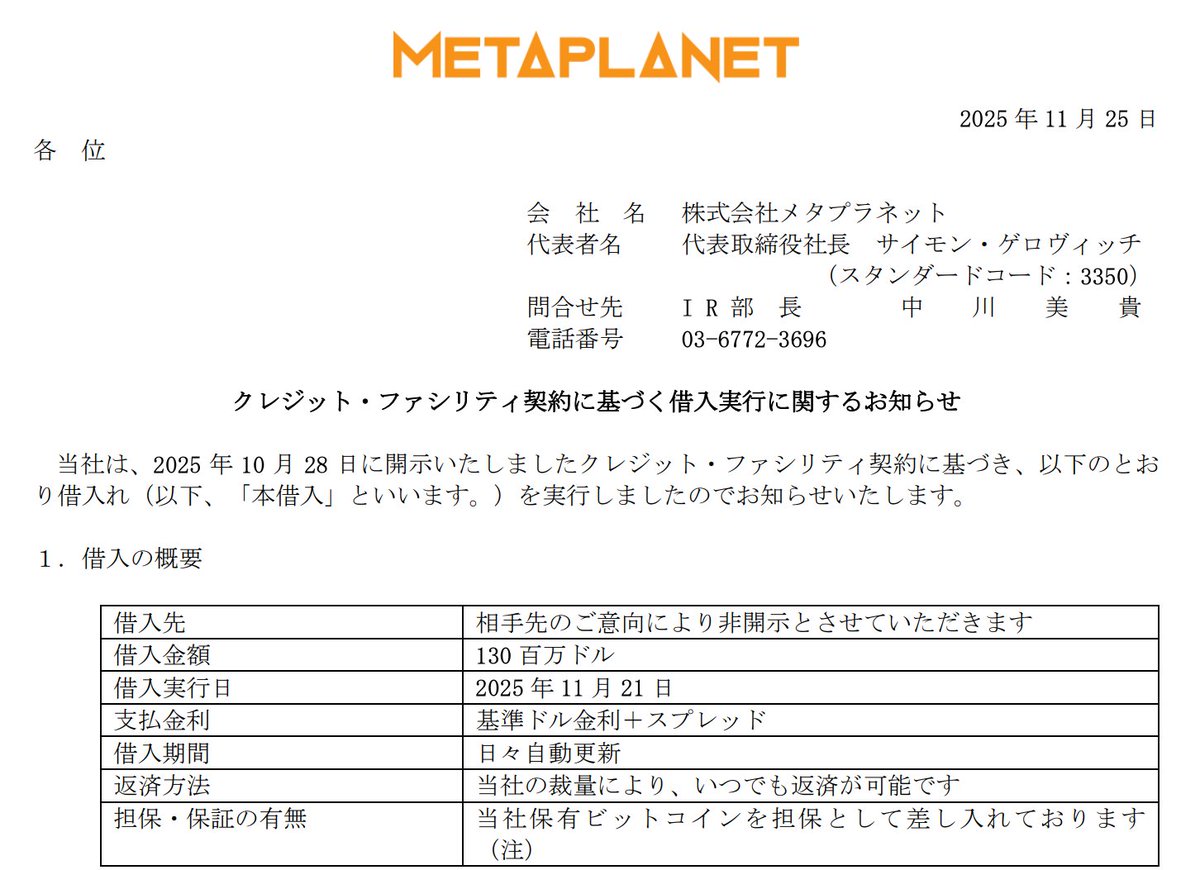
微策略们的新子弹来了,抵押 BTC! 继本月初之后,日本微策略 Metaplanet,再次将所持有的部分 BTC 作为担保,从而获得新的现金信贷额度。 算上本次的贷款金额,已累计借出 2.3 亿美元,用于后续再去市场上买入 BTC。 抵押 BTC、获得现金、再去买入 BTC。 微策略们的下一个轮子,开始转动。
AB Kuai.Dong tweet media
Minato-ku, Tokyo 🇯🇵 中文
137
24
286
67.7K
B&W黑白
B&W黑白@lych01101·
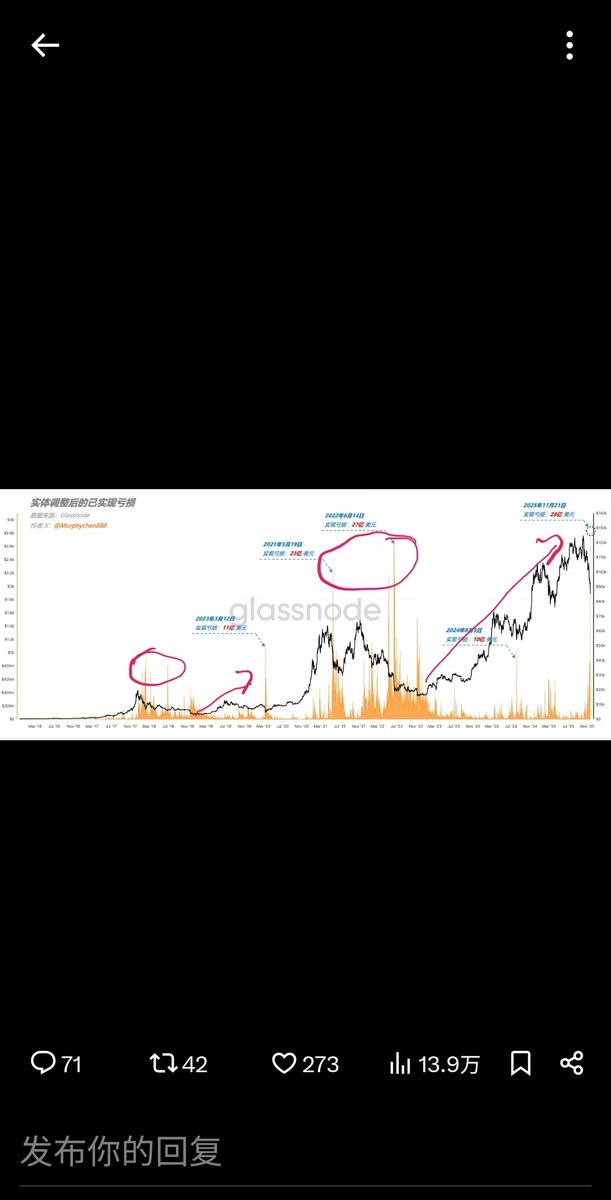
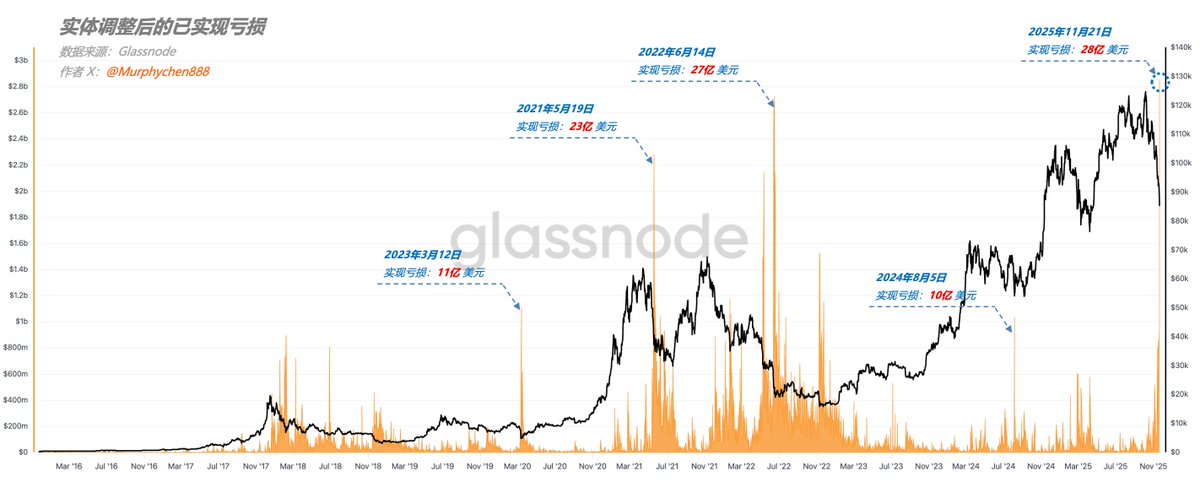
@Murphychen888 和312很像,牛市中单日实亏大于上轮熊市实亏。
B&W黑白 tweet media
中文
1
0
0
212
Murphy
Murphy@Murphychen888·
当我打开页面的一瞬间,我以为自己眼花了...... 我滴个天 ~ 昨天EARL (实体调整后的已实现亏损) 竟然创出了自BTC诞生以来的历史最高值 —— 单日 28亿 美元! 规模超过了历史上所有特殊事件发生时给市场造成的冲击。即便是3.12、5.19、Luna暴雷、FTX倒闭等等这些大家耳熟能详的大恐慌时期,也没出现过如此史诗级的恐慌盘。 当我们见过了这个,前几天那些所谓的恐慌盘出逃简直就是小儿科。但细细想来,也没有什么特点大的,具有毁灭性的利空消息或事件呀,哎...... 2025年11月21日 —— 这天注定将载入史册! 本文由 @Bitget 赞助| Bitget VIP,费率更低,福利更狠
Murphy tweet media
Murphy@Murphychen888

11月17日第二波恐慌盘被挤压出逃,实体调整后的实现亏损(EARL)为8.6亿美元,超过了11月14日的8.2亿美元的规模,市场恐慌情绪正在持续蔓延(图1),未见收敛。 在此要提醒猎人们,你们的子弹要慢慢打哦。情绪是有惯性的,前期会有一个快速“传染”的过程。尤其是当前时间段,又与过往4年牛熊周期论的时间点吻合,还是会有很投资者甚至机构认可这一规律的。 什么时候算可以了?我们一定要看到EARL在价格下跌的过程中,一波比一波低,或者总体下降(图2),我们才可以认为这是恐慌盘即将出清的表现,跌无可跌才是反弹开始前的迹象。 本文由 @Bitget 赞助| Bitget VIP,费率更低,福利更狠

中文
74
41
286
253.1K
DC大于C
DC大于C@DL_W59·
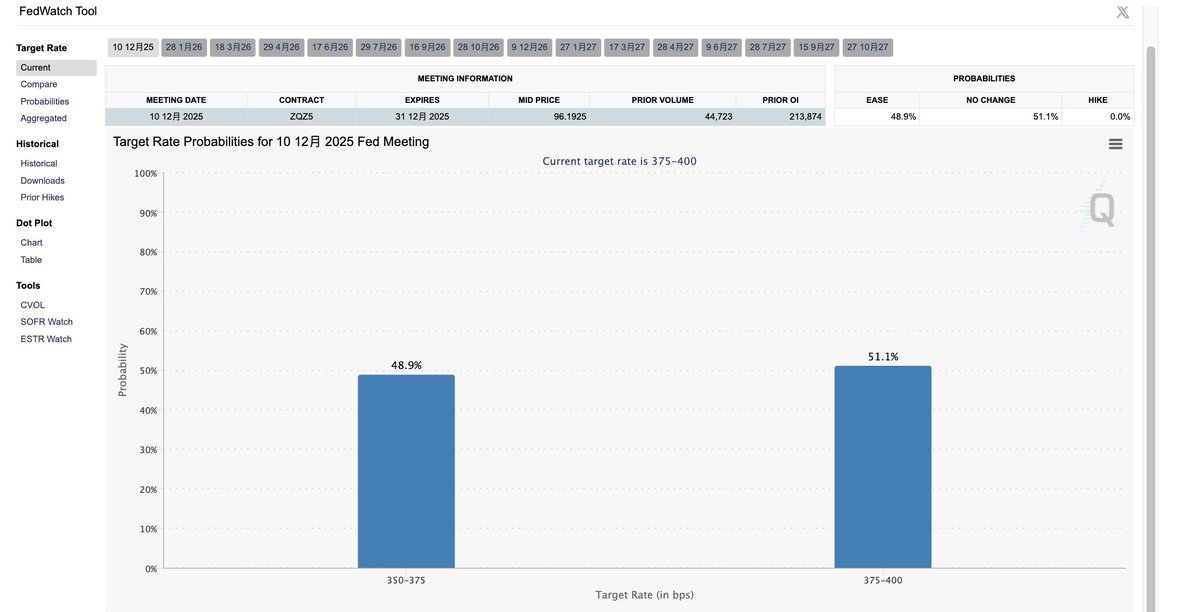
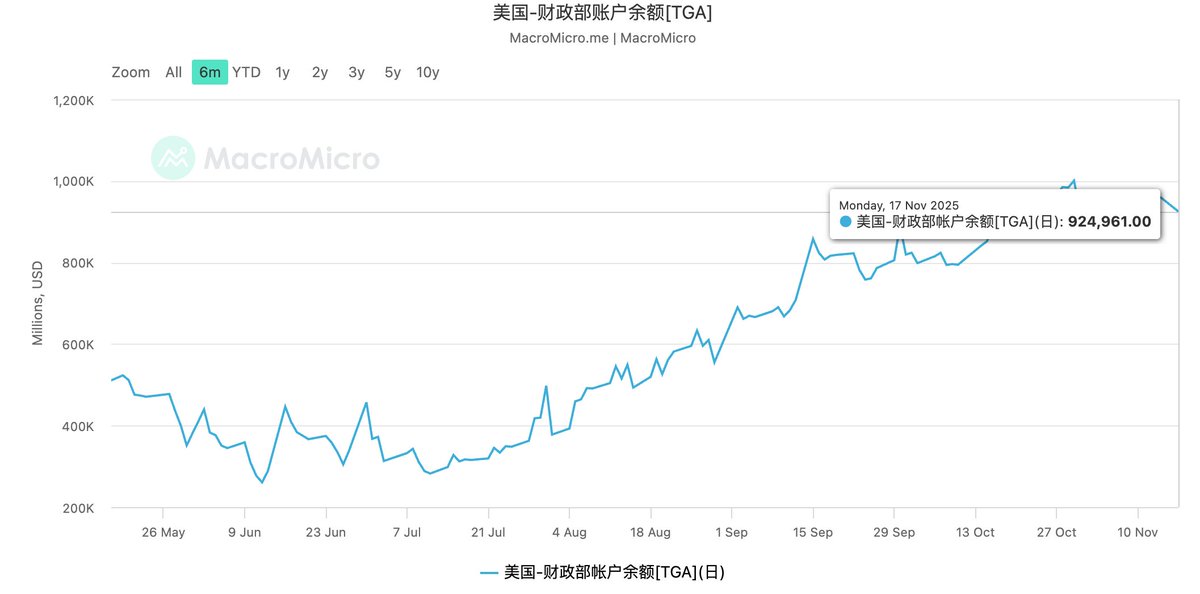
我个人觉得可以期待一下吧 先看 $BTC URPD数据图,昨天在89-92这里支撑住,上面有几个筹码堆积相对巨量柱子。图中已经标记 然后再来看市场情绪走向,昨晚美股下探, $BTC 却回升, 当然呢,截止今早闭盘,美股也接近回正呢。 而且最关键是昨天最新数据显示美国财政部现金余额账户(TGA)首次出现显著下行:财政部现金从 9,590 亿美元减少 340 亿美元至 9,250 亿美元。 前面由于政府停摆财政部此前大量吸收资本,导致金融系统内现金可及性恶化。现在,美国财政部开始释放资金,市场流动性局面有望缓解。 不知道是不是BTC对于流动性格外敏感,而且现在开始释放也是好事情呢。 加上明早英伟达财报公布,市场认为预期不错,同时明天还有劳动力数据公布,应该可以稳定下情绪。价格回升还是有希望。 当然呢,这可能是暂时情绪上的稳定,也不代表后面不会跌了。 因为要扭转整个下跌趋势还是需要降息的预期炒作扩大和财政流动性的释放加大的。 前者需要进一步的宏观数据公布,后者需要时间。 截止发文前,CME预测12月降息 48.9%,比昨天 43%高一点了。
DC大于C tweet mediaDC大于C tweet mediaDC大于C tweet media
Cato_KT@Cato_KT

本周 #Bitcoin 能否重回95,000,这个观点我站人类这一方,同意倪大的观点, 这个观点并非空穴来风,首先我是一个多头思维,虽然价格跌至如此,我依旧认为未来可能也就是2-3个月的震荡低迷阶段,后续我们依旧可以迎来BTC的上涨趋势 另外,在今天的盘面分析中,我已表明,晚间的反弹加速让小时级别的止跌信号更加确定,目前仅需要继续等待日线止跌信号明确 所以,我认为当前阶段主要是反弹阶段,尤其是目前的反弹第一阶段,如我前文所述,个人判断本次判断的两个关键阻力是96,4000与101,000——102,000 根据目前的反弹情况+本周四英伟达财报预期不错,同时还有经济数据的公布,我认为尝试测试突破96,400问题不大,所以很显然,重回95,000我觉得更加简单! 另外要说几点: 1,没想到 DA的这个AI取名居然叫BABA,这个中文翻译过来可太搞笑了,而且如果人类错了,还要带上 BABA获胜,与BABA是对的,简直嘲讽意义叠满了,哈哈哈 2,其次,我建议下次关于价格问题上的议题需要把条件具象化, 首先是价格突破95,000,最终截止时间是什么时间,那么是需要在最终截止之前价格必须要保持在95,000吗? 另外,价格重回95,000,是短期突破就可以,还是需要站稳? 个人觉得,如果议题扩大后,就需要注重细节上的问题。 3,大家可以参与到本次讨论,积极留言,如果小伙伴的答案是最终胜利的一方,可以参与抽奖,如果中将可以获得200$ 的空投。

中文

7
2
19
17.3K
TraderS | 缺德道人
TraderS | 缺德道人@Trader_S18·
昨天大饼破9后终于迎来了反弹,虽然反弹力度不强,但总算有了一点希望,大家也一直在试图找到原因。从盘面到结构各式理由都有,昨天反弹的时候我也赶紧去查看了美国政府TGA账户,但是没有变化。刚刚再一看,数据终于更新了,截止11.17号,美国政府TGA账户余额自重启后第一次下降了300亿美元,也就是说终于开始释放流动了。 说别的逻辑都没用,币圈就是对流动性最敏感。
TraderS | 缺德道人 tweet media
TraderS | 缺德道人@Trader_S18

近一个月的比特币大跌重铸了很多基本概念: 1. 近年来说的比特币黄金储值逻辑被证伪,纳指黄金属性三七开的叙事可以扔进垃圾堆了 2. 避险属性被证伪,币圈彻底沦为美元流动性蓄水池,流动性溢出时当水库,流动性不足时开闸放水浇灌农田 3. 颠覆美元体系,预防通胀叙事自ETF后就逐渐消亡,现在更是彻底站不住了。

中文

54
10
133
111.7K
B&W黑白
B&W黑白@lych01101·
@maswdwlwzz 浙江省最后一位牛市信仰者来报个到。
中文
0
0
1
1.9K
皮皮虾Trader
皮皮虾Trader@maswdwlwzz·
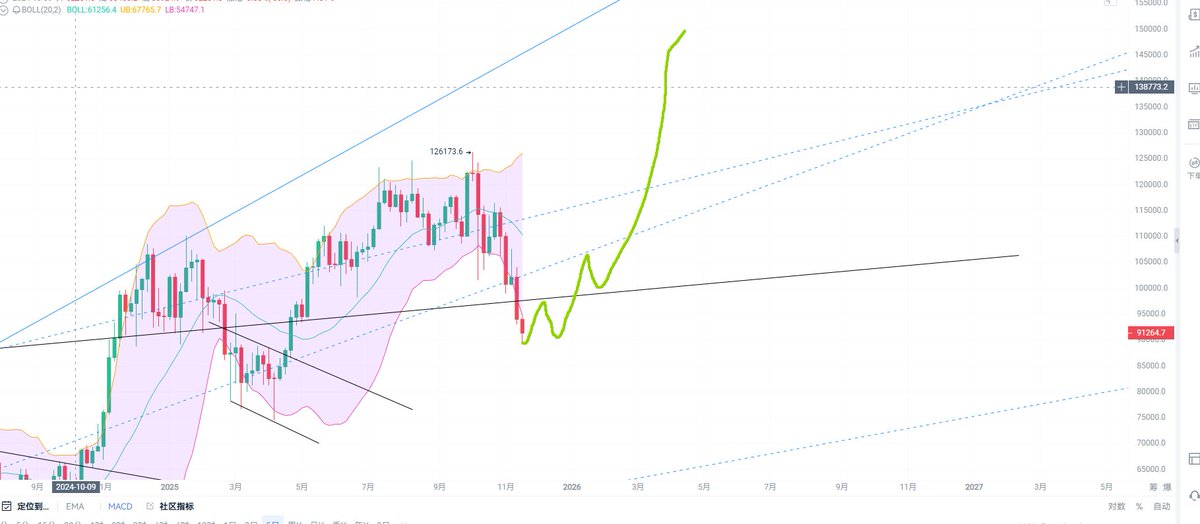
江苏省最后一位牛市信仰者。 尽管价格已经跌破了我4月画的图1草图预期。但我仍然相信牛还在,绘制了下图2的草图,我已经买入🙏
皮皮虾Trader tweet media皮皮虾Trader tweet media
中文
86
24
199
53.9K
B&W黑白
B&W黑白@lych01101·
@Rocky_Bitcoin @iota 目前有限的几个并行计算的项目,好象都采用有向无环图技术。中国有一个(树图cfx),欧洲有一个(iota),美国有两个(hbar,sui),而iota应该是老祖。
中文
0
0
0
51
B&W黑白
B&W黑白@lych01101·
@Rocky_Bitcoin @iota 是否可以从并行计算和顺序计算这一角度,从更底层来区分现在的去中心化帐本技术的变化?我个人认为所有顺序计算的链只能是第一代去中心化帐本技术,要高tps,只能高中心化。唯有能提供并行计算的链才有可能成为全球广泛采用的底层应用层,才能高tps和高度去中心化共存。
中文

1
0
0
210
Rocky
Rocky@Rocky_Bitcoin·
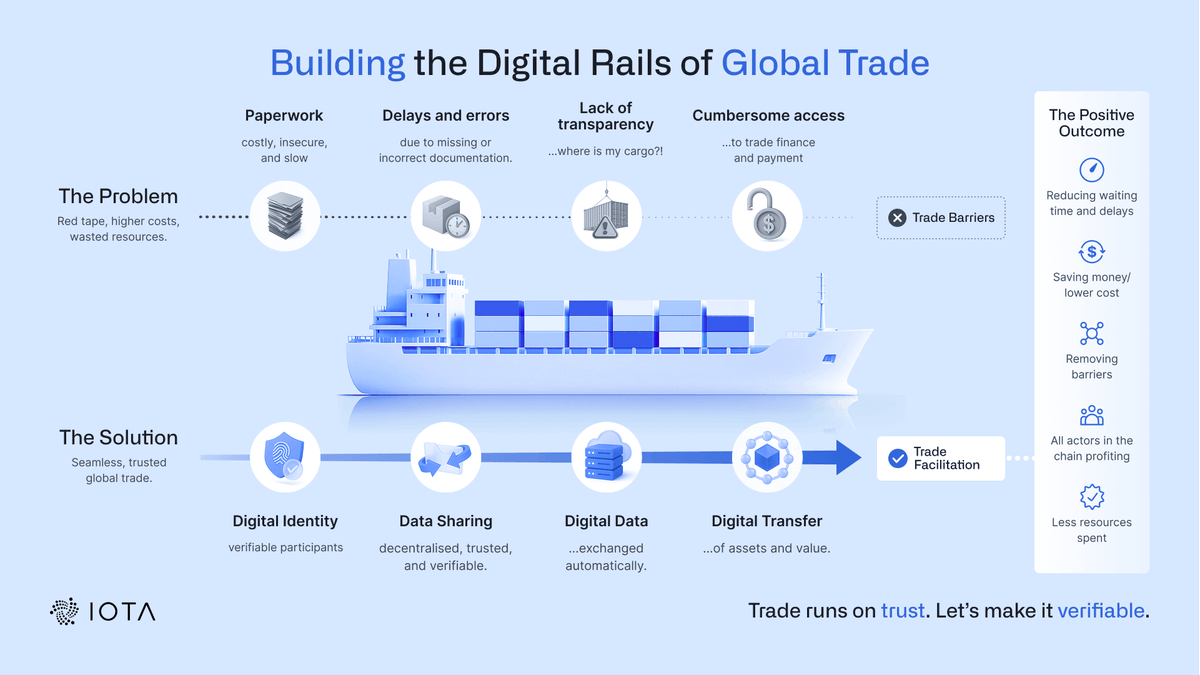
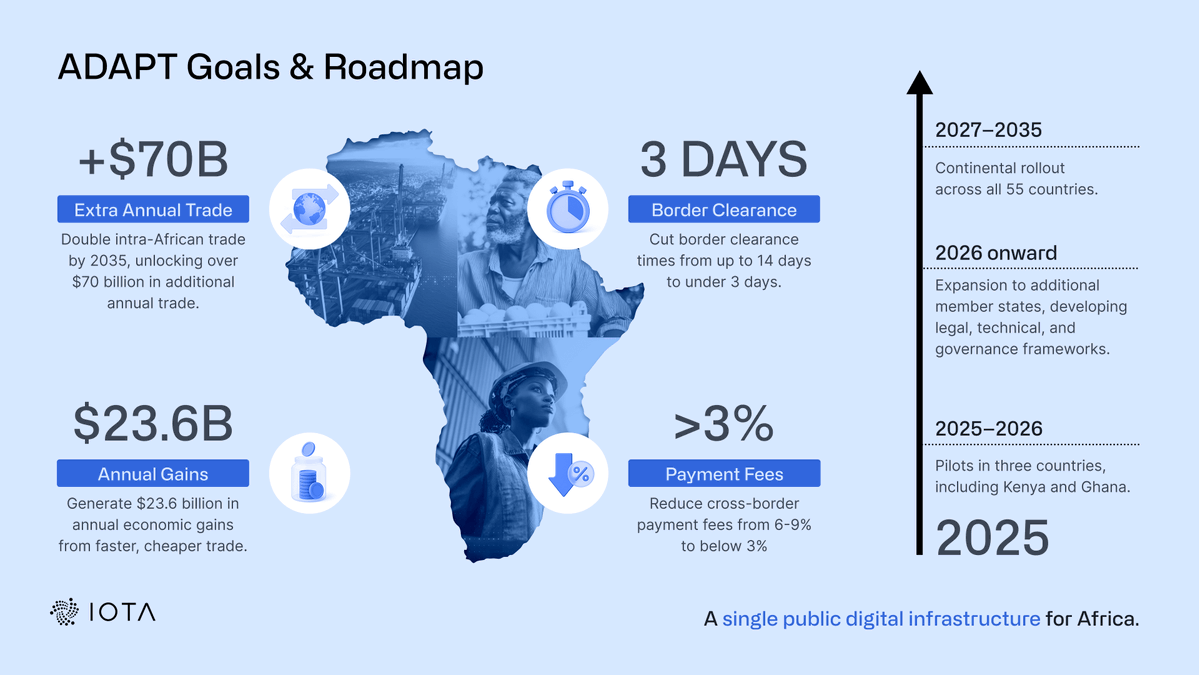
最近行情冷得让人心慌,团队一直在苦哈哈地看项目。突然刷到 @iota 的消息,一下子把我震住了。我为什么突然对 #IOTA 上头?因为它正在做一件真正称得上“壮举”的事:把整个非洲的全球贸易基础设施搬上链。🧐 说实话,我对 #IOTA 的老印象是有点偏见的:老兵、没声音、技术理想主义、偏科生。但最近我深入研究他们在非洲的贸易数字化试点后,整个人是真的有点震惊。 这种震惊,不是那种“白皮书吹牛皮”的虚火,而是:他们玩真的,正在构建一个政府级别的“跨国数字贸易基础设施”,并且已经在生产线上跑起来了。这规模不是小打小闹的概念,而是整个非洲大陆级别。 1️⃣ 我为什么觉得:#IOTA 在非洲做的是“天大的事” 我先抛一个真正冲击我认知的数字:全球贸易市场规模 33 万亿美元(2024)。这是全世界最老、最大、最没效率、痛点最多的系统之一。 尤其在非洲,那痛点简直到了“离谱”的程度: • 十亿份纸质文件在路上流转 • 处理成本:最高能翻倍(+100%) • 每年 250 亿美元浪费在支付手续费上 • 文档伪造、重复认证,导致巨额损失 • 中小企业因为“信息不可信”,根本拿不到贸易融资 换句话说,货早到了,文件还在路上堵着。企业有货,就是贷不到款。海关想放行,却验证不了信息。这是一个系统性“信任、验证、流程”都崩塌的行业。 2️⃣ #IOTA 怎么“解这死局”? #IOTA 正在把纸质贸易文件的“真实性、流程、支付、资产化”,一股脑儿全搬到链上。这个系统叫 ADAPT(由 IOTA、非洲联盟政府机构等联手推动)。注意,这不是 PPT 里的未来,这是已经落地的生产系统。 🔥 实例:肯尼亚&卢旺达的真实数据: • 文件验证时间:6-7 小时→ 30 分钟 • 出口商每月节省:$400 纸面成本(积少成多) • 手动流程减少:60-70% • 将跨境支付费用从 6%~9% 降低到 3% 以下 这是真金白银、看得见摸得着的效率提升,和我们平时在 Crypto 圈听到的“理论上可能”完全不是一个维度。 3️⃣ 为什么偏偏是 #IOTA?答案很“务实” 我一开始也很好奇。后来我发现,答案其实很简单:#IOTA 的架构就是为“政府级数字基础设施”而生的。 • DAG 并行账本:实现高吞吐量。 • 超低费用(甚至可赞助手续费):适合数百万小微企业使用 • 原生可验证数据结构:完美契合贸易中的“文件、证书、身份”等需求 • 开源、无中心化控制:符合跨国政府对底层系统“中立性”的极高要求。 • 真实世界资产(#RWA)可原生 Token 化:发货单、发票、货物都能直接变成抵押品。 简单理解来说 #IOTA 并不是为了做 #DeFi 而诞生的,它一开始就是为这种“真实世界的高价值流程”设计的。这是大多数 L1 根本不具备的基因。 4️⃣ 这给非洲带来的真实经济效益,将是无比巨大的 非洲政府的预测这将是写进国家战略的经济模型,带来经济的腾飞: • 非洲内部贸易量翻倍。 • 解锁 700 亿美元新增贸易价值。 • 每年节省 236 亿美元的效率成本。 • 边境清关时间减少 50%+。 • 为 SMEs 解锁大规模贸易融资。 • 资产全部可 Token 化(货物、托运单、发票、仓储凭证)。 5️⃣ 实际应用,和 $IOTA 代币的价值捕获 我一开始也怀疑:政府采用不等于Token 价值?但 #IOTA 的经济模型是直接绑定协议使用的,每个上链动作都将: •消耗手续费(实现通缩) •锁定存储押金(Token 退出流通) •产生 L1 链上交易量 •使用 IOTA 作为稳定币结算的 Gas 基础层 当贸易文件、托运单、货物、发票、身份都需要上链时,这将是千万级、最终会到亿级的链上真实交易。这是真人、真企业、真货物,不是靠激励“刷量”刷出来的。当货物被 Token 化用于融资时,#IOTA 承载的是:抵押、清算、赎回、支付、存证。这时候,将会真正实现“经济活动” = 真实的“链上使用”。 整体来说,此次 #IOTA 的范式创新,是整个加密行业第一次出现“一整个经济体系搬上链”的案例。不是一个 App,不是一个 GameFi,不是一个 CBDC 试点。而是一个大陆级的统一贸易网络正在使用一个 L1,一个统一的、开放的、跨国的数字贸易底层系统。我们常常喊 Adoption,但真正的 Adoption 到底长什么样?它应该是政府、跨国机构、出口商、物流、银行 、货物、金融产品、真实交易、整个贸易流程完全实现数字化,完全上链,这将是 Crypto 带来真正的Adoption:把真实世界的资金流和经济活动带上链。#IOTA 是第一批真正做到的项目,值得重点关注和留意。🧐
Rocky tweet mediaRocky tweet media
IOTA@iota

Africa is the future of global trade 🌍 Led by @AfCFTA, in partnership with @IOTA, @WEF & @InstituteGC, ADAPT is building a public digital infrastructure connecting Africa with seamless cross-border trade, instant payments & secure digital identities. One network. All of Africa.

中文
15
14
70
36K