Method and Madness

870 posts

Method and Madness banner
Method and Madness

Method and Madness

@madmethodpod

A podcast about books, the people who write them, and the labyrinth between the words. Hosted by @bradkelly

Katılım Ocak 2025
363 Takip Edilen756 Takipçiler
Sabitlenmiş Tweet
Method and Madness
Method and Madness@madmethodpod·
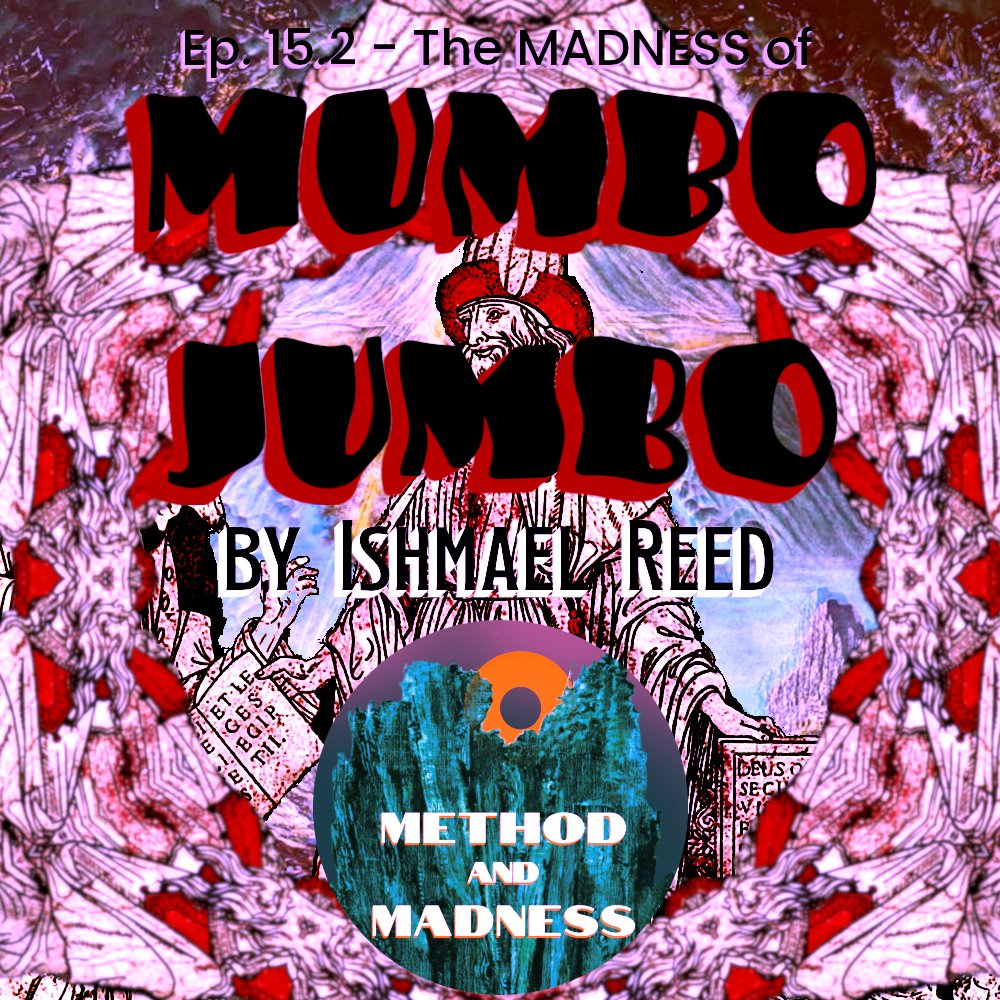
Now available. A rare *FREE* Madness episode on Ishmael Reed's MUMBO JUMBO. Talking the real Book of Thoth and the secrets smuggled into the modern day through the Corpus Hermeticum, the identity of Moses, the real deal about Voodoo, and much, much more. Link in comment
Method and Madness tweet media
Method and Madness@madmethodpod

Premium episode has dropped. Glen from @Rarecandypod1 and I got together to talk about Ishmael Reed's MUMBO JUMBO. Links below.

English
2
8
16
1.2K
Method and Madness
Method and Madness@madmethodpod·
Icymi, an AI-free reading of Jack London’s “Love of Life” for your listening enjoyment. Betrayal, survival, starvation, and salvation—with a dash of London’s trademark wolf stuff. Pairs well with THE CROSSING episode. Link below.
Method and Madness tweet media
English
2
2
5
224
🪓BK🪢
🪓BK🪢@bradkelly·
And don't miss the subscriber-only MADNESS episode. Here's a clip about the entangled history of mesmerism, magic, hypnosis, and psychoanalysis. Check out the full thing on s*stack or p*treon at the link below.
Method and Madness@madmethodpod

Icymi, Alexandru Constantin (@PriestZalmoxis) joined me to talk about the oft-overlooked postmodern Bildungsroman THE MAGUS—a must read for the current and former broodingly Byronic young man. (link in comment)

English
1
4
14
838
Method and Madness
Method and Madness@madmethodpod·
Icymi, Alexandru Constantin (@PriestZalmoxis) joined me to talk about the oft-overlooked postmodern Bildungsroman THE MAGUS—a must read for the current and former broodingly Byronic young man. (link in comment)
Method and Madness tweet media
English
1
4
9
1K
Method and Madness
Method and Madness@madmethodpod·
Icymi, Jack Cuthbertson (@supersquat1) of the great podcast @bookclubhell666 joined me to talk about a strange Australian masterpiece, Gerald Murnane’s THE PLAINS. This one’s a great listen even if you haven’t read the book—and you definitely should read the book. (lnk below)
Method and Madness tweet media
English
1
2
5
153
Method and Madness
Method and Madness@madmethodpod·
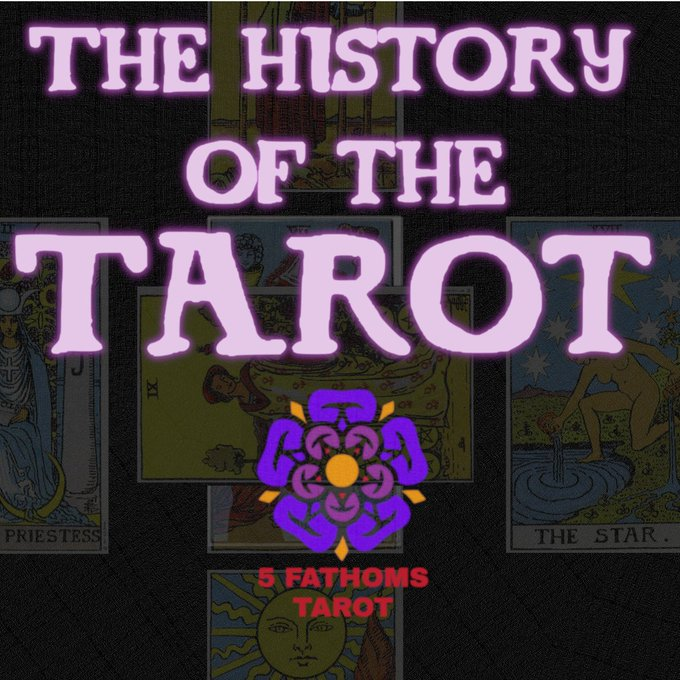
Icymi, last year I put together an in-depth presentation on the History of the Tarot. Where it came from, what influences gave it shape, and some of the most important contributors to this ever-evolving art. Check it out. Link in comment.
Method and Madness tweet media
English
1
2
10
279
Method and Madness
Method and Madness@madmethodpod·
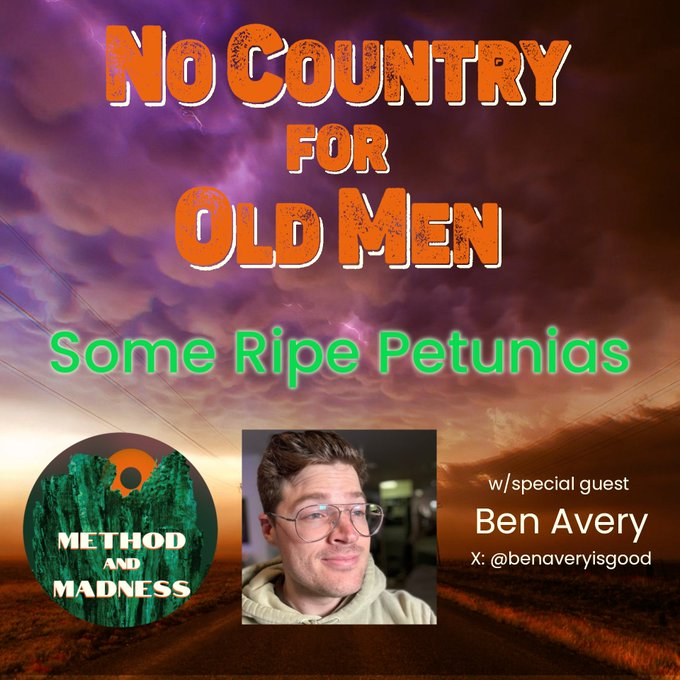
Icymi, our rollicking episode on Cormac McCarthy's pitch-perfect Western, NO COUNTRY FOR OLD MEN. With very special guest Ben Avery. Link in comment.
Method and Madness tweet media
English
1
4
13
271
Method and Madness retweetledi
Method and Madness
Method and Madness@madmethodpod·
Icymi, our Madness episode on NEUROMANCER. Talking early hacking, Accelerationism, "Meltdown," Hugh de Garis, and Rastas. link in comment.
English
1
8
14
972
Method and Madness retweetledi
David Simmons
David Simmons@WholeTimeDavid·
“David Simmons is an absolute star in horror, and it's time for you to discover it if you haven't already.” - Horrifically Well Read Bled and Said podcasts.apple.com/us/podcast/fet…
English
0
5
13
320
Method and Madness
Method and Madness@madmethodpod·
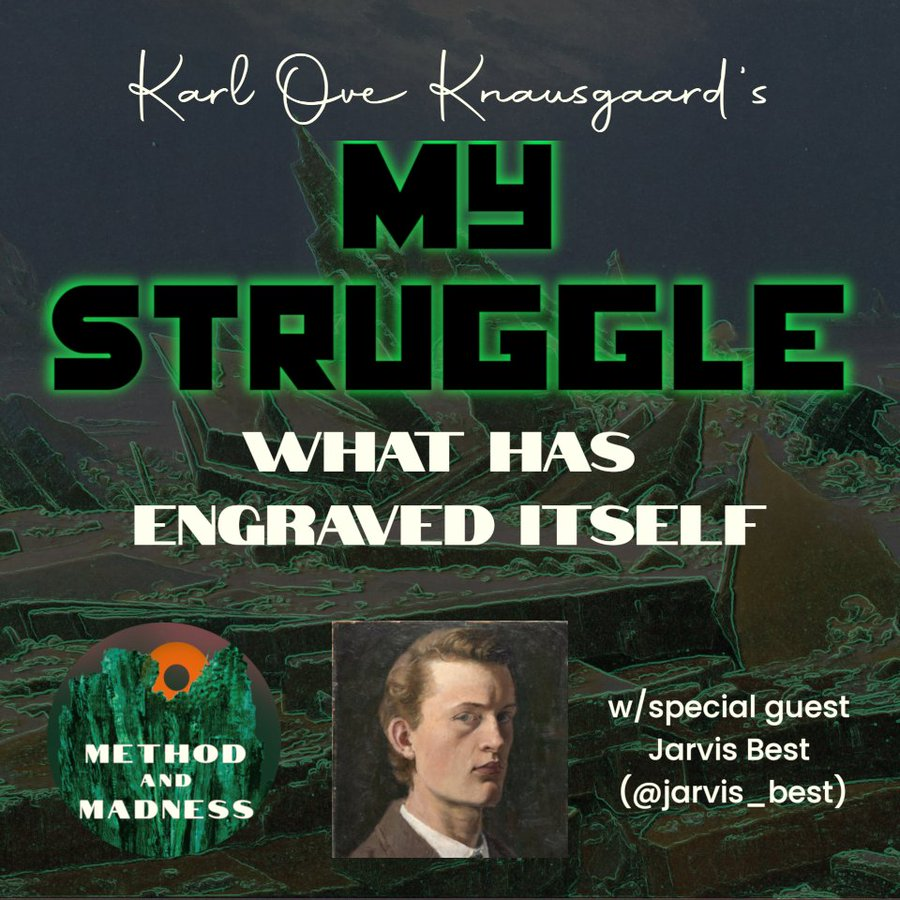
Icymi, we discuss Karl Ove Knausgaard’s MY STRUGGLE, go on a crash tour of the history of the memoir, examine the other work with this title, and learn from the great Jarvis Best just how powerful this book is in a world where so many of us find it easier to hide. link below.
Method and Madness tweet media
English
1
2
7
274
Method and Madness retweetledi
Book Club from Hell
Book Club from Hell@bookclubhell666·
I don't even like crime fiction and I liked this book! Read American Tabloid then listen to this episode, you'll enjoy yourself, I promise
Method and Madness@madmethodpod

Icymi, Jacob Everett (@blauer_geist) of @APCON_MAG joined me to riotously revel in the hot-blooded hysterics and primal paranoia of James Ellroy's AMERICAN TABLOID, a great American novel if there ever was one. Link to full episode below.

English
0
2
11
613
Method and Madness retweetledi
Em_Ess
Em_Ess@teo_ess·
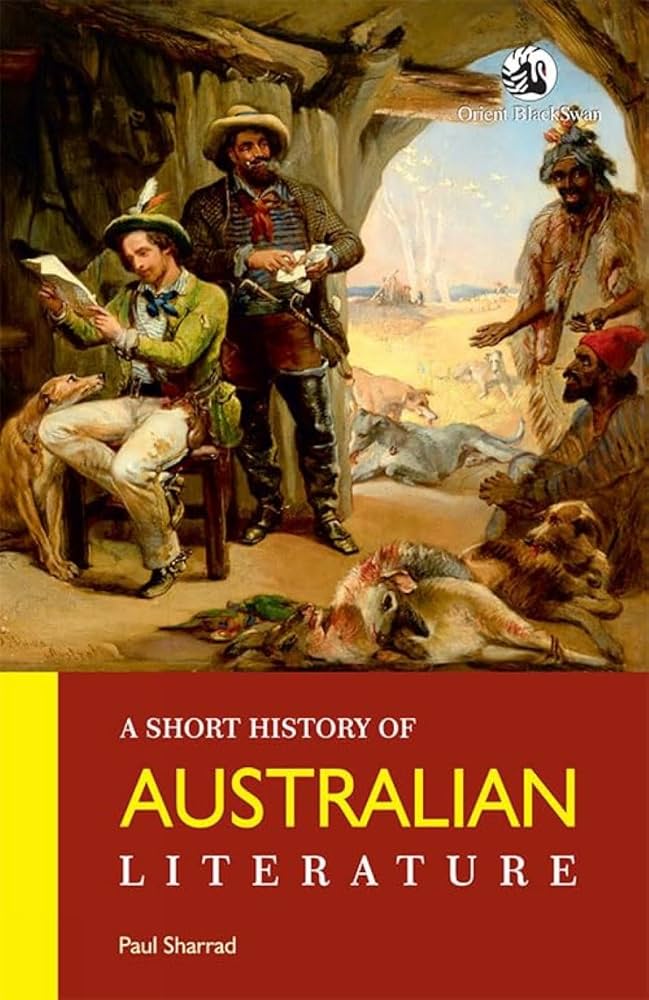
You may not be aware, but not only has Australia de-industrialised, offshored its material industries, it also seems to have offshored its best new writing. This is something of a function of the internet (potential readers no longer confined within national borders), but the most important writers in this country are either a) not published by local publishers (either self-pubbed or overseas presses) or b) published by presses here but all the buzz generated, audiences garnered and critical praise rendered occurs beyond these shores. Every smart, engaging Australian writer doesn’t put too much stock in the industry here. And it’s got nothing to do with “muh dum Trent Dalton audience” and everything to do with the degeneration of taste among our cultural gatekeepers, the majority of which, I’m sorry to say, are glorified HR ladies, mumming at being well-read, erudite citizens. This is happening elsewhere, of course, but here it takes on an especially egregious form. I’ve spoken about this before briefly (on @bradkelly's pod, on my own pod, and in an upcoming roundtable hosted by @RussellWalterrr alongside Lewis Woolston, Jack Norman, Ivan Niccolai, Liam Blackford & @JustinIsis1) but perhaps I will elaborate one day…with receipts.
Em_Ess tweet media
English
9
15
67
4.4K
Method and Madness
Method and Madness@madmethodpod·
Icymi. In episode 1: MOBY-DICK. Not just the craft, symbology, and meaning, but also the book's context in the American Renaissance, influence from the Burned-Over District, spooky coincidences, and just how close the Great American Novel is to being Lovecraftian. Link below.
Method and Madness tweet media
English
1
7
15
524
Method and Madness retweetledi
Andrew Edwards
Andrew Edwards@goldengoatguild·
ABSTRACT OPERATOR
Dr Rudolf Steiner@RudolfStein2026

Why can music move us without words, images, or concepts? Painting shows us forms. Poetry gives us symbols. But music is different. Music is the only art that does not truly imitate the physical world. There is no “object” in nature that corresponds to a melody the way a mountain corresponds to a painting or a body to a sculpture. A symphony cannot be reduced to shapes or images. And yet music reaches deeper into the human being than almost any other experience. Why? Because as Dr Steiner explains, Music does not originate in the sensory world. It descends from a realm humanity once knew instinctively — a spiritual world where tone, rhythm, and harmony are more fundamental than physical form. When we listen to music, we are not hearing something "invented". We are hearing echoes of the world the soul enters every night during sleep, and fully after death. A world where beings do not communicate through language or appearances, but through living movement and tone. Ancient humanity still sensed this. Music was not originally treated as entertainment. It was ritual, invocation, cosmic participation. Song and speech were one stream. Instruments were created as extensions of the human voice. Tone itself was experienced as a creative force; something capable of shaping consciousness and open the human being to higher realities. This is why nearly every ancient civilization linked music with the divine. The Greeks spoke of the “music of the spheres.” Sacred chants existed in temples long before concerts existed in theaters. Mystics, and initiates understood that sound could transform the inner state of the soul. Schopenhauer intuited part of this mystery when he wrote that music does not imitate appearances, but expresses the “will” directly. Steiner goes further: what Schopenhauer called the “will,” is a real spiritual world - Devachan, where tone is not symbolic, but substantial. In that world, music is not art. It is reality itself. Every physical thing first exists there as movement, vibration, and harmony before condensing into material form. The visible world is, in a sense, frozen music. This is why music affects us so differently from other arts. A melody can suddenly awaken grief from years ago. A chord progression can feel more intimate than language. A rhythm can strengthen the body before thought even begins. Music bypasses the intellect because it speaks to a layer of the human being older than intellect. Something in us recognizes it. The astral body hears what it once lived within. The etheric body resonates with rhythms older than earthly life. The “I” feels, for a moment, the warmth of its spiritual origin. Music speaks the language consciousness knew before birth and will know again after death. Music is spiritual memory; a reminder that reality is deeper than matter, that consciousness is woven from rhythm, and that harmony lies beneath the chaos of the visible world. Perhaps this is why every civilization, no matter how different, has always created music. Because even after forgetting almost everything else, the soul still remembers tone.

Română
3
1
19
2.9K
Method and Madness retweetledi
Paul Heron
Paul Heron@Paul_Heron_·
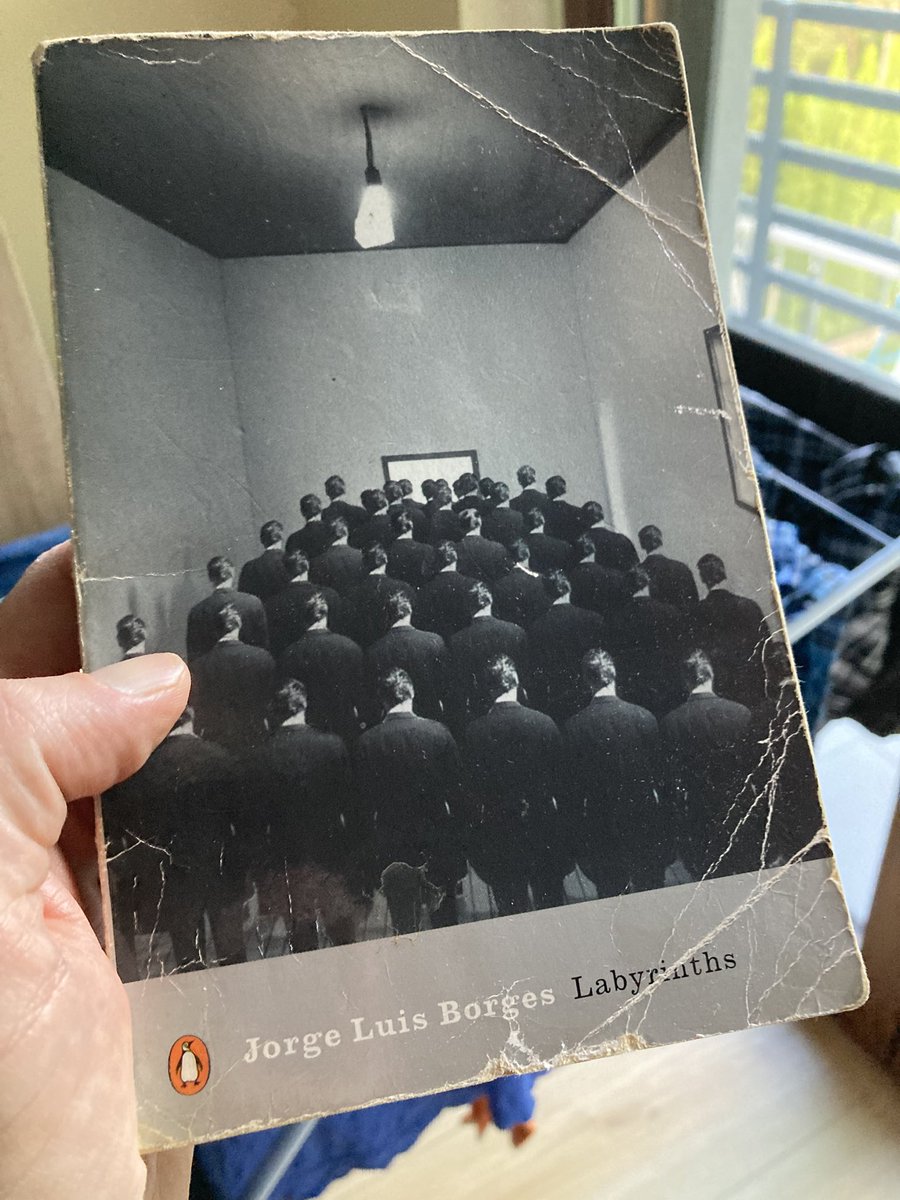
I’M BACK. See below. Here’s a new photo of my copy of Labyrinths as proof.
Paul Heron tweet media
English
4
2
50
3.6K
Method and Madness
Method and Madness@madmethodpod·
Icymi @WholeTimeDavid joined me to talk ERADICATOR, Baltimore Horror, how to hustle books, FETTY ON THE SWITCHES, and much more. Links below.
Method and Madness tweet media
English
1
5
13
1.5K