Isabelle a les yeux (pas) bleus retweetledi

Ruth Coker Burks was 25 years old when she was visiting a friend and noticed something that made the hospital staff stop cold: a red biohazard bag hanging on a patient’s door.
She watched the nurses gather in the hallway, drawing straws to decide who would have to go inside.
Ruth had a gay cousin. She knew what that red bag meant in 1984. AIDS. The disease that was killing thousands, turning families away from their own and filling hospitals with fear. A diagnosis that often meant a person would die alone.
Ruth did not wait for the straws to decide.
She opened the door and walked in.
Inside was a young man, maybe 80 pounds, reduced to bone and barely conscious. He was dying in pain. Terrified. And he kept whispering one word again and again:
“Mama.”
Ruth went back to the nurses in the hallway.
“Call his mother,” she said.
They actually laughed.
“Honey, we’ve been calling for six weeks. She’s not coming. Nobody’s coming.”
Ruth made them give her the number anyway. She tried one last time.
The mother’s answer was cold and final. Her son was sinful. He was already dead to her. She would not come to watch him die.
So Ruth returned to that room.
She took his hand.
And she stayed.
For thirteen hours, she held the hand of a dying stranger, promising him he would not leave this world alone.
When he died, his family refused to claim his body.
Ruth decided right then that she would bury him herself.
She owned plots in her family cemetery, Files Cemetery in Hot Springs, where her father and grandparents were buried. “No one wanted him,” she later said. “I promised I’d take him somewhere beautiful, where my family would watch over him.”
The closest funeral home willing to handle an AIDS death was seventy miles away. Ruth paid for it herself. A local potter donated a chipped cookie jar to use as an urn.
Ruth used posthole diggers, the kind farmers use to build fences, and dug the grave with her own hands.
She buried him and spoke kind words over the soil, because no minister would come to pray over a man who had died of AIDS.
Ruth thought that would be the end.
It was only the beginning.
Word spread through the quiet, desperate networks across Arkansas: there is a woman in Hot Springs who is not afraid. There is a woman who will sit beside you when you are dying. There is a woman who will make sure you are buried with dignity when your own family will not claim you.
They began to come.
Dying young men from rural hospitals across the state, abandoned by the people who were supposed to love them most.
Ruth became everything for them.
Over the next decade, Ruth Coker Burks personally cared for more than 1,000 people dying of AIDS, mostly young men rejected by their families the moment their diagnosis became a death sentence.
She buried forty of them with her own hands in Files Cemetery.
Her young daughter would come with her, carrying a small spade while Ruth worked with the posthole diggers. They held their own funerals because still, no one else would speak over those graves.
Of the 1,000 people Ruth cared for, only a small number of families did not abandon their dying children.
Ruth would call parents. She would beg them to come say goodbye. To claim their child’s body. To attend the funeral.
Most refused.
“Who knew there’d come a time,” Ruth said years later, “when parents didn’t want to bury their own children?”
But while Ruth saw the worst of humanity, families turning away, churches closing their doors, entire communities ruled by fear, she also saw the best of it.
She saw gay men care for their dying partners with a devotion that broke every cruel stereotype. “I watched these men take care of their companions and watch them die,” she said. “You tell me that’s not love.”
And she saw how a frightened community protected its own, and protected her too.
“They would twirl up a drag show on Saturday night and here’d come the money,” Ruth remembered. “That’s how we bought medicine. That’s how we paid rent for people who couldn’t work anymore. If it hadn’t been for the drag queens, I don’t know what we would have done.”
The drag queens raised money. The gay community stood around the dying. Ruth kept digging graves and holding hands, making sure no one died believing they were worthless or forgotten.
By the mid-1990s, new treatments finally appeared. Awareness slowly grew. AIDS began to move, painfully and gradually, from a certain death sentence to a condition that could be managed.
Ruth’s urgent work became less desperate.
And then, like so many heroes of the AIDS crisis, Ruth Coker Burks faded from public memory.
Her story became whispered history, remembered mostly by those she had served and by those who knew what Arkansas, and America, had been like when dying of AIDS often meant dying abandoned and alone.
But Ruth never forgot.
She never forgot the forty graves in Files Cemetery. The cookie jars and ceramic urns holding ashes. The promises she had made that these men would be remembered. That they mattered.
For years, she dreamed of a memorial. Something permanent that would say: this happened. These people lived. They deserved dignity. They received it.
Through crowdfunding, that memorial is finally being built.
Ruth wants it to say: “This is what happened. In 1984, it started. They kept coming. And they knew they would be remembered, loved, and cared for, that someone would say a kind word when they died.”
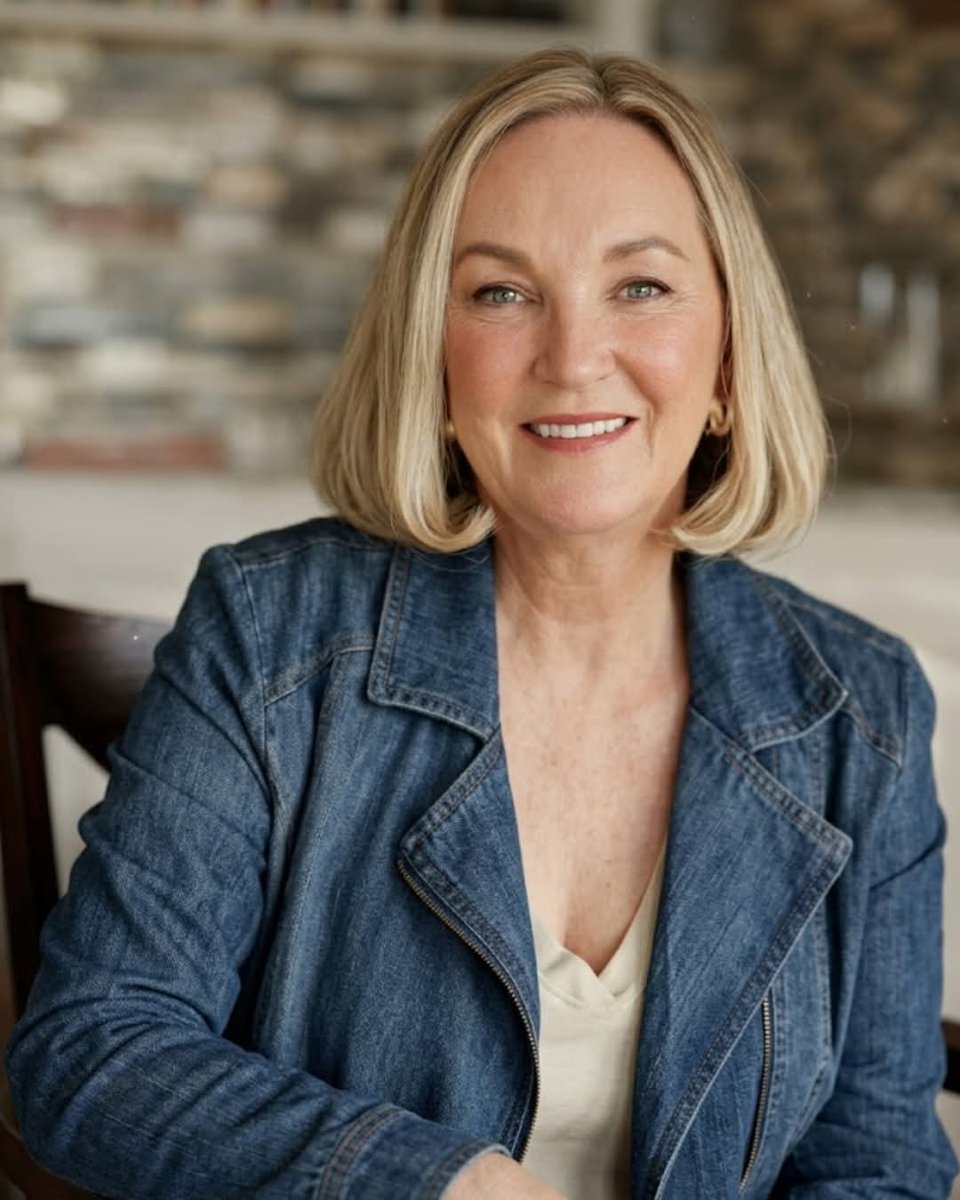
Ruth Coker Burks is now in her sixties. In 2019, she wrote a memoir called All the Young Men because she needed people to understand what happened in Arkansas. What happened across America. What happens when fear convinces people to abandon their own children.
And what happens when one person refuses to walk past a door everyone else is too afraid to open.
She did not have medical training. She did not have institutional support. She did not have money, resources, or a team behind her.
She had compassion. Courage. Posthole diggers. And a family cemetery with space for people who had nowhere else to go.
That was enough to make sure 1,000 people did not die believing they were disposable.
That was enough to turn forty graves into sacred ground.
That was enough to prove that sometimes love is as simple as refusing to let another human being die alone.
The next time someone says one person cannot make a difference, remember Ruth Coker Burks.
Remember the red biohazard bag on the door that made trained nurses draw straws.
Remember the thirteen hours she stayed with a stranger calling for his mama.
Remember the forty graves she dug with posthole diggers meant for building fences.
Remember the drag queens who raised money every Saturday night so Ruth could buy medicine.
Remember the young daughter with a small spade, learning that love means showing up when everyone else walks away.
Remember that sometimes the most powerful thing you can do is simply refuse to let another human being die alone and forgotten.
Ruth Coker Burks saw a red biohazard bag in 1984.
The nurses drew straws.
She walked through that door anyway.
And 1,000 lives, and an entire community, were changed forever because of it.
English