

Mano Kulasingam
230 posts

Mano Kulasingam
@manok4
Managing Partner @FlairVC. Backing immigrant founders. 1st gen immigrant 🇨🇦|🇱🇰.
Toronto Katılım Ocak 2009
360 Takip Edilen148 Takipçiler
@MarioMigMartins still trying to figure it out. right my focus is to just share experience building apps via agents and hopefully I can provide some value to others.
English

@manok4 Your takeaway about distribution is where most builders get stuck, including me. Building is the part that feels productive, selling is the part that actually matters. What's the distribution plan for Ella?
English
I finally shipped Ella. It took just under three months. In vibe coding, that's an eternity. The goal was to launch a scalable, production-grade app without writing any code myself.
The models have gotten really good in just the last few weeks, and it's mind-blowing how good they are at writing code.
Here's what I learned:
→ Context management is everything. Keep up-to-date documentation for models to reference. I have a hook that automatically updates documentation after each commit.
→ Code hygiene doesn't come naturally to coding agents. Models tend to patch around problems instead of refactoring. Make refactoring part of the workflow, not an afterthought.
→ Getting agents to push back on bad ideas took deliberate effort. I had to teach the models to challenge me.
→ Coding was the easier part. Testing and continuous validation were the biggest time sinks. Ella is a desktop app, so writing automation for a lot of the testing was impractical. Even with unit tests in place, manual validation was the most time-consuming part of the build.
→ Launching a production app involves a lot of work that isn't the app itself. Marketing setup, email flows, Stripe integration, auth configurations across platforms. Hopefully more CLIs and MCPs become available so models can handle this work too.
Thank you to the early beta users, as your feedback was invaluable in smoothing out rough edges.
Overall takeaway: code is getting commoditized. What matters now is distribution and the ability to sell.
Check out Ella, you can download it at heyella.co.
English
The last time I built a website, it took over a week with Framer. Learning curves. Subscription costs. Export limitations that lock you in.
For Ella's website, I gave myself one day. Concept to Live.
I shipped it by the end of the day.
Here's the stack:
→ @SuperDesignDev (70%) — fed it brand colours, inspirational sites, rough layout ideas and content. First generation was actually usable. Exported full React code.
→ Claude Code (30%) — imported the React code, cleaned it up, added animations, optimized SEO, built a Markdown renderer for content management and set up CI/CD with @render .
Also, dictated all the instructions using Ella.
For content management, I skipped the CMS entirely. Inspired by Lee Robinson's post on how the Cursor team moved from a headless CMS to plain Markdown files. Same approach here.
The workflow now:
→ Generate content as markdown with Claude
→ Review locally
→ Claude pushes to main
→ Trigger release
→ Render auto-deploys
No dashboard. No CMS overhead. Free hosting with global CDN.
The trade-off: you're directing AI agents, not dragging and dropping. For founders who want to move fast and own their code. This is faster.
The site is live at heyella.co
Full breakdown on my blog: mano.vc/writing/the-st…
English
11 weeks building Ella (an AI voice dictation app) with Claude Code.
Here's the workflow that actually works (and the mistakes that didn't):
Biggest early mistake: cramming everything into CLAUDE(.)md.
Project history, architecture, conventions, troubleshooting all in one file.
Result: sessions started slower, responses got less focused.
Now CLAUDE(.)md is a minimal signpost. Deep info lives elsewhere.
My documentation structure after 11 weeks of iteration:
CLAUDE(.)md # Minimal
docs/
├── research/ # Think before building
├── features/ # Plans → documentation
├── debug-logs/ # Institutional memory
└── architecture(.)md # Living document
Every folder serves a purpose.
The feature workflow I use every time:
→ Fresh session (context bleeds between long sessions)
→ Research phase with clarification questions
→ Implementation plan with specific files
→ Build + test
→ Separate sub-agent for code review
→ Commit with doc updates
Consistency matters.
Why fresh sessions?
Context bleeds between long sessions. Claude starts mixing up details from different features. Responses get less precise.
A few minutes of orientation beats hours of confused context.
The single biggest unlock: pointing Claude to open-source projects.
When I hit a wall on Ella's audio pipeline latency, I found projects that solved similar problems. Fed Claude their code.
The output was categorically better. Not incrementally. Categorically.
Why this works:
Claude reads existing codebases remarkably well. Showing it how real projects tackled specific challenges, the patterns, tradeoffs, edge cases that gives it concrete reference points.
High-leverage context.
The context window problem is real.
As you work, context fills up. Claude compacts (summarizes + discards older context). Important details get lost.
Solution: documentation outside the context window.
Claude can re-read docs when it needs to recover lost info.
Three things that made the biggest difference:
1. Open-source projects as reference (categorically better output)
2. Custom commands for consistent workflow
3. Documentation as insurance against context loss
The compounding is the real unlock.
Every feature makes the next feature easier.
Full breakdown: mano.vc/writing/my-cla…
If you want to try Ella: heyella.co
English
Mano Kulasingam retweetledi

For those in 🇨🇦 talking about what our version of DOGE might look like, the folks at @canada_spends are doing a great job going into the weeds.
Recommend you follow them if you're interested in this stuff.
Canada Spends@canada_spends
Canada spent nearly $21B to outsource professional services in 2024. Where did the money go? A lot went to Ottawa-based IT services and management consulting companies you’ve likely never heard of. - $70M to Adirondack Information Management, a consulting company with 2-10 full time employees - $58M to Akkodis Canada, an IT services company - $237M to Calian Group, a “strategic management services company” - $8.1M to CloseReach, an IT consulting company - $49M to Cofomo, an IT services company - $47M to Coradix Technology Consulting, an IT services company - $22M to Dalian Enterprises, an IT services company - $36M to Donna Cona Consulting, a management consulting company - $68M to Ibiska Telecom Inc., an IT services company - $60M to TPG Technology Consulting Ltd., an IT services company Source: tpsgc-pwgsc.gc.ca/recgen/cpc-pac…
English

Probably the best thing I've ever spent money on was LASIK.
The perfect vision over the past 10 years has been priceless.
Highly recommend.
English

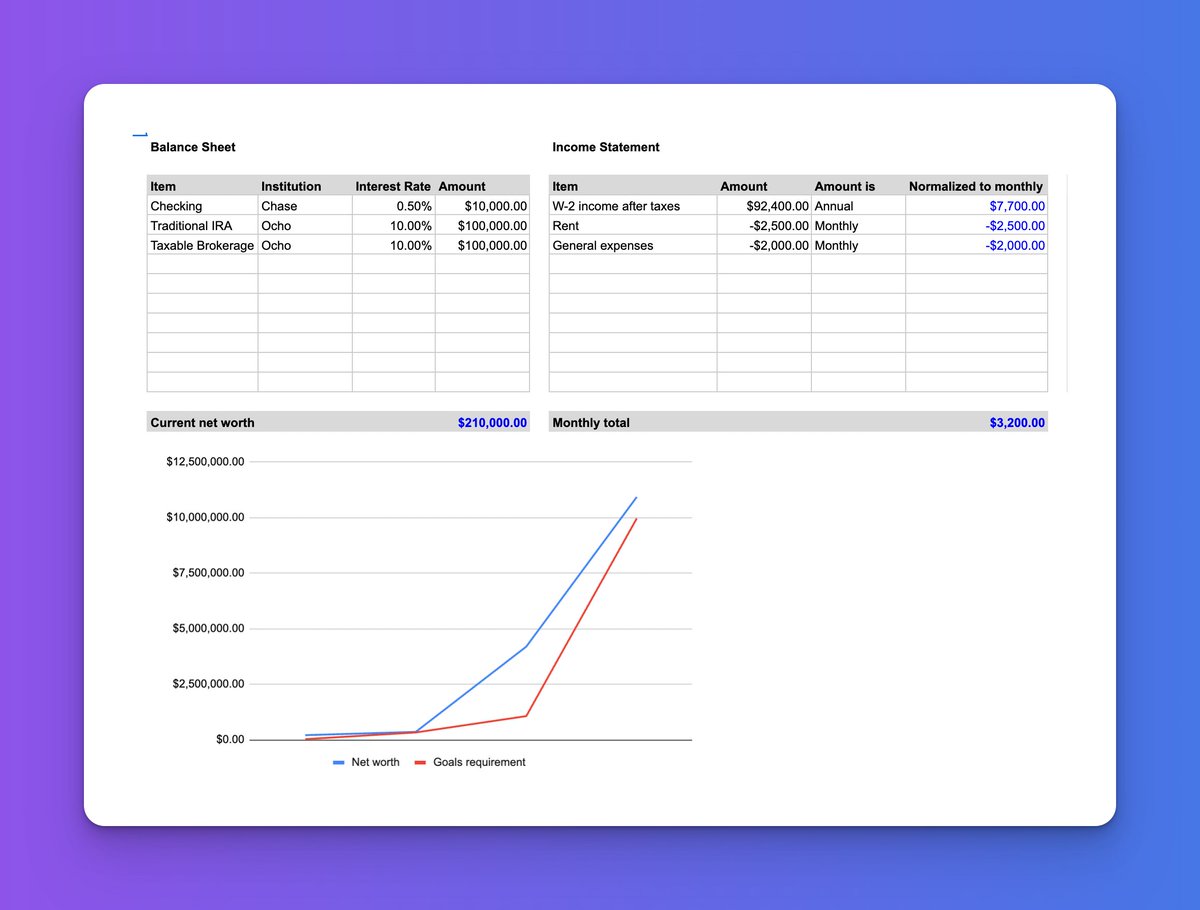
My cofounder Nick spent 10+ hours creating the ultimate net worth tracking spreadsheet
Enter your:
- Assets
- Income Sources
- Goals
& you can calculate how your net worth will track with time & inflation
Like this post & comment "sheet" and I'll send you a copy
English
Mano Kulasingam retweetledi

Incredible time at @startupfest, #Montreal, filled with great speakers, #startups, #investors & #entrepreneurs from all across the globe. The #Launch network made its presence felt with our CEO @raywalia, engaging in meaningful connections with Launch partners, members & friends.
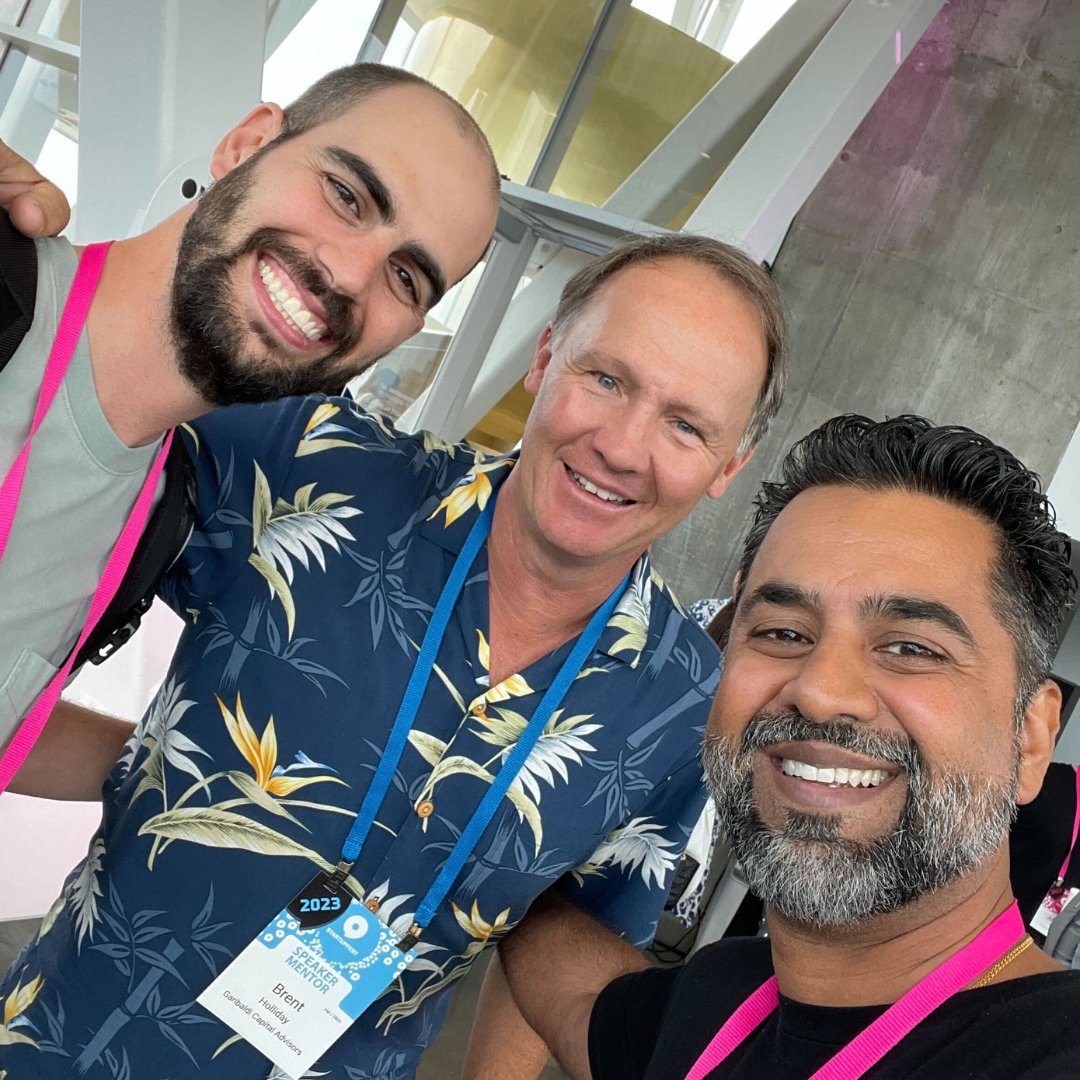
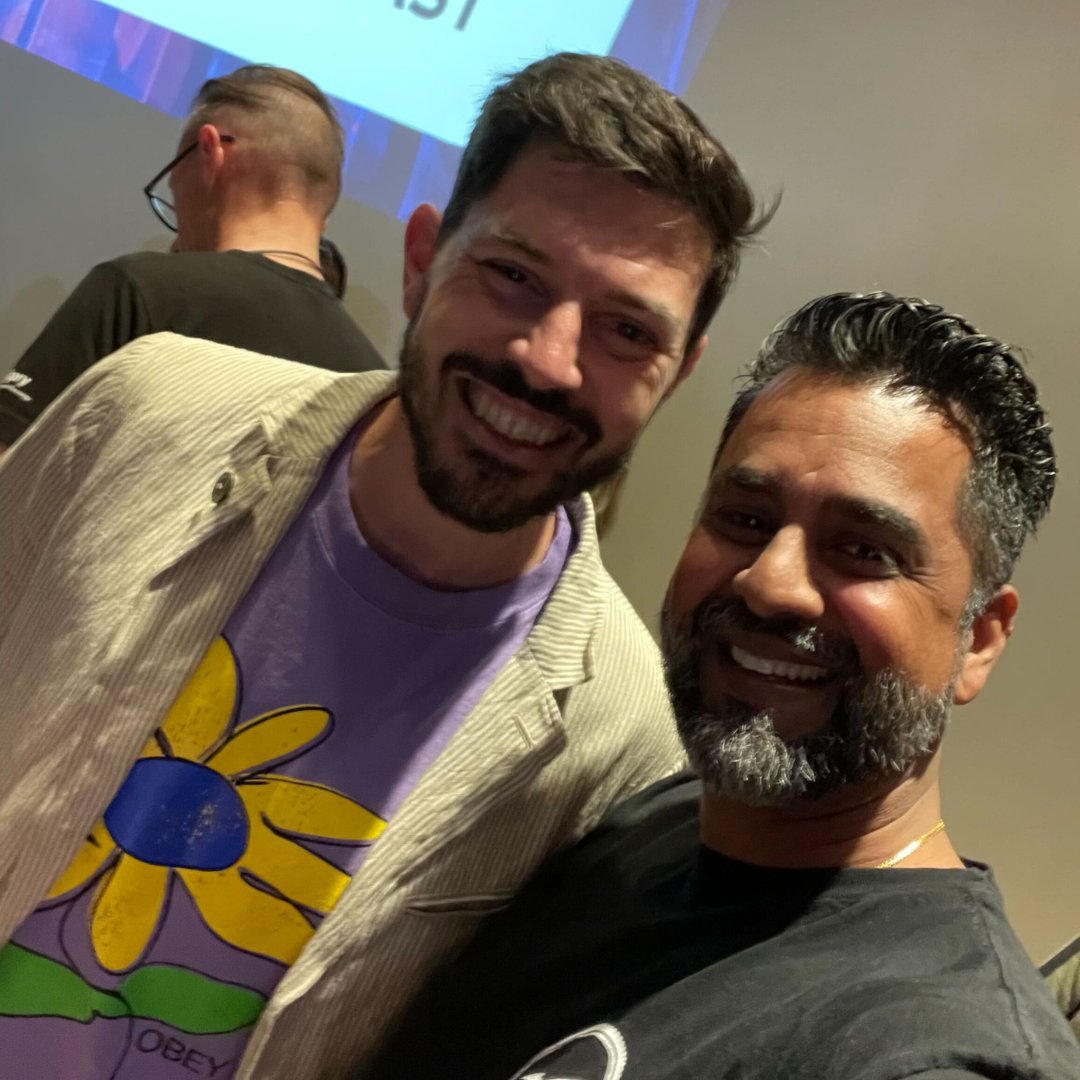
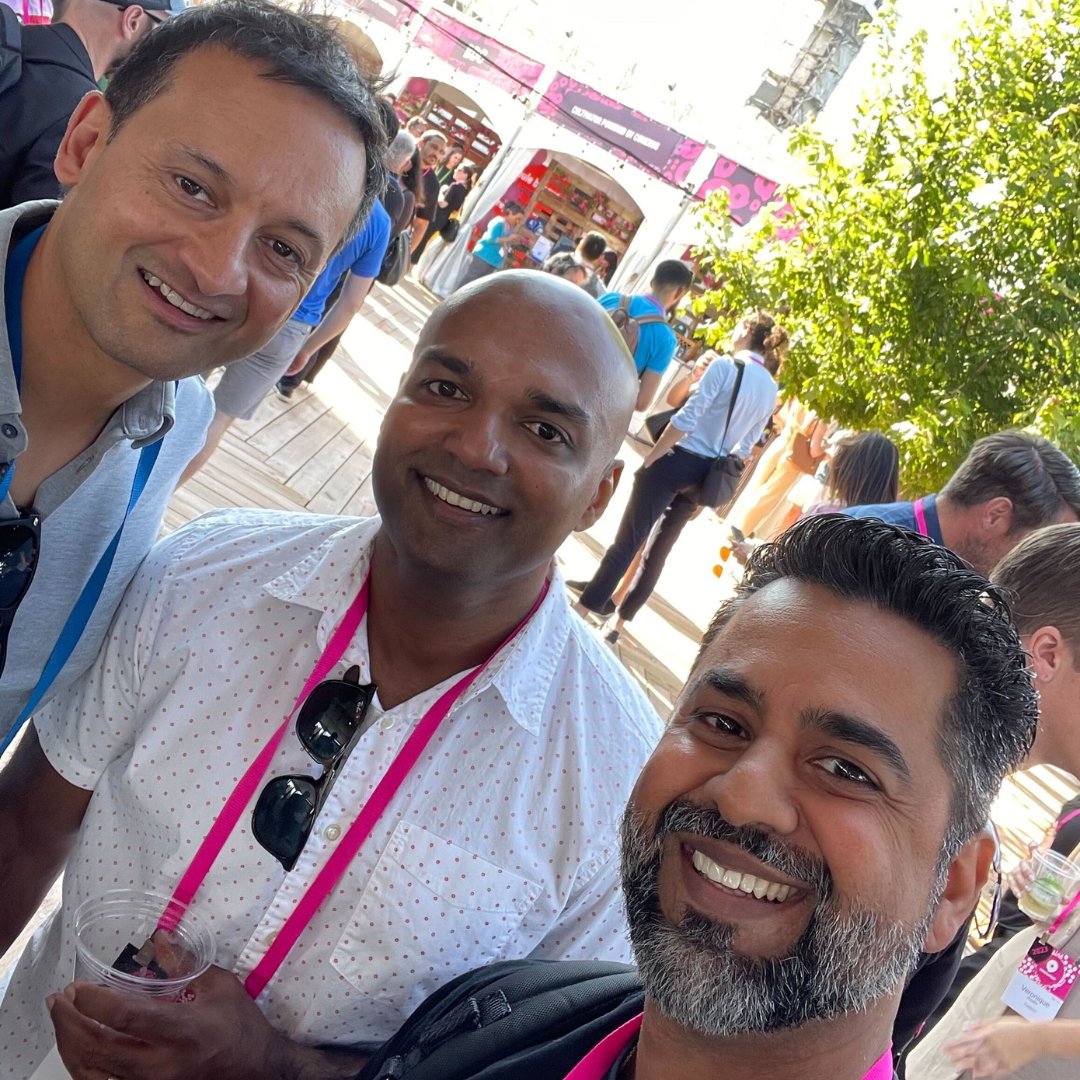
English
Mano Kulasingam retweetledi

YouTube
English

I’m thinking of starting a curated dinner series for tech leaders + founders in Toronto.
• 8 ppl max
• curated + relevant
• vetted ppl, application only
• hosted in private dining rooms
• optimized for connection + conversation
Will start small. Comment if interested.
Toronto, Ontario 🇨🇦 English
🍁 Friends in Toronto: I’m hosting an event for tech leaders on June 13!
It’s at a stunning historic venue in the heart of downtown.
Join a group of extraordinary founders, operators & investors for an evening of connection.
👉 Comment for details

Manhattan, NY 🇺🇸 English
AI is the new Electricity - great video by @NFX team sharing stories of founders building next-gen companies. It's a great time to build!
nfx.com/post/ai-underg…
English
Hats off to the @HustleFundVC team for hosting an awesome Camp Hustle event yesterday with incredible speakers and guests. Thank you @ericbahn @dunkhippo33 @shiyankoh @kerademars.
English
@dunkhippo33 Great thread Elizabeth! I co-founded my startup in 2008 and bootstrapping was the only option.
English

Today's thread is about the macroeconomy and how *I think* it will affect startups in 2023.
tl;dr -- if I were running a product startup now, I would basically bootstrap or raise < $100k.
I think the rest of this year will honestly be brutal.
More >>
English
YouTube - bit.ly/3p0Hf4A
Spotify - bit.ly/3VnKUG2
Apple Podcasts - bit.ly/3Hn3A2U
Google Podcasts - bit.ly/3LI25i7
Website - bit.ly/3nj48jo
English
My entrepreneurial journey has been nothing short of thrilling! I recently joined @thetamilcreator podcast to chat with @AraEhamparam about my startup journey as an immigrant founder, launching a venture capital firm, and lessons learned along the way.
English
Here are some tips:
- Use a shorter version of your pitch deck
- Don't worry about production quality - use a tool like Loom
- Keep it short - 2-3 minutes max
The goal of the video pitch is to grab the investor's attention, create interest, and secure a meeting.
English
Pitching is about storytelling, and video pitches allow you to show your passion, personality, & vision in a way that a slide deck can't. It's an opportunity to make a great impression on investors.
English
Founders: Want to boost your chances of landing a meeting with investors? You should include a 2-3 min video pitch in your outreach!
English