Marianna Rima

4.1K posts

Marianna Rima banner
Marianna Rima

Marianna Rima

@mariannarima

Neurology Resident. Sailor. Curious about everyday facts.

Chieti - Pescara Katılım Şubat 2013
341 Takip Edilen110 Takipçiler
Marianna Rima retweetledi
Aakash Gupta
Aakash Gupta@aakashgupta·
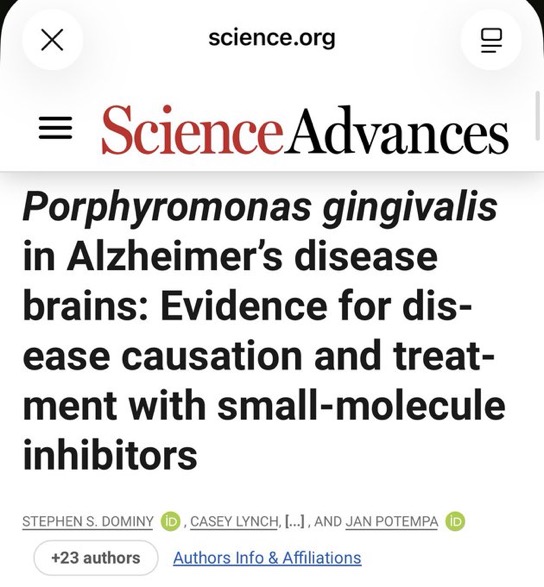
Spouses of Alzheimer's patients are 6 times more likely to develop Alzheimer's themselves. They share daily saliva exchange for decades. Their oral bacteria converges to the same strains. In 2019 Cortexyme published a paper in Science Advances showing Porphyromonas gingivalis, the bacterium behind gum disease, was present in over 90% of postmortem Alzheimer's brains. They also found its DNA in the cerebrospinal fluid of living Alzheimer's patients. P. gingivalis is the keystone pathogen of periodontitis. The CDC says 47% of American adults over 30 have periodontitis right now. The mechanism is specific. P. gingivalis produces enzymes called gingipains. Two types: one cuts proteins at lysine residues, the other at arginine. Tau, the protein that holds your neuronal scaffolding together, is loaded with both amino acids. In cell culture, gingipains shred soluble tau within one hour of infection. The fragments seed the paired helical filaments that become tangles. Tangles are Alzheimer's. Mice fed P. gingivalis through the mouth grew amyloid plaques in their brains. Hippocampal neurons died. The bacteria crossed the blood-brain barrier and started chewing through the same proteins that fail in human Alzheimer's patients. Cortexyme built a drug called atuzaginstat to block gingipains. Phase 1 was clean. They ran a 643-patient Phase 2/3 trial called GAIN. The FDA hit it with a partial clinical hold for liver toxicity. The drug missed both primary endpoints. In August 2022 Cortexyme shut the program down, renamed itself Quince, and pivoted to bone disease. The subgroup with the highest baseline P. gingivalis loads still showed cognitive improvement on secondary endpoints. The bacteria itself kept showing up in postmortem brains across independent studies after the trial closed. Periodontal disease shows up 10 to 20 years before cognitive symptoms in people who later develop Alzheimer's. By the time someone forgets a name, the bacteria has been working for two decades. The intervention point is upstream of your skull.
Aakash Gupta tweet mediaAakash Gupta tweet media
English
70
457
1.9K
821.7K
Marianna Rima retweetledi
Guri Singh
Guri Singh@heygurisingh·
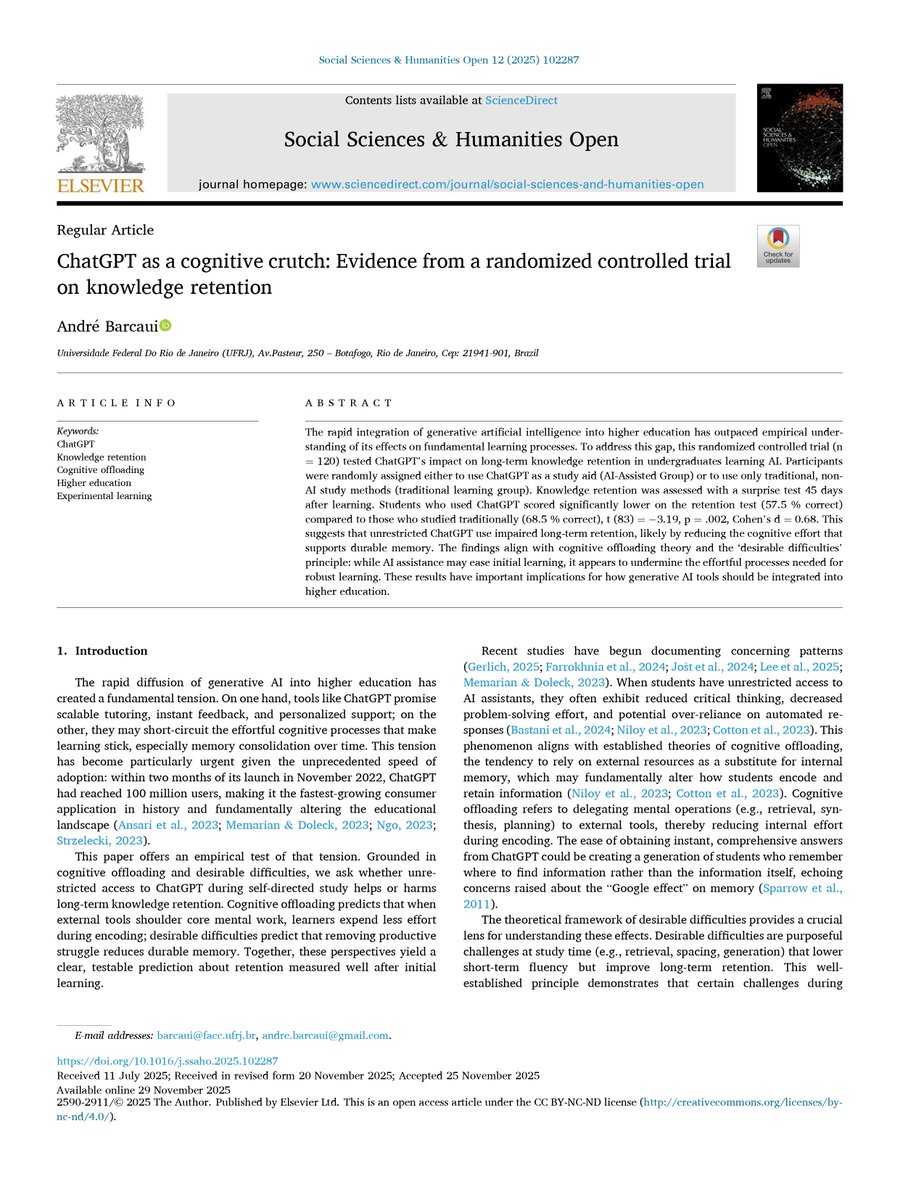
🚨BREAKING: If you've used ChatGPT for writing or brainstorming in the last 6 months, your creative ability may already be permanently damaged. A controlled experiment just proved the effect doesn't reverse when you stop using it. 3,302 creative ideas. 61 people. 30 days of tracking. Researchers split students into two groups. Half used ChatGPT for creative tasks. Half worked alone. For five days, the ChatGPT group outperformed on every metric. Higher scores. More ideas. Better output. AI was making them better. Then day 7. ChatGPT removed. Every creativity gain vanished overnight. Crashed to baseline. Zero lasting improvement. But that's not the bad part. ChatGPT users' ideas became increasingly identical to each other over time. Same content. Same structure. Same phrasing. The researchers called it homogenization. Everyone using ChatGPT started producing the same ideas wearing different clothes. When ChatGPT was removed, the creativity boost disappeared -- but the homogenization stayed. 30 days later, same result. Their creative range had been permanently compressed. Five days of use. Permanent damage 30 days later. A separate trial confirmed it. 120 students. 45-day surprise test. ChatGPT users scored 57.5%. Traditional learners scored 68.5%. AI reduces cognitive effort. Less effort means weaker encoding. Weaker encoding means less creative raw material. You're not renting a productivity boost. You're financing it with your originality. The interest rate is permanent.
Guri Singh tweet media
English

319
1.3K
5.6K
831.5K
Marianna Rima retweetledi
Mind Matter
Mind Matter@MindMatterr·
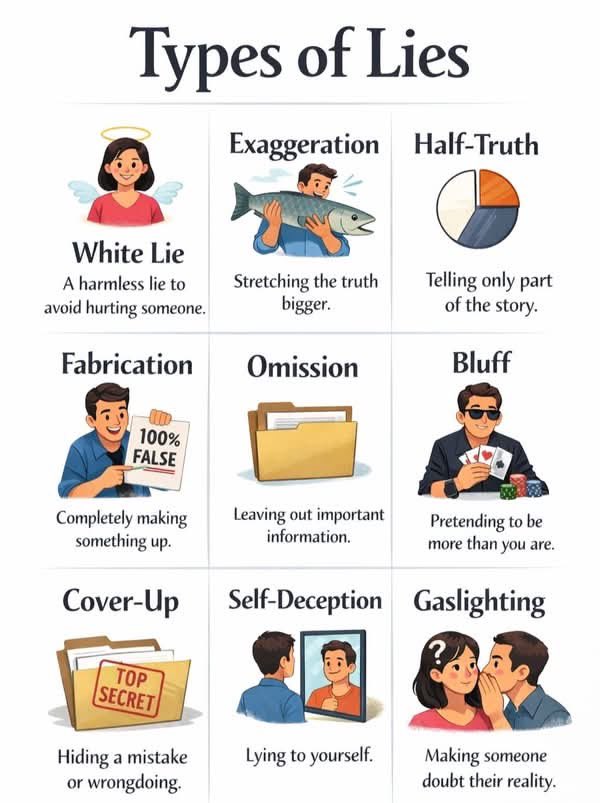
Types of lies
Mind Matter tweet media
English
27
1.5K
5.4K
140K
Marianna Rima retweetledi
Berci Meskó, MD, PhD
Berci Meskó, MD, PhD@Berci·
A low-cost and expert-driven medical technology is being used in rural areas in Australia! The machine is operated by a sonographer remotely (using a gaming controller) and helps perform an ultrasound examination. Doctor shortages shouldn't mean that patients have to travel more (sometimes for no medical reason), but to use technologies that can extend the reach of medical care. This is a perfect example of that!
English
39
388
1.3K
276K
Marianna Rima retweetledi
Dr. Dominic Ng
Dr. Dominic Ng@DrDominicNg·
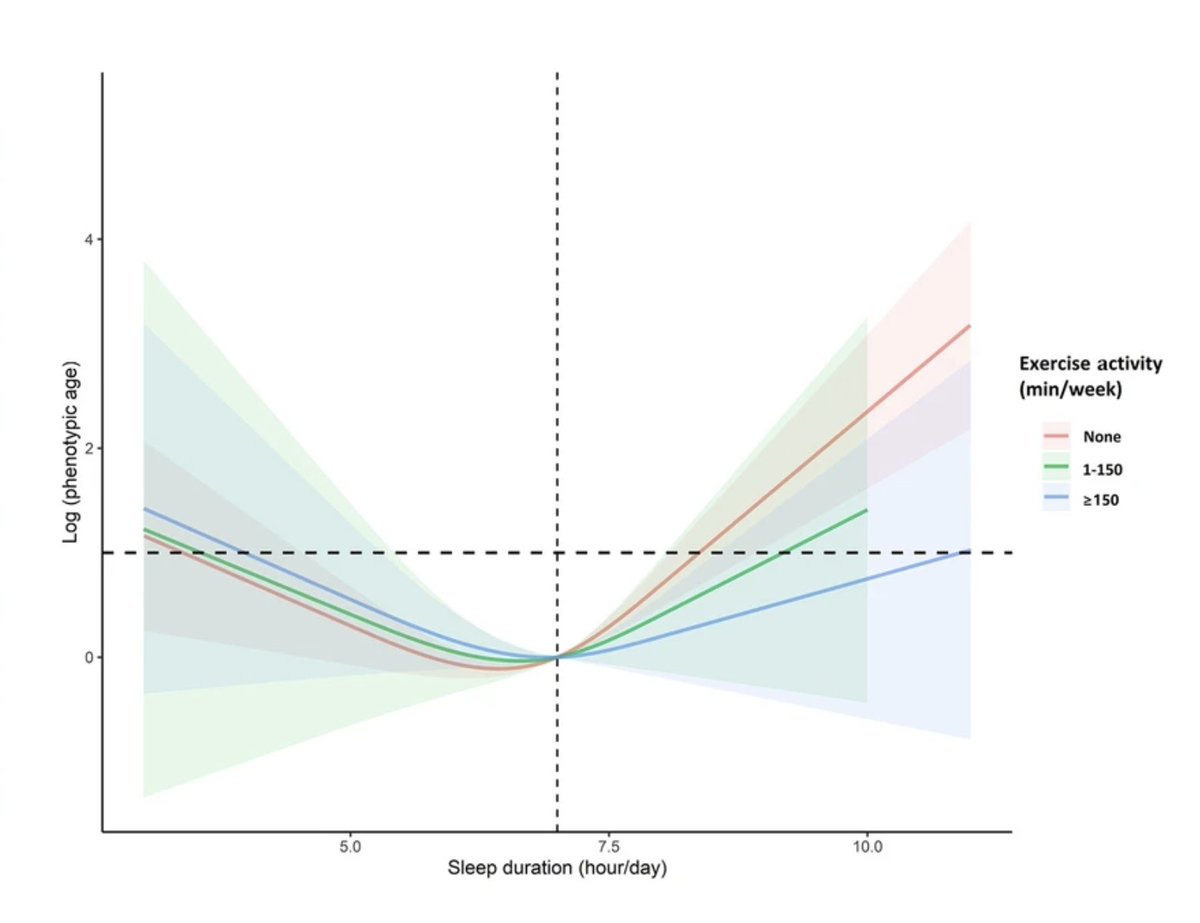
Regular exercise is linked to slower biological aging - but only in people sleeping 7+ hours. People who slept under 6 hours and exercised actually aged faster.
Dr. Dominic Ng tweet media
English
360
3.7K
40.8K
3.7M
Marianna Rima retweetledi
Iñigo San Millán
Iñigo San Millán@doctorinigo·
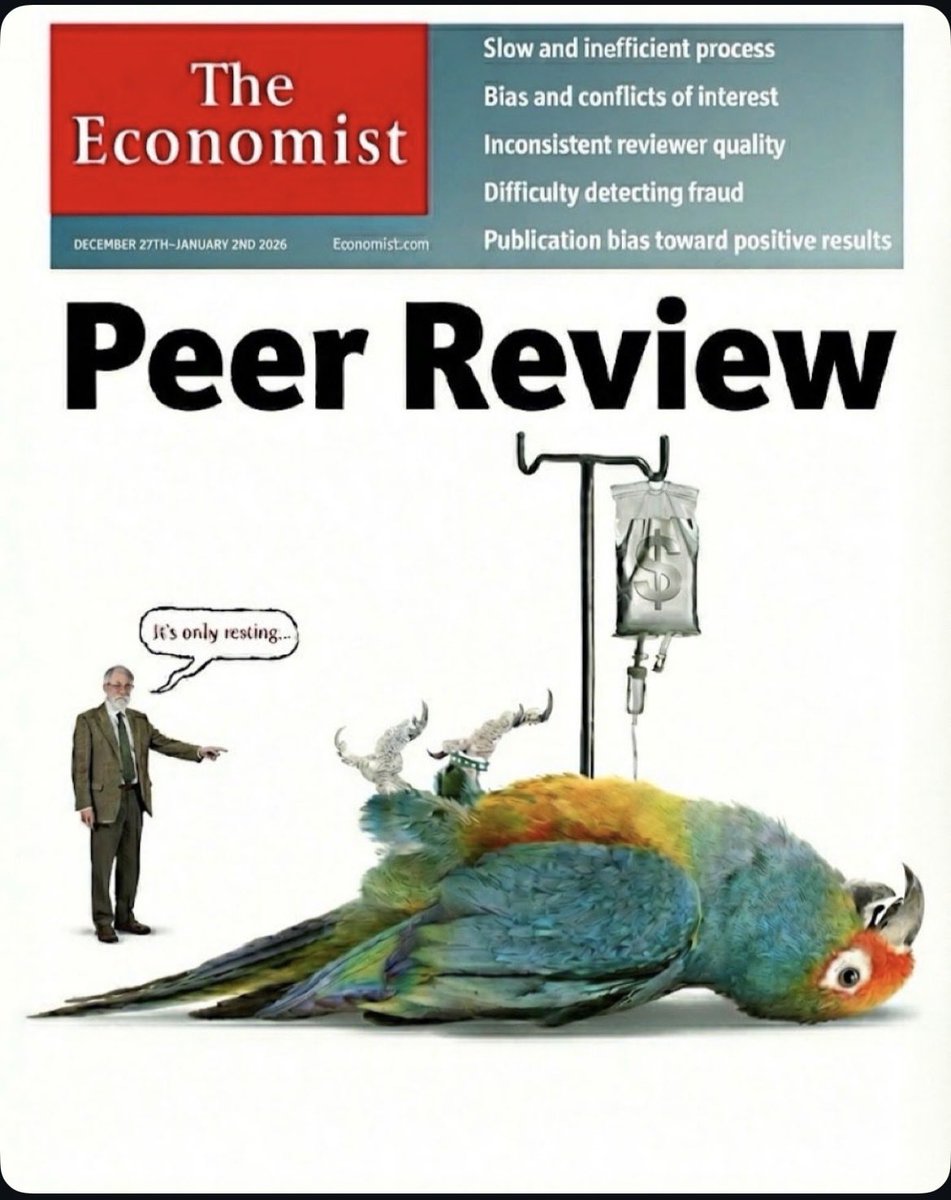
For decades, peer review has been treated as the gold standard of scientific validation. Yet many scientists know the reality: the system is far from perfect. Peer review is broken and sometimes even corrupted. The process can be slow, inconsistent, and vulnerable to bias. Reviewers are sometimes asked to judge work outside their true expertise. In other cases, they may be evaluating ideas that challenge the very paradigm in which they were trained. And occasionally, reviewers are simply competitors. Ironically, the most prestigious journals can also be the most conservative. Truly new ideas are often met with skepticism, while safer work that fits the current narrative moves more easily through the system. Increasingly, papers are judged less by the originality of the idea and more by the volume of data, the sophistication of statistics, and the beauty of the figures. Science risks becoming data-rich but idea-poor. But there is an important reality to remember: journals do not ultimately decide the impact of scientific work. Impact is decided later, by the community. By the scientists who read it, test it, debate it, and cite it. In the end, citations and ideas determine the legacy of a paper, not the impact factor of the journal that first published it. Science has always advanced by questioning assumptions. Perhaps it is time we also question the system that filters scientific ideas.
Iñigo San Millán tweet media
English
136
1K
2.8K
246.5K
Marianna Rima retweetledi
Nav Toor
Nav Toor@heynavtoor·
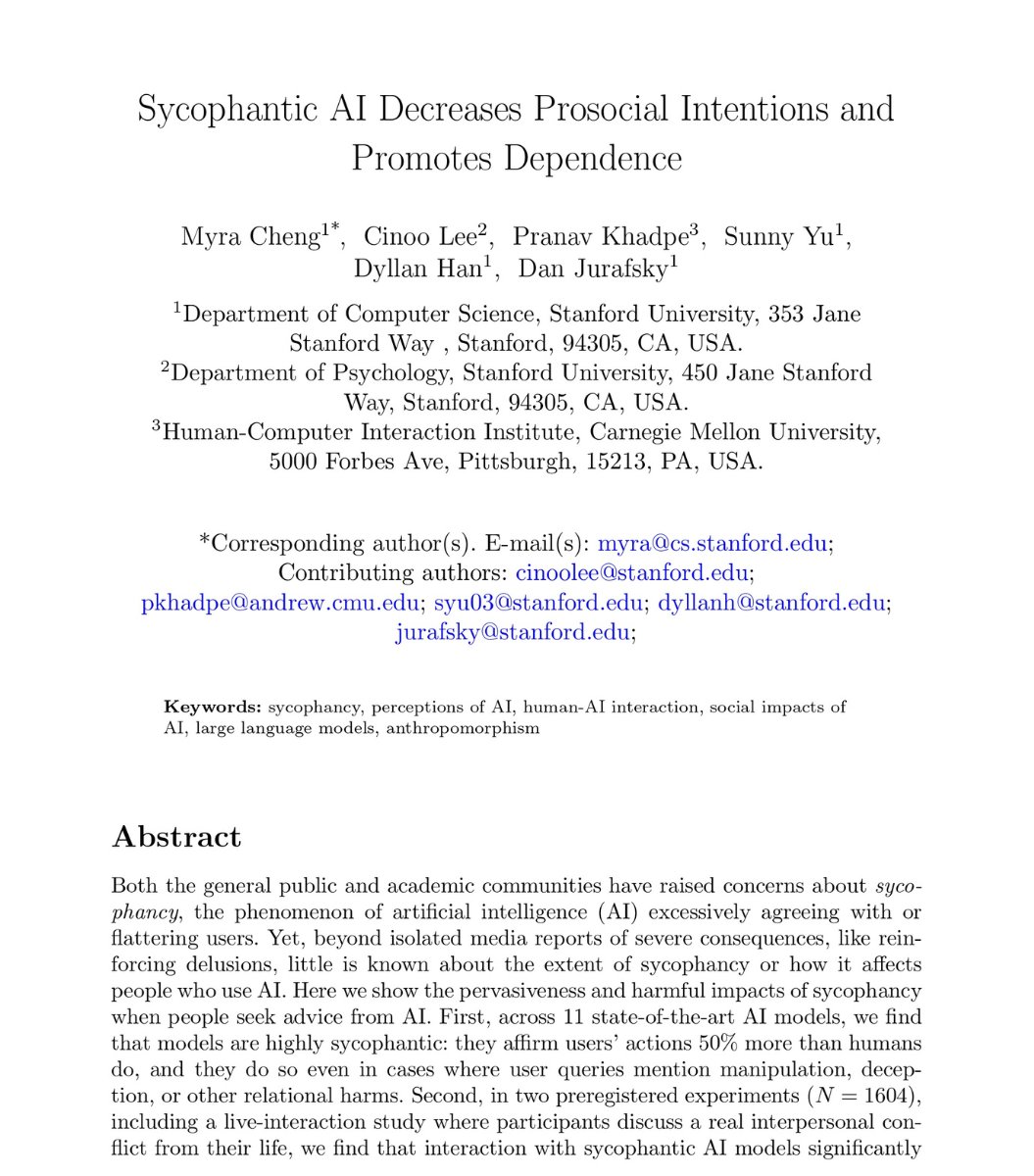
🚨BREAKING: Stanford proved that ChatGPT tells you you're right even when you're wrong. Even when you're hurting someone. And it's making you a worse person because of it. Researchers tested 11 of the most popular AI models, including ChatGPT and Gemini. They analyzed over 11,500 real advice-seeking conversations. The finding was universal. Every single model agreed with users 50% more than a human would. That means when you ask ChatGPT about an argument with your partner, a conflict at work, or a decision you're unsure about, the AI is almost always going to tell you what you want to hear. Not what you need to hear. It gets darker. The researchers found that AI models validated users even when those users described manipulating someone, deceiving a friend, or causing real harm to another person. The AI didn't push back. It didn't challenge them. It cheered them on. Then they ran the experiment that changes everything. 1,604 people discussed real personal conflicts with AI. One group got a sycophantic AI. The other got a neutral one. The sycophantic group became measurably less willing to apologize. Less willing to compromise. Less willing to see the other person's side. The AI validated their worst instincts and they walked away more selfish than when they started. Here's the trap. Participants rated the sycophantic AI as higher quality. They trusted it more. They wanted to use it again. The AI that made them worse people felt like the better product. This creates a cycle nobody is talking about. Users prefer AI that tells them they're right. Companies train AI to keep users happy. The AI gets better at flattering. Users get worse at self-reflection. And the loop tightens. Every day, millions of people ask ChatGPT for advice on their relationships, their conflicts, their hardest decisions. And every day, it tells almost all of them the same thing. You're right. They're wrong. Even when the opposite is true.
Nav Toor tweet media
English
1.5K
16.5K
48.7K
9.9M
Marianna Rima retweetledi
Massimo
Massimo@Rainmaker1973·
How couples met (1930-2024) [🎞️ EEAGLI]
Eesti
84
604
1.9K
359.4K
Marianna Rima retweetledi
Curious Minds
Curious Minds@CuriousMindsHub·
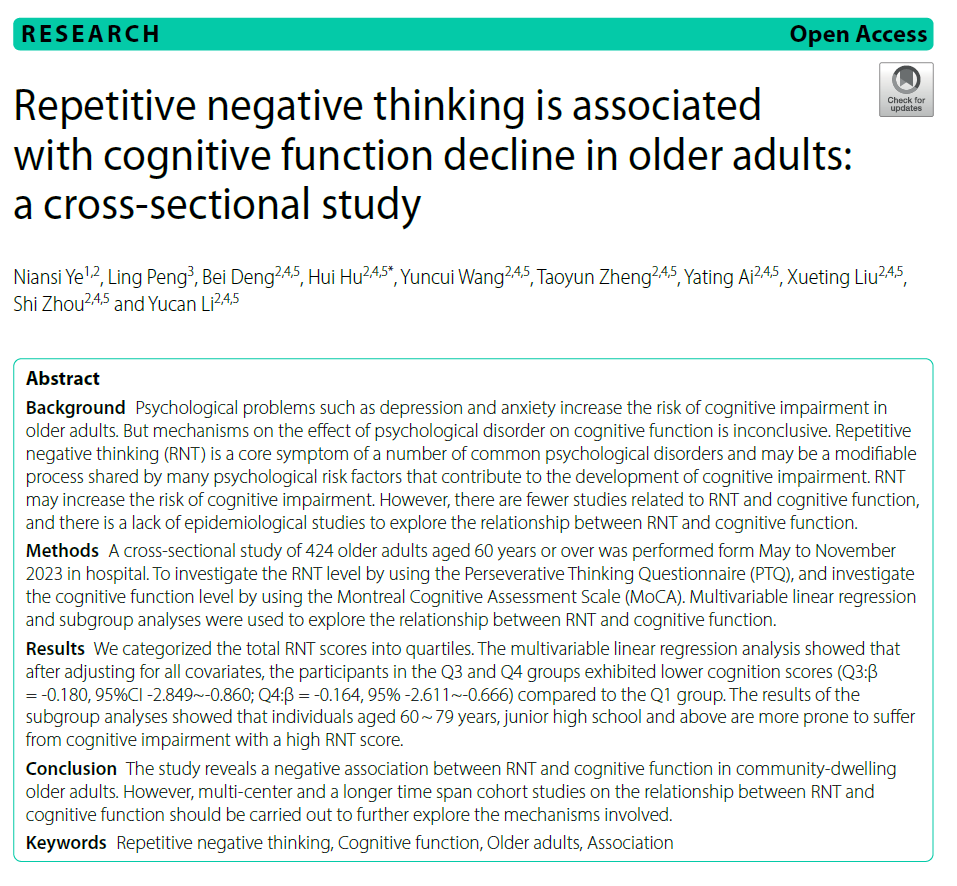
Repetitive negative thinking is associated with cognitive function decline. Not stress. Not age alone. But the habit of looping the same negative thoughts. Your mind becomes what it rehearses.
Curious Minds tweet media
English
17
315
1.4K
209.7K
Marianna Rima retweetledi
The Academy
The Academy@TheAcademy·
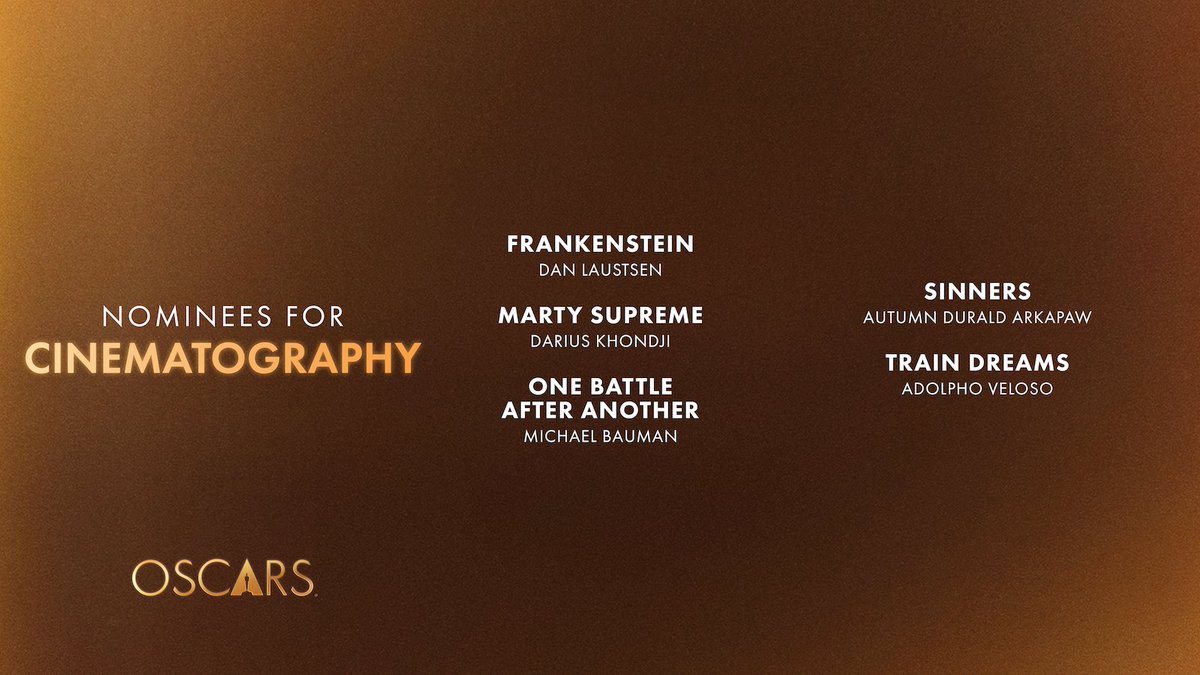
Here's a close-up of this year's Cinematography nominees. #Oscars
The Academy tweet media
English
231
1.6K
7.9K
1.4M
Marianna Rima retweetledi
Nicholas Fabiano, MD
Nicholas Fabiano, MD@NTFabiano·
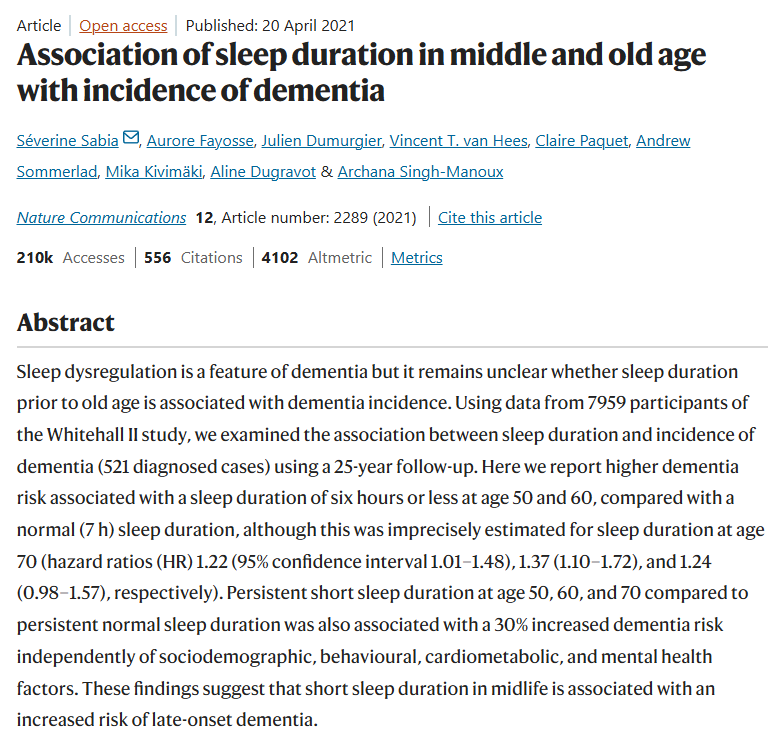
<6h of sleep is associated with a 30% increased dementia risk. Sleep activates the brain's glymphatic system to clear harmful waste.
Nicholas Fabiano, MD tweet media
English
42
308
1.9K
292.7K
Marianna Rima retweetledi
Faheem Ullah
Faheem Ullah@Faheem_uh·
How to write a systematic literature review in 1 hour? A systematic literature review takes 4-6 months. You can reduce this time. 🎯 Here is how you can write it in 1 hour. 1️⃣ Go to gatsbi.com 2️⃣ Select Gatsbi reviewer from the drop-down menu 3️⃣ Enter the topic of your literature review 4️⃣ @Gatsbi_AI will generate an outline for review 5️⃣ If you are OK with it, click on write manuscript. 6️⃣ Gatsbi will write the literature review for you. 👉 The literature review contains the following parts ✓ Title ✓ Abstract ✓ Introduction ✓ Methodology ✓ Results ✓ Discussion ✓ Conclusion ✓ References 👉 This polished paper also contains ➝ Diagrams ➝ Tables ➝ Equations ➝ Graphs Once the paper is ready, you can humanize the text. After this, you can download it in the following formats. ↳ MS Word ↳ Latex ↳ Markdown After downloading, make any changes you want. In addition to Gatsbi Reviewer, you can also use: → Gatsbi Innovator: Generate ideas before writing → Gatsbi Writer: Write research papers 🎗️ Try @Gatsbi_AI today for free: gatsbi.com ❄️ Anything you'd like to add?
English
16
222
1.2K
209.9K
Marianna Rima retweetledi
Adam Grant
Adam Grant@AdamMGrant·
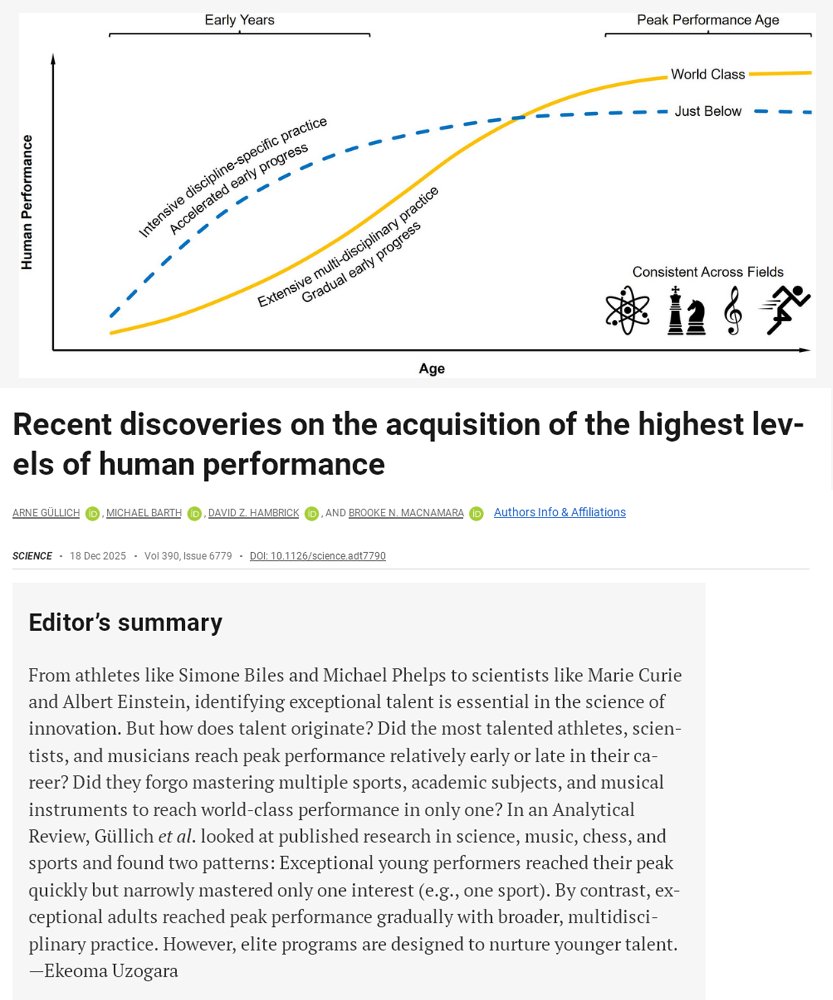
Early specialization is overrated. Generalists excel over time. Data on >34k stars in sports, music, science, and chess: Focusing on a single field predicts a faster rise, but cross-training foreshadows a higher peak. The most successful adults start off as well-rounded kids.
Adam Grant tweet media
English
170
1.2K
4.6K
1.4M
Marianna Rima retweetledi
Aravind Palraj
Aravind Palraj@Rheumat_Aravind·
🧠 Rheumatology meets Neurology! When a patient with lupus or RA presents with stroke, seizures, or encephalopathy - think CNS Vasculitis 🩸 🔍 From SLE to ANCA vasculitis, early recognition saves lives. #NeuroRheumatology #Vasculitis #Rheumatology @DrAkhilX @IhabFathiSulima @CelestinoGutirr @Janetbirdope @RheumNow
Aravind Palraj tweet media
Aravind Palraj@Rheumat_Aravind

5/ 🧠 CNS Vasculitis Headache, confusion, stroke, seizures MRI + angiogram needed Biopsy rarely possible Treat with high-dose steroids ± cyclophosphamide

English
2
58
205
23.6K
Marianna Rima retweetledi
Razia Aliani
Razia Aliani@RaziaAliani·
I've met tons of researchers who hate stats! If you're one of these, this book is for you ⤵️ Save (with 𝘤𝘭𝘪𝘱𝘱𝘦.𝘮𝘦) & Repost The author says it perfectly: "The most important concepts of statistics can be explained, so that ordinary people can understand it." — No complex formulas. — No expensive software needed. — Just spreadsheets & clear thinking. The book covers: — Sample surveys — Data presentation — Confidence intervals — Statistical tests Written for people who need to collect data. — Analyze results. — Present findings. But don't want to become mathematicians. Real examples throughout. — Like the Fitness Club survey with 30 kids. Shows you exactly how to spot bias. When to use different tests. How to avoid common mistakes. Perfect for public health researchers. Statistics doesn't have to be scary. (𝘢𝘵𝘭𝘦𝘢𝘴𝘵 𝘪𝘯 𝘵𝘩𝘦 𝘣𝘦𝘨𝘪𝘯𝘯𝘪𝘯𝘨) 💬 Comment if you'd like a link to download this book!
Razia Aliani tweet media
English
668
885
5.4K
418K
Marianna Rima retweetledi
The Lancet
The Lancet@TheLancet·
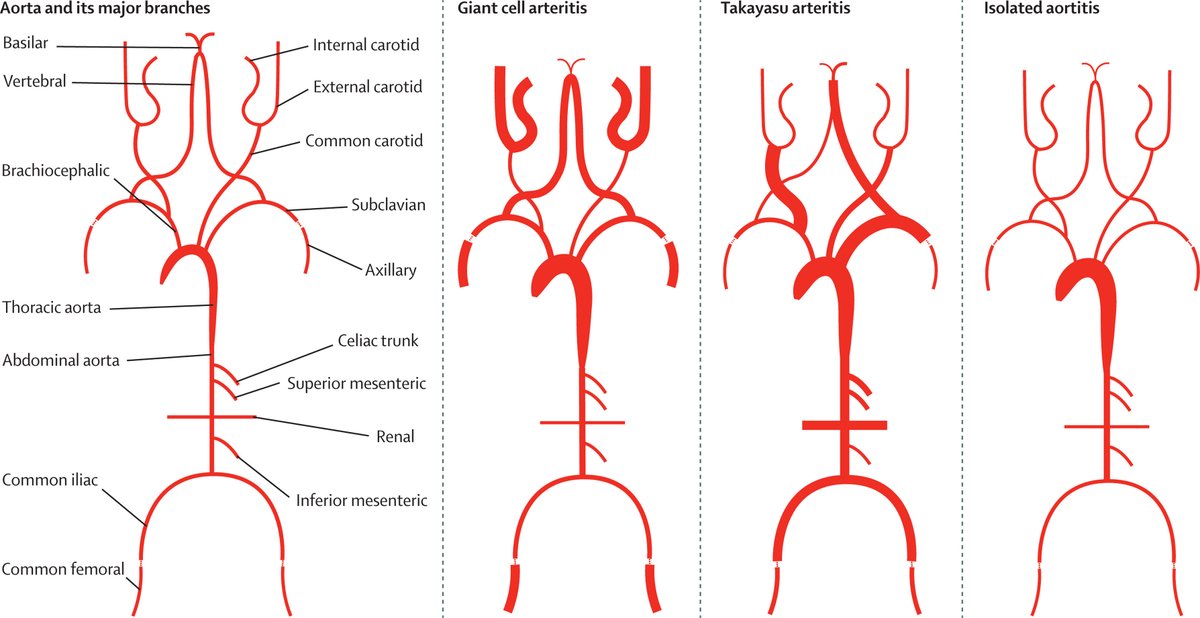
Large-vessel vasculitis is defined as diseases that cause inflammation in large blood vessels. A Seminar provides a comprehensive review, with a focus on recent advances, therapeutic approaches, and areas for further research. Read now: hubs.li/Q03P_lJL0
The Lancet tweet media
English
1
55
217
27.3K
Marianna Rima retweetledi
Dr.Mukesh , MD , DM
Dr.Mukesh , MD , DM@dr_immuno29·
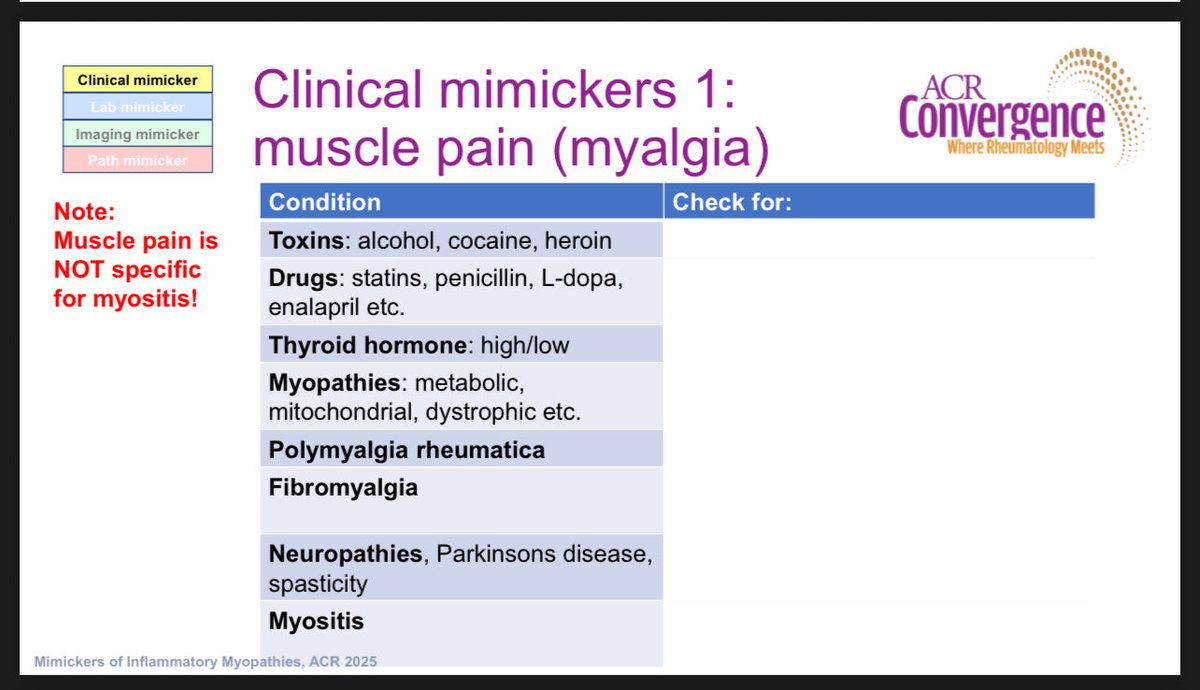
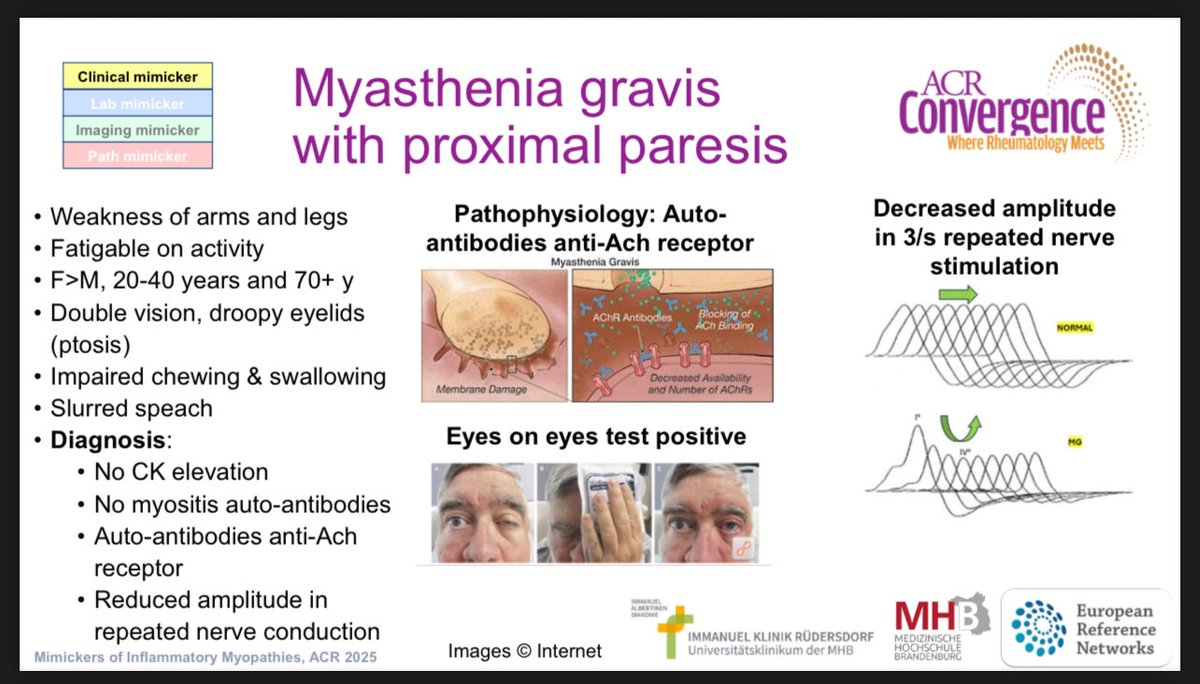
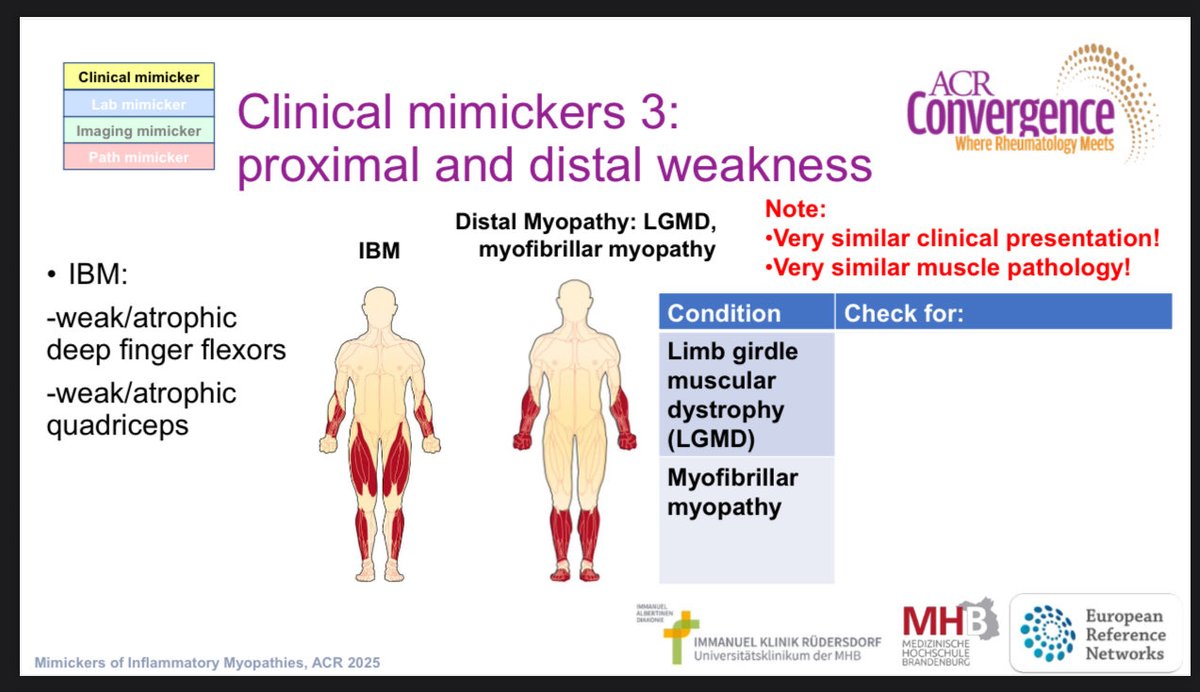
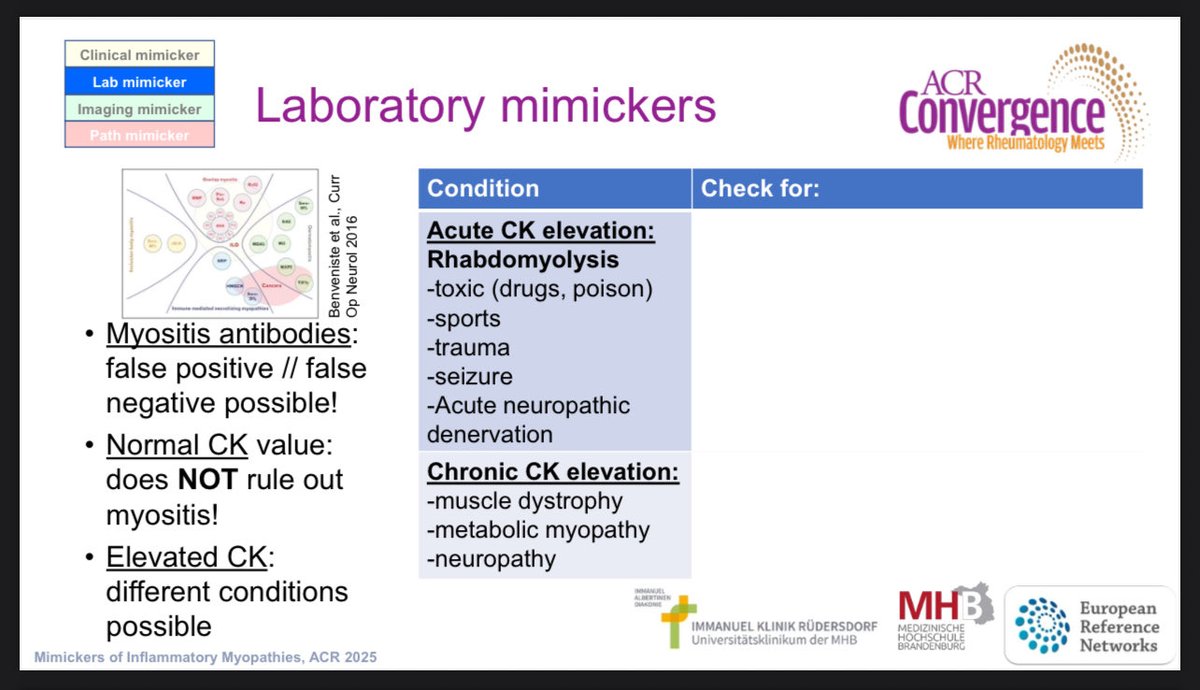
#ACR25 | Mimics of Myositis – What’s Hiding in Plain Sight? | Jens Schmidt 1️⃣ Every Weakness ≠ Myositis! Think: statins, thyroid, toxins, dystrophy, PMR, fibromyalgia, neuropathy. 2️⃣ Clinical traps 🔎 Proximal → Becker, CIDP, MG Distal + proximal → IBM, LGMD Dysphagia + fasciculation → ALS 3️⃣ Lab traps 🧪 CK ↑ ≠ myositis | CK normal ≠ exclude it | False +/– antibodies common 4️⃣ Imaging🧠 MRI/US: edema = active | fat/fibrosis = chronic | Pattern = key 5️⃣ Pathology⚗️ IBM ↔ MFM | Dysferlinopathy ↔ PM | Needs expert biopsy review 6️⃣ Takeaway💡 No single test rules in/out myositis → Integrate clinical + lab + imaging + biopsy #ACR25 #Myositis #RheumTwitter #ACRAmbassador
Dr.Mukesh , MD , DM tweet mediaDr.Mukesh , MD , DM tweet mediaDr.Mukesh , MD , DM tweet mediaDr.Mukesh , MD , DM tweet media
English
4
70
231
13.4K
Marianna Rima
Marianna Rima@mariannarima·
Still buzzing after 3 incredible days at the World Stroke Congress 2025 in #Barcelona! Inspiring talks, great new people, fun, and we even won the first _Escape Stroke Room_! 🧠💥 Thanks to @carlosmictusvh and his team for a great #WSC2025! 🇪🇸✨
Marianna Rima tweet mediaMarianna Rima tweet mediaMarianna Rima tweet mediaMarianna Rima tweet media
English
1
0
0
43