Martoshi @290 retweetledi

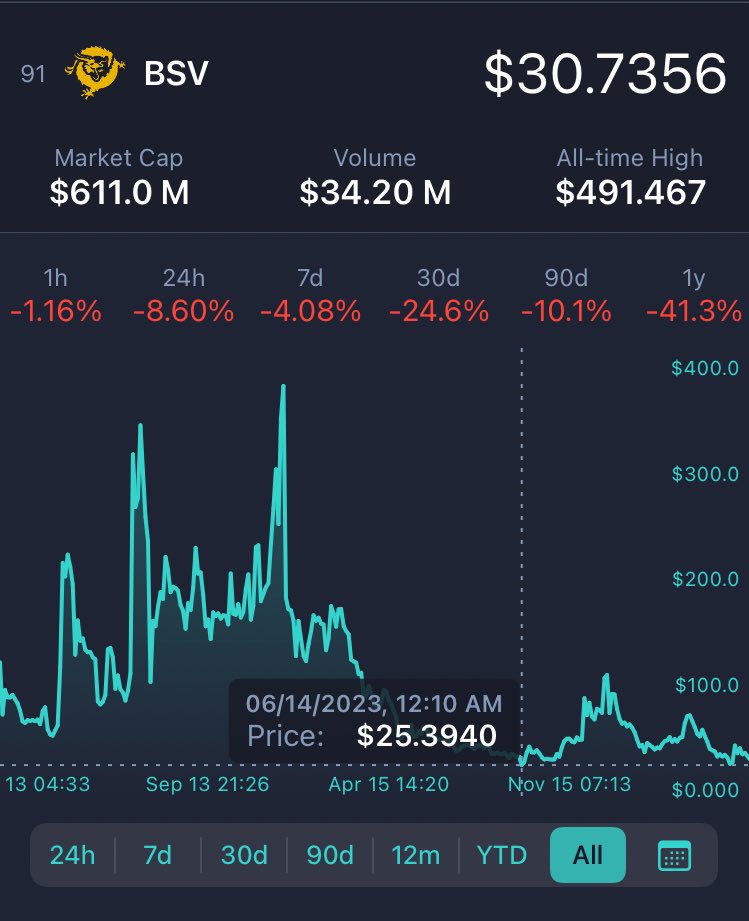
@leadlagreport Epstein isn't Satoshi. Emails have shown he paid people to hijack the project that eventually became BTC, hence the blocksize wars and the BCH/BSV split. @kurtwuckertjr can break it down for you.
English
Martoshi @290
8.4K posts




The "Maturity" Trap: Why Statutory Clarity is Still Incomplete The current legal framework for digital assets is built on a technical baseline that defines a #blockchain as: a distributed ledger maintained across a network of computers, where transactions are verified collectively and preserved in a decentralized manner. At its core, this treats blockchain as neutral infrastructure—rule-bound and designed to operate without a central authority. However, the #ClarityAct layers a new #legal condition on top of this: the "Mature Blockchain Network." Under the statute, "Maturity" is defined by three primary criteria: - Operational Period: Sustained operation for at least 12 months. - No Unilateral Control: The absence of unilateral authority to materially alter the runtime software. - Governance Dispersion: No single entity or affiliated group controls more than 20% of the voting power. The issue is that these criteria assume decentralization is only expressed through ownership and voting mechanics. This financial proxy works for speculative tokens, but it fails to account for blockchains functioning as #utility infrastructure, systems designed for #data integrity, audit trails, and identity. True decentralization in utility systems is achieved through immutability and the removal of discretionary governance, not just shareholder-style dispersion. By applying financial governance thresholds (like the 20% rule) to utility systems, the law conflates infrastructure with markets. Until the law separates infrastructure decentralization (the ability of a network to survive as neutral software) from financial activity (the trading of tokens), statutory clarity will remain incomplete. For utility-focused networks, the choice is stark: maintain the centralized tools required for "enterprise-grade" compliance and risk being classified as a permanent security, or pivot toward the decentralized models the Clarity Act demands.