Joe Kelly

1.8K posts

Joe Kelly banner
Joe Kelly

Joe Kelly

@massconshow

Building and Fire code consultants, educators and podcasters in the construction and real estate industry 🔨 🚧

Boston, MA Katılım Ağustos 2018
598 Takip Edilen481 Takipçiler
Joe Kelly retweetledi
Diana DiZoglio
Diana DiZoglio@DianaDiZoglio·
🎶 “Baby, where the hell is my audit?” 🎶 Had fun at South Boston’s St. Patrick’s Day Breakfast! ☘️🇮🇪 Thanks to our host @nickcollinsma #mapoli
English
137
322
1.5K
55.9K
Joe Kelly retweetledi
Shawn Ryan
Shawn Ryan@ShawnRyan762·
Pam Bondi, the Epstein files, “aliens are real”… and what’s that other guy’s name again?
English
2.9K
10.9K
45.2K
2.4M
Joe Kelly retweetledi
Trad West
Trad West@trad_west_·
>Got cancelled by the BBC, immediately started a bigger show on Amazon >Bought a farm and actually works it himself >Exposed the insane government bureaucracy destroying British farmers >Made farming "cool" for an entire generation of young men >Hates manual labor, does it anyway Jeremy Clarkson is such a W
Trad West tweet mediaTrad West tweet media
English
704
9.2K
137.1K
7.5M
Joe Kelly
Joe Kelly@massconshow·
That anthem was garbage
English
0
0
0
39
Joe Kelly
Joe Kelly@massconshow·
Want to be successful in work and life.
Joe Kelly tweet media
English
1
0
1
37
Joe Kelly
Joe Kelly@massconshow·
Long: states with solid balance sheets, low regulation and low taxes. Short: states with budget deficits, high regulations and high taxes
English
0
0
0
67
Joe Kelly
Joe Kelly@massconshow·
Getting ready for the episode with @bitstorian . Stay tuned
Joe Kelly tweet media
English
0
0
3
491
Joe Kelly
Joe Kelly@massconshow·
On the anniversary of the Great Molasses Flood in the North End. I thought it would be interesting to point out that the disaster prompted the requirements for licensed engineers, and Architect and Engineers signatures on drawings. Which would become our modern day stamp and construction control. #buildingcode
English
0
0
0
83
Joe Kelly
Joe Kelly@massconshow·
.@friedberg I enjoyed your episode with @adamcarolla and thought as a former city inspector, builder and now biz owner/code consultant I might be able to offer an explanation: The Roots of the Problem At its core, the biggest barrier to efficient, affordable building isn’t technology or materials—it’s bureaucracy. Regulations are meant to keep people safe, but over time, they’ve multiplied without restraint. What used to be a single manageable building code has ballooned into a web of five or more separate codebooks, updated every three years and often amended at the state level by all 50 states. Each update adds more complexity, often driven by well-intentioned code officials seeking safety improvements, industries promoting their products, and, let’s be honest, publishers selling new editions and subscriptions. Certification requirements, while valuable in theory, have turned into yet another costly layer—creating revenue streams for regulators but draining time and money from the people actually doing the work. In some cases, “certified” individuals are listed on projects they never visit, adding bureaucracy without improving safety. Regulation on Every Level State codes are only the beginning. Every municipality adds its own zoning rules, shaped by local politics. Then state and federal laws stack on top of that—sometimes overlapping, sometimes conflicting. For instance, a multifamily building must comply with state accessibility codes, the federal ADA, the Fair Housing Act, and potentially Section 504 of the Rehabilitation Act if federal funds are involved. Yet the local inspector only enforces the state codes. The result? Projects that meet local rules but still face lawsuits later for missing something buried in a different regulation. The Endless Permitting Maze Getting a building permit has become a full-time job. Developers must seek approval from boards, commissions, fire departments, public works, transportation, and building departments—each with its own forms, fees, and timelines. Every approval adds cost and uncertainty. Projects stall not because they’re unsafe or poorly designed, but because they’re trapped in procedural limbo. Other recurring problems include: - Chronic understaffing at municipal agencies. - Well-intentioned but misinformed regulations. - Unfunded mandates—laws created without resources to enforce them. Each new rule, no matter how noble its aim, adds cost, extends timelines, and discourages investment. Ironically, the response to these challenges has often been more regulation, not less—further feeding the cycle. How the Industry Is Coping Faced with this reality, the construction industry has adapted in creative (and costly) ways. - Developers hire lobbyists to shape or block new laws/codes. - Architects now bring in code consultants to stay compliant. - Contractors employ permit expediters just to navigate city hall. - And now, tech startups like UpCodes, PermitFlow, Pulley, and Greenlite are using AI to help professionals wade through the mess. But let’s be clear: you shouldn’t need a Ph.D. or AI software just to build housing. These tools treat the symptoms of a broken system—they don’t fix it. The Tide Is Turning Here’s the good news: people are fed up. Ordinary citizens, not just developers and code geeks, are joining forces to fight back against bureaucratic gridlock. Grassroots movements like Strong Towns, Abundant Housing MA, and Center for Building NA are mobilizing thousands of supporters through small donations and local advocacy. Their mission is simple—make it possible to build again. And it’s working. Across the country, we’re seeing real change: - States are permitting larger single-stair buildings by right. - ADUs (Accessory Dwelling Units) are becoming legal in more places. - Cities are embracing “up-zoning" to allow denser, more flexible development. - Vermont has rolled back to an earlier code edition. - Some states now allow third-party plan reviews and inspections to speed things up. Are all these reforms perfect? Not even close. Some risk adding new complications. But collectively, they send a powerful message: the public is done tolerating a system that has priced people out of homeownership and burdened builders into paralysis. What Comes Next When people can no longer afford homes, business as usual is no longer acceptable. The institutions that created this red tape are being forced to reckon with it, and while the process will be messy, it’s necessary. Systems that took decades to overgrow won’t change overnight—but for the first time in a long time, they are changing. If the energy of today’s housing advocates keeps building, we might finally see a future where building a home is about creating shelter and community, not navigating a maze of paperwork. The path will be bumpy, but it’s heading in the right direction—and we just might come out stronger on the other side. Great episode of the @theallinpod
English
0
3
13
1.7K
Rep. Sam Farrington
Rep. Sam Farrington@SamFarringtonNH·
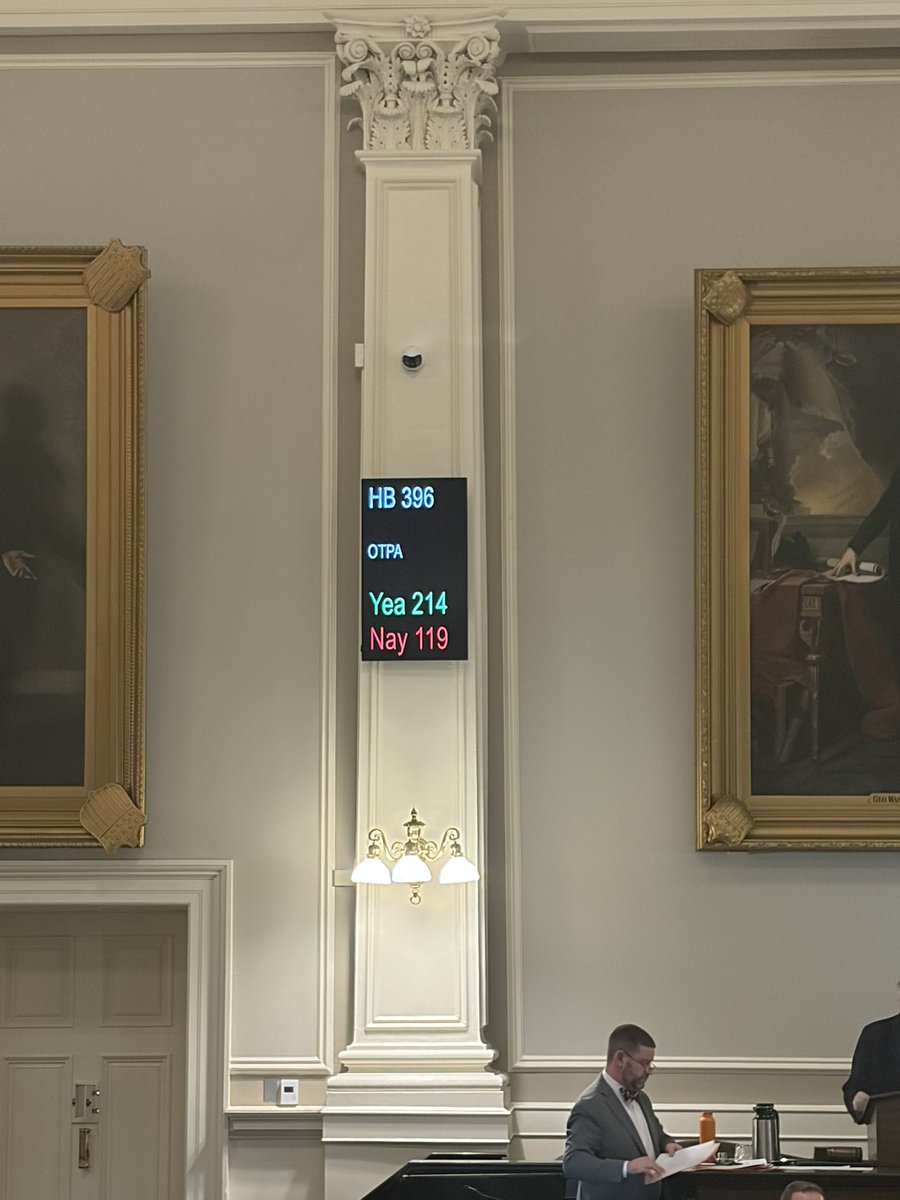
My favorite bill of the day passes. HB396 allows small farms to process animals on site rather than mandating USDA facilities. This eases the burden for farmers struggling to find butchers. It will make farm-to-table more affordable. MAHA
Rep. Sam Farrington tweet media
English
2K
12.9K
76.2K
2.6M
Joe Kelly
Joe Kelly@massconshow·
Just because you can add tech to something doesn’t mean you should. Nature and satisfaction should be part of the equation.
English
0
0
0
38