

Maydu
45.7K posts
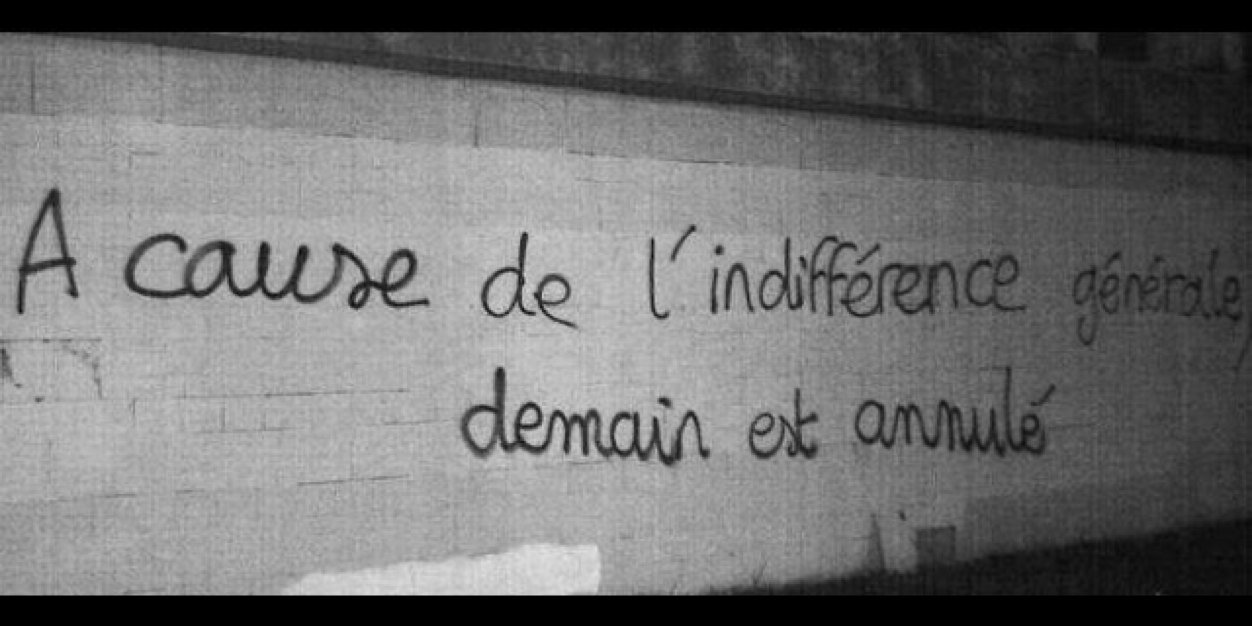


PERSONNE n'a jamais prétendu que de tels propos pouvaient être antisionistes et pas antisémites.
P E R S O N N E.
Max Ou@mxhou
« Nique les feujs », « Je vous exterminerai », difficile de faire passer ça pour de l'antisionisme... Et comme malheureusement (©LGBTQIA+ Berlin) c'est pas les antisémites qu'on aime détester (si c'est pas de bol...), ben ça a pas du tout percé sur les réseaux. Rattrapage: 1/
Français

@maydu Toi aussi t’es encore là ! Mais au fait vs êtes une bande de traîtres
Français
"Les noms ont été modifiés dans un soucis d'anonymat"
Le Figaro@Le_Figaro
Ils ont dû quitter leur maison à cause des incendies, ils témoignent. La préfecture a autorisé 84000 nouvelles personnes à rentrer « immédiatement » chez elles. « Le Figaro » a pu joindre Aurore qui vient de rentrer chez elle et Jean-Chrysostome et Marie-Cécile qui, eux, sont toujours bloqués.
Français

Ils ont dû quitter leur maison à cause des incendies, ils témoignent.
La préfecture a autorisé 84000 nouvelles personnes à rentrer « immédiatement » chez elles. « Le Figaro » a pu joindre Aurore qui vient de rentrer chez elle et Jean-Chrysostome et Marie-Cécile qui, eux, sont toujours bloqués.
Français
Maydu retweetledi

toujours problématique
Renaud Dély@RenaudDely
Bravo et merci pour tout ce que tu as apporté à @libe depuis tant d'années mon cher @quatremer. Bonne chance pour la suite, hâte de te lire dans @MarianneleMag ! Et on se retrouve bientôt dans le club de @28minutes sur @ARTEpro Je t'embrasse Jean 😘
Français
Maydu retweetledi
Concert de B. Butch à Grenoble : un emballement hors norme & un récit médiatique aux nombreux angles morts.
Ajd, l'analyse du traitement médiatique délirant (et demain, le récit de militants, citoyens grenoblois et journalistes qui étaient présents) 👇
arretsurimages.net/articles/conce…
Français
Maydu retweetledi
Jean Quatremer qui a qualifié la perturbation du set de Barbara Butch de "nuit de cristal locale".
Comme ses collègues doivent être soulagés...
arretsurimages.net/articles/jean-…
Français
Maydu retweetledi


Maydu retweetledi
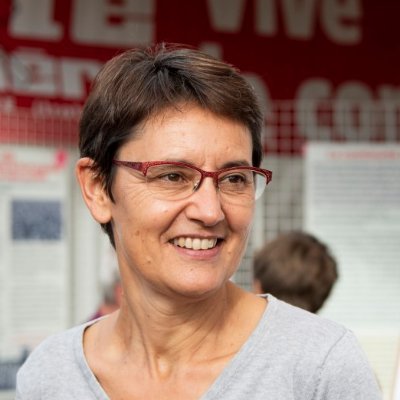
Pas invitée au débat du Medef pourtant presenté comme le premier grand débat de la présidentielle.
C’est vrai qu’entendre parler d’expropriation des grands groupes capitalistes aurait pu gâcher l’ambiance…
LCI@LCI
🔴 Les premiers grands rendez-vous de la rentrée politique, sont sur #LCI. 📅 Jeudi 27 août à 16h45, suivez en direct et en exclusivité le débat organisé par le @medef dans le cadre de #LaREF26. 🎙️ Présenté par @Acarrouer. 📺 Rendez-vous sur #LCI, canal 15
Français
Maydu retweetledi
Est-ce la préfète de Gironde qui a relayé l'ordre d'abandonner #LePorge pour protéger les milliardaires de la presqu'ïle du Cap Ferret?
En tout cas, c'est bien elle qui
1) a oublié ses papiers lors de sa première conférence de presse
🔽
Français
Maydu retweetledi

Ce tweet de Gabrielle Cathala date d’il y a 10 mois.
Comme d’hab’, ce sont les insoumis qui ont raisons avant tout le monde, qui avertissent et que personne n’écoutent, parce que…oh regardez là-bas de la drogue dans le sac de Rima Hassan…et puis là une bouteille en plastique😱
Gabrielle Cathala@GabrielleCthl
Notre pays a plus de blindés Centaure pour réprimer des manifestations que de Canadairs lorsque nos forêts brûlent. Emmanuel macron et son gouvernement ne tiennent plus que par la matraque. Ils tomberont bientôt.
Français
Maydu retweetledi

Le fait qu’elle ai fait la une de tout les média fr pour une bouteille de San pé vide lancée sur la scène ptdr ce pays est tellement malade
Français
Maydu retweetledi

The best time to plant trees in anticipation of hotter summers was 20 years ago. The next best time is today.
🚨Indian Gems@IndianGems_
Colombia reduced temperatures by 5°C by planting 880,000 trees along the streets of its cities.
English
Maydu retweetledi

Oui mais quelqu'un a lancé une bouteille en plastique sur la scène de Barbara Butch.
Focus@FocusMedia_Fr
🔴 ALERTE INFO | Cisjordanie : En 48 HEURES, les villages palestiniens ont subi plus de 178 RAIDS ET ATTAQUES DE COLONS ISRAELIENS, plongeant la population dans un climat d'insécurité permanente.
Français
Maydu retweetledi

J’ai acheté les derniers Canadair de dispo pour lancer ma boîte de location de Canadair ça y est c’est officiel !! 👍👍👍
Français
Maydu retweetledi

It’s actually gross the amount of money China spends on things like unlimited clean energy for its citizens when it could be sending that money to Israel instead.
Megatron@Megatron_ron
NEW: 🇨🇳 China's nuclear fusion research has completed a massive magnet weighing 582 tons. The goal is an "unlimited energy" artificial sun. They plan to start the first power generation by 2030. A safe, CO2-zero ultimate energy race.
English
@GilbertCollard C'est ta mère qui est connue des services de police pour avoir mis au monde une sous merde comme toi
Français

Des familles fuient les flammes et abandonnent leurs maisons, une Tunisienne, connue de la police, en situation irrégulière arrêtée avec un sac rempli de bijoux, d’objets volés dans les maisons évacuées, le dégout !

Le Cailar, France 🇫🇷 Français
Maydu retweetledi

🚨 ALERTE - Rachel Touitou, intervenante régulière de @i24NEWS visée par un mandat d’amener pour complicité de génocide et incitation au génocide à Gaza, a posté ce tweet RACISTE hier, avant de le supprimer lâchement.
@touitou_rachel mérite un article 40.

Français
Maydu retweetledi

At his latest summer camp, Pep Guardiola welcomed 28 Palestinian children, giving them a space to play, smile and simply be children.
His legacy goes far beyond football. Nobody comes close.
English