

Yoshi Babaganoush
36 posts


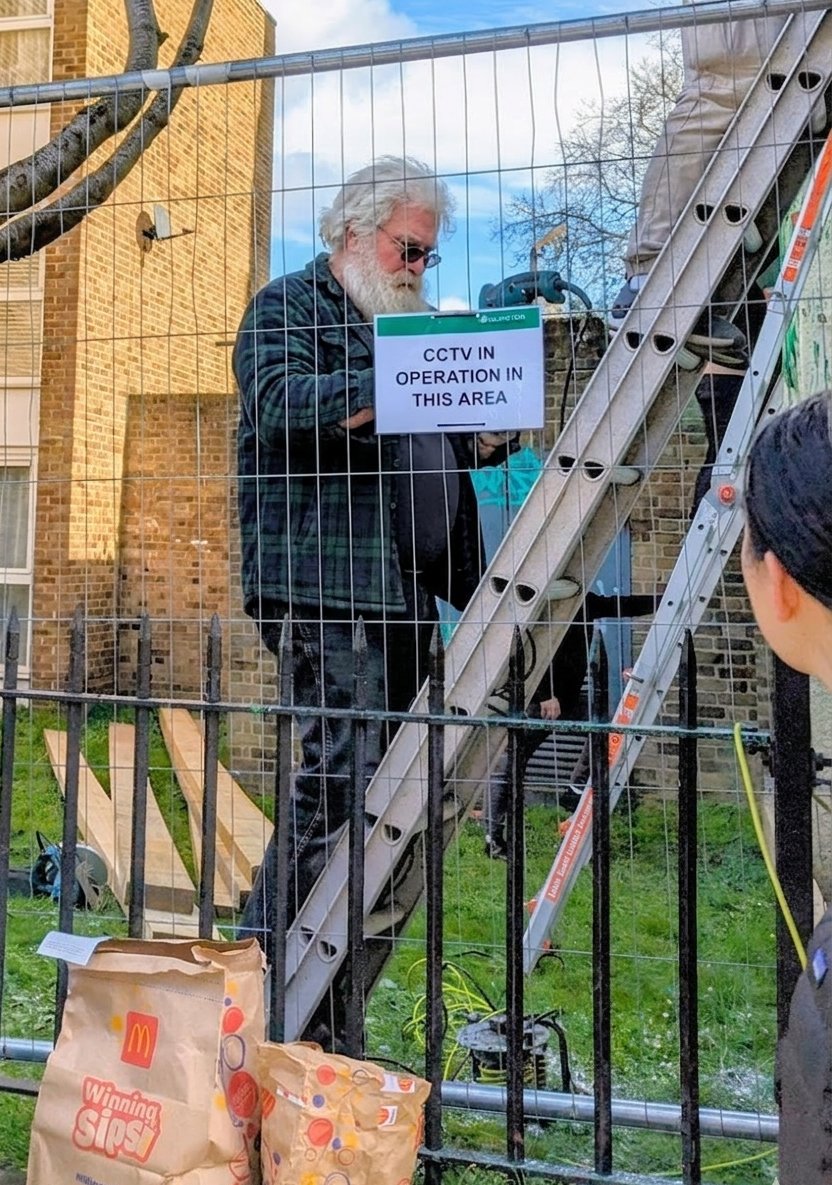
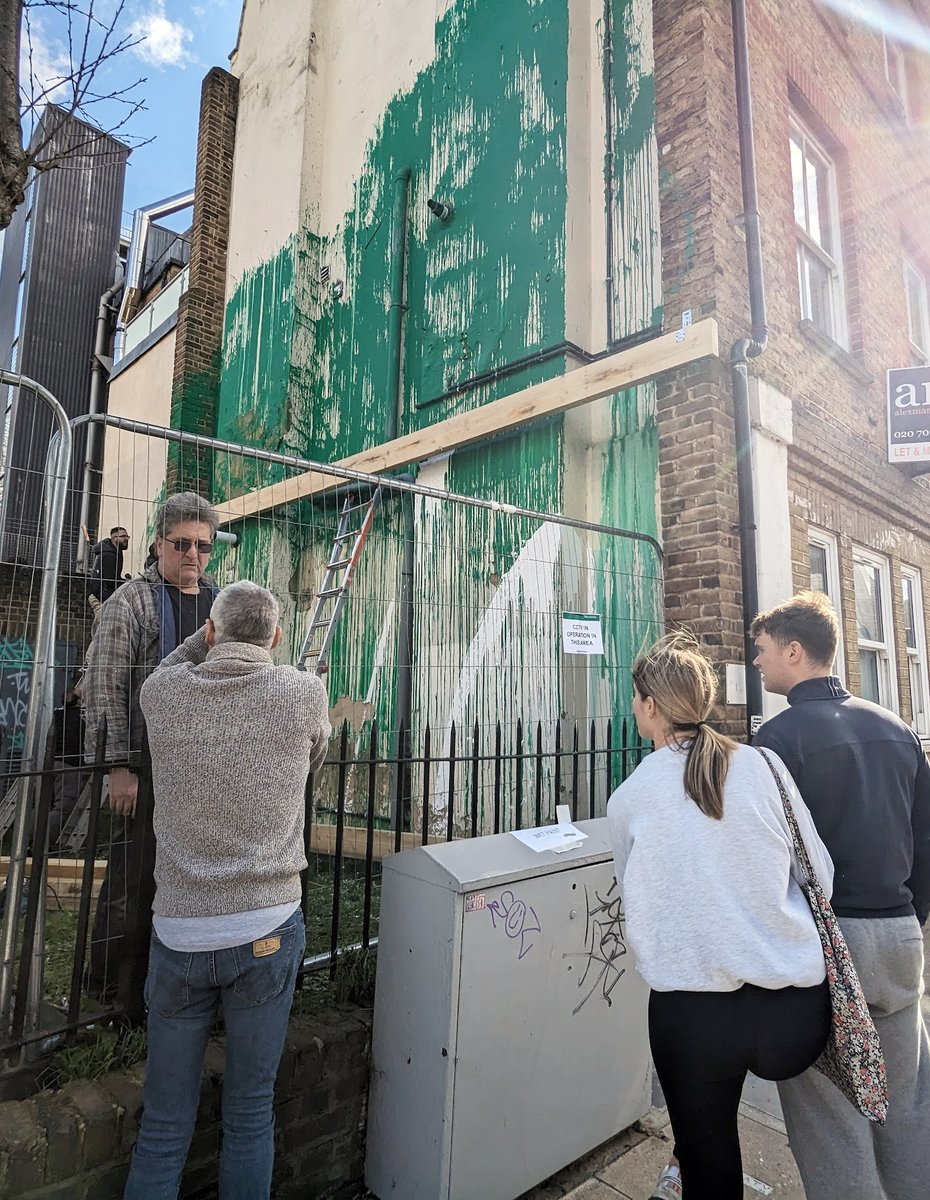
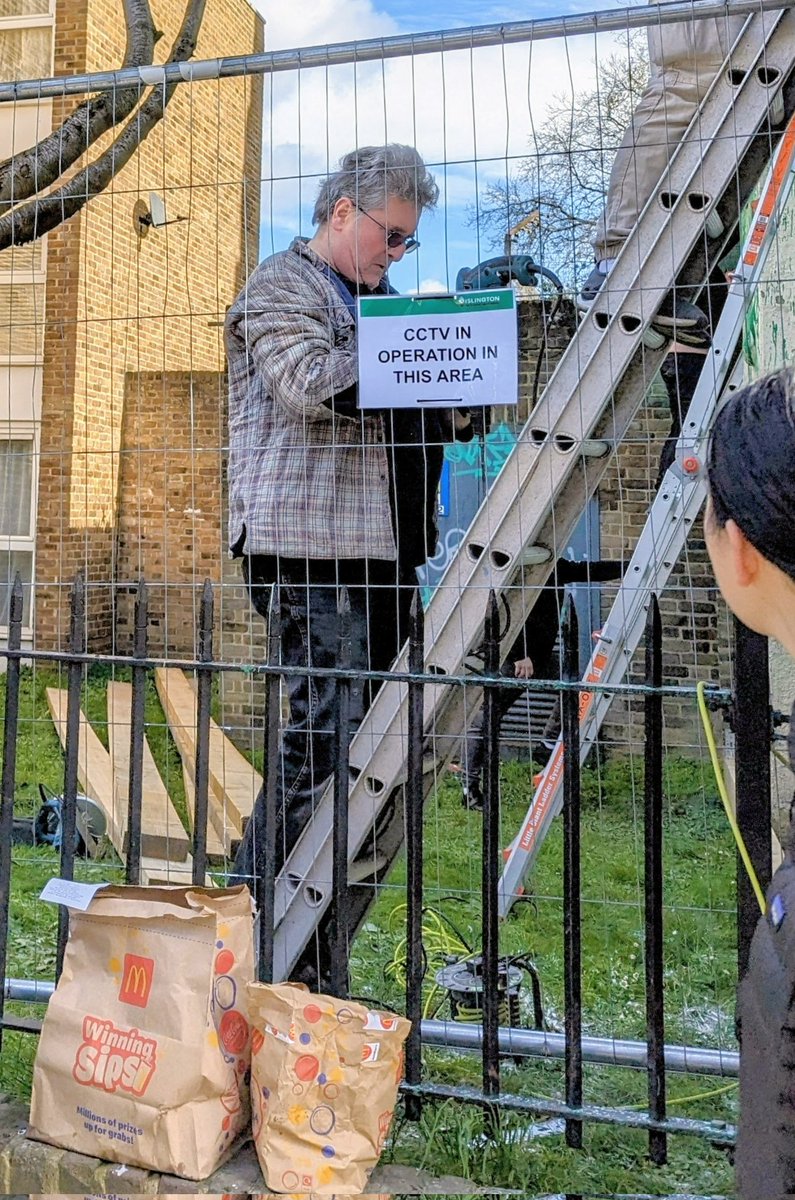

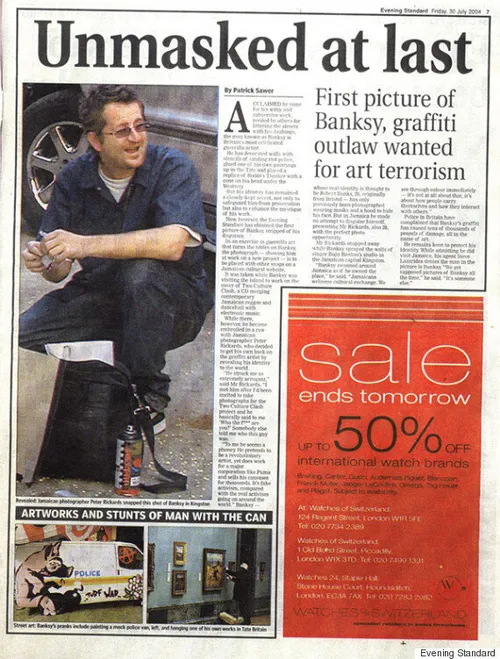

@wildhairdoo ladbible.com/news/uk-news/b… I didn't know, I just thought could it be? Looked familiar 👀
English

@minted_i Yeah you absolutely did! Guy is in plain sight. Insane captures. Where was this and howd you know?
English

Monday is off with a bang: @pmarca ended therapy for founders, Banksy got unveiled (rather lame press move if you ask me; it was cooler for all w/the mystique intact; but I’m sure he’ll baffle us again soon)…
& everyone is being diligent to get some morning light in their eyes.
English



Slang expression for “getting drunk” over the first half of the 20th century:
1900: lit, ginned
1901: ossified, pot-eyed
1902: saturated
1903: petrified
1905: tanked, blotto, shellacked, rosey
1906: spifflicated
1907: slopped
1908: jingled, bunned
1910: orie-eyed
1912: piped, plastered, polluted
1914: organized
1915: gassed, hooted, aped
1919: jugged
1920s: canned, juiced, fried, buried
1922: potted
1926: illuminated
1927: crocked, lubricated, stinko, wall-eyed
1928: busted
1930: flooey
1931: rum-dum
1940s: bombed, shit-faced, looped
1941: swacked
1950s: sloshed, boxed, zonked, crashed
1951: clobbered
English

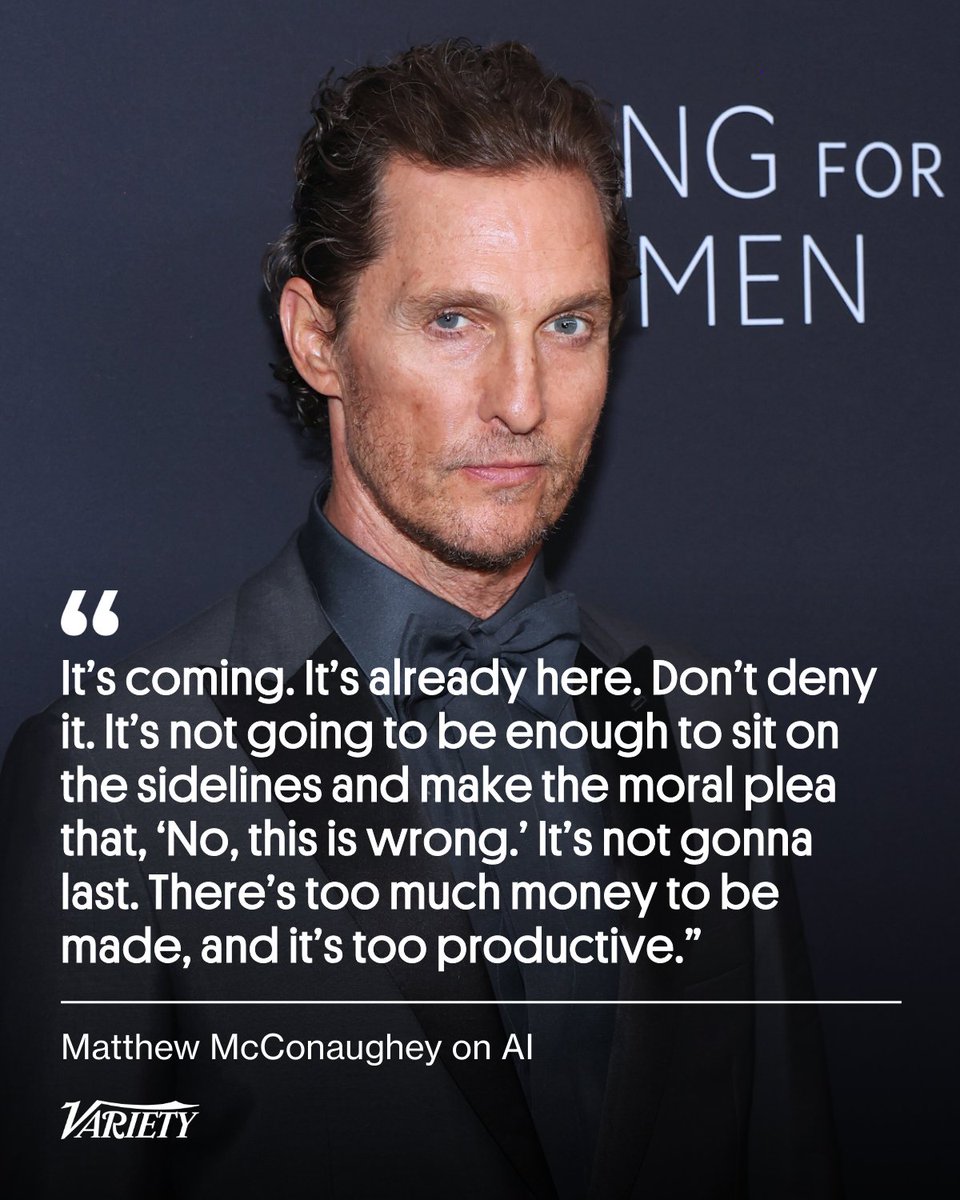
#MatthewMcConaughey says the moral apprehensions around AI are “not gonna last”:
“There’s too much money to be made, and it’s too productive. So I say: Own yourself. Voice, likeness, et cetera. Trademark it. Whatever you gotta do, so when it comes, no one can steal you.”
wp.me/pc8uak-1lGVAd
English
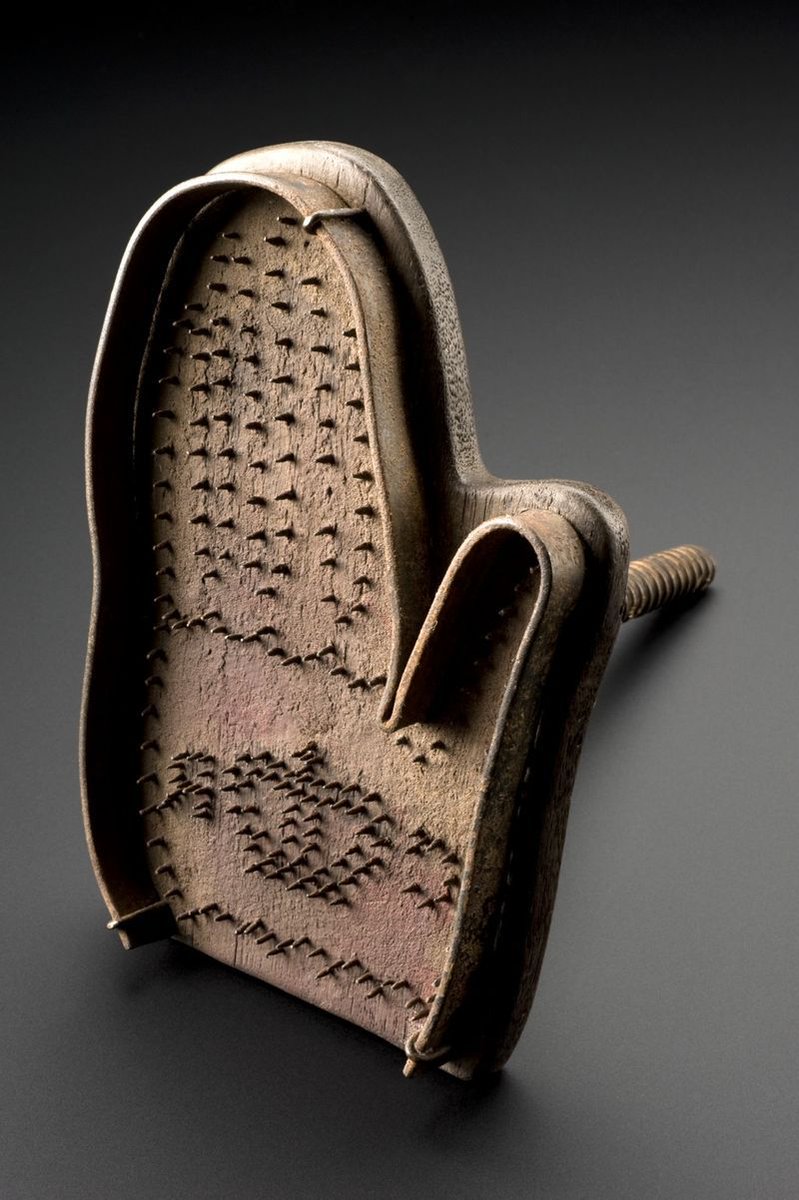
@archaeologyart @grok create an image showcasing how the branding would look on a person's hand
English

Hand-shaped branding tool for criminals or deserters, 1642–1649. Medium: Wood and steel. Collection: Science Museum Group, London.
Dozens of metal points have been driven into the flat surface. Their arrangement isn't random. If you look closely, you’ll notice a distinct crown figure at the bottom, flanked by the capital letters C and R. These initials likely stood for the Latin Carolus Rex -- King Charles I of England. Throughout the English Civil War (1641–1651), the Royalist army used tools like this to permanently brand deserters or serious felons.
But this branding wasn't driven solely by the intent to punish. One reason for the practice -- especially in later periods -- was a specific type of financial fraud the army struggled to control. At the time, new recruits were paid a cash enlistment bounty. Many people would enlist just to collect this money, desert at the first opportunity, and then re-enlist in a different regiment in another city under a new identity. To stop this re-enlistment fraud, the military resorted to permanently marking the bodies of deserters.
Branding was largely abolished as a punishment in 1829. However, the army didn’t immediately stop physically identifying deserters. Instead, they began tattooing letters onto their skin using special needled instruments and ink or gunpowder. This practice was completely abandoned in 1879.
English