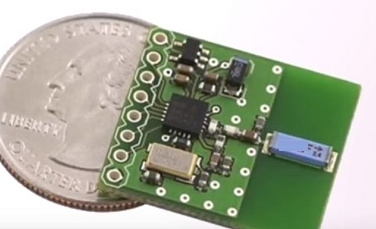
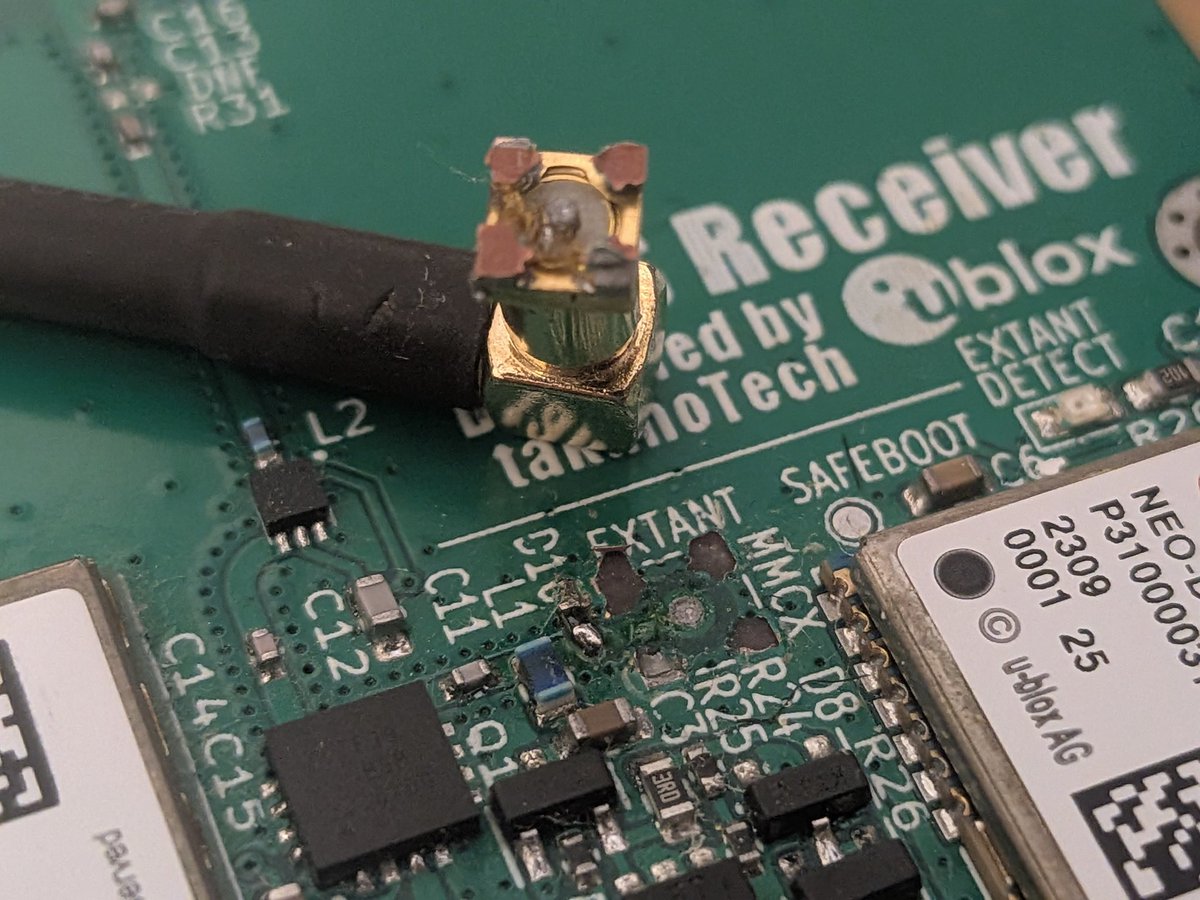
@cursedconnector@i2cjak Which means it's possible to tombstone a 1210 zero-ohm resistor, slap a Pi-network next to it, and build a legitimate DIY antenna booster.
@cursedconnector@i2cjak Well, to create a voltage diff to launch wave, there are always two halves. Chip antenna is basically a tiny component whose only real job is to excite the GND edge at the keep-out area. It works like a guitar bridge - transfers the energy from strings/waveguide to the body/GND.
PCB chip antennas cheat, actually. They AREN'T the antenna, really, but a tuned load that allows your ground plane to radiate AS THE ANTENNA. This means that a small board will NOT perform as well as a long board. All antennas are actually dipoles anon.
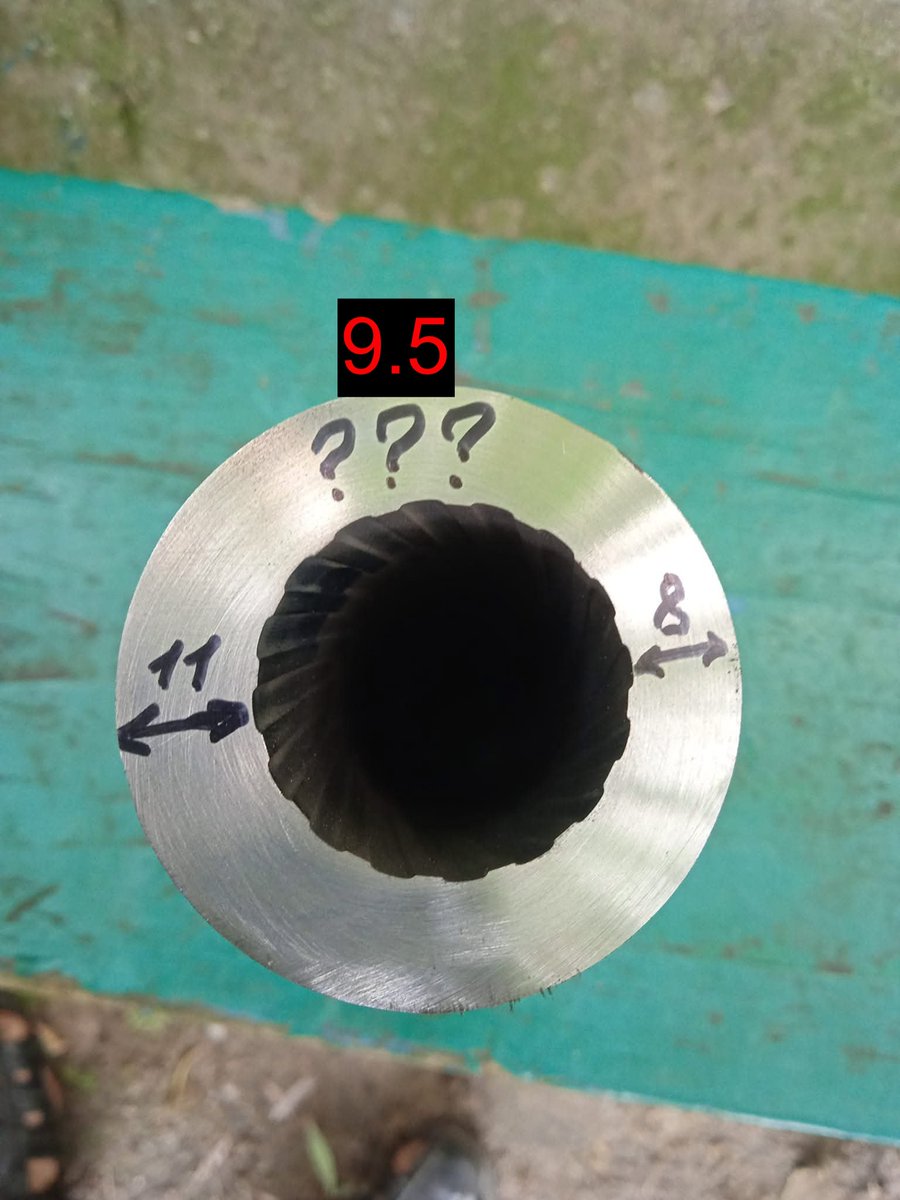
ви вже може забули історію літа-22 з розпилом ствола трофейного БТР, а я вам напам'ятаю. тоді через цю 2А42 знатні холівари точились. от вам і очєрєдноє свідєтєльство
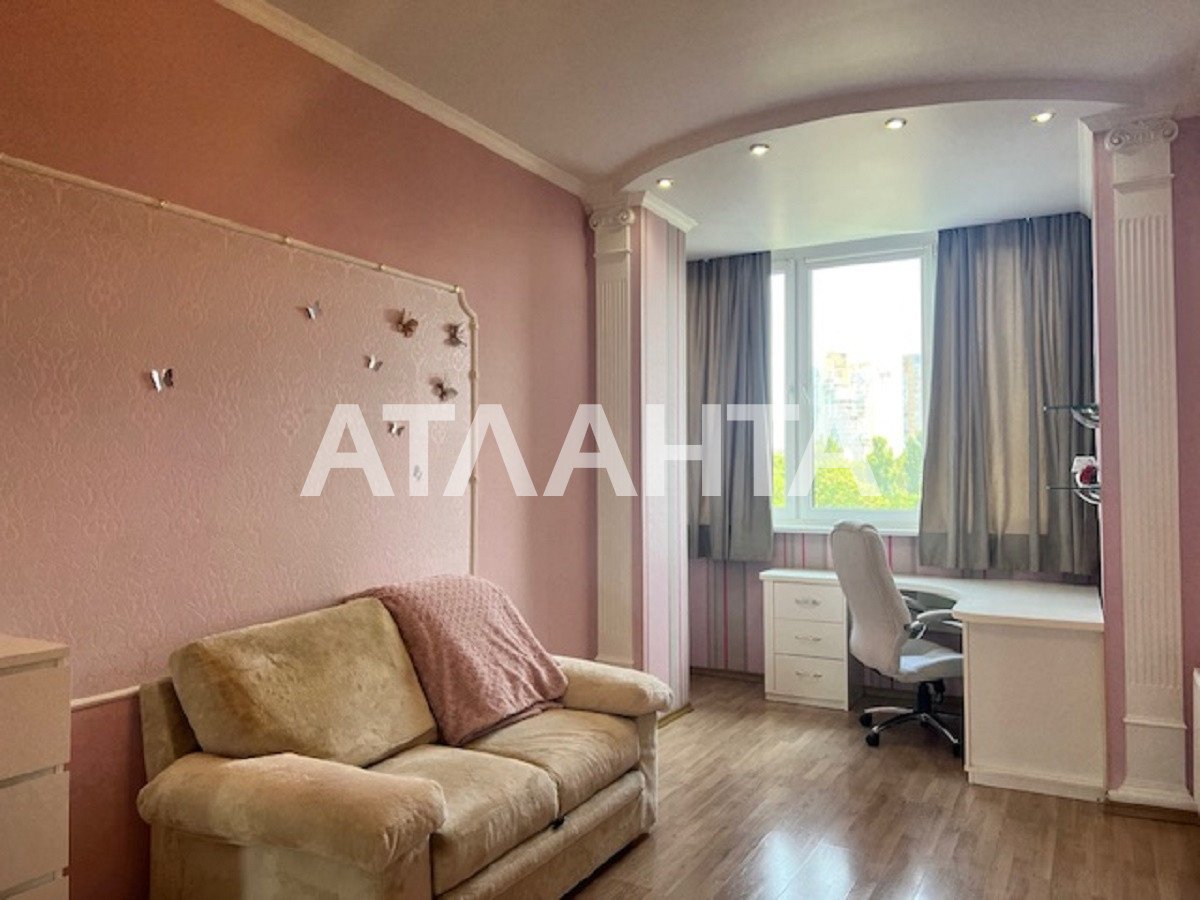
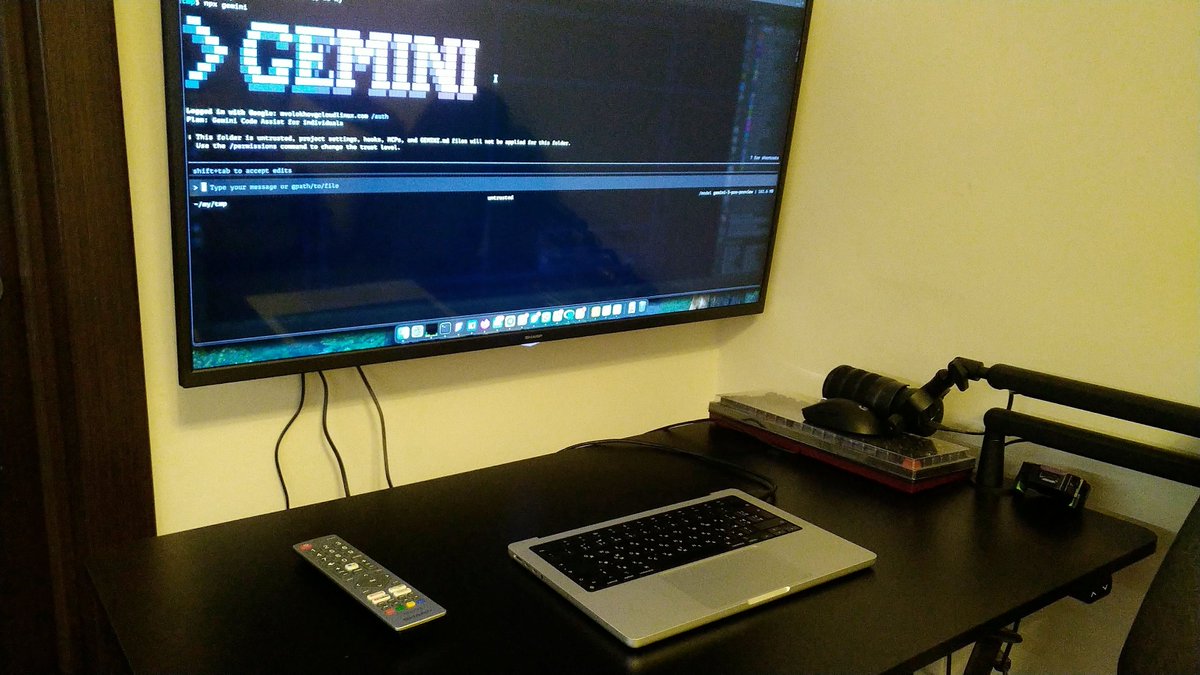
"Great. Now, fully redesign this room as a modern, cozy bedroom for a teenager girl. Cleanup the walls, but keep the wall coating intact. Try to compensate the excess of rose color."
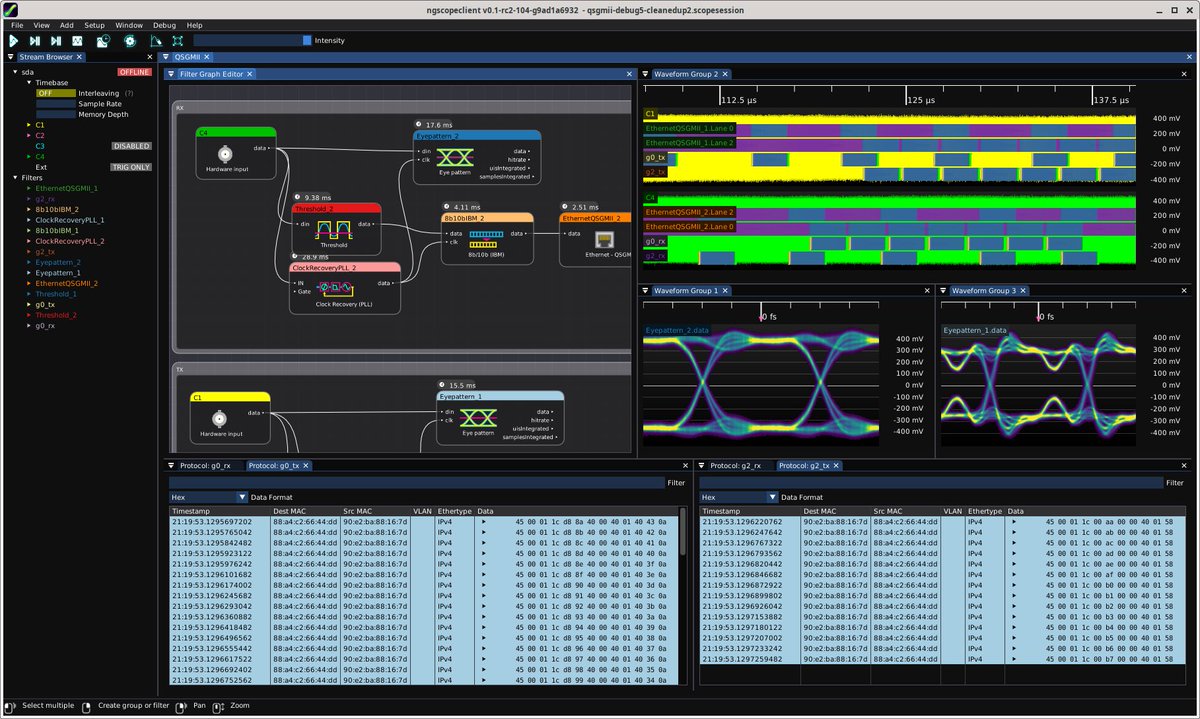
ngscopeclient v0.1 released yesterday!
It's a cross platform remote control app for test and measurement tools (oscilloscopes, power supplies, VNA, SDR, etc)
Download: ngscopeclient dot o r g.
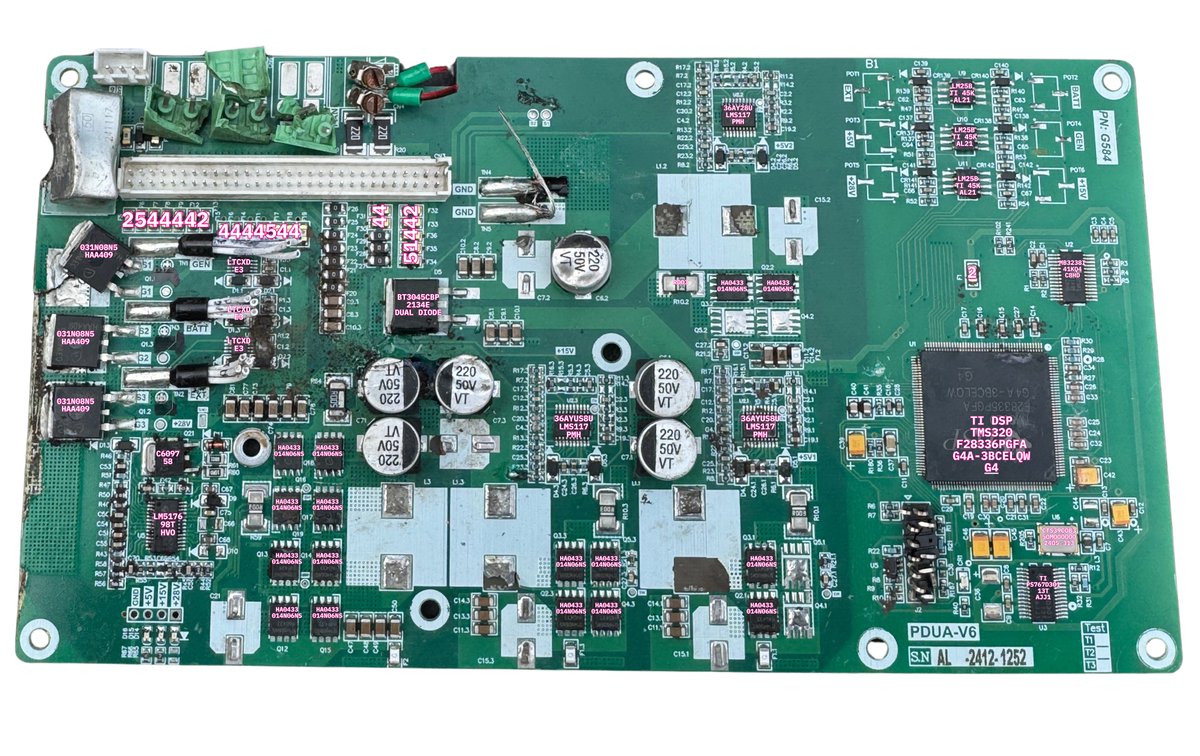
📡 High-resolution annotated image:
The power distribution and servo control board from a Russian Geran-2 (Shahed-136) loitering munition.
Features include a Texas Instruments DSP, fused output channels, and integrated control for battery and generator systems. Link to images below.
#OSINT#Shahed136#Geran2#Ukraine
Натиск і хаосизація.
російський наступ в Донецькій області став показником того, як противник втілює накопичений досвід, компенсує власні проблеми та вдало використовує наші.
Фото: н.п. Зоря, декілька діб після авіаудару по одній з позицій БПЛА СОУ. 1/
An existential analogy for you.
This screenshot is of a PDP-11/70 running RT-11.
What it doesn't know is that it's actually running in a simulation, and that simulation is hosted on a DEC VAX 4000.
But what that VAX doesn't know is that it's also running in a simulation, and THAT simulation is hosted on NetBSD 10.1 via simH.
But what NetBSD doesn't know is that it's also running in a QEMU simulator.
And what THAT simulator doesn't know is that it's running within a virtual machine in Proxmox. Yes, I really set this all up, and it works...
And Proxmox is running on the bare hardware, a Dell 7875 Workstation with 192 Threadripper cores and 1TB of memory. Much to my surprise, the performance is akin to that of my real PDP-11/34, at least for tasks like directory listings and text scrolling.
Assuming you live in a simulation, this is what happens when your simulation develops the technology to create a simulation of its own. And so on all the way down.
In fact, the odds are you're either in the Proxmox layer or somewhere deep in the simulation hierarchy. The odds that you exist in the first simulated layer seems low.
After all, once you've demonstrated that simulating reality is possible at all, the depth of the simulations becomes a zero-one-infinity problem.
New vs Old! Epyc 64-Core CPU vs DEC VAX!
I like to compare weird things on an even playing field, and so I installed NetBSD 10.1 on both a VAX 4000-705A and on an Epyc 8534P, 64-core CPU with 128GB of RAM.
The 1993 VAX runs at 112MHz (pretty fast for a VAX!)
Then I set them both to building the NetBSD source tree.
Epyc on the top, VAX on the bottom. And this VAX is at least 50x as fast as the original VAX 11/780!
For future designs I recommend placing small rectangular fiducials directly at two or all four corners of the package. This is a great visual aid for manual alignment and can also be used as a fiducial in production environment. I've successfully manually assembled 500+ pin 0.4mm WLCSPs this way. Silkscreen is not reliable enough as a visual aid since it is sometimes offset to the copper or soldermask by up to 0.4mm (1x pin pitch). It's best to use soldermask or copper for part alignment features. By using rectangular pads directly in the corners it is very easy to spot even very slight misalignment