

Calendau
5.9K posts
Calendau
@mlle_hale
Listen to the wind, it talks. Listen to the silence, it speaks. Listen to the heart, it knows
Mexico City Katılım Ekim 2009
2K Takip Edilen215 Takipçiler

🐨 Body to Body se llamaba originalmente Body on Body y era muy sexual. Algo así como "Necesito algo de cuerpo sobre cuerpo", creo que entiendes la idea. Era una canción sexual y podíamos hacer una canción sexual, ¿por qué no?, tenemos 30 años. (+)
Español
Calendau retweetledi

Hands up anyone who's a grandparent? So are we. To 92 elephant calves.
How? We've pioneered the rescue and reintegration of orphaned elephants – and our approach has been so successful, they've been fully accepted by wild herds, not to mention a number of wild bulls. Now we're watching family trees unfold before our very eyes – and since the door back home is always left open to any orphan that leaves our care, we get to witness playtimes like this all the time.
Follow us for more elephant playtimes.
English
Calendau retweetledi

Today is the Day of Arafah and tomorrow is Eid al-Adha. I feel saddened that we are still being killed every day through attacks in Gaza, but I wanted to share with my friends a picture of a gazania flower next to a basil plant, on this occasion, and I pray that peace will prevail. With my love, Mohammad.

English
@woodenh3arts I have celebrity rushes of a few countries and when I dream of them, I think in English 🤭
English

To people who speak multiple languages what language are your thoughts in
English
Calendau retweetledi
Meet Wangalla.
She is the most enchanting little elephant – bright, curious, and brimming with character. Rescued as a newborn, she was found amongst a herd of zebras and has now been adopted by our resident flock of birds. She is but one of the many tiny elephants saved by ‘Misheck’s magic,’ the care of one of our most gifted Keepers.
Discover how family has played a pivotal role in Wanjalla's recovery and how you can join hers by adopting her: sheldrickwildlifetrust.org/orphans/wangal…
English
"You little wonder, little wonder you"
Sheldrick Wildlife Trust@SheldrickTrust
Get ready to fall in love! ❤️ This introduction is six months in the making: Rescued as a days-old orphan, saving this little girl was an uphill battle. She is here today because of the dedication of one of our most gifted Keepers, and her own fierce will to live. We are absolutely enchanted and know you will be, too. We'll be sharing her story soon. If you can't wait till then, meet this little butterfly-eared baby here: sheldrickwildlifetrust.org/orphans/wangal…
English

@nochaveznada Te cuesta $100 en el tianguis tener una versión chiquita del secreto que el gobierno de México no quiere enseñar al mundo.

Español

«México no quiere que el mundo sepa del Tzompantli».
Mija, tenemos souvenirs de esa madre.
Lucia Etxebarria@LaEtxebarria
Esto es lo que el gobierno de México no quiere enseñar al mundo. El tzompantli azteca (del náhuatl tzontli "cabeza" y pantli "hilera") era un altar o plataforma ceremonial en forma de bastidor, muro o torre, donde los mexicas exhibían públicamente los cráneos de personas sacrificadas. Y si te estás preguntando si entre ellos había mujeres y niños... ya te lo digo yo: sí, había mujeres y niños. El que está en Ciudad de México tiene más o menos unos mil cráneos humanos o quizá más. De momento se han recuperado 655. El Tzompantli mesoamericano no fue un caso aislado de exhibición de restos humanos; pueblos asiáticos de origen turco y mongol también emplearon las "torres de cabezas" como símbolo de poder. En Mesoamérica, estas estructuras funcionaban como muros o banderas de cráneos dedicados a distintas deidades. Según crónicas de la época, como las de Andrés de Tapia, el Huey Tzompantli de Tenochtitlan albergaba decenas de miles de cráneos ensartados por las sienes. Se trata de uno de los testimonios arqueológicos y antropológicos más imponentes de la región. Pero no se exhibe al público, por razones obvias. Las torres y la plataforma datan de la fase VI (1486-1502) del Templo Mayor. Es decir: se sacrificaban personas a los dioses en pleno siglo XV. Obvia decir que los conquistadores españoles esto les parecía una barbaridad inhumana. El Tzompantli funcionaba como un "muro de cráneos" y, de acuerdo con las investigaciones, los cuerpos sacrificados procedían de diversas regiones del imperio, siendo un lugar de ofrenda de alto impacto visual. 75000 súbditos del imperio mexica se aliaron con Hernán Cortés para derrocar al imperio. Entre las muchas razones que pudieran tener, con una precisamente era la posibilidad de acabar sacrificados, supongo yo. Pero voy a ser más precisa: los pueblos originarios de México, principalmente los tlaxcaltecas, totonacas y otros pueblos sometidos, se aliaron con Hernán Cortés para liberarse del dominio y la opresión del Imperio Mexica (azteca), que exigía altos tributos y prisioneros para sacrificios. Esta alianza estratégica permitió a los pueblos locales utilizar la tecnología militar española para poner fin a la hegemonía de Tenochtitlan. #Historia #Arqueología #Mesoamérica
Español



Creo que ahora entiendo toda la molestia de las brasileñas, es porque de repente las argentinas y las mexas se hablan como si nada, andan celosas JAJSJAJSJAJAJAJ
Español

US drops $15,000 visa deposit for foreign fans with World Cup tickets bbc.in/4u8gFmJ
English


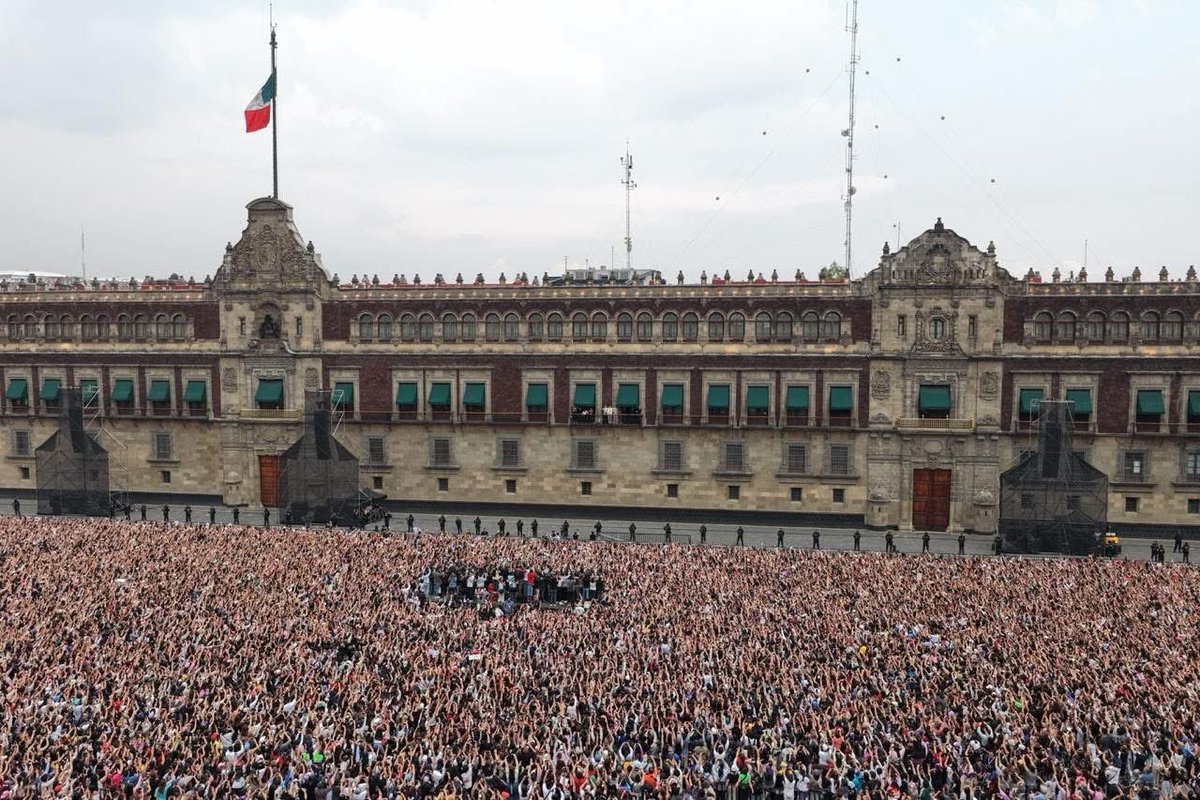
Que fue lo más random de BTS en México? No sé si tae pisteando con una army en pleno concierto con el ratón vaquero de fondo, una foto del taekook con Claudia Sheinbaum en el palacio nacional, el desmadre del zócalo, Namjoon en la UNAM, Jimin diciendo tranquila mamacita, ES TODO


Español

“If you got a chance to visit Iran for free after the war ends, would you go?”

English
Calendau retweetledi

UPDATE—18 year old boy dying of cancer finally gets his wish to hug his parents one last time.
It took 57 hours—after federal judge ordered his parents' expedited removal from ICE detention.
Terminally ill boy had been separated from his mom and dad for a total of 5 months.
LongTime🤓FirstTime👨💻@LongTimeHistory
18-year-old U.S. citizen dying from cancer begs to see parents one last time—ICE is keeping them detained. Parents were denied humanitarian visa—so forced to cross border illegally. Son is in hospice care—only wish is to hug mom and dad before he dies. Willing to self-deport and sign any paperwork voluntarily just to be released from the detention center before it's too late. "It’s very difficult because the processes are very slow," said their lawyer. Meanwhile, Kevin faces the possibility of dying in just a matter of days far away from his parents. "Please help me fulfill my last wish."
English
@WUTangKids "A phantom dances across Europe: It's the phantom of men comfortable in their own skin" 🤭
English
Quick check on the Hungarian inauguration
English
@DailyTurkic The West to the East: "Your morals are from the XII Century"
The East: "Maybe, but my sanitary system not. I can't say the same about yours, with all that frenzy for the raw milk and your hatred for the cats"
English

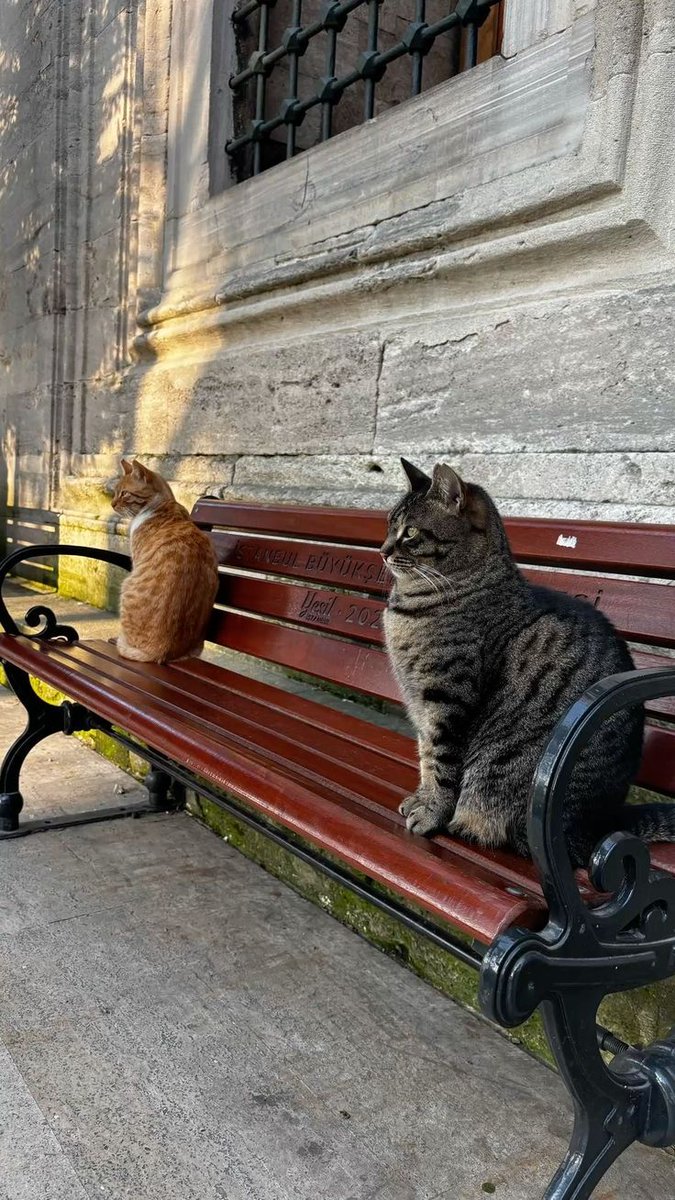
Western countries are panicking about hantavirus spread by rats and mice, meanwhile Turkey has an army of street cats patrolling every neighborhood.
English

nike sent me a survey about how making a donation to trump’s ballroom would impact my view of their brand

English
@LongTimeHistory Clearly an operation to put press on young women...and expose them to shady business
GIF
English
ICE detain both mom & dad of 6 daughters—hours before sweet sixteen birthday party.
16-year-old was handcuffed driving home from beauty salon—as agent pointed gun at her mother.
"I panicked because I didn't want to ruin my little girl's birthday," said father.
Oldest daughter now has to drop out of college and move back home to take care of her 5 younger sisters.
"In the span of one hour I lost my mom and my dad," she cried.
It is very rare for both parents of 5 minor children at home to both be taken into custody at the same time—according to their lawyer.
The Cortez family has lived in Austin, Texas for over 30 years—their six daughters range in age from 9 to 22.
English


Something about this post does not move my heart, @KurtHackbarth 😬
Houston Firefighters@FirefightersHOU
Houston firefighters and their families know what it means to answer the call, no matter where they are. @HoustonFire Captain Andy Roseborrough and his wife, Dr. Jyothi Lagisetty, were visiting the Teotihuacan pyramids in Mexico when gunfire erupted near the Temple of the Moon. After taking cover, they heard someone call for a doctor. They ran toward the victims and found a 6-year-old child with multiple gunshot wounds. As they worked to slow the bleeding, bystanders brought them a woman who had also been shot. Captain Roseborrough and Dr. Lagisetty treated both victims until local bomberos arrived and transported them for care. We are proud of Captain Roseborrough. We are grateful for Dr. Lagisetty. And we are reminded that service does not stop when the shift ends.
English
Calendau retweetledi

A little girl who can’t be more than two years old, stands watching as the containers slowly fill. The moment it finally overflows, she bursts into laughter and joy, as if witnessing something magical. Water is life and access to it, when it is provided, is a moment of joy, but also our heartbreak to see how scarce this life essence is.
Support: chuffed.org/project/help-u…
In Gaza Strip, where water is scarce, even the simplest daily tasks become shared family responsibilities, with children often present in the process of collecting what’s needed for the day.
Help our water team that averages more than 40 trucks in the North alone to keep going, keep providing water. With your help and donations to the Food and Water Campaign:
chuffed.org/project/help-u…
Other ways to donate include:
paypal.me/mahertali (Paypal option, please make sure to add a message saying "Water")
account.venmo.com/u/Maher-Ali (Venmo option, please make sure to add a message saying "Water")
English