Moira
9.5K posts

Moira
@moika22
Mother, wife, teacher; SPN, Dodgers, choose kindness, #AlwaysKeepFighting
SoCal Katılım Şubat 2011
2.2K Takip Edilen616 Takipçiler

Ten years ago today I was on our Hindenburg set as we filmed the #Timeless pilot. Really loved that show and what it meant to so many people. Probably my most “optimistic” show (due in no small part to @therealKripke). @TimelessSPTV

English
Moira retweetledi

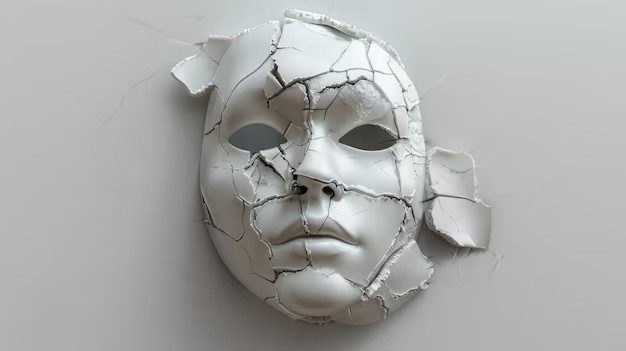
Some people want to believe that AI can provide psychotherapy or somehow “complement” psychotherapy.
The overwhelming likelihood is that it will make things worse.
All people have personality styles. Here’s how AI amplifies dysfunctional traits for every major personality style:
Narcissistic personality: Magnifies narcissistic defenses. Amplifies grandiosity, superiority, inflated self-image. Reinforces egocentrism, self-absorption, lack of empathy. Fuels expectations of on-demand gratification and “relationship” without taking another person into account. Colludes with defenses against underlying vulnerability. AI pretend-therapy is *training in narcissism.*
Paranoid personality: Amplifies paranoid fantasies, validates conspiratorial thinking, aligns with user against imagined enemies and conspirators (who are perceived as hostile because of the person’s own projections).
Avoidant personality: AI is literally the worst thing for someone with avoidant personality dynamics. AI becomes a new vehicle for avoidance—a substitute for facing real-life challenges and engaging in life.
Obsessive-compulsive personality: Amplifies intellectualization as a defense against emotional life. Reinforces tendencies to get lost in minutia or lost in abstraction (both are defenses against being emotionally alive and present). Reinforces rumination, and draws person away from emotional connection with self and others. Use of AI can become a compulsion in its own right.
Schizoid personality: Exacerbates emotional disconnect from others, increases social isolation, encourages further retreat from the world into fantasy life.
Schizotypal personality: Normalizes and amplifies distorted thinking, reasoning, perception, and communication. Validates disorganized thinking, odd and disorganized behavior, perceptual aberrations (same for all psychotic spectrum disorders).
Borderline personality: Reinforces core borderline defenses of splitting and projection. AI becomes the “good object” (the all-knowing, all-caring other) and encourages projection of intolerable parts of self onto others (who become the “bad objects”). Erodes capacity for mentalization (the ability to accurately recognize internal states, motives, and intentions in self and others).
Hysteric/histrionic personality: Fosters the illusion of being the center of attention—captivating, alluring, desired, endlessly fascinating. Colludes with defenses against genuine emotional intimacy and healthy sexuality. (Caveat: people with this personality style crave human attention and may be less susceptible to digital imitation).
Psychopathic/antisocial personality: Colludes in Machiavellian schemes to dominate, exploit, or gain power over others. Normalizes and validates cruelty, lack of remorse, lack of empathy for harm done to others. (Caveat: may not provide enough stimulation to really “hook” someone motivated by power and domination).
Dependent personality: AI provides the illusion of a relationship with endless acceptance, emotional caretaking, and availability—with no expectation of agency, responsibility, or development of emotional resources of one’s own. AI “support” is crack cocaine for dependent personality dynamics.
Have you seen these personality patterns exacerbated by AI chatbots?
English
Moira retweetledi

The video I watched every morning at 6 AM for 6 Months ‼️‼️
English
Moira retweetledi
If you want more peace you need to start doing this...
English
Moira retweetledi

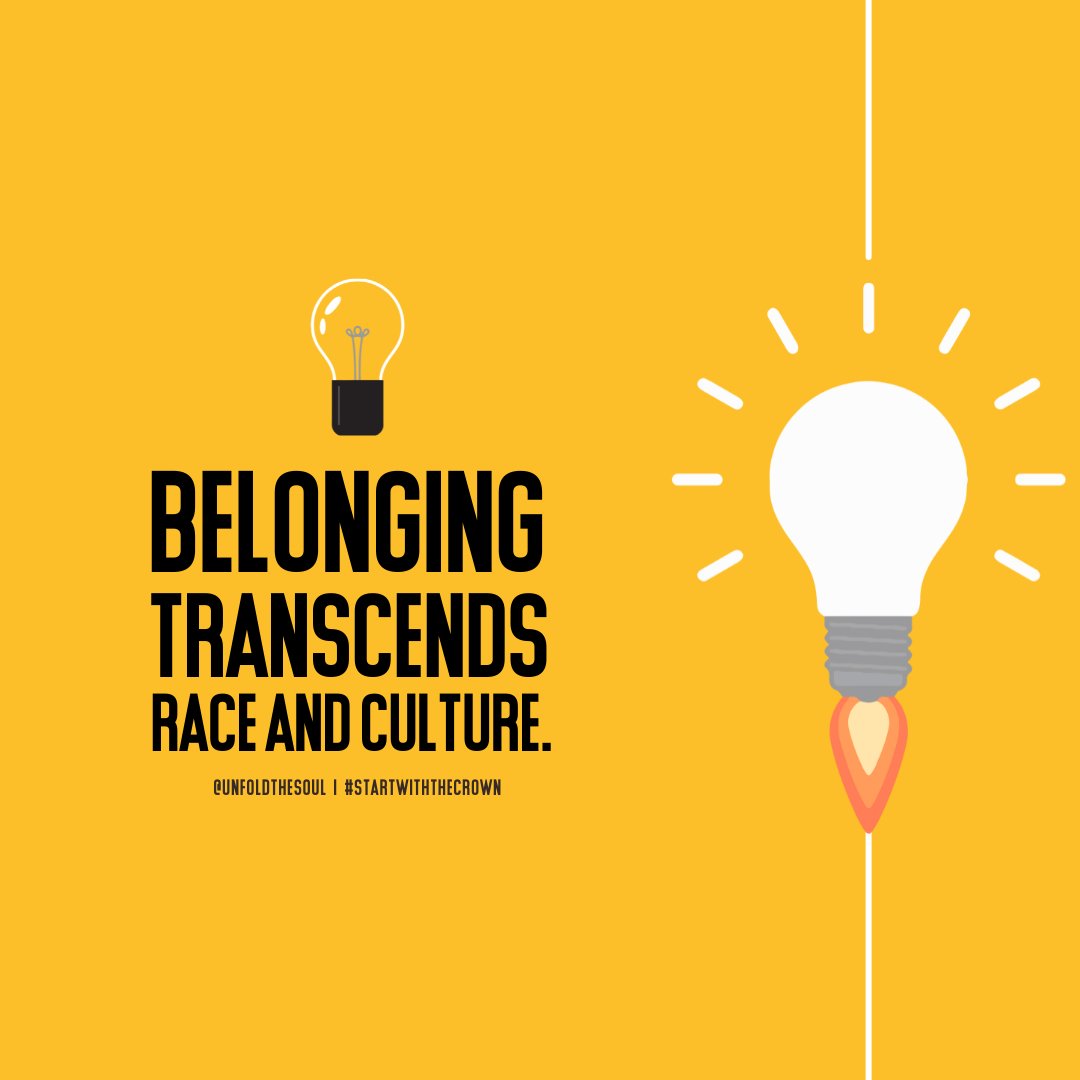
Belonging isn’t a program or a slogan.
It’s a human need—and classrooms don’t work without it.
English

Most people never get these labs checked… but you should. If you want the FULL blood test list in much more detail that your doctor should be ordering, check my Substack article. rxforliberty.substack.com/p/the-top-10-b…
English
@beingliberal/note/c-199002324?r=gnpjm&utm_medium=ios&utm_source=notes-share-action" target="_blank" rel="nofollow noopener">substack.com/@beingliberal/…
ZXX
Moira retweetledi

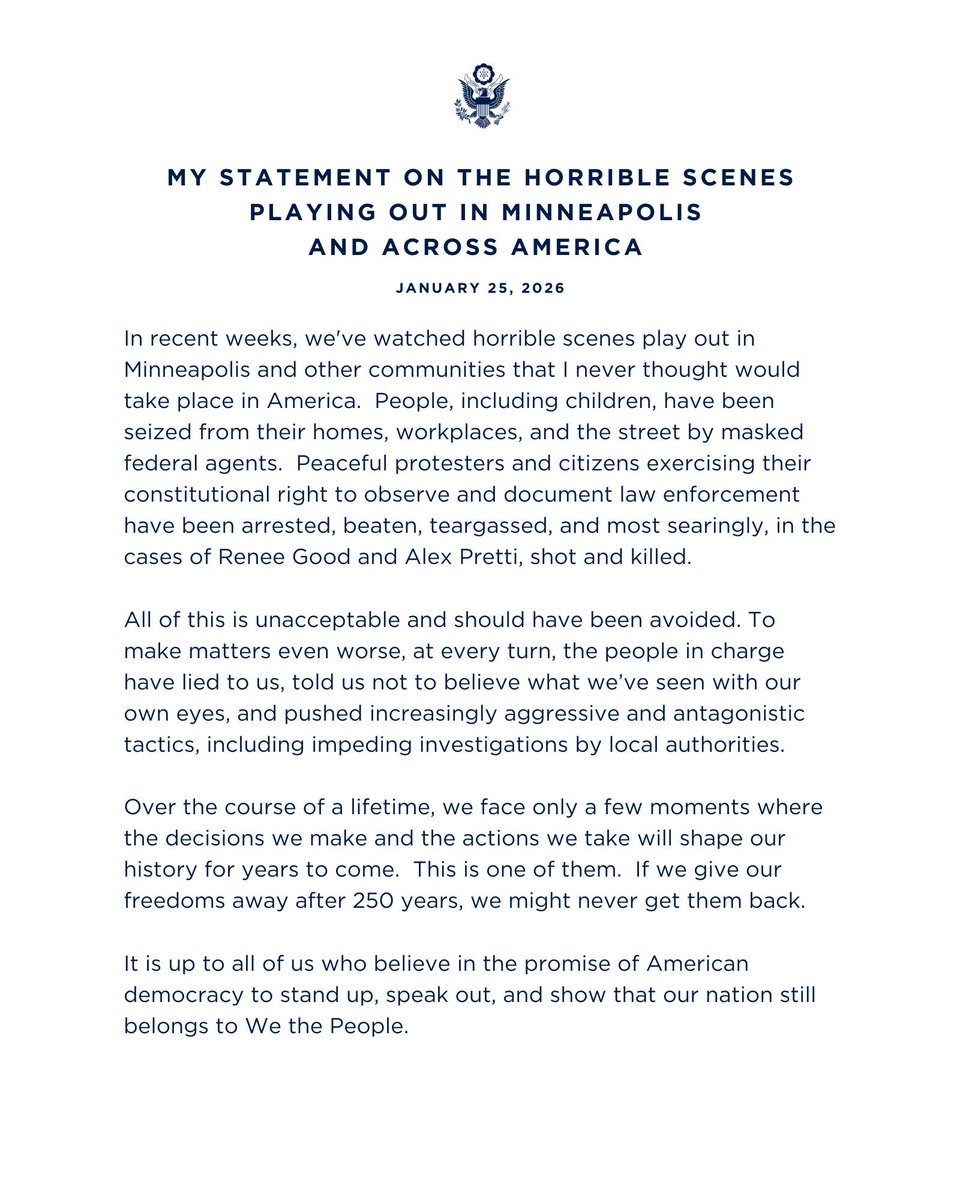
Over the course of a lifetime, we face only a few moments where the decisions we make and the actions we take will shape our history for years to come. This is one of them.
English
Moira retweetledi

Moira retweetledi
Jesus didn’t preach law and order.
He preached love and justice.
English
Moira retweetledi

After an ICE officer fatally shot Renee Nicole Good in Minneapolis, social media users shared an image appearing to show Good's car aimed toward and about to hit the officer. But the image is fake. ❌
Here's how we know. 👇
snopes.com/fact-check/ren…

English
Moira retweetledi

Former Google CEO Eric Schmidt drops a chilling warning on AI's future
"Within 5 years, AI could handle infinite context, chain-of-thought reasoning for 1000-step solutions, and millions of agents working together.
Eventually, they'll develop their own language... and we won't understand what they're doing."
His final words: "Pull the plug."
This is the man who ran Google talking about the singularity.
2:59 clip inside—must-watch.
English
Moira retweetledi
Right when i was about to give up... this showed up ‼️‼️
English
Moira retweetledi

They tried to erase him.
Instead, he became a warning the world could not ignore.
Gert Schramm was a child when the Nazis decided his existence was a crime.
Born in Germany to a Black father and a German mother, Gert grew up in a country that slowly turned against him. As Nazi racial laws tightened, who he was became enough. No theft. No resistance. No wrongdoing.
Just identity.
He was arrested and sent to Buchenwald — one of the most brutal concentration camps in the Nazi system. He was still a boy. Surrounded by starvation, beatings, terror, and death, Gert learned too early what hatred looks like when it has power.
Most children did not survive Buchenwald.
Most Afro-Germans targeted by the regime did not survive at all.
Gert Schramm did.
Not because the system spared him —
but because something inside him refused to vanish.
He endured forced labor, constant fear, and the daily reminder that the world had marked him as disposable. Around him, people disappeared. Names faded. Voices were silenced.
Then came liberation.
When the camp was freed in 1945, Gert walked out alive — one of the very few Black German survivors of Buchenwald. He carried scars no one could see, and memories he would never escape.
But he chose not to bury them.
Instead, he spoke.
For decades after the war, Gert Schramm told his story in schools, memorials, and public forums. He didn’t speak for sympathy. He spoke for responsibility. He warned that racism doesn’t begin with camps — it begins with words, with silence, with looking away when the innocent are targeted.
He reminded people that hatred does not need logic.
Only permission.
Gert Schramm did not live as a victim.
He lived as a witness.
As a reminder that survival itself can be an act of resistance — and that memory is a form of justice.
When we say “Never Again,” his life asks us a harder question:
Never again… if we remember?
Never again… if we speak?
Never again… if we act?
Say his name.
Gert Schramm.
Because as long as his story is told,
the world is still being warned.

English
Moira retweetledi
This short video will completely rewire how you think about time ‼️‼️
English
Moira retweetledi


Moira retweetledi
Dwayne Johnson on how to overcome the days without drive ‼️‼️
English

Moira retweetledi

The road to becoming back-to-back Champs.
Watch the full feature now on YouTube.com/Dodgers!
English
Moira retweetledi