
Mohamed Sofiane

40 posts

Mohamed Sofiane banner
Mohamed Sofiane

Mohamed Sofiane

@msdjerad

Docteur en Sciences archéologiques et en Architecture | Mortiers et enduits romains 🔬| #architecture #geoarchaeology #archaeometry

Bordeaux, France Katılım Mayıs 2009
177 Takip Edilen6.6K Takipçiler
Mohamed Sofiane retweetledi
CNRS 🌍
CNRS 🌍@CNRS·
Pour réhabiliter les contributions des femmes à l’histoire des sciences, le CNRS participe à une commission visant l’inscription de 72 femmes scientifiques sur la Tour Eiffel 🗼. Explications par la coprésidente du comité parité-égalité. #FemmesEnScience cnrs.fr/fr/actualite/b…
Français
10
17
39
4.3K
Mohamed Sofiane retweetledi
Lucius Apuleius
Lucius Apuleius@RPH969·
Grape Harvesting Cupids, 1st C. AD, the vases are at the centres of the four sides, their grapevines form a sort of gigantic bow. The scene is populated by twelve Cupids;from the city of Hippo Regius (present-day Annaba), Algeria; on display at the Archaeological Museum of Annaba
Lucius Apuleius tweet media
English
6
27
134
3.6K
Mohamed Sofiane retweetledi
Alexstrekeisen
Alexstrekeisen@alexstrekeisen·
Whether you're a student, a geologist, or just passionate about rocks in thin section, this is the book you’ve been waiting for! my NEW book is now available: cambridge.org/core/books/atl…
Alexstrekeisen tweet media
English
5
30
118
6.1K
Mohamed Sofiane retweetledi
Inrap
Inrap@Inrap·
📣 L’Inrap lance Archipel, une nouvelle plateforme numérique dédiée aux données archéologiques Celle-ci constitue un apport majeur à l’écosystème archéologique numérique en partageant la plus importante base de données archéologiques en ligne en Europe. archipel.inrap.fr
Inrap tweet media
Français
9
72
148
14K
Mohamed Sofiane retweetledi
Lucius Apuleius
Lucius Apuleius@RPH969·
Hippo-Regius (present-day Annaba), Algeria; public fountain discovered in 1936 (left), it was decorated with a Gorgon (right) now in the Archaeological Museum of Annaba, Algeria The Gorgon, 1st century AD, is carved from white marble, it measures approximately one meter in height
Lucius Apuleius tweet mediaLucius Apuleius tweet media
English
2
8
50
1.5K
Mohamed Sofiane retweetledi
ArchDaily
ArchDaily@ArchDaily·
How did BIM help Notre-Dame rise from the ashes? ow.ly/1MRP50UKROO
GIF
English
0
16
86
9.1K
Mohamed Sofiane retweetledi
Following Hadrian
Following Hadrian@carolemadge·
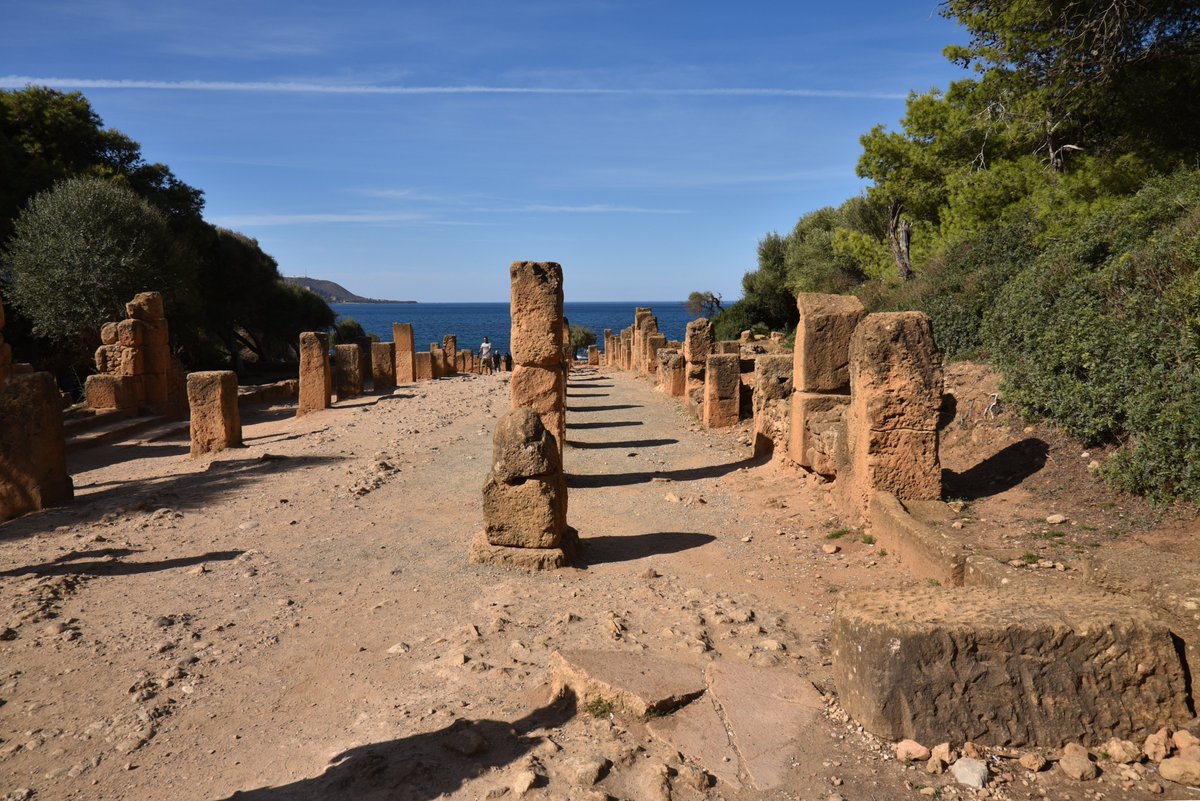
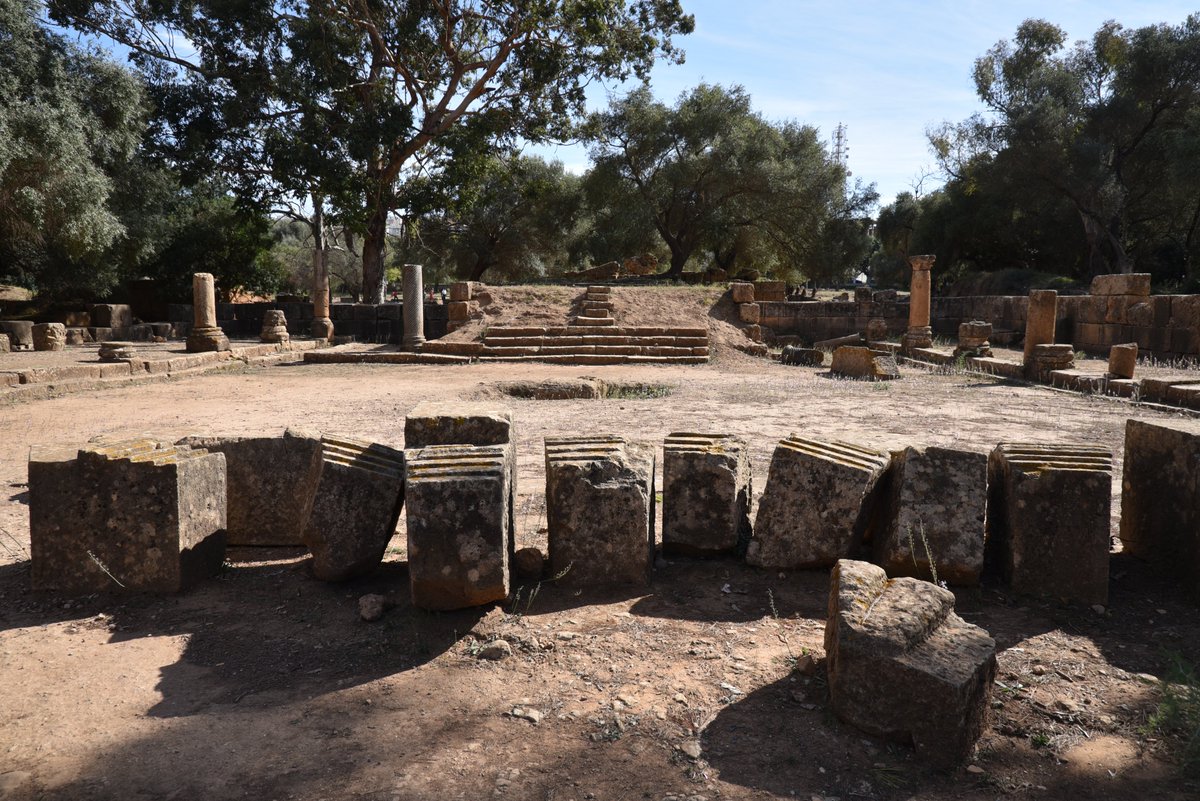
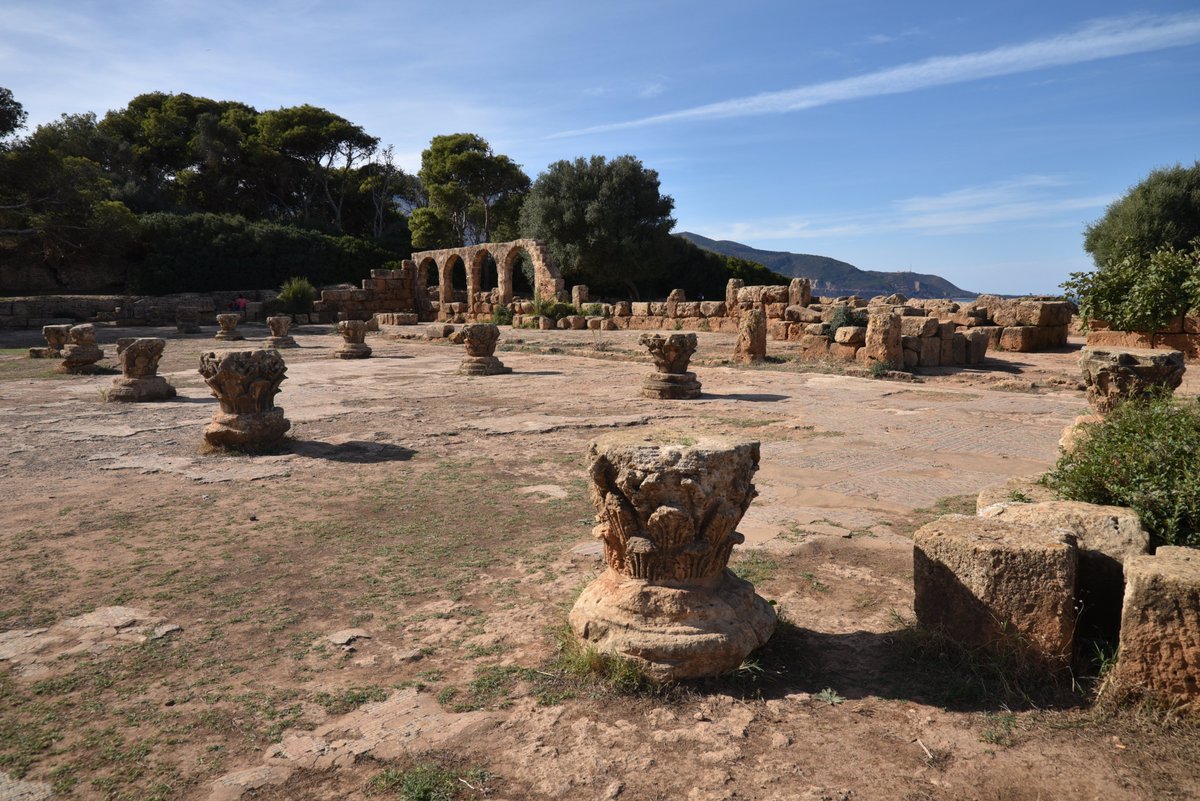
#AncientSiteSunday - Tipasa, one of the Punic-Roman cities on the Mediterranean coast of North Africa. Originally established as a Punic trading post, it later grew into a prosperous Roman colony, adopting Christianity early on. The main site of Tipasa is now a wooded archaeological park covering an area of 70 hectares. The entrance leads to an amphitheatre, and beyond it, a path guides visitors to the heart of the ancient town, where the two main streets, the paved cardo maximus and decumanus, intersect. To the east of the cardo lies the civic centre, including the Forum that originally featured porticoes on three sides, with the capitolium on the fourth side. This area also contains the curia (municipal assembly) and the civil basilica. Along the shoreline are several houses, including the so-called Villa of the Frescoes, a large residence measuring 1,000 square meters built in the mid-2nd century AD. The rooms of this villa open onto peristyles and are often decorated with mosaics and frescoes. Further inland is a theatre and a monumental semicircular fountain on the decumanus. During Late Antiquity, Christians constructed various religious complexes, which included two basilicas, tombs, baths, and an impressive temple dedicated to the local martyr Saint Salsa. The Grand Basilica, featuring seven naves, was the largest Christian structure in North Africa upon its completion in the 4th century AD. The cemetery, adorned with carved tombs and inscriptions, provides valuable insight into the spread of Christianity throughout North Africa during this period. Tipasa was inscribed as a UNESCO World Heritage Site in 1982.
Following Hadrian tweet mediaFollowing Hadrian tweet mediaFollowing Hadrian tweet mediaFollowing Hadrian tweet media
English
4
32
200
6.5K
Mohamed Sofiane retweetledi
Following Hadrian
Following Hadrian@carolemadge·
#RomanSiteSaturday - The Forum of Hippo Regius in Africa Proconsularis (Annaba, Algeria). With an area measuring 76x43m, it was one of the largest forums in North Africa. A long inscription extends across its entire width recording that the paving was dedicated by C. Paccius Africanus.
Following Hadrian tweet mediaFollowing Hadrian tweet mediaFollowing Hadrian tweet mediaFollowing Hadrian tweet media
English

0
35
167
6K
Mohamed Sofiane retweetledi
Lucius Gellius Publicola 🏺
Lucius Gellius Publicola 🏺@Lucius_Gellius·
Vient de paraitre, un petit monument pour l'histoire de l'art antique de 1600 pages aux @BellesLettresEd. Dire le décor antique-Textes grecs et latins au miroir des realia (IIIe s. av.-VIIIe s. ap. J.-C.) Il s'agit d'un ouvrage collectif dirigé par Nicole Blanc , Marie-Thérèse Cam , Hélène Eristov, Marie-Christine Fayant, Delphine Lauritzen. Que savons-nous des conditions techniques d’exécution des décors dans l’Antiquité ? De leurs auteurs ? Des commanditaires ? Comment percevait-on les scènes héroïques ou tragiques peintes sur les murs des chambres ou des temples ? Quelles étaient les réactions devant les plafonds dorés, les placages étincelants de marbres polychromes ? Pourquoi commander le portrait d’un philosophe ou choisir une mosaïque de chasse pour un baptistère ? À ces questions seuls les protagonistes et leurs contemporains peuvent répondre. De là est né le projet de collecter systématiquement leurs témoignages : ils sont rassemblés et commentés dans cet ouvrage collectif, fruit de vingt années d’enquête. D’un côté, les auteurs grecs et latins évoquent les artistes, les oeuvres célèbres, les techniques, font état de considérations esthétiques ou morales, de l’autre les vestiges archéologiques livrent des décors produits par des équipes d’artisans anonymes, qui ornent les parois, les sols et les voûtes. Peut-on faire coïncider ces deux sources de connaissance ? Depuis 1921, date de parution du Recueil Milliet, Textes grecs et latins relatifs à l’histoire de la peinture ancienne, réunis et annotés par A. Reinach, l’entreprise n’avait pas été tentée. Or ces dernières décennies, les fouilles menées dans tout l’Empire romain et les progrès des méthodes d’exploration, de restauration, de restitution virtuelle ont changé notre approche ; en élargissant l’espace géographique et chronologique, ils ont enrichi la documentation disponible sur les revêtements – stucs, peintures, mosaïques, marbre – dans les édifices privés et publics, païens et chrétiens, qu’ils soient modestes ou fastueux. DDA Dire le décor Antique confronte ce riche matériel avec des textes qui vont du IIIe siècle av. J.-C. jusqu’au VIIIe siècle ap. J.-C. La collaboration entre philologues et archéologues ouvre de nouvelles perspectives, fournit des clés d’interprétation et éclaire la portée sociale, culturelle, politique, religieuse, idéologique du décor domestique ou public. Corpus de textes établis, traduits, annotés, contextualisés, présentés chronologiquement et accompagnés de plusieurs index, DDA est un outil mis à la disposition des philologues, archéologues et historiens d’art, étudiants et chercheurs, ainsi que d’un public plus large, moins familiarisé avec la littérature antique.
Lucius Gellius Publicola 🏺 tweet media
Français
1
56
165
7.2K
Mohamed Sofiane retweetledi
Gareth Harney
Gareth Harney@OptimoPrincipi·
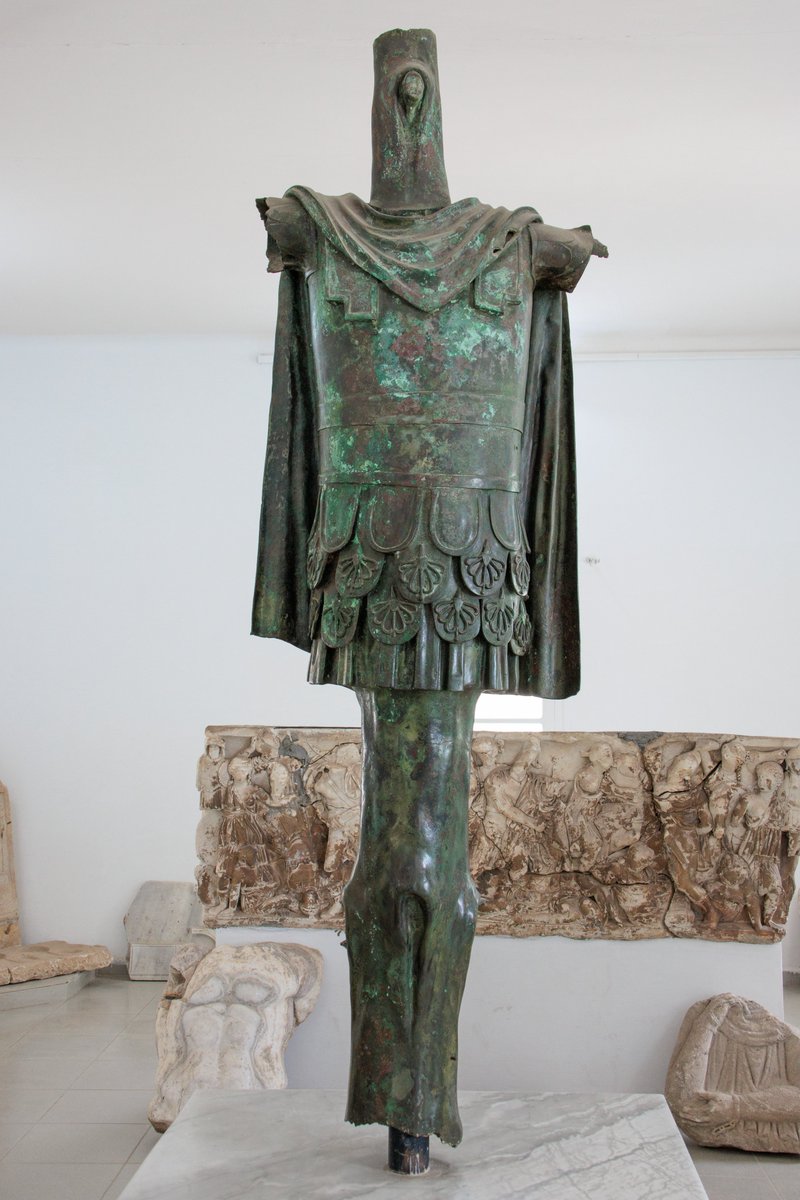
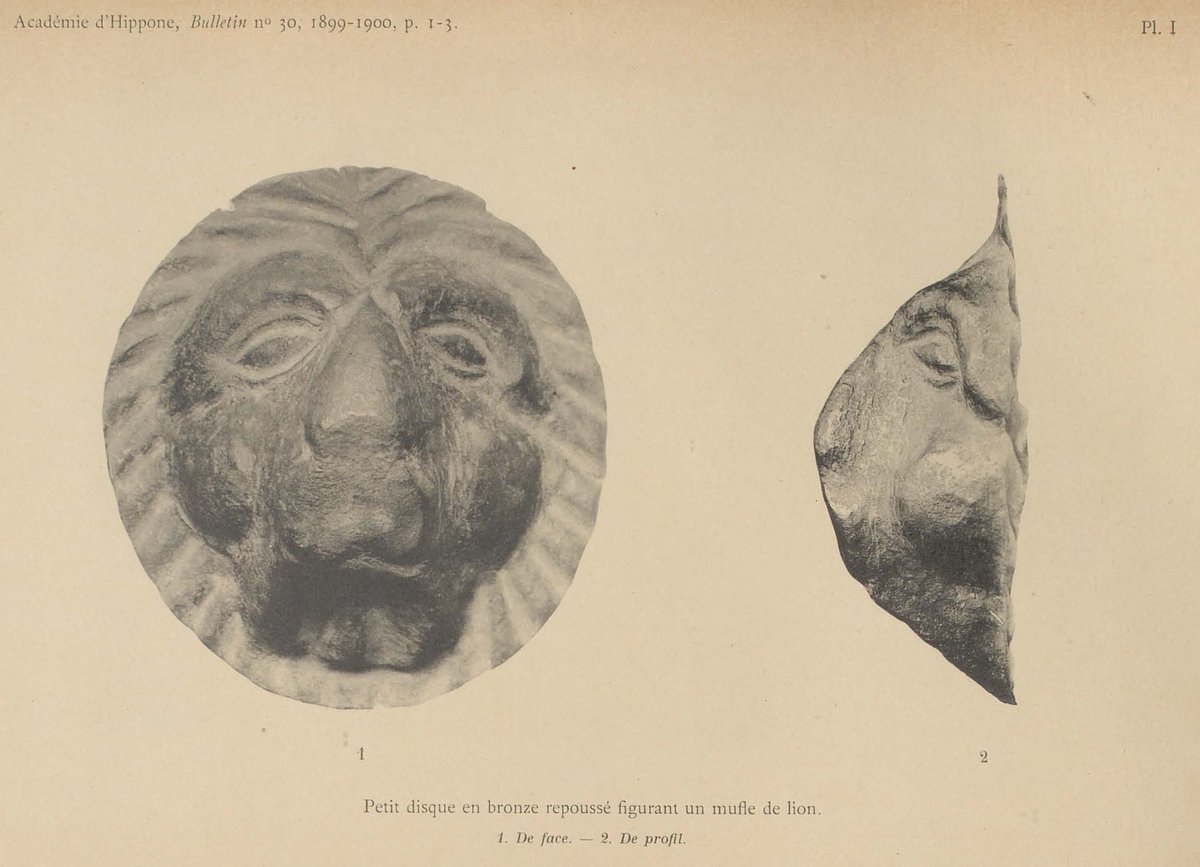
1) This incredible Roman bronze victory trophy is a unique survival from the ancient world, unearthed in the forum of Hippo Regius in Algeria where it once stood in celebration of a Roman military triumph...
Gareth Harney tweet media
English
19
221
1.6K
71.6K
Mohamed Sofiane retweetledi
Lucius Apuleius
Lucius Apuleius@RPH969·
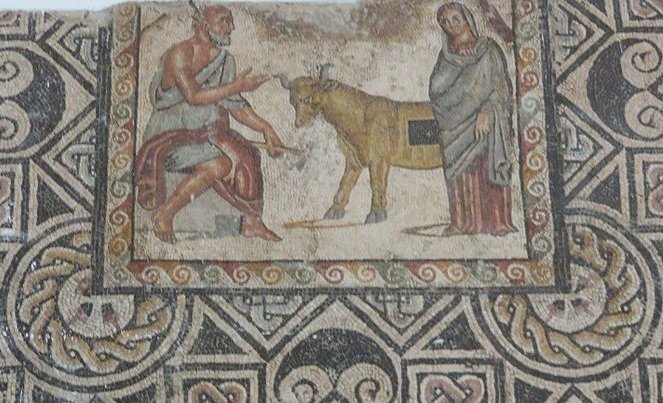
Mosaic portraying Daedalus, the Architect, Pasiphae, Minos' wife, and the wooden cow, from Ain Beida, Algeria, 2nd century AD; on display at the National Museum of Antiquities, Algiers, Algeria. #Algeria #Numidia #MosaicMonday
Lucius Apuleius tweet media
English
1
12
65
1.6K
Mohamed Sofiane retweetledi
Queffelec Alain
Queffelec Alain@QueffelecAlain1·
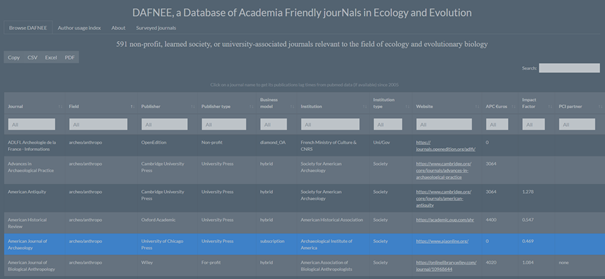
📚 Struggling to find academia-friendly journals for your paper? Introducing DAFNEE database - now featuring hundreds of #Archaeology journals! Explore now: dafnee.isem-evolution.fr Missing a journal? Let us know and help us expand! Please RT for everyone to use it!
Queffelec Alain tweet media
English
1
10
18
3.1K
Mohamed Sofiane retweetledi
Imperator Cat
Imperator Cat@CatImperator·
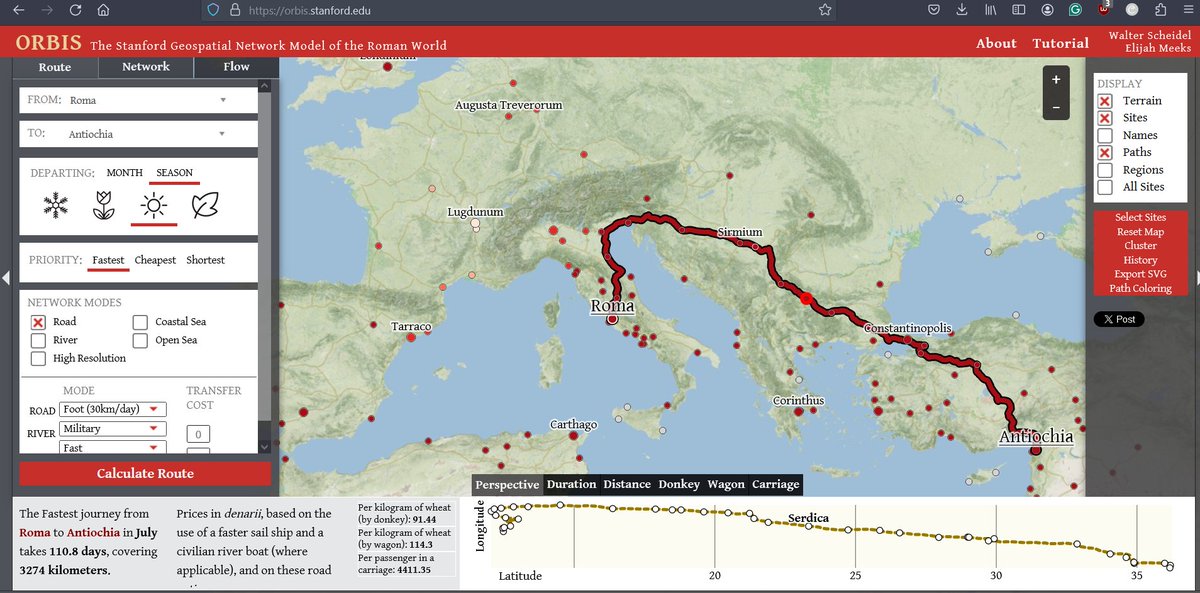
Guys, if you want to lose your entire afternoon, you can travel yourself around the #RomanEmpire, in all seasons and by all means available It is just an amazing tool. Warmly recommended orbis.stanford.edu
Imperator Cat tweet media
English
10
114
563
37.7K
Mohamed Sofiane retweetledi
Gareth Harney
Gareth Harney@OptimoPrincipi·
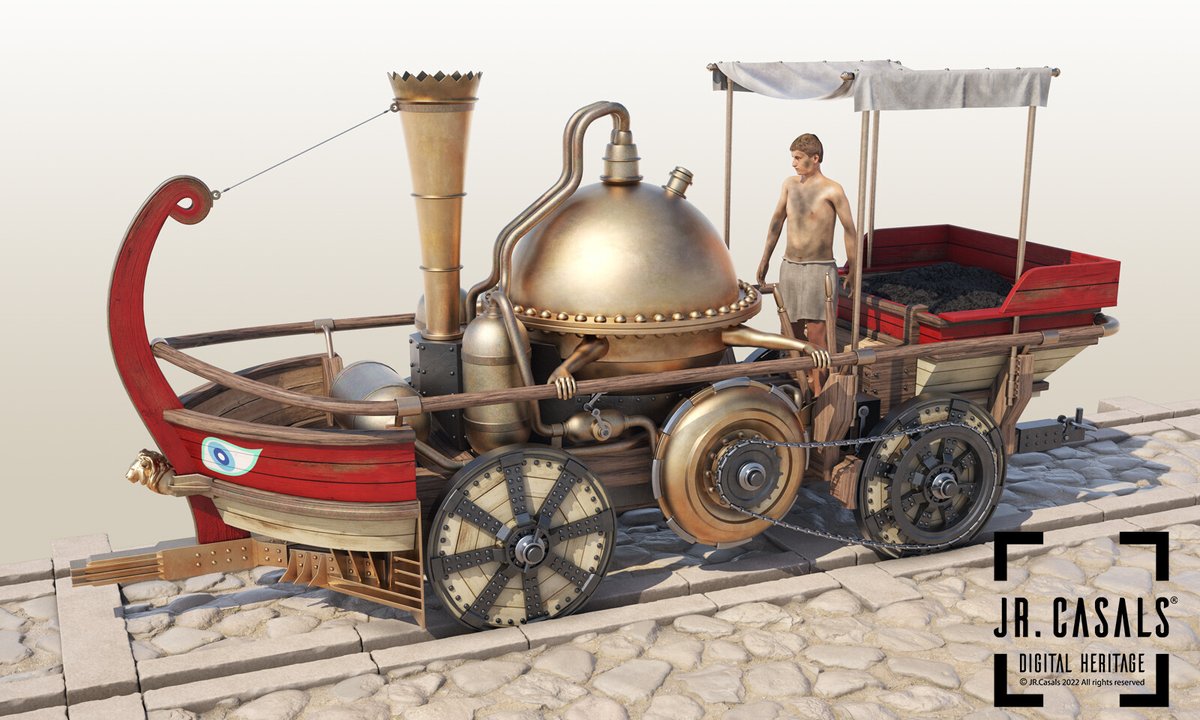
What if the Romans had invented the steam engine... While the Greeks and Romans were aware of steam propulsion – Vitruvius describes a spinning steam-powered turbine that seems to have been made as a mere curio – the ancients never fully capitalised on the potential of steam. In a fascinating counterfactual thought experiment, the immensely talented industrial designer and digital artist J.R. Casals imagined the Roman steam engine that may have existed in the 2nd century AD if innovations in steam power had continued. The Machina Traiana or Machine of Trajan runs along embedded rails like a tram, allowing the vehicle to share the track with other vehicles and pedestrians. Casals based the mechanical design of the steam engine around a large central boiler, chimney, and turbine-powered transmission, yet equally considered the aesthetic flourishes typical of the Roman world: bronze hands act as supports for the boiler, while a decorated prow makes it appear as a ship on land and helps the steam engine push through a busy road full of obstacles. (Created by J.R. Casals for the publication Ucronías: Roma from Desperta Ferro Magazine)
Gareth Harney tweet media
English
57
393
2.5K
278.9K
Mohamed Sofiane
Mohamed Sofiane@msdjerad·
Encore un bel exemple de la mise en œuvre des enduits peints par les Romains, qui correspond bien à la description faite par Vitruve (De architectura, VII, 3, 5-7). À vérifier en pétrographie 🔬
Inrap@Inrap

[✨ #Actu] À Lemud (Moselle), l’Inrap a exploré une portion de villa antique. Cette intervention a livré des résultats importants concernant l’implantation de cet établissement rural, son évolution architecturale et les conditions de son abandon 👉inrap.fr/une-portion-de…

Français
0
0
0
119