
Sabitlenmiş Tweet
Melanie
34.8K posts
Melanie
@msmelpb
Keen amateur photographer, Cat lover, great baker. Love birds, words, psychology, clouds, sunsets, humour, bridge, coffee, & chocolate! HSP NO Lists ♏️🇨🇦
Vancouver, British Columbia Katılım Mayıs 2012
1.5K Takip Edilen1.4K Takipçiler


“I’m not afraid of anything,” said the guy who is deathly afraid of sharks, windmills, oceans, rain, germs, stairs, ramps, dogs, food poisoning, crowds, and eagles.

English
Melanie retweetledi

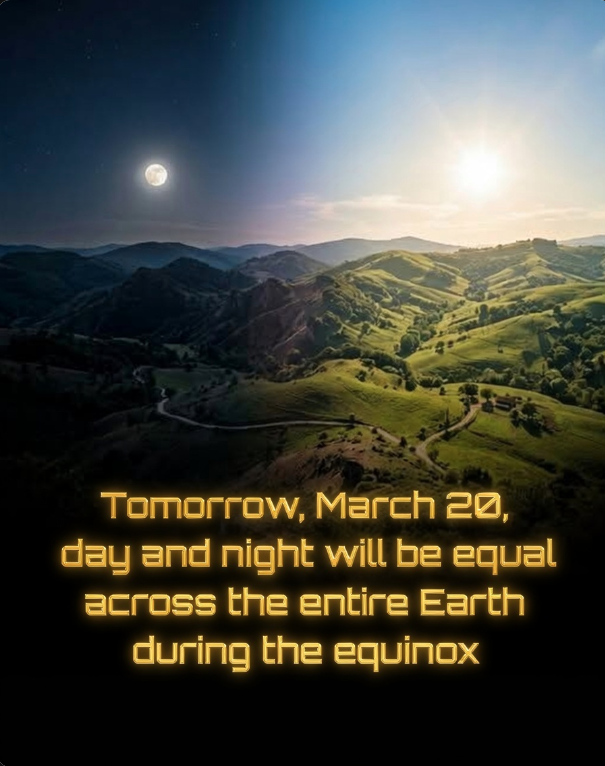
Tomorrow, March 20, 2026, our planet will experience one of its rare moments of cosmic symmetry: the vernal equinox, when day and night are as close to equal length as they get anywhere on Earth.
This fleeting harmony occurs because the Sun stands directly above the equator, with Earth's rotational axis neither tilted toward nor away from our star. For a brief window, both hemispheres bask in nearly identical amounts of sunlight—approximately 12 hours of daylight and 12 hours of darkness at every latitude (with minor variations due to local geography and atmospheric effects).
Earth's familiar 23.5° axial tilt is the root cause of our seasons: as the planet circles the Sun, one hemisphere leans toward the light while the other leans away. The equinoxes—vernal in March and autumnal in September—are the precise points in the orbit where that tilt becomes perpendicular to the Sun-Earth line, canceling out the seasonal imbalance.
The term “equinox” derives from Latin roots meaning “equal night,” though in reality the split is never perfectly 50/50 everywhere. Atmospheric refraction bends sunlight, allowing the Sun to appear above the horizon a few minutes earlier at sunrise and later at sunset, slightly extending the perceived day. Still, the difference is usually only a matter of minutes—close enough to feel truly balanced.
After tomorrow's equinox, the scales tip once more. In the Northern Hemisphere, daylight will steadily lengthen toward the long days of summer solstice. In the Southern Hemisphere, nights will begin to dominate as winter approaches.
For thousands of years, humans have revered these moments of alignment. Megalithic monuments such as Stonehenge, the Chichen Itzá pyramid of Kukulcán, and countless other ancient observatories were carefully oriented to capture the Sun's equinoctial path—proof of how deeply this celestial event shaped calendars, planting cycles, festivals, and mythologies across cultures.
In a universe of constant change, the equinox offers a rare pause: a day when Earth's tilt, orbit, and rotation conspire to create near-perfect equilibrium across the globe.
Tomorrow is that day: a quiet reminder of the elegant geometry that governs life on our spinning world.
English


Melanie retweetledi

Those of us who have cats often do this to relieve stress.
English
Melanie retweetledi
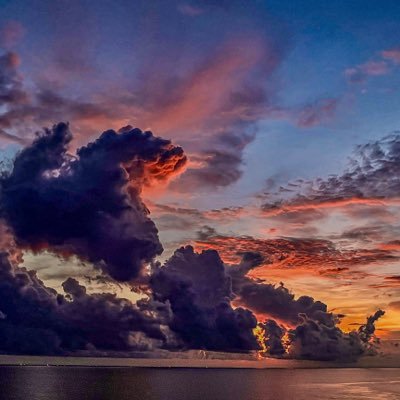
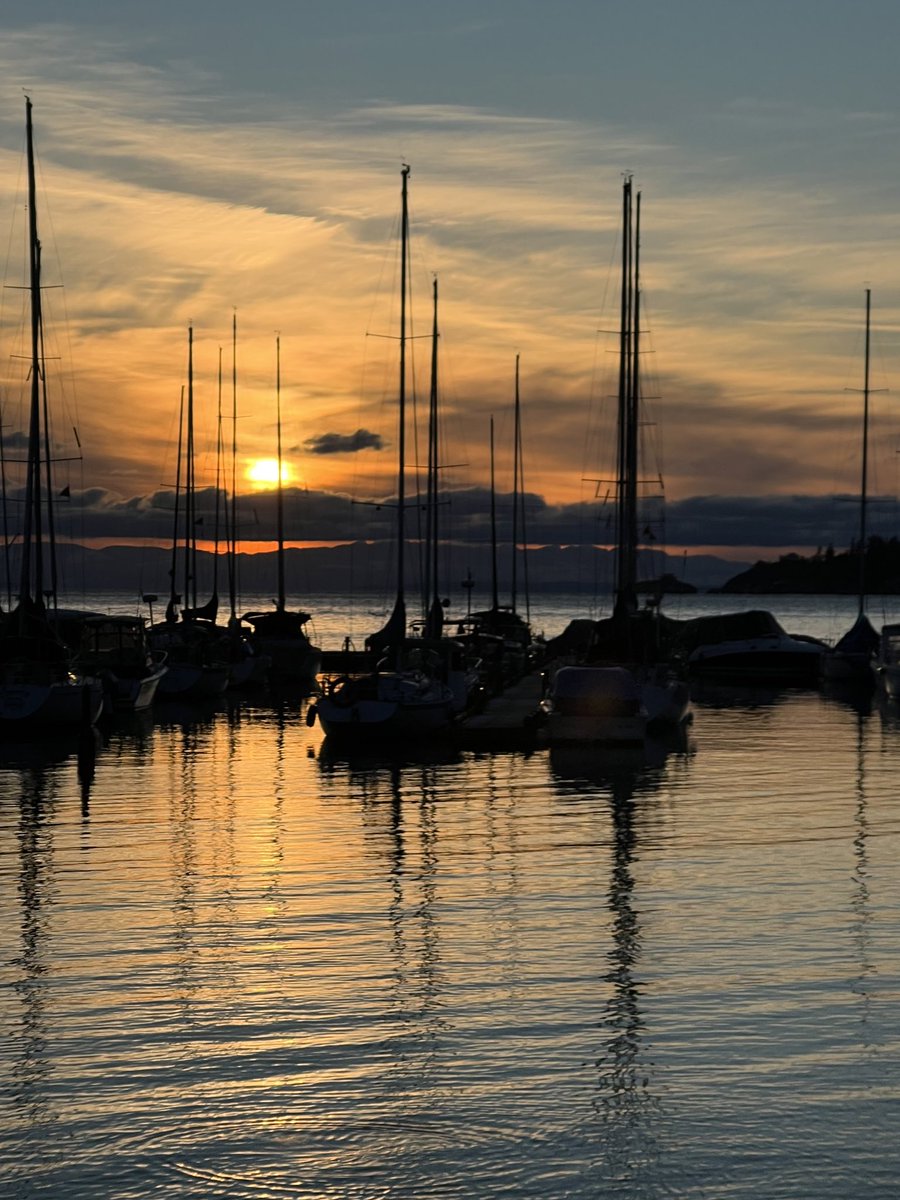
The sky melts gold as day takes flight,
A hush falls soft with fading light.
Waves whisper secrets to the shore,
As dusk paints dreams forevermore.

English

Melanie retweetledi
Melanie retweetledi
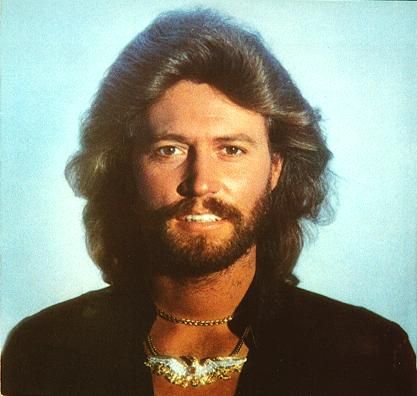
Barry Gibb is the only songwriter in history to write 4 successive US #1 hits: "Stayin' Alive," "Love Is Thicker Than Water," "Night Fever," and "If I Can't Have You," all in 1978.
English

Celebrating Chaharshanbe Suri at the West Vancouver Nowruz Fire Festival.
I jumped the fires this year for the first time… and I didn’t end up face down in the fire 🔥
English

Melanie retweetledi

Melanie retweetledi

This is incredibly beautiful, like a piece of art. Canada 🇨🇦
📸 PeteOharaPhoto

English
@msmelpb @smith_noreen With summer rolling in quick i hate to think where it peaks. I suspect chances are good it gets crazy.
English



Melanie retweetledi


@JacopoJPeterman @smith_noreen I got some this afternoon at Chevron for $1.98 after trying to get some at Shell for $2.04. Shell was packed so I gave up and drove a few blocks and pulled right up to a pump at Chevron! ⛽️ 😃👌
English
@smith_noreen @msmelpb Lol i thought of you looking at this last night. I guess i got the cheap one

English
@CanadaGoose911 @JacopoJPeterman Ooh - get their early folks ~ it looks busy.
English
Melanie retweetledi

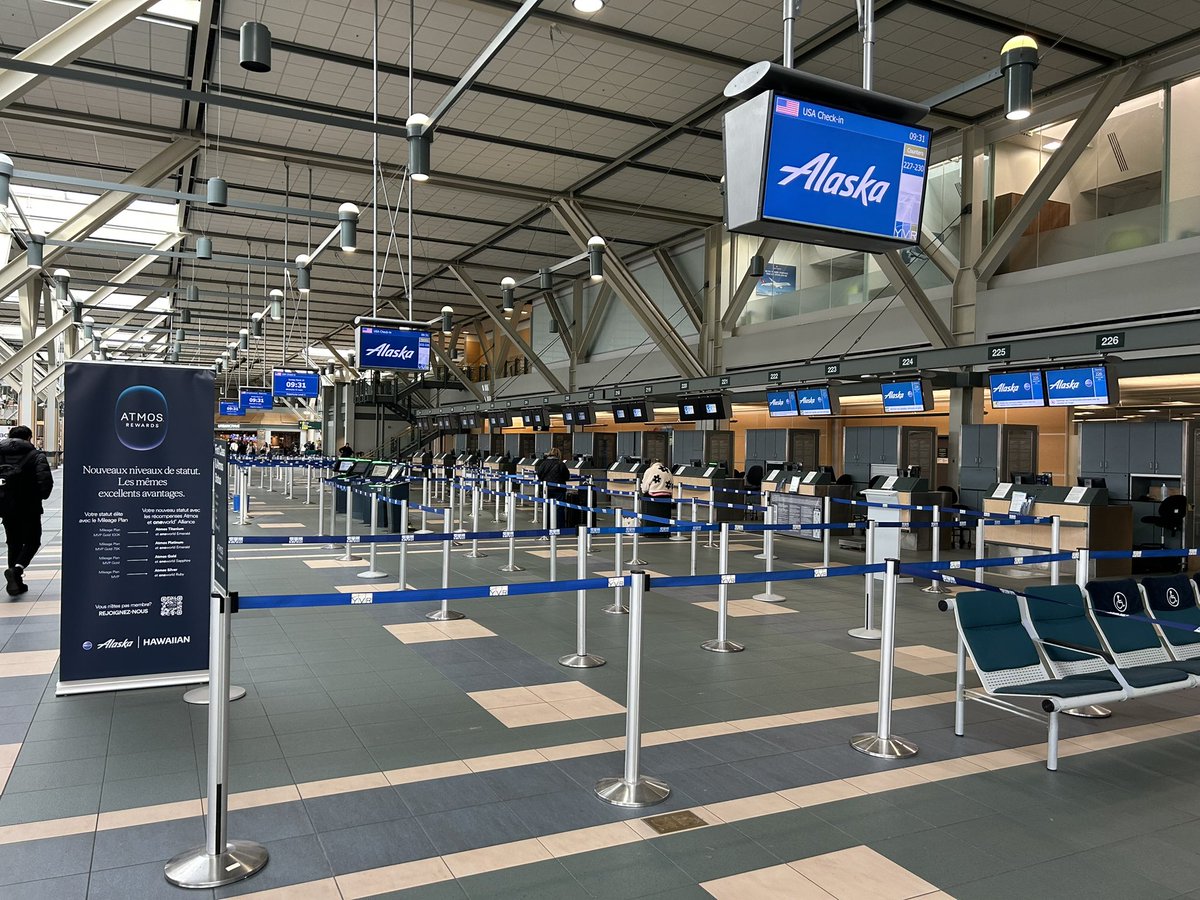
Spring break departures to America from Vancouver

English