Matthew E. Tick, DO

487 posts

Matthew E. Tick, DO banner
Matthew E. Tick, DO

Matthew E. Tick, DO

@mtick27

Gastroenterologist interested in IBD, endoscopy, EBM, technology, innovation, and QI. Views mine & not medical advice. Meliorist. Alum - @GW_Gastro @GWIMRES

Chicago, IL Katılım Temmuz 2012
1.3K Takip Edilen284 Takipçiler
Matthew E. Tick, DO
@DrDiGiorgio Is this because Epic and Cerner have the EMR market dominated and they have no incentive to do so and the barriers to entry and regulatory red tape are too onerous for a nimble third party even if able to develop the tech to be able to integrate into Epic/Cerner?
English
0
0
3
16
Configuring_It_Out
Configuring_It_Out@Dadudoc·
@sdixitmd @DrDiGiorgio The problem with the academic class like Richard is they create nothing, grow nothing, build nothing employ no one and yet they feel they are underpaid teaching two classes a week working 5 hours a day for 8 months a year
English
2
0
7
427
Matthew E. Tick, DO retweetledi
Dutch Rojas
Dutch Rojas@DutchRojas·
Your doctor went to medical school for 12 years. The person denying your claim went through a two-week training module.
English
324
12.1K
102.8K
915.5K
Dr. Dominic Ng
Dr. Dominic Ng@DrDominicNg·
Chess is 30 years ahead of every other profession in dealing with AI. The best case study we have for what's coming. 4 lessons: 1. Human-AI collaboration had a 15-year shelf life in chess. "Human in the loop" is a phase.
English
156
246
5.4K
1.9M
Matthew E. Tick, DO retweetledi
Anthony DiGiorgio, DO, MHA
Anthony DiGiorgio, DO, MHA@DrDiGiorgio·
In healthcare, administrative interventions should be held to the same standard as drugs and devices. An intervention should be tested against a gold standard (no intervention) before being widely implemented, showing improvements in care worth the cost of the intervention. Imagine a cluster randomized trial of quality metrics, joint commission regulations, Stark law, prospective payment systems….
English
7
9
61
4.6K
John Mandrola, MD
John Mandrola, MD@drjohnm·
Here’s what I want to know: re weight regain after stopping these meds. When people lose lots of weight w lifestyle changes, I’m talking lots, most never go back to the old way. They are changed. Why doesn’t that happen w GLP1s? #askwafib
JK Han MD@netta_doc

Whata a great slide from @PrashSanders! We know that #obesity 🤝🏼 #AFib & risk factors management is key for success of any rhythm control strategy #GLP1s should be offered in the context of *comprehensive* LRFM - need more RCTs specifically for AF #WAFib2026

English
40
5
52
46.3K
Matthew E. Tick, DO
Matthew E. Tick, DO@mtick27·
@oatsdoc If specialist orders CT for something relevant to specialty and scan shows an incidental yet important finding such as a suspected mass - do you prefer specialist review finding with patient then connect them with appropriate specialist to manage? Specialist to dw PCP?
English
4
0
5
2K
Dr. Al
Dr. Al@oatsdoc·
To my specialist colleagues, Please plz plz don’t order labs/imaging and then tell patients to “just follow-up with your primary care doctor to discuss.” He who doth order, doth interpret and communicate to patient. That’s the rule 🤝🤗
English
50
145
1.6K
64.3K
Matthew E. Tick, DO
Matthew E. Tick, DO@mtick27·
@LighthouseDPC This is in large part what drives so many physicians into employeed (hospital based) employment The facility fees >> professional fee
English
1
0
2
104
Humane Healthcare for All
Humane Healthcare for All@LighthouseDPC·
One RVU in 1992 was worth $31. Adjusted for inflation the RVU in 1992 is worth $71 today. Congress said the RVU today is worth $33. That’s a 56% pay cut. It doesn’t matter how good AI is. The house always wins. Billing through insurance is a suckers game you will never win as long as you continue to accept RVU coupons as payment. Most specialty care can give affordable cash prices, and go direct to the patient. We are already doing this here. We have Cash Endocrinology, Cardiology Pulmonology,. The Cash neurologist is full and no longer accepting new patients. We have Cash PM&R. For yourselves. There was a time before insurance took over that everyone paid cash. It can be done. We are doing it. Stop making excuses why it cannot be done and give me one why it can be done. #Healthinsurance #scam #CORRUPTION
Dutch Rojas@DutchRojas

Every independent physician I talk to has the same problems. 1) Payer contracts they’ve never fully analyzed. They also believe they can’t negotiate as a group. 2) Overhead they can feel but can’t pinpoint. 3) They pay insurance premiums as expenses and do not deploy captives or self-funding. 4) And zero competitive intelligence about what’s happening in their own market. Not because they’re unsophisticated. Ok, they are and they are busy seeing patients while the hospital system across town hires consultants to do the analysis for them. AI eliminates that gap overnight. Upload your payer contracts. AI reads every fee schedule, maps it against your case mix, and tells you which procedures lose money with which payers. That analysis used to cost $250,000 from a consulting firm. Now it costs very little. Pull your market data. AI tracks which physicians in your zip code are independent vs. employed, which competitors are hiring, which service lines have gaps. The intel that corporate strategy departments generate quarterly, you can generate on demand. Independent medicine doesn’t die from clinical inferiority. It dies from information asymmetry. AI closes that asymmetry permanently. This is how independents win.

English
6
13
109
15.9K
Matthew E. Tick, DO retweetledi
Anthony DiGiorgio, DO, MHA
Anthony DiGiorgio, DO, MHA@DrDiGiorgio·
Medicare is cutting payments to proceduralists because surveys suggest we have become more “efficient.” Under the Physician Fee Schedule, payment is tied to estimated physician work inputs. It’s the Marxist labor theory of value in federal policy. If CMS concludes that a procedure now takes less time or effort, the RVUs are reduced. Time and effort are treated as proxies for worth. Yes your doctor gets paid less for being more efficient. We are treating older and sicker patients. Documentation requirements have exploded and admin burden has grown. Total professional effort has not meaningfully declined. And even if operative time truly falls, why does that automatically justify a pay cut? In a functioning market, if a plumber or mechanic becomes more efficient, he keeps the surplus unless competition drives prices down. Price reflects supply and demand, not a central estimate of minutes spent. Medicare does not operate that way. Payment is periodically reset by formula. If your innovation reduces operative time, the system eventually claws back much of the gain through revaluation. Basic economics still applies. Lower administered prices reduce expected returns. Over time that affects specialty choice, training pipeline decisions, capital investment, and willingness to adopt new technologies. Supply responses in medicine are slow because training is long and capital is sticky, but they are real. You cannot repeatedly cut prices and assume supply and innovation remain unchanged.
Medical Economics@MedEconomics

Medicare’s new “efficiency” adjustment = another physician pay cut. Sally C. Pipes & Mike Koriwchak, M.D., argue rising practice costs + more clerical work don’t equal real efficiency. Read the commentary: hubs.li/Q043TvnY0 #MedicalEconomics

English
22
31
167
21.8K
Matthew E. Tick, DO
Matthew E. Tick, DO@mtick27·
@DrDiGiorgio Where is the end of restrictive covenants/non-competes? Let’s say the that Stark is repealed, CON goes away, and physicians can own hospitals Given the fact so many physicians are employed - they’d have to be released from restrictive covenants to offer a competing product
English
0
0
0
18
Anthony DiGiorgio, DO, MHA
Anthony DiGiorgio, DO, MHA@DrDiGiorgio·
We do not need to cut a single Medicare benefit to stabilize the program. Site neutral payment reform and fixing the 340B program would save roughly $300 billion over the next decade without eliminating services or restricting access. Then go further. Repeal outdated Stark restrictions. Lift the ban on physician owned hospitals. Reform certificate of need laws. Let doctors and entrepreneurs compete with consolidated hospital systems instead of protecting monopolies. When you increase competition in healthcare delivery, prices fall and service improves. That is how markets work in every other sector of the economy. These changes would also spill over into Medicaid, reducing federal and state spending while improving options for low income patients. There is enormous room to strengthen these programs financially while improving care for the people who rely on them.
Russ Greene@GreenPlusAnE

There will be reform. The voting numbers matter less than bonds, inflation, and imminent disasters (due to decay of the grid, the defense industrial base, etc.) The Trump admin already proposed Medicare reforms. Social Security will be cut, by law, within 6 years. We will win.

English
9
40
127
13.1K
Matthew E. Tick, DO
Matthew E. Tick, DO@mtick27·
@MrPitbull07 I hope this post gave you the feels and validation you were hoping for and that you had a terrific day!
English
0
0
0
11
Mr PitBull
Mr PitBull@MrPitbull07·
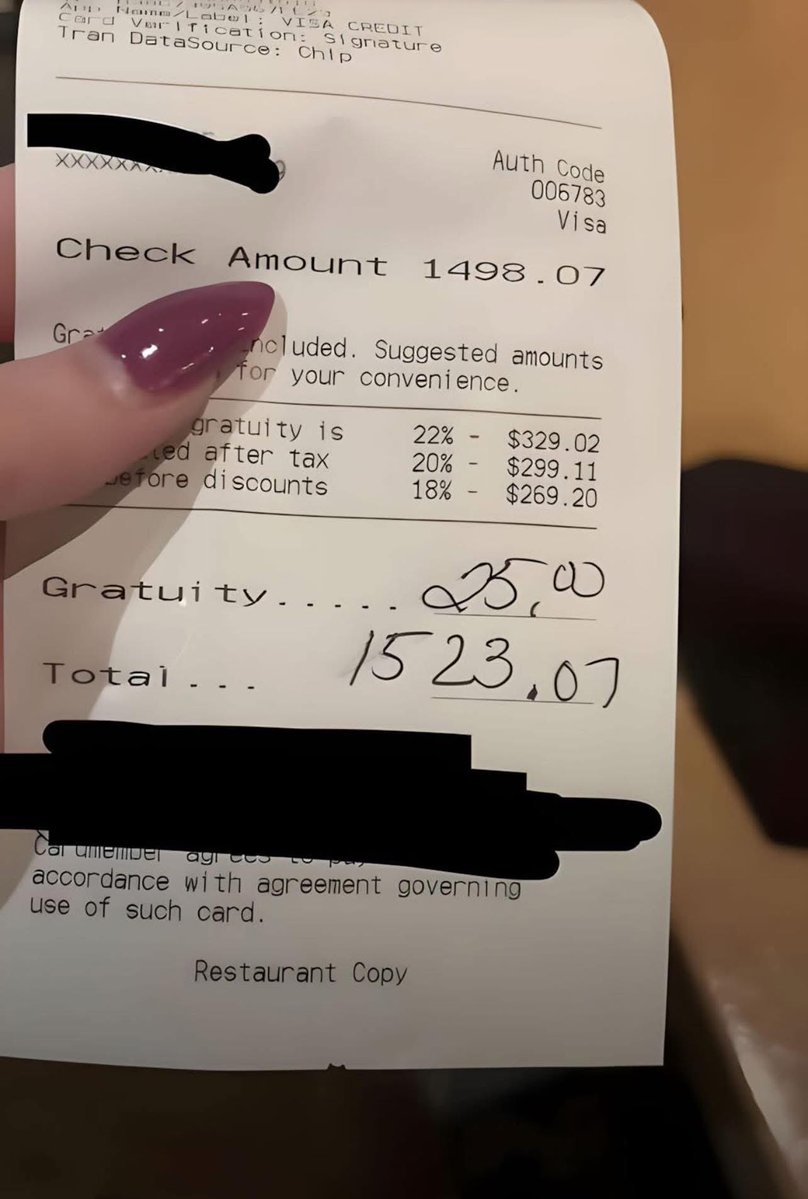
Ran up a $1500 dinner tab and when the receipt came back they had those cute little “suggested tips” printed like I’m supposed to casually drop another $300 just because someone carried plates from kitchen to table. I left $25 which honestly felt generous considering I already paid restaurant-level prices for the food itself. Server immediately got weird about it, attitude switched, barely a thank you, just that tight smile people do when they think you violated some unspoken rule. I told her straight up tipping isn’t a percentage subscription service and I’m not funding someone’s rent just because the bill happened to be high. Manager wandered over trying to smooth it out, hinting about “industry standards” like that magically obligates me. That only made me dig in harder because nowhere else do you get charged more for the exact same task just because the total went up. So I signed it exactly how it was, stood up, and walked out while they all stared like I committed financial treason, and if they think I’m coming back there to play along with that system again they’re seriously confused. Credit: Annie Perkins
Mr PitBull tweet media
English
8.5K
1.1K
26.3K
15.4M
Matthew E. Tick, DO
Matthew E. Tick, DO@mtick27·
@dollymad1812 @EricTopol What if race, ethnicity, religion, social determinants of health are in the medical record and the AI can use those data to help inform clinical decision making?
English
1
0
0
18
Dolly Madison ✌🏻🌻 🟦
Dolly Madison ✌🏻🌻 🟦@dollymad1812·
My doctor at Sharp started using AI in his practice w/patient visits. I had to look for another MD because AI is programmed w/intrinsic biases from humans who don’t take into account institutionalized racism & sexism along w/discrimination against sexual orientation & religions. As a Jewish woman I will not take medical advice from a doctor who is supposed to know how to speak to & treat patients w/out aid of a biased bot who relies mainly on the white male perspective.
English
2
0
3
215
Dr. Rick Pescatore
Dr. Rick Pescatore@Rick_Pescatore·
Updates on BellyMD! Industry and Academic Partnerships ✅ IP Protection ✅ Consumer Traction ✅ Predictive Model Live in Beta ✅ MoM ARR Growth ✅ 🚨DOCTORS🚨 We need more of you…partners, pilots, and policymakers. DM and let’s change the world together.
English
2
1
15
1.4K
World of Statistics
World of Statistics@stats_feed·
What sucked as a child but is awesome as an adult?
English
390
11
430
145.1K
Matthew E. Tick, DO retweetledi
Frontline Gastro
Frontline Gastro@FrontGastro_BMJ·
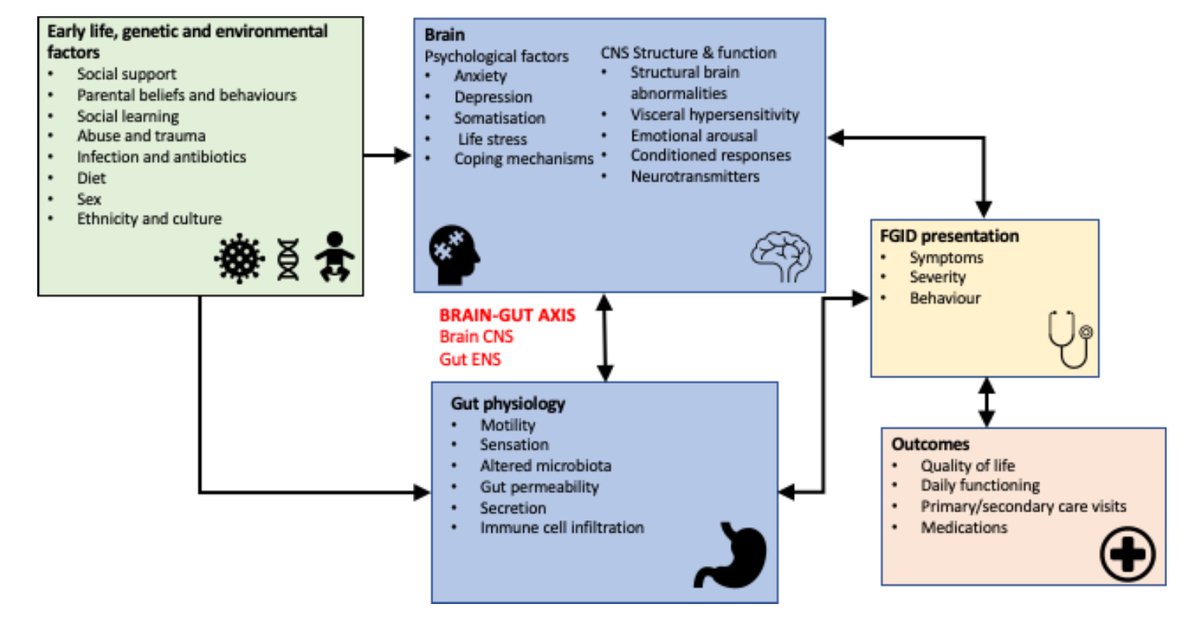
🧠🦠 Refractory disorders of gut–brain interaction (DGBI) are common, resource-intensive, and frequently challenging to manage in routine practice. When symptoms persist despite first and second-line therapies, a gastroenterologist-only model often falls short. Drawing on real-world experience from this UK neurogastroenterology centre, this review sets out a practical multidisciplinary framework integrating gastroenterology, specialist nursing, dietetics, psychology and psychiatry to deliver structured, biopsychosocial care for patients with refractory DGBI. fg.bmj.com/content/early/… @PhilSmithIsBack @OTavabie @dr_aditi_kumar @TrevorTabone @eathar_s @IrenePerezMD @KGananandan @zare_benjamin @medicalreg @dtleiberman
Frontline Gastro tweet media
English
1
17
42
2.3K
Keith Siau
Keith Siau@drkeithsiau·
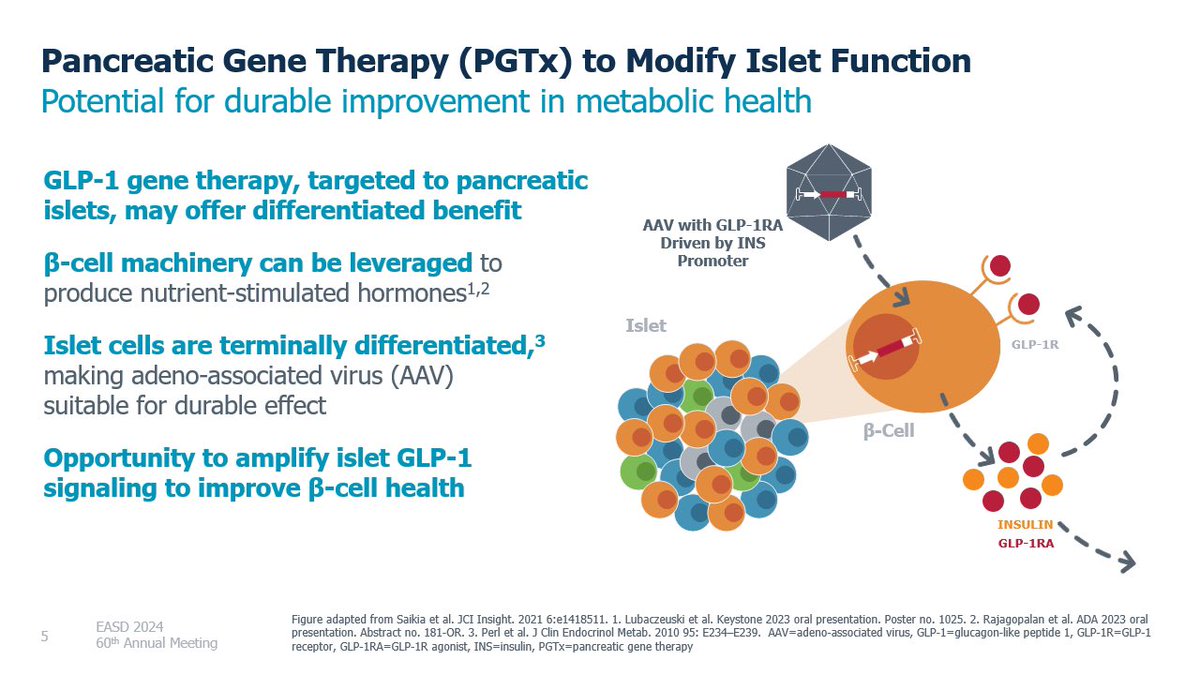
Imagine a single shot of Mounjaro that potentially lasts a lifetime! This concept in development is called pancreatic GLP1 gene therapy which could be a game changer over the next decade. Using adenovirus vectors delivered into the pancreas via endoscopic ultrasound, this technology aims to engineer pancreatic cells to produce GLP-1 continuously. Preclinical data in mice shows sustained weight loss, improved diabetes control, and good safety signals, with human trials anticipated later this year.
Keith Siau tweet media
English
13
30
110
7.9K
Matthew E. Tick, DO
Matthew E. Tick, DO@mtick27·
@crappiedoc @DrDiGiorgio I’ve always wondered if those annual compliance modules, cybersecurity modules, HIPAA modules are just for those interacting with patients or the the endless ranks of VP, managers, and other assorted suits also have to complete them?
English
0
0
1
11
Crappie-doc 🐟🎣
Crappie-doc 🐟🎣@crappiedoc·
@DrDiGiorgio Yep. And to hit you with a fake Phishing attempt. That way they can get back into a compliance module and take more time from patient care. Perfectly sensible-for a Suit.
English
1
0
4
213
Anthony DiGiorgio, DO, MHA
Anthony DiGiorgio, DO, MHA@DrDiGiorgio·
I’m convinced large health systems deliberately flood physicians with nonstop emails so they can later claim noncompliance on demand. “You missed the one critical message buried inside your 300 daily meaningless emails? That’s a professionalism issue. You’re fired.”
English
23
13
201
9.2K
Matthew E. Tick, DO retweetledi
Berci Meskó, MD, PhD
Berci Meskó, MD, PhD@Berci·
Prompt Engineering as an Important Emerging Skill for Medical Professionals: Tutorial This is my most cited paper these months, and what is surprising: not only in medical and healthcare papers but across the spectrum! A lot of studies mention or even focus on the importance of prompt engineering while addressing how to work with large language models. I'm glad that the topic gets the attention it deserves: jmir.org/2023/1/e50638
Berci Meskó, MD, PhD tweet media
English
4
34
95
5.5K