
Dr. Muddassir Ahmed

22.5K posts

Dr. Muddassir Ahmed banner
Dr. Muddassir Ahmed

Dr. Muddassir Ahmed

@muddassirism

Supply Chain Maven | Founder & CEO @scmdojo. I Help Supply Chains Thrive. 🏏 Fan | Blogger | Vlogger | Travelled 36 countries| Father of 2x Teenager | ExtroNerd

Dubai, United Arab Emirates Katılım Ocak 2012
848 Takip Edilen4.6K Takipçiler
Karachi Kings
Karachi Kings@KarachiKingsARY·
🎵 Energy you’ll feel, beats you won’t forget 🎵 Presenting the voices behind our official anthem for the HBL PSL 11 🤩 Get ready to move, celebrate, and feel the season like never before 🔥
Karachi Kings tweet media
English
22
34
473
76.5K
Dr. Muddassir Ahmed
Dr. Muddassir Ahmed@muddassirism·
@Shoaib_Jatt @im_SalmanButt And you are supporting and praising the biggest crook in Pakistan cricketing history, who sold Pakistan for a few $$ and embarrassed us in the whole world and killed the career of two of the best fast bowlers. We all know you are pathetic, what we didn't know you are a disgrace
Hollywood, England 🇬🇧 English
1
0
5
328
Shoaib Jatt
Shoaib Jatt@Shoaib_Jatt·
There’s no doubt that @im_SalmanButt is a cricket genius. He has excellent knowledge of the game and speaks about cricket brilliantly. He deserves a place on the English commentary panel as well. As a former Pakistan captain, he is clearly better than many of the current commentators in the PSL English panel.
Shoaib Jatt tweet media
English
68
18
419
39.6K
Dr. Muddassir Ahmed
Dr. Muddassir Ahmed@muddassirism·
𝗠𝗼𝘀𝘁 𝘀𝘂𝗽𝗽𝗹𝘆 𝗰𝗵𝗮𝗶𝗻 𝗽𝗲𝗼𝗽𝗹𝗲 𝗜 𝘁𝗮𝗹𝗸 𝘁𝗼 𝘁𝗵𝗶𝗻𝗸 𝗗𝗮𝘁𝗮 𝗦𝗰𝗶𝗲𝗻𝗰𝗲 𝗶𝘀 𝗼𝗻𝗹𝘆 𝗳𝗼𝗿 𝗖𝗼𝗺𝗽𝘂𝘁𝗲𝗿 𝗦𝗰𝗶𝗲𝗻𝗰𝗲 𝗳𝗼𝗹𝗸𝘀 𝗮𝗻𝗱 𝘁𝗲𝗰𝗵 𝘄𝗶𝘇𝗮𝗿𝗱𝘀. It isn't. And the graphic I've shared proves it. I've been studying the research behind what it actually takes to be a practical supply chain data scientist — and the findings from Waller & Fawcett's landmark paper in the Journal of Business Logistics are eye-opening. Here's the simple truth: supply chain data science is about breadth, not depth. The skills that matter most aren't the complex theoretical ones you'd study for a maths PhD. They're the practical, applied ones that help you solve real supply chain problems. Let me break down what the graphic shows — and why it matters for your career right now. 𝗪𝗵𝗮𝘁 𝘆𝗼𝘂 𝗮𝗰𝘁𝘂𝗮𝗹𝗹𝘆 𝗻𝗲𝗲𝗱 (𝗮𝗻𝗱 𝘄𝗵𝘆): 𝗦𝘁𝗮𝘁𝗶𝘀𝘁𝗶𝗰𝘀? Yes — but not deriving complex proofs. You need broad awareness of sampling and estimation methods so you can understand your data without being fooled by it. 𝗙𝗼𝗿𝗲𝗰𝗮𝘀𝘁𝗶𝗻𝗴? Absolutely — but not stochastic theory. Understanding how to apply quantitative and qualitative methods to predict demand is your bread and butter. 𝗢𝗽𝘁𝗶𝗺𝗶𝘀𝗮𝘁𝗶𝗼𝗻? Critical — but forget chasing the mathematically "perfect" global solution. Numerical methods that get you to a good-enough answer fast are what move the needle in operations. Simulation, probability, financial basics, economics, marketing science, managerial accounting — all needed at the applied level. Not at the theoretical research level. 𝗪𝗵𝗮𝘁 𝘆𝗼𝘂 𝗱𝗼𝗻'𝘁 𝗻𝗲𝗲𝗱: Mathematical proofs. Queuing theory. Efficient market hypothesis. Macroeconomic models. These are brilliant in academia. They are largely useless when you're trying to reduce stockouts or optimise a freight lane. The research is clear: the best supply chain data scientists combine domain knowledge with a broad set of analytical tools — not deep expertise in any single one. 𝗪𝗵𝘆 𝗱𝗼𝗲𝘀 𝘁𝗵𝗶𝘀 𝗺𝗮𝘁𝘁𝗲𝗿 𝗿𝗶𝗴𝗵𝘁 𝗻𝗼𝘄? Because supply chains are drowning in data and starving for insight. Companies have more information than ever — ERP data, IoT feeds, supplier portals, demand signals — and most of it goes unused because the people closest to the operations don't feel equipped to work with it. You don't need to become a data scientist. But you do need to become data-literate enough to ask the right questions, challenge the models, and know when the output doesn't match operational reality. Save this graphic. Share it with your team. It might reframe what skills you invest in next.
Dr. Muddassir Ahmed tweet media
Hollywood, England 🇬🇧 English
0
1
2
39
Shan Masood
Shan Masood@shani_official·
Eid Mubarak ❤️ May this Eid and beyond bring you all joy and happiness May we all spare a thought and our prayers for those unable to celebrate Eid.
Shan Masood tweet media
English
57
43
2.9K
43.5K
Dr. Muddassir Ahmed
Dr. Muddassir Ahmed@muddassirism·
𝗘𝘃𝗲𝗿𝘆𝗼𝗻𝗲'𝘀 𝘁𝗮𝗹𝗸𝗶𝗻𝗴 𝗮𝗯𝗼𝘂𝘁 𝗔𝗜. 𝗕𝘂𝘁 𝗺𝗼𝘀𝘁 𝗼𝗿𝗴𝗮𝗻𝗶𝘀𝗮𝘁𝗶𝗼𝗻𝘀 𝗮𝗿𝗲 𝘂𝘀𝗶𝗻𝗴 𝘁𝗵𝗲 𝘄𝗿𝗼𝗻𝗴 𝗸𝗶𝗻𝗱. 𝗧𝗵𝗲𝗿𝗲 𝗮𝗿𝗲 𝘁𝘄𝗼 𝘁𝘆𝗽𝗲𝘀 𝘆𝗼𝘂 𝗻𝗲𝗲𝗱 𝘁𝗼 𝘂𝗻𝗱𝗲𝗿𝘀𝘁𝗮𝗻𝗱 𝗿𝗶𝗴𝗵𝘁 𝗻𝗼𝘄. Horizontal AI — ChatGPT, Copilot, Gemini — is built for everyone. Broad, general-purpose, impressive. But it doesn't know your industry, your processes, or your terminology. It's a Swiss Army knife being used as a scalpel. Vertical AI is built for a specific domain. It speaks the language of practitioners, understands context, and delivers precision that general tools simply can't match. 𝗦𝗼 𝘄𝗵𝘆 𝗶𝘀 𝘃𝗲𝗿𝘁𝗶𝗰𝗮𝗹 𝗔𝗜 𝘀𝘁𝗶𝗹𝗹 𝗹𝗮𝗴𝗴𝗶𝗻𝗴? Domain-specific data is hard to curate. Building it requires deep subject matter expertise, not just engineering talent. And most enterprises got seduced by flashy horizontal platforms before asking whether they were actually fit for purpose. But the opportunity is real — and it's significant. Supply chain, procurement, and logistics run on highly specialised knowledge. Demand planning. Supplier risk. Category strategy. RFP construction. A horizontal AI answering a procurement question is like asking a GP to perform surgery — technically trained, fundamentally unqualified for the specific job. This is exactly why we built SCMDOJO SENSEI — a vertical AI built specifically for supply chain and procurement professionals. It doesn't just generate generic answers. It draws from a deep, curated supply chain knowledge base to help you ASK the right questions, DRAFT documents, ANALYSE your processes, and EXECUTE decisions — with the precision of a domain expert, available 24/7. Horizontal tools gave everyone a starting point. Vertical AI is where the real ROI lives. The race to build it is just beginning. Most of your competitors haven't started yet. 👉 Sign up to the wait list here to try SCMDOJO SENSEI at scmdojo.com/sensei hashtag#AI hashtag#VerticalAI hashtag#SupplyChain hashtag#Procurement hashtag#EnterpriseAI
Hollywood, England 🇬🇧 English
0
0
1
41
Dr. Muddassir Ahmed
Dr. Muddassir Ahmed@muddassirism·
In my experience, the best way to answer in procurement interviews is to use the STAR Method (Situation, Task, Action, Result). Here are 3 examples of procurement interview questions answered using the STAR method. 1. How do you approach comparing and evaluating suppliers? Situation: The objective is to ensure that goods or services acquired meet business needs at the best possible value. Task: Systematically compare and evaluate potential suppliers. Action: We compare and evaluate suppliers based on comprehensive criteria including quality, price, delivery time, and reliability. We also involve internal customers throughout the process to ensure their specific needs and requirements are fully integrated. Furthermore, we emphasize open negotiation to achieve mutually beneficial outcomes. Result: This structured approach ensures selected suppliers align with business objectives, provide optimal value, and foster strong, collaborative relationships. 2. What is a procurement problem you have most recently faced and what solution have you applied? Situation: A common procurement problem involves unexpected delivery delays from a key supplier, which can disrupt production schedules and increase operational costs. Task: Mitigate the risk of non-availability and ensure continuity of supply for critical items affected by delays. Action: For critical items, we focused on establishing closer relationships and partnerships with trustworthy, reliable suppliers. This involved direct negotiation, active involvement in supplier quality management, and developing collaborative relationships to pre-empt and resolve issues. Result: Improvement in Supplier On Time Delivery & Reduction in Cost of Poor Quality. 3. How do you manage risks and compliance in procurement? Situation: Procurement activities inherently involve various risks, from supply disruptions to non-compliance, which can impact business continuity and reputation. Task: Develop and integrate a comprehensive risk management and compliance strategy Action: Our procurement strategy included explicit measures to identify potential risks (e.g., supply chain disruptions, quality issues, ethical concerns) and established mitigation plans. We ensured all procurement processes adhered to regulatory requirements, internal policies, and ethical sourcing guidelines. This involved regular audits and continuous monitoring of supplier performance and compliance. Result: This proactive approach significantly reduced exposure to procurement-related risks, ensured regulatory adherence, and fostered resilient and ethical supply chains. 𝗧𝗵𝗲 𝗧𝗼𝗽 𝗕𝗲𝗻𝗲𝗳𝗶𝘁 𝗔𝗿𝗲. - Give clarity and structure - Highlights key skills - It is Evidence- Based - Provides Memorability 𝗜 𝗵𝗮𝘃𝗲 𝗰𝗼𝗻𝗱𝘂𝗰𝘁𝗲𝗱 𝗵𝘂𝗻𝗱𝗿𝗲𝗱𝘀 𝗼𝗳 𝗶𝗻𝘁𝗲𝗿𝘃𝗶𝗲𝘄𝘀, 𝗮𝗻𝗱 𝘁𝗵𝗲 𝗼𝗻𝗲𝘀 𝗜 𝗿𝗲𝗺𝗲𝗺𝗯𝗲𝗿 𝘄𝗲𝗿𝗲 𝘁𝗵𝗲 𝗼𝗻𝗲𝘀 𝘄𝗵𝗼 𝗳𝗼𝗹𝗹𝗼𝘄𝗲𝗱 𝘁𝗵𝗲 𝗦𝗧𝗔𝗥 𝗠𝗲𝘁𝗵𝗼𝗱!
Dr. Muddassir Ahmed tweet media
English
0
0
2
54
Dr. Muddassir Ahmed
Dr. Muddassir Ahmed@muddassirism·
𝗢𝗻𝗲 𝗺𝗮𝘀𝘀𝗶𝘃𝗲 𝗺𝘂𝗹𝘁𝗶-𝗯𝗶𝗹𝗹𝗶𝗼𝗻-𝗱𝗼𝗹𝗹𝗮𝗿 𝗼𝗽𝗽𝗼𝗿𝘁𝘂𝗻𝗶𝘁𝘆, "Integrating artificial intelligence directly into cellular towers" in the very near future. The current 5G, or even 6G, network is not designed to deliver near-zero-latency signals to autonomous vehicles/self-driving cars, or future AI wearable devices. If any network provider takes a leap on this, it will turn the fortune! And my money is on @nokia or @EricssonNetwork as @Huawei is banned in USA & nearly in Europe
English
0
0
0
38
Aalia Rasheed
Aalia Rasheed@aaliaaaliya·
Eid Mubarak dosto 🎊💃😍🎉
Eesti
16
4
63
1.9K
Dr. Muddassir Ahmed retweetledi
Cricket Australia
Cricket Australia@CricketAus·
Eid Mubarak to all those who are celebrating today ❤️
Cricket Australia tweet media
English
499
1.6K
25.9K
264.7K
Dr. Muddassir Ahmed retweetledi
Sabji Hunter
Sabji Hunter@SabjiHunter·
Hearing it’s #Eid soon - time for this classic to be aired again
English
47
369
3.9K
534.2K
Dr. Muddassir Ahmed
Dr. Muddassir Ahmed@muddassirism·
AI-Powered Supply Chain Competency Assessment (Free) - Save $5000!! Get a personalized, in-depth report across 𝟯𝟲 𝗸𝗲𝘆 𝗰𝗼𝗺𝗽𝗲𝘁𝗲𝗻𝗰𝗶𝗲𝘀 𝗶𝗻 𝗣𝗿𝗼𝗰𝘂𝗿𝗲𝗺𝗲𝗻𝘁, 𝗦𝘂𝗽𝗽𝗹𝘆 𝗖𝗵𝗮𝗶𝗻 𝗣𝗹𝗮𝗻𝗻𝗶𝗻𝗴, & 𝗟𝗼𝗴𝗶𝘀𝘁𝗶𝗰𝘀 to identify your strengths and close critical skill gaps. 𝗖𝗼𝗺𝗽𝗿𝗲𝗵𝗲𝗻𝘀𝗶𝘃𝗲 𝗔𝗻𝗮𝗹𝘆𝘀𝗶𝘀 Evaluate 16 Procurement and 12 Supply Chain competencies for a 360-degree view of your capabilities. 𝗔𝗜-𝗣𝗼𝘄𝗲𝗿𝗲𝗱 𝗜𝗻𝘀𝗶𝗴𝗵𝘁𝘀 Receive an instant, personalized report with actionable feedback powered by advanced AI. 𝗣𝗲𝗿𝘀𝗼𝗻𝗮𝗹𝗶𝘇𝗲𝗱 𝗗𝗲𝘃𝗲𝗹𝗼𝗽𝗺𝗲𝗻𝘁 𝗣𝗮𝘁𝗵 Get tailored recommendations for SCMDOJO courses, ebooks, and best practices to accelerate your career. 𝗕𝗲𝗻𝗰𝗵𝗺𝗮𝗿𝗸 𝗬𝗼𝘂𝗿 𝗦𝗸𝗶𝗹𝗹𝘀 Understand where you stand with clear Foundation, Intermediate, and Advanced ratings. Start your supply chain competency assessment here 👉 scmdojo.com/apps/ai-supply… #supplychain #competencies
English
0
1
2
62
Dr. Muddassir Ahmed
Dr. Muddassir Ahmed@muddassirism·
Most supply chain leaders obsess over procurement savings and demand planning accuracy. Meanwhile, their warehouse quietly bleeds margin — through poor layout, undertrained staff, outdated tech, and safety shortcuts nobody wants to talk about. This edition changes that. linkedin.com/pulse/most-war… via @LinkedIn
English
0
0
1
37
Dr. Muddassir Ahmed
Dr. Muddassir Ahmed@muddassirism·
Is SAAS Dead due to the advancement of AI Agents? Yes & No! Yes- In a traditional sense, i.e. human using SaaS. No- Agents will be using the SaaS endpoint to think, to decide, to perform tasks. So the SaaS companies will evolve their software for AI Agents, as they did for humans. So SaaS platform won't be dead per se, marketplaces will be :) @scmdojo #saasisdead #muddassirism #ai #aiagents #logistics #podcast
English
1
2
2
133
Dr. Muddassir Ahmed
Dr. Muddassir Ahmed@muddassirism·
"SaaSpocalypse"—is a term used by analysts to describe a significant market downturn and structural disruption in the Software-as-a-Service (SaaS) industry caused by the rapid adoption of agentic AI. So is SaaS dead? Yes & No! Yes, in a traditional sense, the opportunity to turn your business workflow logic into software is redundant. Agents will take care of this. No, because Agents will be the users of SaaS. That means traditional SaaS providers need to update their software architecture for Agents. The marketplaces will die for sure as agents will directly go to the end point, and don't need a middleman! or Women :) But all of this will take 18-20 months to manifest! Meanwhile, the supply chain planning software market is undergoing its most significant architectural shift since the move to the cloud. As global volatility becomes the baseline, the “Great Planning Reshuffle” is seeing enterprise leaders move away from heavy, cumbersome legacy suites toward agile, AI-native platforms. The goal is no longer just “visibility”; it is autonomous orchestration. Therefore, I have prepared the 2026 Competitive Landscape: Top 20 Supply Chain Planning Software Providers. Let me know if I missed any of your favourite Planning Software? scmdojo.com/best-supply-ch…
English
0
0
1
34
Dr. Muddassir Ahmed retweetledi
ESPNcricinfo
ESPNcricinfo@ESPNcricinfo·
Sarfaraz Ahmed has announced his retirement from international cricket He finishes with 54 Tests, 117 ODIs and 61 T20Is and led Pakistan to victory in the Champions Trophy 2017 and also the Under-19 World Cup in 2006 👏
ESPNcricinfo tweet media
English
17
140
1.8K
27.1K
Dr. Muddassir Ahmed retweetledi
Shahid Afridi
Shahid Afridi@SAfridiOfficial·
ZXX
501
817
5.2K
159.5K
Dr. Muddassir Ahmed
Dr. Muddassir Ahmed@muddassirism·
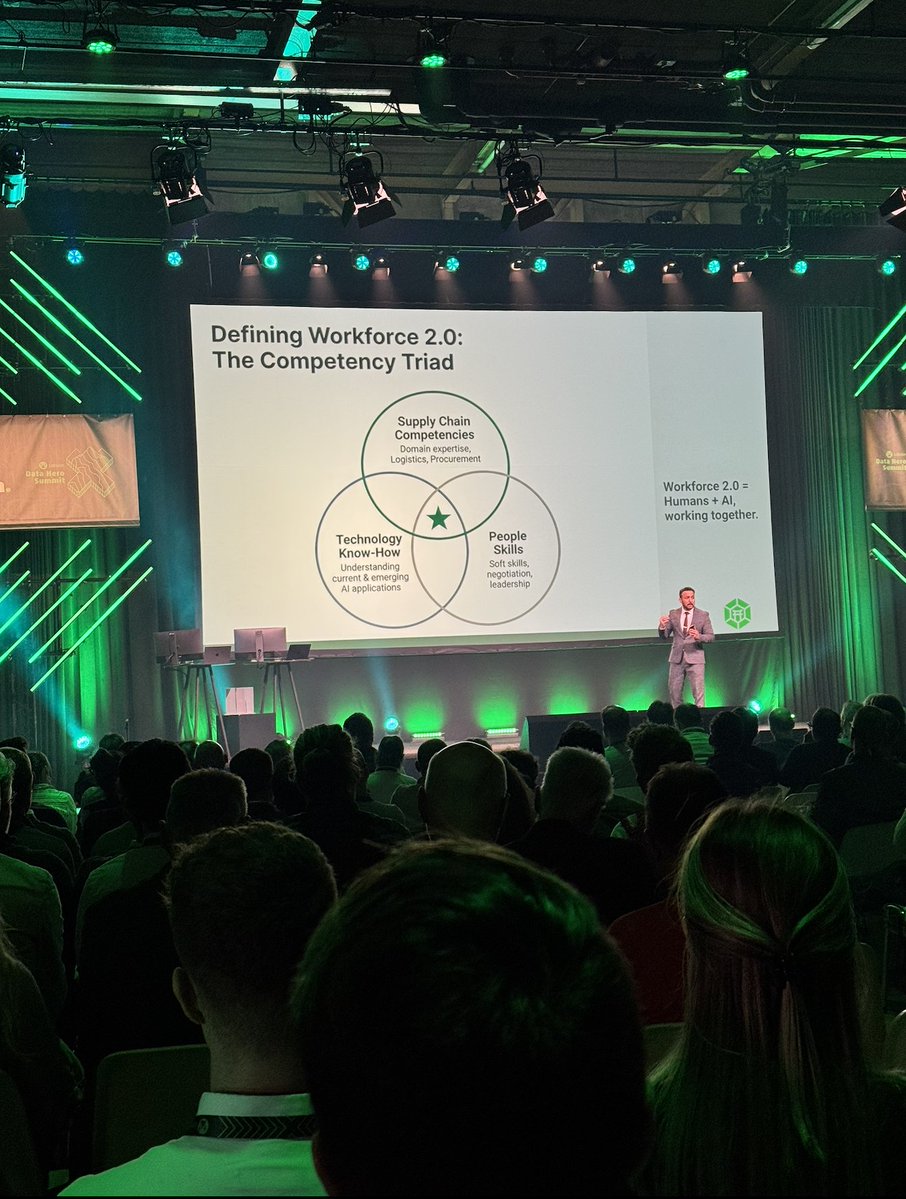
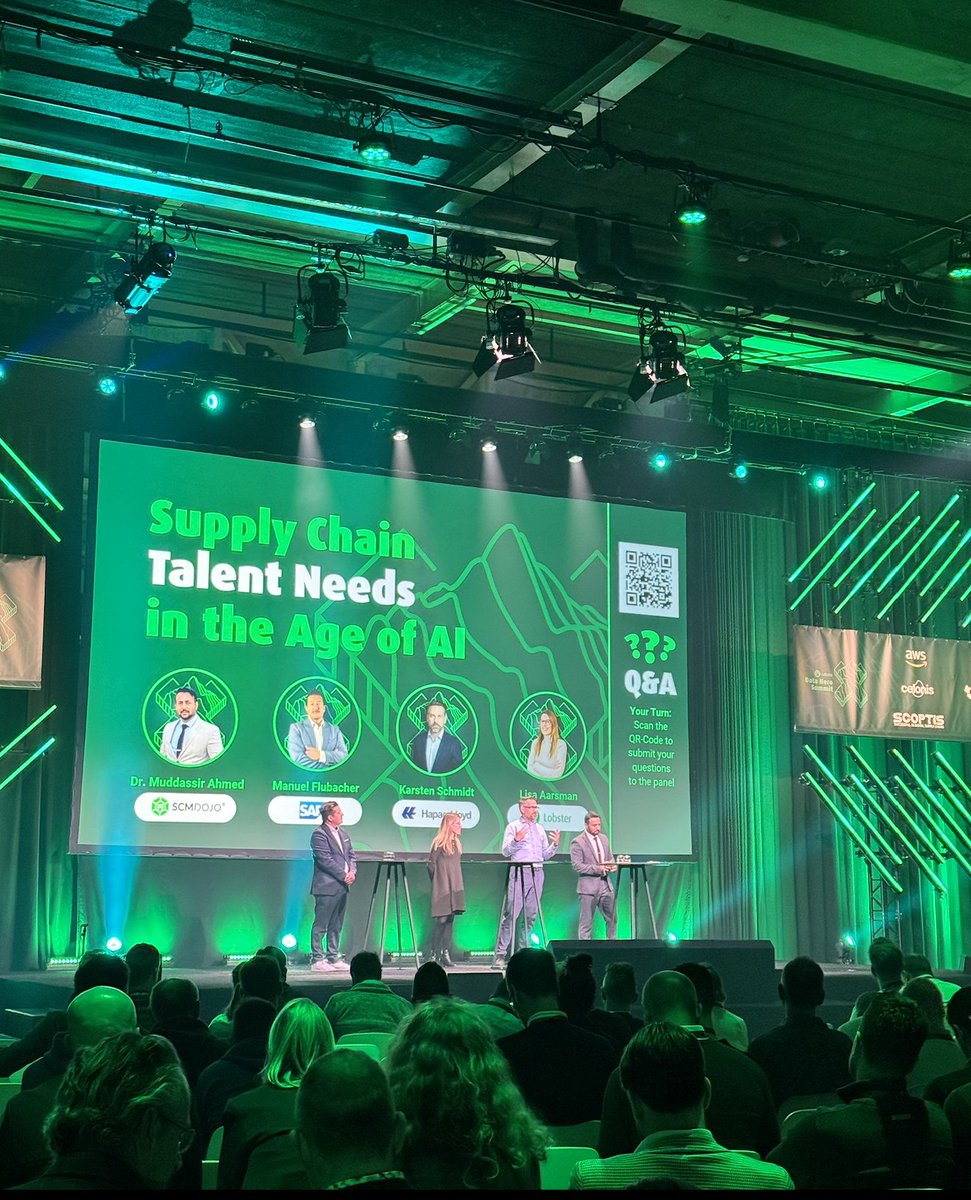
Last Thursday, I had the privilege of taking the stage at the Lobster Data Hero Summit X in Rotterdam — one of the most energised rooms I've stood in front of in recent memory. 340 supply chain, logistics, and data professionals. Van Nelle Fabriek. A day of no-nonsense conversations about where this industry is actually heading. I delivered a keynote on Supply Chain Talent Needs in the Age of AI and opened with a provocation that got a few nervous laughs: "Would you agree most white-collar work will be fully automated by AI within the next 18 months?" The hands that went up — and those that didn't — told the whole story. Here's the honest truth I shared on stage: - Sooner or later, automation manages the routine. Humans manage the exceptions. The cockpit is now your laptop — but a pilot still needs to sit in it. - The workforce built on manual planning, reactive firefighting, and fragmented ERPs cannot process machine-scale complexity. - But AI doesn't replace human judgment — it raises the stakes for it. Critical thinking, supplier relationships, ethical oversight — these are not soft extras. - They are what makes a supply chain leader irreplaceable. After the keynote, I hosted a panel with Lisa Aarsman, Manuel Flubacher, and Karsten Schmidt — three sharp practitioners who brought real-world grit to everything I'd laid out. Honest, direct, no vendor theatre. The day reinforced what I see constantly: 85% of AI initiatives fail not because the technology doesn't work, but because the data foundation underneath was never fit for purpose. The organisations that pull ahead won't be the ones who deployed AI first — they'll be the ones who finally built something worth accelerating. Viktor Vielhaber — what you and the team built was extraordinary. 340 people, a stunning venue, inspired throughout, and sent home with something to act on. That doesn't happen by accident. Well done. Genuinely. And to Tim Srock and Jethro Borsje — thank you for creating a space where supply chain can have honest, future-focused conversations. More of this, please Patryk Statkiewicz!. Lastly, it was a pleasure meeting you in person, Marian Temmen, after 6 years of trying! The supply chain professional of tomorrow is being built today. The question is whether you're building them. #SummitXRotterdam #SupplyChain #AI #WorkforceOfTheFuture @scmdojo #DataHeroSummit
Dr. Muddassir Ahmed tweet mediaDr. Muddassir Ahmed tweet mediaDr. Muddassir Ahmed tweet mediaDr. Muddassir Ahmed tweet media
English
0
2
3
65