CMumm

9.6K posts

CMumm

CMumm

@mumm49

Dad, 9er fan, fixer of household crap, economist in prior life, & west energy trader in this life (a miserable profession that requires true hatred of oneself).


Pacific Northwest Katılım Kasım 2016
1.2K Takip Edilen517 Takipçiler
CMumm
CMumm@mumm49·
@BBGreatMoments Disagree. I think we overestimate the athleticism of baseball players vs those in football and basketball.
English
0
0
0
8
Coach Mitch
Coach Mitch@IrvinML·
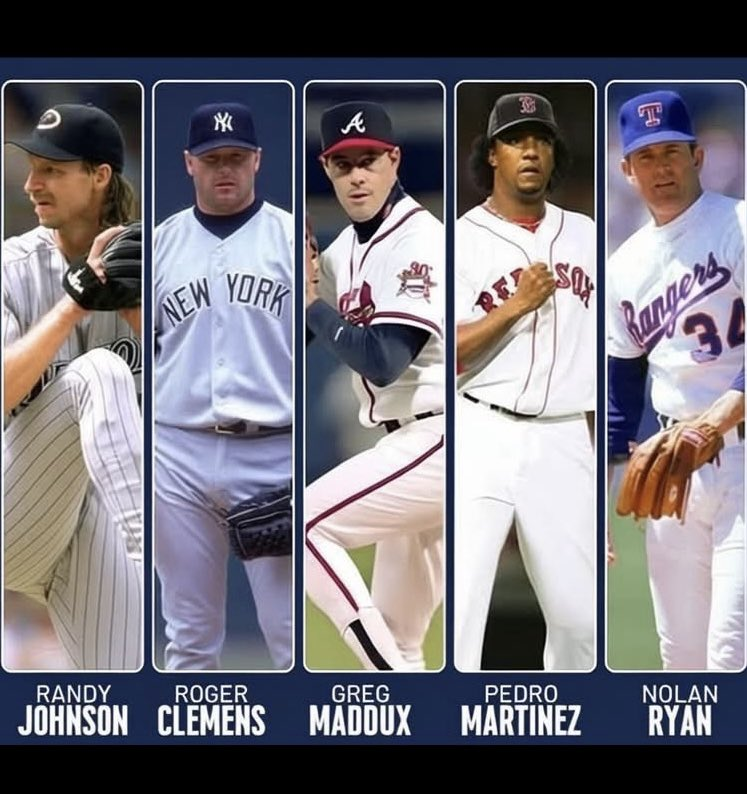
@BBGreatMoments Unpopular opinion but I don’t think I would include Nolan Ryan in my top 5. I think he has benefited more from longevity than anyone else. 7 no hitters are remarkable and I can’t imagine we’ll see that again, but when I look at the totality of careers, he’s not in my top 5.
English
15
0
14
1.8K
Baseball’s Greatest Moments
You’re building a four-man pitching rotation, everyone in their prime. Who do you cut?
Baseball’s Greatest Moments tweet media
English
515
24
317
69.2K
Barkley
Barkley@Barkley_Tap·
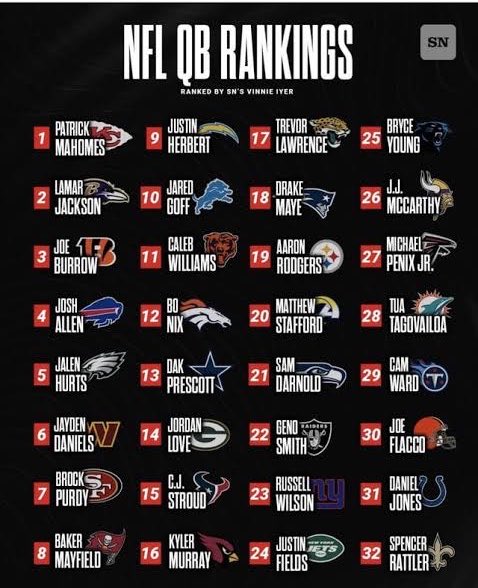
Is anything wrong with this QB Ranking?
Barkley tweet media
English
741
28
445
89.4K
Donny
Donny@Clipatello·
@FastbreakHoops5 Also, Charlotte's best pick was Kobe, even if traded. They never drafted a player that was greater.
English
9
1
143
13.6K
Fastbreak Hoops
Fastbreak Hoops@FastbreakHoops5·
Here’s every NBA teams best draft pick ever.
Fastbreak Hoops tweet media
English
168
71
1.7K
257.8K
TPS
TPS@TotalProSports·
🤔🤔🤔
TPS tweet media
QME
2.1K
66
1.5K
1.5M
CMumm retweetledi
Vijay
Vijay@VijayInWA·
Seattle Turns Hostile to the Great Businesses It Made Starbucks is moving jobs from Washington state to Tennessee, and it isn’t alone in looking elsewhere. By Howard Schulz "Washington state has been my home for more than four decades. I arrived in Seattle with dreams and ambition and ended up building Starbucks into a company known around the world. Many Pacific Northwesterners joined me in shaping the culture, benefits and brand of Starbucks—contributing not only to a business, but also the civic and entrepreneurial life of the area. I am no longer a resident of Washington. My decision to leave had much to do with family choices and my stage of life. Still, I feel a responsibility to speak up about the business and job climate in a city and state that gave me so many opportunities. Washington’s economic story over the past half century is extraordinary. Microsoft, Amazon, Costco and a host of other new companies transformed the state into a global center of technology, innovation and logistics. Entrepreneurs exported ideas worldwide. Capital flowed. Wages rose. Imported and homegrown talent flourished. That ecosystem worked because risk‑taking was rewarded, growth was possible, and civic leadership—while imperfect—understood that private enterprise wasn’t the adversary of the public good. It was one engine for improving the public sphere. That ecosystem is fractured today. Seattle and much of Washington face serious problems: chronic homelessness, disorder in core business districts, persistent budget deficits, declining public-school outcomes and a slowing technology hiring cycle. These challenges aren’t unique to the state—but Washington’s response to them is. Seattle’s mayor, Katie Wilson, has chosen to cast business as a foil rather than a partner. Her socialist rhetoric vilifies employers, even while she continues to rely on them for revenue. She has encouraged residents who disagree with her policies to leave. In the state capital, the Legislature and governor have confronted difficult fiscal trade-offs by emphasizing taxation rather than reform or performance management. The theory appears to be that prosperity can be mandated through redistribution rather than generated through growth. Washington has a broken tax system. The reliance on sales taxes—10.55% in Seattle—is deeply regressive. The state needs to rewrite its tax code across the board in a way that ensures people and businesses alike pay their share. But instead of reform, those in power have opted to increase the burden on businesses and successful entrepreneurs in ways that discourage them from growing within the state—at a moment when Washington’s economic situation is growing more fragile. Microsoft and Amazon—once hiring engines—have slowed recruitment and reduced head counts as they race to build data-center capacity and compete globally. Starbucks recently announced it will shift hundreds of corporate roles to Tennessee. These companies imported global talent at scale for decades, anchoring an interconnected system of suppliers and startups. As those businesses reduce their local role, Seattle has no clear answer to the question of what will provide the next set of jobs and revenue growth. Cities and states don’t decline overnight. They drift when public safety, fiscal stability and economic vitality deteriorate together. Downtown vacancies reduce foot traffic. Declining foot traffic weakens small businesses. Employment falls. Revenue shrinks. Services erode. Confidence—something that’s hard to build and easy to lose—begins to evaporate. Entrepreneurs are accustomed to accountability: If we fail to deliver value, we lose customers. If we misallocate capital, we absorb the loss. Government, too, should be judged by results, not intentions. In Washington, steadily increasing government spending hasn’t delivered commensurate results on a range of issues, from addressing homelessness and drug addiction to poor prospects for new high-school graduates. Entrepreneurs take risks others won’t. We build before certainty exists. We hire before revenue is guaranteed. We invest locally, pay taxes and support civic institutions. When our companies succeed, entire regions benefit. America can’t afford to forget that. Leaving doesn’t mean abandoning. My family foundation remains invested in Washington’s future, seeking to help the next generation achieve economic mobility and prosperity. But that future is linked to economic growth and job creation. Across the country, other states are competing for capital and talent by simplifying regulation, reforming tax systems and investing in workforce development. One important initiative comes from the bipartisan National Governors Association, helping states craft pro-entrepreneurship policies. I hope Washington’s leaders will embrace these policies and forge a new compact—one grounded in job creation, sensible taxation and accountable public spending. Washington once embodied the future of the U.S. economy, and it can again. But the current government needs to learn that future entrepreneurs won’t be attracted by ineffective public systems, especially when joined with policy and political rhetoric that demonize businesses. Mr. Schultz is a former CEO and chairman emeritus of Starbucks."
Vijay tweet media
English
54
136
651
60.4K
CMumm
CMumm@mumm49·
@uncleQstar @VijayInWA @garrytan My nephew worked at Starbucks in a store during his college years. He got $20/hr, tips, & benefits. What sorta compensation do you think store team members deserve, making coffees and warming pre-cooked food? For the work, that sounds like about 3x what he should have been paid.
English
0
0
1
45
Indie Label
Indie Label@uncleQstar·
@mumm49 @VijayInWA @garrytan You make some fair points, and perhaps on the corporate level, the employees are compensated fairly, but certainly not the team members in store. I think what is notable is that, Howard personally betrayed the city, and Washingtonians haven’t forgotten.
English
3
0
0
41
Coach Yac 🗣
Coach Yac 🗣@Coach_Yac·
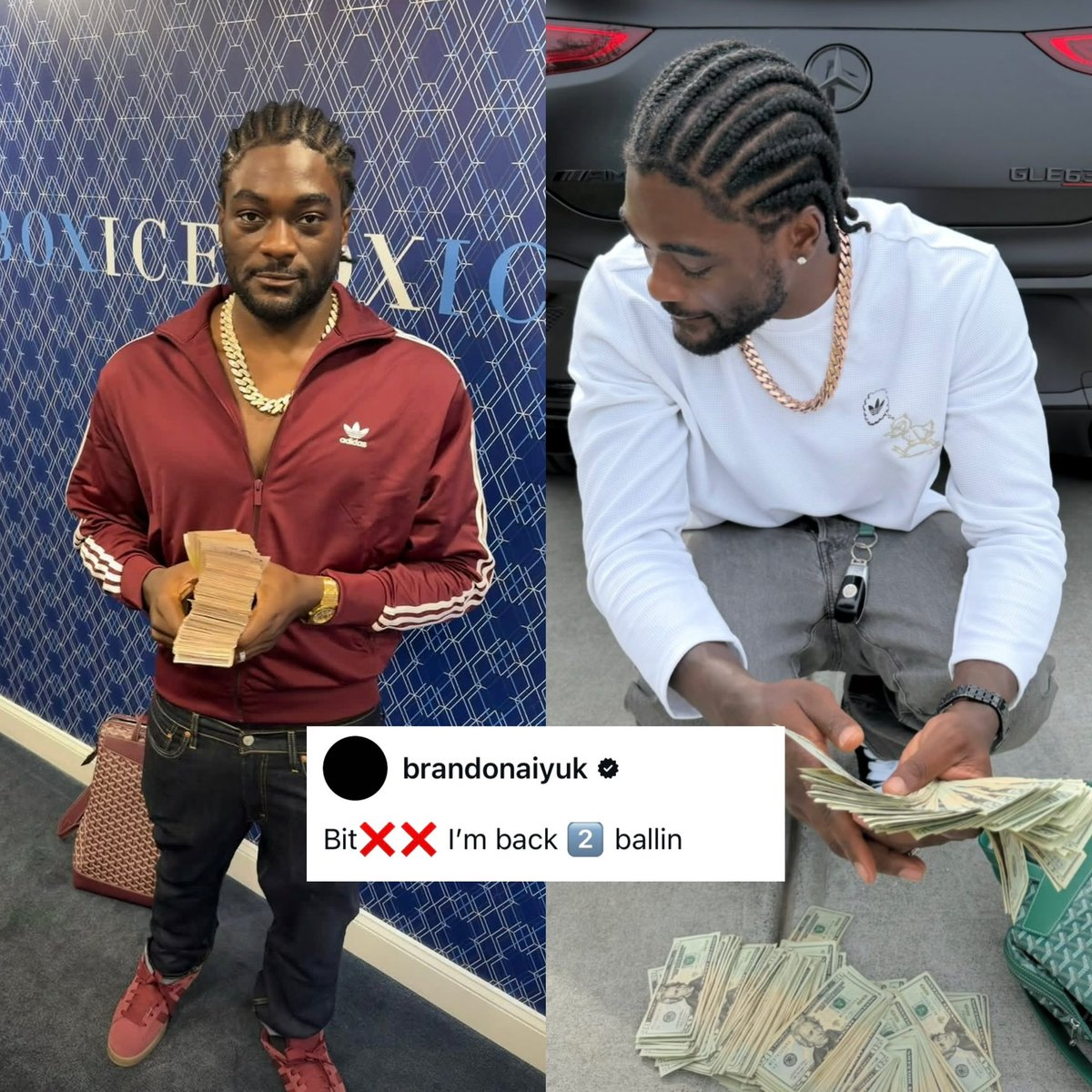
Brandon Aiyuk’s latest IG post “Bit ❌❌ I’m back 2️⃣ ballin”
Coach Yac 🗣 tweet media
English
244
17
380
165K
CMumm
CMumm@mumm49·
@uncleQstar @VijayInWA @garrytan Starbucks is a business. Of course it is concerned about profits. That said, its people are extremely well paid for what they do. Washington losing Starbucks due to poor policies is a major loss. He may be an ahole, but find me a CEO or Chairman that isn't. That is his job.
English
1
0
1
52
Indie Label
Indie Label@uncleQstar·
@VijayInWA @garrytan He’s right on all counts, but he’s also an ahole. Starbucks in particular has become nothing more than fast food, more concerned about profit, than its people, of the quality of its product. Schulz cares more about the money than the city that made him rich.
English
2
1
5
325
TD Nash
TD Nash@td_nash·
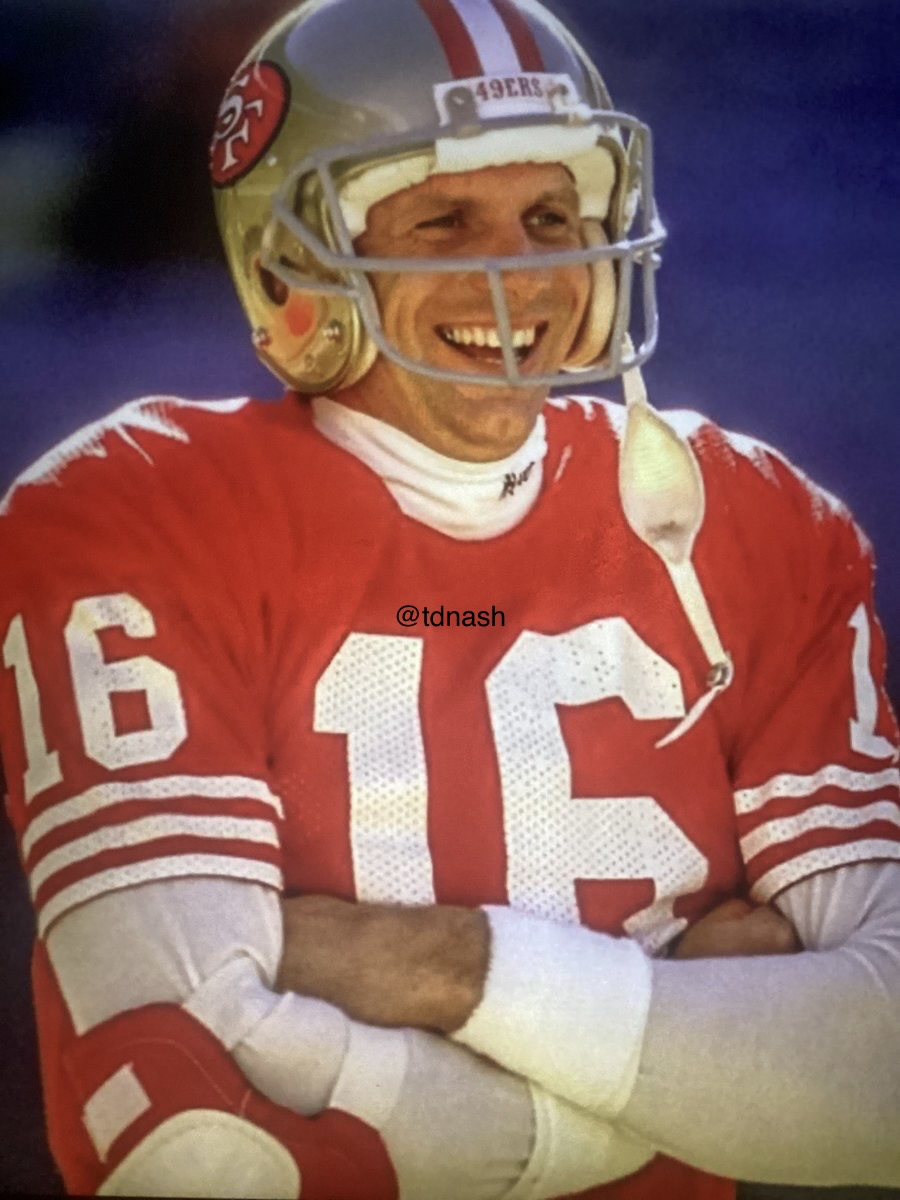
Name a player who left your favorite team that you wish wouldn’t have?🧐
TD Nash tweet media
English
239
42
264
20.8K
Chad
Chad@braves2430·
Where is One place to go?
Chad tweet media
English
991
34
241
46.8K
Mily
Mily@DayDreamThis·
If the WNBA is serious about these, they review this and fine ZaZa b/c that's exactly what you don't want happening, or else players will start to do it. So fine her. Like this week fine her. Show you mean business and stand on business w/ these types of flops.
Shabazz 💫@ShowCaseShabazz

💀💀💀

English
93
59
922
78.5K
OldTimeHardball
OldTimeHardball@OleTimeHardball·
You can select 2 of the following for enshrinement in the Hall of Fame. Who gets the call? 1. Pete Rose 2. Shoeless Joe Jackson 3. Barry Bonds 4. Roger Clemens 5. Alex Rodriguez 6. Lou Whitaker 7. Mark McGwire 8. Curt Schilling 9. Luis Tiant 10. Write in a player
OldTimeHardball tweet media
English
2.5K
64
585
121K
Vinny’s Corner
Vinny’s Corner@VinnysCorner1·
Name a former Wide Receiver that only true fans of your favorite NFL team will remember.
English
1.4K
18
215
179.9K
Rikkidon'tlosethat#
Rikkidon'tlosethat#@showbizkid12·
@randolphkwatson @CClarkReport Lowest ticket price, at this moment, 18 bucks. Hotel reservations are being cancelled. Flight reservations cancelled. It's over. Not because of Steph, the FO, or the league; because Clark wanted every bit of this crap the fans are running from just as much as they did
English
5
0
0
151
Clark Report
Clark Report@CClarkReport·
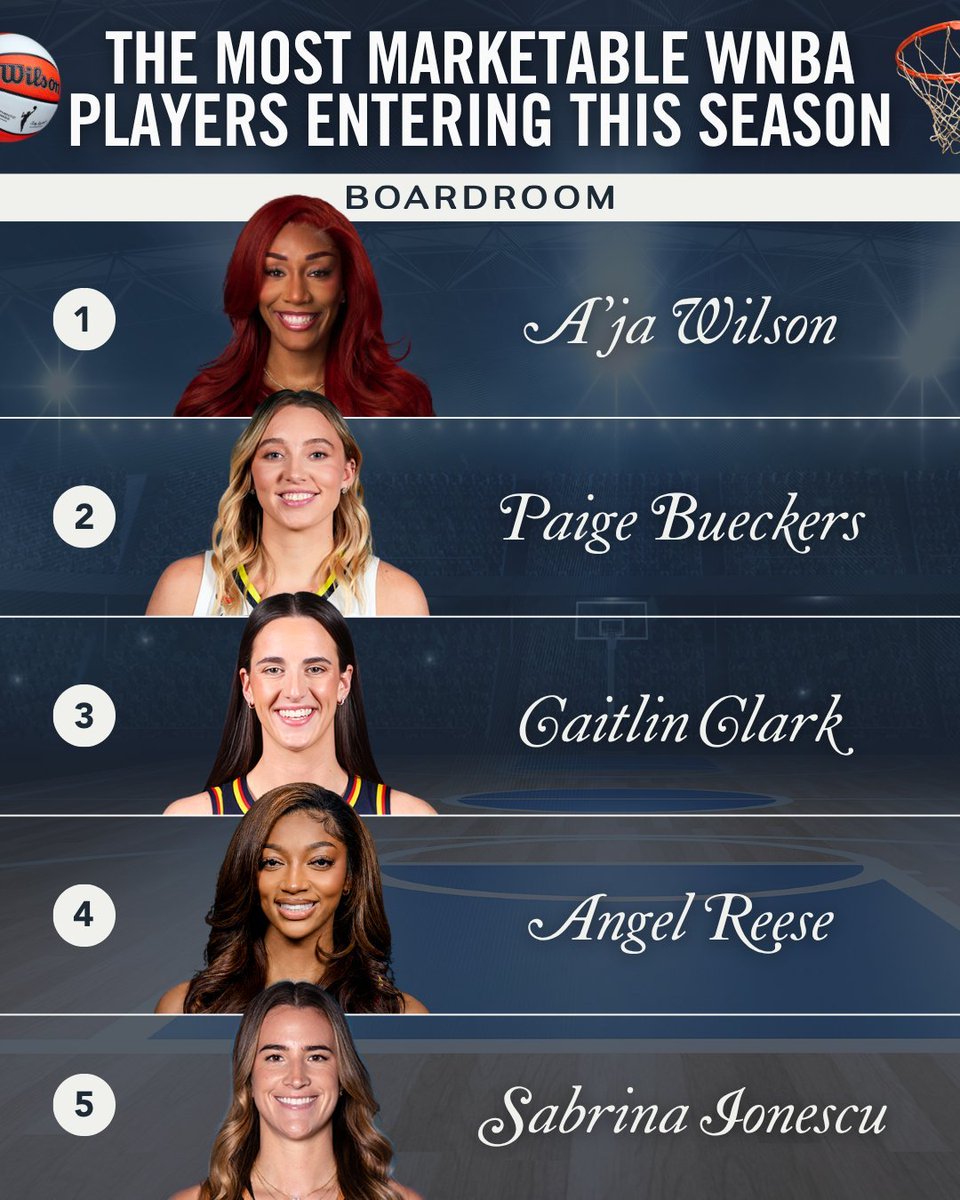
Boardroom ranked Caitlin Clark as the 3rd most marketable player in the WNBA 🤔 Clark has consistently been the league leader in driving merch sales, ticket sales, and viewership thru both her first 2 years in the league
Clark Report tweet media
English
596
84
1.7K
357.7K