Murillo Dias

939 posts

Murillo Dias banner
Murillo Dias

Murillo Dias

@murillo_contato

Film Photographer | Documentary Filmmaker | Beginning NFT Artist | @obscuratwt

Salvador, Brasil Katılım Ocak 2015
1.6K Takip Edilen302 Takipçiler
HugoFaz.6259
HugoFaz.6259@HugoFaz·
Little update: Dad is out of the hospital! 🙏 He and mom are getting better by the day. The worst thing was I couldn’t be there for them because I was (and still am) struggling with Dengue. Thank you all so much for the incredible amount of love sent our way!! ♥️♥️♥️
HugoFaz.6259@HugoFaz

Please send good vibes my way and @ElaineDeLucaD’s. Dad, with advanced Alzheimer’s, is in intensive care with H1N1 and double pneumonia. Mom also has H1N1 and is watching over him by herself. I would drop everything to go back to them but my blood test just came back + Dengue.
English
28
0
53
5.7K
HugoFaz.6259
HugoFaz.6259@HugoFaz·
Please send good vibes my way and @ElaineDeLucaD’s. Dad, with advanced Alzheimer’s, is in intensive care with H1N1 and double pneumonia. Mom also has H1N1 and is watching over him by herself. I would drop everything to go back to them but my blood test just came back + Dengue.
English
57
4
66
6.2K
Murillo Dias retweetledi
HugoFaz.6259
HugoFaz.6259@HugoFaz·
Coming clean: I made “Human-Intelligence Generated OM” for @punk6529’s The Memes SZN1 card #30 using a Sora alpha build from @OpenAI 15 months ago.
English
9
4
45
3.3K
Murillo Dias retweetledi
alejandro cartagena
alejandro cartagena@halecar2·
I've been writing a short text for a magazine about the transition from a Photographic Era into a Text to Image era. Here is a small part of the text: On average, according to several sources, 1.5 trillion photos are taken worldwide every year, which equals approximately 57,000 per second, or 5.0 billion per day. The average person takes 20 photos daily. 750 billion images are on the internet, which is roughly 6% of the total photos that were ever taken since most of the photos we take are never shared. No human could ever see, understand, or reflect on these trillions of images. But a machine might. Digital photography grew up next to the internet, and we might now consume more photographs from strangers than ever before. News has left the print form to become digital. The old family albums are now traded in for Facebook albums or an Instagram feed. We freely feed the digital beast of the internet with captioned images about who we are, what we do, and what we like. For years now, hungry algorithms have been devouring our captioned images and have learned to understand us. First, these machines made us happy because we could see our friends on our feeds. Later, they grew to feed us what we should think and why. In the middle of it all is the photograph. The now ubiquitous medium that we see as the usual and easiest way to represent the world around us. Then, in 2015, a 19-year-old computer science student named Elman Mansimov developed a technology that could create images from texts. An algorithm trained on thousands of images could now create new, never-before-seen images with natural language. A breakthrough that even Elman might not have foreseen the impact it would have on our lives today. But why? Why did we get to this? My proposition is that as a collective culture, we understood that we could a) find patterns of how we have seen and captured the world in images, b) try to make use of so much visual garbage we ́ve produced (especially the trillions and trillions of photographs in existence) and c) humans tend to thrive by understanding patterns. We ́ve done this for survival reasons, to create cognitive efficiency, to learn, adapt, and innovate, to understand ourselves socially, and mostly because we want meaning and order in our lives, and pattern recognition offers this to us... 🖼️ @elmanmansimov: "A stop sign is flying in blue skies" collected by @delronde
alejandro cartagena tweet media
English
7
12
92
3.7K
Murillo Dias retweetledi
Obscura
Obscura@obscuradao·
⚡️Introducing the Obscura Permanent Collection📸 In our drive to highlight photography and foster artists, we’ll invest a total of 2 ETH per month to curate and collect art from our community. The art will be featured in the Obscura Museum we're building. Every two weeks we’ll celebrate Photo Friday, announcing the works we acquire and inviting the selected artists on stage. 📅Mark your calendars for our first open call tomorrow! Shoutout to our founder @tonyherrera for making this possible.❤️ VOTE How do you want Obscura to spend this Friday’s 1 ETH? 🔁RT and comment why!
English
152
81
295
24.2K
Murillo Dias retweetledi
linus
linus@linusnhiscamera·
the double edged sword of sharing your artwork online for years in the hopes of getting hired based on your unique style and hard work and then seeing a brand or another creator do something similar for a huge brand or campaign and knowing that your work was the whole pitch deck
English
12
29
488
37.6K
Murillo Dias retweetledi
Berto ⚡️
Berto ⚡️@bertosfilmbag·
Film Fact of the Day: I was looking into this now discontinued film stock Kodak Plus-X pan and discovered that the famous portrait of Che Guevara happens to have been shot on this exact stock in 35mm on a Leica M2 by photographer Alberto Korda in March of 1960.
Berto ⚡️ tweet mediaBerto ⚡️ tweet mediaBerto ⚡️ tweet mediaBerto ⚡️ tweet media
English
3
16
171
8.2K
Murillo Dias retweetledi
linus
linus@linusnhiscamera·
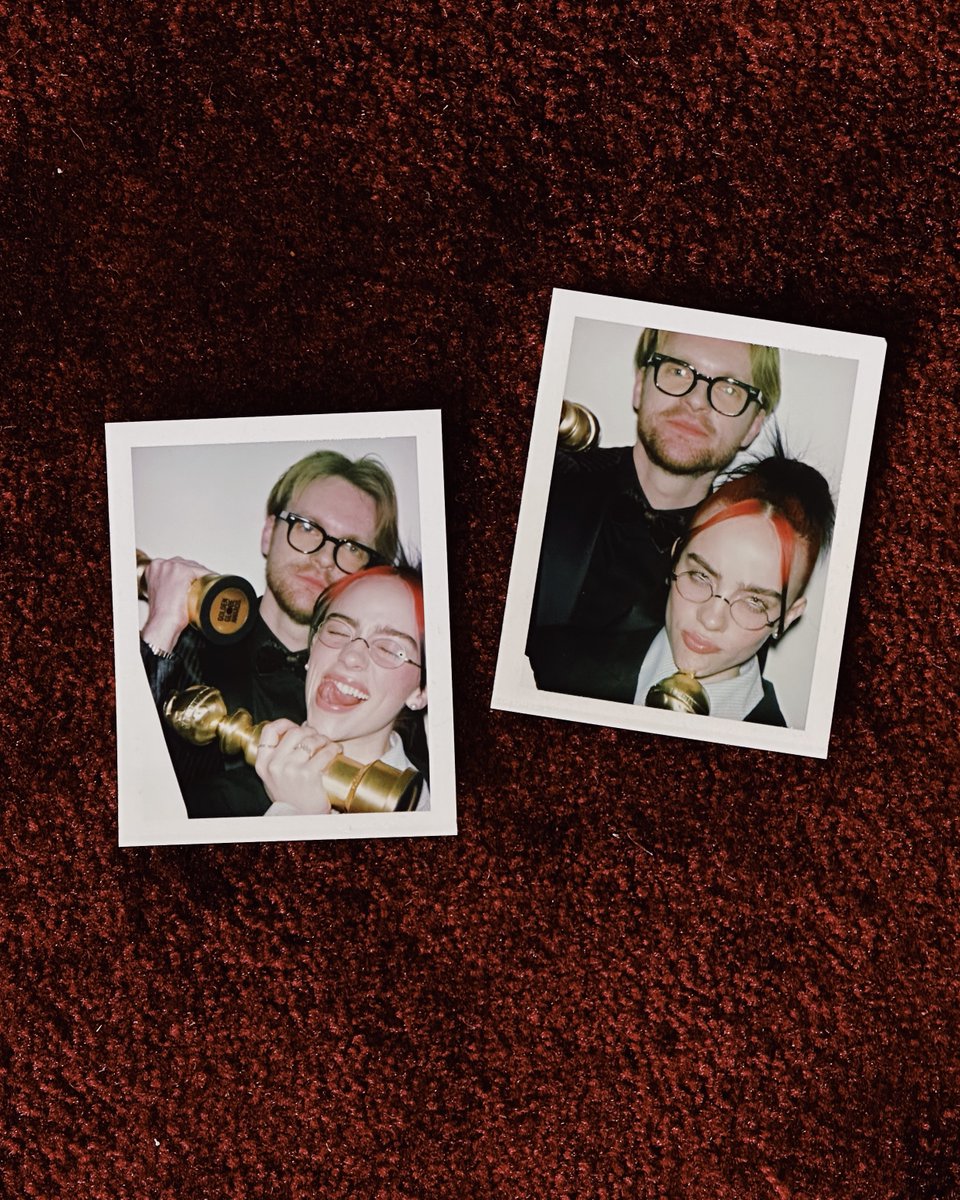
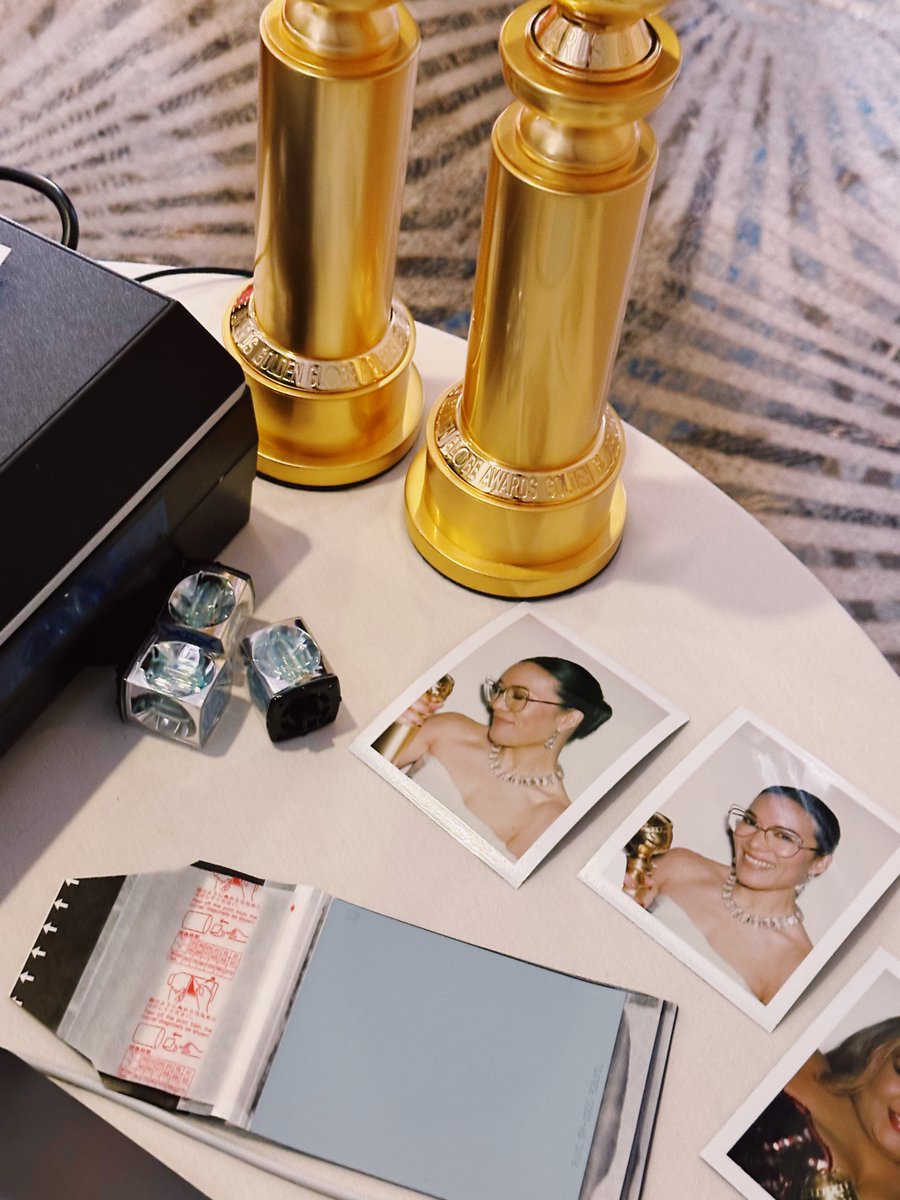
scanned polaroids at the golden globes last night for @NYMag / @vulture! 10 minutes after they were shot, they'd be fully dry and ready to scan. i sat a foot (like, one foot fr) from where the photographs were being taken by legendary photographer lucas michael. so grateful 🎞️🏆
linus tweet medialinus tweet medialinus tweet medialinus tweet media
English
72
218
2.7K
156K
Murillo Dias retweetledi
UnknownCollector
UnknownCollector@UnknownCo123·
Most artists here are just so incredibly early in their careers that it’s almost criminal to tell them to stay within one style. Being an artists is a lifelong journey. To stop experimenting already at the beginning is cutting off the flower before bloom. If an artist feels one style is serving their vision and they need to explore it to the maximum, than that’s awesome. If an artists feels stuck in one style and it can’t serve their vision anymore and they move on, than that’s awesome. Let’s bury the blueprints and leave art room to breathe and flourish in this space.
English
112
120
609
23.7K
Murillo Dias retweetledi
Obscura
Obscura@obscuradao·
gm 🥂 2023 was a challenging year but also full of amazing partnerships, exhibitions & new experiments for Obscura. Thank you all for being a part of our journey this year, we wish you all a Happy New Year! Mint a free commemorative "Toad Worship" artwork on @ourZORA 💫⤵️
Obscura tweet media
English
10
4
30
687
Murillo Dias retweetledi
alejandro cartagena
alejandro cartagena@halecar2·
Adding to this idea of DIFFICULT IMAGES, when you create art for you, you should strive to push questions into the process that expand your ideas of beauty, art and culture. It’s not about building a bubble, making pretty pictures and checking the box that you did it for yourself, but do art that questions who you are as a human being. If not, even if you do it for yourself, it is just being complacent which in turn will get the same kind of people looking and the same kind of reactions you had.
Fellowship@fellowshiptrust

A Plea for Difficult Images (A small rant about what I think art is today) Written by our co-founder @halecar2 - Why does the contemporary art world embrace the ugly, the everyday, the absurd, the nonsensical, and the visually and conceptually challenging? Why is that? You know this is the case because, 5 out 10 times, you come out of a contemporary art museum asking: What just happened!? What the f*** is this? Why is this art? Well, it is a long story, but let's start with something basic, like, pretty, beautiful images have been done ad infinitum up until the 20th century. Every pretty sunset, cityscape, landscape, still life, and portrait has been done before to perfection. You just need to open up a history of art book, and you will find hundreds of examples of pretty images. The challenge for artists after the invention of the photographic camera, which rendered things so perfectly, was to see other things. The challenge for artists today is to see the world differently: ugly, weird, absurd, unrecognizable. The artist's mission suddenly became to ask questions and to think and represent differently: art is the place where we can have no certainty; where it is ok to make no sense and just present questions. Beautiful things still get made. Cute is still a thing in 21st-century art, But for completely different reasons. Beauty is not done for beauty's sake, but to challenge why we would, after thousands of years, still want to see beautiful images. Abstract art was once a f*** you to the establishment. But since the world tamed it, abstract art has become decorative at best. The last moment or revival of this form was called "Zombie Formalism" for its complacent visuals with "modernist and expressionistic styles,” which worked perfectly to please collectors interested in flipping works of art they did not understand from emerging artists who essentially crafted hundreds of generic images indistinguishable from one another. Contemporary art has moved into a space where artists tend to challenge art and beauty. They've become philosophers of the image, and in doing so, they have left many viewers perplexed as to what exactly it is that they are witnessing or supposed to connect with. It seems that art today asks viewers and collectors to go on the same trip that the artist has gone through: understand thousands of years of art, read all the books that questioned why that was all made, and experiment with them in what can be considered art today. For those curious about art and collecting, they usually come to art with a blank slate and arrive at pretty pictures and, as many viewers for thousands of years, enjoy what they are looking at. The creators of those pretty pictures call themselves artists, and so it seems the system works. But when those pretty pictures escape the niche they are produced in and try to mingle with the contemporary art world, rarely do they become accepted, because, the museums, the informed collectors, and the contemporary art market ask the question of why pretty pictures again? Why today? How is this advancing our understanding of art? How is this commenting on all we know about art? What are these poster-looking, perfectly designed illustrations proposing to the art world that we have not considered before? And so those questions need to be answered for pretty images to be seen as art. Pretty is not only an aesthetic concept, but it is also about the intentions and the way the artist is capable of expressing his artistic intent. You can have “pretty intentions,” and that, too will be challenged. Simple themes, simple concepts without historical and conceptual rigor, are torn down and debunked because why do we need pretty artistic intentions anymore? Why do we need to see images based on explorations of color or form, self-portraits as an exploration of self, the line between reality and fiction, and the list goes on... These ideas have already been explored to the depths of their possibilities and those explorations became a movement in the past. To go down that path again is a matter of practicing or studying to be an artist, but the contemporary art world rarely could see this as a proposal to move forward in the world of art. So, you see, a plea for difficult images is a plea to be committed, respectful, thoughtful, and innovative. We cannot move forward, as in all practices that thrive on “the new,” without committing to understanding and challenging what came before. Science asks this of us, technology asks this, literature asks this, and cinema, too. We need pretty images, but they should only be a path to something way more profound. To do and understand art takes time, vulnerability, and a willingness to change… not everyone is willing to take that path. - (All animals by @Visu_AI_Poetry)

English
7
11
48
4.5K
Murillo Dias retweetledi
Obscura
Obscura@obscuradao·
Community Spotlight November #2 Open Call ✨ Obscurians, it's that time again! Share your ART in this tweet, and we'll pick artists to shine in our next COMMUNITY SPOTLIGHT round 🧡 Guidelines: 1) Tag your creative frens & follow our curators 🤝 @gillpedroso @taiimazz @WimVanCappellen 2) Like and Retweet 🔄 3) Post from 1 to 4 works (minted or not). A few words about you and your art or series is a plus! 🎨💫
English
276
202
412
25.6K
Murillo Dias retweetledi
Obscura
Obscura@obscuradao·
🌟 Community Spotlight November is now open! 🌟 Hey Obscurians, it's that time again! Share your ART in this tweet, and we'll pick artists to shine in our next COMMUNITY SPOTLIGHT, to be released next week 🧡 Guidelines: 1) Tag 3 of your creative frens & follow our fantastic curators 🤝 @gillpedroso @taiimazz @WimVanCappellen 2) Like and Retweet 3) Post from 1 to 4 works (minted or not). A few words about you and your art is a plus! 🎨✨
English
343
240
456
41.3K
Murillo Dias retweetledi
Fellowship
Fellowship@fellowshiptrust·
Even after 200 years of photography’s invention, we still don’t fully understand it as an art form. In these weekly posts, we bring iconic images from the Photographic Era and try to understand why they are such important objects. ↓ Today, let's look into'Guerrillero Heroico' by Alberto Korda Alberto Korda's iconic photograph, known as 'Guerrillero Heroico,' is an enduring symbol of the revolutionary spirit and a testament to the power of a single image to shape history and popular culture. This photograph, captured on March 5, 1960, has become one of the world's most famous and recognized images, despite its modest beginnings. 👁‍🗨 The Moment of Capture: On that fateful day, Korda was in downtown Havana, where a funeral march was held to commemorate the sailors and stevedores who lost their lives in the explosion of the French vessel La Coubre, which was carrying a cargo of grenades and munitions. Amidst the crowd, Korda positioned himself with his Leica M2 camera fitted with a 90mm lens. As he panned the podium, the charismatic figure of Ernesto "Che" Guevara moved into his frame, and Korda seized the moment. He took two shots, one horizontally and another vertically, with the latter becoming the iconic image we know today. 👁‍🗨Che's Stoic Expression: Korda's photograph captures a defining moment in Che Guevara's life. The image portrays Che's characteristic stoicism and "absolute implacability." His resolute and unwavering gaze into the future, framed against the backdrop of revolutionary fervor, makes this photograph a visual manifesto of his commitment to the cause. 👁‍🗨Obscurity to Prominence: Though the image was not immediately published, Korda preserved it in his private collection. It was not until 1967 when Giangiacomo Feltrinelli, an Italian publisher, sought a portrait of Che Guevara, that Korda's photograph emerged from obscurity. Korda provided Feltrinelli with copies of the print, which the publisher reproduced as promotional posters for Guevara's posthumous book. Global Icon and Symbol of Rebellion: Che Guevara's image, as captured by Korda, quickly became a symbol of rebellion and anti-imperialism. It transcended geographical boundaries, language barriers, and cultural divides, becoming an emblem of hope and defiance for those seeking change. Jim Fitzpatrick's stylized rendering further propelled the image's popularity. 👁‍🗨 Korda's Legacy: Alberto Korda never sought financial gain from the photograph's widespread use. For him, the image was a testament to his work and a contribution to humanity. In his own words, "I had the luck to take this photo and leave something for humanity." His legacy lives on through this powerful photograph that inspires and resonates with people worldwide. Korda's iconic photograph of Che Guevara, 'Guerrillero Heroico,' is not just a snapshot but a symbol of a revolutionary era. Its journey from obscurity to global recognition demonstrates the enduring impact of a single image in shaping history and leaving an indelible mark on the collective consciousness of generations. 💡
Fellowship tweet media
English
3
4
27
1.8K