
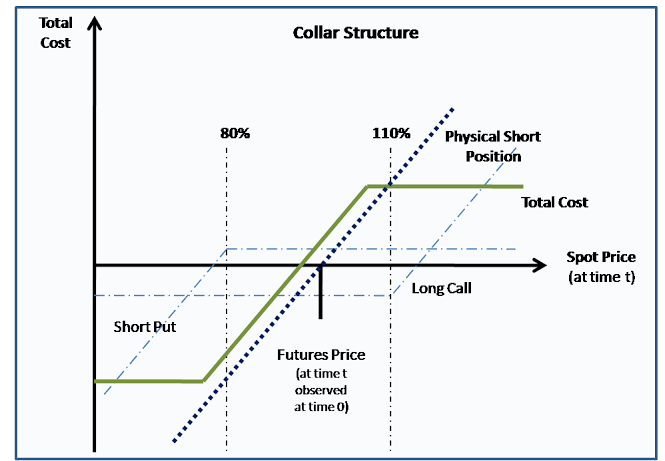
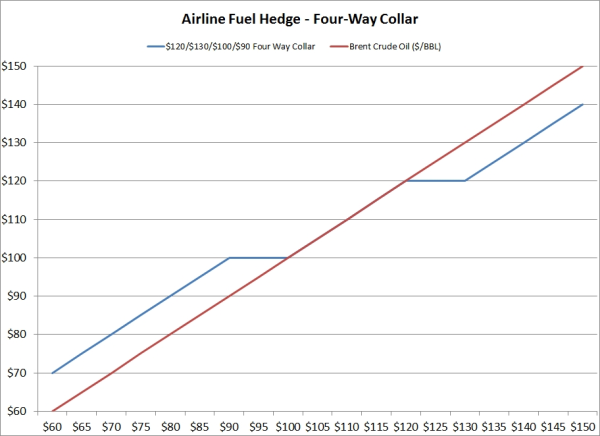
@SilverKayondo @UG_Airlines Contango and Backwardation have entered the chat!
English
Ken Mwebembezi
9.2K posts
@mwebken
Advocate | Construction Law | Civil + Commercial Litigation & Dispute Resolution | Claims | PPPs | Infrastructure Finance

A Ugandan will happily pay UGX 400K+ to a lodge for a night in Zanzibar and feel it’s worth it. Back home, the same price for a lodge near Bwindi or Murchison Park feels very expensive. With these crazy taxes, how do you expect the lodge owners to survive?


The Renaissance of East Africa: Dams, Drama, and Downstream Panic. ======••••• Ethiopia has done it. The Grand Ethiopian Renaissance Dam (GERD) is now a reality: 170 metres high, holding 74 billion cubic metres of water, and generating more than 5,000 megawatts of power. For Ethiopia, it is not just concrete, it is a switch to industry. Overnight, the country has doubled its electricity capacity, powering homes, factories, and ambition. Downstream, Egypt and Sudan behave as if the Nile will vanish before reaching Aswan. But water follows the laws of nature. What you drink, you must release. What you irrigate must drain. Matter is never created or destroyed. And whatever Ethiopia stores at GERD still makes its way to Egypt’s Lake Nasser. The real quarrel is not about water. It is about power. By turning turbines first, Ethiopia uses the water to produce energy before sending it downstream. That simple act changes the game. For years, Uganda and her neighbors imported Egyptian goods: cereals, iron and steel, medicines, citrus fruits and nuts, perfumes and cosmetics, insecticides, ceramics, even medical equipment. Why? Because East Africa had no reliable electricity to build its own industries. Factories cannot survive without power. But once Ethiopia, Uganda, Kenya, and Tanzania get abundant electricity, the story changes. We smelt our own iron. We process our own cereals. We manufacture our own chemicals and ceramics. In short, we stop being Egypt’s dependent marketplace. And that is the real fear in Cairo and Khartoum. With Lake Nasser as their safety net, they know water will keep flowing. After all, most of the Nile’s waters come from the Indian Ocean. The upstream countries do not create the Nile. It is the monsoon winds that lift moisture from the surface of the Indian Ocean and pour it over East Africa. That rain is what gathers into rivers, flows through the Nile, and eventually reaches Egypt. The Egyptians know this very well. What they fear is an East Africa that lights up, builds factories, and competes in the industries Egypt once controlled. So, the Nile is not disappearing. It is simply being asked to work twice: once for East Africa’s turbines and again for Egypt’s fields. And this time, upstream Africa is refusing to remain in the shadows of dependency. The Renaissance Dam is not only for Ethiopia. It is a wall of liberation for East Africa. Every megawatt it produces is one more step away from dependency and one more beat in the drum of a true African renaissance.


I came to meet my ex-boyfriend who wanted to buy me a drink...I sat with him for 10 minutes into the game at Kyadondo. It was KOBs vs. heathens... I saw a man called Kalyango play and that was it. Let's just say there is a reason he is an ex now.. #KOBsForLife ~Annoymous





france's new high-speed trains were just revealed and... they look *incredible*




DJ Fresh wa Chris Brown passed this assignment with flying colours because what?…..😌😌😌😌 Christopher Maurice Brown Chris brown