Sabitlenmiş Tweet
Richard Stephenson
5.7K posts

Richard Stephenson
@nascom1
A passion for all things "Space"
Canberra, Australia Katılım Aralık 2010
157 Takip Edilen7K Takipçiler

@Bernard1963 DSS43 will be covering only VGR 1/2 command supports for the next week or so
English

@alpha_adhito We aim in between the two, both see a small loss. For Ka uplink/downlink supports we use an aberration table, which physically offsets the uplink pointing, so no lose.
English

@nascom1 Oh so enough to cover whole planet and beyond. And also one more question if you don't mind, do you "aim" the antenna forward or behind the object that you track due the planet/spacecraft movement and the signal took a couple minutes to arrive or is it negligible?
English

@alpha_adhito Mars tends to be X-Band so for a 34M BWG antenna the beamwidth is 66mdeg. For our 70m antenna its 32mdeg
English

@VU3BIZ I can't say that rain has a nominal attenuation, but light rain like drizzle can drop the symbol SNR by around 2db, heavy rain 10db.
English

@nascom1 What is the nominal rain attenuation in KaBand frequency?
English

@VU3BIZ There are 4 bit rates generally used, increasing as the elevation increases and also dropping with elevation to maintain the 2db margin. The highest is 333,333b/s
English

@nascom1 What's the turbo code rate, 1/6? And what is the modulation phase shift?
English

@xjamesmorris @NASAPersevere The round trip light time makes any real time ARQ impractical. Usually it's a repeat of the data on another support if it's science data. Engineering data is generally lost.
English

@nascom1 @NASAPersevere How do you handle data loss - is there some kind of ARQ protocol?
English

@VinzR87 @realstealthcow @NASAPersevere Nope, it normal operations for all current and previous rovers
English

@nascom1 @realstealthcow @NASAPersevere Interesting question and answer, so is it typically used for non nominal scenarios, demanding some kind of priority channel in the communication system? How often has it been used in the Perseverance or other rover and lander missions?
English

@realstealthcow @NASAPersevere The DTE is for real time low level engineering, they don't have to wait for an orbiting spacecraft to be overhead. All science data goes via our relay spacecraft.
English

@nascom1 @NASAPersevere quick q please, why the occasional change, if presumably the mars orbiter has a faster data rate to earth?
English
Richard Stephenson retweetledi

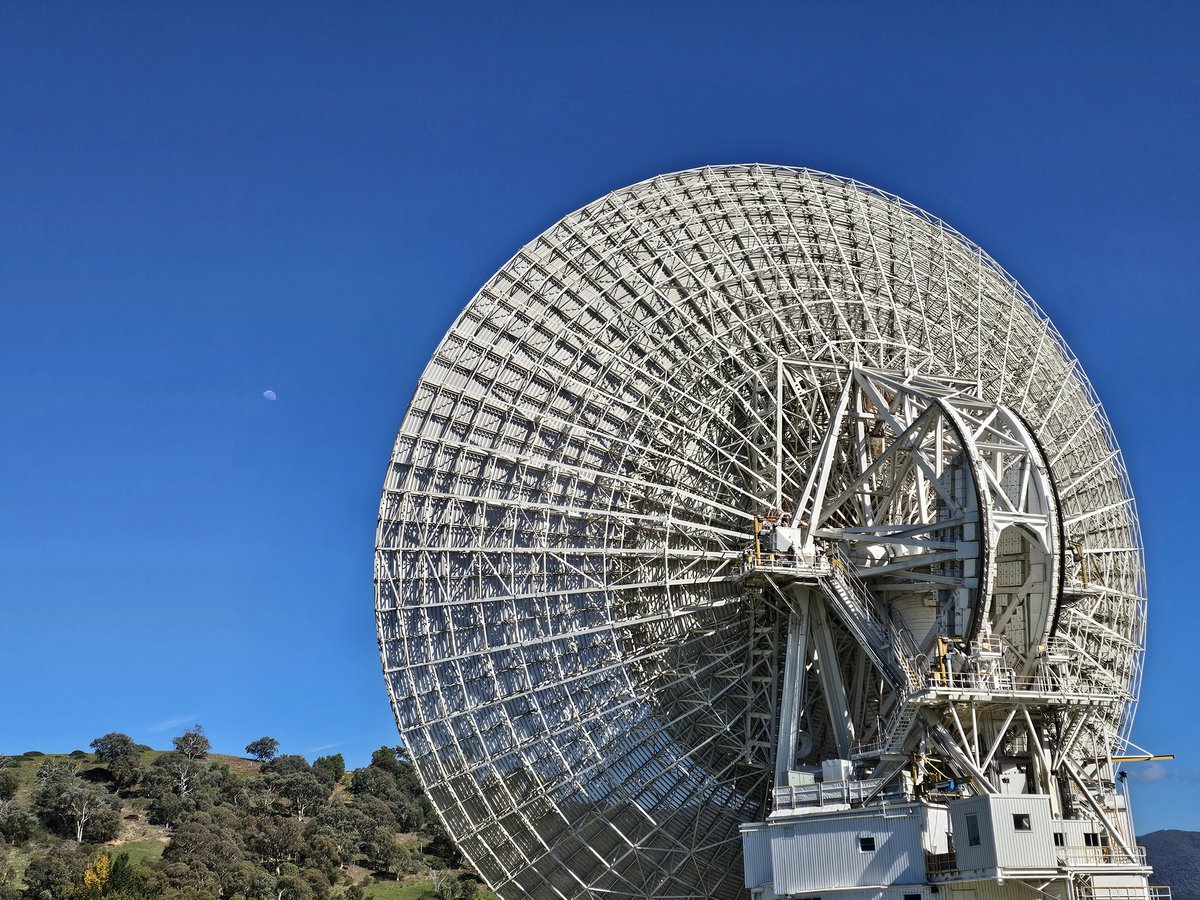
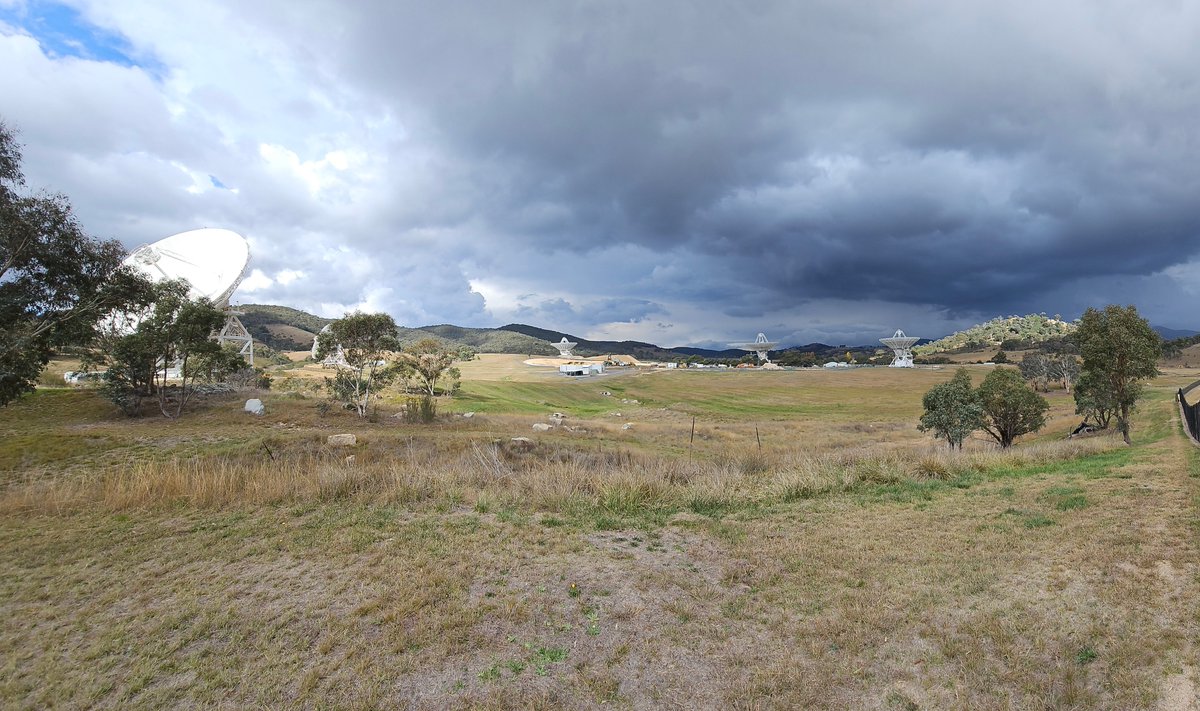
We’re celebrating two milestones for @CanberraDSN!
The complex, which operates four radio antennas for our Deep Space Network, recently marked its 60th anniversary. Now, preparations are underway for a fifth dish that will increase the network's capacity. go.nasa.gov/425X0sc

English

Now fully "awake" after its little nap its back to its normal configuration for the DSN. Identical telemetry transmitted on both Right and Left polarization and combined on earth to provide a 3db (doubling) gain. New Horizon is still the only spacecraft configured this way.
NASA New Horizons@NASANewHorizons
Just roused from hibernation, New Horizons starts six months of active operations that will include long-distance looks at Kuiper Belt objects and close-up data gathering on the dust and radiation environment in this remote part of our Sun’s heliosphere. science.nasa.gov/mission/new-ho…
English