

Unai Martínez
12.2K posts

Unai Martínez
@newuni
Ingeniero de Software | Cofundador en Ideable Solutions
Katılım Nisan 2008
666 Takip Edilen339 Takipçiler
Unai Martínez retweetledi

¡ÉPICO! Se confirma que la IA ha resuelto el primer problema matemático del benchmark FrontierMath: Open Problems, que se compone de problemas que aún no estaban resueltos tras intentos de la comunidad matemática.
El primero de muchos más por venir!
Epoch AI@EpochAIResearch
AI has solved one of the problems in FrontierMath: Open Problems, our benchmark of real research problems that mathematicians have tried and failed to solve. See thread for more.
Español
Unai Martínez retweetledi

Unai Martínez retweetledi

Hey #JavaOne, some of you said great things about #JavaEvolved, so here it goes again!
javaevolved.github.io
English
Unai Martínez retweetledi

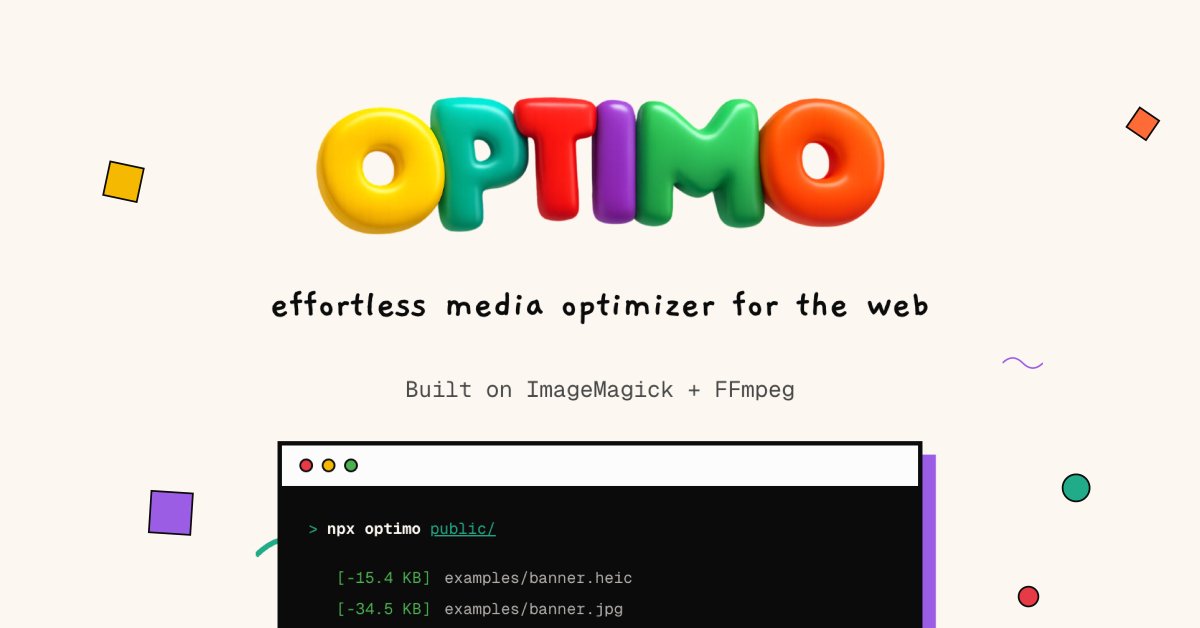
I'm glad to introduce `optimo` ✨
A simple CLI for optimizing media for the web
optimo.microlink.io
English
Unai Martínez retweetledi

Unai Martínez retweetledi

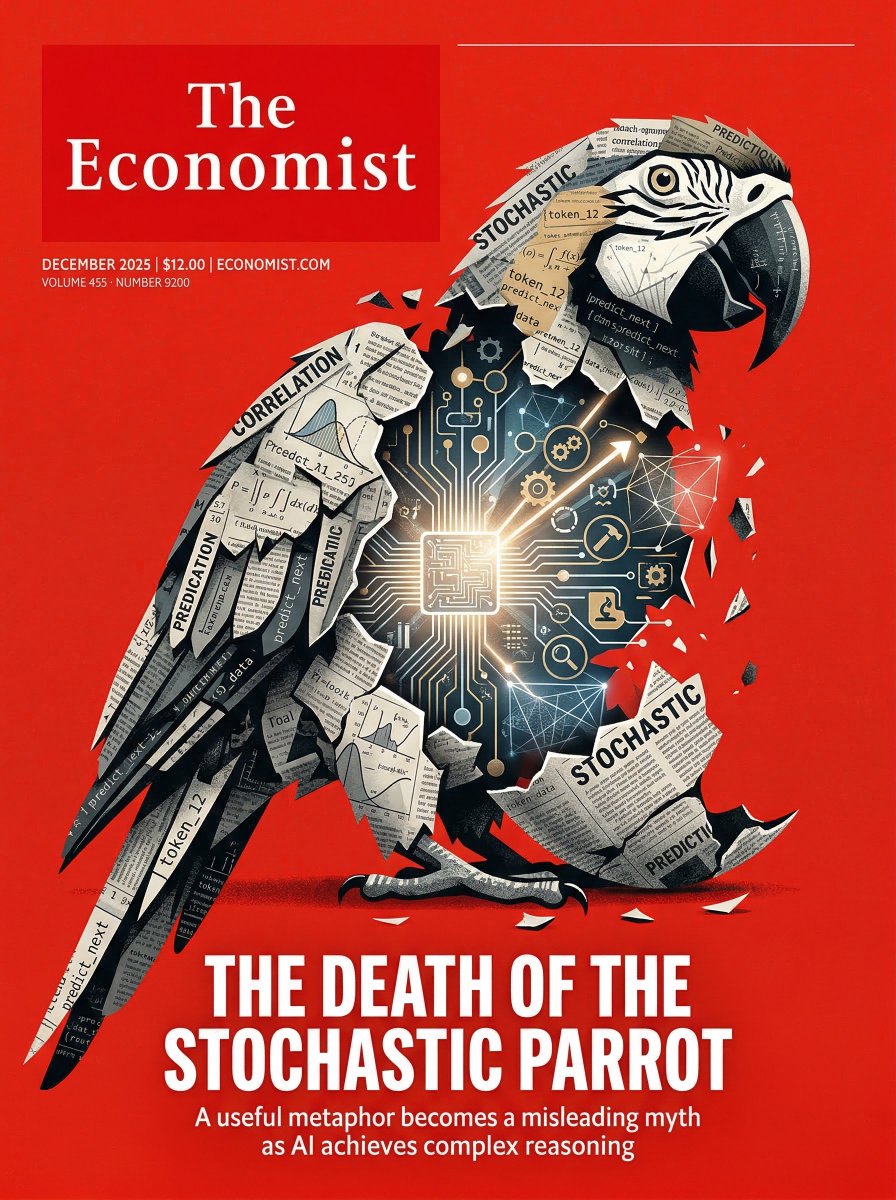
Sobre la forma de estar más equivocado con la inteligencia artificial que me encuentro a día de hoy:
es la de quién probó ChatGPT en 2023, comprobó cuánto se equivocada, entendió cual era el origen de su entrenamiento y se quedó con aquella foto.
Es una suerte de "desinformación culta" que impide entender todo lo que puede hacer ahora mismo. La metáfora del loro estocástico confunde el mecanismo de entrenamiento con la naturaleza del sistema resultante.
De hecho sospecho que el debate se va a mover rápidamente. De que la IA es demasiado tonta, no te puedes fiar y comete muchísimos errores a que el problema es, precisamente, que la IA es demasiado lista.
En Error500 hoy con la muerte del loro estocástico: error500.net/p/el-loro-esto…
Español
Unai Martínez retweetledi

Say hello to Gemini Embedding 2, our new SOTA multimodal model that lets your bring text, images, video, audio, and docs into the same embedding space! 👀

English
Unai Martínez retweetledi

Pequeña anécdota/reflexión sobre el futuro, cada vez más presente, de los ingenieros, programadores y demás personas que nos ganamos la vida tecleando :)
Esto me ocurrió la semana pasada y es lo que viene...
linkedin.com/pulse/lo-human…
Español
Unai Martínez retweetledi

recommended viewing.
Gergely Orosz@GergelyOrosz
9 interesting observations from my conversation with Mitchell Hashimoto (@mitchellh, creator of Ghostty, founder of HashiCorp): 1. Vagrant was created because dev environment setup was an unbillable time sink at a consultancy. At the Ruby on Rails shop where Mitchell worked, jumping onto another client’s project could waste half a day. This inspired building Vargant. 2. Terraform won, despite being 7th to market. Terraform won through relentless conference presence, community building, and a better developer experience — not timing. 3. HashiCorp had no real business for four years and their first commercial product was a full-on failure. The initial product, Atlas, required customers to adopt the entire HashiCorp stack. It was a hard sell. HashiCorp pivoted to selling individual services like Vault, and this approach proved to be a winner. 4. VMware almost bought HashiCorp for ~$100M, and Terraform would have not happened if it did. VMWare took took the offer to their board, where they rejected to buy with a single vote. Mitchell said that Terraform probably never would’ve existed if the VMWare purchase went through. 5. Mitchell’s new rule for building software: always have an agent running in the background doing something. He kicks off tasks before leaving the house — research, edge-case analysis, library comparisons — so work progresses while he drives or is away. 6. Open source is moving from “default trust” to “default deny” — and Mitchell thinks that’s how it should be. This is because AI makes it trivial to create plausible-looking but incorrect and low-quality contributions. As he put it: “open source has always been a system of trust. Before, we’ve had default trust. Now it’s just default deny.” 7. Git and GitHub may not survive the agentic era in their current form. Agents cause so much churn that merge queues become untenable, branches proliferate, and repos balloon. Mitchell compares the needed shift to Gmail’s revolution for email: “We’re at the Gmail moment for version control... never delete, archive everything.” 8. The best engineers Mitchell ever hired had boring, invisible backgrounds. No GitHub contributions, no public profiles, companies you’ve never heard of. “Every moment you spend on social media is taking away from something else... the best engineers are the ones that context-switch the least.” 9. Mitchell’s advice for AI-skeptical engineers: start by reproducing your research, not your code. As he puts it: “There’s a lot of people like, ‘I don’t want it to write code for me.’ But just delegate some of the research part.” He uses agents for library comparisons, edge-case analysis, and deep research — not just code generation. Mitchell: “You don’t need to pick up on the ‘it must replace you as a person’ kind of propaganda.” Watch the full episode here: youtu.be/WjckELpzLOU Other platforms and transcript: newsletter.pragmaticengineer.com/p/mitchell-has…
English
Unai Martínez retweetledi

Unai Martínez retweetledi

Introducing the Google Workspace CLI: github.com/googleworkspac… - built for humans and agents.
Google Drive, Gmail, Calendar, and every Workspace API. 40+ agent skills included.
English