Bernadette Keefe
218.9K posts

Bernadette Keefe
@nxtstop1
MD; Focus: Aging, Mobility, AgingTech, AgeTech, HealthyAging, AssistiveDevices, AssistiveTech


I’m seeing a lot of fear in the comments about “blowing out an Achilles” when it comes to jumping. That fear is understandable. Achilles injuries are real. No one wants one. But avoiding jumping altogether doesn’t make the Achilles safer. If it becomes weak enough, it'll give out on the stairs or while walking up a curb. The Achilles tendon was engineered to store and release elastic energy. That's it. That’s its job. Walking, running, hopping, jumping—these aren’t extreme behaviors. They’re human ones. If you want to avoid an achilles injury, you will: - train it - fix your metabolic health -fix your LDL level -fix your uric acid levels -sleep well - not drink and more... When a tendon is never exposed to elastic loading, it doesn’t become protected. It becomes weaker, stiffer, and less tolerant of force. When the tendon contains cholesterol and urate crystals, it becomes inflamed and weaker. Disuse increases injury risk. Yes, injuries can occur with exercise. That’s true of strength training, running, and even walking. Exercise is the risk you take to avoid the consequences of being still. And the consequences of being still are not subtle: – loss of tendon capacity – poorer balance and reaction time – weaker bones – higher fracture risk – injuries from simple, everyday movements This is especially important as we age. Avoiding impact and power training doesn’t protect people. It quietly makes them fragile. But wait... let’s be clear about what jumping doesn’t mean. It does not mean random, high-volume plyometrics. It does not mean fatigued, sloppy reps. It does not mean everyone is doing the same thing. What it does mean is progressive exposure: – small jumps – controlled landings – appropriate surfaces – adequate recovery – supervision and coaching when needed The research on structured jumping and impact programs—especially in older adults and postmenopausal women—shows extremely low injury rates when these movements are taught and progressed properly. Fear-based advice sounds cautious, but it has consequences. Telling people to avoid jumping “to be safe” often sets them up for something far worse: tissues that are never trained to handle real-world forces. That’s how injuries happen from a curb, a misstep, or a slip. The goal is not zero risk. The goal is resilience. We don’t make people safer by telling them to stop moving. We make them safer by teaching them how to move well, at the right dose, at the right time. Fear makes people fragile. Thoughtful training makes them durable. There's a HUGE difference.


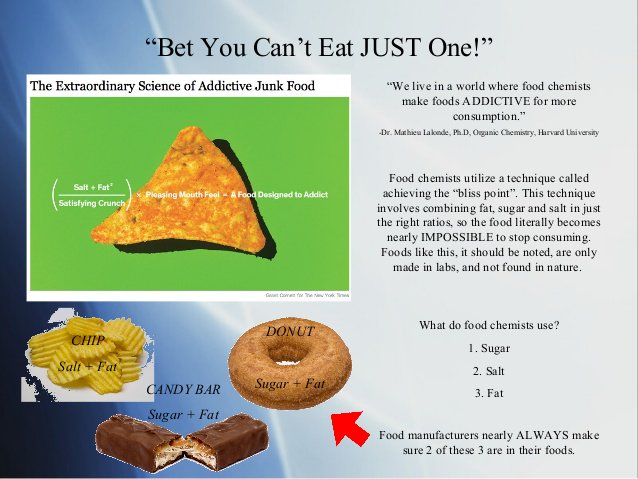
The US has unveiled an updated food pyramid, and it’s a clear shift toward simpler, more whole-food eating 👏 The new guidelines encourage more protein, fewer added sugars, and less reliance on ultraprocessed foods, while embracing healthy fats and nutrient-dense meals. Officials say the streamlined approach is designed to help prevent chronic disease and make healthy choices easier to understand. At its core, the message is refreshingly straightforward: eat real food, and let food be part of the solution. The old food pyramid was never about keeping you healthy. It was about making corporations money. Click to read all about its controversial history 🥦🥣🍞 bit.ly/4732Eei

Countries like Denmark and Japan were cited as benchmarks. They vaccinate far less and their children are not worse off. So ask yourself: Have American children been more at risk?