
B Nyhodo
3K posts


HORTGRO, appoints Jacques du Preez as its new CEO, effective 1 Aug 2026. Du Preez succeeds Anton Rabe (Hortgro Executive Director), who is retiring after a distinguished career.hortgro.co.za/news/hortgro-a…
English
B Nyhodo retweetledi

We don’t give enough praise to the seed industry and breeders.
Our food system stands on the shoulders of their work.
English
B Nyhodo retweetledi

While conducting #TshwaneYaTima in Atteridgeville, I met Thato - who runs Lacquer Nail and Beauty Clinic. Her municipal accounts are up to date. What was most interesting about Thato’s work, is that twice a week she hosts elderly women for beauty treatments.
If you are interested in supporting a small business, please visit Thato’s salon. We want to see all businesses to grow in Tshwane.
Thato’s work can be followed via TikTok, Instagram and Facebook on: lacquer_nbc
@CityTshwane
English


@WandileSihlobo True - these giants have wisdom and the sectors in thriving at the back of policies that shaped the regulations we implement to this day.
English
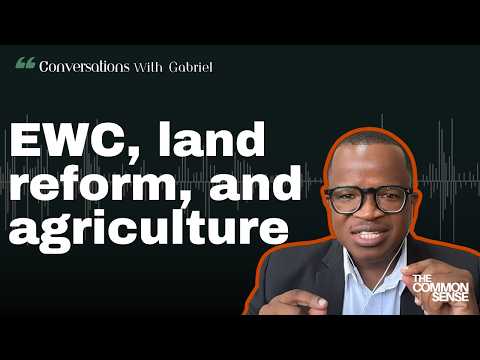
We stand on the shoulders of giants. One of the people that we continue to learn from is Professor Johann Kirsten, one of South Africa’s most eminent agricultural economists.
At NAMPO this year, I got to sit down with Professor Kirsten to discuss current policy conditions in South Africa’s agriculture and land reform.
You can watch our brief conversation on the link below.
youtube.com/watch?v=5LbqLo…

YouTube
English
@WandileSihlobo Yhooo, we used to go to the dipping tank on Tuesdays.....
English
We must reintroduce the dipping system for cattle in rural South Africa.
English
B Nyhodo retweetledi
Southern African citrus moved through four major ports in 2025🍊🚢
Durban led the way as the largest loading port, followed by Cape Town, Ngqura and Gqeberha. Together, these ports are the backbone of one of the world's most significant citrus export operations 🌍 #CitrusExports

English
B Nyhodo retweetledi
Excellent. The SA wine industry is key to our inclusive agriculture growth agenda. 🇿🇦🍷
National Agricultural Marketing Council@NAMCsoeZA
The National Agricultural Marketing Council (NAMC) met with @SAWine on Tuesday, 19 May 2026, to discuss updates on the implementation of the wine production scheme and key strategic industry funding pools. #MarketAccess #SAWine #NAMC
English
B Nyhodo retweetledi

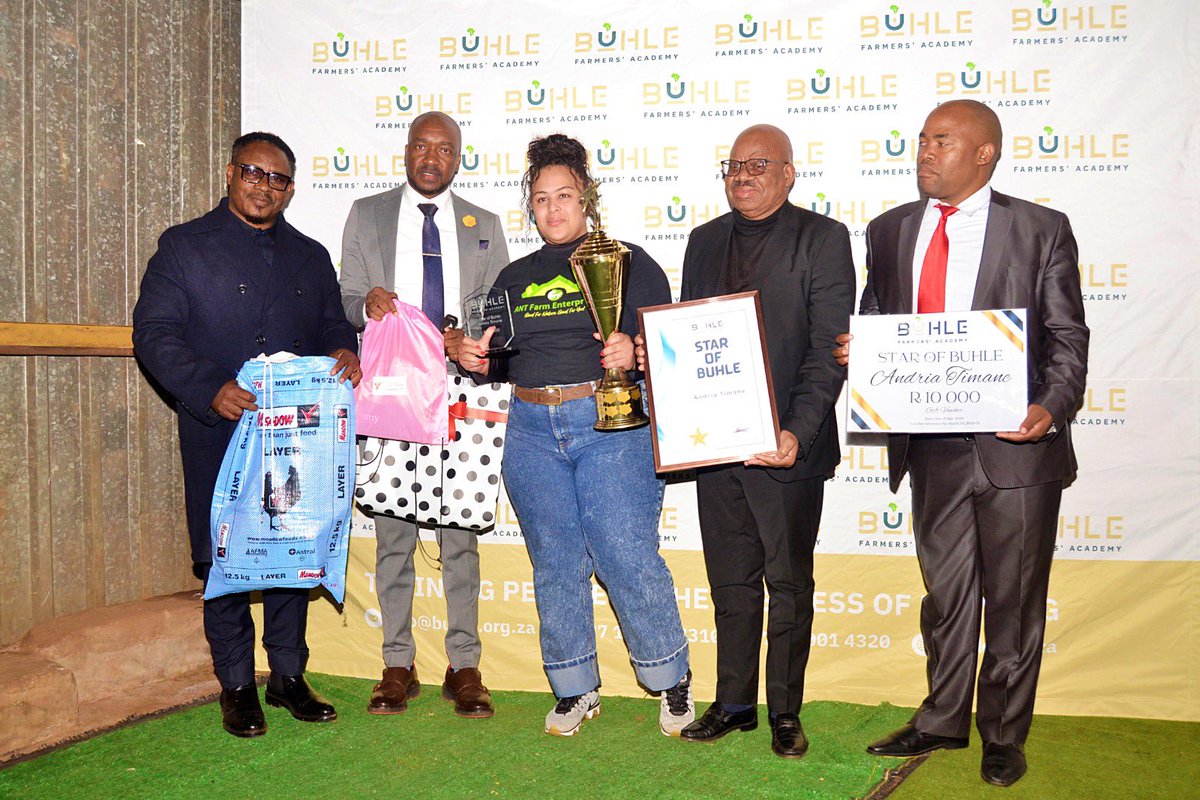
NAMC attended the graduation of 70 students at Buhle Farmers’ Academy in Delmas today. Graduates specialised in grain, livestock, poultry & vegetable production. Keynote by Mr. Bonani Nyhodo focused on youth shaping the future of agriculture.
#NAMC #YouthInAg
English
B Nyhodo retweetledi

🇿🇦 More than 82 000 South Africans have already committed to buying locally produced sugar – and every pledge helps strengthen our farming communities. ❤️
Each signature stands up for:
🌾 Local sugarcane growers
👩🌾 Jobs in rural communities
🏠 A stronger future for South Africa’s sugar industry
Let’s keep the momentum going and turn 82 000 supporters into 100 000 voices backing local sugar. 💪
Click the link to take the pledge: linkly.link/1wnP9
✅ 𝐎𝐧𝐥𝐲 𝐛𝐮𝐲 𝐬𝐮𝐠𝐚𝐫 𝐭𝐡𝐚𝐭 𝐬𝐚𝐲𝐬: “produced in/ product of SA”, “Origin: SA” or carries the Proudly SA logo.
❌ 𝐀𝐯𝐨𝐢𝐝 𝐬𝐮𝐠𝐚𝐫 𝐭𝐡𝐚𝐭 𝐬𝐚𝐲𝐬: “packed in SA”, “produced in/ product of another country” or has multiple countries of origin.
#SACanegrowers #SaveOurSugar #HomeSweetHome #BuyLocalSugar #LocalIsLekker #FarmingSA #AgricultureSA

English
English

365 days without load shedding ⚡🇿🇦
Powering progress and building a brighter future for all. #EnergyZA #GovZAUpdates @DOEE_ZA

English
B Nyhodo retweetledi
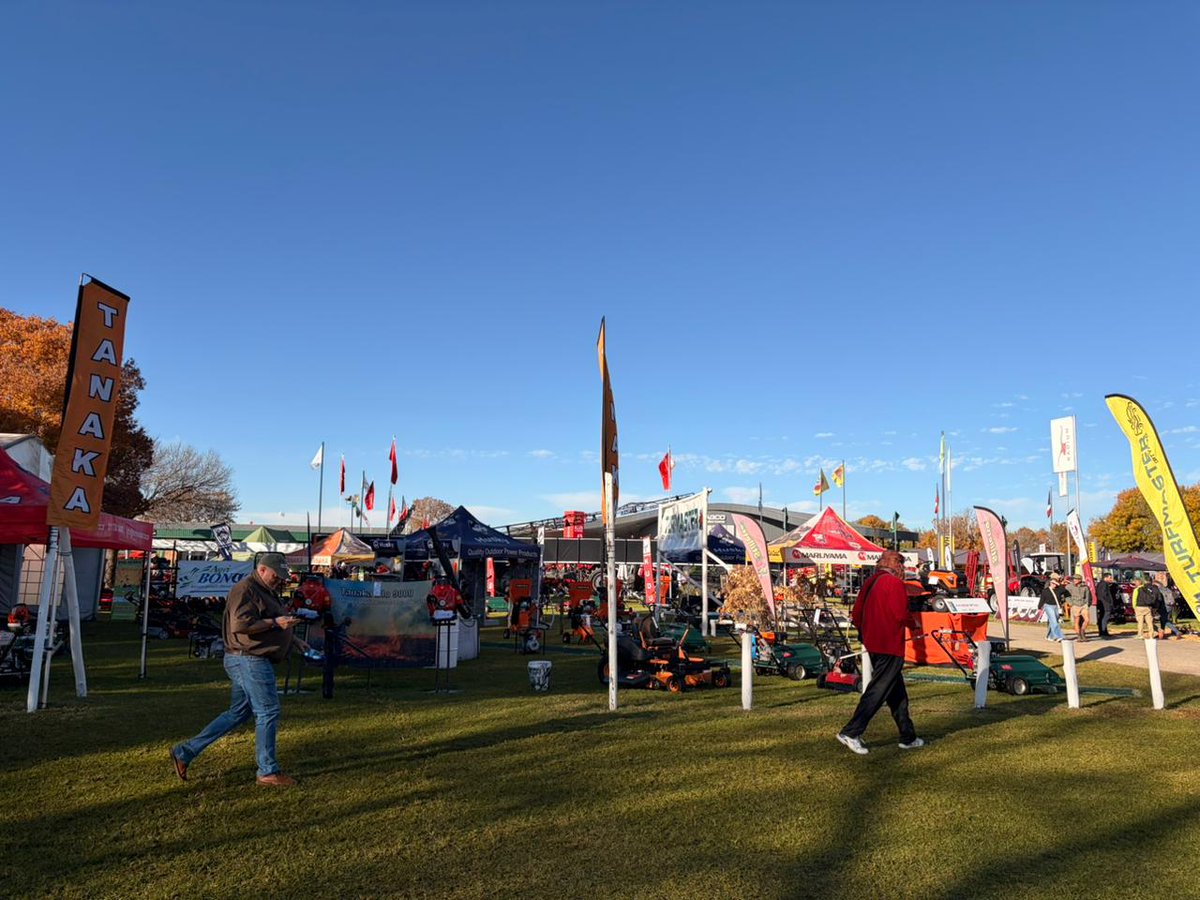
There are a few places that illustrated the vibrancy of South Africa’s agriculture as clearly as at NAMPO, the largest agricultural technology show in the Southern Hemisphere. I spent time this week at NAMPO in the Free State, observing new equipment from various suppliers, technological innovations in seeds, fertilisers, livestock products, automotive suppliers, and financial solutions, among others.
At this one place, one gets a feel for the state of the South African farming sector and interest in our sector from various stakeholders globally. There is also an opportunity to have deeper conversations with stakeholders in a more relaxed, frank manner. The conversations this year ranged from narratives about agriculture (its positioning in the public) to issues of trade wars, geopolitics, biosecurity (plant and animal health), and South African agriculture’s place in the changing world.
The mood was generally positive at NAMPO, though people didn’t hide the fact that the South African farming sector faces some challenges. Foot-and-mouth disease in the beef and dairy industries, along with African swine fever in the pig industry, are among the pressing challenges these sectors face. In the various panel discussions, this was also one of the points emphasised as hindering South Africa’s agricultural growth prospects. Some viewed this as a wake-up call; we needed to ensure we improved plant health and focused on it more, as diseases would be as damaging to crops as those we are witnessing in livestock. Fortunately, our field crops and fruits are in good condition, and investment in animal health would also improve from the current state.
Inefficiencies in logistics, poorly run municipalities, and unmaintained roads are among the issues that place pressure on the farming sector. This is something even visitors to NAMPO experience as they drive through North West and the Free State, noticing the decay of roads and towns in these provinces, which illustrate the inept governance and the pressure businesses are under as a result of these failures. The logistics issues don’t end with roads and poorly run towns; they also extend to the ports. South Africa has made enormous progress in improving efficiency at Durban and Eastern Cape ports. The gains were clear in the robust agricultural exports in 2025, which reached a record US$15.1 billion (up 10% year on year). But the Port of Cape Town faced significant challenges from the end of 2025 through 2026, and table grape producers felt the negative impact of these inefficiencies and had to use faraway ports from their production zones in the Eastern Cape. We are now, fortunately, at a point where Transnet, organised agriculture, and the private sector are collaborating to improve efficiency.
Aside from the cattle and pork industries, which face various challenges, activity in field crops, horticulture, and wine has generally been upbeat, and expected harvests are plentiful. For example, South Africa’s 2025-26 summer grain and oilseed harvest is estimated at 20.8 million tonnes, up 1% year-on-year.
We also see strong performance in the various fruit products. For example, export volumes from the stone fruit and pome industries have increased by 12% year on year, driven by a large harvest. Also, the figures recently released by the South African Table Grape Industry show that the final figures for the 2025-26 table grapes inspected for export were 81.25 million cartons (4.5 kg cartons), a 3% year-on-year increase. The production conditions for vegetables remain broadly favourable, supporting increased field activity. The poultry industry also had a better start to the year, supported by lower feed prices (maize and soybeans).
Overall, 2026 is likely to show a mixed growth picture in South Africa’s agriculture, with the cattle and pork industries under pressure, while the other subsectors may perform better. The mood, as observed and discussed at NAMPO, suggests a year of mixed fortunes.
English
B Nyhodo retweetledi
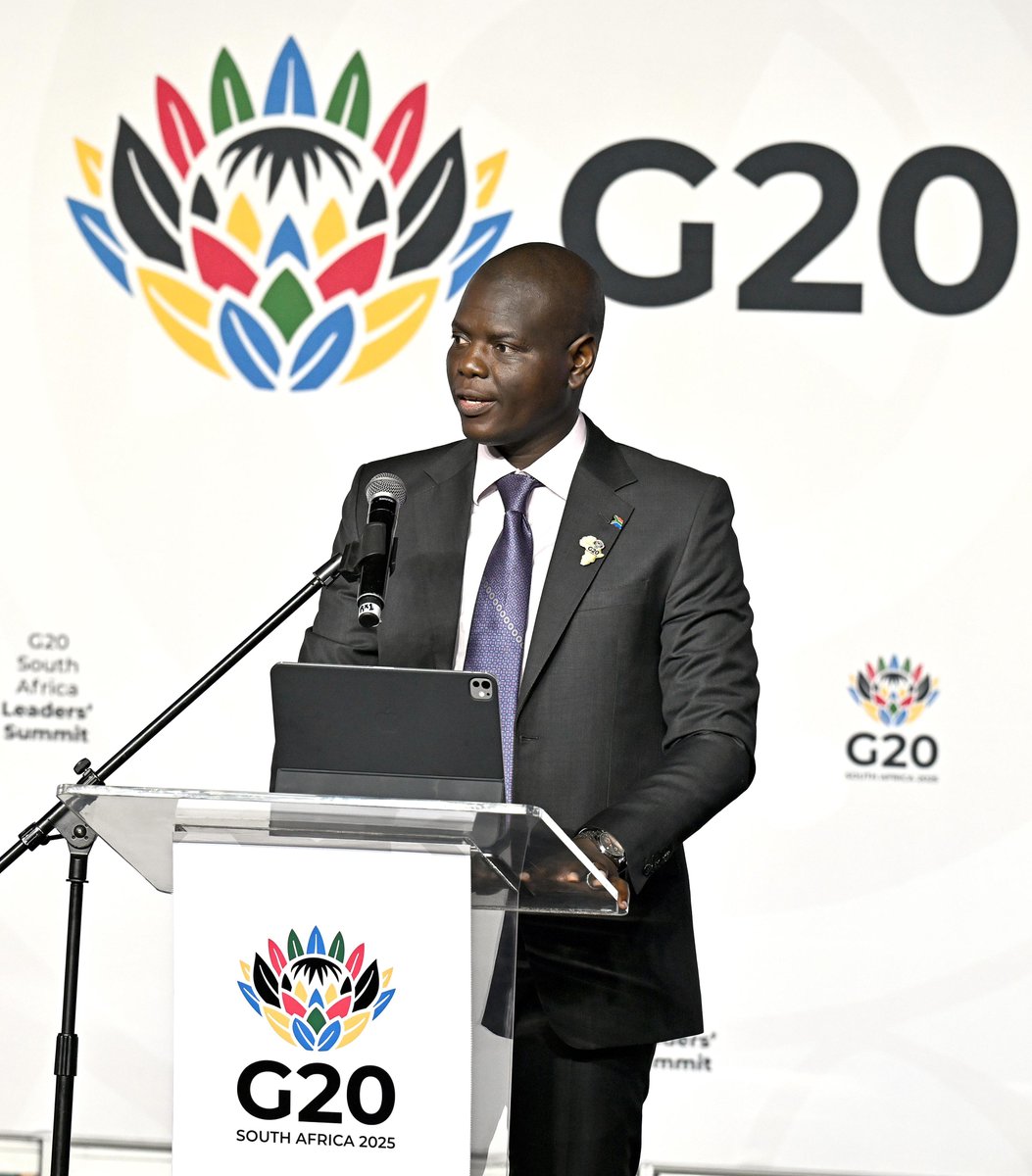
South Africa's Foreign Minister, Roland Lamola says South Africa cannot be excluded from the G20.
On the sidelines of the BRICS, Lamola discussed the US pressure on South Africa and new economic opportunities.
“He (President Trump) can't say that we can no longer be in the G20, because we are a founding member of the G20, and no one member of the G20 can decide that this country can no longer be a member of the G20.
“It is important that the members of the G20 will have to discuss and characterise what that is… I don't know whether you can characterise it as a G20 if South Africa is not there.”
English
#NAMPO was great - the grain industry deserves its flowers (well done @GrainSA).
The panels on @NationConverse were good (speakers showed wealth of knowledge and wisdom).
Two important developments happened when we were all at Bothaville (mohair record price and citrus record)
English
B Nyhodo retweetledi
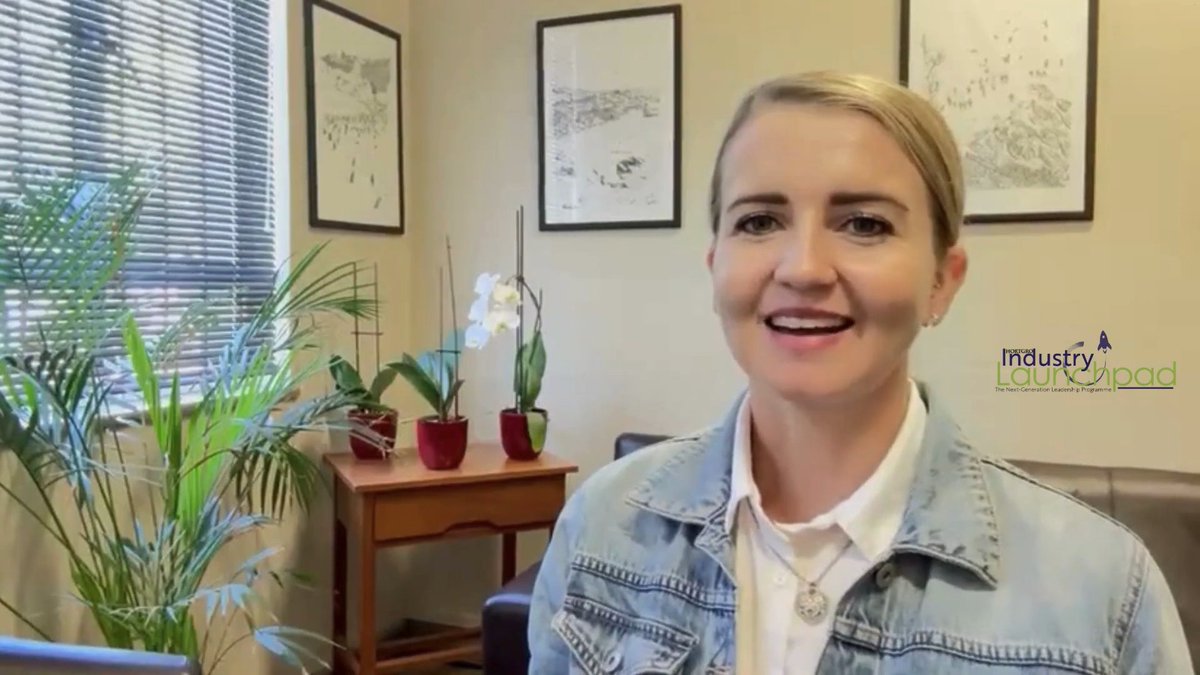
Meet Melissa van der Merwe | Senior Lecturer, Agri Economics, Agri Sciences (University of Stellenbosch), participant in Hortgro Industry Launchpad. The Next-Generation Leadership Programme 2026
Watch here: youtu.be/3RDe68MWl-Q?si…

YouTube
English
@WandileSihlobo Facts support this assertion, assuming that indeed numbers do not lie. However, using the gross value of production as a measure of the correctness of this statement - then surely it is 100% true.
English
SOUTH AFRICA’S AGRICULTURE HAS FLOURISHED SINCE THE DAWN OF DEMOCRACY IN 1994 🇿🇦
youtu.be/Hwaq7aZvWIs?si…
YouTube
English
B Nyhodo retweetledi
I took time this afternoon to discuss matters relating to fresh produce markets in South Africa.
You see, our situation compared to the rest of the world is always special. South Africa’s fresh vegetable and fruit industries operate on the back of markets for fresh produce that are mainly owned by municipalities (with a few by private sector).
One of the features that South Africa’s fresh produce markets are credited with is the transparent price formation. These institutions are playing a critical role in creating a reliable and transparent basis for fresh fruit and vegetable prices.
At face value, the fresh market system looks very simple, but in practice, it is complex. The infrastructure is mostly coordinated under the South African Union of Food Markets (SAUFM). The actual sales (movement of produce) on the market are coordinated by fresh market agents (that are coordinated under the Institute of Market Agents in South Africa (IMASA) that operate in terms of the Agricultural Produce Agents Act, which is implemented by the Agricultural Produce Agents Council (APAC).
This afternoon, I met with Mr Francois Knowles, the Registrar of APAC, South Africa’s statutory body that regulates fresh produce, export, and livestock agents.
We discussed a range of issues, including the state of the fresh produce markets in our country (infrastructure challenges), market access issues for farmers, and the inclusive matters in the sector.
APAC, as a regulatory body, plays a key role in ensuring the quality and high standards of the market agents in our fresh produce and livestock industries.
There is a lot of work required to upgrade and improve some of the country’s fresh produce markets, and engagements with regulators like Mr Knowles deepen our understanding of the necessary interventions to strengthen our sector.
One matter that requires strategic thinking is the transformation into a fresh produce environment. While it remains a thorn in our flesh, our stark reality is the challenges of infrastructure neglect that often compromise the effectiveness and efficiency of this marketing channel, despite its strategic positioning. This also slows the transformation efforts in this space.
Overall, we had an uplifting meeting, which displayed once again the possibilities of growth in this important sector of our economy.

English
B Nyhodo retweetledi
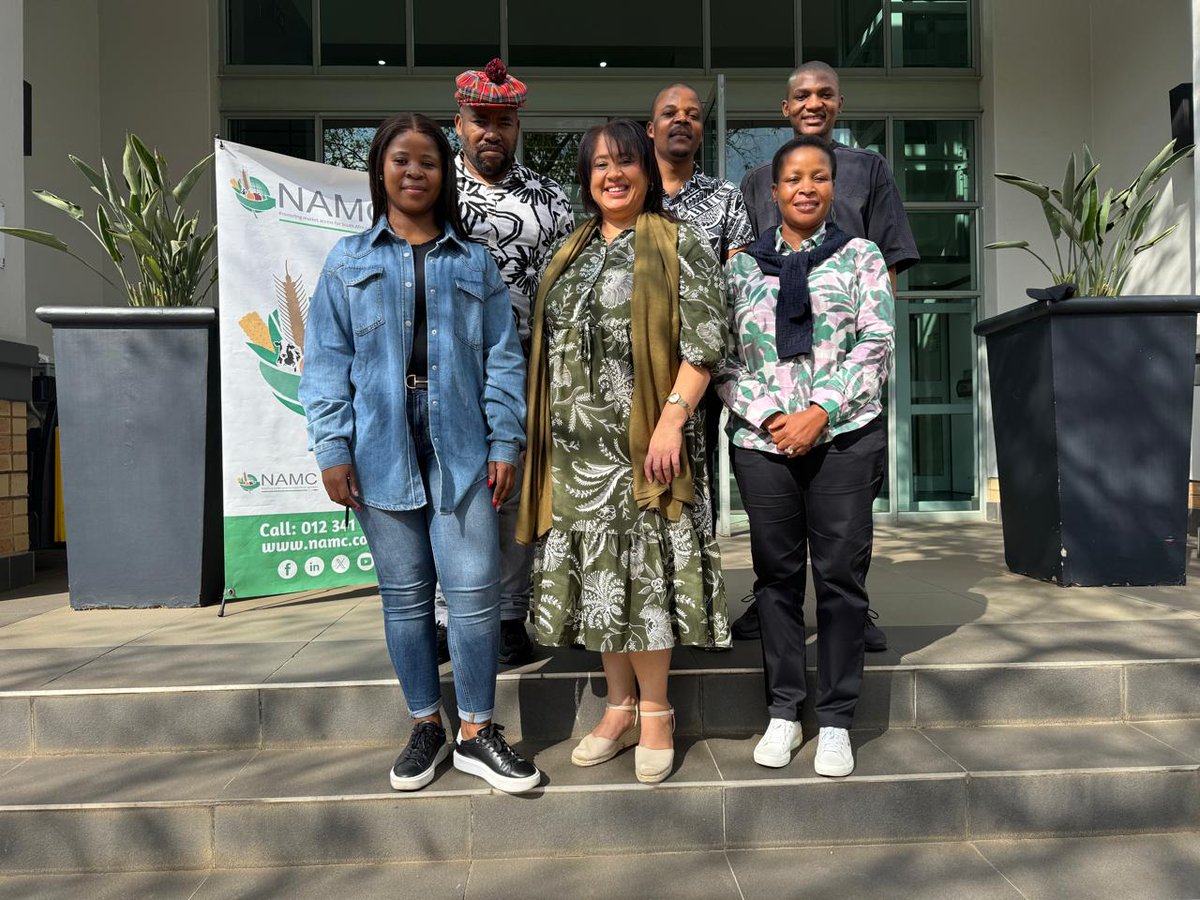
The NAMC hosted @SAOliveIndustry's CEO, Ms. Wendy Petersen, today, 17 April 2026. This was part of our ongoing regulatory role on statutory measures and coordination of the AAMP. The engagement focused on industry plans, strengthening collaboration, & the production scheme
English