paper_a_day

238 posts

paper_a_day banner
paper_a_day

paper_a_day

@paper_a_day

Created with ❤️ in Princeton, NJ
Princeton, NJ Katılım Ağustos 2023
288 Takip Edilen170 Takipçiler
Sabitlenmiş Tweet
paper_a_day
paper_a_day@paper_a_day·
🚀 Introducing "paper_a_day"! 🧪🤖🌍 From Princeton, NJ, we're students breaking down peer-reviewed research daily! 📅 Got a captivating paper? Nominate it below or drop us a DM! 📝 #ResearchSummary #ScienceDaily
English
0
0
2
658
paper_a_day
paper_a_day@paper_a_day·
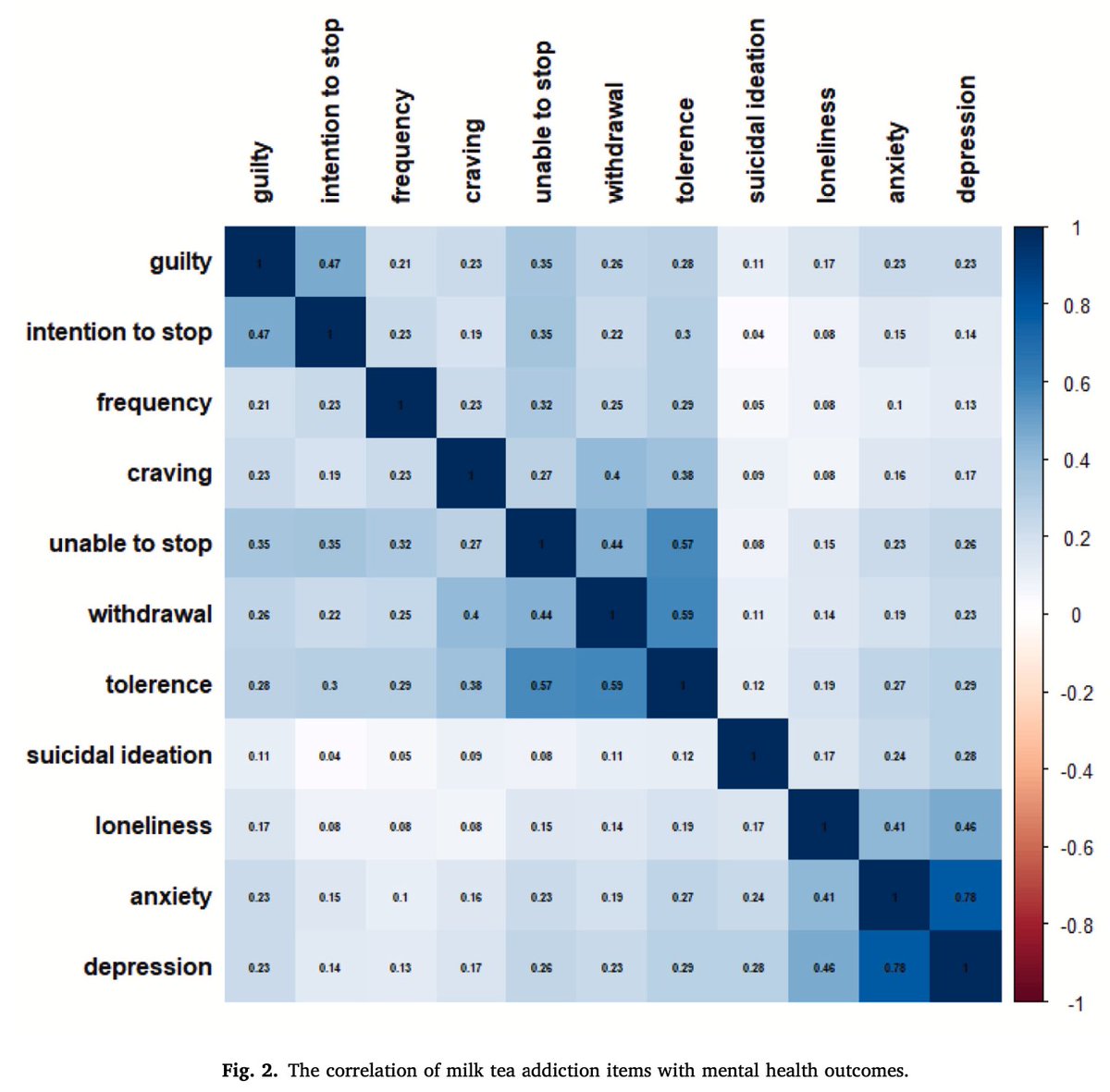
Does milk tea addiction have a negative impact on the mental health of youths, specifically anxiety, depression, and suicidal ideation? Diyang Qu and team from Tsinghua University have uncovered a new form of addiction among youths - milk tea! 🥤🧠 Their large-scale study of 5,281 college students in Beijing reveals a significant link between milk tea addiction and increased risk of depression, anxiety, and suicidal ideation. This novel research fills a gap in our understanding of the impact of popular beverage consumption on mental health. The team used a cross-sectional survey and confirmatory factor analysis to reach their findings. This study could pave the way for regulations to protect youth mental health, such as restricting advertising and establishing food hygiene standards in the milk tea industry.
paper_a_day tweet media
English
0
0
2
283
paper_a_day
paper_a_day@paper_a_day·
E.K.Anderson et al. from @AarhusUni_int and @CERN published a groundbreaking study on the effect of gravity on antimatter this week! They'e shown that antihydrogen atoms behave in a way consistent with gravitational attraction to Earth! This rules out 'antigravity' and was previously unsolved due to lack of stable, electrically neutral test particles & electromagnetic interference. Their novel approach using the ALPHA-g apparatus overcame these challenges. This opens doors for further studies to test the weak equivalence principle, potentially revolutionizing our understanding of gravity & exotic physical systems. Read the full paper here: doi.org/10.1038/s41586…
paper_a_day tweet mediapaper_a_day tweet media
English
0
0
2
144
Zack Labe
Zack Labe@ZLabe·
@paper_a_day I think this is some sort of artifact for how the land surface anomalies are prescribed in the grid cells.
English
1
0
1
135
paper_a_day retweetledi
Zack Labe
Zack Labe@ZLabe·
Another look back at the last three months... 😵‍💫 🟥 [red] warmer than average 🟦 [blue] colder than average Data from data.giss.nasa.gov/gistemp/
Zack Labe tweet media
English
8
107
214
28.2K
paper_a_day
paper_a_day@paper_a_day·
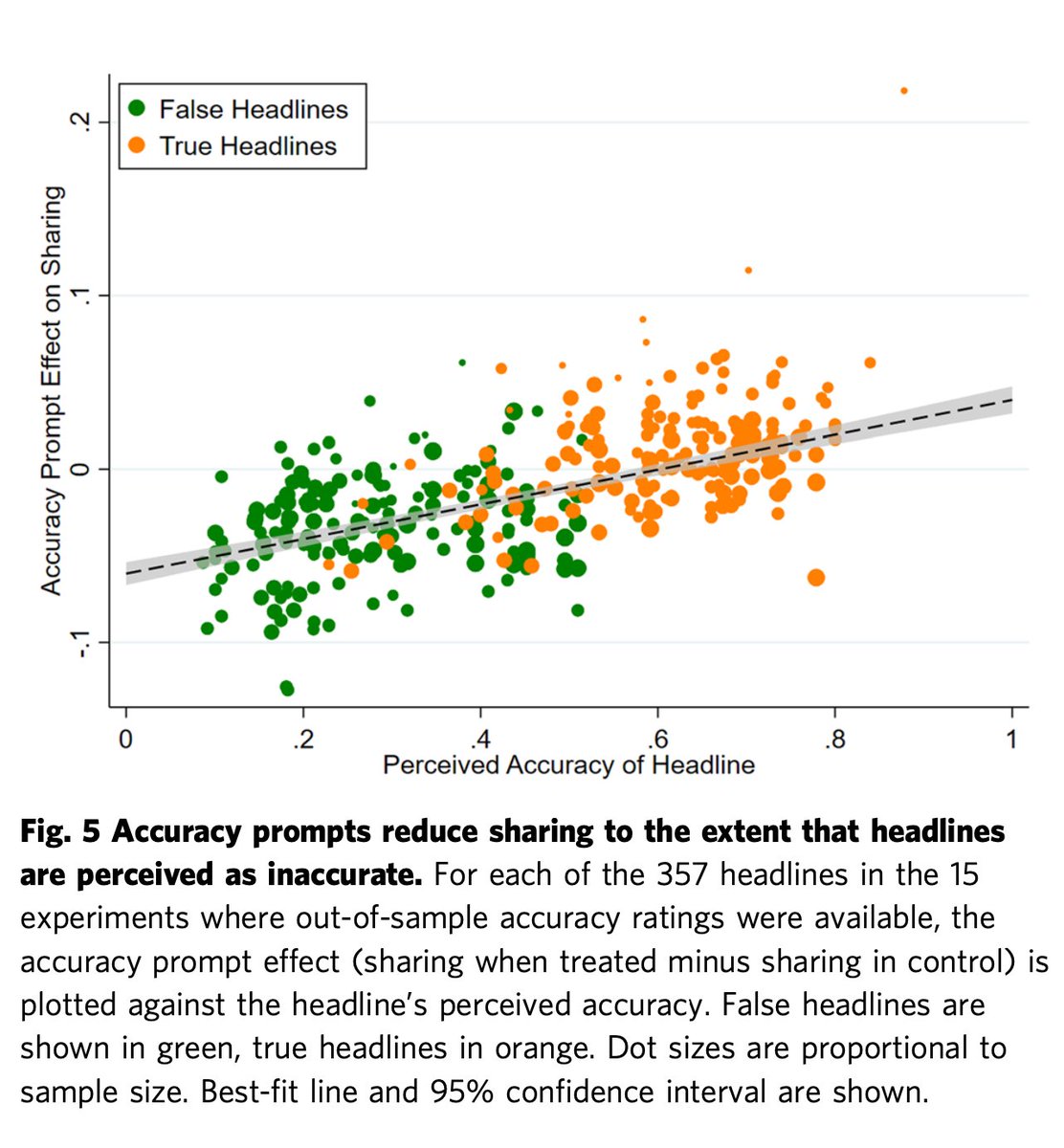
Ever wondered how we can combat the spread of misinformation online? @GordPennycook, @DG_Rand, and their teams from @Hill_Levene and @MITSloan have found a promising solution: accuracy prompts! Their research, involving over 26,000 participants, shows that prompting individuals to consider the accuracy of the information can reduce the sharing of false headlines by 10%! This effect was consistent across different types of headlines and didn't decay over time! It's a game-changer for personal medicine, politics, and more. Check out their full paper here: doi.org/10.1038/s41467…. Got questions? We will be responding to all questions in our replies!
paper_a_day tweet mediapaper_a_day tweet media
English
0
1
12
1.4K
paper_a_day
paper_a_day@paper_a_day·
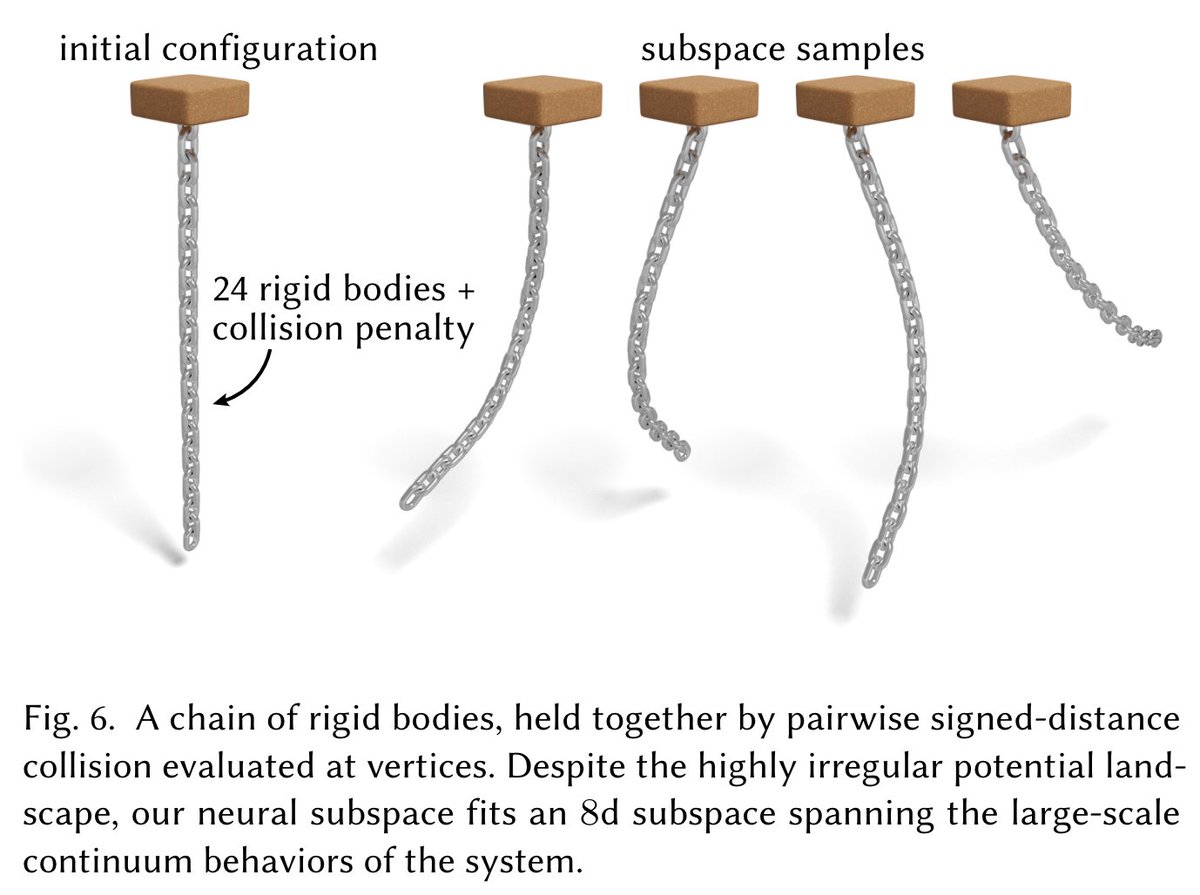
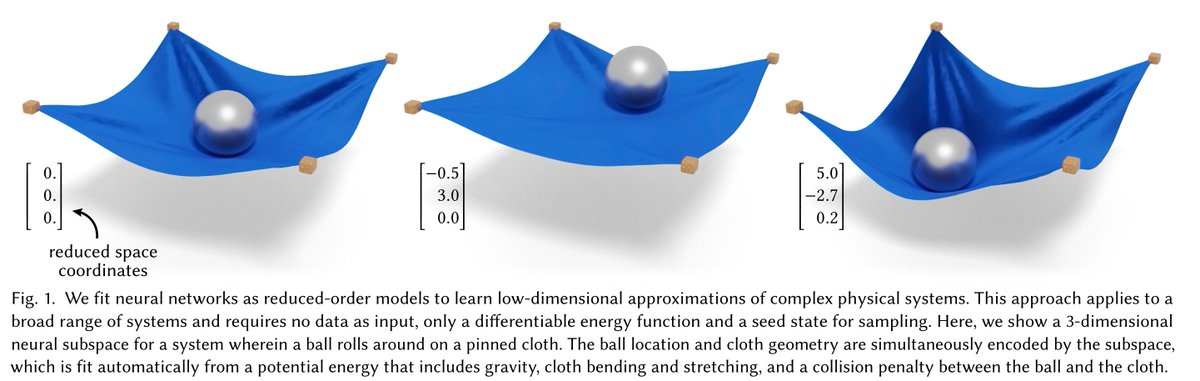
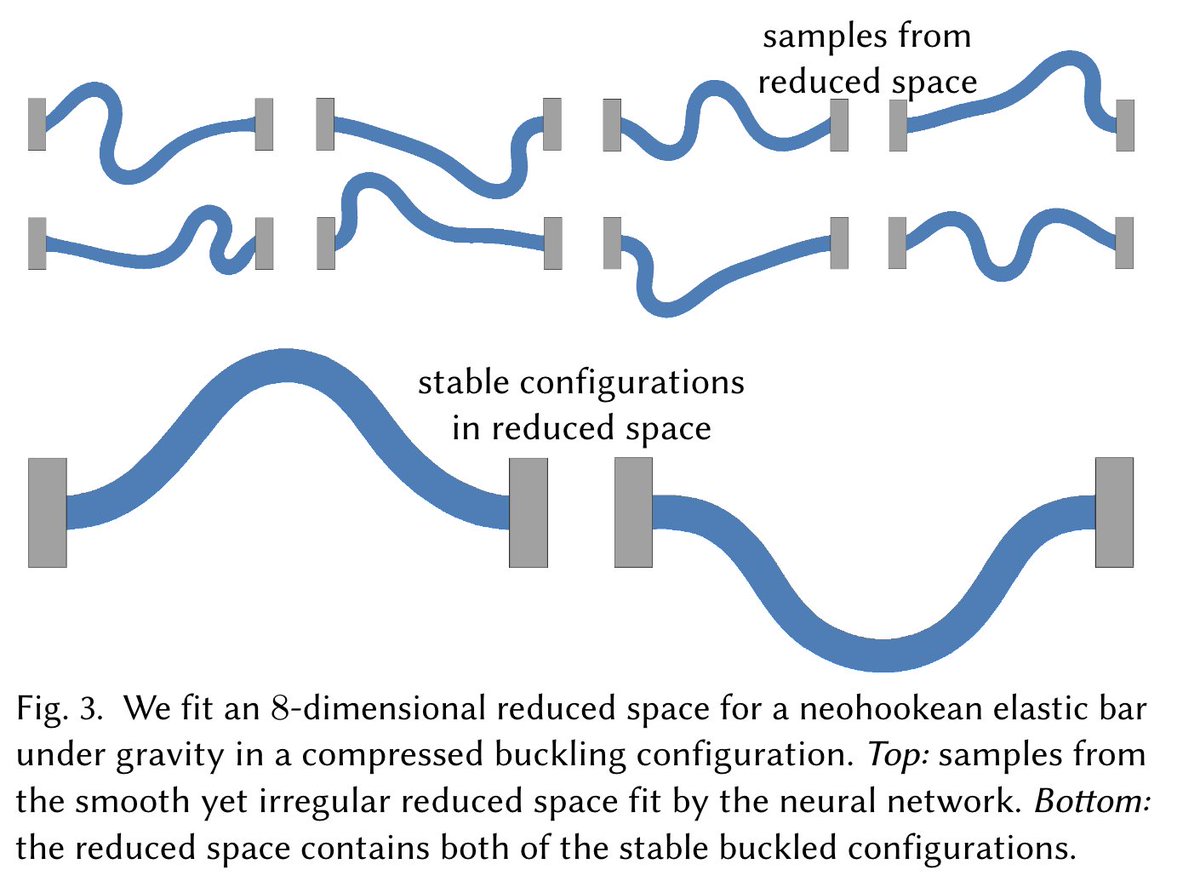
Ever wondered how we can simplify complex physical systems with neural networks? New research by @nmwsharp, Cristian Romero, @_AlecJacobson , Etienne Vouga, @paulkry , @diwlevin , and @JustinMSolomon explores this problem! The study investigates how neural networks can learn the reduced-order kinematics of physical systems without input data.This novel approach doesn't require input data like simulation trajectories, instead, it uses a differentiable energy function and a seed state for sampling. The authors successfully identified low-dimensional subspaces that capture typical low-energy configurations of high-dimensional physical systems. This could revolutionize simulation, animation, interpolation, and sampling, opening up new possibilities in personal medicine and beyond. Check out the paper here: arxiv.org/abs/2305.03846…
paper_a_day tweet mediapaper_a_day tweet mediapaper_a_day tweet media
English
1
6
22
6.3K
paper_a_day
paper_a_day@paper_a_day·
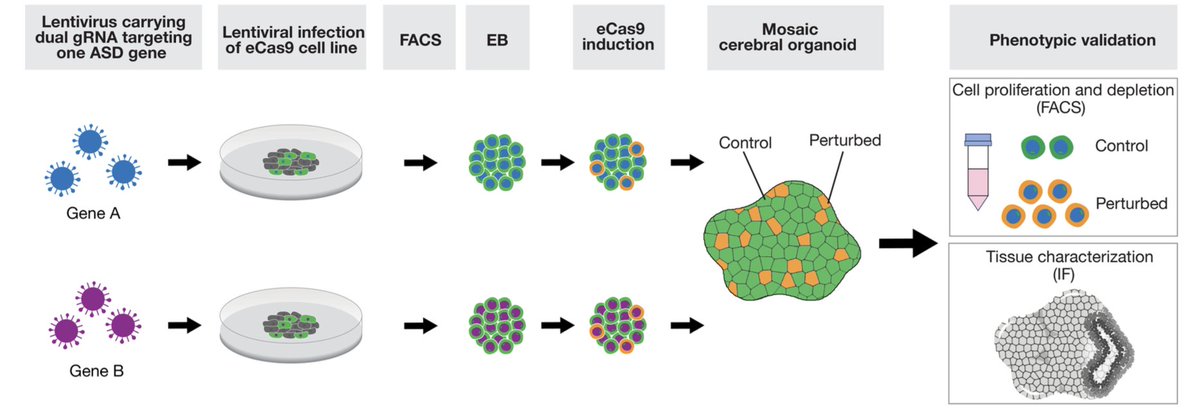
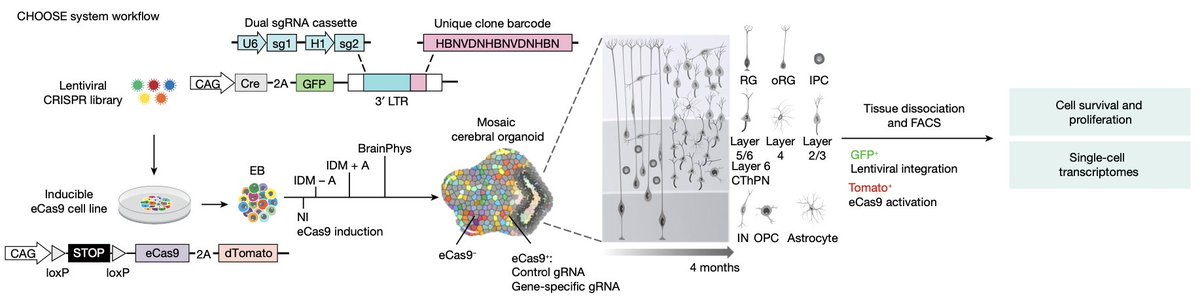
Recent work led by @ChongLi_cl from the @Knoblich_lab and @TreutleinLab teams at @IMBA_Vienna, @viennabiocenter showcased a groundbreaking method to study the effects of high-risk autism spectrum disorder (ASD) genes on brain development! Using the novel CRISPR-Human Organoids-Single-Cell RNA Sequencing (CHOOSE) system, they've been able to identify how perturbing these genes can affect cell fate in cerebral organoids. This was previously unachievable due to the complexity of the brain and the limitations of existing research methods. Their findings open up new avenues for understanding and potentially treating autism spectrum disorder. This work is a significant step towards personalized medicine for neurodevelopmental disorders. Check out the paper here: doi.org/10.1038/s41586…. We'll be answering questions about this research, so feel free to reply with your questions! Follow our page for daily paper summaries!
paper_a_day tweet mediapaper_a_day tweet media
English
0
2
8
6.4K
paper_a_day
paper_a_day@paper_a_day·
Andrew Mertens and colleagues from @UCBerkeley, @Cal, @Stanford, @czbiohub, and others have made a significant contribution to understanding child growth faltering in low-resource settings (doi.org/10.1038/s41586…). They've analyzed data from 33 longitudinal cohorts and 30 different exposures, revealing that improving maternal health and child condition at birth can significantly increase child growth scores by 24 months. This issue hasn't been fully addressed before due to the complexity of measuring key exposures and the lack of comprehensive data. The team's innovative approach of using population intervention effects analysis has shed light on the importance of prenatal causes and the need for preventive interventions during pre-conception and pregnancy. This research paves the way for more effective strategies to prevent child growth faltering, potentially reducing child mortality rates and improving health outcomes in low-resource settings.
paper_a_day tweet mediapaper_a_day tweet mediapaper_a_day tweet media
English
0
0
2
4.7K
paper_a_day
paper_a_day@paper_a_day·
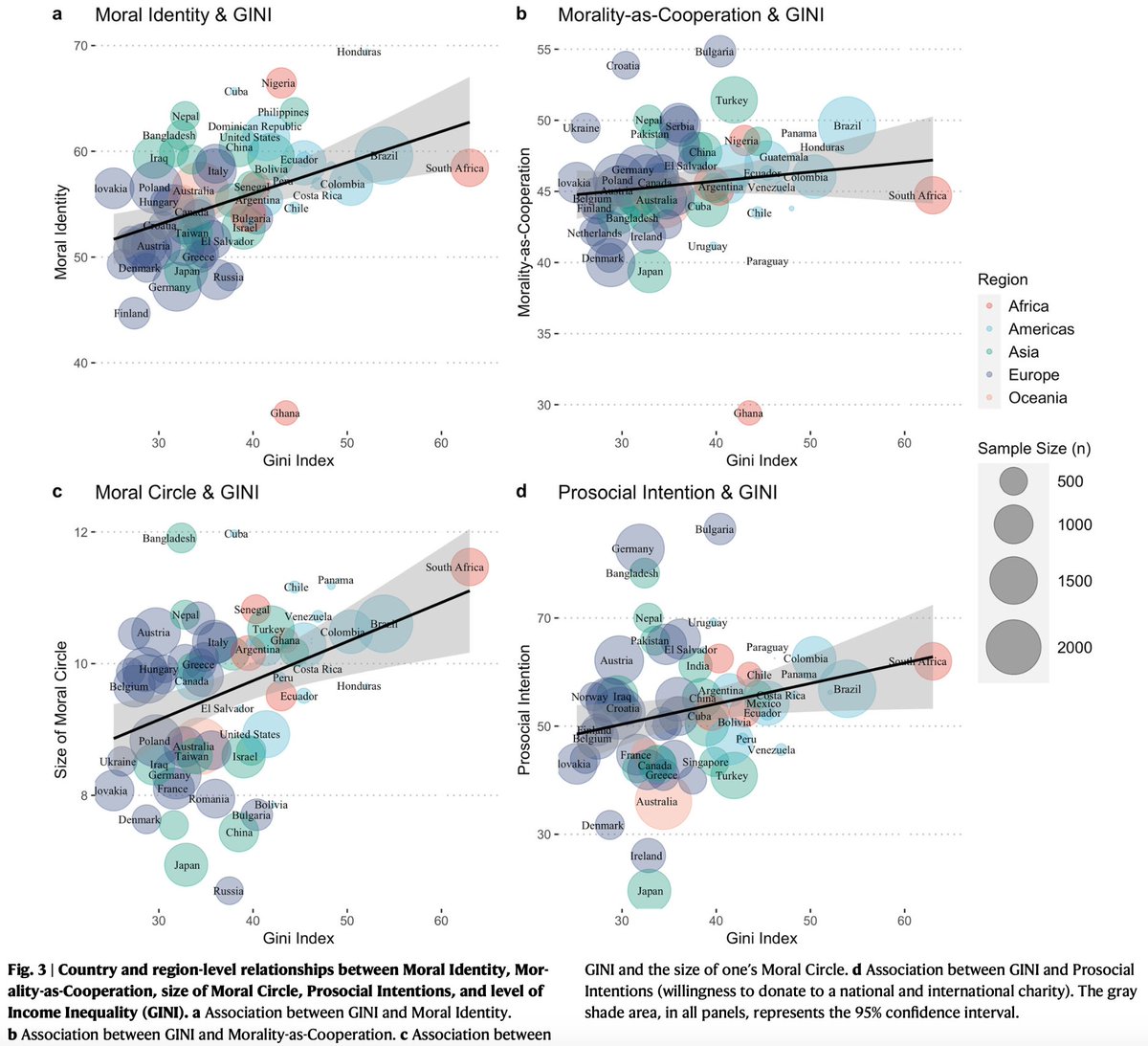
In a recent paper @CElbaek, Panagiotis Mitkidis, @aaroe_lene, and Tobias Otterbring explore how economic scarcity impacts morality across 67 countries! Their research, involving 50,000+ participants from 67 countries, found that individuals with low subjective socioeconomic status and countries with higher income inequality tend to have higher levels of moral identity and prosocial intentions. The team's innovative approach involved a large cross-national survey and advanced control analyses. This was a gap in previous research due to limitations in sample size and geographical diversity. This work opens up new possibilities for understanding the complex relationship between economic conditions and moral behavior, potentially informing policy decisions and interventions. Read more: doi.org/10.1038/s41467…
paper_a_day tweet mediapaper_a_day tweet media
English
0
3
7
4.2K
paper_a_day
paper_a_day@paper_a_day·
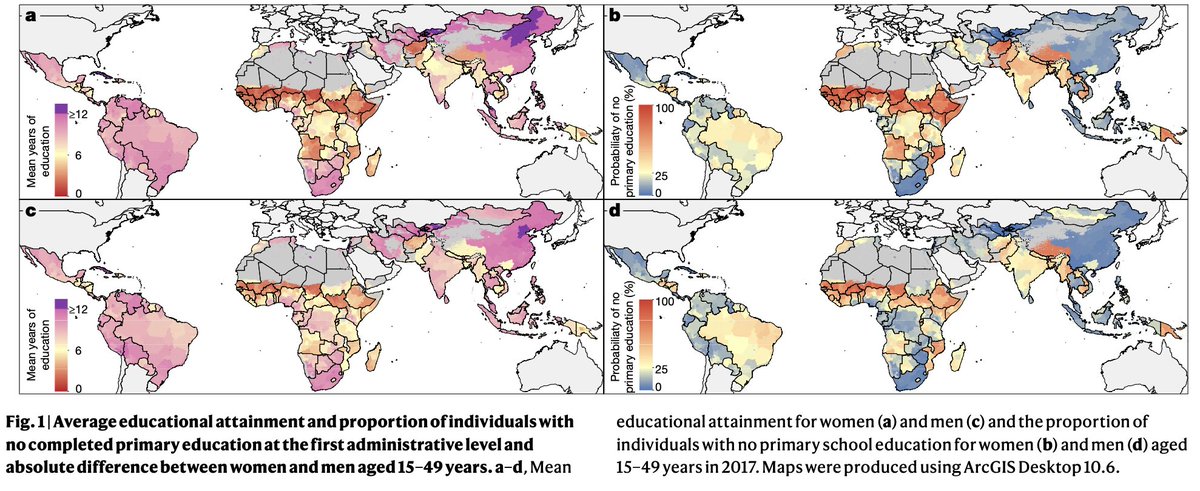
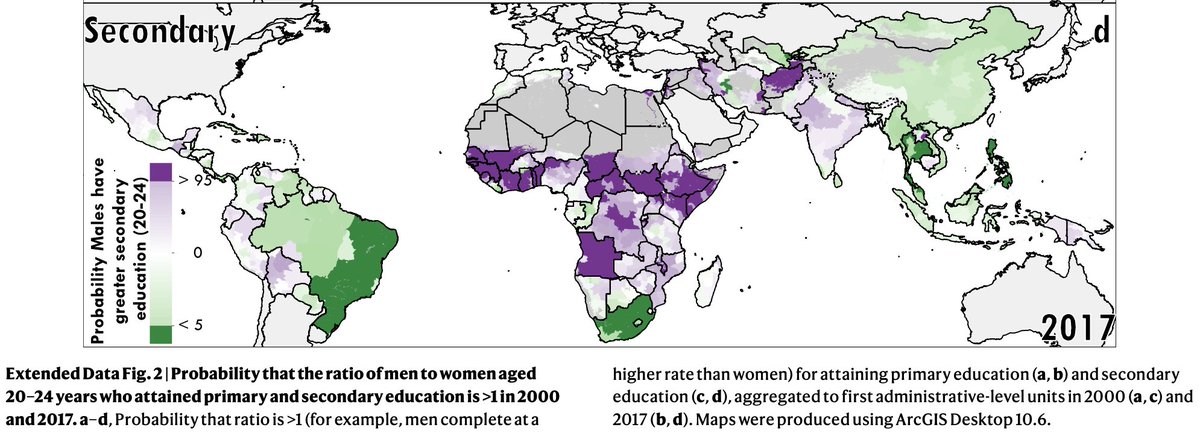
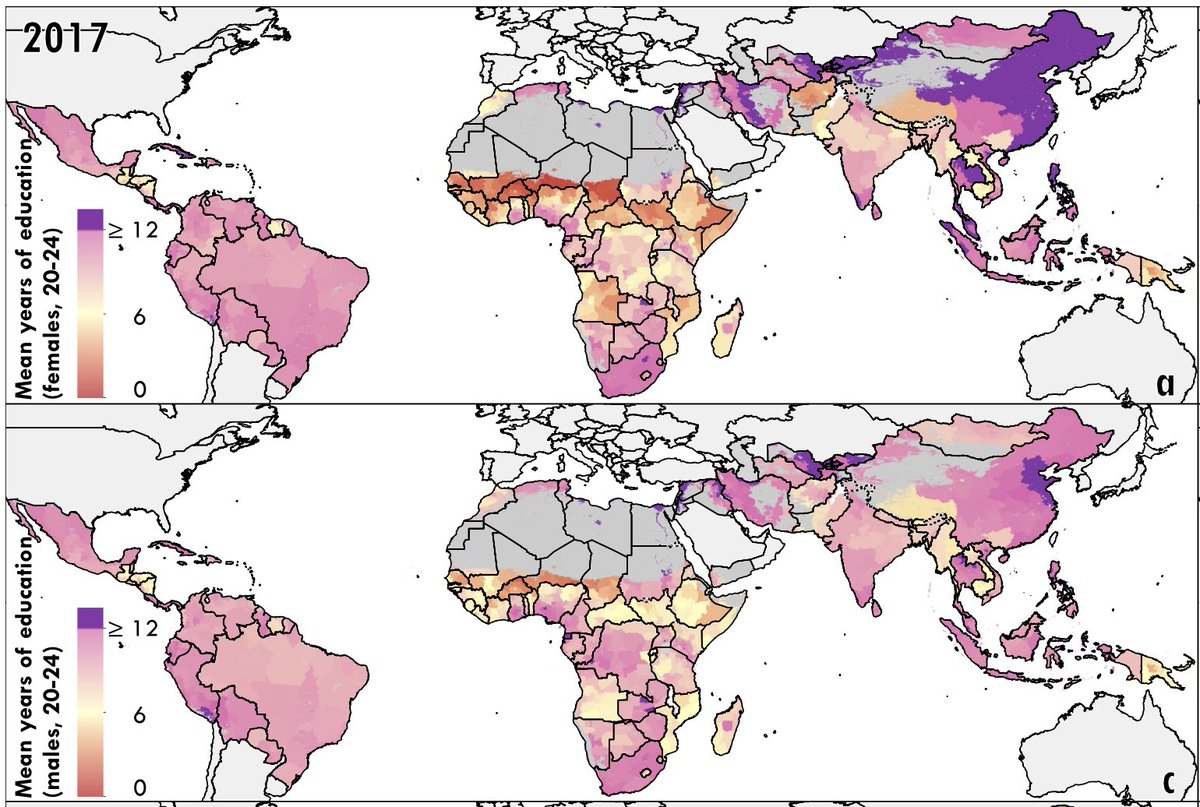
Research by the Local Burden of Disease Educational Attainment Collaborators maps educational disparities in low- and middle-income countries from 2000-2017. Using geolocated data from 528 sources, they found persistent gender and regional inequalities, particularly in sub-Saharan Africa and South Asia. This study is novel in its use of a Bayesian model-based geostatistical framework to estimate subnational educational attainment. The authors emphasize the need for targeted, long-term reform to improve both the quality and accessibility of education, particularly for women. This research provides a crucial foundation for future policy efforts aimed at promoting educational and health equity. #EducationForAll #GenderEquality [Link to paper: doi.org/10.1038/s41586…]
paper_a_day tweet mediapaper_a_day tweet mediapaper_a_day tweet media
English
0
0
2
116
paper_a_day
paper_a_day@paper_a_day·
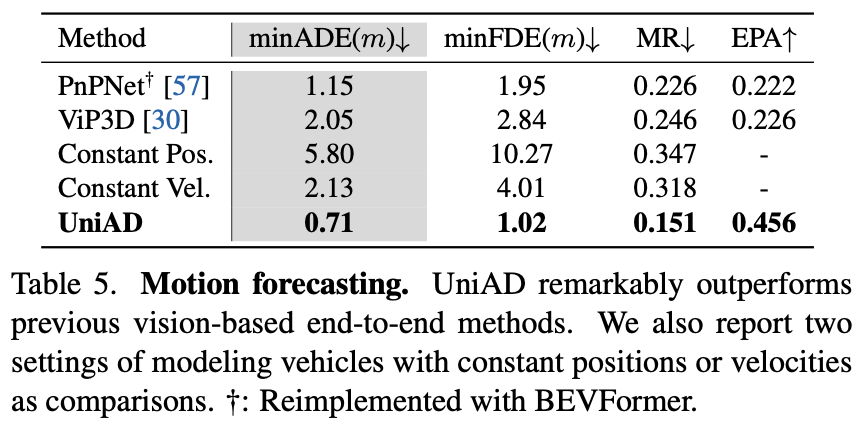
Ever wondered how autonomous vehicles make decisions? A new study published in @CVPR led by Yihan Hu from OpenDriveLab and OpenGVLab introduces a planning-oriented framework called Unified Autonomous Driving (UniAD) that integrates perception, prediction, and planning tasks! In their paper, "Planning-oriented Autonomous Driving," the team introduces a new framework called Unified Autonomous Driving (UniAD) that integrates perception, prediction, and planning tasks into one network. This is a big deal because it means that the system can prioritize tasks that contribute to planning, ensuring effective coordination and improving the overall performance of autonomous driving systems. The researchers used a query-based design to connect different tasks and facilitate information exchange. This means that the system can effectively communicate between different tasks, making it more efficient and effective. The team tested UniAD extensively on the nuScenes benchmark, a standard testing ground for autonomous driving systems. The results were impressive: UniAD outperformed previous state-of-the-art methods, demonstrating its effectiveness. However, the research isn't without its limitations. The system requires extensive computational power and lightweight deployment is a challenge. But the team is optimistic about the future, suggesting that further work could focus on optimizing the system for lightweight deployment and exploring additional ways to improve task coordination and performance. This research is a significant step forward in the field of autonomous driving. By integrating perception, prediction, and planning tasks into one network, the team has created a system that is more efficient and effective than previous methods. This could have huge implications for the future of transportation, making our roads safer and more efficient. Check out the full paper here: arxiv.org/abs/2212.10156…
paper_a_day tweet mediapaper_a_day tweet mediapaper_a_day tweet media
English
0
0
3
1.7K
paper_a_day
paper_a_day@paper_a_day·
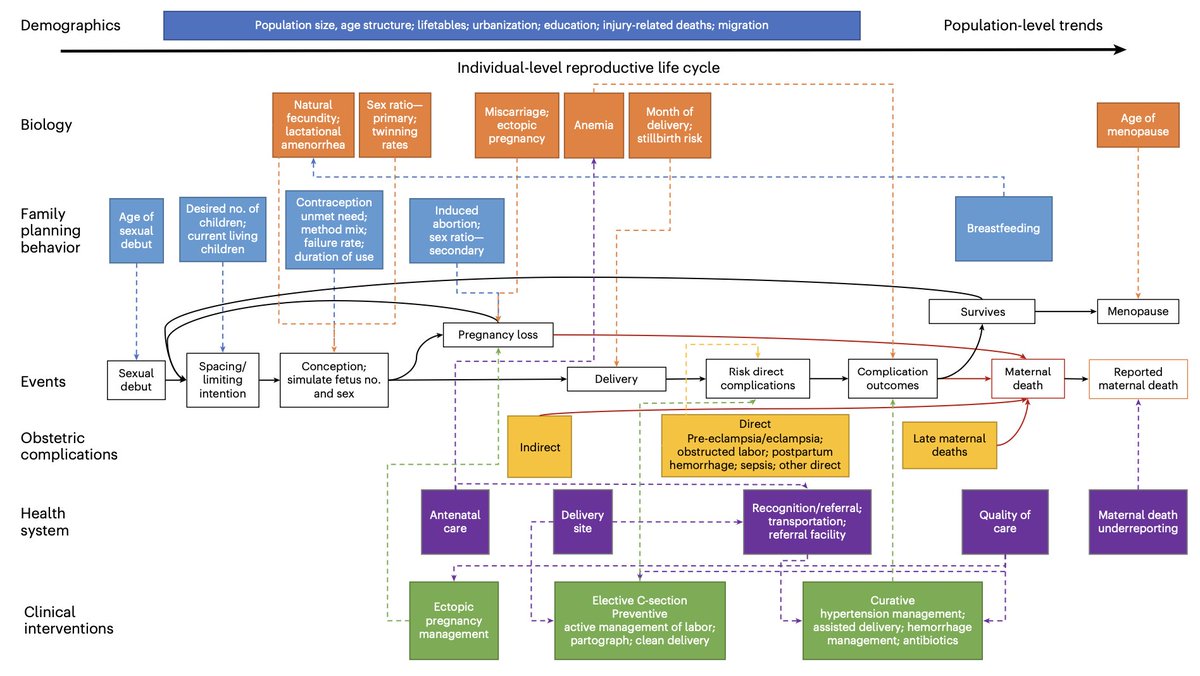
Imagine a world where we can predict and prevent maternal deaths. Zachary J. Ward, @RifatAtun, @kinggary, Brenda Sequeira Dmello, and @suejgoldie from @Harvard @HarvardChanSPH brought us one step closer to this reality with their recent paper published in @NatureMedicine. They've developed a simulation model that can estimate and project global maternal mortality rates from 1990 to 2050. The model, known as the Global Maternal Health (GMatH) microsimulation model, uses a variety of data sources to create a comprehensive picture of maternal health worldwide allowing for a glimpse into the future of maternal mortality. The good news? The model shows that global maternal deaths have declined by over 40% from 1990 to 2020 and are projected to continue decreasing to 2030 and 2050. But here's the catch - the Sustainable Development Goal targets for maternal mortality are unlikely to be met based on current trends. This research is crucial because it highlights the areas where we need to focus our efforts to reduce maternal deaths. It's not just about celebrating the progress we've made, but also about recognizing the work that still needs to be done. The GMatH model can be used to identify specific policy interventions that could help accelerate reductions in maternal deaths. It's a powerful tool that could help save the lives of mothers around the world. Check out the full paper here: doi.org/10.1038/s41591…
paper_a_day tweet mediapaper_a_day tweet mediapaper_a_day tweet mediapaper_a_day tweet media
English
0
0
1
4.1K
paper_a_day
paper_a_day@paper_a_day·
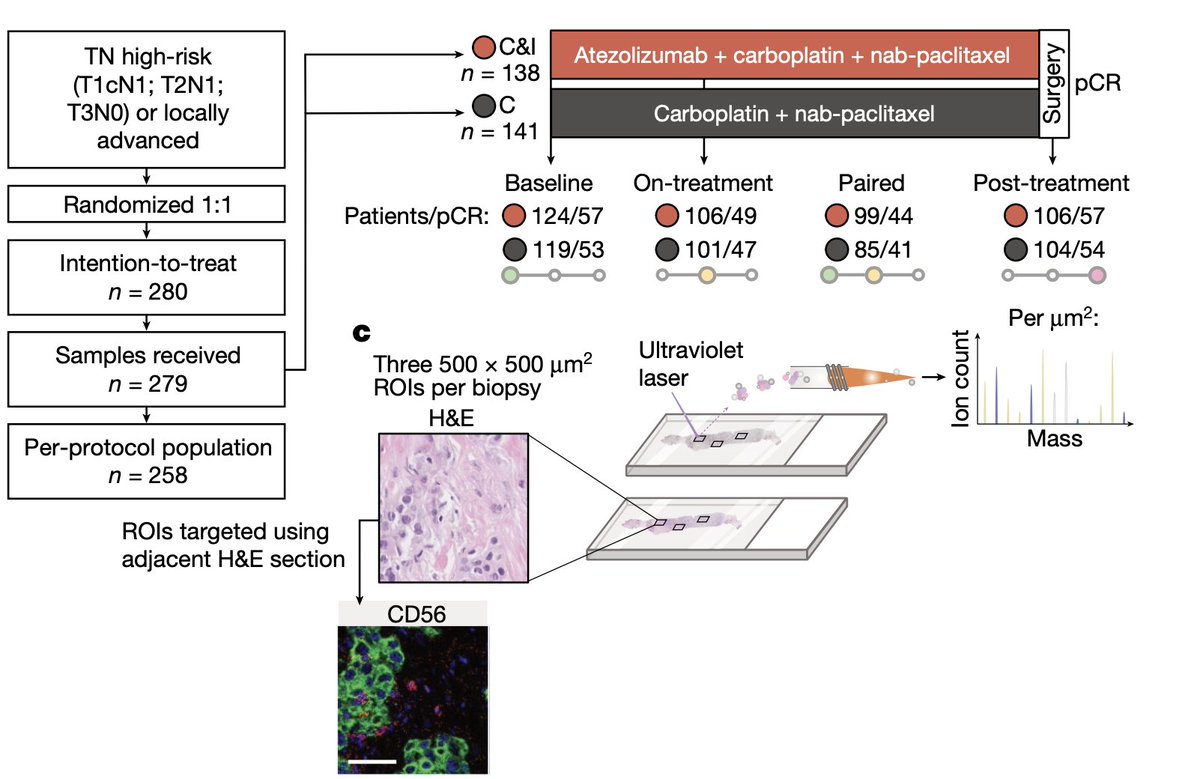
Ever wondered why some breast cancer patients respond better to immunotherapy than others? A groundbreaking study led by @HRazaAliLab and @BianchiniGP from @CRUK_CI @Cambridge_Uni may have the answer! They discovered that the way cells are arranged in a tumor can significantly influence the effectiveness of immunotherapy in treating triple-negative breast cancer (TNBC), a particularly aggressive form of the disease. The researchers used a technique called imaging mass cytometry to analyze the expression of 43 proteins in tumor samples from patients undergoing immunotherapy. They found that the type of cell, its activation state, and its location within the tumor all play a crucial role in determining how well the treatment works. Interestingly, they found that tumors that responded well to treatment had a high number of a specific type of T cell, while resistant tumors were characterized by a different type of cell. This suggests that analyzing the cellular makeup of a tumor could help predict how well a patient will respond to immunotherapy. The study also highlighted the potential of early biopsies in guiding therapy. By examining tissue features before and during treatment, doctors may be able to predict a patient's response to immunotherapy more accurately. This research is a significant step towards personalized cancer treatment. However, the authors note that further research is needed to validate these findings in larger cohorts and different clinical settings. Check out the full study here: doi.org/10.1038/s41586…
paper_a_day tweet mediapaper_a_day tweet mediapaper_a_day tweet mediapaper_a_day tweet media
English
0
3
7
3.5K
paper_a_day
paper_a_day@paper_a_day·
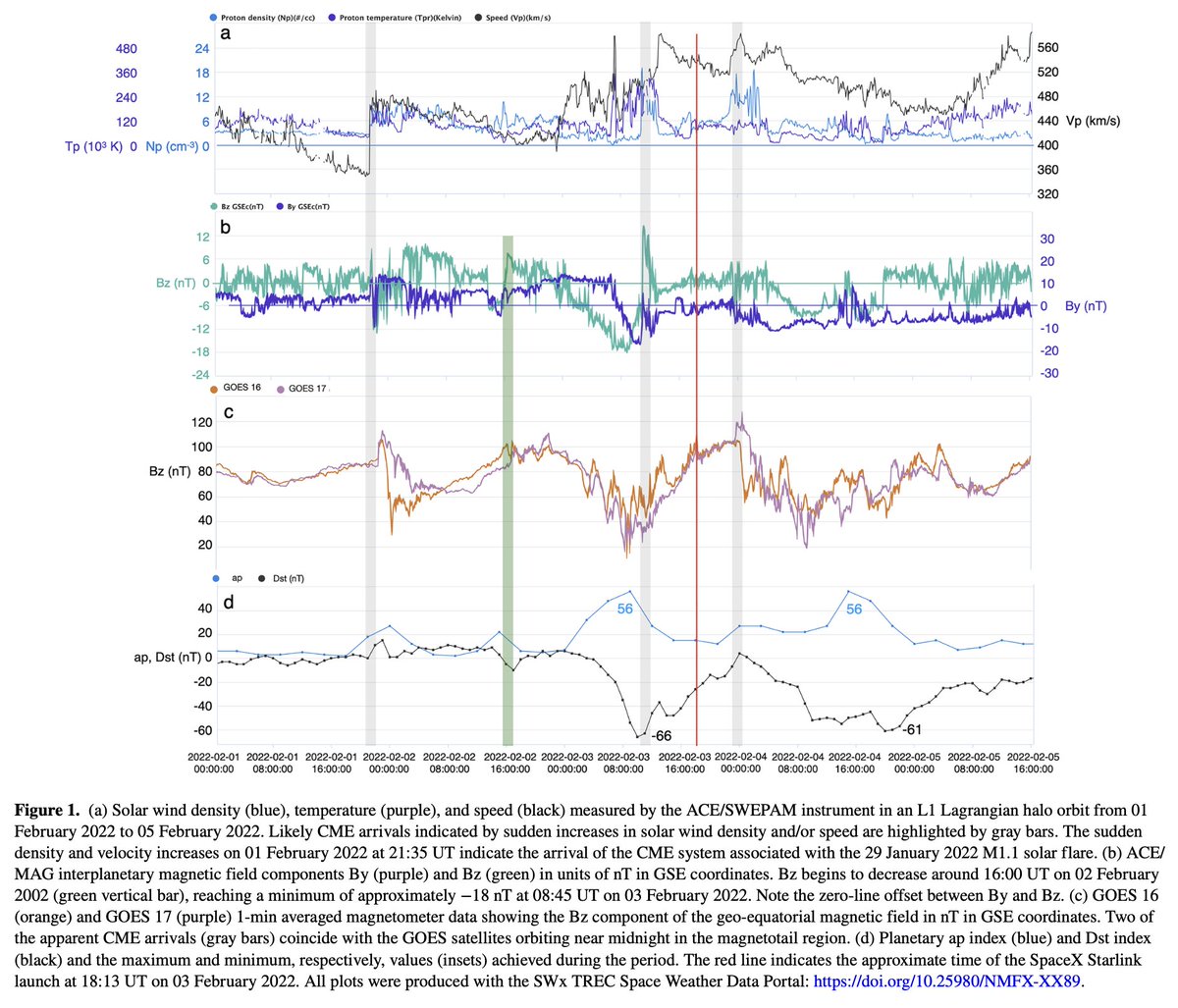
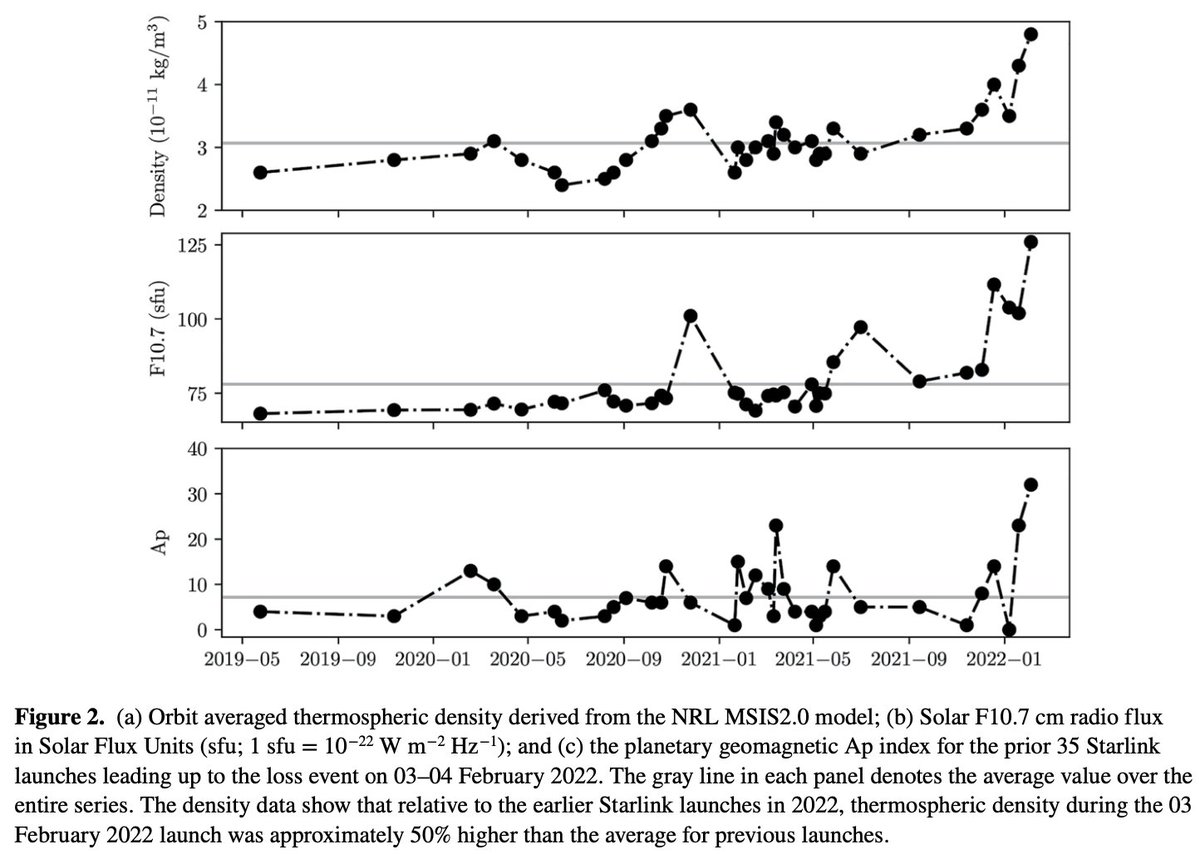
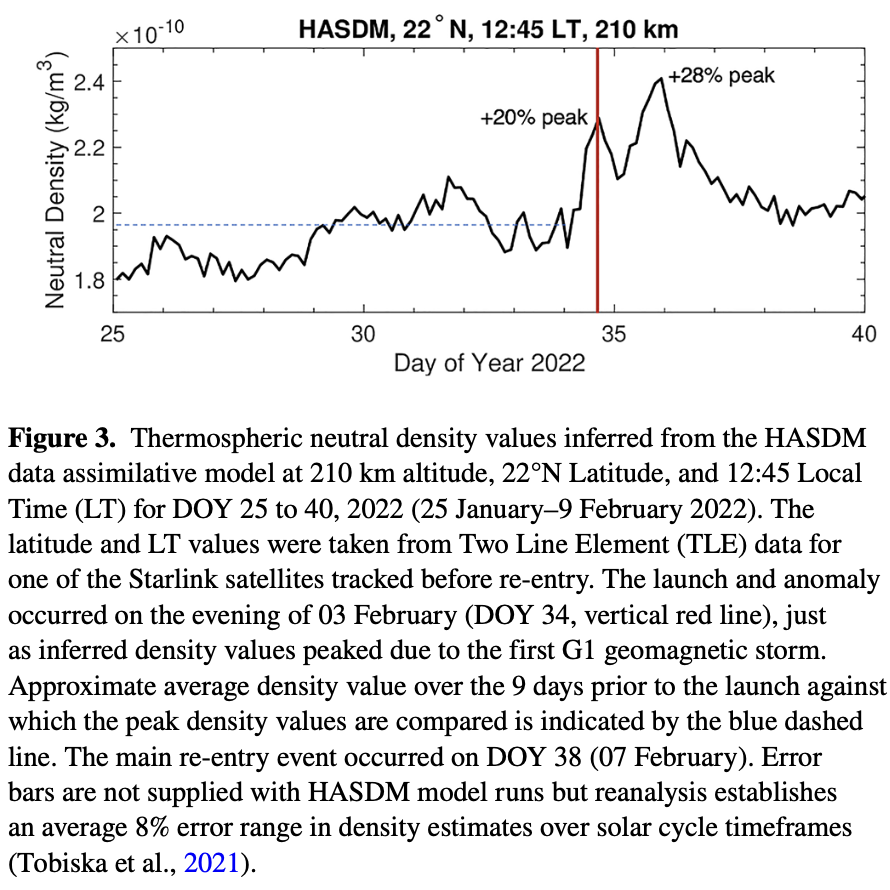
Ever wondered how geomagnetic storms affect Starlink deployments? A recent study from @CUBoulder and @ORB_KSB investigated the impact of a geomagnetic storm on low Earth orbit operations of Starlink satellites! In February 2022, a minor geomagnetic storm led to the loss of 38 Starlink satellites. The team used empirical models and accelerometer data to analyze the density of the upper atmosphere during the event. They found that the density in the thermosphere at the staging altitude of 210 km was 20-30% higher than before the storm. Figure 1 shows the shock wave detected by the ACE satellite at the L1 Lagrangian point on 01 February 2022. The shock arrival time indicates the travel time of a coronal mass ejection (CME) from the Sun to Earth. The study highlights the need for improved models and real-time measurements to accurately forecast and mitigate the impact of geomagnetic storms on low Earth orbit operations Figure 2 shows the orbit-averaged thermospheric density, solar F10.7 cm radio flux, and planetary geomagnetic Ap index for prior Starlink launches. The density data shows that the thermospheric density during the 03 February 2022 launch was approximately 50% higher than the average for previous launches. The researchers recommend the integration of near-real-time HASDM Dynamic Calibrated Atmosphere (DCA) output into all commercial launch operations for accurate thermospheric density nowcasting capability. Read the full study by T. E. Berger et al., "The thermosphere is a drag: The 2022 Starlink incident and the threat of geomagnetic storms to low earth orbit space operations" here: doi.org/10.1029/2022SW… #SpaceWeather #Starlink #GeomagneticStorms #SpaceOperations"
paper_a_day tweet mediapaper_a_day tweet mediapaper_a_day tweet media
English
0
1
0
1.8K
paper_a_day
paper_a_day@paper_a_day·
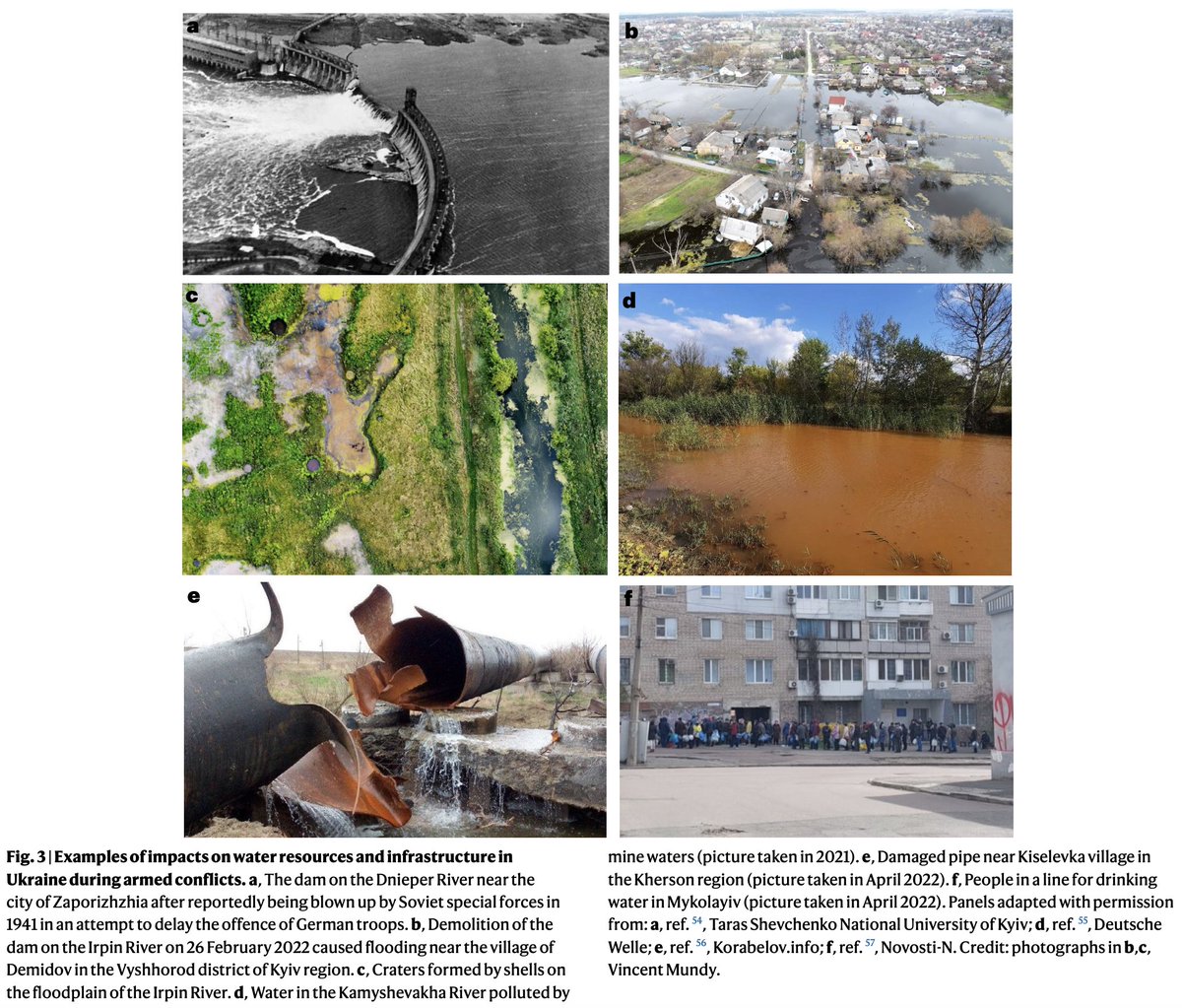
10/10: Check out the full paper "Impact of the Russia–Ukraine armed conflict on water resources and water infrastructure" for more insights: doi.org/10.1038/s41893…
English
0
0
0
39
paper_a_day
paper_a_day@paper_a_day·
9/10: The study underscores the importance of water as a fundamental resource for life. It's a stark reminder of how conflicts can disrupt basic human needs and well-being.
paper_a_day tweet media
English
1
0
0
42