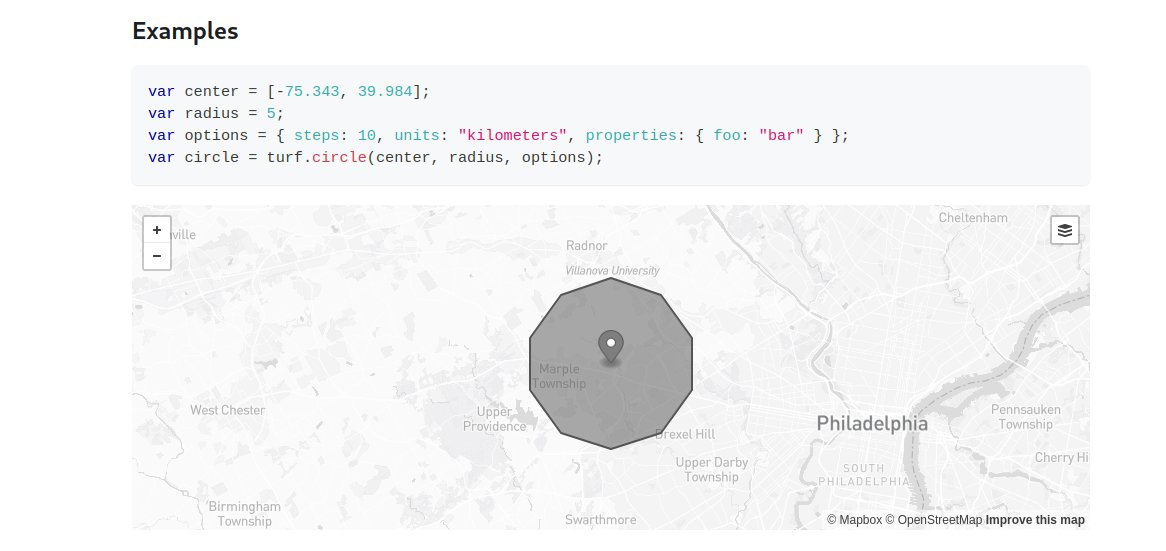
@mholt6 Is it a circle from the viewer's perspective, or a circle from the perspective of someone standing at the centre?
English
Paul Scott
546 posts


I was surprised by the results to this! It seems that an awful lot of people still continue to use rs/zerolog and ubergo/zap. Tons of folks using slog from the standard library too. For the folks not using slog, a high proportion of them said they are only not using it because slog didn't exist when they started their project. This makes sense to me- I'm not sure its' worth the effort to pull it out. Why does it matter which logger I use? In most cases, it probably doesn't. However, if you are building for performance then having a logger that does not allocate, slows down your program as little as possible and has the ability to use in a structured way is important. Which is fastest? According to Uber-go's benchmarks, rs/zerolog is the fastest in pretty much all scenarios. So I should use zerolog? Maybe. Generally I try to aim for as few dependencies as possible, as it's something else to be managed. In my own use, slog has been more than fine. If you hit a juncture where logging is a bottleneck, experimenting with zerolog could be worth it! I would bet in most cases you could solve logging bottlenecks by either removing logs, or "tuning down" the log mode. #golang


We're ecstatic to introduce Status Pages. With an elegant, easy-to-use interface and integration into our product, businesses can regain confidence in their customer communications during incidents. Read our announcement post here: go.incident.io/3MOjvL7

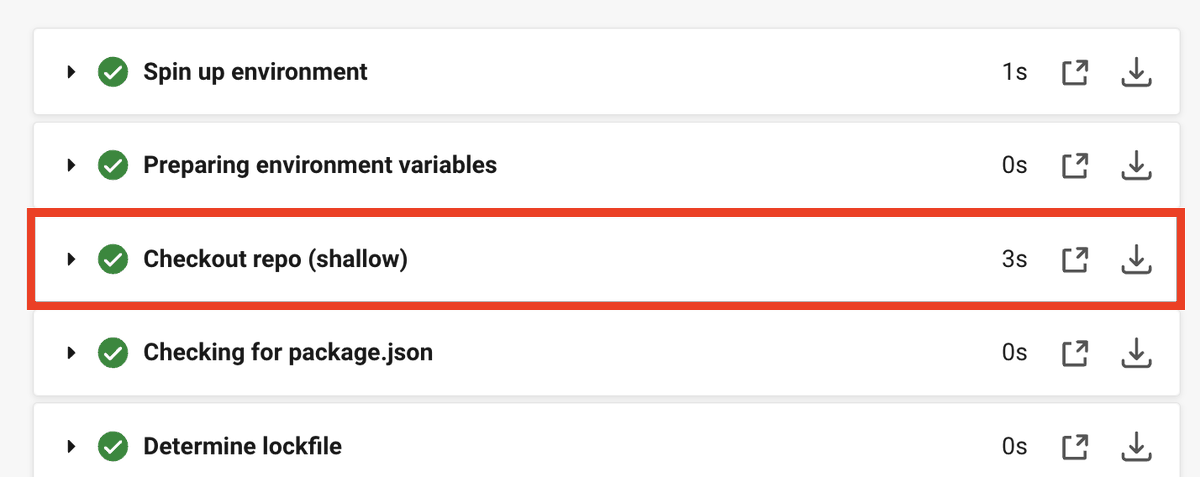
One of the best things about joining a start-up? You can set the bar for a lot of the tech stack. We've (@incident_io) found a real sweet spot for observability tooling which we'll share soon, but Friday afternoons are for optimising build pipelines 🎉🚀

Gmail now shows package delivery information for order confirmation emails as a label under sender name which is continuously updated as the order progresses (@sarahintampa / TechCrunch) techcrunch.com/2022/11/02/gma… #a221103p2" target="_blank" rel="nofollow noopener">techmeme.com/221103/p2#a221…