ハトダンナ(💻)

2.8K posts

ハトダンナ(💻) banner
ハトダンナ(💻)

ハトダンナ(💻)

@pazworld_co

なぜなぜ分析をするといつも「自分がバカだから」に辿り着いてしまう / @pazworld

Katılım Nisan 2019
223 Takip Edilen175 Takipçiler
ハトダンナ(💻) retweetledi
ハトダンナ(💻)
ハトダンナ(💻)@pazworld_co·
@yukizokin ありがとうございます。他人のオブジェクトの動作は「信用する」か「中を見てメンテする」のどちらかになると思います。オブジェクト指向でも奇麗に設計(役割分担)すればオブジェクトの内部もそれを使う側も抽象度を上げた状態でわかりやすく書けるのではないかと思い、色々な書き方を試しています。
日本語
0
0
2
40
ゆきぞー
ゆきぞー@yukizokin·
@pazworld_co オブジェクト指向は隠蔽化もテーマで外から中身を見せない思想。隠蔽化されているからデバッグが大変になる。作った人にバグ報告すれば済むうちはいいけれど。作った人が辞めたらその時点で終わるのが、オブジェクト指向的なんじゃないかと思いますね。
日本語
1
0
1
46
ハトダンナ(💻)
ハトダンナ(💻)@pazworld_co·
将来のメンテナンス性や拡張性を考えるとコードをぱっと見て ・何をやっているかわかる ・どのオブジェクト/関数を呼んでいるのかわかる ・何を渡しているのかわかる というのは重要だと思います>RT x.com/yukizokin/stat…
ゆきぞー@yukizokin

引数に必要なリソースは全て書くべき。描いてあれば、中身を見なくてもかなりの精度で予測が立つ。 ものすごく長くなったとしても、基本書くべき。『ものすごく長い』という貴重な情報が表に出る。そこから整理した方が良いというメンテナンスのししんまで立てられる。中身を似なくても。

日本語
1
1
5
139
ハトダンナ(💻) retweetledi
ゆきぞー
ゆきぞー@yukizokin·
引数に必要なリソースは全て書くべき。描いてあれば、中身を見なくてもかなりの精度で予測が立つ。 ものすごく長くなったとしても、基本書くべき。『ものすごく長い』という貴重な情報が表に出る。そこから整理した方が良いというメンテナンスのししんまで立てられる。中身を似なくても。
日本語
1
1
1
266
ハトダンナ(💻) retweetledi
Ihtesham Ali
Ihtesham Ali@ihtesham2005·
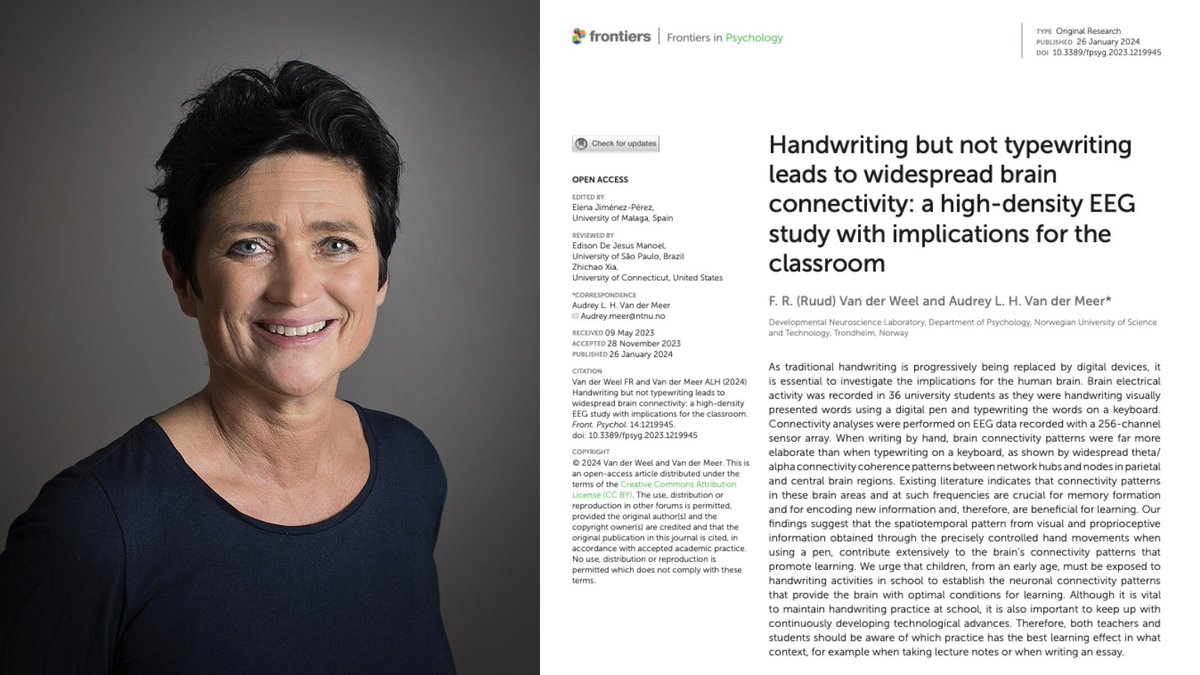
A Norwegian neuroscientist spent 20 years proving that the act of writing by hand changes the human brain in ways typing physically cannot, and almost nobody outside her field has read the paper. Her name is Audrey van der Meer. She runs a brain research lab in Trondheim, and the paper that closed the argument was published in 2024 in a journal called Frontiers in Psychology. The finding is brutal enough that it should have changed every classroom on Earth. The experiment was simple. She recruited 36 university students and put each one in a cap with 256 sensors pressed against their scalp to record brain activity. Words flashed on a screen one at a time. Sometimes the students wrote the word by hand on a touchscreen using a digital pen, and sometimes they typed the same word on a keyboard. Every neural response was recorded for the full five seconds the word stayed on screen. Then her team looked at the part of the data most researchers had ignored for years, which is how different parts of the brain were communicating with each other during the task. When the students wrote by hand, the brain lit up everywhere at once. The regions responsible for memory, sensory integration, and the encoding of new information were all firing together in a coordinated pattern that spread across the entire cortex. The whole network was awake and connected. When the same students typed the same word, that pattern collapsed almost completely. Most of the brain went quiet, and the connections between regions that had been alive seconds earlier were nowhere to be found on the EEG. Same word, same brain, same person, and two completely different neurological events. The reason turned out to be something nobody had really paid attention to before her work. Writing by hand is not one motion but a sequence of thousands of tiny micro-movements coordinated with your eyes in real time, where each letter is a different shape that requires the brain to solve a slightly different spatial problem. Your fingers, wrist, vision, and the parts of your brain that track position in space are all working together to produce one letter, then the next, then the next. Typing throws all of that away. Every key on a keyboard requires the exact same finger motion regardless of which letter you are pressing, which means the brain has almost nothing to integrate and almost no problem to solve. Van der Meer said it plainly in her interviews. Pressing the same key with the same finger over and over does not stimulate the brain in any meaningful way, and she pointed out something that should scare every parent who handed their kid an iPad. Children who learn to read and write on tablets often cannot tell letters like b and d apart, because they have never physically felt with their bodies what it takes to actually produce those letters on a page. A decade before her, two researchers at Princeton ran the same fight using a completely different method and ended up at the same answer. Pam Mueller and Daniel Oppenheimer tested 327 students across three experiments, where half took notes on laptops with the internet disabled and half took notes by hand, before testing everyone on what they actually understood from the lectures they had watched. The handwriting group won by a wide margin on every question that required real understanding rather than surface recall. The reason was hiding in the transcripts of what the two groups had actually written down. The laptop students typed almost word for word, capturing more total content but processing almost none of it as they went, while the handwriting students physically could not write fast enough to transcribe a lecture in real time, which forced them to listen carefully, decide what actually mattered, and put it in their own words on the page. That single act of choosing what to keep was the learning itself, and the keyboard had quietly skipped the choosing and skipped the learning along with it. Two studies. Two countries. Same answer. Handwriting makes the brain work. Typing lets it coast. Every note you have ever typed instead of written went into your brain through a thinner pipe. Every meeting, every book highlight, every idea you captured on your phone instead of on paper was processed at half depth. You did not forget those things because your memory is bad. You forgot them because typing never woke the part of the brain that would have made them stick. The fix is the thing your grandmother already knew. Pick up a pen. Write the thing down. The slower road is the faster one.
Ihtesham Ali tweet media
English
2.4K
44.2K
119.1K
9.4M
ハトダンナ(💻) retweetledi
わかドリ🐔ITがわからなくて当然
ひなドリ「オブジェクト指向って何だ。研修で出てきたけど全然わからん」 わかドリ「人体だ」 ひなドリ「人体?」 わかドリ「心臓は血を送る。胃は消化する。肺は呼吸する。それぞれが自分の仕事だけをやる」 ひなドリ「臓器が分担してるやつか」 わかドリ「そうだ。心臓は胃の消化を気にしない。胃は肺の呼吸を気にしない。自分の責任だけ果たす」 ひなドリ「プログラムも同じってことか」 わかドリ「そうだ。ログイン処理、支払い処理、メール送信。機能ごとにそれぞれを独立した部品として作る」 ひなドリ「一個壊れても他は動くのか」 わかドリ「胃を手術しても心臓は動き続けるだろ。それと同じだ」 ひなドリ「つまり、でかいプログラムを臓器に分けて作る考え方か」 わかドリ「そういうことだ」 ☆今日も学んだあなたがえらい!
日本語
0
2
4
394
ハトダンナ(💻)
ハトダンナ(💻)@pazworld_co·
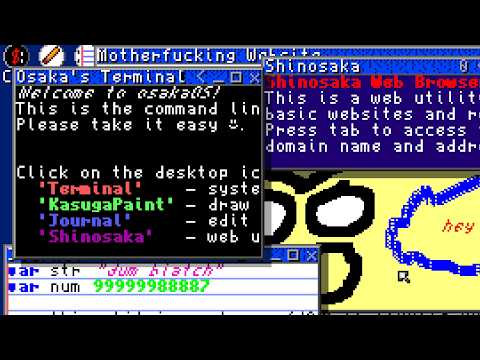
"osakaOS v3.0 - YouTube"(youtube.com/watch?v=TNcUfC…) 画面320x200で486用の謎のOSを作っている人の動画。OSがOsaka、ペイントがKasuga、ブラウザがShinOsaka。マルチウィンドウがメインかと思っていたらMagicCapみたいなビジュアル環境が全画面で起動します。各種アプリは居間のテレビから起動。謎。
YouTube video
YouTube
日本語
0
1
1
230
ハトダンナ(💻)
ハトダンナ(💻)@pazworld_co·
ProxmoxにFreeBSDをインストールしています。コンソールなのにデーモンがグラフィカル。
ハトダンナ(💻) tweet media
日本語
0
1
2
97
ハトダンナ(💻) retweetledi
ハトダンナ(paz)
ハトダンナ(paz)@pazworld·
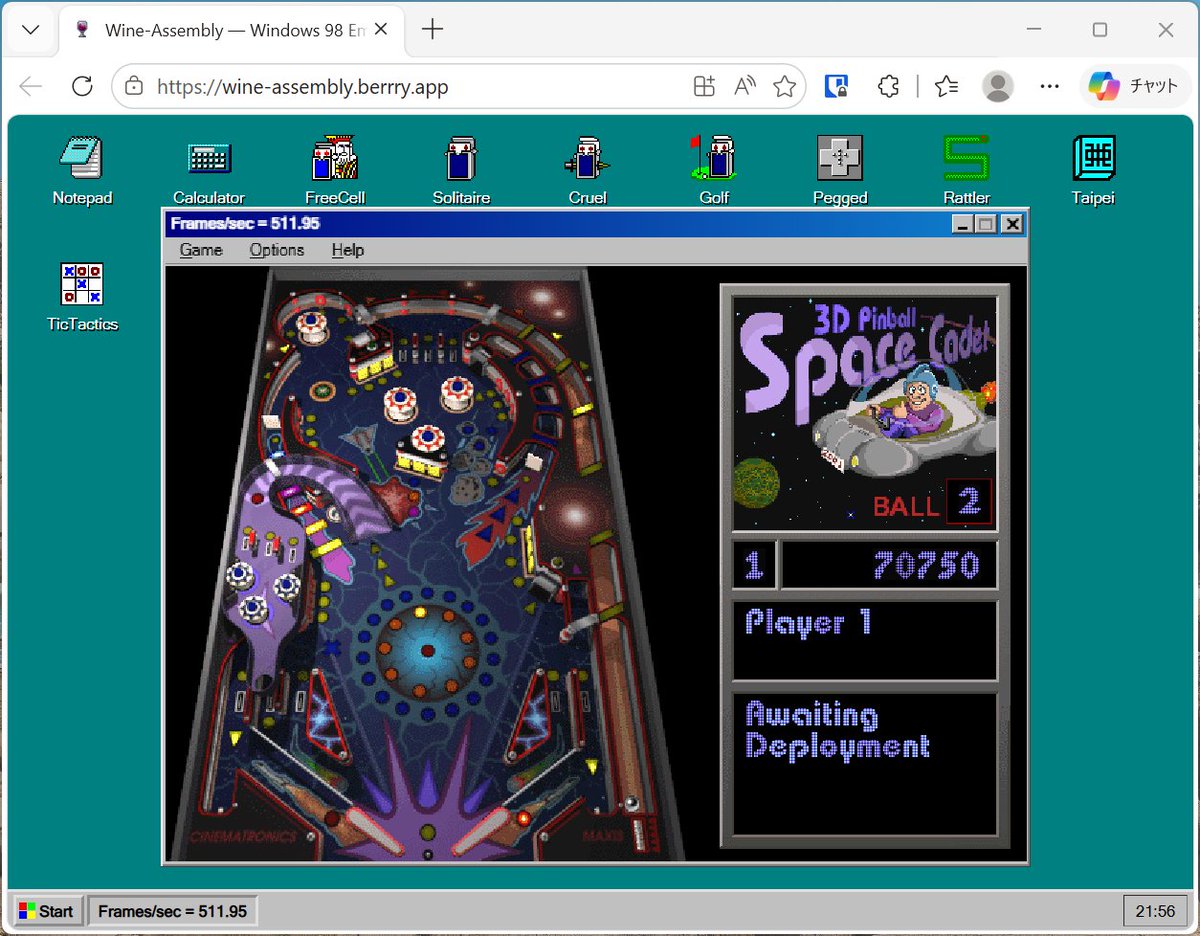
ブラウザでWin32バイナリが動くサイトがあってサンプルとして古いWindows付属ゲームが入っているんですが最近噂だったピンボールがあります。[Z]と[/]でフリップ、スペースで球の発射です。 wine-assembly.berrry.app
ハトダンナ(paz) tweet media
日本語
0
5
11
264
ハトダンナ(💻) retweetledi
sumim
sumim@sumim·
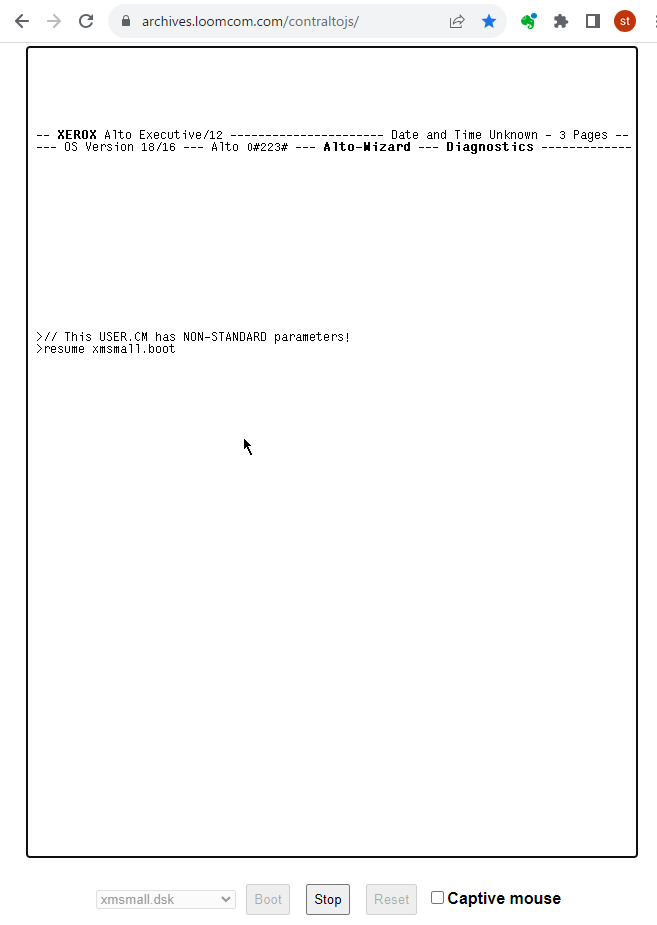
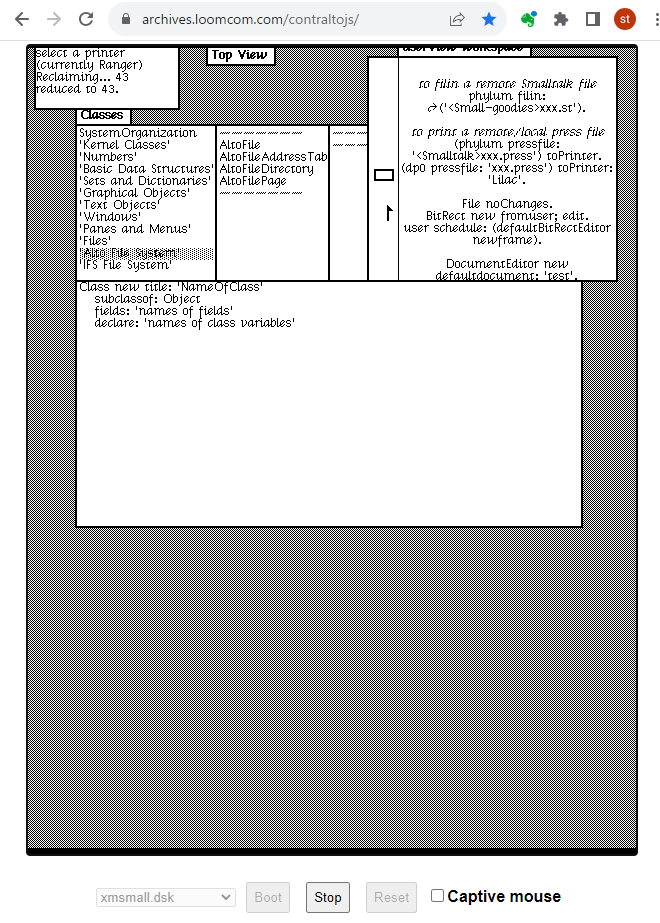
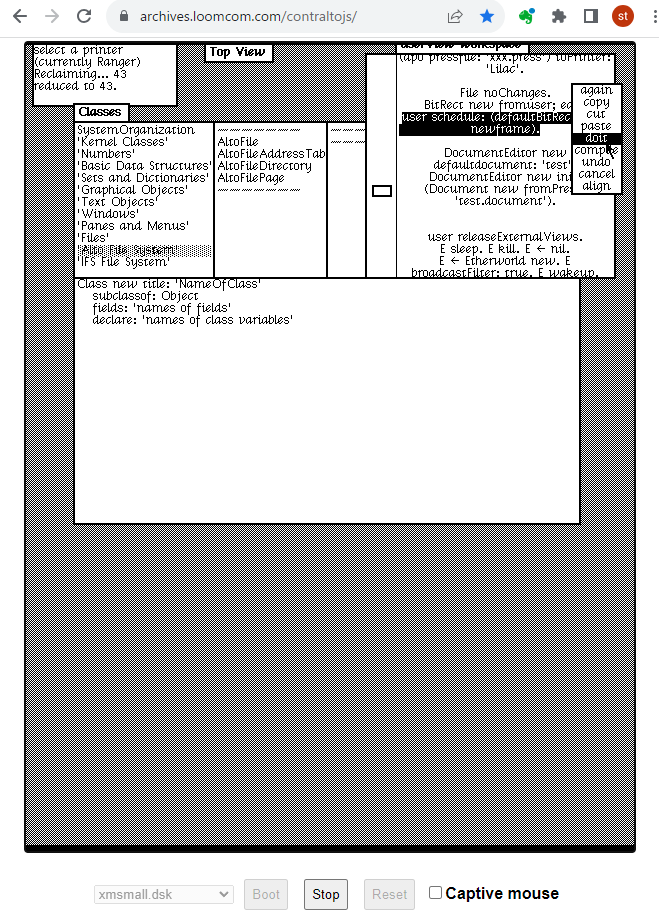
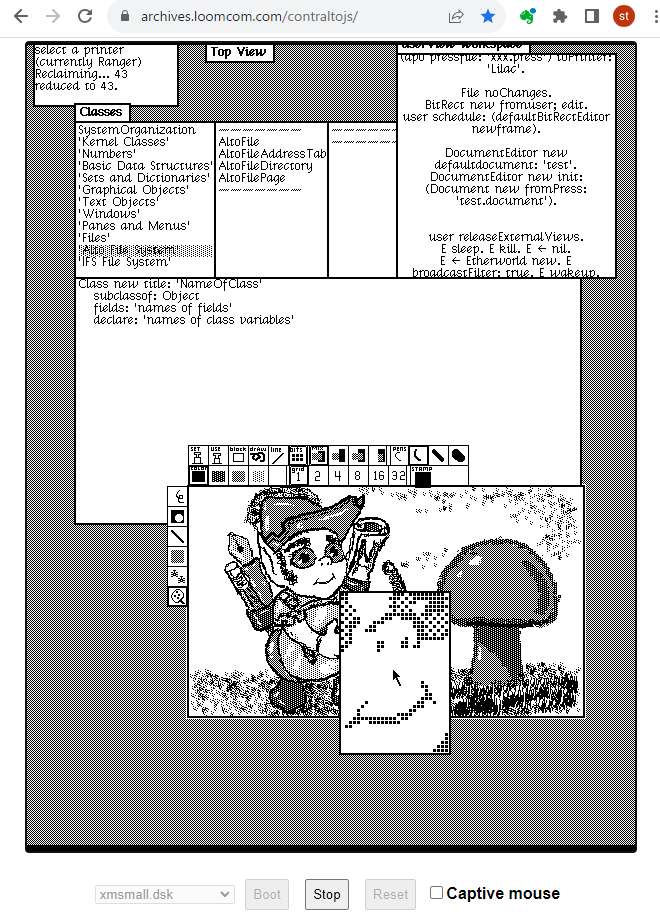
ウェブブラウザで動くものとしては伝説の Xerox Alto もありますね!(操作に対する反応が鈍くて、ジョブズ達が見た Smalltalk-76 を起動したり、MacPaint の元ネタのペイントソフトまで行き着くのもかなり大変ですが…^^;) archives.loomcom.com/contraltojs/
sumim tweet mediasumim tweet mediasumim tweet mediasumim tweet media
RetroPC NEWS (公式)@retropcnews

ブラウザで動くレトロPCエミュレータ10選!ZX81からLisa、NeXT、VZまで retropcnews.com/archives/1827

日本語
0
3
7
447
ハトダンナ(💻)
ハトダンナ(💻)@pazworld_co·
cdでディレクトリを移動しながらmakeでコンパイルしたりしています。UN*X(Linux)ユーザーの皆様なら何をしているのかわかるはず。そして時代を超えて「わかる」のがUNIX環境のすごさだと思います。
日本語
0
0
0
25
ハトダンナ(💻)
ハトダンナ(💻)@pazworld_co·
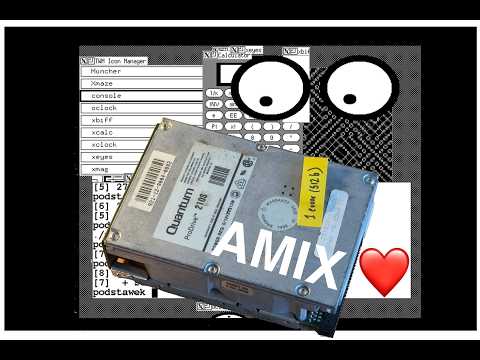
"I Found the Lost Amiga UNIX 2.02 - YouTube"(youtube.com/watch?v=sDei4T…) Amiga用UNIXが入ったHDDをFSFから入手した人の動画。エミュレータにつないでちゃんとUNIXが動作しています。
YouTube video
YouTube
日本語
1
1
1
125
ハトダンナ(💻)
ハトダンナ(💻)@pazworld_co·
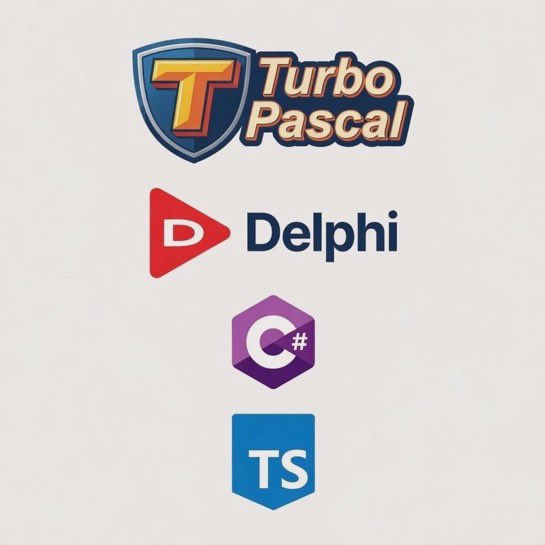
C#のコンポーネント(WinForms, WPF)を使っているとあちこちでDelphiっぽさを感じます。たとえばイベントハンドラの第1引数がSenderであることとか、リストへの追加がItems.Add()なところとか>RT x.com/CaptainInsight…
Captain Insight@CaptainInsightX

C#, TypeScript, Turbo Pascal ~ one European engineer helped build all 3. Today, they’re used by 10M+ developers worldwide. 🤯 Meet Anders Hejlsberg 🇩🇰 > In the 1980s, a young Danish programmer built a compiler called Turbo Pascal largely by himself. > It was insanely fast for its time. Developers loved it. > Borland noticed ~ and hired him. > A few years later, he led the creation of Delphi. > It became one of the biggest Windows developer tools of the 1990s. > Then Microsoft came calling. > In 1996, he joined the company to help shape the future of programming languages. > He first worked on Visual J++ and Windows Foundation Classes before leading C#. > There, he became the lead architect of C#. > C# eventually powered enterprise software, backend systems, and millions of Unity games worldwide. > Most engineers would stop there. > He didn’t. > In 2012, he co-created TypeScript. > Today, huge parts of the modern web run on it. 🚀 > Microsoft, Google, Stripe, Slack, and Airbnb all use it in production. > For 40+ years, he kept quietly redesigning how developers write software. While the industry chased the next big thing, Anders Hejlsberg kept building it. The Programming Language GOAT. 🐐

日本語
0
0
0
98
ハトダンナ(💻) retweetledi
Captain Insight
Captain Insight@CaptainInsightX·
C#, TypeScript, Turbo Pascal ~ one European engineer helped build all 3. Today, they’re used by 10M+ developers worldwide. 🤯 Meet Anders Hejlsberg 🇩🇰 > In the 1980s, a young Danish programmer built a compiler called Turbo Pascal largely by himself. > It was insanely fast for its time. Developers loved it. > Borland noticed ~ and hired him. > A few years later, he led the creation of Delphi. > It became one of the biggest Windows developer tools of the 1990s. > Then Microsoft came calling. > In 1996, he joined the company to help shape the future of programming languages. > He first worked on Visual J++ and Windows Foundation Classes before leading C#. > There, he became the lead architect of C#. > C# eventually powered enterprise software, backend systems, and millions of Unity games worldwide. > Most engineers would stop there. > He didn’t. > In 2012, he co-created TypeScript. > Today, huge parts of the modern web run on it. 🚀 > Microsoft, Google, Stripe, Slack, and Airbnb all use it in production. > For 40+ years, he kept quietly redesigning how developers write software. While the industry chased the next big thing, Anders Hejlsberg kept building it. The Programming Language GOAT. 🐐
Captain Insight tweet mediaCaptain Insight tweet media
English
29
59
354
12.2K
ハトダンナ(💻)
ハトダンナ(💻)@pazworld_co·
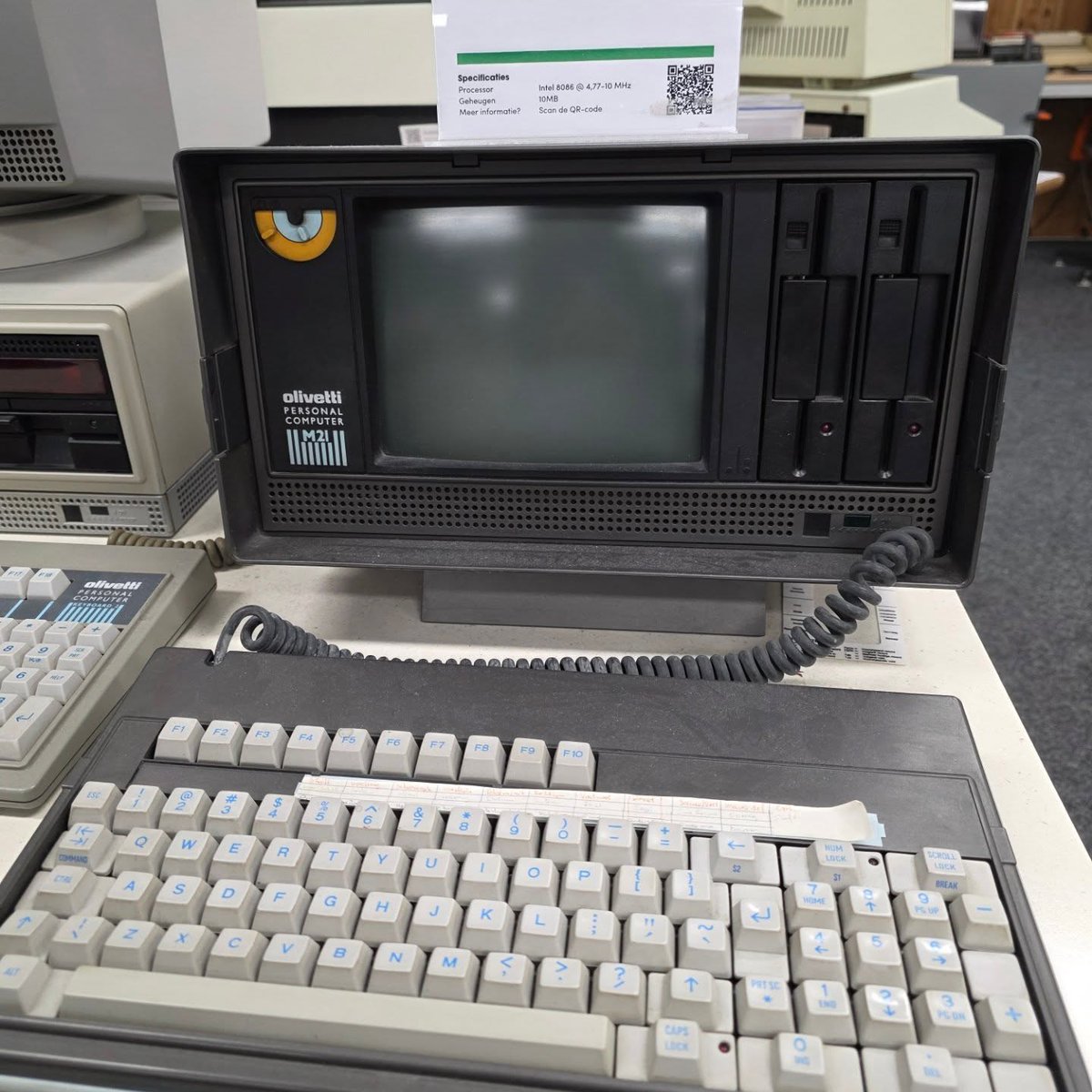
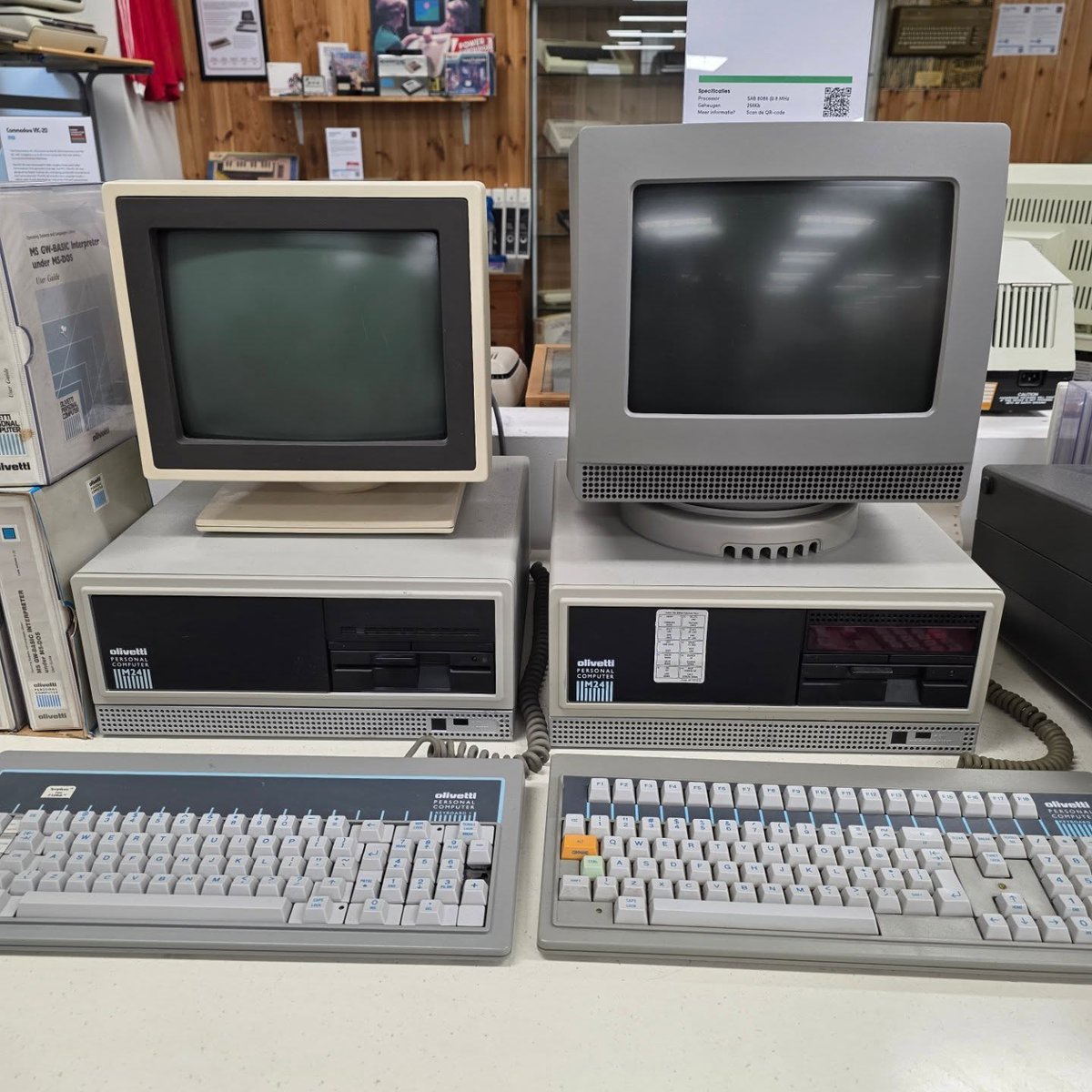
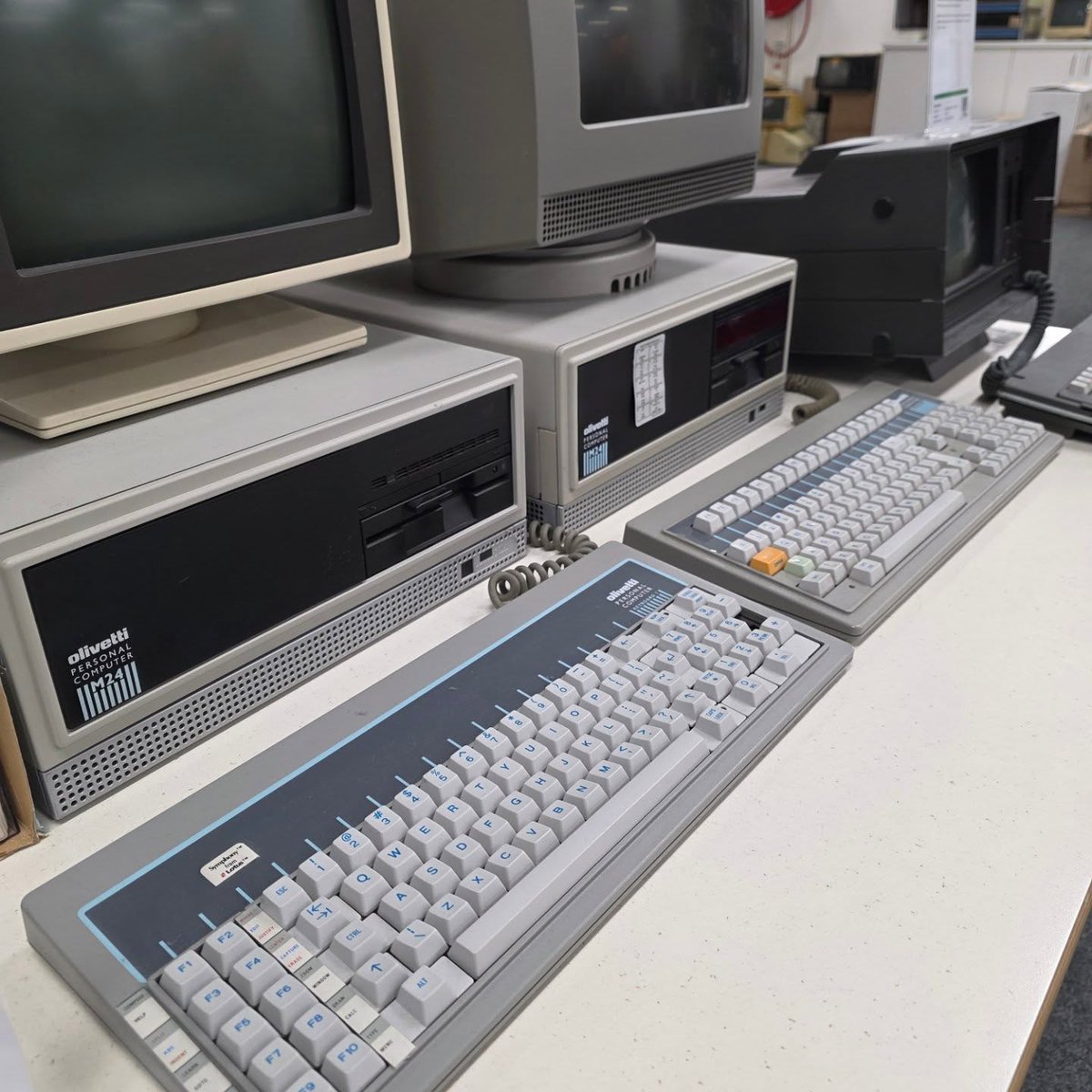
@yone さすが良くご存知ですね。しかしこのマシンはOlivettiの優美さをあまり感じません。
日本語
0
0
1
13
yone
yone@yone·
@pazworld_co そうそう、フロントにスピーカーが丸いスリットが入っているマシンありましたね!
日本語
1
0
1
40
yone
yone@yone·
Olivettiのデスクトップってほとんどみたことないな〜 写真は拾い
yone tweet mediayone tweet mediayone tweet media
日本語
10
13
107
3.7K
ハトダンナ(💻) retweetledi
Takuto Wada
Takuto Wada@t_wada·
"大企業では、一度リリースした機能は利用者が少なくても消せないという構造的な圧力が働く。機能を追加する容易さに比べ、削除する難易度が異常に高い。この不均衡な状況でAIを回し続ければ、負債だけが積み上がる地獄絵図" / AI時代にプロダクトマネージャーは消滅するのか htn.to/3tnQQjkNjb
日本語
2
134
649
147.9K