Zach Rynes | CLG@ChainLinkGod
The bizarre retail thesis of $XRP is that it will become the global reserve currency that everything trades against, the so-called “XRP standard”
Rather than trading Dollars for Euros directly, you would trade USD for XRP, and then XRP for EUR, because this makes payments supposedly more efficient
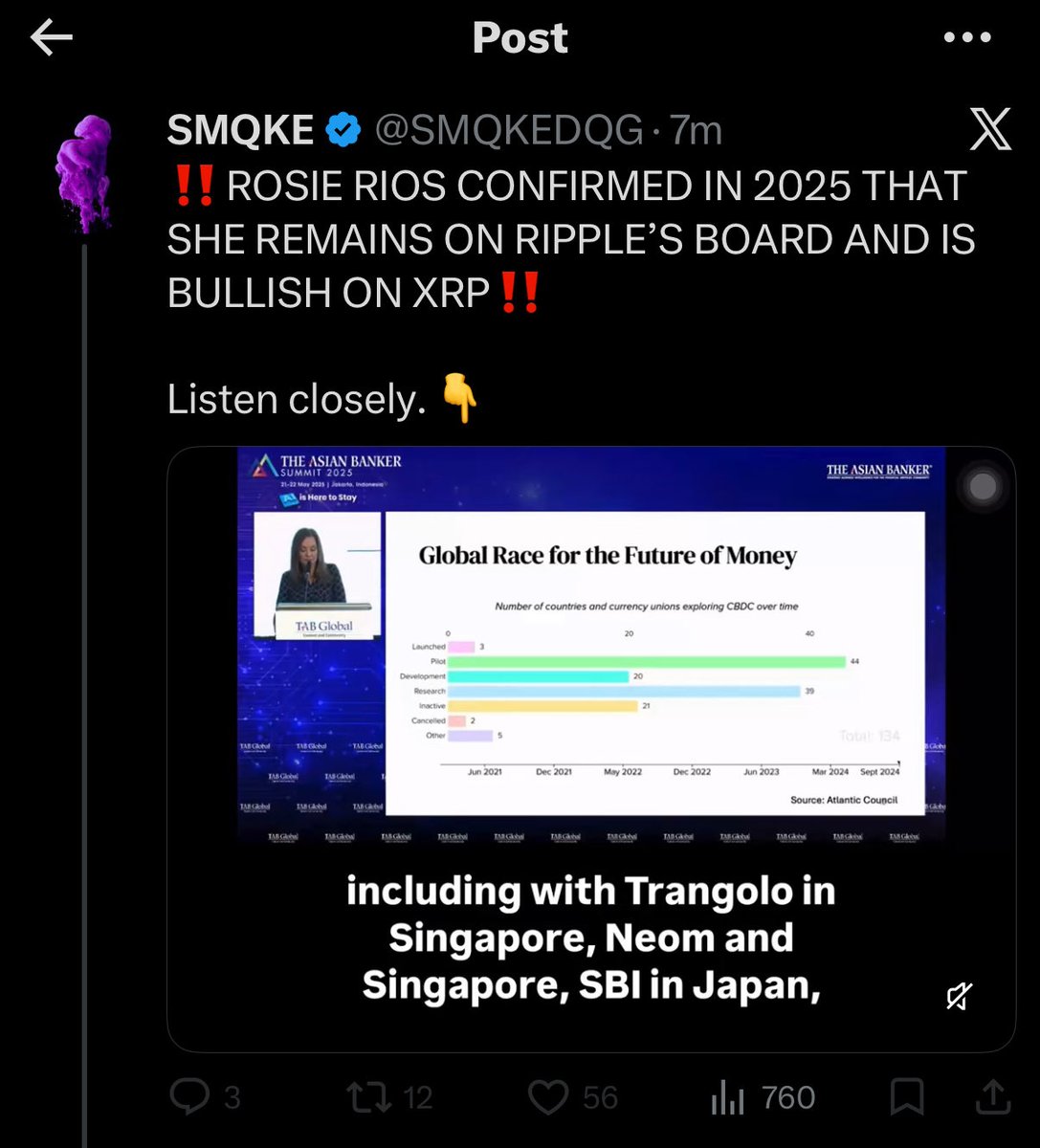
The XRP army will push back on this framing because they know how insane this thesis sounds
They will argue the goal is not for XRP to become the global reserve currency but to fulfill the “bridge currency” use case, not understanding it’s a distinction without a difference
They also believe the XRPL will become the dominant chain for tokenized real world assets, despite not even ranking in the top 40 by usage, developer activity, or DeFi TVL
The XRPL is a ghost chain with less than 1% RWA market share and under 0.01% of stablecoins but somehow it will rise above all the other highly competitive, largely commoditized ledgers and become the primary settlement layer thanks to XRP liquidity
All of this is compounded by various conspiracy theories about secret banking cartels who are colluding to push the XRP standard and lies from influencers about fake or exaggerated partnerships
Reality moved on though
The XRP vision was created over a decade ago before we had modern 200K TPS high-throughput chains, programmable smart contracts, DeFi protocols, fiat-backed stablecoins, tokenized deposits, atomic DvP/PvP swaps, and cross-chain infra
If you listen to what the world’s largest financial institutions and market infrastructures like Swift, DTCC, JP Morgan, BlackRock, and many others are saying, you’ll find zero of them talking about the need for a “bridge currency”
Rather, they talk about the need for connectivity, interoperability, privacy, compliance, and orchestration (all things Chainlink does, what a coincidence)
The market ended up building everything XRP was supposed to be, without XRP
USD-backed stablecoins have become the dominant crypto-native “bridge currency” for payments, trading, and finance
The most successful case study of crypto-powered finance is Hyperliquid, where you can trade commodities, equities, FX, and crypto 24/7/365 across spot and derivatives markets
Want to guess what “bridge currency” all these positions are traded against to minimize liquidity fragmentation?
USD-backed stablecoins, not XRP
And yet despite all this, the XRP army has yet to accept reality
The reality is that Ripple socializes its costs to XRP holders and privatizes gains for its equity shareholders
They sell XRP to fund products whose revenue accrues only to Ripple
They use XRP sale proceeds to fund stock buybacks
RLUSD has 90% of its supply on Ethereum and other chains, not XRPL, so there’s ~zero XRP demand created. Interest on reserves flows to Ripple, not to XRP holders
Repeat this pattern across Ripple’s other products and acquisitions where XRP holders fund development for products that don’t use XRP (or it’s optional and little used) and the resulting revenue accrues to Ripple equity holders
XRP’s actual role at this point is funding a corporation that has openly stated it will prioritize its own shareholders over everyone else
All of this is obvious to anyone who has spent even a moderate amount of time scrutinizing Ripple/XRP, steelmanned the counter-thesis, or just looked at the competitive landscape
The only people who don’t see it are people who have never left the echo chamber long enough to question their own assumptions
Which is sad, but this is crypto, it’s never been a rational market