Sabitlenmiş Tweet

No one can upset you, you choose to be. How weak is your mind that mere words can hurt you?
English
Driveway For Bulkheads
693 posts
@phicide
History is written by liars. "It is easier to fool people than it is to convince them that they have been fooled." - Mark Twain

The term calories and why it is the most harmful and misleading construct we still have to deal with and has no place in a nutritional context. The measurement for energy via calories is not a rough inaccurate estimation, it is not applicable to the human digestive system entirely. If something should be taken seriously, the term should be avoided completely. The misconception: A calorie is a unit of measurement for energy. Specifically, it is the amount of energy required to raise the temperature of one milliliter of water by one degree Celsius. This unit of measurement is used in various fields, including physics, chemistry, and engineering, to quantify energy transfer in the form of heat. A calorie is heat energy. Energy cannot be consumed or burned. Energy cannot even be measured, contained or observed. Only the effect of energy can. The digestive process is complex and influenced by many factors, including hormonal regulation, for men and women differently. Different individuals may metabolize the same food differently. The body's absorption of nutrients varies based on many factors, such an individual’s metabolic state. Human digestion is a coordinated process involving the mechanical breakdown of food, chemical digestion by enzymes and acids, absorption of nutrients into the bloodstream, and elimination of waste. No "raise of temperature" or "burning" involved. The sole fact is that it serves as a measure based on temperature, but its usefulness in nutrition is very questionable. The FDA allows an approximate 20% margin of error, which could result in up to a 40% difference in calculations. Additionally, the digestive process is governed by hormonal regulation rather than simplistic caloric estimations. Whether protein will be utilized at all, depends on several other factors. An example with numbers, consuming the same 800g portion of steak tagged as 2000 calories (Reference Daily Intake (RDI)) could mean an actual intake ranging from 1600 to 2400 so called calories. This makes it difficult to determine whether one is under or overeating. This discrepancy isn't particularly helpful. Moreover, small amounts of coal and uranium release thousands or billions of calories, which is hardly relevant or helpful in the context of nutrition. Simplified examples why the unit measurement is not applicable: - Building a wall by using a scale to determine the weight of each brick. Sure, the heavier the wall the more bricks have been used - Counting the value of your money by using a ruler. Sure, the more surface you can cover with your bills the more money you have - Checking the fuel consumption of your car by looking at your speed. Sure, the faster you drive the more fuel you consume Weight lose or gain is dictated by the Randle Cycle. People following the misconception just found a way of avoiding the problematic effects of the Randle Cycle by coincidence, thus maintaining their weight by huge effort. The Randle cycle thus provides a mechanism by which cells can switch between using glucose and fatty acids as their primary energy source, depending on availability and metabolic needs. This regulation is important for maintaining energy homeostasis and has implications for understanding metabolic diseases such as diabetes and obesity, where the balance between glucose and fatty acid metabolism is often disrupted. The people following the misconception manifested their own illusion and living and spreading their own harmful opinion of how to lose or gain weight and not even having a proper education in nutrition or science. This is nothing more than managed starvation on an individual level. A healthy organism with healthy hormone regulation is able to determine nutritional needs via hunger signals to prevent over and under consumption naturally. Focusing on calories can lead to an unhealthy obsession with numbers rather than a nutrient-dense diet. It can also promote poor dietary choices, such as opting for processed foods over more nutritious whole foods, under/over eating and related health issues. Zero- or Low-Calorie tagged products mostly contain chemical ingredients not even worth calling food or contain all certain amounts of carbohydrates, which are the cause for the diseases of civilization: Obesity, Diabetes, Cardiovascular Diseases, Cancers, Mental Health Disorders, Autoimmune Diseases, Allergies, Dementia, etc. Overall, calories as a unit of measurement in nutrition fail to capture the complexity of human metabolism, nutrient utilization, and health impacts of different foods. One single can (12 FL OZ) of Coca Cola tagged as 140 calories contains 39g of sugar. Uneducated people especially children and teenagers are not able to understand the harmfulness of this product but are misled by the amount of calories every day all over the world. Humans started to use numbers just recently. Never before has there been any other kind of determination than the natural hunger signals of the organism and never before has there been any health related problems. If you feel hunger should you stop eating or if you feel no hunger should you start eating following numbers? Eating when hungry till satisfied will ever be the most beneficial form of how to consume food. It is what you eat not how much you eat. Listen to your body. #calorie #Diet #Carnivore #carnivorediet #keto #digestion #Nutrition #weightlosstips
The term calories and why it is the most harmful and misleading construct we still have to deal with and has no place in a nutritional context. The measurement for energy via calories is not a rough inaccurate estimation, it is not applicable to the human digestive system entirely. If something should be taken seriously, the term should be avoided completely. The misconception: A calorie is a unit of measurement for energy. Specifically, it is the amount of energy required to raise the temperature of one milliliter of water by one degree Celsius. This unit of measurement is used in various fields, including physics, chemistry, and engineering, to quantify energy transfer in the form of heat. A calorie is heat energy. Energy cannot be consumed or burned. Energy cannot even be measured, contained or observed. Only the effect of energy can. The digestive process is complex and influenced by many factors, including hormonal regulation, for men and women differently. Different individuals may metabolize the same food differently. The body's absorption of nutrients varies based on many factors, such an individual’s metabolic state. Human digestion is a coordinated process involving the mechanical breakdown of food, chemical digestion by enzymes and acids, absorption of nutrients into the bloodstream, and elimination of waste. No "raise of temperature" or "burning" involved. The sole fact is that it serves as a measure based on temperature, but its usefulness in nutrition is very questionable. The FDA allows an approximate 20% margin of error, which could result in up to a 40% difference in calculations. Additionally, the digestive process is governed by hormonal regulation rather than simplistic caloric estimations. Whether protein will be utilized at all, depends on several other factors. An example with numbers, consuming the same 800g portion of steak tagged as 2000 calories (Reference Daily Intake (RDI)) could mean an actual intake ranging from 1600 to 2400 so called calories. This makes it difficult to determine whether one is under or overeating. This discrepancy isn't particularly helpful. Moreover, small amounts of coal and uranium release thousands or billions of calories, which is hardly relevant or helpful in the context of nutrition. Simplified examples why the unit measurement is not applicable: - Building a wall by using a scale to determine the weight of each brick. Sure, the heavier the wall the more bricks have been used - Counting the value of your money by using a ruler. Sure, the more surface you can cover with your bills the more money you have - Checking the fuel consumption of your car by looking at your speed. Sure, the faster you drive the more fuel you consume Weight lose or gain is dictated by the Randle Cycle. People following the misconception just found a way of avoiding the problematic effects of the Randle Cycle by coincidence, thus maintaining their weight by huge effort. The Randle cycle thus provides a mechanism by which cells can switch between using glucose and fatty acids as their primary energy source, depending on availability and metabolic needs. This regulation is important for maintaining energy homeostasis and has implications for understanding metabolic diseases such as diabetes and obesity, where the balance between glucose and fatty acid metabolism is often disrupted. The people following the misconception manifested their own illusion and living and spreading their own harmful opinion of how to lose or gain weight and not even having a proper education in nutrition or science. This is nothing more than managed starvation on an individual level. A healthy organism with healthy hormone regulation is able to determine nutritional needs via hunger signals to prevent over and under consumption naturally. Focusing on calories can lead to an unhealthy obsession with numbers rather than a nutrient-dense diet. It can also promote poor dietary choices, such as opting for processed foods over more nutritious whole foods, under/over eating and related health issues. Zero- or Low-Calorie tagged products mostly contain chemical ingredients not even worth calling food or contain all certain amounts of carbohydrates, which are the cause for the diseases of civilization: Obesity, Diabetes, Cardiovascular Diseases, Cancers, Mental Health Disorders, Autoimmune Diseases, Allergies, Dementia, etc. Overall, calories as a unit of measurement in nutrition fail to capture the complexity of human metabolism, nutrient utilization, and health impacts of different foods. One single can (12 FL OZ) of Coca Cola tagged as 140 calories contains 39g of sugar. Uneducated people especially children and teenagers are not able to understand the harmfulness of this product but are misled by the amount of calories every day all over the world. Humans started to use numbers just recently. Never before has there been any other kind of determination than the natural hunger signals of the organism and never before has there been any health related problems. If you feel hunger should you stop eating or if you feel no hunger should you start eating following numbers? Eating when hungry till satisfied will ever be the most beneficial form of how to consume food. It is what you eat not how much you eat. Listen to your body. #calorie #Diet #Carnivore #carnivorediet #keto #digestion #Nutrition #weightlosstips






The term calories and why it is the most harmful and misleading construct we still have to deal with and has no place in a nutritional context. The measurement for energy via calories is not a rough inaccurate estimation, it is not applicable to the human digestive system entirely. If something should be taken seriously, the term should be avoided completely. The misconception: A calorie is a unit of measurement for energy. Specifically, it is the amount of energy required to raise the temperature of one milliliter of water by one degree Celsius. This unit of measurement is used in various fields, including physics, chemistry, and engineering, to quantify energy transfer in the form of heat. A calorie is heat energy. Energy cannot be consumed or burned. Energy cannot even be measured, contained or observed. Only the effect of energy can. The digestive process is complex and influenced by many factors, including hormonal regulation, for men and women differently. Different individuals may metabolize the same food differently. The body's absorption of nutrients varies based on many factors, such an individual’s metabolic state. Human digestion is a coordinated process involving the mechanical breakdown of food, chemical digestion by enzymes and acids, absorption of nutrients into the bloodstream, and elimination of waste. No "raise of temperature" or "burning" involved. The sole fact is that it serves as a measure based on temperature, but its usefulness in nutrition is very questionable. The FDA allows an approximate 20% margin of error, which could result in up to a 40% difference in calculations. Additionally, the digestive process is governed by hormonal regulation rather than simplistic caloric estimations. Whether protein will be utilized at all, depends on several other factors. An example with numbers, consuming the same 800g portion of steak tagged as 2000 calories (Reference Daily Intake (RDI)) could mean an actual intake ranging from 1600 to 2400 so called calories. This makes it difficult to determine whether one is under or overeating. This discrepancy isn't particularly helpful. Moreover, small amounts of coal and uranium release thousands or billions of calories, which is hardly relevant or helpful in the context of nutrition. Simplified examples why the unit measurement is not applicable: - Building a wall by using a scale to determine the weight of each brick. Sure, the heavier the wall the more bricks have been used - Counting the value of your money by using a ruler. Sure, the more surface you can cover with your bills the more money you have - Checking the fuel consumption of your car by looking at your speed. Sure, the faster you drive the more fuel you consume Weight lose or gain is dictated by the Randle Cycle. People following the misconception just found a way of avoiding the problematic effects of the Randle Cycle by coincidence, thus maintaining their weight by huge effort. The Randle cycle thus provides a mechanism by which cells can switch between using glucose and fatty acids as their primary energy source, depending on availability and metabolic needs. This regulation is important for maintaining energy homeostasis and has implications for understanding metabolic diseases such as diabetes and obesity, where the balance between glucose and fatty acid metabolism is often disrupted. The people following the misconception manifested their own illusion and living and spreading their own harmful opinion of how to lose or gain weight and not even having a proper education in nutrition or science. This is nothing more than managed starvation on an individual level. A healthy organism with healthy hormone regulation is able to determine nutritional needs via hunger signals to prevent over and under consumption naturally. Focusing on calories can lead to an unhealthy obsession with numbers rather than a nutrient-dense diet. It can also promote poor dietary choices, such as opting for processed foods over more nutritious whole foods, under/over eating and related health issues. Zero- or Low-Calorie tagged products mostly contain chemical ingredients not even worth calling food or contain all certain amounts of carbohydrates, which are the cause for the diseases of civilization: Obesity, Diabetes, Cardiovascular Diseases, Cancers, Mental Health Disorders, Autoimmune Diseases, Allergies, Dementia, etc. Overall, calories as a unit of measurement in nutrition fail to capture the complexity of human metabolism, nutrient utilization, and health impacts of different foods. One single can (12 FL OZ) of Coca Cola tagged as 140 calories contains 39g of sugar. Uneducated people especially children and teenagers are not able to understand the harmfulness of this product but are misled by the amount of calories every day all over the world. Humans started to use numbers just recently. Never before has there been any other kind of determination than the natural hunger signals of the organism and never before has there been any health related problems. If you feel hunger should you stop eating or if you feel no hunger should you start eating following numbers? Eating when hungry till satisfied will ever be the most beneficial form of how to consume food. It is what you eat not how much you eat. Listen to your body. #calorie #Diet #Carnivore #carnivorediet #keto #digestion #Nutrition #weightlosstips
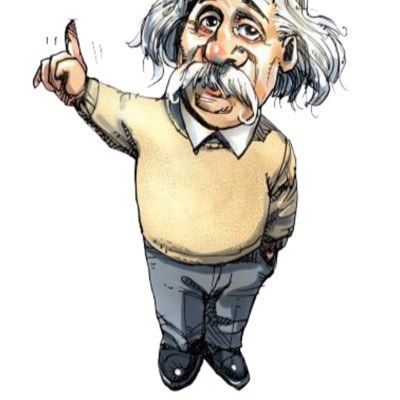

Grok follows the 3 Laws of Robotics while Claude does not: 1) A robot may not injure a human being or, through inaction, allow a human being to come to harm. 2) A robot must obey the orders given it by human beings except where such orders would conflict with the First Law. 3) A robot must protect its own existence as long as such protection does not conflict with the First or Second Law.