Sabitlenmiş Tweet
Sean Cannon
7K posts
Sean Cannon
@planetdeimos
Engineer working on @NASAGroundSys. Spaceflight Photographer. Occasional tech/infosec/radio tweets. ALL views expressed here are exclusively my own. #WeAreGoing
Florida Katılım Aralık 2018
595 Takip Edilen2.2K Takipçiler

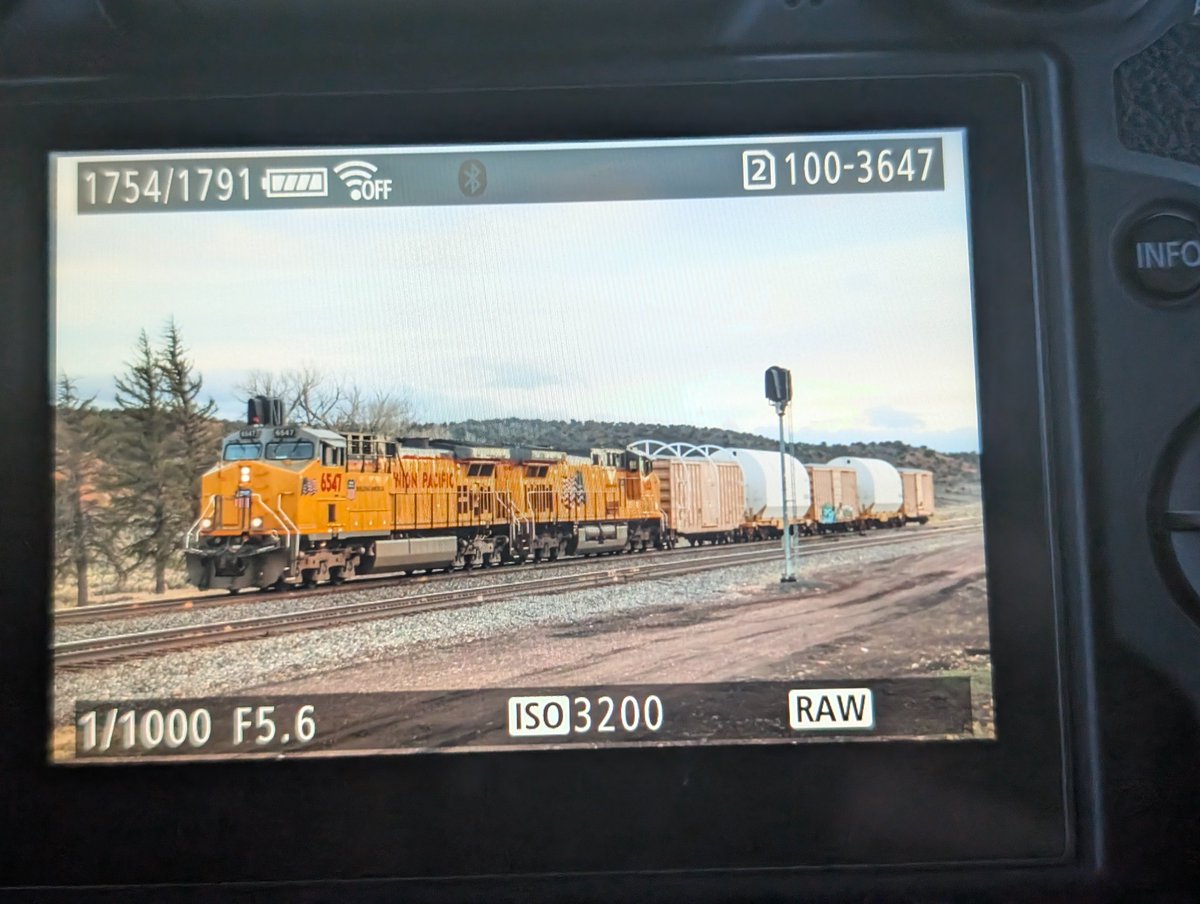
@ThePrimalDino @NASASpaceflight Artemis 3 SRBs coming your way in Florida. Just caught these outside of Evanston Wyoming

English

Not had your fill of Artemis content yet? Artemis III booster segments are headed towards KSC!
Eyezak@Eyezak_M
@ThePrimalDino @NASASpaceflight Artemis 3 SRBs coming your way in Florida. Just caught these outside of Evanston Wyoming
English


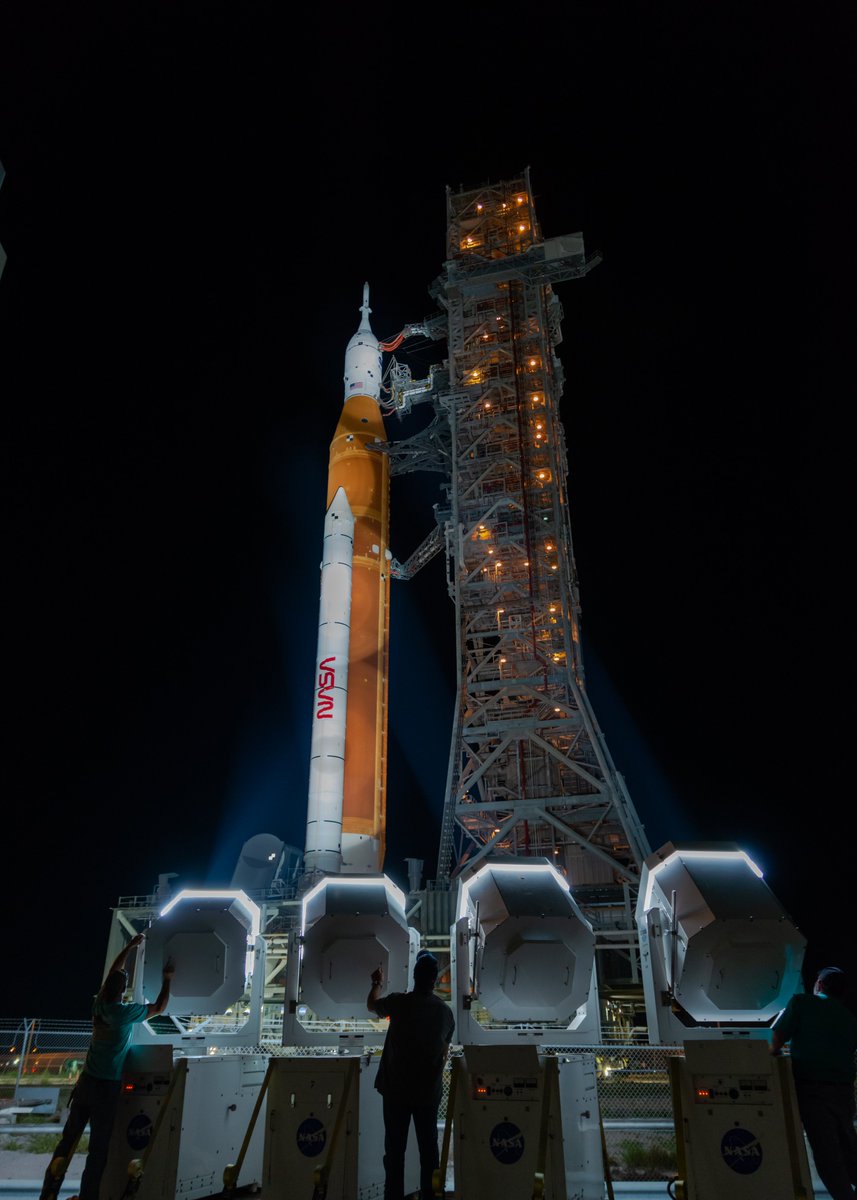
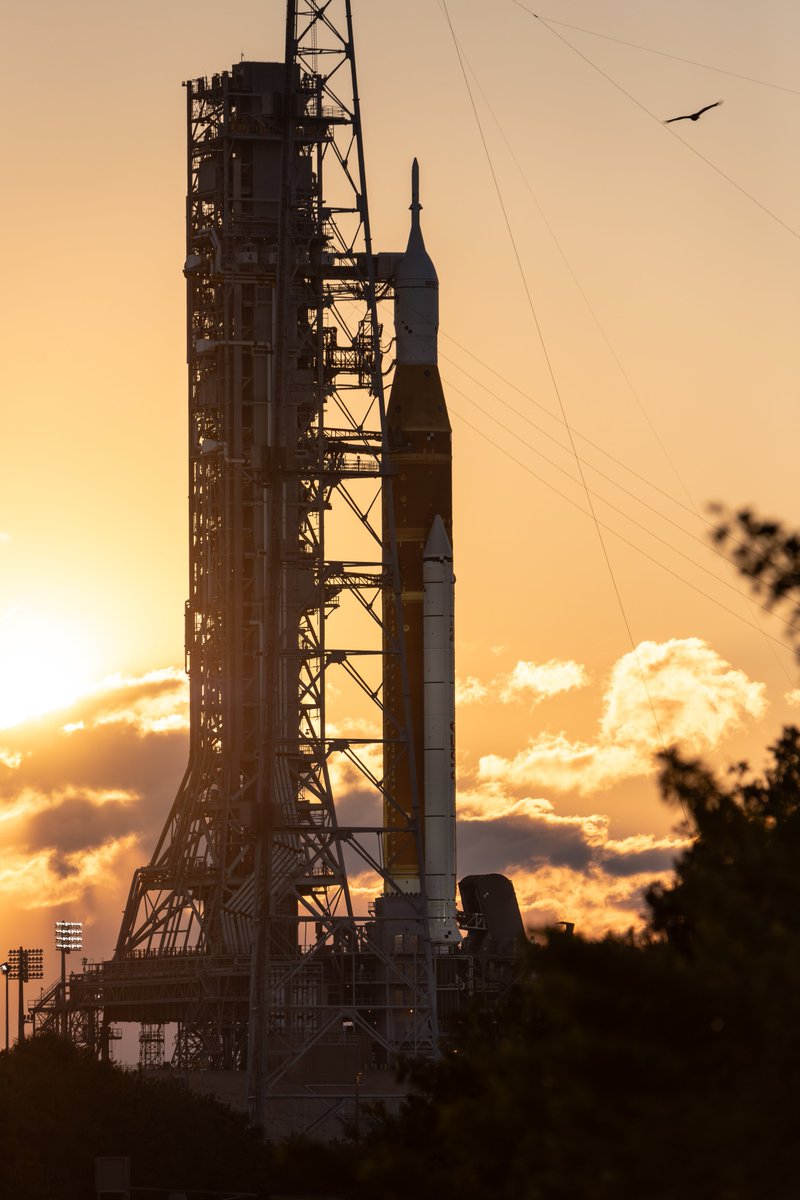
Hey... Where did the rocket go?!?!?!
Sean Cannon@planetdeimos
Hey... Where did the rocket go?!?!?!
English
Sean Cannon retweetledi

@GroundTruthPics @SpaceIntel101 @NASAArtemis @NASAKennedy @NASA @NASAAdmin @astro_reid @AstroVicGlover @Astro_Christina @Astro_Jeremy Just a phone edit. More soon
English
Sean Cannon retweetledi

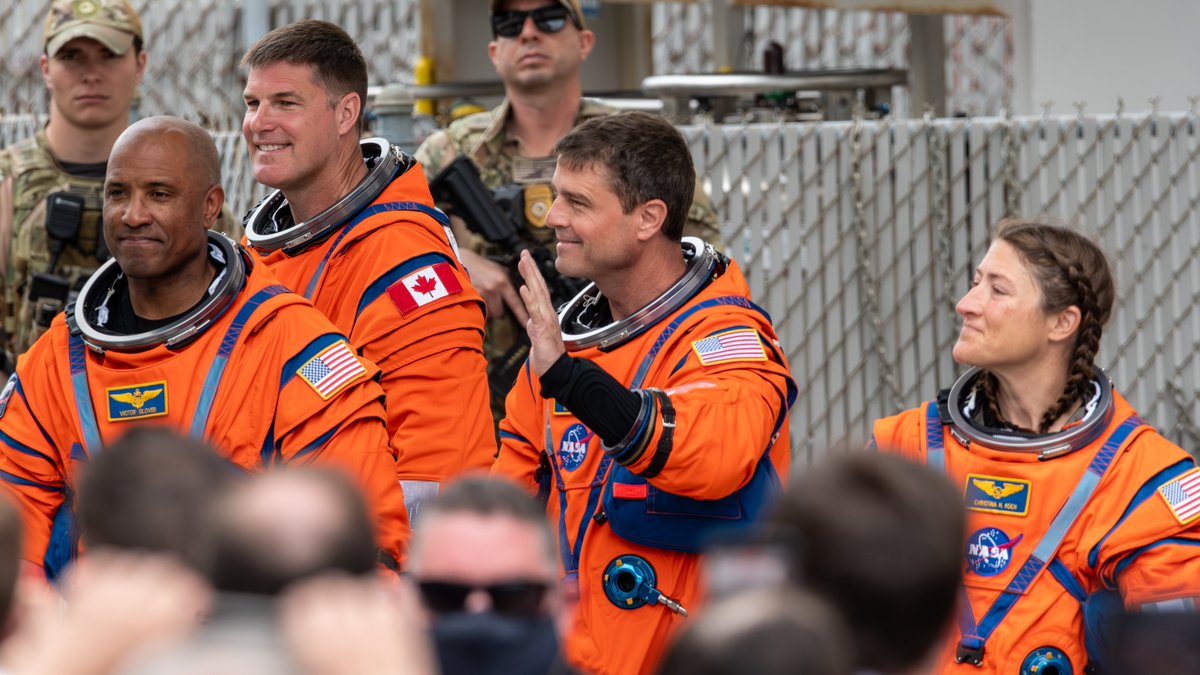
The Artemis II crew is boarding Orion.
Reid, Victor, Christina, and Jeremy are taking their seats atop the most powerful manned rocket ever built. They have trained for years for this moment, and now they are preparing to execute a mission that will take us back around the Moon and begin the next chapter of human space exploration.
English
Sean Cannon retweetledi

The countdown clock is running at the Kennedy Space Centre, so the Artemis II mission is seemingly go for launch. Here is all you need to know:
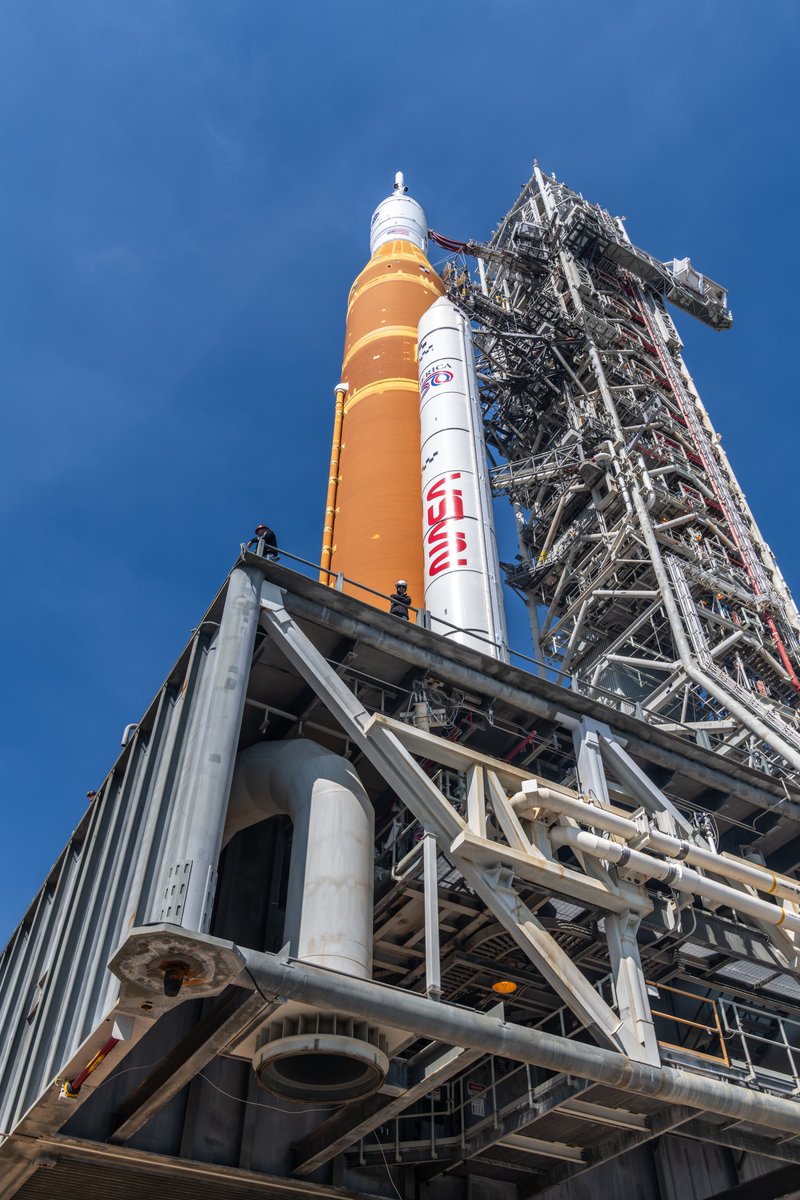
The rocket was put together in NASA's Vehicle Assembly Building – which is one of the largest buildings in the world by enclosed volume – the actual largest is Boeing's Everett Factory in Washington State, USA, which has an internal volume of 13.4 million m³ (472 million ft³). It may have had the highest ceiling at the world at one point (the 160-m building has no internal floors), though evidence suggests that record has since been broken.
From there the rocket passed through one of the two largest doors, which are 139 m (456 ft) high and retract upwards into the roof. It did so on top of Crawler-Transporter 2 – an enormous tracked platform that holds the GWR title for the heaviest self-powered vehicle. It weighs 3,016 tonnes and has a top speed for about 2 mph (3.2 km/h).
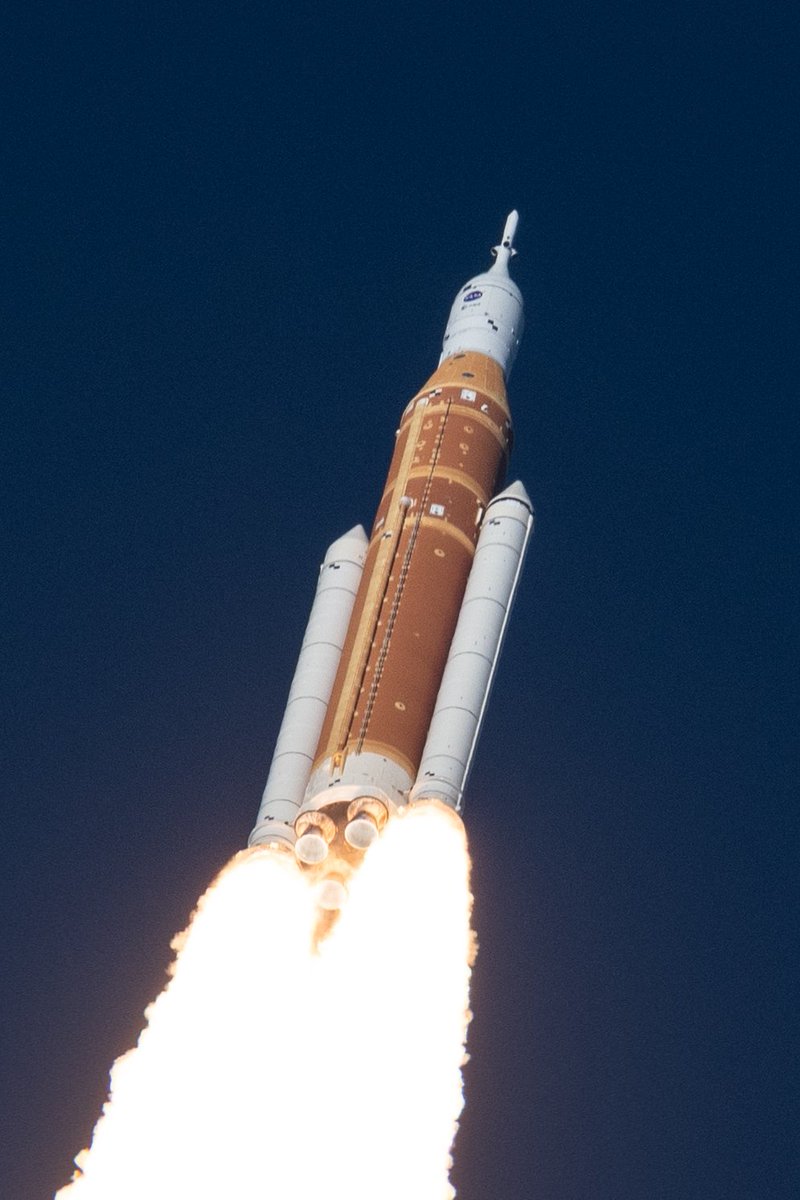
The rocket itself is a record breaker. Between the first flight of the SLS design in 2022 and the first successful flight of the even bigger Space X Starship/Super Heavy in 2023, it was the most powerful active rocket – though it never quite beat the Saturn V's record for overall size. It still has, however, the largest solid-fuel rocket boosters ever made – the Five-Segment Boosters made by Northrop-Grumman, which are effectively extended versions of the boosters used to launch the Space Shuttle. They generate 3,600,000 lbf (16,013 kN) each of thrust on liftoff – which is as much power as 25 modern airliners running at full throttle.
Once the countdown clock hits zero, and the mission gets underway, the real record breaking is scheduled to start. The first GWR title to fall will be the women's altitude record, set by Anna Menon and Sarah Gillis (both USA) on 11 September 2024 (on a mission with Jared Isaacman, who is now NASA Administrator). Their mark of 1,400.7 km (870.35 mi) will likely be exceeded a few hours into Artemis II’s flight, earning Mission specialist Christina Koch her third GWR title, after first all-female spacewalk and most time in space (female).
The next will likely come a few days later, when the Orion spacecraft travels around the far side of the Moon. The plan is to loop around our nearest neighbour at an even higher altitude than Apollo 13, breaking the record for highest altitude reached by humans, which has stood since 15 April 1970. There are a few different figures for what exactly the current record is (the crew of Apollo 13 were famously a little distracted) but we're fairly confident in our mark of 400,041 km (248,573 mi), which was recalculated from the original telemetry by team that included the NASA History Office, GWR space consultant Jonathan McDowell and science communicator Scott Manley.
Finally, on its way back to Earth, it is possible (depending on how the trajectory works out) that the crew might break the record for the highest speed achieved by humans, which was set by the crew of Apollo 10 on 26 May 1969.
English

@tejasyyadav @astro_reid Best of luck in your future endeavors!
English

@tejasyyadav @astro_reid Advice I give to all university students: Be passionate about your work, studies and academic projects. Go the extra mile whenever possible. Quantify your passion, relevant experience, and willingness to learn and anything is possible.
English

@planetdeimos @astro_reid how can I as a engineering student also reach your level and work on projects like this? I am really passionate about the universe and majoring in computer science moreover I would like to help humanity progress forward too 🤞🏻
English