Alastair Noyce

3.3K posts

Alastair Noyce banner
Alastair Noyce

Alastair Noyce

@predictPD

Consultant Neurologist @NHSbartshealth. Professor of Neurology and Neuroepidemiology @qmul @preventiveneur1. Leading @predictpdstudy. Research & own views.

London Katılım Şubat 2011
712 Takip Edilen2K Takipçiler
Alastair Noyce retweetledi
Michael Okun
Michael Okun@MichaelOkun·
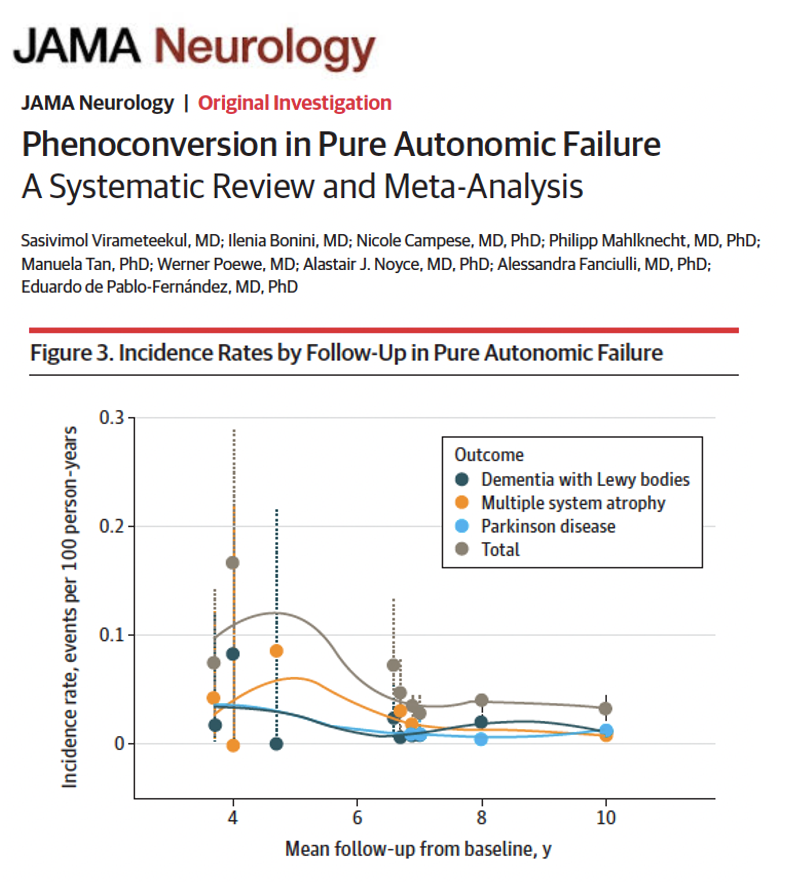
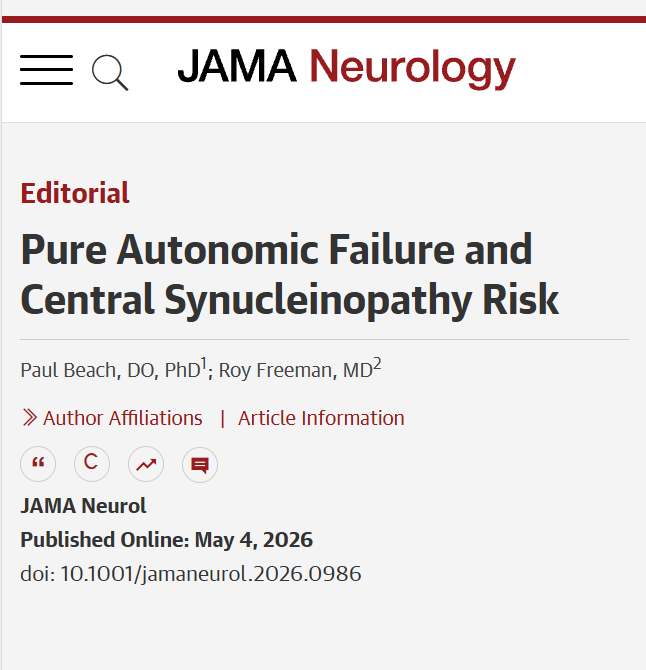
From autonomic failure to Parkinson’s and beyond: tracking the early warning signs of synuclein related disease. Phenoconversion means the transition from one clinical condition to another over time, in this case from pure autonomic failure to disorders like Parkinson’s disease, dementia with Lewy bodies or multiple system atrophy. Virameteekul and colleagues describe in a new paper in JAMA Neurology how frequently and under what conditions folks w/ pure autonomic failure develop central α-synucleinopathies. Key points: - Approximately 30% of individuals w/ pure autonomic failure developed a central α-synucleinopathy over follow-up, w/ an annual conversion rate of about 5%. - Multiple system atrophy tended to emerge earlier, while Parkinson’s disease and dementia with Lewy bodies showed a more gradual and sustained risk over time. - Clinical features such as REM sleep behavior disorder, subtle motor signs and hyposmia (smell loss) were among the most consistent predictors of conversion. My take: This study reinforces something many of us have suspected for years: the autonomic nervous system may be one of the earliest windows into neurodegeneration. The ability to identify who is at highest risk and when conversion may occur could reshape how we think about early diagnosis and intervention. Here are 5 points that resonated w/ me: 1- Autonomic symptoms may represent an early stage of Parkinson’s biology rather than a separate condition. 2- A 5% annual conversion rate is meaningful and highlights the need for close longitudinal follow-up. 3- Timing matters as different diseases emerge on different trajectories. 4- Simple clinical features like smell loss and dream enactment may help stratify risk today. 5- The future will likely combine clinical signs w/ biomarkers to identify the right folks for early intervention and disease modifying trials. cutt.ly/DtXwCc8u @JAMANetwork @jamaneuro @ParkinsonDotOrg #parkinson
Michael Okun tweet media
English
5
30
64
7.3K
Alastair Noyce retweetledi
The Science of Parkinson's
The Science of Parkinson's@ScienceofPD·
Findings of a systematic review & meta-analysis (9 longitudinal cohorts; n=900; 6.4 yrs follow-up) finds that pure autonomic failure "may be a prodromal presentation of #Parkinsons, DLB, or MSA with phenoconversion incidence rates similar to those of RBD" jamanetwork.com/journals/jaman…
English
0
1
4
358
Alastair Noyce retweetledi
Parkinson's UK
Parkinson's UK@ParkinsonsUK·
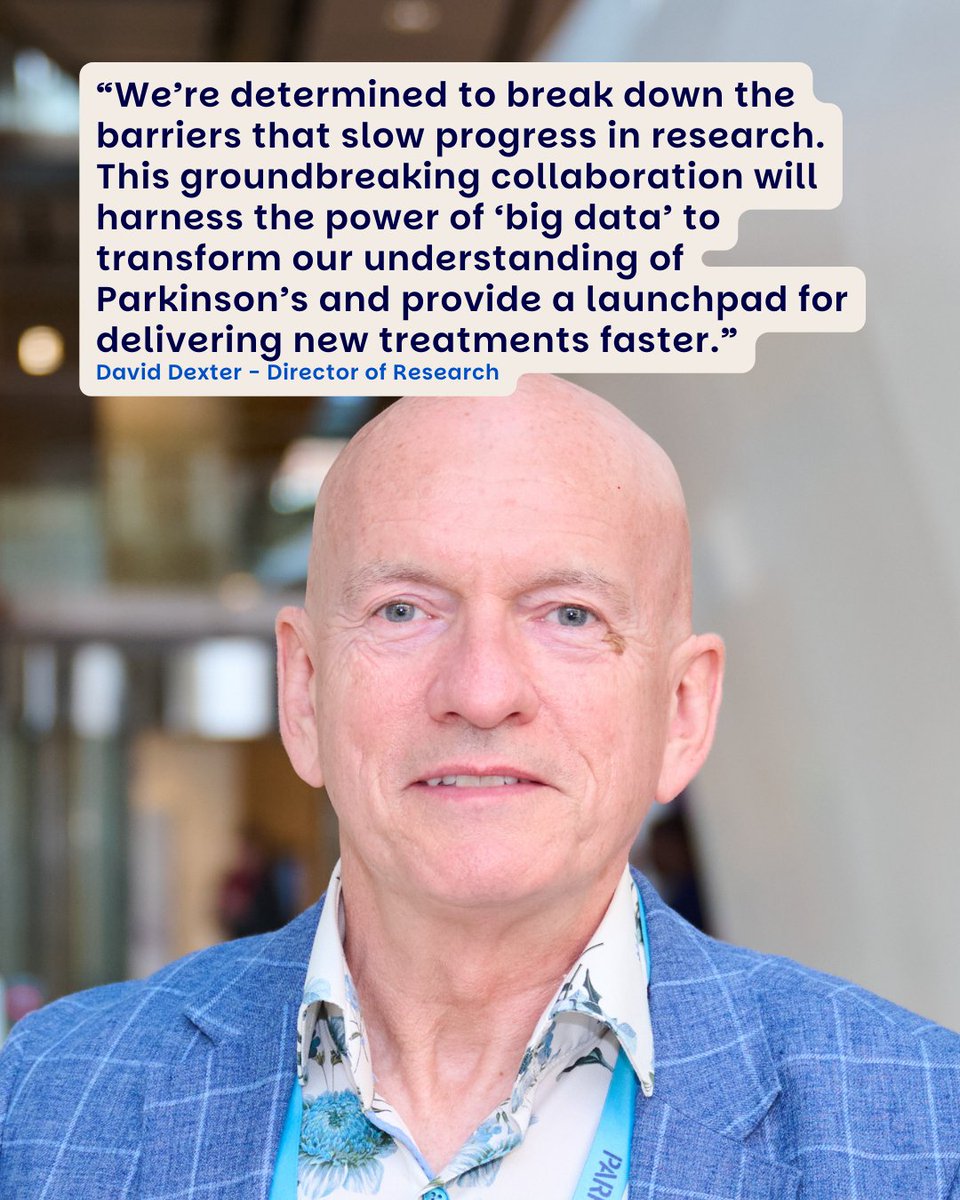
We're teaming up with @MichaelJFoxOrg for a major £1.7 million partnership! Introducing the Parkinson’s Clinical Cohorts Collaborative (PC3) – creating a powerful dataset from over 20,000 people to better understand Parkinson’s. Read the full story: prksn.uk/40uco02
Parkinson's UK tweet media
English
1
10
30
1.2K
Michael Okun
Michael Okun@MichaelOkun·
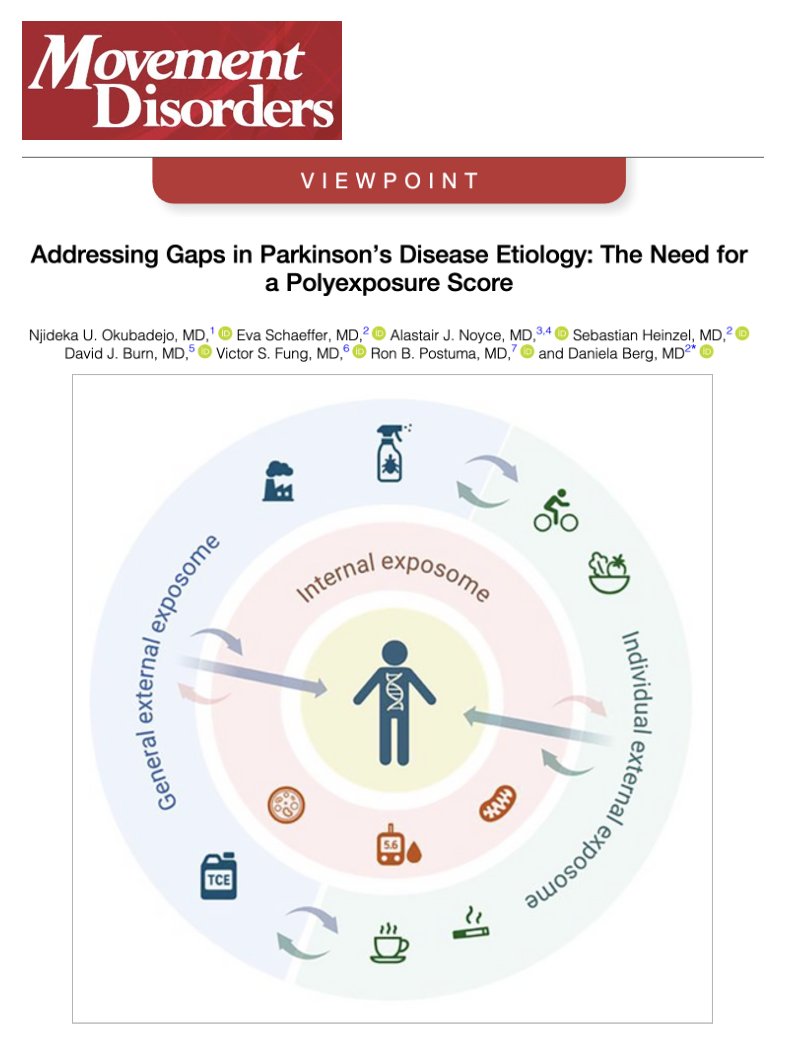
How about a polyexposure score for Parkinson’s? Polyexposure score refers to the 'combining' of many lifetime environmental and internal exposures into one cumulative risk estimate, similar to how a polygenic risk score combines many genetic variants. Okubadejo and colleagues describe in a new paper in Movement Disorders the urgent need to define and operationalize a Parkinson’s disease polyexposure score and to formally integrate the 'exposome' into how we classify and study PD. Key points: – The exposome includes general external factors such as pesticides, solvents and air pollution, individual behaviors such as smoking, caffeine, diet and exercise, and internal biology such as inflammation, diabetes and the microbiome. – Most environmental risk factors for PD have modest effect sizes alone, however combining them into a polyexposure score may improve risk prediction and possibly progression modeling. – The International Parkinson and Movement Disorder Society Clinical and Biological Framework now includes the exposome as a formal tier, signaling that environment and biology must be integrated alongside genetics and biomarkers. My take: We have invested decades decoding the genome. It is time to decode the 'biography' of the person that goes w/ the genes. PD is not just DNA. It is lived exposure across a lifespan. A thoughtful polyexposure score could move us closer to prevention, earlier identification and more personalized care. Here are 5 points that resonated w/ me: 1- Parkinson’s disease risk likely reflects cumulative exposures across decades, not a single toxin or trigger. 2- Pesticides, solvents, head trauma, diabetes, gut inflammation and lifestyle factors may interact w/ genetic susceptibility in complex ways. 3- A well-constructed polyexposure score could eventually help health care providers identify higher risk folks before motor symptoms emerge. 4- Longitudinal biobanks, multiomics, wearables and geospatial data will be essential to build and validate a meaningful score. 5- Prevention strategies may become more realistic if we can quantify modifiable environmental risks w/ the same rigor we have applied to genetics. …mentdisorders.onlinelibrary.wiley.com/doi/10.1002/md… #parkinson @ParkinsonDotOrg
Michael Okun tweet media
English
1
10
31
1.7K
Alastair Noyce retweetledi
Julie Jones
Julie Jones@julie_physio·
Huge thank you Alastair @predictPD for you time to record this podcast to hear was has been learnt over the last 15 years and how this study is informing the direction of future research.
North of Scotland Parkinsons Research Interest Grp@NoSPRIG

15 years and 13000 participants on, the groundbreaking Predict-PD trial continues to grow and widen its collaboration. We caught up with Principal Investigator Professor Alastair Noyce. [Available on all popular listening platforms]

English
0
1
6
423
Alastair Noyce retweetledi
Dr Kamalesh Dey
Dr Kamalesh Dey@Kamalesh_Dey·
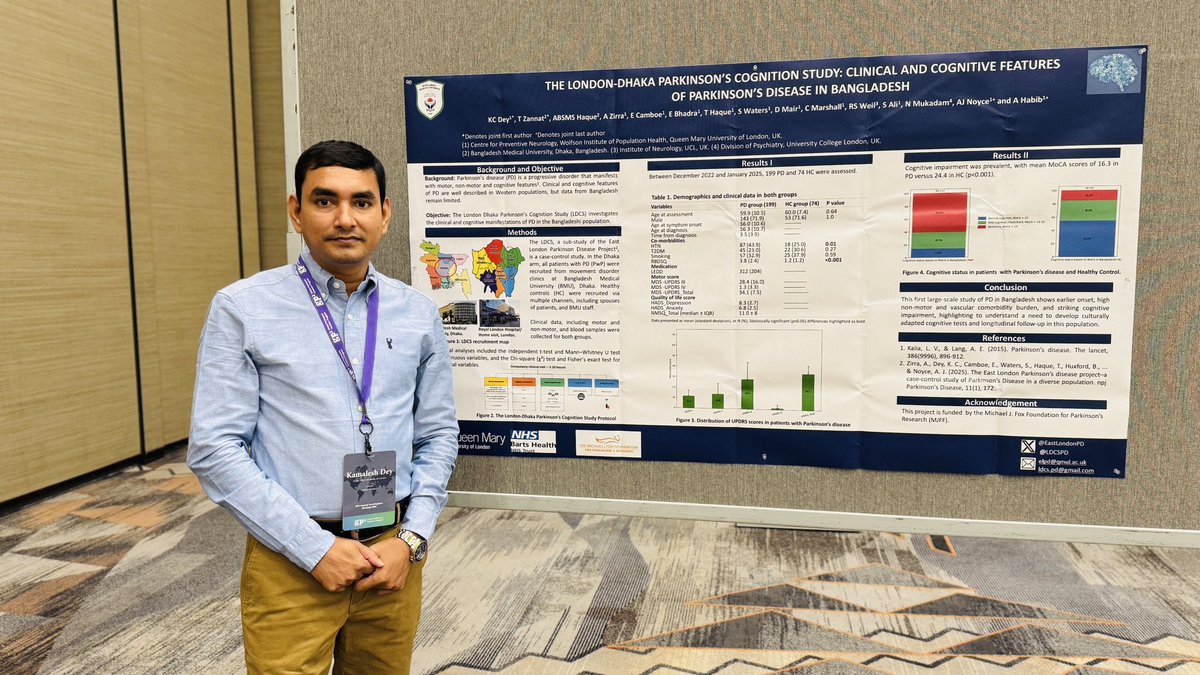
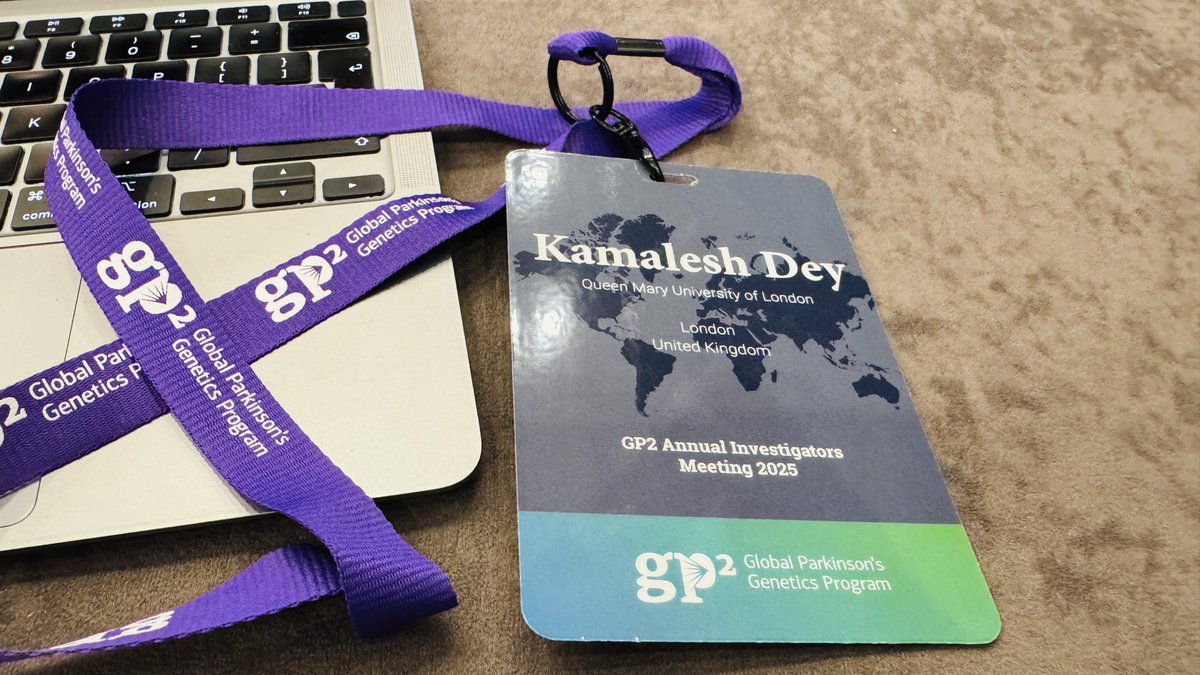
Very exciting to present our @LDCSPD findings at annual Global Parkinson’s Genetics Program (GP2) meeting! Special thanks @predictPD, @EastLondonPD, and our collaborator Dhaka team Prof Ahsan Habib @tahiramou Dr Sirajul Haque and team 😊
Dr Kamalesh Dey tweet mediaDr Kamalesh Dey tweet mediaDr Kamalesh Dey tweet media
English
0
4
5
294
Alastair Noyce
Alastair Noyce@predictPD·
@RichelleFlan Thanks Richelle! We have BMI, BP & blood sugar (if that’s BS) in the form of Hb1Ac. The later is a focus of some follow-up work. We don’t have a dietary FFQ currently and would welcome suggestions for one that would be valid in this diverse population. TBD on our next call 😀
English
1
0
1
51
Richelle Flanagan 💚💚💚💚
Fantastic paper with very interesting results: “South Asian and Black patients had significantly worse motor scores compared to White patients (mean [SD], 42.2 [18.8], and 47.0 [16.6] vs 35.2 [16.4], p < 0.001 and p < 0.001).” 1/5
The Science of Parkinson's@ScienceofPD

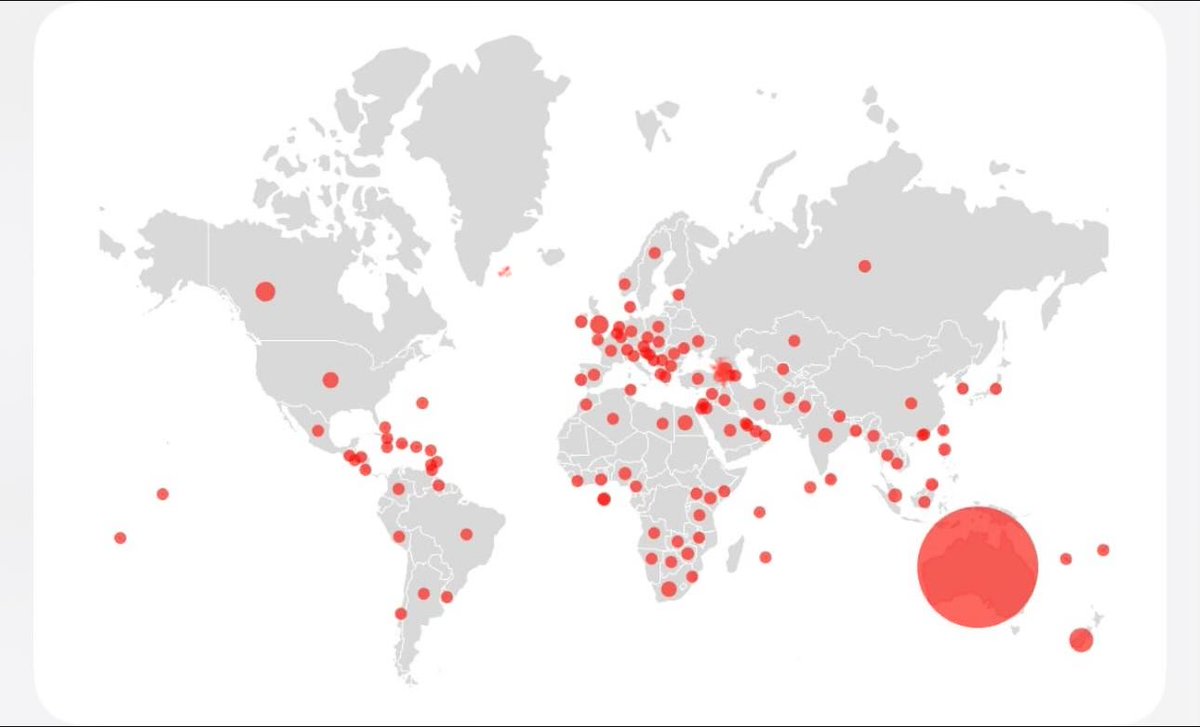
New paper from @Alex_Zirra @Kamalesh_Dey @predictPD & @EastLondonPD collaborators presents a case-control study of #Parkinsons in a diverse population; 218 PD & 90 controls; 50% of patients identified as South Asian or black nature.com/articles/s4153…

English
1
0
2
971
Alastair Noyce retweetledi
Richelle Flanagan 💚💚💚💚
This is a PHENOMENAL course about living with Parkinson's for people & their families but also for neurologists, nurses, health professionals, healthcare students & researchers. A major part is learning from the lived experience of people with PD. It also facilitates research. 🤓
Prof Jane Alty@janealty1

Pls RT 😊Come and join the new #Parkinsons #MOOC community ! ~6000 enrolments in the first 6 days of opening - and great feedback! ⭐️⭐️⭐️⭐️⭐️This visual based online course is packed with videos and animations 🎬 - gives incredible education and insight into lived experience ✅

English
2
11
20
2.6K
Alastair Noyce retweetledi
Prof Jane Alty
Prof Jane Alty@janealty1·
Pls RT 😊Come and join the new #Parkinsons #MOOC community ! ~6000 enrolments in the first 6 days of opening - and great feedback! ⭐️⭐️⭐️⭐️⭐️This visual based online course is packed with videos and animations 🎬 - gives incredible education and insight into lived experience ✅
Prof Jane Alty tweet media
English
1
14
27
7.2K
Alastair Noyce retweetledi
Prof Jane Alty
Prof Jane Alty@janealty1·
Pls RT 🤩🎉Fantastic launch of the #Parkinsons #MOOC this week 👏 ✅4,000 people from >30 countries have completed it in the first 3 days! Grab your📲 or 💻 and join this video-based interactive course to see why it’s getting rave reviews! ⭐️⭐️⭐️⭐️⭐️ mooc.utas.edu.au/course/20278
Prof Jane Alty tweet media
English
2
11
22
2.8K
Alastair Noyce
Alastair Noyce@predictPD·
@Barts_Charity Thanks for your support over the last 7.5 years. Barts Charity has been and is a wonderful funder 🤩🤩
English
0
0
2
85
Barts Charity
Barts Charity@Barts_Charity·
Alastair Noyce is a Professor in Neurology and Neuroepidemiology at the Centre for Preventive Neurology (CPN). With our support, the team was established in 2017 and works on revolutionary research into Parkinson's disease, dementia and MS. Alastair's focus is on preventions, treatments, and early detection of Parkinson’s disease. He has also led pioneering work into the connection between laughing gas abuse and spinal cord damage. Find out more on bit.ly/3CBDCJz @QMUL @predictPD
Barts Charity tweet media
English
1
5
23
870
Alastair Noyce retweetledi
Barts Charity
Barts Charity@Barts_Charity·
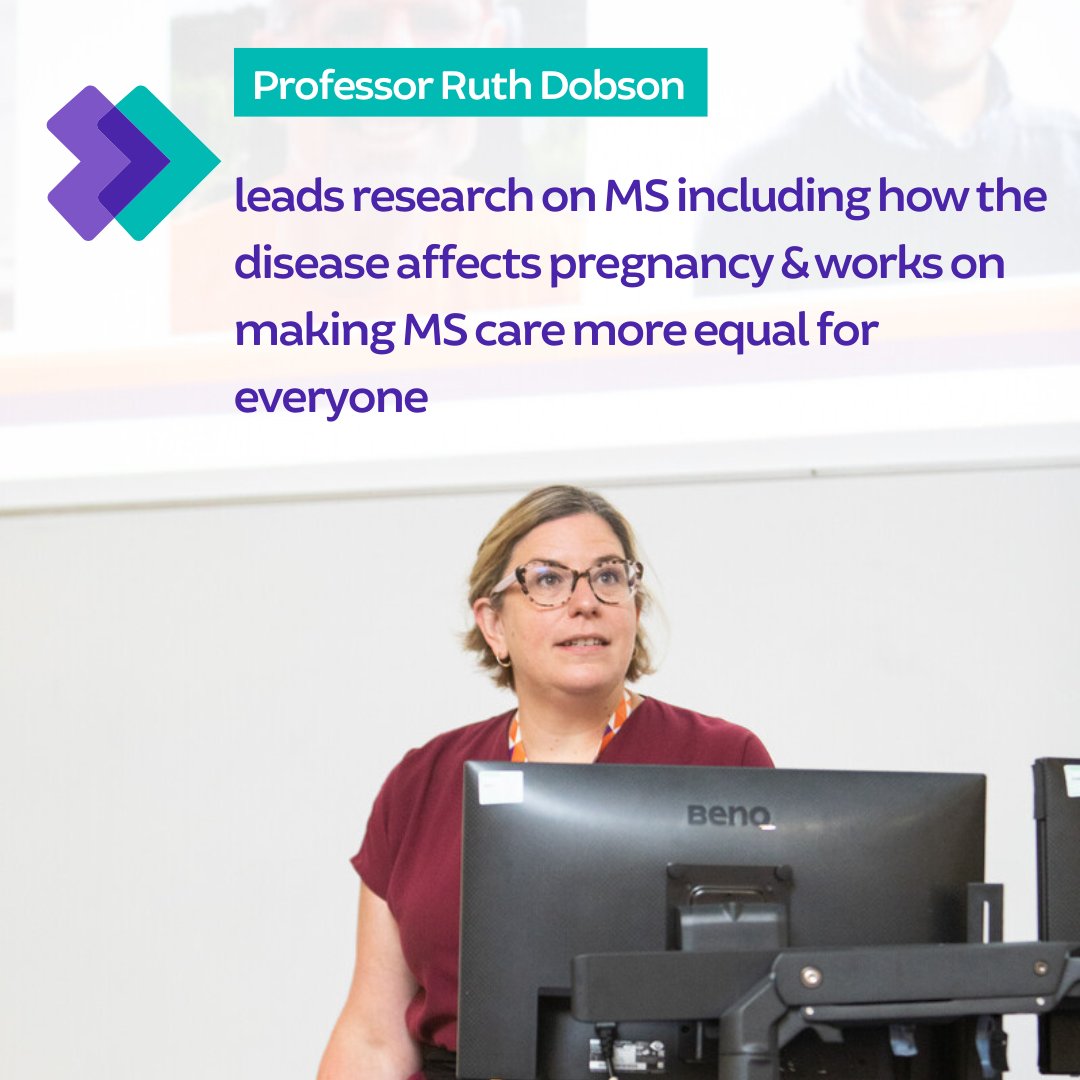
Ruth Dobson is a Professor of Clinical Neurology and Centre Lead at the Centre for Preventive Neurology (CPN). With our support, the team was established in 2017 and works on revolutionary research into Parkinson's disease, dementia and MS. @drruthdobson's work focuses on Multiple Sclerosis (MS) and their key risk factors, with a particular interest in MS in pregnancy. Find out more on bit.ly/3CBDCJz @QMUL
Barts Charity tweet media
English
1
7
14
882
Alastair Noyce retweetledi
Barts Charity
Barts Charity@Barts_Charity·
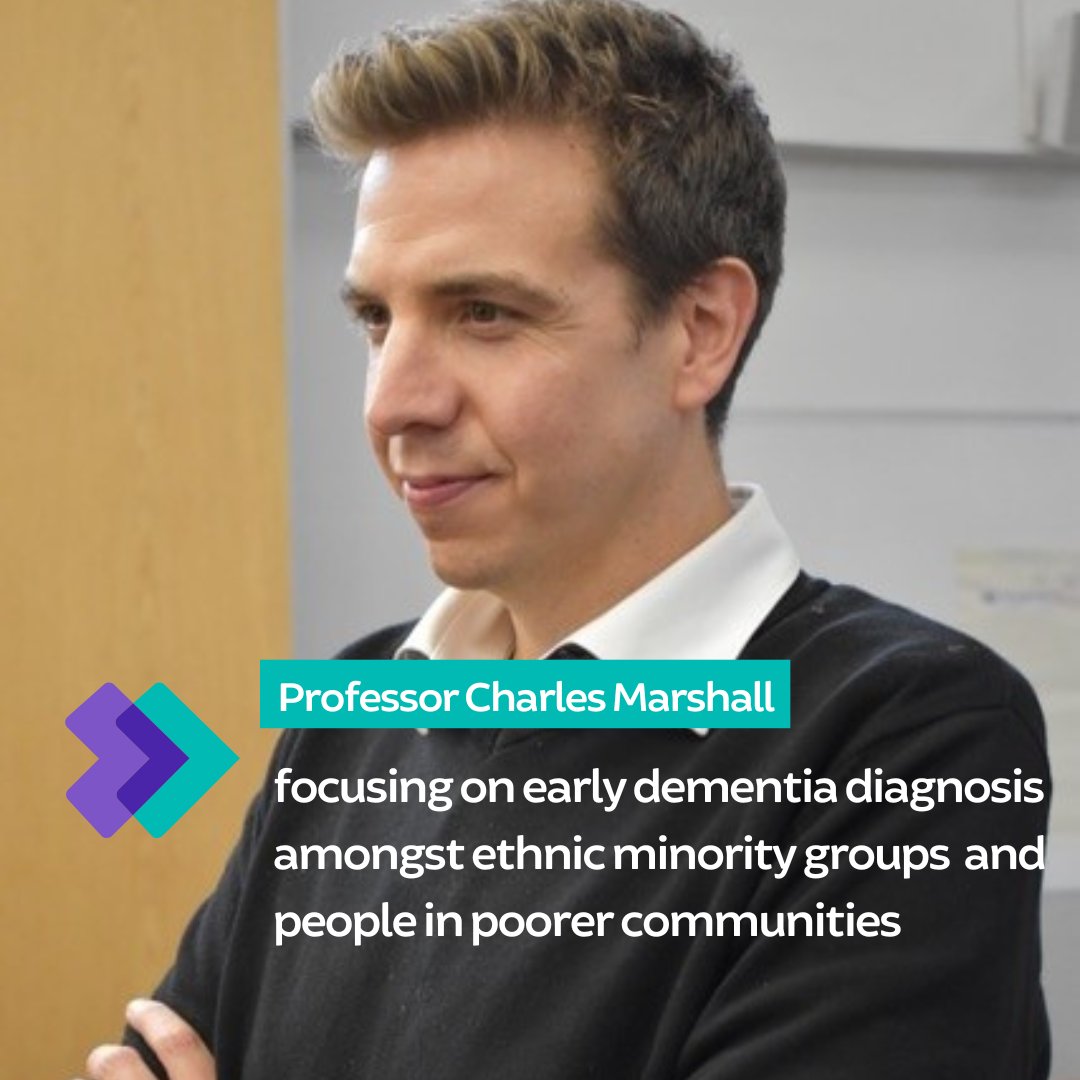
Charles Marshall is a Professor of Clinical Neurology and dementia expert at the Centre for Preventive Neurology (CPN). With our support, the team was established in 2017 and works on revolutionary research into Parkinson's disease, dementia and MS. @charl_marshall is leading research which explores key risk factors in developing dementia and ways of getting a quick diagnosis for patients. Find out more on bit.ly/3CBDCJz @QMUL
Barts Charity tweet media
English
1
5
13
818