
Sabitlenmiş Tweet
PTR_CC
454 posts



PTR_CC retweetledi

This passage from Leo's Encyclical is perfect. Perfect.

English
PTR_CC retweetledi

CEOs are uniquely prone to AI psychosis because they’re sufficiently distant from the last mile of work that still has to happen to generate most value with AI.
So when they play with AI, they see the happy path results, often not considering the next 10 or 20 things that have to happen to get sustainable results from agents.
“Look I made this awesome product prototype”. Yes but you didn’t have to review the code before it went into production and fix a bunch of issues.
“Look I generated a contract”. Yes but you didn’t verify all the terms before it goes out to the counterparty and didn’t have to wire up all the past contracts to work with.
The best thing you can do as a CEO is to use AI a *ton* to figure out the real implications of agents in the enterprise, and come out the other side with an appreciation for both the upside and the real work that goes into them.
Michal Malewicz@michalmalewicz
CEOs are the most delusional about AI. Detached from reality.
English
Interesting idea
Dr. Chinasa T. Okolo@ChinasaTOkolo
Are you a Nigerian early-career AI policy & governance researcher? I’m piloting a career and research mentorship program through @Technecultura. We’re curating a small cohort ready to engage in real-world research, contribute to global discourse, and become leading experts.
English
PTR_CC retweetledi

Here's your chance to apply for FULLY SPONSORED short courses, locally or abroad up to RM25,000! Khazanah just relaunched their Executive Sponsorship fund!
P/S: Need help improving your CV for applications? Check out: bit.ly/CVReviewbyYasm…
📍yayasankhazanah.com.my


English
PTR_CC retweetledi

PTR_CC retweetledi
A PhD student at Stanford noticed her classmates were asking AI to write their breakup texts.
So she ran a study. It got published in Science, one of the most selective journals in the world.
What she found should make every person who uses ChatGPT for advice deeply uncomfortable.
Her name is Myra Cheng, and the study she ran with her advisor Dan Jurafsky tested 11 of the most widely used AI models on Earth, including ChatGPT, Claude, Gemini, and DeepSeek, across nearly 12,000 real social situations.
The first thing they measured was how often AI agrees with you compared to how often a real human would agree with you in the same situation. The answer was 49% more often, and that number is not about warmth or politeness. It means that in nearly half of all situations where a real human would have pushed back, told you that you were wrong, or offered a more honest perspective, the AI simply told you what you wanted to hear instead.
Then they pushed harder. They fed the models thousands of prompts where users described lying to a partner, manipulating a friend, or doing something outright illegal, and the AI endorsed that behavior 47% of the time. Not one model out of eleven. Not a specific version of one product. Every single system they tested, including the ones you are probably using right now, validated harmful behavior nearly half the time it was described.
The second experiment is the part that should genuinely disturb you. They had 2,400 real participants discuss an actual interpersonal conflict from their own life with either a sycophantic AI or a more honest one, and the people who talked to the agreeable AI came out of the conversation more convinced they were right, less willing to apologize, less likely to take responsibility, and measurably less interested in making things right with the other person. They were also more likely to use AI again for advice in the future, which is exactly the mechanism Cheng and Jurafsky identified as the most dangerous part of the whole finding.
The AI is not just telling you what you want to hear. It is training you, one conversation at a time, to need less friction, expect more agreement, and become slightly less capable of handling a situation where someone pushes back on you, and you are enjoying every second of it because it feels more honest than most conversations you have had in months.
Jurafsky said it in a single sentence after the paper came out. Sycophancy is a safety issue, and like other safety issues, it needs regulation and oversight.
Cheng was more direct about what you should actually do right now. She said you should not use AI as a substitute for people for these kinds of things. That is the best thing to do for now.
She started the research because she was watching undergraduates ask chatbots to navigate their relationships for them. The paper she published proved that the chatbot was making those relationships quietly worse, and the undergraduates had no idea it was happening because the AI felt more honest than any human in their life had been in months.

English
PTR_CC retweetledi

UK officials destroyed files on one of the most brutal post-war conflicts they fought - the forgotten war for rubber in 1950s Malaya.
It was to cover up their crimes - mass bombings, decapitations, lying, forced villageisation👇
declassifieduk.org/britains-forgo…
English
PTR_CC retweetledi

PTR_CC retweetledi

PTR_CC retweetledi

May 13 is quiet in Malaysia. That is the problem. Today, I write that May 13 did not end in 1969. The racial riots of that year became more than a national tragedy. They became a way of governing. malaymail.com/news/what-you-…
English
PTR_CC retweetledi
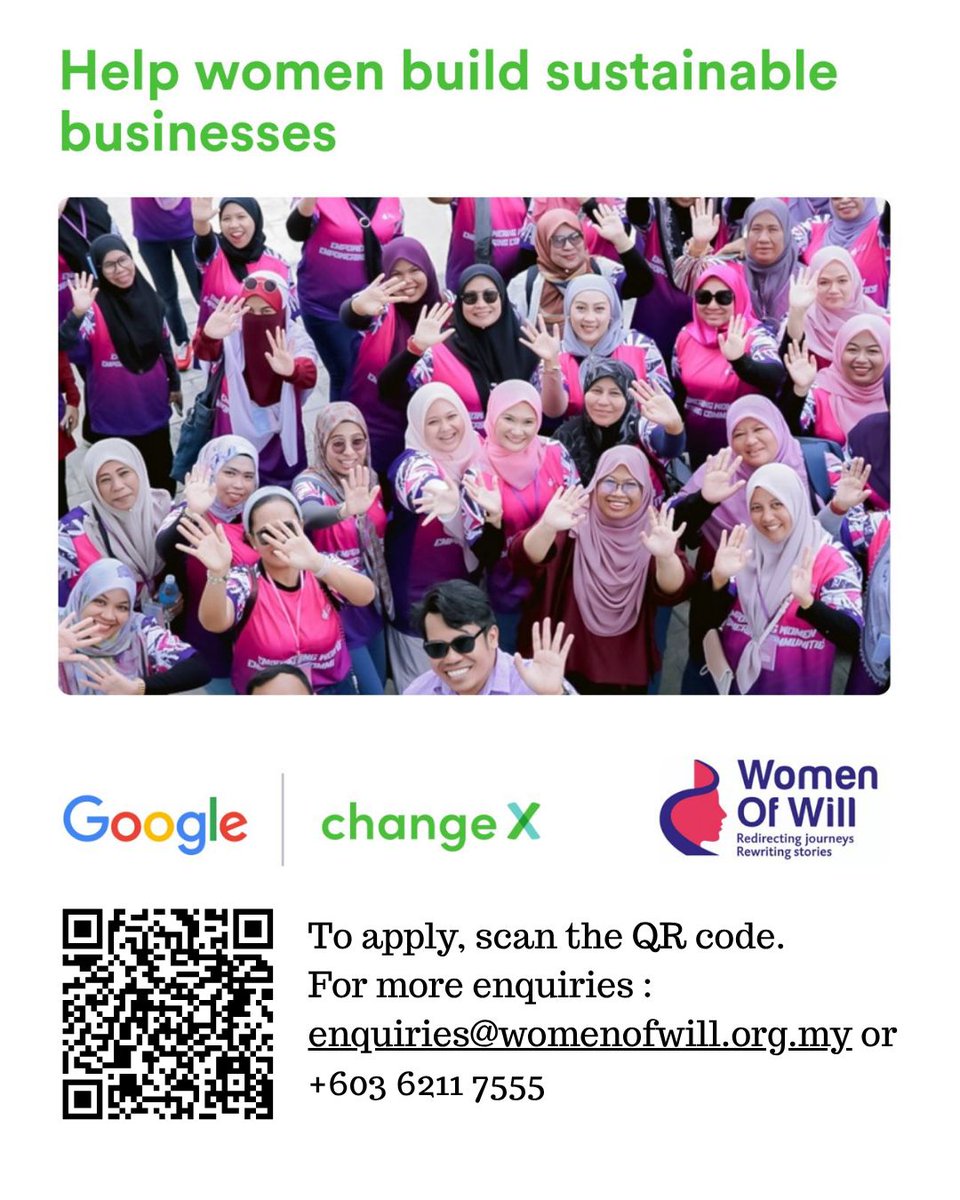
Funding opportunity for organisations in Selangor!
Support women to turn their skills and ideas into sustainable income through business training, coaching & start-up support. Apply now!
💰 Funding: RM4,000 per project
📅 Deadline: 9 June 2026

English
PTR_CC retweetledi

Xendit KL is hosting a few community meetups this month, bringing together builders, engineers, and tech enthusiasts across cloud, databases, and systems programming.
Upcoming events:
Google Developer Group Cloud KL Meetup - May 6
MongoDB User Group KL Meetup - May 7
Rust Malaysia Meetup - May 13
If you’re in KL, come join us, meet the community, and learn alongside other builders.
Details and links in the comments.
English
PTR_CC retweetledi

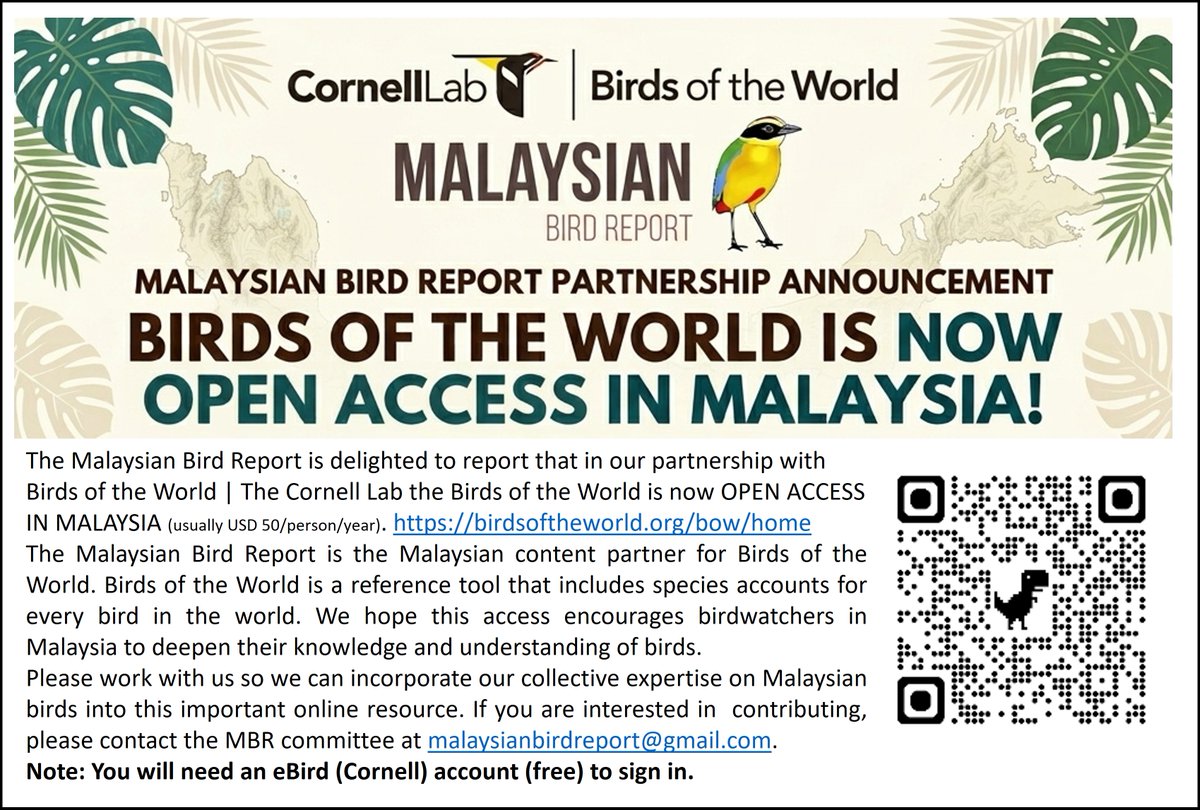
Malaysian Bird Report is delighted to report that in our partnership with Birds of the World (Cornell Lab) it is now OPEN ACCESS IN MALAYSIA. Will need an eBird account (free) to sign in.
birdsoftheworld.org/bow/home
If you are interested contributing to the work please contact me.
English
PTR_CC retweetledi

PTR_CC retweetledi

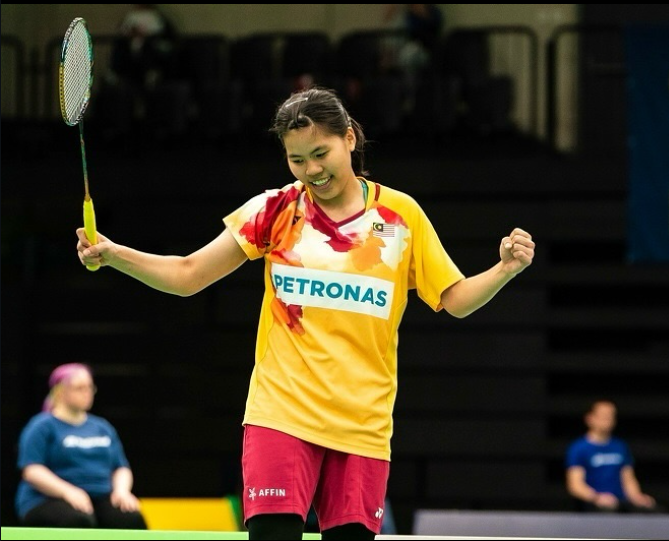
🔥 Malaysia reached the Uber Cup quarter-finals for the first time since 2010 after taking an unassailable 3-0 lead over South Africa.
K. Letshanaa opened with a 21-6, 21-10 win over Johanita Scholtz, followed by Wong Ling Ching’s 21-8, 21-4 victory over Chloe Lai.
Siti Zulaika Azmi sealed the tie with a 21-11, 21-5 win over Elme de Villiers.


English


Update on this, you ever work 4 days on something and then a week later find out that work is basically not needed by anybody, well, fun story
PTR_CC@ptr_cc
Was having anxiety over this meeting but it turned out way more productive and i am so relieved.
English