
Rhythma Kaul

7.2K posts

Rhythma Kaul banner
Rhythma Kaul

Rhythma Kaul

@RamblingBrook

National Health Editor @httweets. Public health, medicine, research & the occasional pandemic. Past: @indiatoday, @JNU_IN. Kashmir. Kitaab. Koffee

New Delhi Katılım Eylül 2009
615 Takip Edilen12.7K Takipçiler
Rhythma Kaul retweetledi

TheLiverDoc™
TheLiverDoc™@theliverdoc·
I want to make a clear statement regarding cough syrup use in children and in general. This is especially for those idiotic physicians who still prescribe cough syrups for children even in 2025. Please stop prescribing cough syrups to children, especially in a country like India where public healthcare is not evidence based and proper vigilance and scrutiny of over-the-counter (OTC) medicines is zero. The routine use of conventional cough syrups is not recommended due to limited benefit and safety concerns. Most guidelines advise supportive care and highlight that cough in children is usually self-limiting. Overall, major guidelines suggest against routine OTC cough/cold meds for common-cold cough in kids. Honey (>1 yr.) is reasonable; otherwise supportive care. Age related recommendations: Under 4: skip cough syrups. 4–6: avoid, especially opioid cough syrups. 6–11: can be used cautiously, but evidence is very limited. Again never use opioids; avoid benzonatate. 12–17: no opioids; even dextromethorphan use should be cautious because abuse risk of this is high in this group. Adults: routine cough syrups aren’t recommended. ≥65: avoid sedating/anticholinergic combos; check interactions; always favour non-drug options. What actually helps Honey (for anyone >1 year) for a few days at night time can modestly ease cough. For those thinking that "natural" options are better, please avid OTC Ayurvedic and Herbal cough syrups because [1] they contain multiple herbs that can interact in the body and cause organ damage or interact with other medicines to cause harm and [2] they are not adequately tested for safety or benefits and are directly marketed without evidence and [3] the doses mentioned in those Ayurvedic bottles are not scientifically identified, but the company's arbitrary doses, which may not be safe for all, or all ages. Read the label! And for those thinking herbal is unsafe, so lets go with Homeopathy cough syrups, please don't even tough those with a 10ft pole because not only they have multiple herbs, but also high levels of alcohol which is never safe for children or adults and will have high chances of misuse/ addiction later on. Read the label!
TheLiverDoc™ tweet media
English
75
373
1.6K
165.1K
Rhythma Kaul retweetledi
TheLiverDoc™
TheLiverDoc™@theliverdoc·
Do not routinely and randomly check for vitamin D levels. If found incidentally low, do not routinely start taking vitamin D supplements. Yes, vitamin D supplement intake increases vitamin D levels (duh!)… …but it does not impact health in any clinically meaningful way in adults who randomly check and routinely consume based on an incidentally identified abnormal report. The most wasteful health intervention is checking Vitamin D randomly in apparently healthy adults and then consuming a supplement for it.
English
202
115
1.6K
216.8K
Rhythma Kaul retweetledi
Eric Topol
Eric Topol@EricTopol·
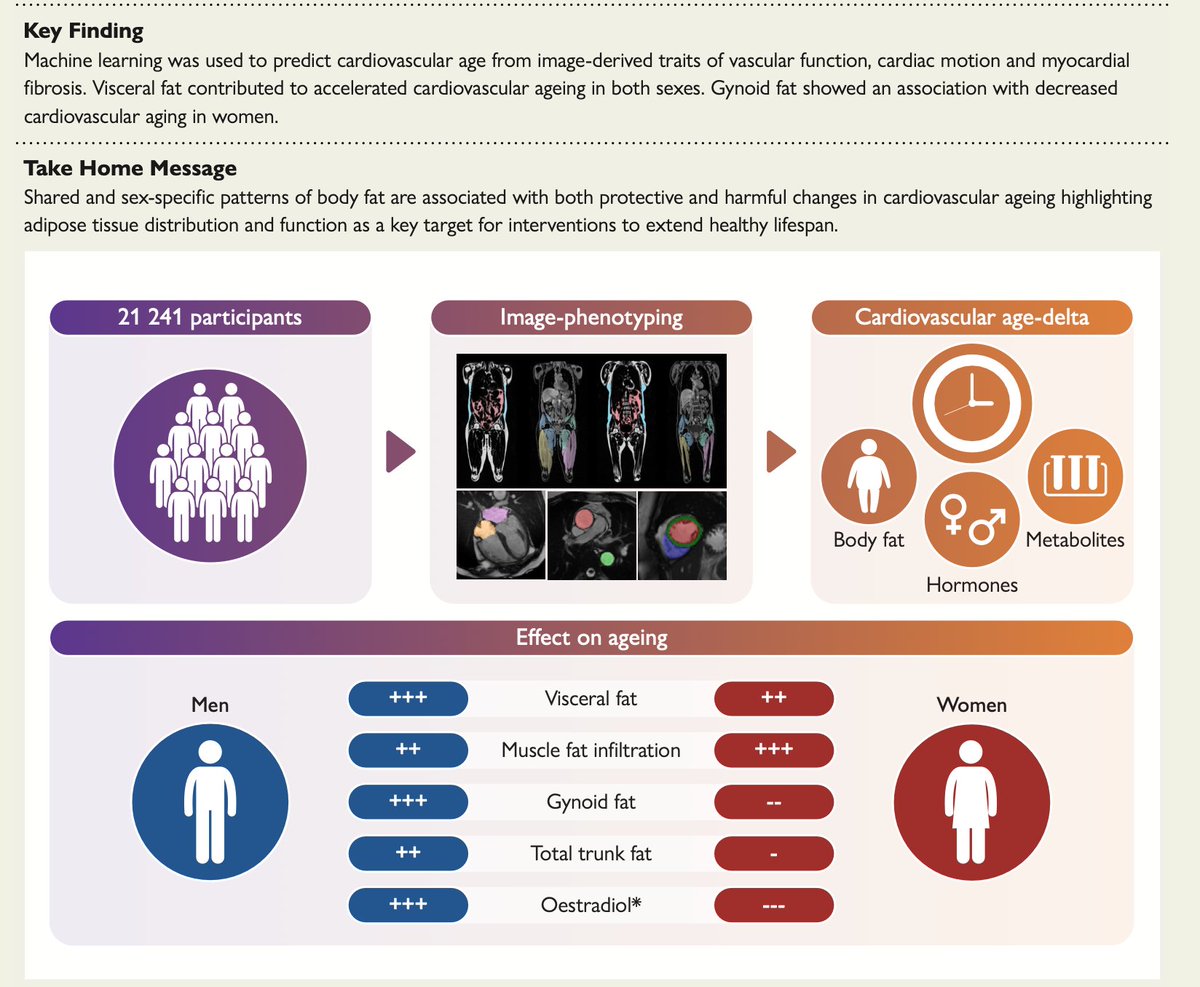
Body fat distribution predicts the pace of cardiovascular system aging, with sex-specific patterns, and protective effect of estrogen academic.oup.com/eurheartj/adva…
Eric Topol tweet media
English
4
96
403
48.2K
Rhythma Kaul retweetledi
Amitabh Kant
Amitabh Kant@amitabhk87·
Trump has provided us a once in a generation opportunity to take the next big leap on reforms. Crisis must be fully utilised.
English
1.2K
4.3K
28.4K
1.1M
Rhythma Kaul retweetledi
Bhuvan Bagga 把奥文
Bhuvan Bagga 把奥文@Bhuvanbagga·
Amidst all the wild and fake claims about the trailblazer pilot, re-upping my interview for @AFP with Sq Ldr Shivangi Singh, who I met (with her husband) just days before the latest India- Pakistan hostilities.
AFP News Agency@AFP

India's woman fighter pilot trailblazer eyes space. Shivangi Singh is flying high as the face of India's fast-modernising military and its only woman Rafale fighter pilot u.afp.com/Sqi3

English
1
19
47
8.8K
Rhythma Kaul retweetledi
Bhuvan Bagga 把奥文
Bhuvan Bagga 把奥文@Bhuvanbagga·
Several structures around us targeted. Windows shattered. Smoke billowing. Spent an hour huddled in a basement. Hundreds trying to flee the frontier region on foot, cars and whatever other modes available. Women, children and men in groups on both sides of the road. @AFP
Bhuvan Bagga 把奥文 tweet media
Bhuvan Bagga 把奥文@Bhuvanbagga

Just saw an artillery shell fall about 300 meters from where I am — and chance captured its video. No idea about the damage. It fell on or immediately around a local structure of this town at the India- Pakistan frontier. @AFP

English
2
3
15
16K
Rhythma Kaul retweetledi
TheLiverDoc™
TheLiverDoc™@theliverdoc·
YOU CAN ENJOY YOUR CHICKEN DINNER. This is why we need health reporters to have scientific temperament, have basic medical science paper reading skills, have the aptitude to ask right questions and provide a version of this news that informs rather than fearmonger. This study claimed that weekly consumption of 300g and above of chicken meat was associated with increased risk of gastrointestinal cancers. This is not what the study actually said at all. The study actually revealed that there are clinical researchers who are biased, who invest in poor methodology to drive their pre-conceived conclusions, are prejudiced and manipulate data using statistical torture to cherry pick outcomes they want to. In under 2 weeks of peer review, leaving alone many important questions and variables that affect the outcome of this study, and without addressing major factors that promote cancer causation, the authors have published a study in a legit, substandard indexed journal called Nutrients to drive their prejudices against the meat eating community. Detailed alcohol use, physical activity, weight dynamics, genetics, family history of cancer, type of chicken meat (fried or boiled or grilled, processed or unprocessed) were left out intentionally. The same authors group are well known to consistently publish studies on "benefits" of vegan/vegetarian diets and demonize meat eating communities. Agreed, a "predominantly" plant based diet is metabolically healthier when compared to a "predominantly" meat (processed) based diet, but this outright generalization of 300g of chicken meat a week - calling it "cancer causing" is not just bad science, it's prejudiced manipulation of scientific data. It's garbage.
Indian Tech & Infra@IndianTechGuide

🚨 A recent study warns that consuming 300 grams of chicken weekly may elevate the risk of gastrointestinal cancer. (Nutrients journal)

English
118
815
4.6K
307.8K
Rhythma Kaul retweetledi
TheLiverDoc™
TheLiverDoc™@theliverdoc·
Rinse, repeat - everyday in the outpatient. The antibiotics and paracetamol you took as a young adult is not the cause for your cirrhosis in adulthood. Consuming sugar does not cause diabetes and taking insulin does not damage the kidneys. Walking is not really an exercise. And oils and fats do not make you fat.
English
162
213
2.1K
313.4K
Rhythma Kaul retweetledi
Dr Ambrish Mithal
Dr Ambrish Mithal@DrAmbrishMithal·
Tirzepatide (#Mounjaro) launched in India today! Reposting a recent opinion piece I wrote for the @IndianExpress indianexpress.com/article/opinio… A podcast by the ever-popular Oprah Winfrey — where she interviewed endocrinologist Dr Ania Jastreboff from Yale University — emphasised the concept of #obesity as a disease. A recent Lancet commission report on obesity also said the same. Just to put the record straight, the WHO classified obesity as a disease in 1997. In fact, not only is it a disease like diabetes or hypertension, it is also the mother of most chronic diseases, requiring lifelong management. The word “obesity” carries a stigma and it can be highly demotivating for an individual to be labelled obese or morbidly obese, terms that are widely used. A reasonable suggestion by the American Association of Endocrinologists, which we have adopted, is the acronym ABCD — Adiposity Based Chronic Disease. Regardless of the semantics, we have to think of obesity as a chronic “neuroendocrine” disease — a disturbance of the hormone-brain axis. When we eat, the intestines send out signals (like the GLP1 hormone) to the pancreas and other parts of the body, including the brain. The brain tells us when we are satiated and should stop eating. Brain centres, under the influence of brain hormones, also control our appetite. Putting it simply, dysregulation of this hormone-brain axis leads to a mismatch between our requirements and what we eat. As a result, we eat excessively and put on weight. This axis determines the set point for weight and is different for every individual. Very often, therefore, it is not the individual’s fault that they tend to gain weight more easily than their peers, or lose less weight than others on medication. If we think of obesity as a disease, we will have little problem in accepting that it should be treated with medication. There is no reason for feeling guilty or ashamed about the use of medication to treat obesity. It is not a sign of defeat. We need to think of obesity in the same way as we think of other chronic diseases like diabetes, blood pressure and high cholesterol. The new class of GLP1 drugs typified by semaglutide (#ozempic , #Wegovy) and tirzepatide (#Mounjaro, #Zepbound) — and a whole bunch of new ones in development — at least partially treats the biological defect in the brain that causes obesity. By resetting the set point, they help us lower weight. However, as with most medications, they work only as long as they are used. Once off the drug, the weight can come back. The method for dose adjustment that I use is similar to that discussed by Dr Jastreboff. The principle is to start low and increase slowly, to reduce side effects. When target weight has been achieved or weight has plateaued at the maximum tolerated dose, I try to continue the patient on the lowest possible maintenance dose. It is very important to set realistic targets when initiating therapy. The target cannot always be what the patient desires. A conversation about this between patient and doctor is essential. For someone who is 5’8” and weighs 120 kg, to aim for an ideal body weight of 70 kg is virtually impossible. It is important not to be driven by cosmetic considerations alone. Many individuals have body image issues — I get requests from women who are underweight but want to lose more weight for a modelling assignment or a wedding. It is also important for potential users to realise that not everyone loses huge amounts of weight. While obesity is a disease, it cannot be treated just by medication. One can never ignore that treating obesity involves a lot of effort on the individual’s part, and lifestyle measures remain the foundation of successful management — in the same way as for diabetes. I have some patients who tend to depend solely on medication and stop making any lifestyle effort. Such patients are bound to be long-term failures as they will gain weight rapidly whenever they try to reduce the medication dose. There was not much discussion about side effects in the Oprah interview, but I would like to point out some. Gastro-intestinal side effects are common and usually manageable. Pancreatitis is exceedingly rare. Muscle loss that occurs due to rapid weight loss, although not a direct drug effect, is of particular concern among Indians who often have low muscle mass to start with. The recent report of the rare occurrence of eye optic neuropathy (NIAON) with the use of semaglutide tells us that continued pharmacovigilance is required. And while it is true that most patients with obesity require continued treatment, I would be cautious in recommending lifelong treatment with the new GLP1 drugs for every obese individual till more data emerges. The writer is chairman, Endocrinology & Diabetes, Max Healthcare © The Indian Express (P) Ltd
English
5
10
55
5.9K
Rhythma Kaul
Rhythma Kaul@RamblingBrook·
Former PM of India Dr. Manmohan Singh passed away at ⁦@aiims_newdelhi⁩ at 9.51pm. He was 92 and suffered from age-related health issues.
Rhythma Kaul tweet media
English
0
3
8
1.5K
Rhythma Kaul retweetledi
🧬Craig Brockie
🧬Craig Brockie@CraigBrockie·
You’ve been lied to. The FDA doesn’t want you healthy. They want you sick, fat, and stressed out. Here are the 14 nutrition myths that are forced down your throat. 1/ Myth: Eggs Raise Your Cholesterol
🧬Craig Brockie tweet media
English
156
1.8K
9.1K
2M