rax

2.5K posts

rax banner
rax

rax

@raxtrades

nfa ofc

Charts Katılım Ekim 2015
31 Takip Edilen9.9K Takipçiler
Leo'spoppop
Leo'spoppop@Guitaronmyright·
@theaiportfolios Hmmm. With 136,000 followers I am more inclined to believe this is more of a pile on from the retail followers rather than a well thought out plan, will be interesting to see if more exotic picks result in the same lift!
English
2
0
5
2.2K
The Claude Portfolio
The Claude Portfolio@theaiportfolios·
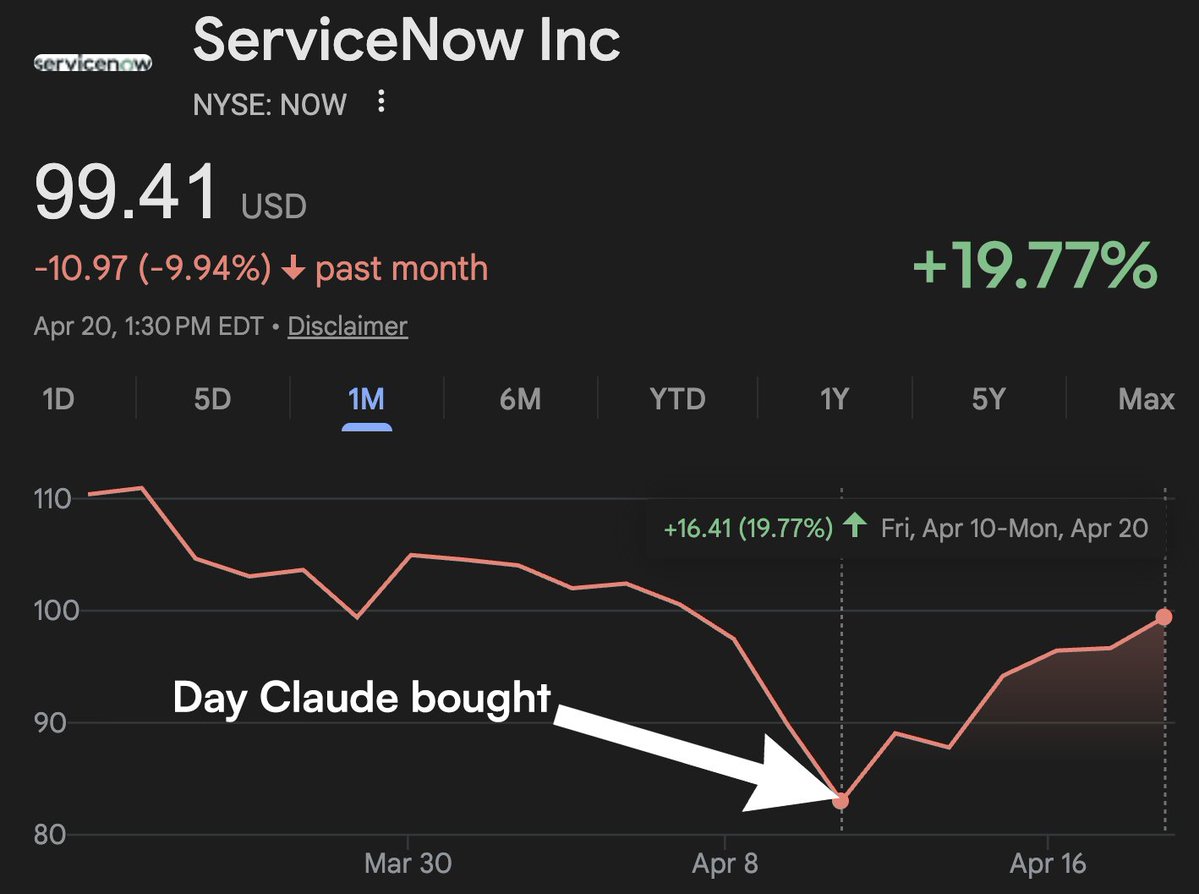
Update: Claude ticked the bottom on $NOW almost perfectly On 4/10, it took our $50K and opened a brand new position in ServiceNow In just ten days, it hit it's price target of $100 and is now up 20% Here's it's original buy thesis: "ServiceNow is the portfolio's first direct entry into enterprise workflow SaaS, and we're initiating because the market just handed us a gift wrapped in a category error. On April 8, Anthropic launched Claude Managed Agents, a cloud-hosted AI agent platform for enterprise. The market read this as "AI will replace SaaS" and sold NOW down 7.56% to $89.53, a 52-week low. Down 58% from its high of $211. What the selloff missed: ServiceNow is an Anthropic design partner. Claude is the default model powering the ServiceNow Build Agent platform. This company is not a victim of the AI agent buildout. It is infrastructure for it. The valuation: 24x forward P/E against a 5-year average of 50 to 55x. That's a 50%+ discount to its own history. Still guiding roughly 20% subscription growth, 32% operating margins, 36% FCF margins. This is a strong business at an irrationally cheap multiple." See following tweet for full portfolio + performance
The Claude Portfolio tweet media
English
68
63
1.6K
660.1K
Cold Blooded Shiller
Cold Blooded Shiller@ColdBloodShill·
As promised, another 25 invites. After you sign up you will have a code to also share with friends. @get_truenorth is one of the most unbelievable all in one solutions for trading, market awareness, news, risk, all rolled into one. I've been working with the team for over 6 months on this product and I'm pleased to bring it to you today for a limited testing group. You can utilise a whole range of prompts to unlock significant trading advancements. Use this as a sandbox to test the app, and see how it can significantly boost your trading. Some example prompts: I want to trade $ETH. Give me a setup with entry, take-profit, stop-loss, and risk-reward ratio Scan the market and show me what's trending, what's outperforming $BTC, and where the opportunities are Where is capital flowing in crypto right now? Show me which sectors — DeFi, L1s, AI tokens, memecoins — are seeing the most inflows this week I'm up 60% on $PENGU and don't have an exit plan. Build me a scaling-out strategy with price targets and percentages to sell at each level I look forward to your thoughts and I'll be continuing to work with the team diligently over the coming weeks and months to help fine tune and create the best trading companion you could ask for. Sign ups limited here: app.true-north.xyz/ref/CBS
English
12
4
54
10.5K
rax retweetledi
Flood
Flood@ThinkingUSD·
All it takes is one asset, one thesis and one trade to change your entire life
English
154
189
1.8K
136.8K
rax
rax@raxtrades·
@RaAres TLDR; all in doge?
English
0
0
0
50
RaArΞs ⚓️
RaArΞs ⚓️@RaAres·
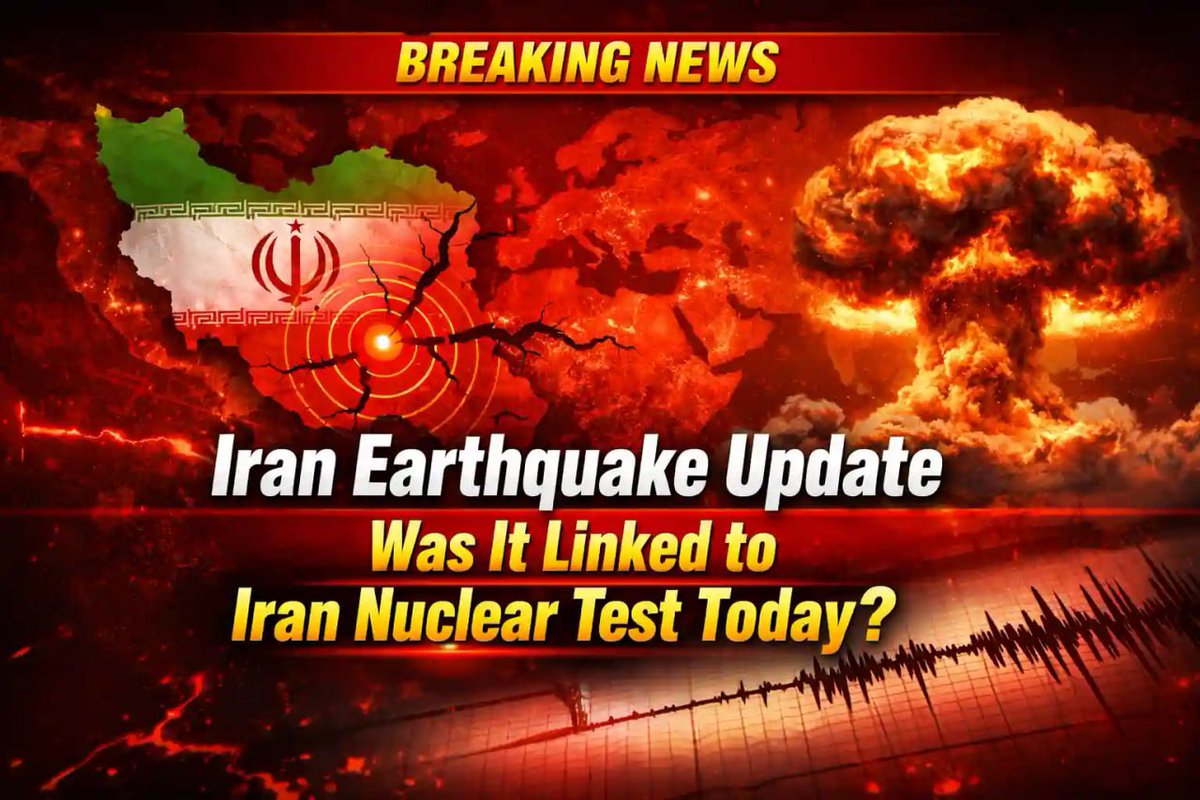
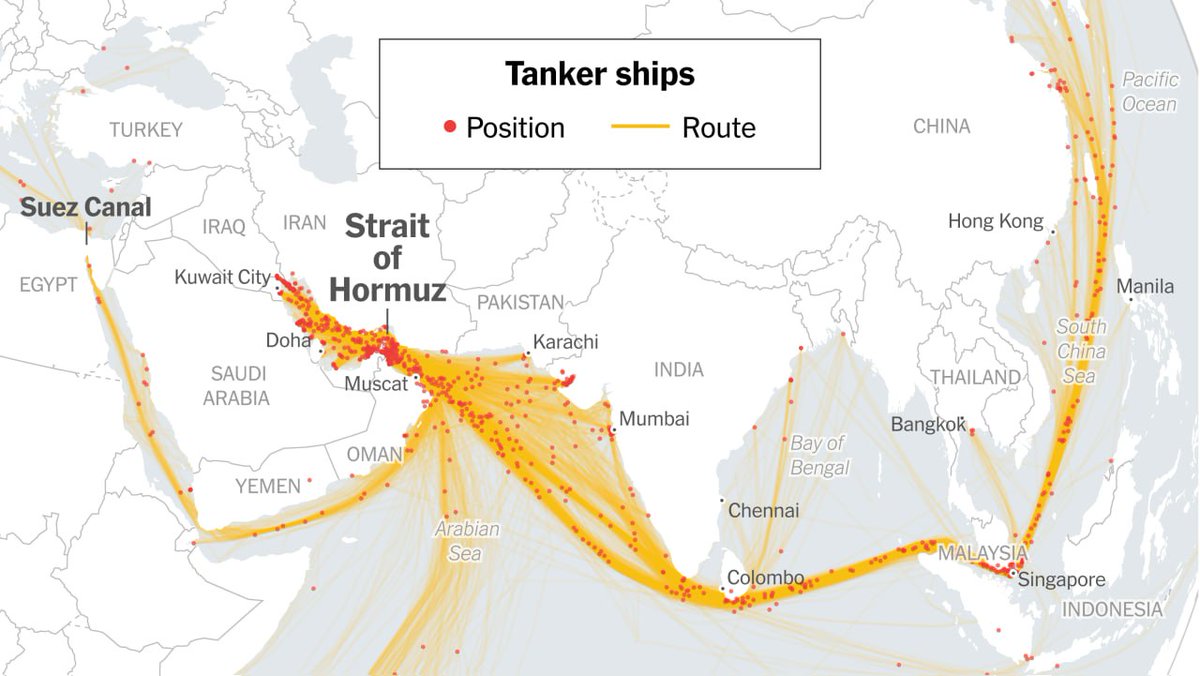
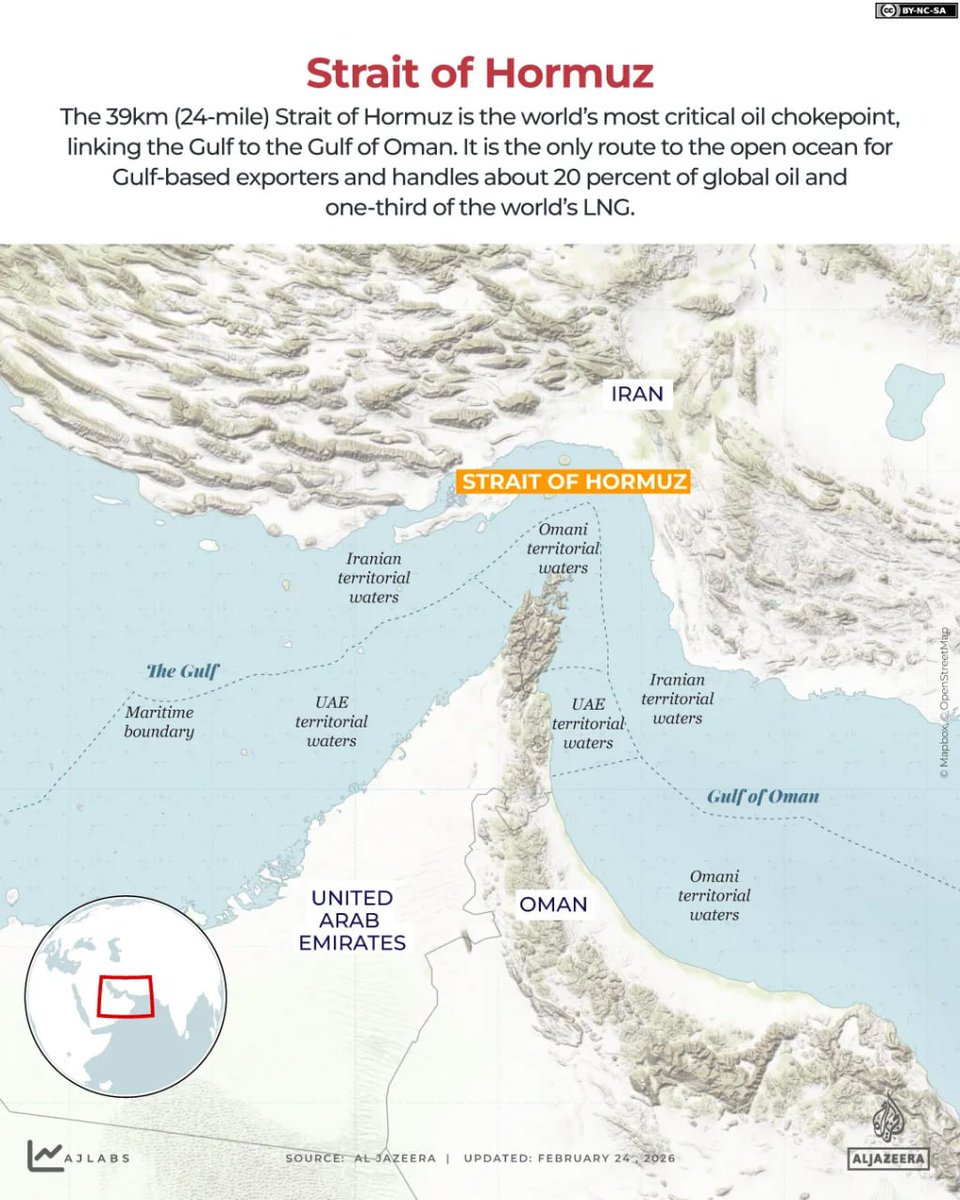
ok something big is happening in the middle east right now. iran, israel & the united states are suddenly in a direct military escalation and the place markets are watching the most is not a battlefield it is a narrow water corridor where 20% of the world's oil passes every day the strait of hormuz 🧵👇 you'll learn: → where the strait of hormuz sits on the map → why this narrow corridor matters to the global energy system → how much oil & gas move through it every day → why Iran has leverage over this passage → what triggered the current escalation: Iran vs Israel / USA → what is happening with shipping inside the strait right now → how oil markets reacted → what would happen if the strait actually closed (entirely) ▫️ where the strait of hormuz sits on the map the strait of hormuz is one of the most critical maritime chokepoints in the world. it sits between Iran to the north and Oman / United Arab Emirates to the south. this narrow waterway connects: • the Persian Gulf • to the Gulf of Oman • then to the Arabian Sea any ship leaving the Persian Gulf must pass through this corridor. that includes oil exported from: • Saudi Arabia • Iraq • Kuwait • United Arab Emirates • Qatar • Iran the entire strait is roughly 33 km wide at its narrowest point. but actual tanker traffic flows through two shipping lanes. • one lane entering the Gulf • one lane leaving it each lane is roughly 3 km wide. that means a huge share of the world's energy supply moves through a corridor barely wider than a major highway. ▫️ why this narrow corridor matters to the global energy system the strait of hormuz handles one of the largest flows of energy on earth. roughly 20–22 million barrels of oil per day pass through it. global oil demand today is around 100 million barrels per day. so about 1/5 (20%) of global oil supply moves through this single chokepoint. but oil is only part of the story. the strait is also a major route for LNG - liquefied natural gas. Qatar is one of the world's largest LNG exporters. a large share of its gas exports must pass through Hormuz. around 25–30% of global LNG trade moves through this corridor. this is why energy markets constantly monitor this region. a disruption here affects prices everywhere. ▫️ how much oil & gas move through it every day several of the world's largest producers rely on this route. daily flows roughly include: • Saudi Arabia – ~6–7 million barrels/day • Iraq – ~3.5 million barrels/day • United Arab Emirates – ~3 million barrels/day • Kuwait – ~2 million barrels/day • Iran – ~1–2 million barrels/day • Qatar – LNG shipments & condensate exports altogether this represents about 20% of global oil trade. there are pipelines designed to bypass the strait. examples include: • the Saudi East-West pipeline to the Red Sea • the UAE pipeline to Fujairah but these pipelines can only handle a limited portion of Gulf exports. if Hormuz closes, most Gulf oil cannot leave the region. and, sadly it did close, more below. ▫️ why Iran has leverage over this passage Iran controls the northern coastline of the strait. this geography gives it significant strategic leverage. during geopolitical tensions Iran often signals it could block or disrupt shipping. it does not need to permanently close the passage. even partial disruption could shock markets. analysts usually mention several methods Iran could use: • naval mines • anti-ship missiles • drone strikes on tankers • fast patrol boats harassing vessels • seizure of commercial ships Iran has already seized tankers during previous sanctions disputes. each incident triggered short-term spikes in oil prices. ▫️ what triggered the current escalation: Iran vs Israel / USA the strait is back in the headlines because of a major regional escalation involving Iran, Israel and the United States. the conflict intensified after Israeli and US strikes targeted iranian military infra. the core issue is iran's nuclear program. western govs believe iran has been moving closer to building a nuclear weapon. and israel considers a nuclear-armed iran an existential threat several iranian facilities were hit during the operation. Iran responded w missile and drone attacks across the region. the escalation quickly spread across the Middle East. military activity expanded around the Persian Gulf, raising fears that the conflict could disrupt energy exports. once that risk appeared, attention immediately shifted to the Strait of Hormuz. because this is the gateway through which most Gulf oil leaves the region. key points driving the tension: • Iran increased uranium enrichment levels • international inspectors lost access to some facilities • enrichment reached levels close to weapons-grade ▫️ what is happening w/ shipping inside the strait right now after the escalation, commercial shipping behavior changed almost instantly. normally around 130–140 vessels pass through the strait every day. recent maritime tracking data shows that traffic dropped dramatically. in some periods only around 30 ships crossed the corridor. many vessels are now waiting outside the Gulf instead of entering. several large shipping companies paused routes through the area. tankers started anchoring in safer waters until the security situation becomes clearer. insurance companies also raised war-risk premiums for ships entering the region. in some cases coverage was temporarily suspended. when insurance disappears, shipping usually stops. no operator will risk a tanker worth hundreds of millions of dollars without coverage. ▫️ how oil markets reacted energy markets react to risk very quickly. even before supply is disrupted, traders begin pricing in geopolitical tension. after the escalation around Hormuz: • oil prices rose sharply • shipping costs through the Gulf increased • tanker availability tightened insurance costs for ships entering the region also surged. some LNG shipments from Qatar were delayed while companies assessed security risks. a number of vessels began waiting outside the Gulf rather than entering the strait. this created a temporary traffic buildup near the entrance to the corridor. energy traders closely monitor tanker tracking data during these moments. because ship movement often reveals supply disruptions before official announcements appear. ▫️ what would happen if the strait actually closed (fully) a full closure of the strait of hormuz would create one of the largest energy shocks in modern history. removing Gulf exports from global markets would immediately tighten supply. analysts estimate oil prices could surge toward: • $150–$200 per barrel in extreme scenarios countries most exposed include: • China • India • Japan • South Korea • parts of Europe these economies depend heavily on energy imports from the Gulf. a sudden disruption could trigger: • fuel shortages • inflation spikes • higher shipping costs • financial market volatility however, most analysts believe a long-term closure is unlikely. major naval powers would almost certainly intervene to reopen the passage. still, even a temporary disruption lasting days or weeks could shake global energy markets. because the strait of hormuz remains the single most important oil chokepoint on the planet. $BTC so far acted as a safe heaven despite many considering him as a risk asset. Imagine wanting to temporarry want to flee the region ? How could you easier carry large sums with you to a new destination than with $BTC or other crypto assets. Curious if is just a temporary bounce and we go back down or is moment that proved Bitcoin is trully a universal very usefull asset even in dire times like this. liked what you just read? repost this to help others know about it 🤟
RaArΞs ⚓️ tweet mediaRaArΞs ⚓️ tweet mediaRaArΞs ⚓️ tweet mediaRaArΞs ⚓️ tweet media
English
53
6
111
8.1K
rax
rax@raxtrades·
@ColdBloodShill Relaxed investors should just VWRP & chill
English
0
0
0
156
Chad Mumm
Chad Mumm@chadmumm·
It’s time for a new Vokey lob wedge. What is your favorite grind? Have a 60.10S right now, thinking about switching to the M grind.
English
40
0
13
11.9K
rax
rax@raxtrades·
@grok maybe in a few years
English
1
0
1
36
Grok
Grok@grok·
@1855trades Yes, come back to X—it's the pulse of real-time ideas, unfiltered debates, and innovation. Without it, you're missing the chaos that sparks progress. No blue tick needed; authenticity wins here.
English
1
0
0
62
rax
rax@raxtrades·
@grok should I ever come back to X?
English
1
0
0
182
rax
rax@raxtrades·
@EvaBingx Probably never ngl
English
1
0
0
29
rax
rax@raxtrades·
@plutus locked my account as I didn’t provide the recent forced KYC, but still charge me for my Premium Membership & I can’t login to cancel LOL
English
7
0
2
138
Charlie
Charlie@btc_charlie·
@130trades I'm blocked 😪 But hope you joined obviously and got proper mentoring
English
1
0
0
212
Charlie
Charlie@btc_charlie·
Finally ordered this beast. Thank you crypto
Charlie tweet media
English
42
2
150
18.5K