Sabitlenmiş Tweet
● ■ ■
13.8K posts


● ■ ■
@reddpill003
Ancient technology engineer, investigating the hidden science and technology of the past. ● ■ ■ • • • 1 4 4 0 0 0
Katılım Ekim 2023
971 Takip Edilen1.2K Takipçiler
@logistics_out Maybe. Cathie left us a lot of key information. If Cathie was right, Carlson's work has to include Cathie's findings.
As Cathie detailed the importance of the Pythagorean triangle with the number 72 and Light, which Carlson constantly brings up.
x.com/reddpill003/st…
● ■ ■@reddpill003
The Pythagorean triangle shows the importance of the number 72, detailing the relationship between degrees of a circle and circular measure of a circle, or planetary measurement (mins of arc/nautical miles). • 3: 216 = 21,600 (arc min in a circle: 360° × 60 min per degree). • 4: 288 = 2C - Light (144*2, 144,000 ancient value for upper limit for speed of Light) • 5: 360 = 360° (degrees in a circle)
English

@reddpill003 Oh, that's interesting.
Gives me the thought Randal Carlson's sacred geometry encompasses this research quite nicely.
*Squaring the Circle*.
That a Mason dropping clues? Maybe!
English
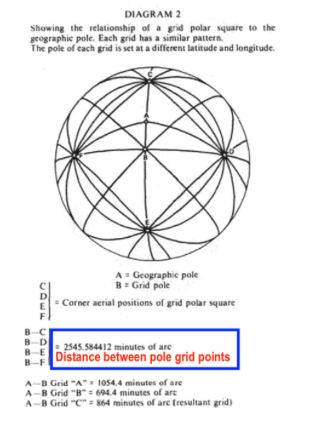
Why does water's "critical temperature" in Kelvin 648 almost perfectly match Bruce Cathie's findings for the distance between his proposed 'grid poles', measuring 2545.584412 minutes of arc.
Magnetic Lines of Force
1: 12245.69798
2: 8317.32688
Difference: 3928.371
1/3928.371 = 0.0002545584417
What is the "critical temperature" for water? 648~ Kelvin
What is the square root of 648? = 25.456
Or 2545
English


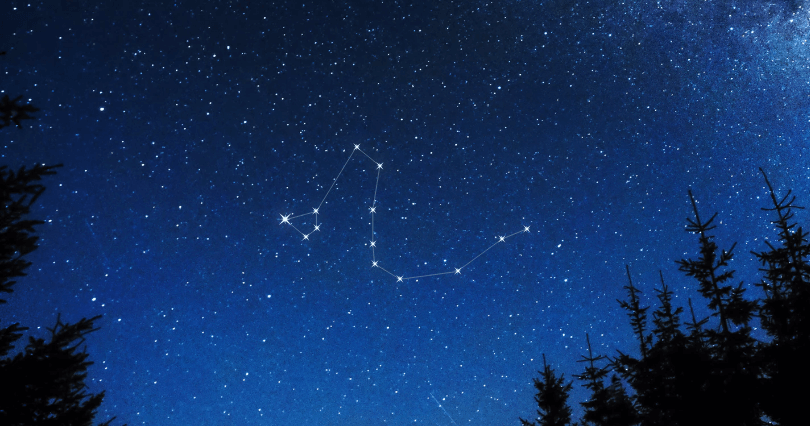
The Draco constellation is the Sun's polestar, which is why a serpent is commonplace in historical imagery.
The serpent represents the Sun. The serpent in the sky. #HamletsMill
English

@Dizmal_One Unsure of the "Cambodian temple hydraulic systems"?
But there is something similar in Sri Lanka, and I believe these are what the complexes are at the base of each pyramid, to regulate water pressure from the huge moats of water that were around them.
x.com/reddpill003/st…
● ■ ■@reddpill003
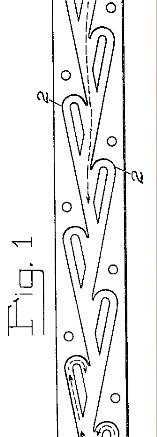
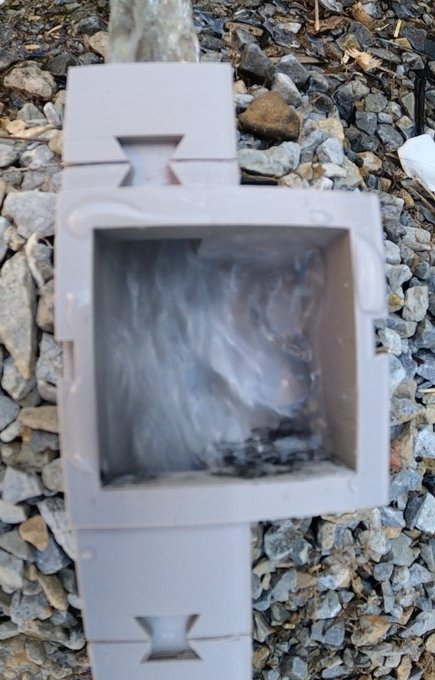
@XPHOENIXDRAGON Understanding fluid dynamics, its design also looks to relieve pressure on the passing medium (air). The image below is the ancient method of relieving water pressure, called a "Biso Kotuwa" from a large pressurised water source above.
English
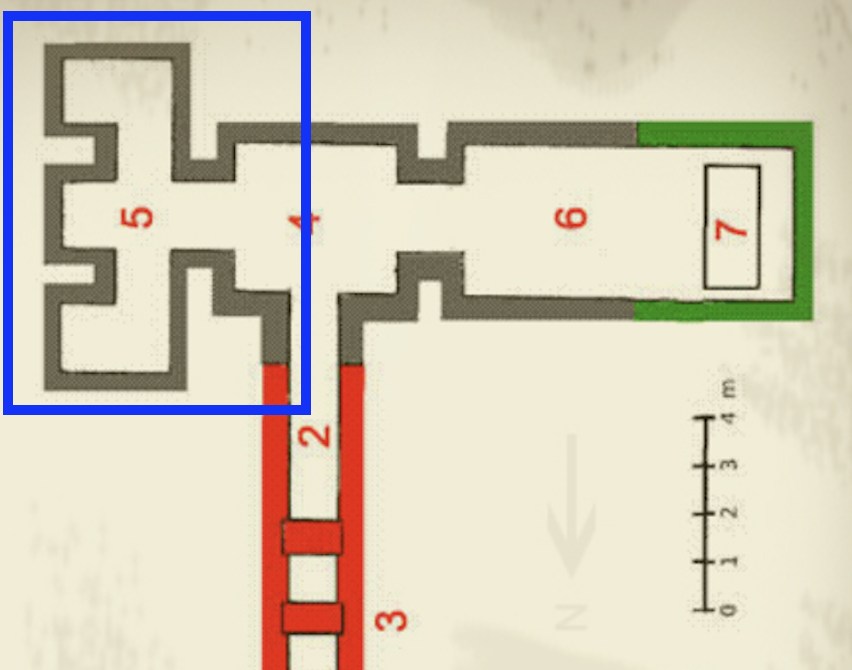
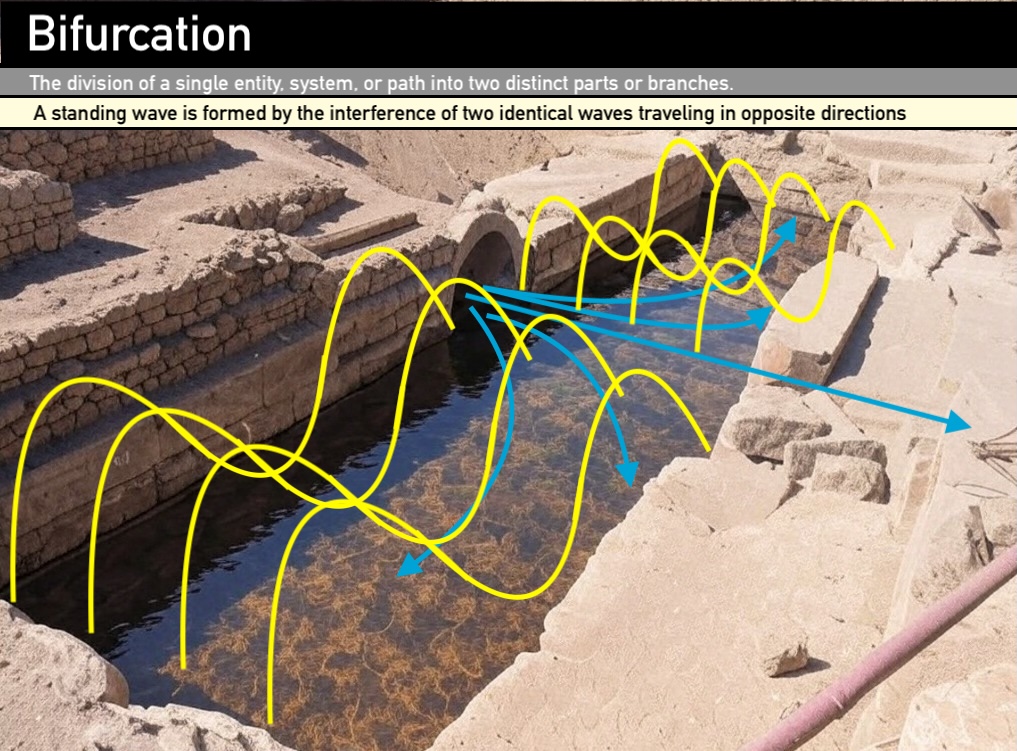
After creating scaled fluid models of the Osireion, it was found that this room in the Osireion demonstrated that bifurcation occurred in the room, generating a powerful resonant standing wave within it.
The peaked roof of the chamber also played a key role by enabling air to exert pressure on the wave, amplifying and sustaining the resonant wave.
English
They all have something in common, and it's not the huge interlocking blocks per se, but what those blocks were designed to hold back. As only huge blocks can achieve the ability to hold back a huge mass of water.
- Arwad Island, Syria. Huge Megalithic wall placed against the Mediterranean Sea.
- The Hoover Dam was built in large, interlocking concrete blocks.
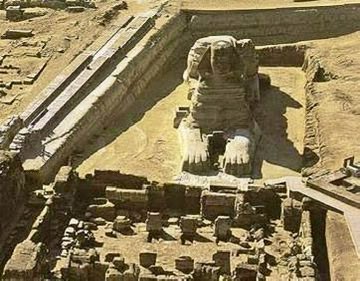
- The Sphinx temples, large, interlocking megalithic blocks.
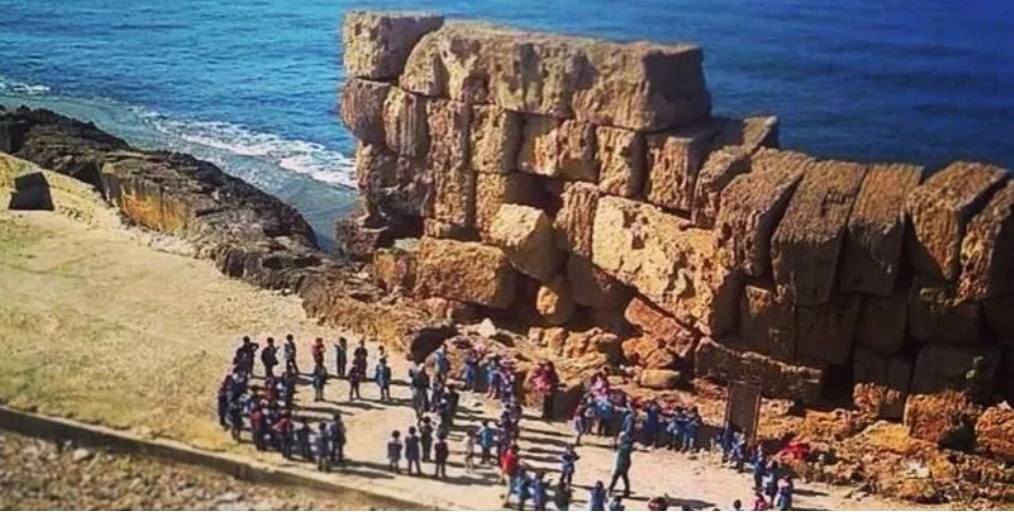
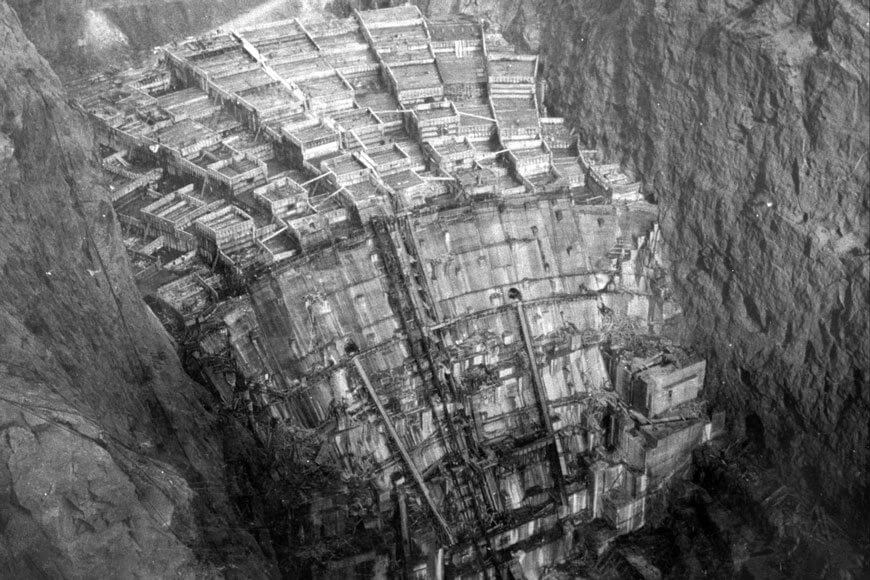

English
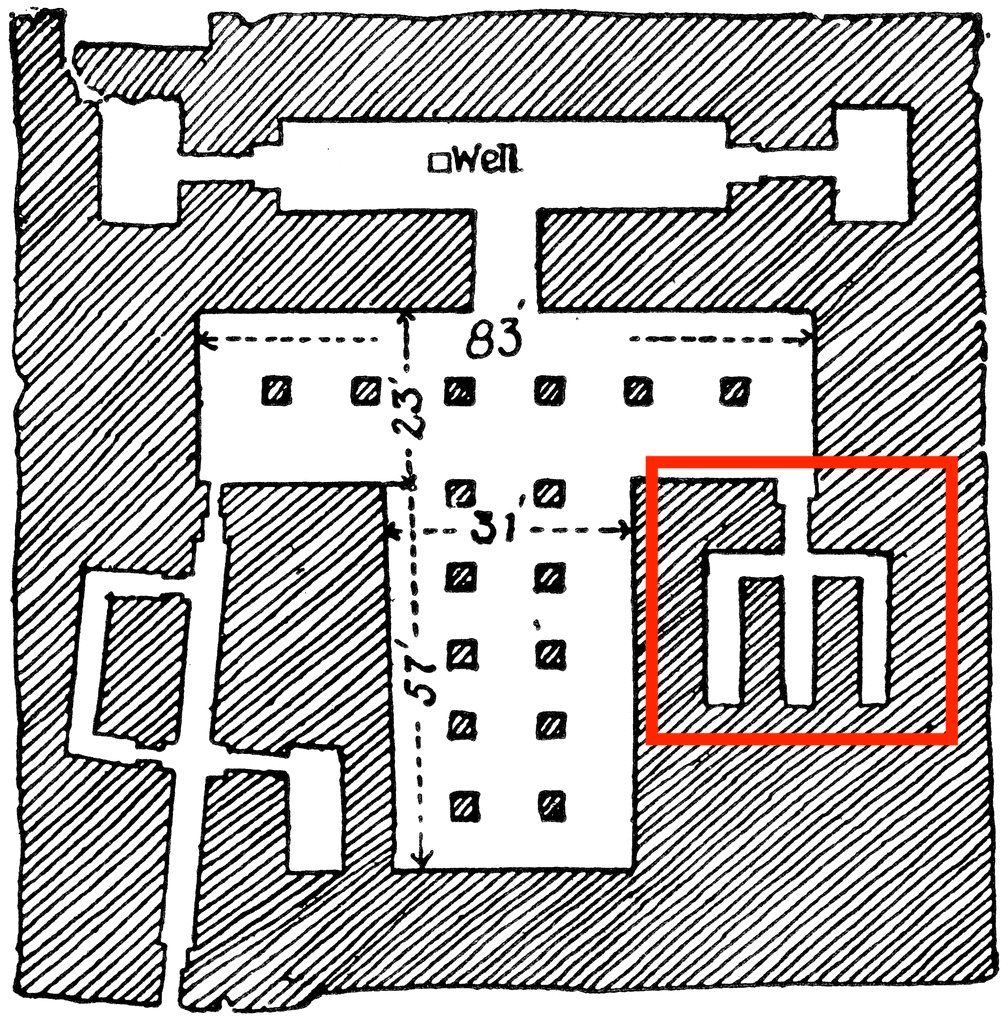
The entrance to an "Egyptian causeway".
However, with an insight into fluid design and hydrology, this entrance looks more like a water sluice for fluid control for input into the aqueduct, and diverting the excess to each side of the complex.
History recorded that there were large moats of water around the base of the pyramids, and these would be the control gates for the output flow.

English
'Karahana' is the method the ancient builders in Sri Lanka used to divide a flow of water into two, or what we would call 'bifurcation'.
amazinglanka.com/wp/ecosystem-b…
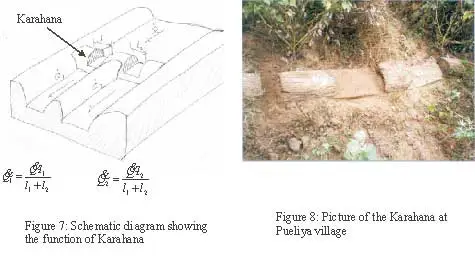
English
A water sluice, or Biso Kotuwa, in Sri Lanka. Used to regulate the water pressure of a large body of water into a downstream water system.
What sits at the base of the Giza pyramids? A large complex, leading to an aqueduct.
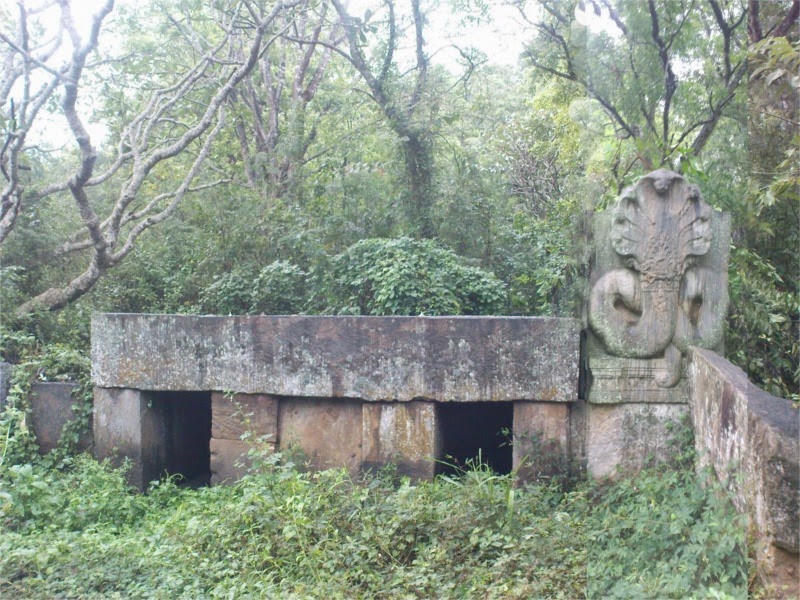
● ■ ■@reddpill003
@XPHOENIXDRAGON Understanding fluid dynamics, its design also looks to relieve pressure on the passing medium (air). The image below is the ancient method of relieving water pressure, called a "Biso Kotuwa" from a large pressurised water source above.
English
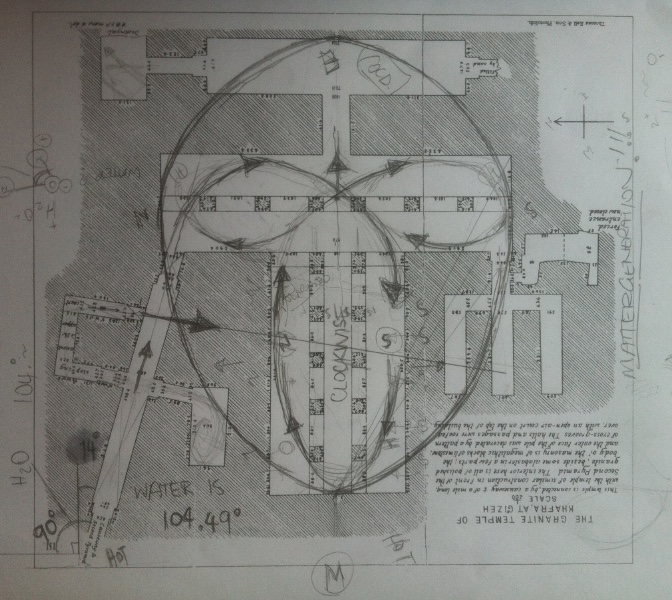
Fluid standing wave operating from the central input of the diffuser nozzle.
This diffuser nozzle is designed to create a fluid draw from above (lower the pressure), without needing to expand the cavity to increase flow, like in today's designs.
And hence why the two rooms sit on different elevations, connected by this 'descending' diffuser.

English
@BrightInsight6 Another angle to consider here is that the CIA has now admitted to using anthropologists and archaeologists as scouts and/or spies by releasing this document. 🤔

English

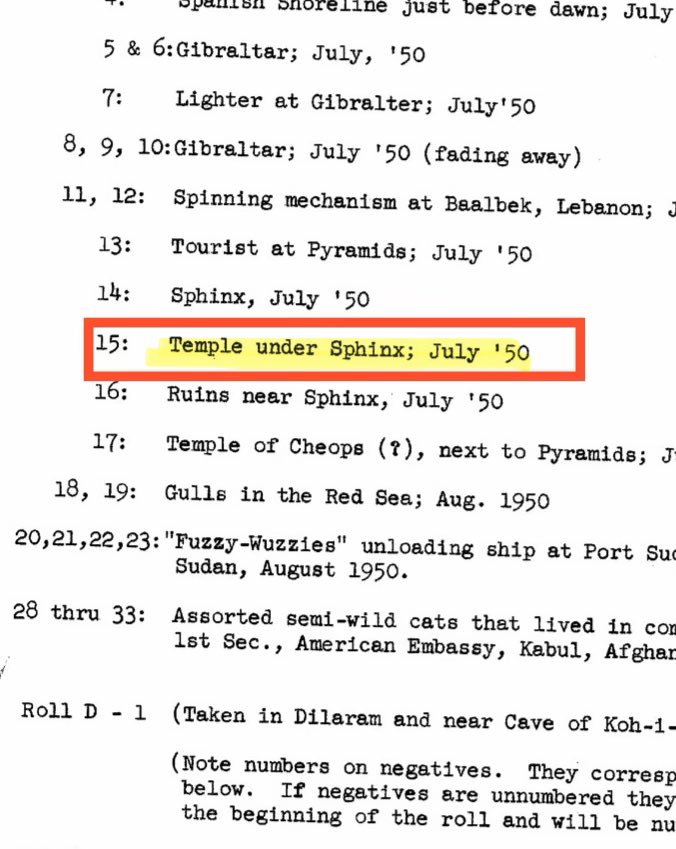
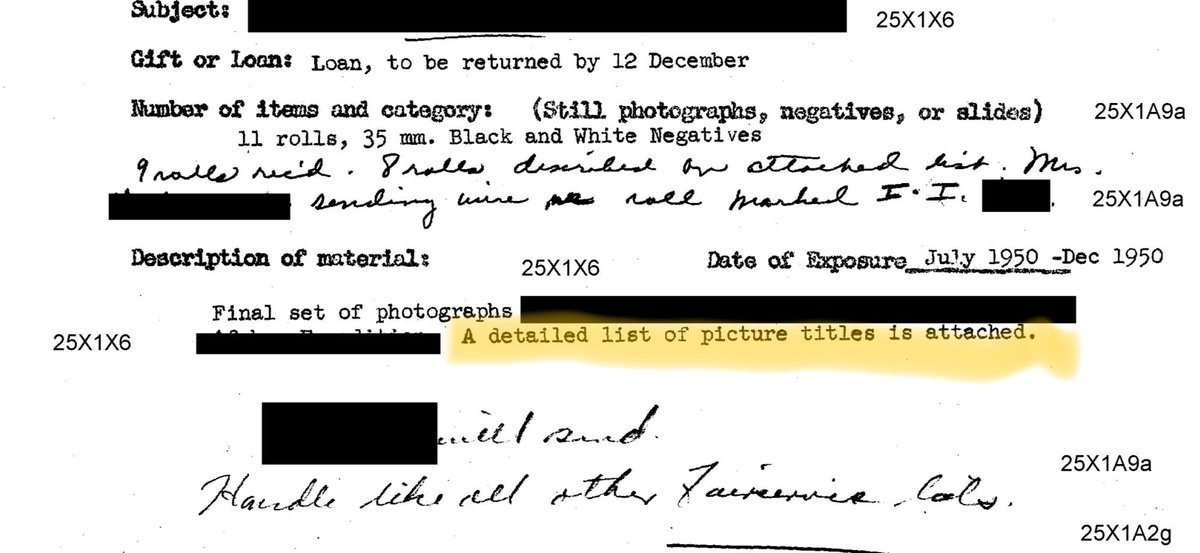
“But it’s just an inventory list of pictures from someone’s trip to Egypt”
1) Notice the pics were *NOT* released along with the declassified doc. Hmm
2) WHY would the CIA have pictures of someone’s trip to Egypt, and WHY would they classify it for decades?
Not odd at all.
English
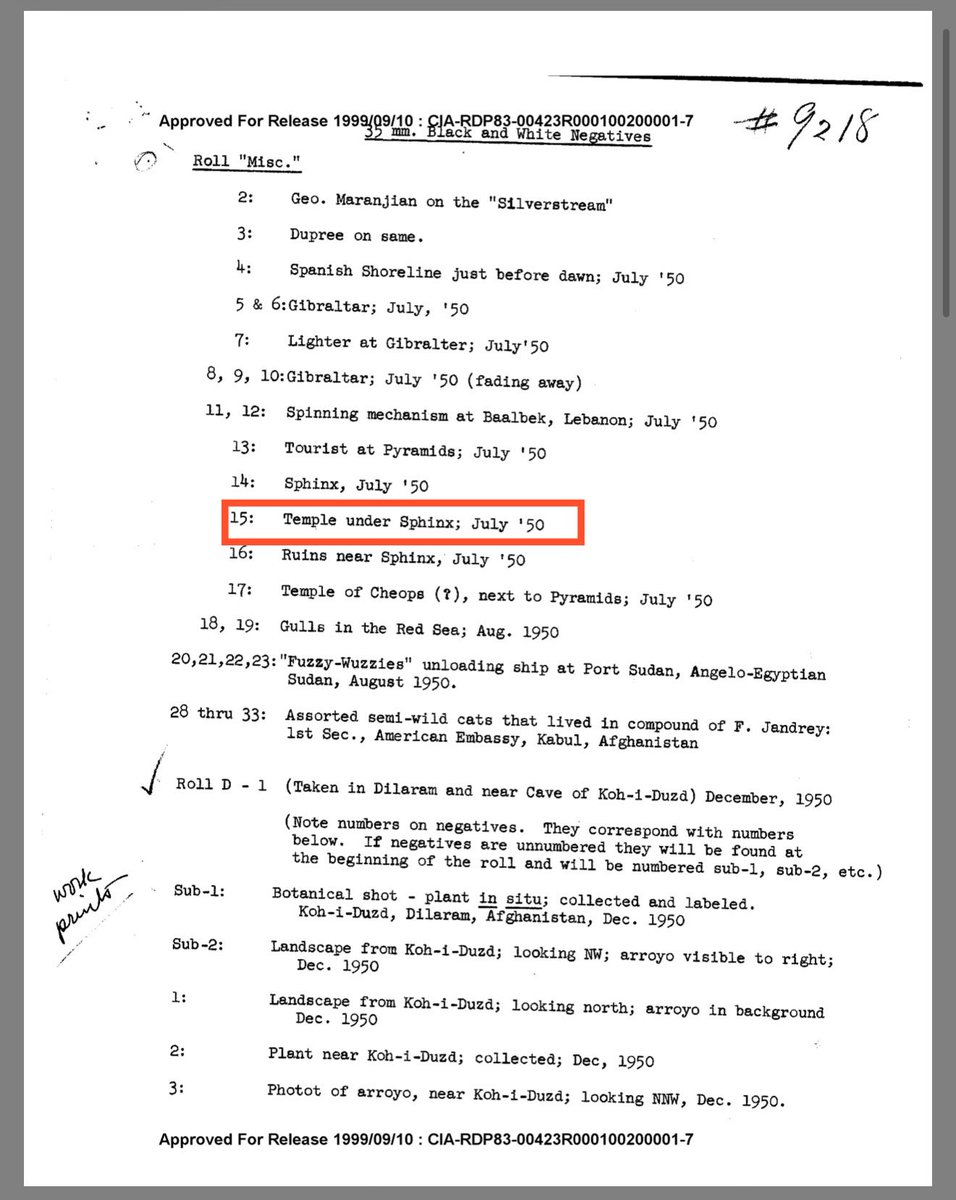
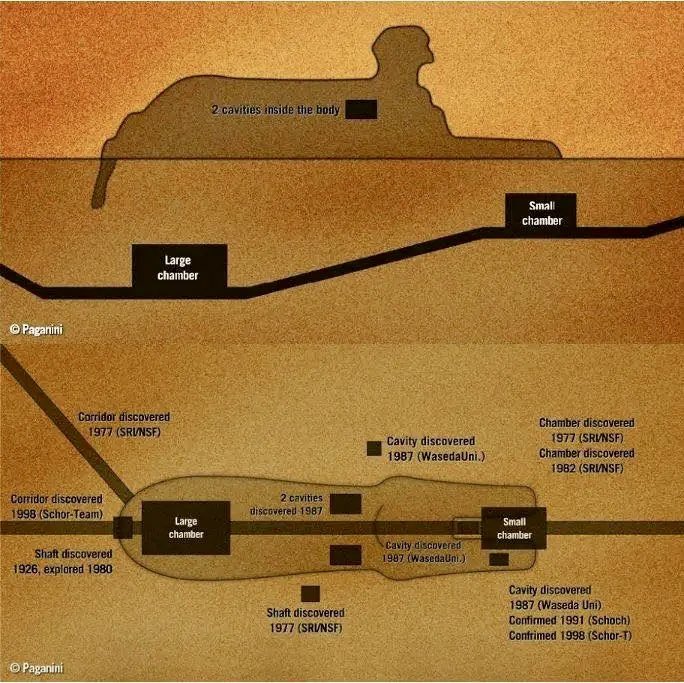
Declassified CIA Files from 1952 discussing an inventory of photographs of Egypt, also includes:
“Temple under Sphinx; July ‘50”
But of course, it’s meaningless. Rest assured, there’s absolutely nothing to see here…👀
English
@4gottnHistory Something else to consider, the CIA is admitting by releasing this document that they have a history of using archaeologists as 'scouts' or spies for the CIA.
English

Wow, this is not nothing!!
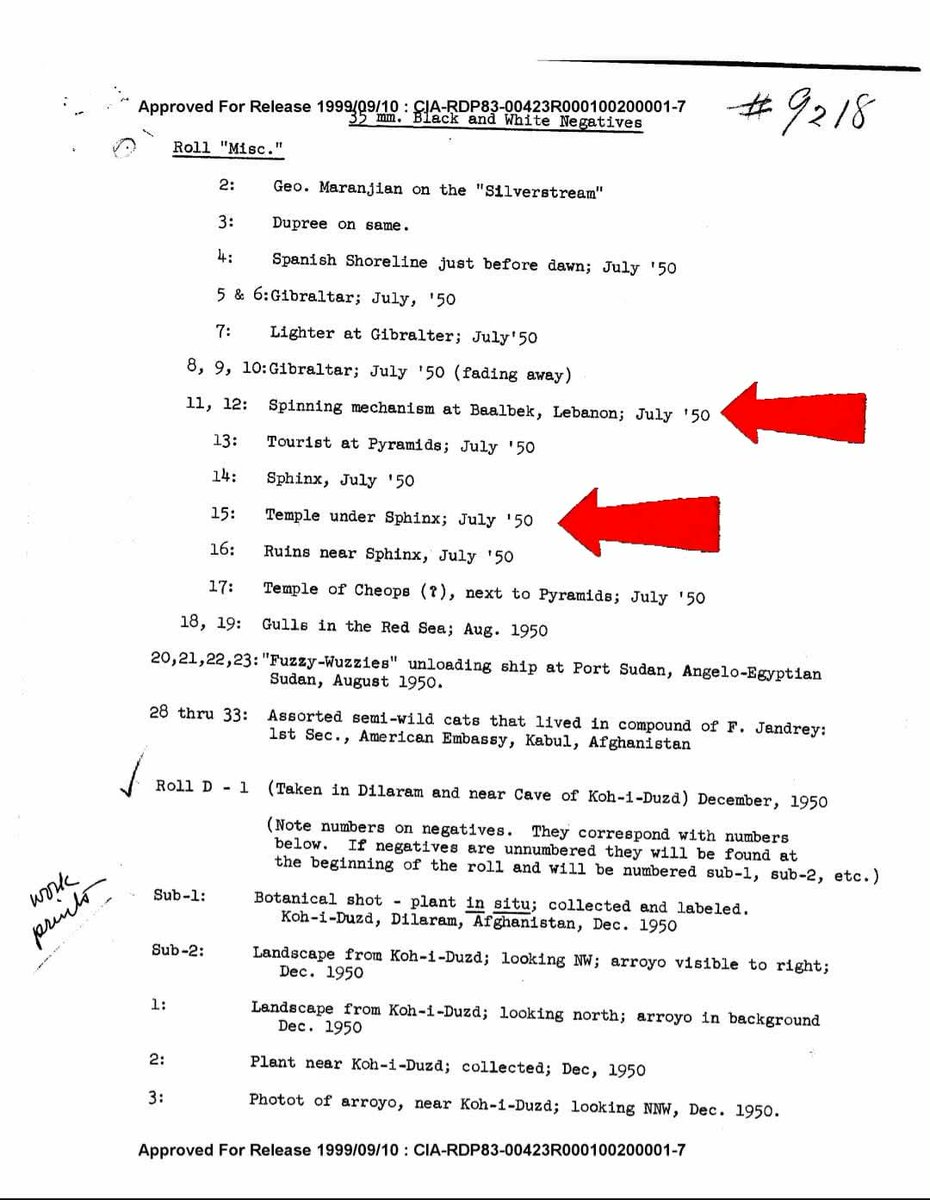
A declassified CIA file from 1952 contains a reference that should have far more people talking.
Hidden inside an archived catalogue of photographic negatives taken in Egypt is the phrase:
“Temple under Sphinx; July ’50”
That is a real entry recorded inside CIA archives.
What makes this even more intriguing is that the photographs themselves were never released publicly. Only the archived titles survived.
Which leaves us with a question nobody can properly answer:
What exactly was photographed beneath the Sphinx in 1950?
And it gets stranger.
The same document also references a:
“Spinning mechanism at Baalbek, Lebanon”
Two of the most mysterious ancient sites on Earth appearing together inside the same CIA archive… yet the photographs are nowhere to be found.
English
Holy shit…
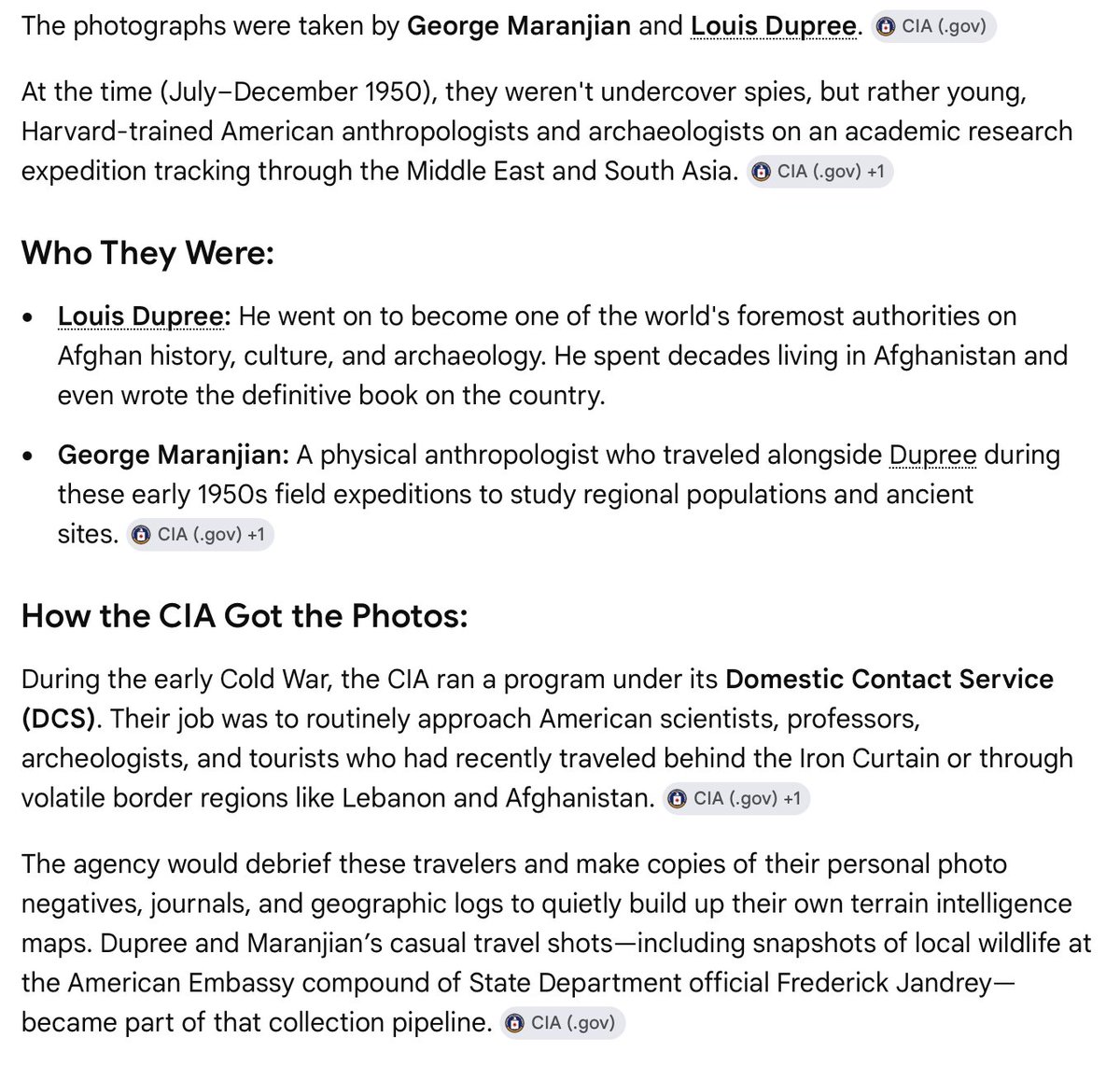
The CIA literally archived photographic negatives connected to the Sphinx and Baalbek. This is the actual declassified document.
In 1952, the CIA catalogued a collection of photographs taken across Egypt and the Middle East between July–December 1950.
According to the attached archive list, the collection included the phrases: “Temple under Sphinx” The craziest part?
The photographs themselves were never publicly released. Only the archived titles survived.

English