
redline
91.5K posts

redline
@redlineMeta
👾 Researcher 👾Chasing bubbles 👾 Back to my X arc Addicted to magic internet money


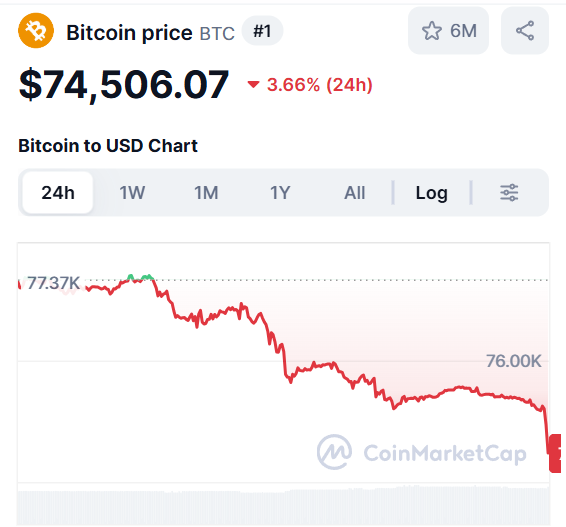
CT will try to convince you that you have to buy Bitcoin right now or it might be too late Its so wrong The one thing you have to remember as an investor and a trader - price never moves in a straight line I was calling purchases a month ago sub $65k and priced returned to that zone a few times The main idea remains the same - slow DCA and long-term vision. Thats the easiest way to succeed here


Recent free NFTs + floor price in this month: > Xeet $0 → $10-$600 > Roku $0 → $127 > Xoob $0 → $150 > Forge $0 → $63 > Nucleo $0 → $100 > Ataktos $0 → $300 were you able to mint any ?


24hrs ⏳ ILITY Hub is coming back Are you ready?

Here's 6-steps to find a product idea people will actually pay for: I had 5 buyers before writing a single line of code By the end, you'll know how to: - find real inspiration without guessing - search for similar products that already exist - evaluate their success and market potential - understand the upside before writing a single line of code So, let's discuss your roadmap step by step Step 1: Stop brainstorming, start observing the biggest problem for most people is sitting and trying to "come up with an idea", imo I think this is the wrong approach, because that idea might simply not be needed by anyone instead you should: - write down every problem you encounter in everyday life - notice what you still do manually, even though it clearly should be automated - pay attention to what you complain about - watch what people around you are struggling with the list of ideas should come from frustration and real needs, not from imagination Step 2: Go where ideas already live there's always this belief that you need to build something completely new and unique, but in reality that's not true we're living in 2026, and most great ideas have already been implemented, don't forget that now AI writes code for you so your task is to find what people are asking for and what they actually need, even if similar products already exist where to look: - X (audience feedback, watch what people are building, hype stories, read product case studies from @ErnestoSOFTWARE, get inspired) - YouTube (you can understand what people actually need from a SaaS perspective) - Reddit threads (r/SideProject, r/entrepreneur, r/nocode) - App Store Trends (search for products you can replicate but make much better) - Product Hunt (sort by newest, filter by the category you need) - YCombinator (Startup directory + Requests for Startups) - VC investments (watch where VCs are investing, study the niches and what can be built there) - TrustMRR + other platforms that track product MRR your initial goal is to collect dozens of ideas that have the right to exist, and then evaluate the potential of each of them Step 3: Validate the idea before building anything this is exactly where most product builders fail, they simply skip this step completely for every idea ask: - does a similar product already exist? - are people paying for it? - how many alternatives does it have? - what do users hate about the current solutions? if competitors already exist and people are paying, that's a green light, not a red one it's a signal that a similar app will most likely generate revenue too Step 4: Evaluate the market size and growth potential a good idea without a ceiling is still a bad bet what to check: - search demand in Google (Keywords) - how many reviews competitors have on Product Hunt / in the App Store - whether the niche is growing or shrinking - whether you can charge a monthly subscription or if it's a one-time purchase - who the buyer is – a regular consumer or a business (B2B = higher potential) also consider the current potential of AI and adapt to it your goal is to be in a niche that is growing fast, so you can grow together with it Step 5: Find your angle you don't need to beat the market leader, you need a narrow, clear entry point and most importantly, the idea should actually excite you and drive you, it should solve your pain or someone else's ask yourself: - what does the current solution do poorly? - can I serve a narrower audience 10x better? - can I be cheaper, faster, or simpler? - is there a specific niche being ignored (solo developers, small teams, a specific industry)? - one clear angle is almost always stronger than just "a slightly better product" but here you can also simply make something 5% better, and you'll already have buyers I'm speaking more from the perspective of global potential, like aiming for >$100K MRR Step 6: Test the idea before writing any code before building anything, make sure someone actually needs it how to do it: - write about the product on Twitter/X or Reddit - offer to solve this problem manually for 3-5 people first - DM people from your target audience and ask direct questions - measure interest by "selling the product" that doesn't exist yet if no one engages, the problem is most likely the idea, not your marketing CONCLUSION this is the whole process I used to go from zero ideas to a product that's worth building the biggest mistake in my opinion is skipping validation and jumping straight into code you'll save months of wasted work if you first spend 1-2 weeks on research for example, I started building my app when 5 people were already ready to buy it I simply went to a conference and started talking about my idea/product, asking for opinions from people who might need it and most importantly, it also solves my own pain I feel like this is important for every founder & enthusiast who wants to build hope you could implement these tips in your workflow ♥️


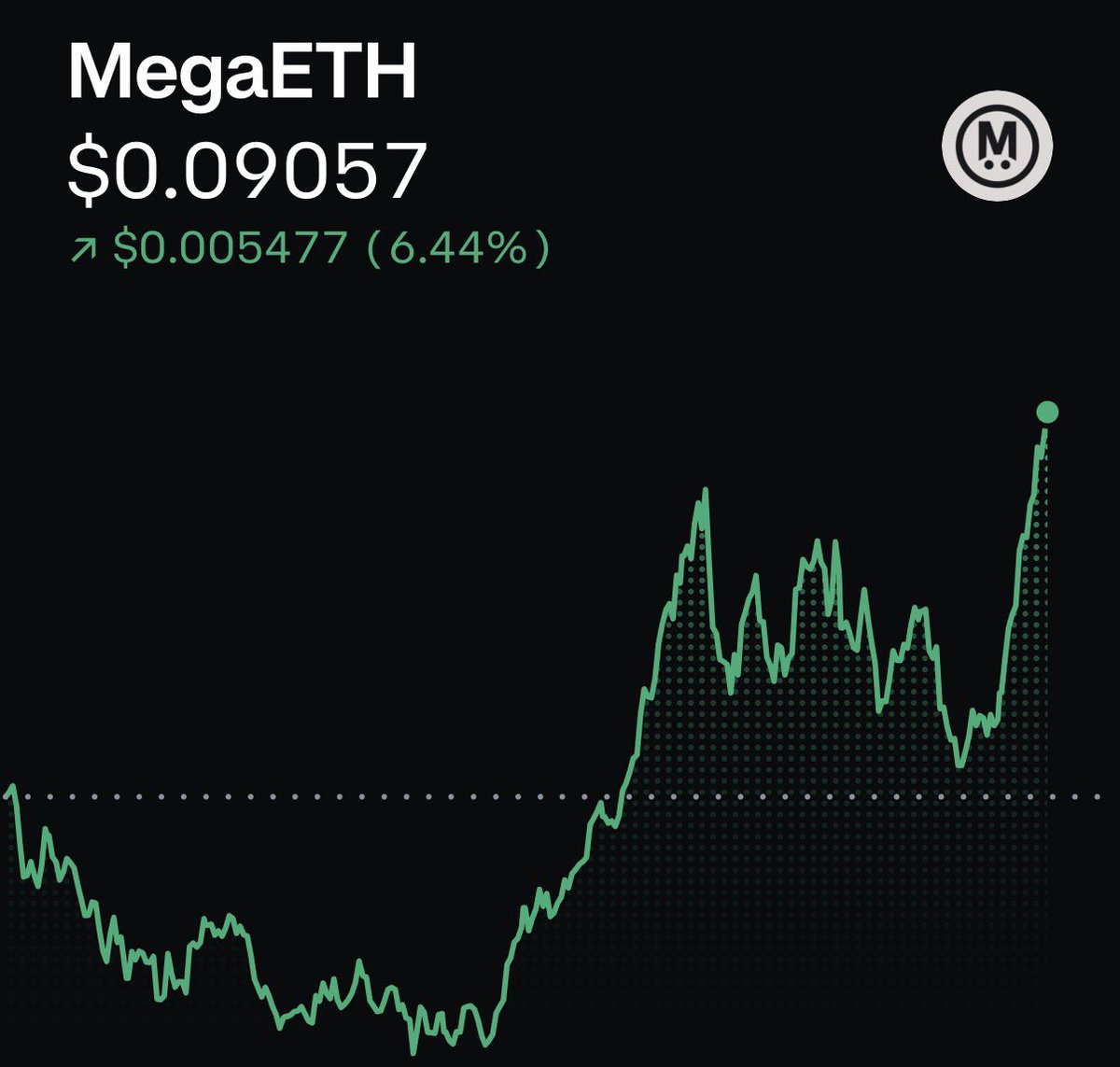
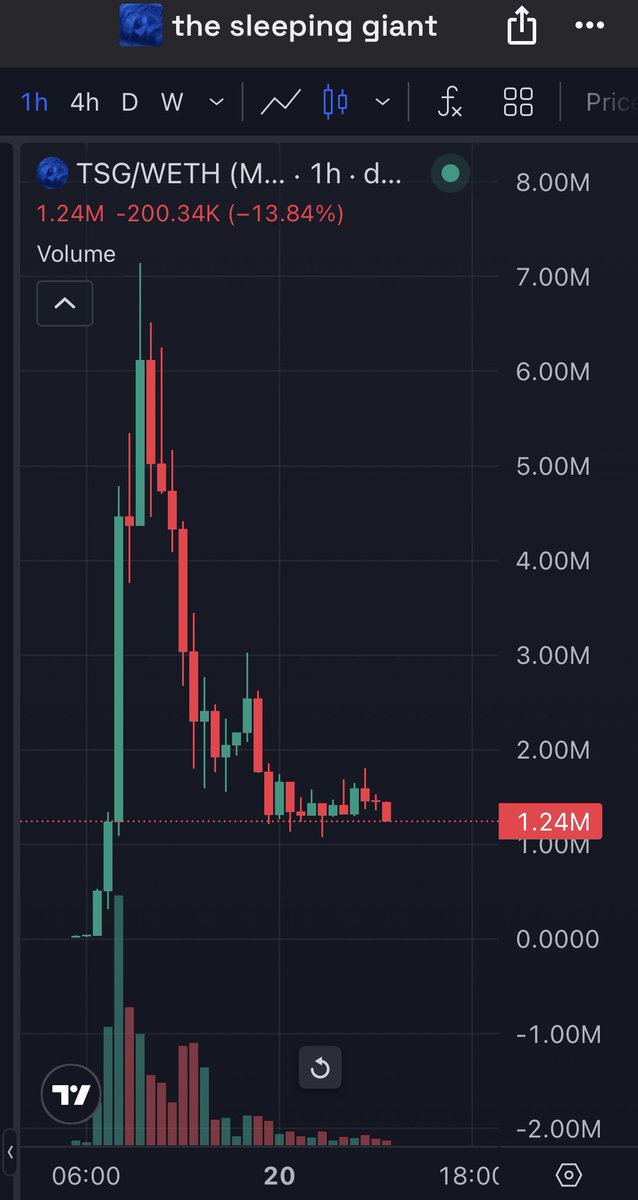
this gotta be the most stable chart i’ve seen in a while wtf is this