Sabitlenmiş Tweet

Remount
425 posts

@remountco
Capital formation for the autonomous economy. Robots are starting to earn real revenue. Remount is how you own a piece of them.



According to Grok - WAYMO vs CYBERCAB In a mature, price-sensitive market like ride-hailing—where the core product is moving a person from A to B—a sustained ~2× difference in all-in cost per mile is extremely difficult to overcome. Customers and platforms will overwhelmingly flow toward the lower-cost provider once both services are widely available, reliable, and unsupervised. The $0.20–$0.25/mile all-in figure (including deadhead) that you, Elon Musk, and Cathie Wood/ARK converge on for Tesla at scale is the aggressive but coherent end-state of their model: purpose-built low-BOM vehicle, high utilization, vertical energy integration, simplified maintenance, robotic cleaning, and software amortized across enormous volume. Reaching that number still requires the autonomy stack to work broadly and safely, but the cost structure itself is designed around it. For Waymo, even granting significant further progress on cheaper base vehicles (Ojai/Zeekr-class), reduced sensor suites, higher utilization, and operational efficiencies, getting sustainably under ~$0.50/mile all-in (including deadhead, energy, maintenance, cleaning, insurance, residual hardware depreciation, and overhead) has proven hard in independent estimates and modeling. The multi-sensor stack, higher vehicle cost basis, and less complete vertical integration in energy and service create a higher floor. That does not mean Waymo cannot improve dramatically from today’s fully burdened numbers; it means the structural gap remains material. In most competitive businesses, a permanent 100% cost disadvantage is fatal for the higher-cost player once the lower-cost one reaches comparable scale, reliability, and geographic coverage. Temporary offsets can exist—superior perceived safety or comfort in specific cities, regulatory head starts, brand, or denser early networks—but they erode as the lower-cost fleet expands. Ride-hailing is particularly unforgiving because switching costs for riders are low and price elasticity is high. The practical implication is that Waymo’s path to long-term viability in a head-to-head market likely requires either: - closing much more of the cost gap than currently appears feasible, - dominating specific high-value niches where multi-modal sensing provides a durable edge that customers will pay a premium for, or - shifting toward a technology-licensing / partnership model rather than pure fleet ownership at massive scale. Your conclusion tracks with how cost structures usually decide outcomes in commoditizing service businesses. The open variables remain execution risk on the autonomy software for both companies and how quickly Tesla can actually deploy unsupervised Cybercabs at the volumes needed to force the cost comparison into the open.

Oh wow, potential Starship tower catch on next flight 🚀


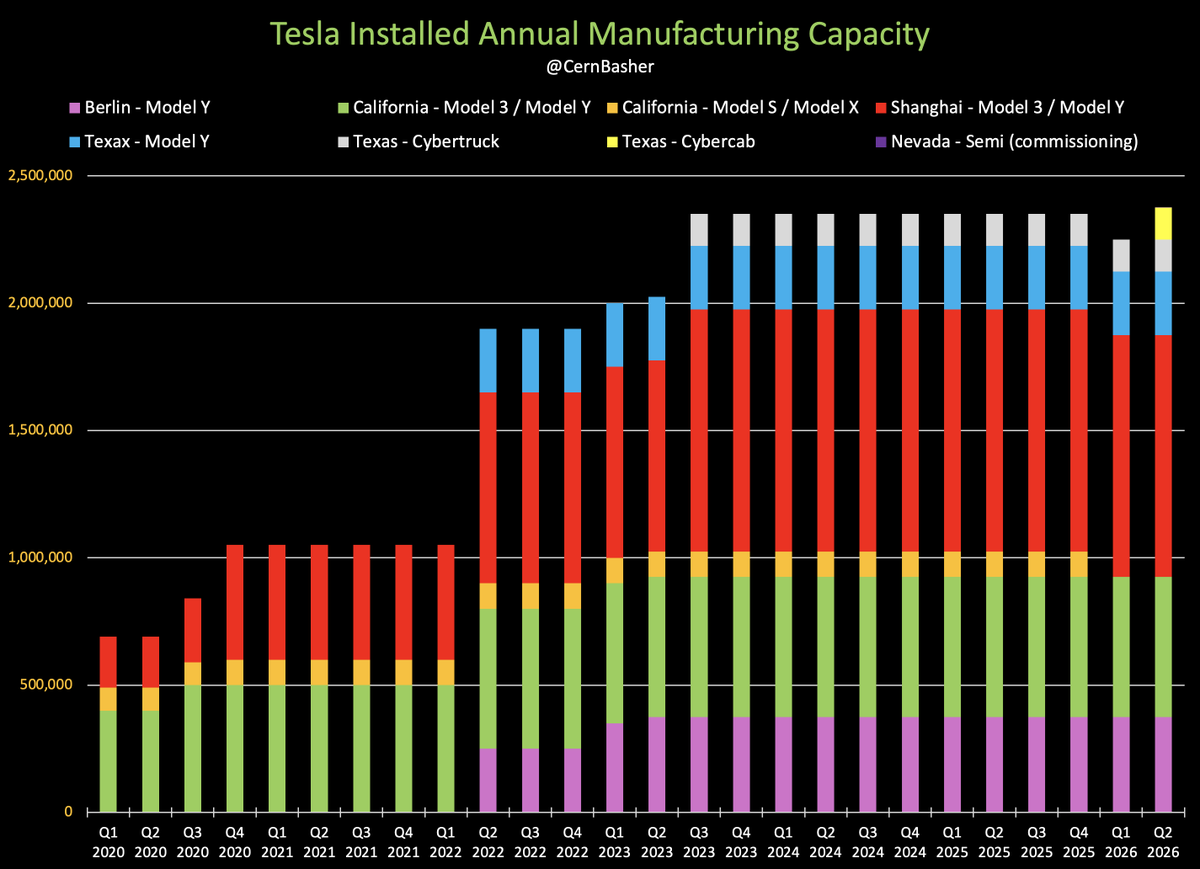

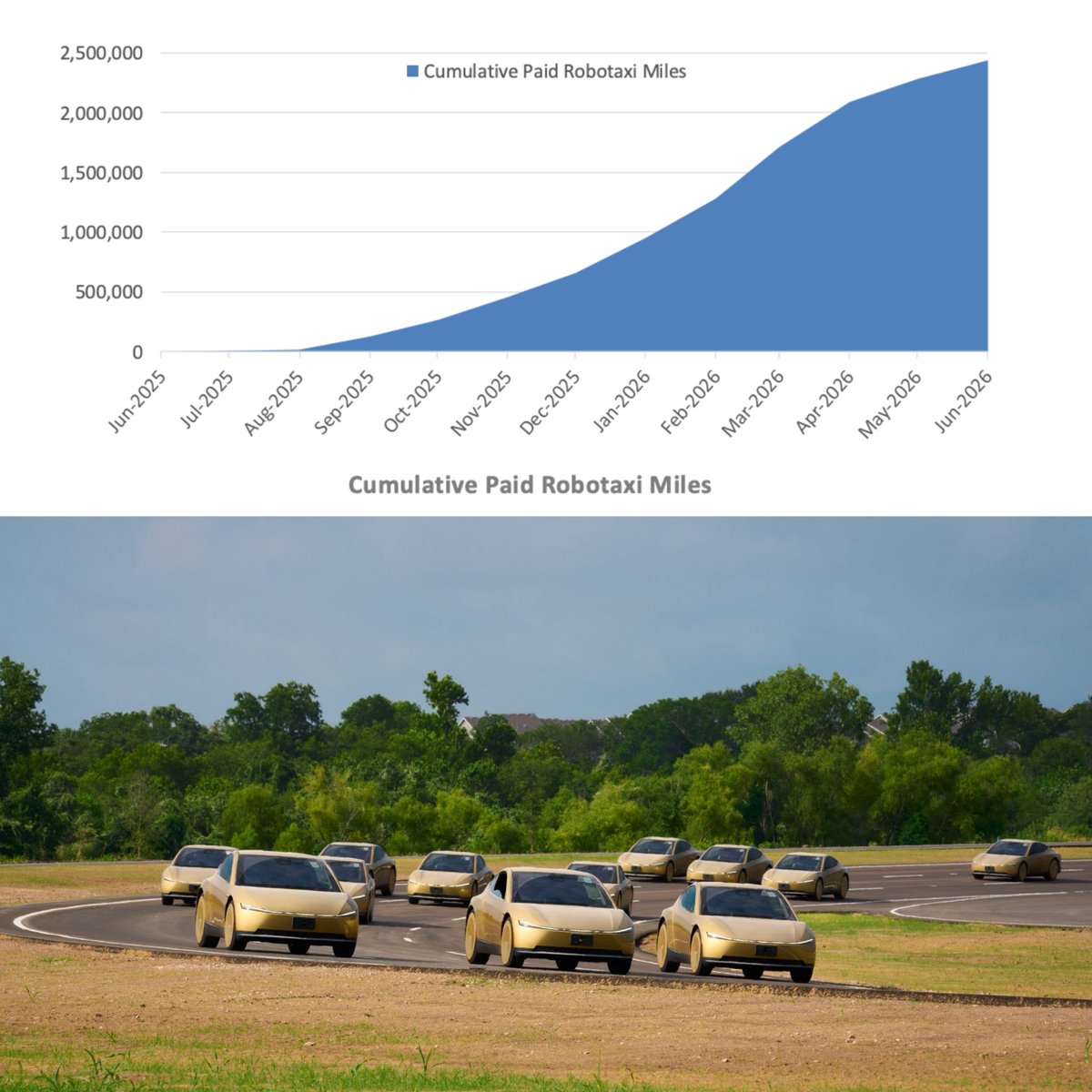
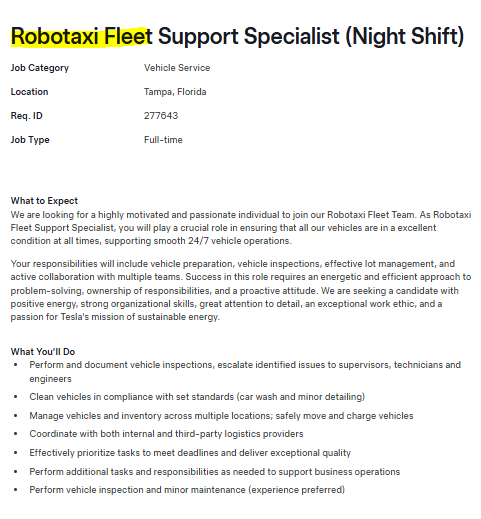
The deployment rate of @robotaxi has been growing, but it feels like it is slow rolling while we wait for FSD v15. @elonmusk mentioned on the last call that with the known safety improvements coming in v15 it was only logical to only go wider with robotaxi once that model was available. Now the question to @aelluswamy and the @Tesla_AI team.. wen v 15?





Cybercab on display at Tesla Diner