Royan Kamyar, M.D., MBA
4.9K posts

Royan Kamyar, M.D., MBA
@rnkamyar
Founder, Physician, Father | Revolutionizing time @owaves | #CircadianHealth #oTime🌱
Encinitas, CA Katılım Aralık 2012
5.2K Takip Edilen1.9K Takipçiler
Sabitlenmiş Tweet

Once I completed my medical intern year and transitioned to my MBA program, I made a pact to myself: I want to be successful, but I’m NOT willing to sacrifice my health to get there...
Instead, I reimagined my day. I took to heart the prescription I had learned from @DeanOrnishMD and the @ACLifeMed community. I realized each of the core lifestyle recommendations share a common denominator of #Time–hours and minutes.
owaves.com/time-is-the-1-…
English
Royan Kamyar, M.D., MBA retweetledi

Glad to share that I'll be the keynote speaker at the 1st Annual Physician AI Hackathon at @UCSanDiego!
Thanks to @rnkamyar and the Society of Physician Entrepreneurs San Diego chapter for the invitation.
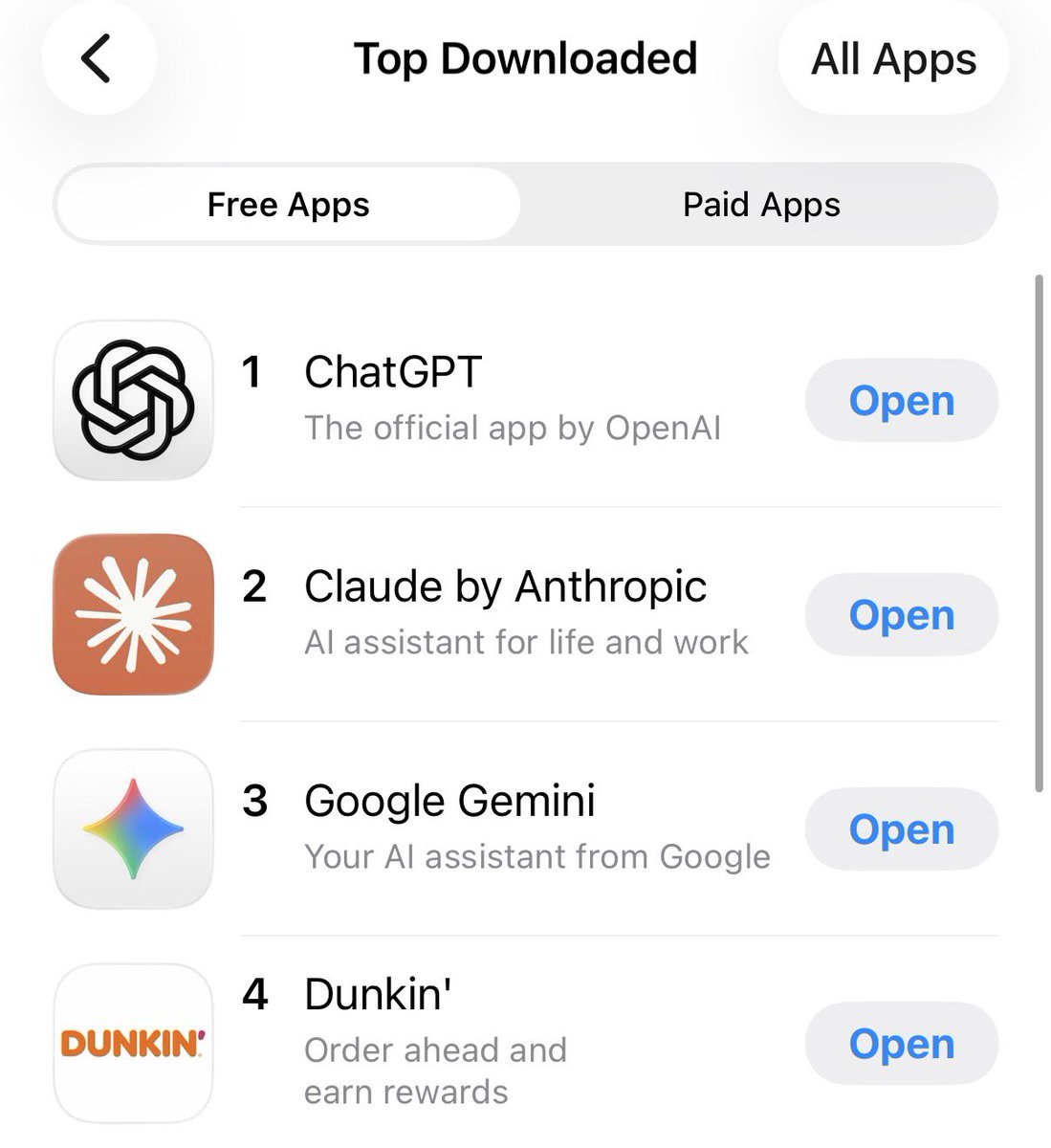
Looking forward to sharing the story behind winning @AnthropicAI's Claude Code Hackathon, and seeing what clinicians, engineers, and students build together.
Medicine + AI is moving fast — rooms like this are where the real shift happens.
I'll be joining more events in the months ahead — keen to exchange experiences and discuss the future of health tech.
Event details: luma.com/6qmg95hq
See you on May 30!
English
Royan Kamyar, M.D., MBA retweetledi

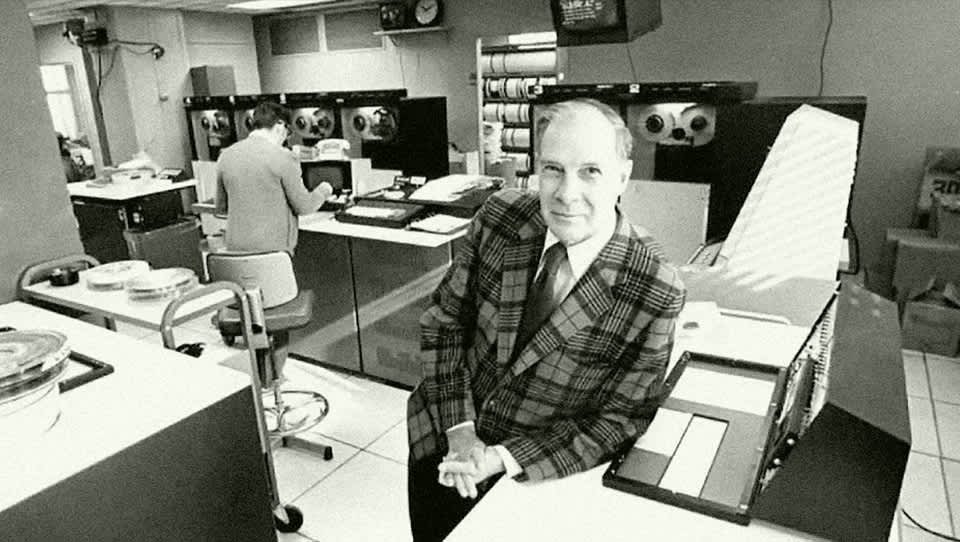
A mathematician who shared an office with Claude Shannon at Bell Labs gave one lecture in 1986 that explains why some people win Nobel Prizes and other equally smart people spend their whole lives doing forgettable work.
His name was Richard Hamming. He won the Turing Award. He invented error-correcting codes that made modern computing possible. And he spent 30 years at Bell Labs sitting in a cafeteria at lunch watching which scientists became legendary and which ones faded into nothing.
In March 1986, he walked into a Bellcore auditorium in front of 200 researchers and told them exactly what he had seen.
Here's the framework that has been quoted by every serious scientist for the last 40 years.
His opening line landed like a punch. He said most scientists he worked with at Bell Labs were just as smart as the Nobel Prize winners. Just as hardworking. Just as credentialed. And yet at the end of a 40-year career, one group had changed entire fields and the other group was forgotten by the time they retired.
He wanted to know what the difference actually was. And he said it wasn't luck. It wasn't IQ. It was a specific set of habits that almost nobody is willing to follow.
The first habit was the one that hurts the most to hear. He said most scientists deliberately avoid the most important problem in their field because the odds of failure are too high. They pick a safe adjacent problem, solve it cleanly, publish it, and move on. And because they never swing at the hard problem, they never hit it. He said if you do not work on an important problem, it is unlikely you will do important work. That is not a motivational line. That is a logical one.
The second habit was about doors. Literal doors. He noticed that the scientists at Bell Labs who kept their office doors closed got more done in the short term because they had no interruptions. But the scientists who kept their doors open got more done over a career. The open-door scientists were interrupted constantly. They also absorbed every new idea passing through the hallway. Ten years in, they were working on problems the closed-door scientists did not even know existed.
The third habit was inversion. When Bell Labs refused to give him the team of programmers he wanted, Hamming sat with the rejection for weeks. Then he flipped the question. Instead of asking for programmers to write the programs, he asked why machines could not write the programs themselves. That single inversion pushed him into the frontier of computer science. He said the pattern repeats everywhere. What looks like a defect, if you flip it correctly, becomes the exact thing that pushes you ahead of everyone else.
The fourth habit was the one that hit me the hardest. He said knowledge and productivity compound like interest. Someone who works 10 percent harder than you does not produce 10 percent more over a career. They produce twice as much. The gap doesn't add. It multiplies. And it compounds silently for years before anyone notices.
He finished the lecture with a line I have never been able to shake.
He said Pasteur's famous quote is right. Luck favors the prepared mind. But he meant it literally. You don't hope for luck. You engineer the conditions where luck can land on you. Open doors. Important problems. Inverted questions. Compounded hours. Those are not traits. Those are choices you make every single day.
The transcript has been sitting on the University of Virginia's computer science website for almost 30 years. The video is free on YouTube. Stripe Press reprinted the full lectures as a book in 2020 and Bret Victor wrote the foreword.
Hamming died in 1998. He gave his final lecture a few weeks before. He was 82.
The lecture that explains why some careers become legendary and others disappear is still free. Most people who could benefit from it will never open it.

English
Royan Kamyar, M.D., MBA retweetledi

Royan Kamyar, M.D., MBA retweetledi

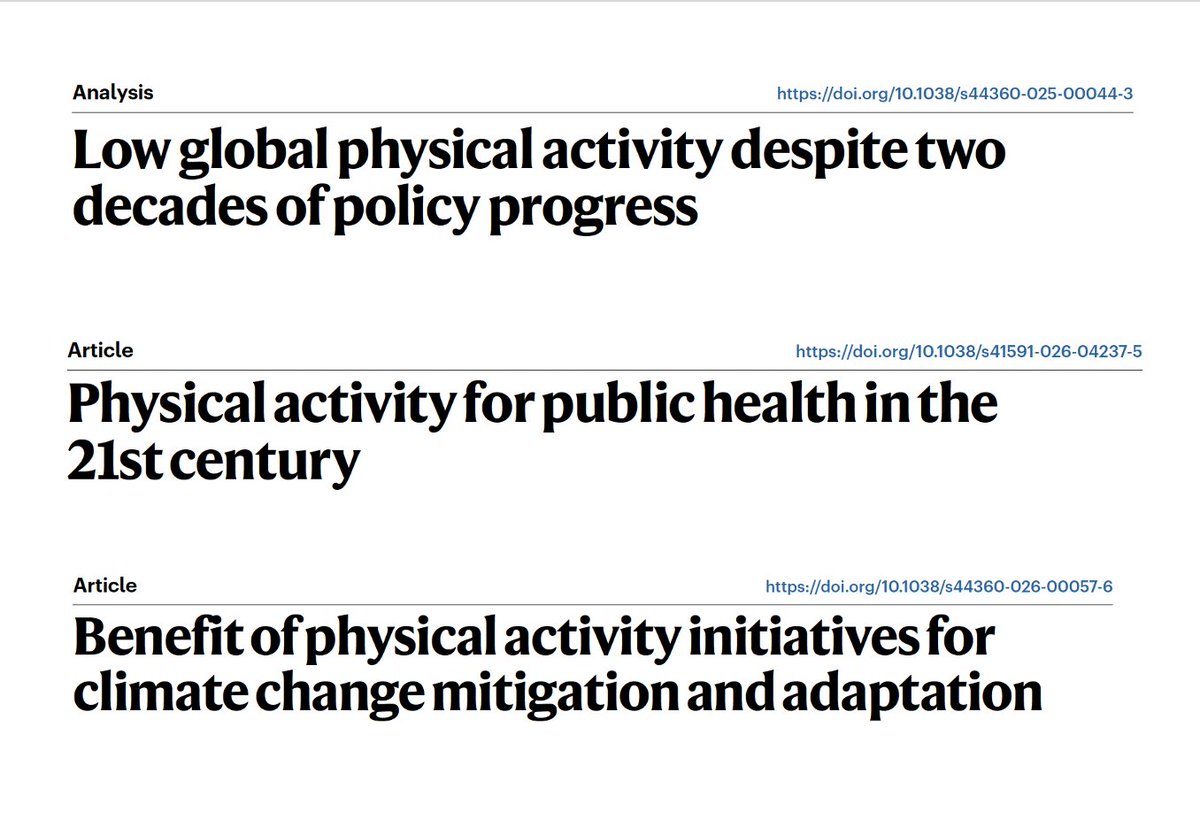
5 million deaths a year globally are attributed to lack of physical activity. Many countries have set policies to promote physical activity but never implemented them.
No improvement in >20 years!
3 new papers @NatureMedicine @NatureHealthJnl
nature.com/articles/s4159…
nature.com/articles/s4436…

English
Royan Kamyar, M.D., MBA retweetledi

HHS@HHSGov
Over 50 institutions of higher education across 31 states have committed to advancing nutrition education — impacting 30,000+ medical students who will now receive enhanced nutrition education beginning as early as this fall. Check here to see the list of medical schools that have already committed ⬇️ hhs.gov/nutrition-educ…
QME
Royan Kamyar, M.D., MBA retweetledi

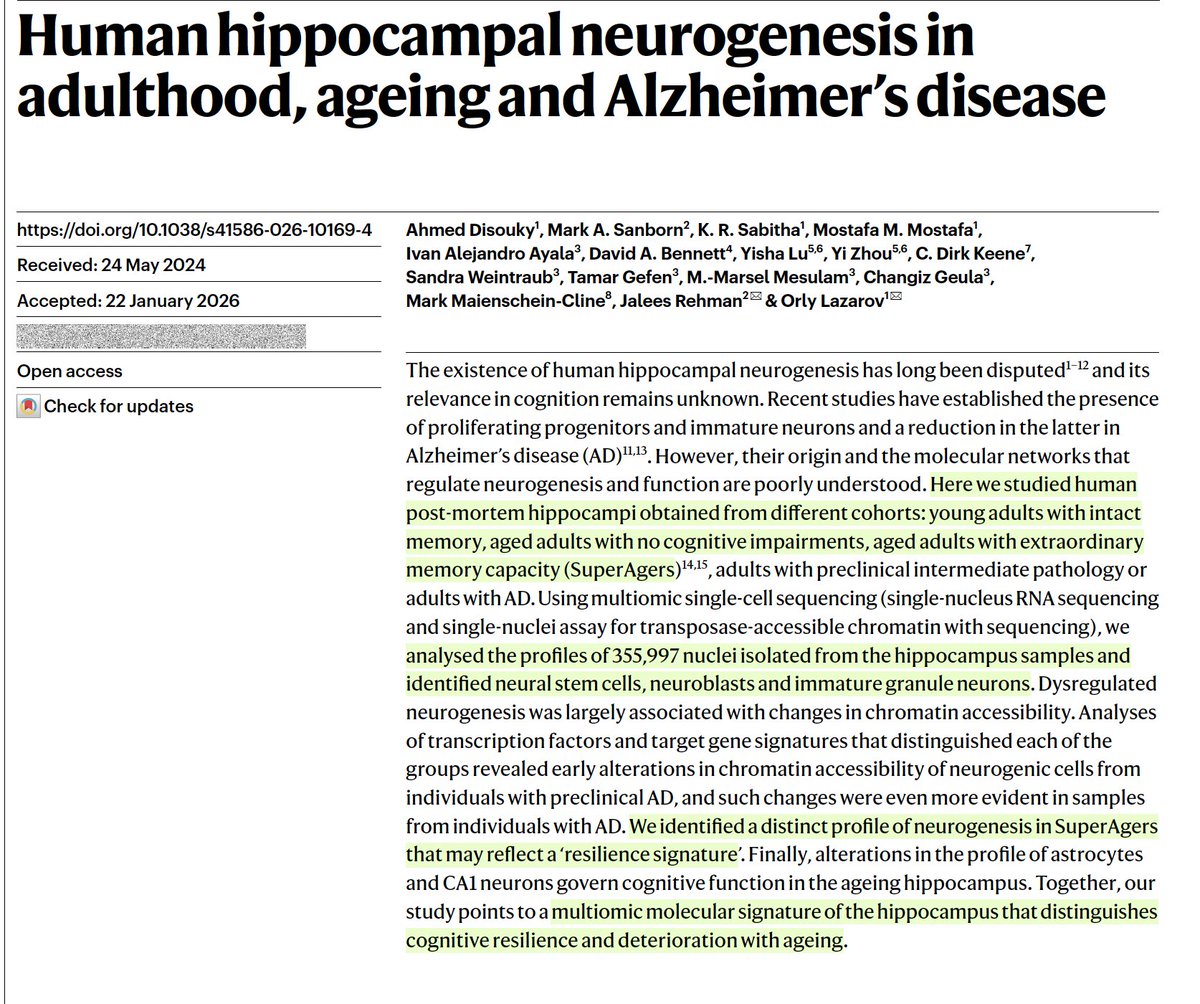
New @Nature
The brains of Super Agers produce more neurons than people some 40 years younger, a neurogenesis resilient signature linked to exceptional cognitive health and memory skills
nature.com/articles/s4158…

English
Royan Kamyar, M.D., MBA retweetledi