RSanchezEndo

621 posts

RSanchezEndo

RSanchezEndo

@rsanherj

Katılım Mart 2018
122 Takip Edilen33 Takipçiler
RSanchezEndo retweetledi
LipidoSEEN
LipidoSEEN@LipidoSeen·
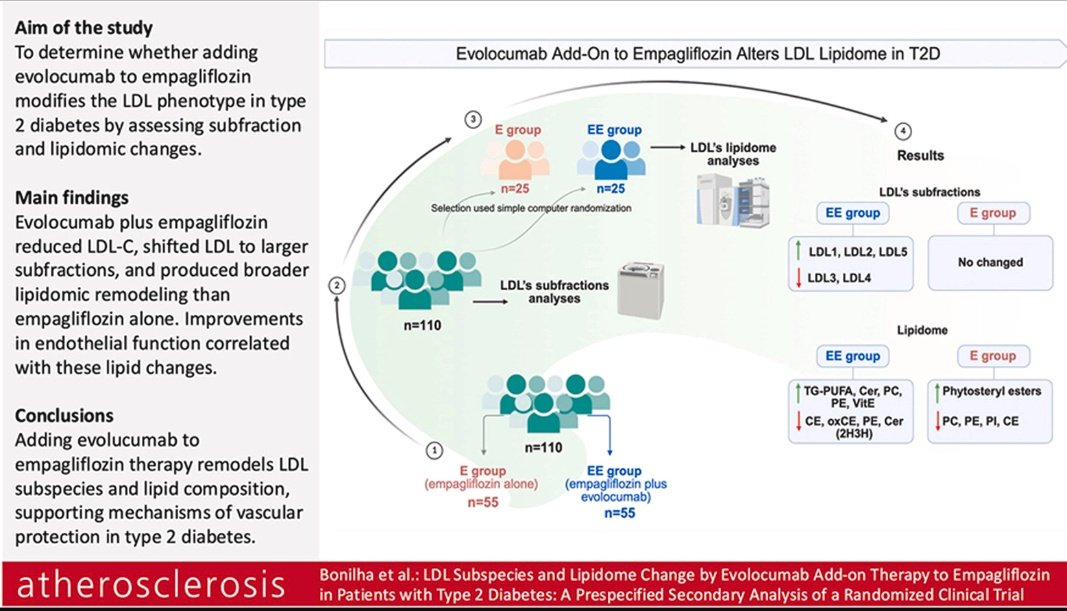
✅Adición de inhibidores de PCSK9 a la terapia con inhibidores de SGLT2 ➡️Provoca una remodelación de las subespecies de LDL y de la composición lipídica, con implicaciones mecanicistas para la protección vascular en la diabetes tipo 2. atherosclerosis-journal.com/article/S0021-…
LipidoSEEN tweet media
Español
1
7
12
484
RSanchezEndo retweetledi
Pablo Corral MD
Pablo Corral MD@drpablocorral·
👉 Update on familial hypercholesterolemia: An expert clinical consensus from the National Lipid Association 👆 FH is common (≈1:311) and systematically underdiagnosed → the real problem is not rarity, it’s detection 👆 Driven by lifelong LDL-C exposure, not a single value → risk = LDL-C × time 👆 Genetics help, but phenotype rules → treat based on LDL-C burden, not just mutations 📍 Diagnosis LDL-C ≥190 mg/dL (adults) → think FH, but confirm clinically Genetic testing = useful for cascade screening, not mandatory Always exclude secondary causes before labeling 📍 Screening Universal pediatric screening (9–11 yrs) is not optional—it’s delayed prevention Cascade screening = highest yield strategy (and still underused) 📍 Risk Standard risk calculators? Useless in FH → they underestimate risk Risk depends on: Lifetime LDL exposure Lp(a) Family history Timing of treatment 📍 Treatment (no shortcuts) Lifelong, early, aggressive Targets: <55 mg/dL (secondary prevention) <70 mg/dL (primary prevention) Start with: High-intensity statin, ezetimibe, PCSK9i / others as needed ≥50% LDL reduction is the floor, not the goal 📍 Take-home FH is not a lipid disorder. It’s a time-dependent vascular disease. Diagnose early, treat hard, treat forever. 🔗 🔓 Open Access #fig0010" target="_blank" rel="nofollow noopener">lipidjournal.com/article/S1933-… @nationallipid @LipidJournal @society_eas
English
4
30
69
7.3K
RSanchezEndo retweetledi
NEJM Clinician
NEJM Clinician@NEJMClinician·
In an open-label, randomized trial in @NEJM, researchers compared an intensive LDL goal (<55 mg/dl) with a conventional one (<70 mg/dl) among patients with stable cardiovascular disease.
NEJM Clinician tweet media
English
4
17
64
4.8K
RSanchezEndo retweetledi
Ahmed Bennis MD 🫀
Ahmed Bennis MD 🫀@drbennisahmed·
2026 AACE Diabetes Algorithm — the comorbidities-first approach is a game changer for T2D management. No longer just “lower the A1C.” We now select therapy based on complications & comorbidities first, independent of glycemic targets. ▸ Heart Failure → SGLT2i (+ GLP-1 RA / GIP/GLP-1 RA) ▸ CKD → SGLT2i (+ GLP-1 RA) ▸ ASCVD / High Risk → GLP-1 RA (+ SGLT2i) ▸ Stroke/TIA → GLP-1 RA or Pioglitazone ▸ MASLD → GLP-1 RA / GIP/GLP-1 RA or Pioglitazone Key pearl: A1C >9%? Start ≥2 agents. Severe hyperglycemia → consider basal insulin early. Don’t let titration lag cost your patient. Bottom line: treat the whole patient, not just the glucose. 💊 #Diabetes #T2D #Endocrinology #AACE2026 #MedEd #ClinicalPearls
Ahmed Bennis MD 🫀 tweet media
English
0
29
95
3.3K
RSanchezEndo retweetledi
Ahmed Bennis MD 🫀
Ahmed Bennis MD 🫀@drbennisahmed·
🧂 Excess aldosterone doesn’t just raise blood pressure — it drives fibrosis, endothelial dysfunction, oxidative stress & immune activation across the heart, kidney, and vasculature. The downstream consequences: ❤️ Heart failure ⚡ Atrial fibrillation 🩺 Hypertension & atherosclerosis 🫘 CKD Steroidal MRAs (spironolactone, eplerenone) can block this — so why are they underused? 🚧 Barriers to treatment: ▪️ Adverse effects in risk groups ▪️ Optimism bias: “nothing will happen” ▪️ Loss aversion: perceived side effects outweigh proven benefit ▪️ General inertia & decision fatigue We have the drug. We need the will to prescribe it. #Aldosterone #MRA #HeartFailure #Cardiology #CardioTwitter
Ahmed Bennis MD 🫀 tweet media
English
2
13
40
2K
RSanchezEndo retweetledi
Manuel Moquillaza
Manuel Moquillaza@mmoquillazaACV·
🧠 ESTENOSIS CAROTÍDEA ASINTOMÁTICA: ¿Cuándo revascularizar en 2026? 1️⃣ El riesgo de ictus ipsilateral en estenosis ≥70% bajo terapia médica intensiva es ~1.5%/año (CREST-2, NEJM 2026) — mayor de lo estimado por estudios observacionales previos (0.5–1.0%/año). 2️⃣ CREST-2 (n=2485): Stenting redujo el evento primario vs. terapia médica sola (2.8 vs. 6.0%; NNT=31). CEA no alcanzó significancia estadística (3.7 vs. 5.3%). Ambas técnicas mostraron tasas perioperatorias similares (~1.3–1.5%). 3️⃣ La revascularización en estenosis 70–99% asintomática se sugiere SOLO si: expectativa de vida ≥5 años + riesgo perioperatorio de ACV/muerte <1.5% (umbral actualizado post-CREST-2). Estenosis 50–69%: terapia médica intensiva sin intervención. 4️⃣ Marcadores de alto riesgo que individualizan la decisión: émbolos silentes en TCD, infarto silente ipsilateral en neuroimagen, hemorragia intraplaca en RM (HR 7.9), placa ecolucentе, área negra yuxtacanal >10mm² (stroke rate 5%/año). 5️⃣ La terapia médica intensiva es la base universal: estatinas (LDL <70mg/dL), antiagregación, control PA <130mmHg, cesación tabáquica y actividad física. Sin esto, ninguna revascularización optimiza su beneficio real. 🏥 Clínica Ricardo Palma — Centro Avanzado de Stroke | Lima, Perú ✍🏽 Dr. Manuel A. Moquillaza Valle | Neurólogo Vascular e Intervencionista | CMP 54060 / RNE 25595 #IctusIsquémico #EstenisisCarotídea #NeurologíaVascular #CREST2 #StrokePrevention
Español
1
32
105
5.3K
RSanchezEndo retweetledi
JAMA Internal Medicine
JAMA Internal Medicine@JAMAInternalMed·
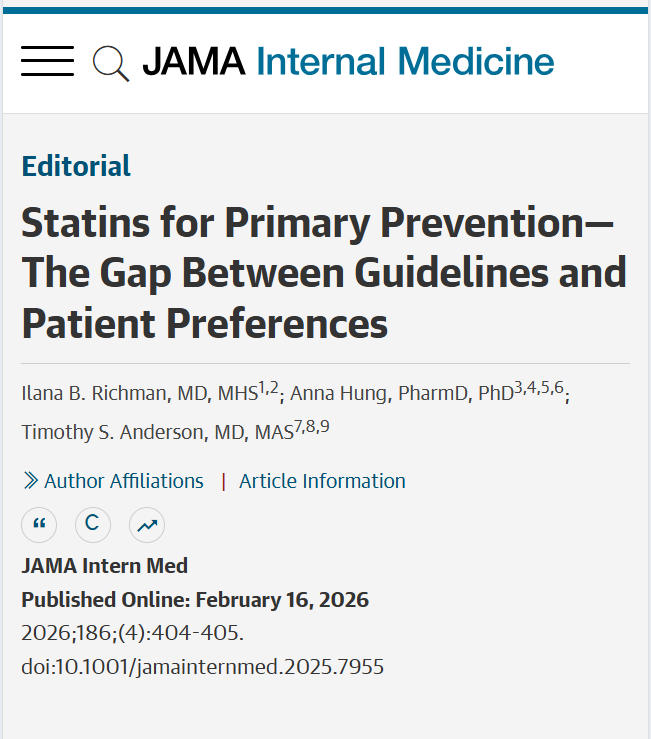
💬 Editorial: Statin guidelines and patient preferences for #ASCVD prevention often misalign, supporting the need for clearer risk communication and shared decision-making in clinical practice. ja.ma/4ckSECM
JAMA Internal Medicine tweet media
English
2
35
119
8.5K
RSanchezEndo retweetledi
LipidoSEEN
LipidoSEEN@LipidoSeen·
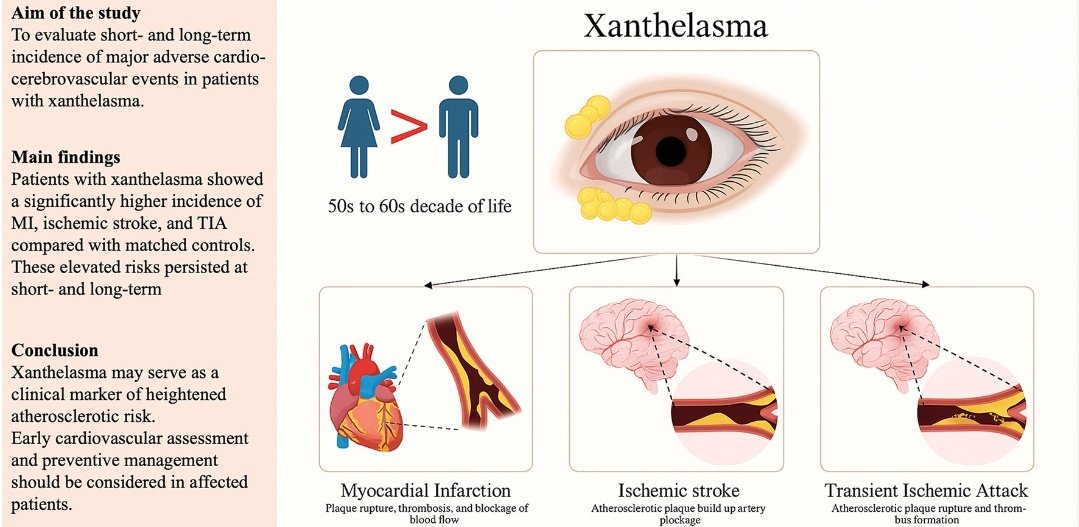
➡️El xantelasma se asocia con mayor incidencia a corto y largo plazo de MACCE, por sus siglas en inglés) a 10 años ✅Es un marcador clínico para la estratificación del riesgo vascular y el manejo preventivo sciencedirect.com/science/articl…
LipidoSEEN tweet media
Español
0
6
5
151
RSanchezEndo retweetledi
Dr. Filippo Cademartiri
Dr. Filippo Cademartiri@FCademartiri·
🫀🔥 LDL is controlled. Statins are optimized.
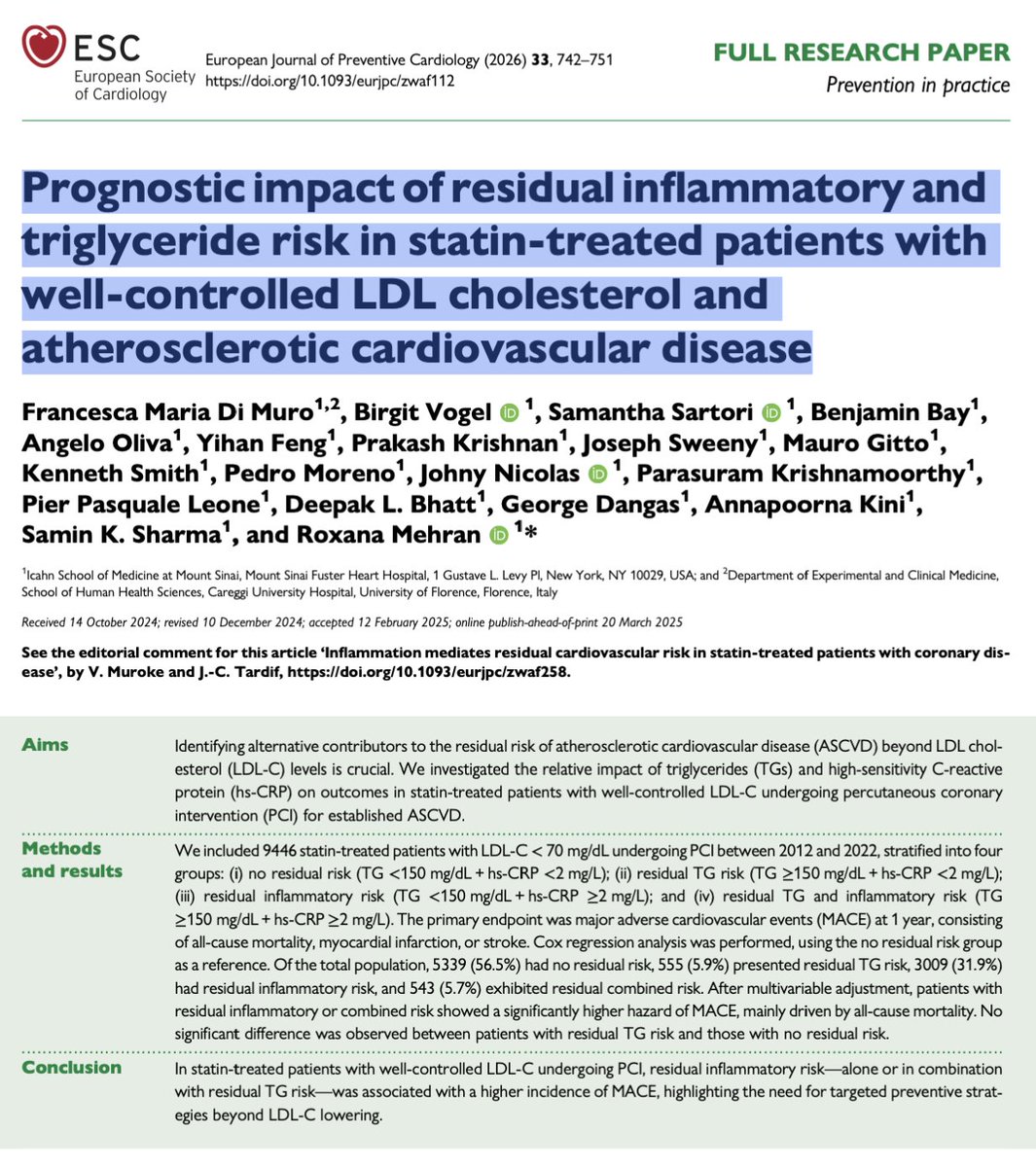
And yet… patients still have events. This study addresses one of the most important unanswered questions in cardiology: 👉 What really drives residual cardiovascular risk? 📊 In >9,400 statin-treated patients with LDL <70 mg/dL undergoing PCI: Patients were stratified by: Triglycerides (TG ≥150 mg/dL) Inflammation (hs-CRP ≥2 mg/L) 💡 The result is striking: 👉 Inflammation—not triglycerides—drives risk Residual inflammatory risk → ~1.8x higher MACE Combined TG + inflammation → ~1.9x higher MACE Residual TG risk alone → NO significant increase ⚠️ And what’s driving this? 👉 Mostly all-cause mortality Not subtle. Not marginal. 👉 Clinically meaningful. 🧠 Let’s be clear: We’ve spent decades optimizing: ✔ LDL ✔ Lipid profiles ✔ Cholesterol targets But this study shows: 👉 You can win the lipid battle… and still lose the war 🔥 Because atherosclerosis is not just lipid-driven. 👉 It’s an inflammatory disease 🎯 Clinical implication Risk stratification cannot stop at LDL. We need to integrate: hs-CRP Inflammatory burden Systemic biology 🚀 Paradigm shift From: ❌ “How low is LDL?” ➡️ to ✅ “How active is the disease?” 🧠 Bottom line Lowering LDL is necessary. 👉 But it is NOT sufficient. If inflammation persists: 👉 Risk persists. ⚡ The future of prevention? Not just lipid control. 👉 Inflammation-guided precision cardiology.
Dr. Filippo Cademartiri tweet media
English
19
73
243
20.7K
RSanchezEndo retweetledi
Amelia Carro — Instituto Corvilud
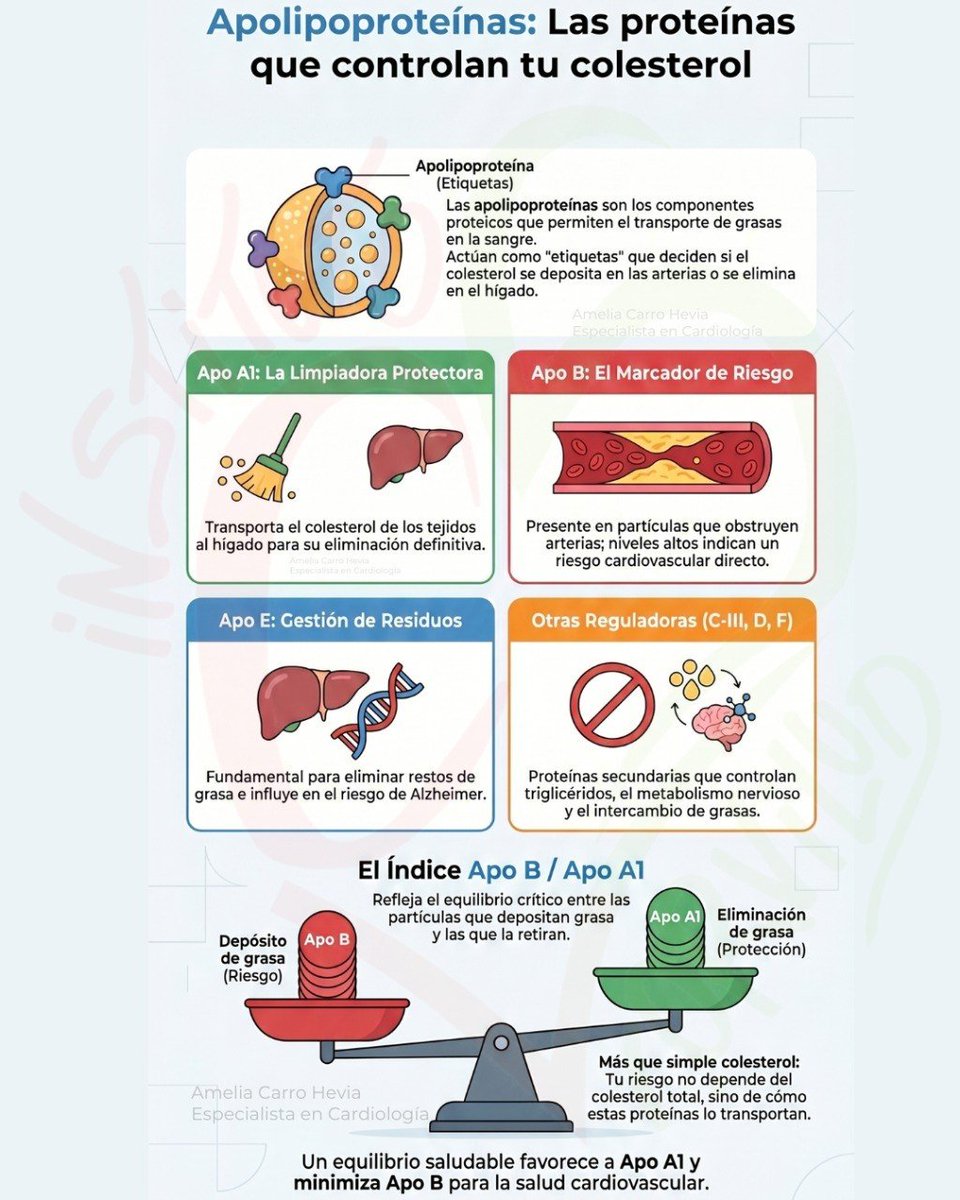
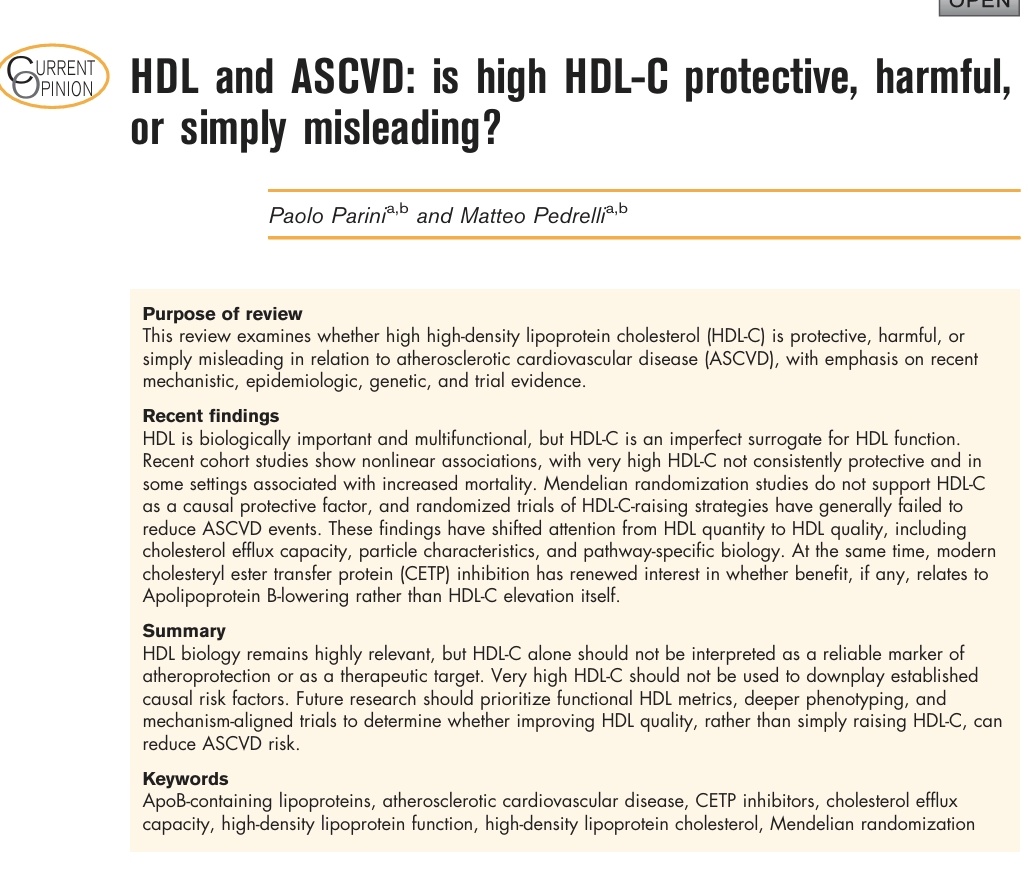
APOLIPOPROTEÍNAS: abecedario del riesgo cardiovascular 🧪De la A a la F, implicación en diferentes procesos cardio-vasculo- metabólico-trombo-inflmamatorios 🧪Marcadores que pueden mejorar la estratificación de riesgo cardiovascular 🧪ApoA1/ApoB y dislipemia aterogénica #CardioED
Amelia Carro — Instituto Corvilud tweet media
Español
1
7
21
1K
RSanchezEndo retweetledi
LipidoSEEN
LipidoSEEN@LipidoSeen·
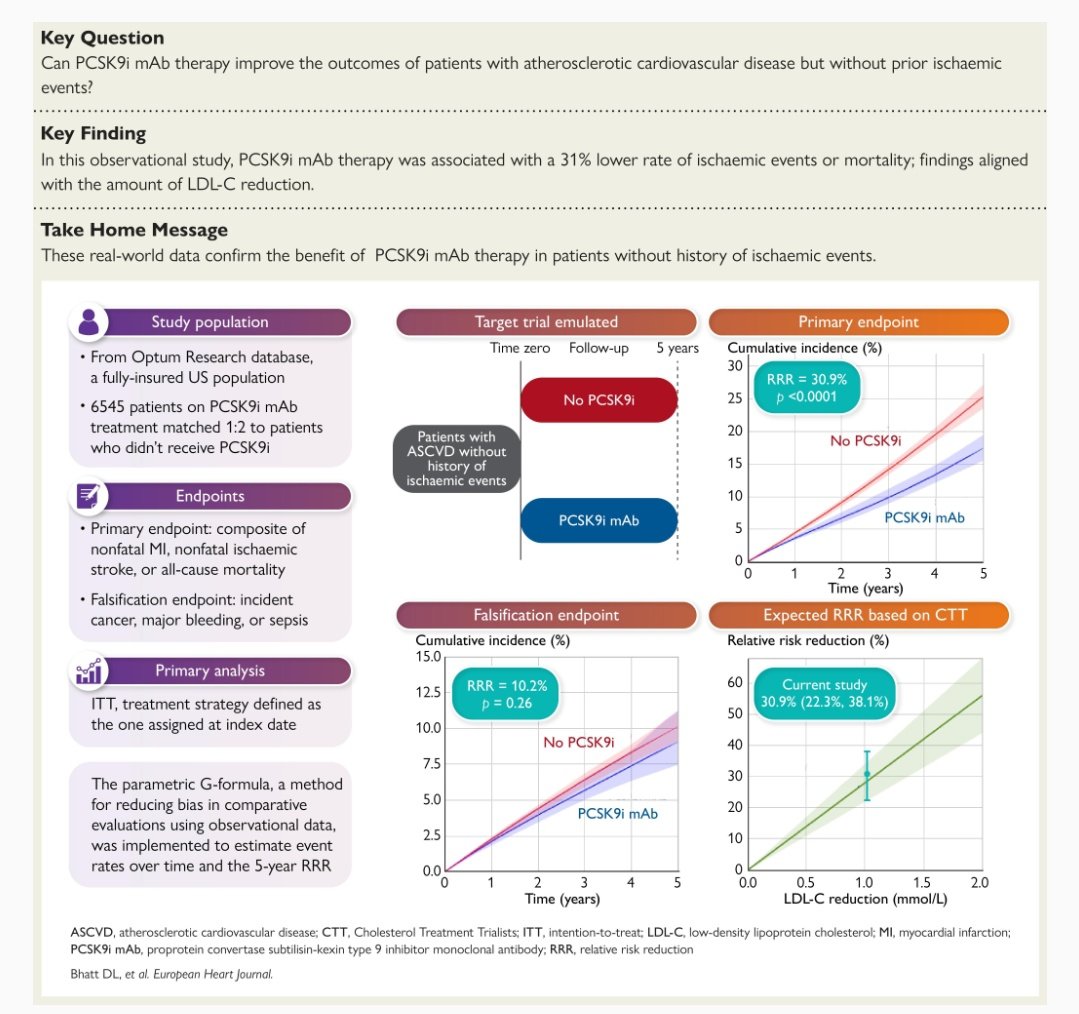
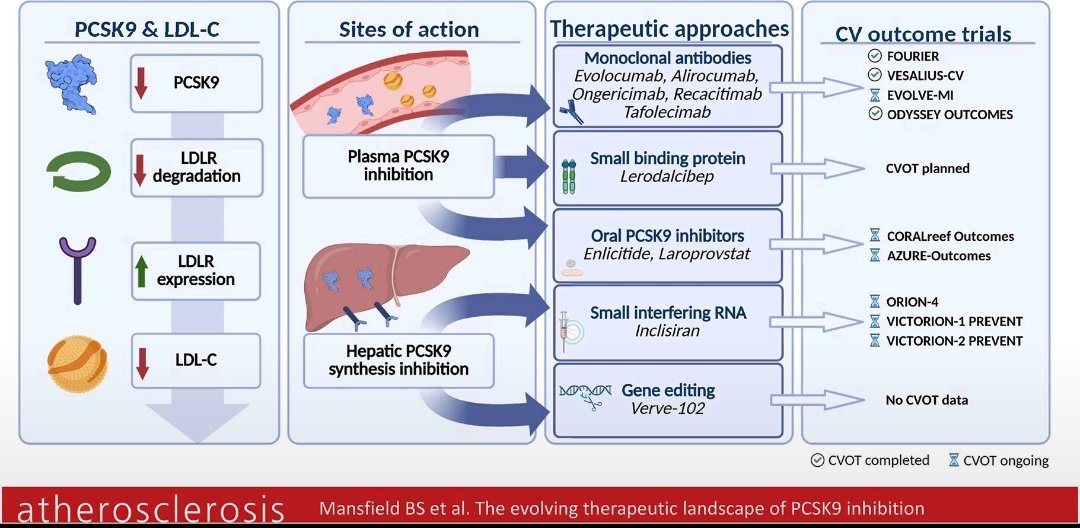
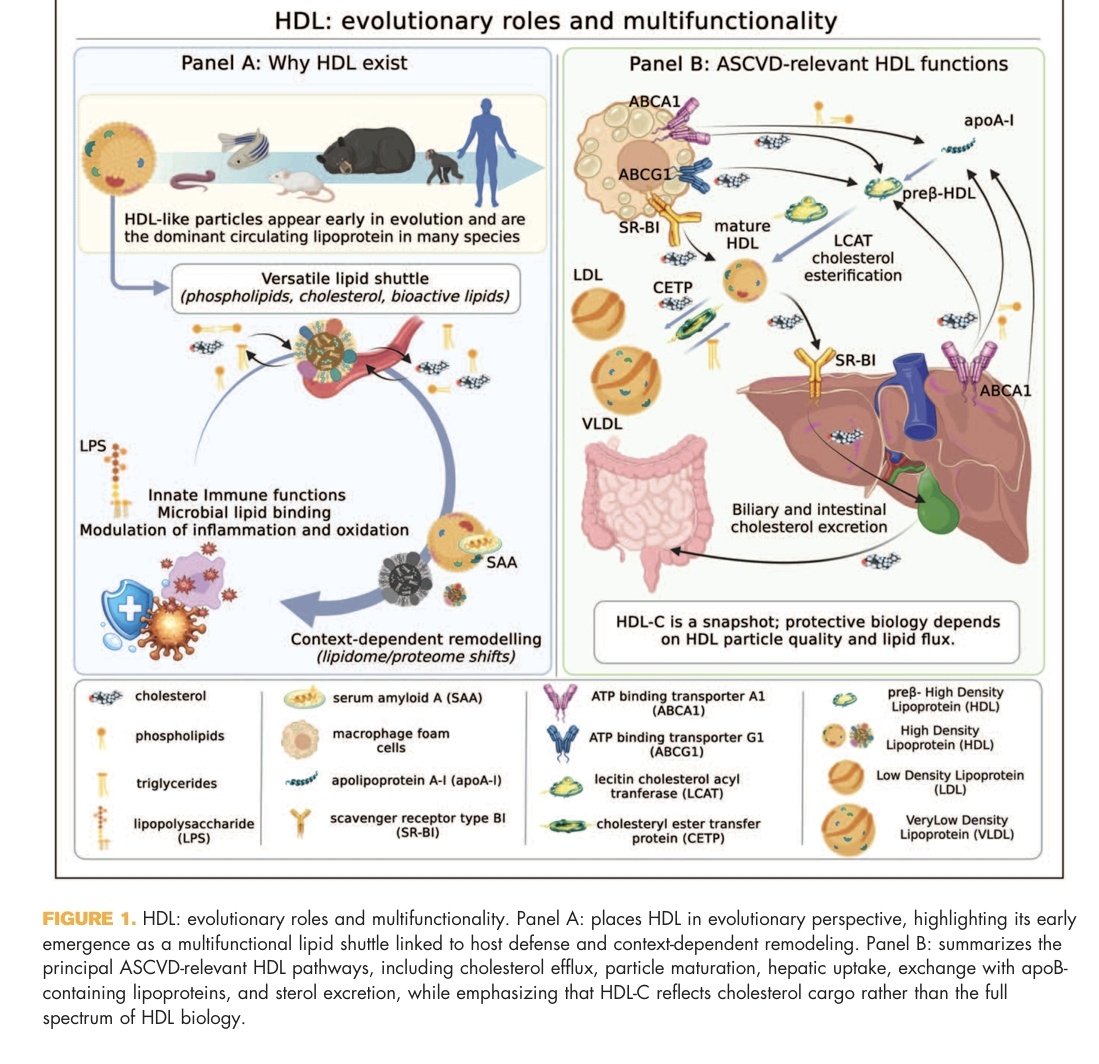
En pacientes con evidencia de aterosclerosis sin antecedentes de eventos cardiovasculares en la práctica clínica, el tratamiento con anticuerpos monoclonales inhibidores de PCSK9 se asoció con menores tasas de eventos isquémicos y mortalidad academic.oup.com/eurheartj/adva…
LipidoSEEN tweet media
Español
1
7
10
311
RSanchezEndo retweetledi
CME INDIA
CME INDIA@CMEINDIA1·
New ACC/AHA Lipid Guidelines 2026 — Practice-Changing Insights:At a glance.. 📌 Core Philosophy “Lower LDL-C, earlier and for longer → better lifetime ASCVD reduction.” 🔬 1. Start Early – Think Lifetime Risk Lipid screening should begin at ≥19 years, with repeat every 5 years or earlier in high-risk individuals. Statin therapy can be initiated as early as 30 years if LDL-C ≥160 mg/dL, strong family history, or high 30-year risk—even if 10-year risk is low. 🎙️Key shift: Move from “10-year risk” to lifetime cumulative exposure model 🧮 2. PREVENT Risk Calculator Replaces PCE New AHA PREVENT tool improves ASCVD risk prediction and starts risk estimation from age 30. Includes 30-year risk estimation, crucial for younger patients. 📊 3. Recalibrated Risk Categories Low: <3% Borderline: 3–5% Intermediate: 5–10% High: ≥10% 👉 Clinical implication: Statins now justified at lower thresholds (≥5%) 🎯 4. LDL-C Targets Are Back <100 mg/dL → Low/intermediate risk <70 mg/dL → High risk <55 mg/dL → Established ASCVD 👉 Shift: From % reduction → absolute target-driven therapy 🧬 5. Universal Lp(a) Testing One-time Lp(a) measurement for ALL patients is now recommended. ≥125 nmol/L → ↑ ASCVD risk ≥250 nmol/L → ~2× risk ≥430 nmol/L → ~4× risk 👉 Intensify LDL lowering even if Lp(a) cannot yet be directly treated 🧪 6. ApoB & CAC — Precision Risk Tools ApoB reflects total atherogenic particle burden and helps detect residual risk. CAC score acts as “tiebreaker” in borderline/intermediate risk. ⚠️ 7. Expanded Risk Enhancers Now includes: PCOS, early menopause, adverse pregnancy outcomes South Asian and Filipino ethnicity CKM syndrome, inflammation markers 👉 Clinical message: Take detailed reproductive & ethnic history seriously 🩺 8. Special Populations – Stronger Statin Mandate All patients (40–75 yrs) with: CKD stage 3–4 HIV infection → Should receive statins irrespective of LDL-C 🍔 9. Triglycerides – Lifestyle First Statins remain foundational even in hypertriglyceridemia. Refer to dietitians if TG ≥150–1000 mg/dL with CKM features. 💊 10. Supplements – Clear Negative Recommendation Non-prescription supplements (e.g., fish oil) are NOT recommended for ASCVD risk reduction due to lack of benefit. 🔥 CME INDIA Take-Home Messages Atherosclerosis begins early → intervene early LDL exposure = cumulative toxin → duration matters as much as level Lp(a) is now a universal risk marker, not optional Risk assessment is shifting from short-term to lifetime biology Precision lipidology = LDL-C + ApoB + Lp(a) + CAC 🏷️ “From numbers to lifetime exposure: Lipidology has entered the era of precision prevention.” jamanetwork.com/journals/jama/…
CME INDIA tweet media
English
3
61
176
9.2K
RSanchezEndo retweetledi
Enrique Santas
Enrique Santas@SantasEnrique·
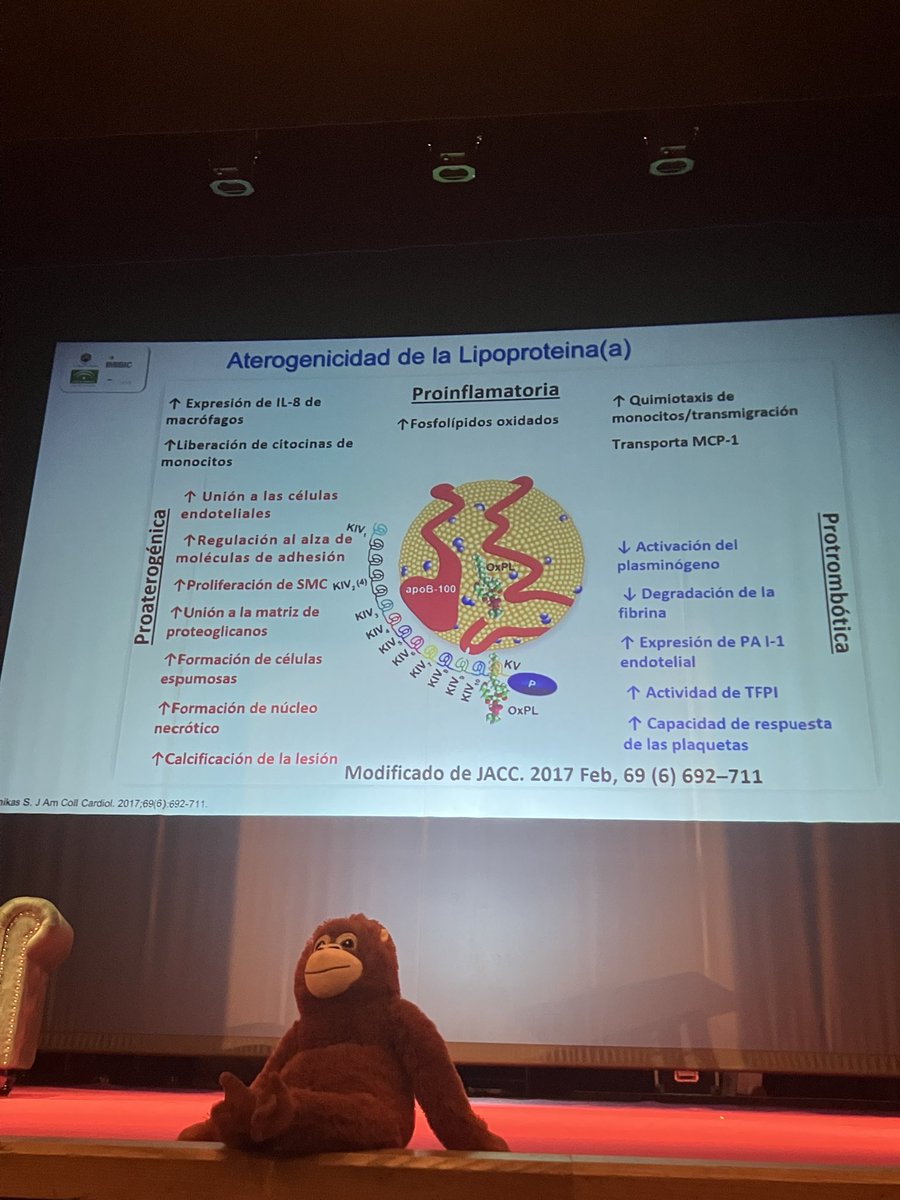
🧬 Conclusiones clave sobre la Lp(a) por el Dr José López Miranda #recardio26 @preventiva_SEC 1️⃣ Es 6 veces más aterogénica que el LDL. 2️⃣ El 90% está determinada genéticamente. 3️⃣ Su síntesis es hepática y depende casi exclusivamente de la tasa de producción. 4️⃣ Trastorno lipídico muy prevalente en la población general: • >50 mg/dL → 20% • >100 mg/dL → 5-8% • >180-200 mg/dL → 1% 5️⃣ Síndrome de Hiper Lp(a): • Afecta al 1% de la población • Riesgo cardiovascular igual que la Hipercolesterolemia Familiar • Doble de prevalente que la HF
Enrique Santas tweet mediaEnrique Santas tweet mediaEnrique Santas tweet mediaEnrique Santas tweet media
Español
4
65
216
29.5K
RSanchezEndo retweetledi
Dr. Filippo Cademartiri
Dr. Filippo Cademartiri@FCademartiri·
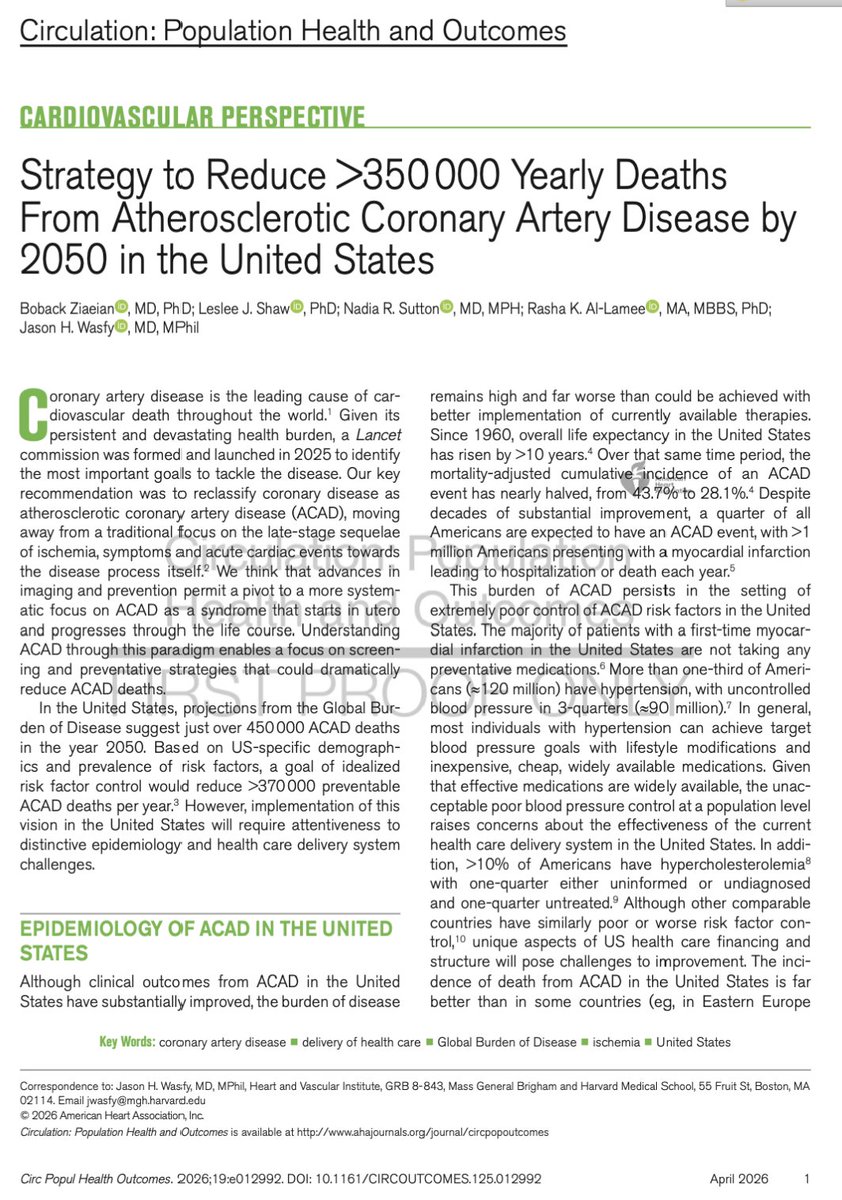
🚨🫀 We could prevent >350,000 deaths per year in the US from coronary disease… and we’re not. Let that sink in. This paper lays out a bold—but realistic—vision: 👉 By 2050, the majority of deaths from atherosclerotic coronary artery disease (ACAD) could be prevented. 💡 And the shocking part? We don’t need futuristic therapies. We already have: ✔ Blood pressure control ✔ Lipid-lowering therapies ✔ Smoking cessation ✔ Basic preventive care 👉 The problem is not knowledge. 👉 It’s implementation. 📊 Today’s reality: ✔️ Millions with uncontrolled hypertension ✔️ Massive underuse of statins ✔️ Many patients having their first MI without any preventive therapy 👉 This is not a science failure. 👉 It’s a system failure. 🧠 But here’s where it gets interesting… The paper proposes a paradigm shift: ❌ From treating late-stage disease (ischemia, events) ➡️ to ✅ Treating atherosclerosis as a lifelong process Starting: ✔️ Early ✔️ Before symptoms ✔️ Before stenosis 🔥 This aligns perfectly with what imaging is showing us: 👉 Disease starts early 👉 Progresses silently 👉 Becomes visible only when it’s already advanced ⚠️ The uncomfortable truth: We’ve built a system optimized for: ✔️ Procedures ✔️ Acute care ✔️ Late-stage intervention Not for: 👉 Prevention at scale 🚀 The real opportunity Combine: ✔️ Early detection (imaging, risk profiling) ✔️ Aggressive prevention ✔️ System-level implementation 🧠 Final thought We don’t need to discover how to prevent coronary disease. 👉 We already know how. The real question is: Why aren’t we doing it?
Dr. Filippo Cademartiri tweet media
English
20
61
150
18.4K
RSanchezEndo retweetledi
LipidoSEEN
LipidoSEEN@LipidoSeen·
➡️➡️➡️El embarazo es una de las primeras pruebas de esfuerzo de la mujer⬅️⬅️⬅️ ✅Diabetes gestacional, trastornos hipertensivos y otras complicaciones obstétricas no son antecedentes personales cualquiera en riesgo vascular ➡️Tener en cuenta en todas las estrategias de prevención
LipidoSEEN tweet media
Español
0
3
5
149