Saiful Singar

12 posts

Saiful Singar banner
Saiful Singar

Saiful Singar

@sa01singar

When in doubt, brunch!

Norfolk, VA Katılım Ocak 2024
257 Takip Edilen7 Takipçiler
Saiful Singar retweetledi
American Society for Nutrition
American Society for Nutrition@nutritionorg·
Registration for #Nutrition2026 is OPEN! 🎉 Join the global nutrition community July 25–28 in National Harbor, MD, just outside of Washington, DC. Register by May 1 to take advantage of early registration discounts + hotel block access. 💡 hubs.la/Q03XG-Wl0
American Society for Nutrition tweet media
English
3
2
4
1K
Saiful Singar
Saiful Singar@sa01singar·
Thank you so much Dr. @totocarbone for giving me the opportunity to contribute to your lab & research! I'm thrilled to be joining the team & can't wait to dive into the heart failure, body comp, and cardiometabolic related research. Let's make some real impact together 🙌💪
Salvatore Carbone, PhD, RDN, FHFSA, FASPEN@totocarbone

Excited to welcome Dr. @sa01singar as a Postdoctoral Research Fellow joining the cardiometabolic research team @EVMSMedicine @EVMSedu @ODU Looking forward to all the great science to come, one success at a time! #nutrition #postdoc #cardiometabolic #research

English
0
0
0
357
Saiful Singar
Saiful Singar@sa01singar·
We're still looking for a postdoc to join our team as we'll start two clinical trials on peanut (and gut health in children) and chickpea (and gut health in young adults) soon.
English
0
0
0
99
Saiful Singar retweetledi
Andrew Koutnik, Ph.D.
Andrew Koutnik, Ph.D.@AKoutnik·
Our #JCEM @TheEndoSociety paper Efficacy and Safety of Long-term (10-Year) Ketogenic Diet Therapy in a Patient With Type 1 Diabetes 🥇🥳Selected by @TheEndoSociety Thematic Issue: Diabetes 2024 (academic.oup.com/endocrinesocie…) Exciting to see so much interest on the potential utility of this therapeutic strategy for managing metabolic disease. Full description and video about this study below👇 @Joseph_Watso @AusRob_PhD @sa01singar @fsucehhs @FSUResearch @FSUISSM @REV_Insulin_Res @Metabolic_Mind @IainCampbellPhD @diaTribeNews @BeyondType1 @MCRiddell1 @BenBikmanPhD @KenDBerryMD
Andrew Koutnik, Ph.D. tweet media
Andrew Koutnik, Ph.D.@AKoutnik

🚨🚨10-Year Longitudinal Data On Ketogenic Diet Adverse Events, Bone Mineral Density, Thyroid Function, and Kidney Function: PART 2🚨🚨 NEW DATA OUT TODAY: academic.oup.com/jcemcr/article… We (@Joseph_Watso/ @AusRob_PhD/ Samuel Klein) just published our PART 2 paper looking at long-term safety and clinical efficacy of ketogenic diet on: ☠️Adverse Events 🦴Bone Mineral Density 🔥Thyroid Function 🫘Kidney Function ...in part 1 we measured advanced cardiovascular health profile in an adult with elevated cardiovascular risk (type 1 diabetes) who followed a ketogenic diet for 10 years and sustained euglycemia (10-Year HbA1c 5.5%). See paper here: journals.physiology.org/doi/abs/10.115… PART 2: What did we find? 👉PLEASE WATCH 📷 VIDEO ABSTRACT here (<3 min): youtu.be/hamiuTMGZFU?si… ☠️1) Adverse Events: Many research and clinicians have raised concern over the potential of a ketogenic to elevated the risk of severe adverse events (e.g., hospitalization due to ketoacidosis). Over a 10 year period following a ketogenic diet, we observed no hypoglycemic or hyperglycemic events requiring medical attention (60 Day CGM Data: 0% time <54mg/dL & >180mg/dL). Patient also presented with intact hypoglycemic awareness. 🦴2) Bone Mineral Density: Prior data suggests that short term ketogenic diet may impair markers of bone modeling/remodeling. However, most of these report are short in nature. People with type 1 diabetes are at HIGH risk for lower bone mineral density and fracture (hyperglycemia is risk factor). Here, we observed no negative impact on bone mineral density (using GOLD STANDARD DXA) on a ketogenic diet, despite 10 years of aging with type 1 diabetes. 🔥3) Thyroid Function: Concerns have been raised on how reducing carbohydrates may shift thyroid hormone status and metabolism. However, most of these studies are @Joseph_Watso Cardiovascular & Applied Physiology Lab caplaboratory.com Studying how health behaviors (e.g., diet, exercise, etc.) affect cardiovascular health and physiology @SansumDiabetes sansum.org Studying how lifestyle, tools, and medicine affect people with diabetes. @fsucehhs @FSUResearch @FSUISSM @AJPCellPhys @diaTribeNews @BeyondType1 @MCRiddell1 @nicknorwitz @Metabolic_Mind @DominicDAgosti2 @BenBikmanPhD

English
0
28
76
25.8K
Saiful Singar
Saiful Singar@sa01singar·
🚨 Exciting news! 🚨 Our latest manuscript on personalized nutrition, exploring how genetic insights can revolutionize dietary recommendations is now published. Learn how nutrigenomics is shaping the future of health and wellness. Check it out! mdpi.com/2072-6643/16/1…
English
0
0
0
29
Saiful Singar retweetledi
Mike Ormsbee, PhD
Mike Ormsbee, PhD@mikeormsbee·
PhD Student Position in Exercise Immunology – Florida State University, Tallahassee, FL @FSUISSM Fully funded (tuition included), 4-year research assistant position starting Spring 2025 or Fall 2025. Reach out to Dr. Kyle Smith at k.smith@fsu.edu if interested. #phdchat
English
0
10
12
3.2K
Saiful Singar retweetledi
Joseph C. Watso, PhD
Joseph C. Watso, PhD@Joseph_Watso·
🚨 NEW DATA OUT TODAY: How a 10-year ketogenic diet affects cardiovascular health in euglycemic type 1 diabetes! Awesome collaborative effort with @AKoutnik @AusRob_PhD @sa01singar journals.physiology.org/doi/abs/10.115… Check out our 🧵
Andrew Koutnik, Ph.D.@AKoutnik

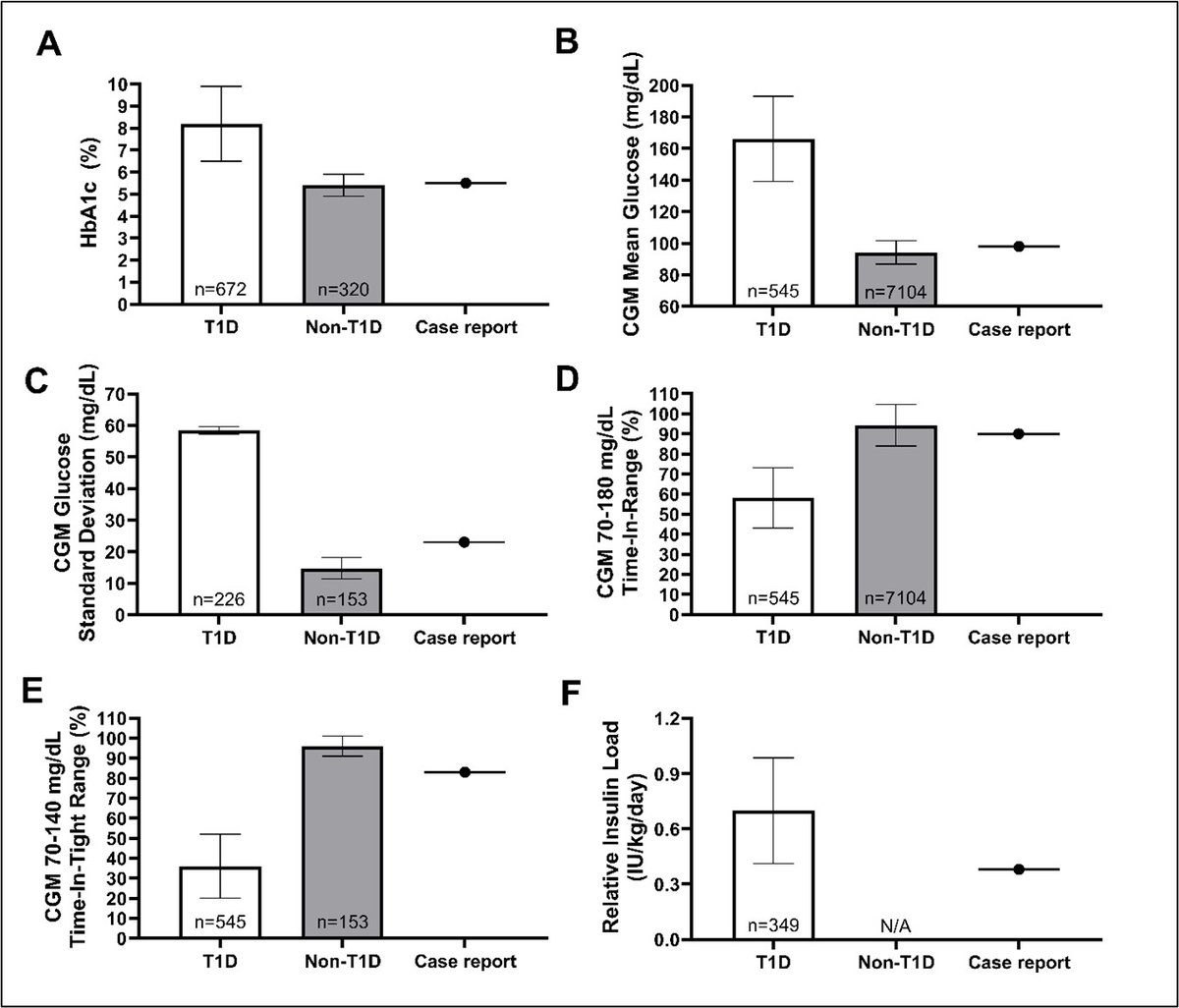
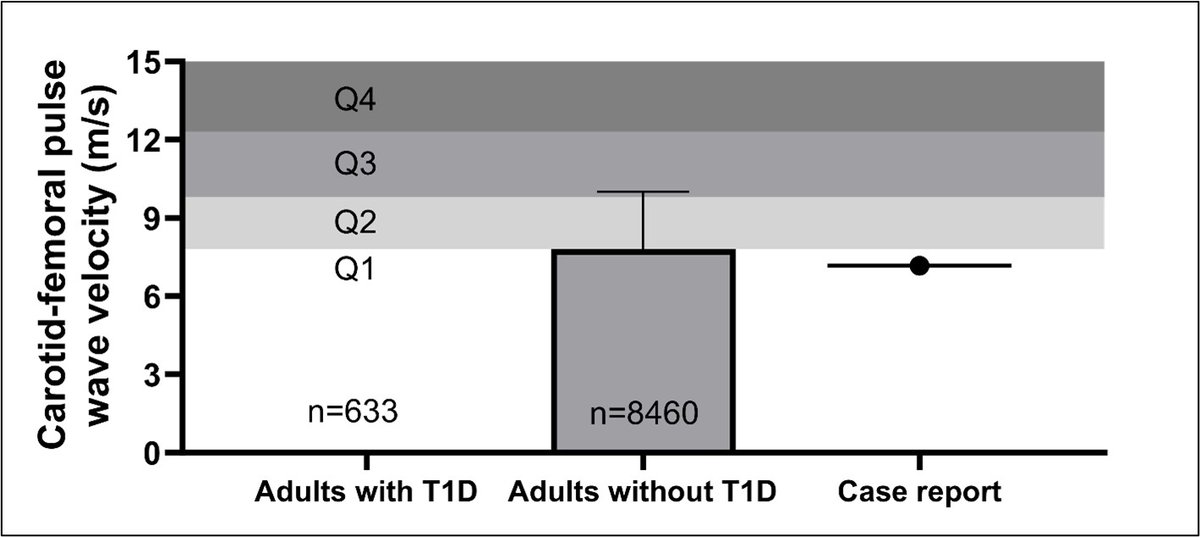
🔬🤯🫀 10-Years longitudinal data on KETOGENIC DIET and Safety, Efficacy & Advanced Cardiovascular Physiology in a patient with HIGH RISK cardiovascular disease (Type 1 Diabetes)? #ADA2024 NEW DATA OUT TODAY: journals.physiology.org/doi/abs/10.115… We (@Joseph_Watso) measured advanced cardiovascular health profile in an adult with elevated cardiovascular risk (type 1 diabetes) who followed a ketogenic diet for 10 years and sustained euglycemia (10-Year HbA1c 5.5%)...what did we find? Was it safe? Did it progress early signs of cardiovascular disease? 1) CLINICAL IMPORTANCE: People with type 1 diabetes (T1D) show early artery damage within 4 years, estimated 10x higher risk of heart disease and 11-18 year early death...Hyperglycemia, as well as insulin, lipids, etc... are believed to drive this risk...the ketogenic diet has been proposed as a promising strategy...but people have concerns about long-term CV risk of KD. 🤯NOTE: THIS IS ONE OF THE LONGEST CONFIRMED REPORT OF KD AND IS THE LONGEST LONGITUDINAL REPORT OF A PATIENT WITH TYPE 1 DIABETES FOLLOWING A KETOGENIC DIET IN THE LITERATURE. 🔬 2) METHODS: VERY UNIQUE case of a patient at high risk for CV disease (type 1 diabetes) who MAINTAINED body composition (DXA confirmed), activity, and calories over a 10-year period (confirmed elevation of R-BHB) while following a KD. Why is this important? Removing confounding influence of body composition, physical activity, and caloric changes allows us to look at macronutrient specific effects of a KD. To our knowledge there is no long-term report where these were controlled...let alone over 10 years in an at risk population allowing us to more closely look at CV impact of KD. 🩸📉3) GLUCOSE & INSULIN RESULTS (1/6): During a 60-day CGM tracking period, the participant demonstrated excellent glycemia (10year HbA1c: 5.5%), achieving mean blood glucose (98mg/dL), glycemic stability, and time-in-range in the top 1 percentile and total insulin load in the top 10 percentile compared with age/sex-matched patients with T1D. 🩸📈4) LIPID RESULTS (2/6): Although LDL-C was elevated over 10-year period on KD, most standard lipid values were not outside normal ranges. Advanced lipid testing demonstrated that LDL-C composition was Pattern A, borderline-high Apolipoprotein B (96mg/dL) and LDL-P (1415nmol/L), consistent with elevated LDL-C; however, Lipoprotein (a) (18.7nmol/L), small LDL-P (<90 nmol/L), LDL size (21.9 nm), and Lp-PLA2 Activity (182 nmol/min/mL) were all within the target range. WHAT ABOUT EARLY SIGNS OF CARDIOVASCULAR DISEASE PROGRESSION WITH 10-YEAR ELEVATED LDL-C? LETS SEE: 🫀🩸 5) STIFFNESS OF ARTERIES & BLOOD PRESSURE: Central artery stiffness (i.e., cf-PWV) was in the lowest (i.e., best) quartile for adults with T1D and similar to adults without T1D. The value of 7.17 m/s was 0.93 m/s lower (i.e., better) than the age-predicted cf-PWV of 8.10 m/s despite the presence of T1D. Not pictured - Seated office BP was 113/67 mmHg during an annual exam (systolic: 18th percentile for T1D; diastolic: 12th percentile for T1D) and ambulatory awake BP was 132 ± 15 mmHg for systolic BP and 80 ± 6 mmHg for diastolic BP. 6) ENDOTHELIAL FUNCTION: A) The peak blood flow response after ischemia (i.e., hyperemic velocity time integral) value was in the third quartile (50-75th percentile, 2nd to best group) of risk from adults without T1D. B) The blood vessel relaxation after ischemia (i.e., flow-mediated dilation, gold-standard assessment of vascular endothelial function) was higher (i.e., better) than adults with and without T1D. ⚡️7) AUTONOMIC REGULATION: The ability to modulate heart rate to maintain blood pressure (i.e., cardiac vagal baroreflex gain) was higher (i.e., better) than adults with and without T1D. Not pictured - Resting heart rate was below (i.e., better) than adults with and without T1D, SDNN (a common HRV marker) was similar to adults with and without T1D, and the Low-Frequency/High-Frequency HRV ratio was lower (i.e., greater parasympathetic dominance) than adults with and without T1D. 🫀 8) LEFT VENTRICULAR FUNCTION: There was no indication of left ventricular diastolic dysfunction. Not pictured - The participant presented with normal sinus rhythms with no sign of Q-T prolongation. 🚨⚠️9) LIMITATIONS: There are clearly limitations, primarily that this is an individual case. However, due to the sheer absence of long-term data, hypothesized risk of a KD, and popularity and use of KD, this data is important to share to generate future research questions. 🗒️CONCLUSION: In the longest known longitudinal report of a ketogenic diet in a patient at high risk for cardiovascular disease (type 1 diabetes), we observed that a KD could be a promising therapeutic option for managing cardiovascular disease risk when combined with other health behaviors. These initial findings should provoke further research into interventions like ketogenic diets to reduce the long-term health risks faced by those living with T1D while closely monitoring both traditional and advanced cardiovascular risk markers. Especially considering that currently available therapies do no reliably allow patients to achieve <7% HbA1c, let alone <5.7% HbA1c. 🔍MORE DATA: YES, MORE IS COMING. 10-YEAR SAFETY AND EFFICACY DATA ON 🦴BONE MINERAL DENSITY, 🚨THYROID FUNCTION, 🚨KIDNEY FUNCTION, & ⚠️LONG TERM CLINICAL ADVERE EVENTS OF A KETOGENIC DIET WILL BE PRESENTED SHORTLY. STAY TUNED... @Joseph_Watso CV & Applied Physiology Lab caplaboratory.com Study how health behaviors (e.g., diet, exercise, etc.) affect cardiovascular health and physiology @SansumDiabetes sansum.org Studying how lifestyle, tools, and medicine affect people with diabetes. TEAM: @AusRob_PhD @sa01singar @fsucehhs @FSUResearch @FSUISSM @AJPCellPhys @diaTribeNews @BeyondType1 @MCRiddell1

English
4
6
20
2.4K
Saiful Singar retweetledi
Andrew Koutnik, Ph.D.
Andrew Koutnik, Ph.D.@AKoutnik·
🔬🤯🫀 10-Years longitudinal data on KETOGENIC DIET and Safety, Efficacy & Advanced Cardiovascular Physiology in a patient with HIGH RISK cardiovascular disease (Type 1 Diabetes)? #ADA2024 NEW DATA OUT TODAY: journals.physiology.org/doi/abs/10.115… We (@Joseph_Watso) measured advanced cardiovascular health profile in an adult with elevated cardiovascular risk (type 1 diabetes) who followed a ketogenic diet for 10 years and sustained euglycemia (10-Year HbA1c 5.5%)...what did we find? Was it safe? Did it progress early signs of cardiovascular disease? 1) CLINICAL IMPORTANCE: People with type 1 diabetes (T1D) show early artery damage within 4 years, estimated 10x higher risk of heart disease and 11-18 year early death...Hyperglycemia, as well as insulin, lipids, etc... are believed to drive this risk...the ketogenic diet has been proposed as a promising strategy...but people have concerns about long-term CV risk of KD. 🤯NOTE: THIS IS ONE OF THE LONGEST CONFIRMED REPORT OF KD AND IS THE LONGEST LONGITUDINAL REPORT OF A PATIENT WITH TYPE 1 DIABETES FOLLOWING A KETOGENIC DIET IN THE LITERATURE. 🔬 2) METHODS: VERY UNIQUE case of a patient at high risk for CV disease (type 1 diabetes) who MAINTAINED body composition (DXA confirmed), activity, and calories over a 10-year period (confirmed elevation of R-BHB) while following a KD. Why is this important? Removing confounding influence of body composition, physical activity, and caloric changes allows us to look at macronutrient specific effects of a KD. To our knowledge there is no long-term report where these were controlled...let alone over 10 years in an at risk population allowing us to more closely look at CV impact of KD. 🩸📉3) GLUCOSE & INSULIN RESULTS (1/6): During a 60-day CGM tracking period, the participant demonstrated excellent glycemia (10year HbA1c: 5.5%), achieving mean blood glucose (98mg/dL), glycemic stability, and time-in-range in the top 1 percentile and total insulin load in the top 10 percentile compared with age/sex-matched patients with T1D. 🩸📈4) LIPID RESULTS (2/6): Although LDL-C was elevated over 10-year period on KD, most standard lipid values were not outside normal ranges. Advanced lipid testing demonstrated that LDL-C composition was Pattern A, borderline-high Apolipoprotein B (96mg/dL) and LDL-P (1415nmol/L), consistent with elevated LDL-C; however, Lipoprotein (a) (18.7nmol/L), small LDL-P (<90 nmol/L), LDL size (21.9 nm), and Lp-PLA2 Activity (182 nmol/min/mL) were all within the target range. WHAT ABOUT EARLY SIGNS OF CARDIOVASCULAR DISEASE PROGRESSION WITH 10-YEAR ELEVATED LDL-C? LETS SEE: 🫀🩸 5) STIFFNESS OF ARTERIES & BLOOD PRESSURE: Central artery stiffness (i.e., cf-PWV) was in the lowest (i.e., best) quartile for adults with T1D and similar to adults without T1D. The value of 7.17 m/s was 0.93 m/s lower (i.e., better) than the age-predicted cf-PWV of 8.10 m/s despite the presence of T1D. Not pictured - Seated office BP was 113/67 mmHg during an annual exam (systolic: 18th percentile for T1D; diastolic: 12th percentile for T1D) and ambulatory awake BP was 132 ± 15 mmHg for systolic BP and 80 ± 6 mmHg for diastolic BP. 6) ENDOTHELIAL FUNCTION: A) The peak blood flow response after ischemia (i.e., hyperemic velocity time integral) value was in the third quartile (50-75th percentile, 2nd to best group) of risk from adults without T1D. B) The blood vessel relaxation after ischemia (i.e., flow-mediated dilation, gold-standard assessment of vascular endothelial function) was higher (i.e., better) than adults with and without T1D. ⚡️7) AUTONOMIC REGULATION: The ability to modulate heart rate to maintain blood pressure (i.e., cardiac vagal baroreflex gain) was higher (i.e., better) than adults with and without T1D. Not pictured - Resting heart rate was below (i.e., better) than adults with and without T1D, SDNN (a common HRV marker) was similar to adults with and without T1D, and the Low-Frequency/High-Frequency HRV ratio was lower (i.e., greater parasympathetic dominance) than adults with and without T1D. 🫀 8) LEFT VENTRICULAR FUNCTION: There was no indication of left ventricular diastolic dysfunction. Not pictured - The participant presented with normal sinus rhythms with no sign of Q-T prolongation. 🚨⚠️9) LIMITATIONS: There are clearly limitations, primarily that this is an individual case. However, due to the sheer absence of long-term data, hypothesized risk of a KD, and popularity and use of KD, this data is important to share to generate future research questions. 🗒️CONCLUSION: In the longest known longitudinal report of a ketogenic diet in a patient at high risk for cardiovascular disease (type 1 diabetes), we observed that a KD could be a promising therapeutic option for managing cardiovascular disease risk when combined with other health behaviors. These initial findings should provoke further research into interventions like ketogenic diets to reduce the long-term health risks faced by those living with T1D while closely monitoring both traditional and advanced cardiovascular risk markers. Especially considering that currently available therapies do no reliably allow patients to achieve <7% HbA1c, let alone <5.7% HbA1c. 🔍MORE DATA: YES, MORE IS COMING. 10-YEAR SAFETY AND EFFICACY DATA ON 🦴BONE MINERAL DENSITY, 🚨THYROID FUNCTION, 🚨KIDNEY FUNCTION, & ⚠️LONG TERM CLINICAL ADVERE EVENTS OF A KETOGENIC DIET WILL BE PRESENTED SHORTLY. STAY TUNED... @Joseph_Watso CV & Applied Physiology Lab caplaboratory.com Study how health behaviors (e.g., diet, exercise, etc.) affect cardiovascular health and physiology @SansumDiabetes sansum.org Studying how lifestyle, tools, and medicine affect people with diabetes. TEAM: @AusRob_PhD @sa01singar @fsucehhs @FSUResearch @FSUISSM @AJPCellPhys @diaTribeNews @BeyondType1 @MCRiddell1

Andrew Koutnik, Ph.D. tweet mediaAndrew Koutnik, Ph.D. tweet mediaAndrew Koutnik, Ph.D. tweet mediaAndrew Koutnik, Ph.D. tweet media
English
32
111
382
149.7K