Sadjad Fakouri, PhD

360 posts

Sadjad Fakouri, PhD banner
Sadjad Fakouri, PhD

Sadjad Fakouri, PhD

@sajfb0

Exposome Aging Clocks and Environmental Risk | AI & Multi-Omics | Views mine

United States Katılım Mart 2021
140 Takip Edilen149 Takipçiler
Sadjad Fakouri, PhD retweetledi
The Associated Press
WATCH: Taiwanese grandmothers aged 89 and 91 train at the gym. An increasing number of elderly people in Taiwan’s super-aged society are hitting the gym to stay healthy, both physically and mentally.
English
505
4.3K
26K
6.2M
Sadjad Fakouri, PhD
Why nobody talks about how much #PFAS and halogenated contamination an average American gets just through tap water and how much it can degrade healthspan? It's not surprising that the US has the lowest healthy aging among G7 countries.
English
0
0
1
38
Sadjad Fakouri, PhD retweetledi
Tech Week
Tech Week@Techweek_·
1/ if you're in bio, healthtech, or just bio-curious, the calendar this year is genuinely insane. boston in particular is going to be a moment. here are 10 events i'd actually clear my schedule for:
English
3
17
228
37.7K
Sadjad Fakouri, PhD retweetledi
Brivael Le Pogam
Brivael Le Pogam@brivael·
Elon Musk avait dit un truc qui m'avait marqué sur l'allocation de ressources. En substance : passé un certain niveau de richesse, l'argent n'est plus de la consommation, c'est de l'allocation de capital. Cette phrase change tout. L'économie, dans le fond, c'est juste un problème d'allocation. Tu as des ressources finies et des usages infinis. Qui décide où va quoi ? Imagine une cour de récré. 100 enfants, des paquets de cartes Pokémon distribués au hasard. Tu laisses faire. Très vite, un ordre émerge. Les bons joueurs accumulent les cartes rares, les collectionneurs trient, les négociateurs trouvent des deals. Personne n'a planifié. Et pourtant chaque carte finit dans les mains de celui qui en tire le plus de valeur. Le système maximise le bonheur total de la cour. C'est ça, la main invisible. Maintenant fais entrer la maîtresse. Elle trouve ça injuste. Léo a 50 cartes, Tom en a 3. Elle confisque, redistribue, impose l'égalité. Trois effets immédiats. Les bons joueurs arrêtent de jouer, à quoi bon. Les mauvais n'ont plus de raison de progresser, ils auront leur part. Les échanges s'effondrent. La cour est égale, et morte. Elle a maximisé l'égalité, elle a détruit le bonheur. Le problème de la maîtresse, c'est qu'elle ne peut pas avoir l'information que la cour avait collectivement. C'est le problème du calcul économique de Mises, formulé en 1920. L'URSS a essayé de le résoudre pendant 70 ans avec le Gosplan. Résultat : pénuries, queues, effondrement. Pas parce que les Soviétiques étaient bêtes, parce que le problème est mathématiquement insoluble en mode centralisé. Quand Musk a 200 milliards, il ne les consomme pas, il les alloue. SpaceX, Starlink, Neuralink, xAI. Chaque dollar est un pari sur le futur. Et lui a un track record. PayPal, Tesla, SpaceX. Il a démontré qu'il sait identifier des problèmes immenses et y allouer des ressources avec un rendement spectaculaire. L'État aussi a un track record. Hôpitaux qui s'effondrent, éducation qui décline, dette qui explose, services publics qui se dégradent malgré des budgets en hausse constante. Le marché identifie les bons allocateurs, la politique identifie les bons communicants. Le profit n'est pas une finalité, c'est un signal. Il dit : tu as alloué des ressources rares vers un usage que les gens valorisent suffisamment pour payer. Plus le profit est gros, plus la création de valeur est grande. Quand Starlink est rentable, ça veut dire que des millions de gens dans des zones rurales ont enfin internet. Quand un ministère est en déficit, ça veut dire qu'il consomme plus qu'il ne produit. L'un crée, l'autre détruit, et on appelle ça redistribution. Dans nos sociétés il y a deux catégories d'acteurs. Les entrepreneurs et les bureaucrates. L'entrepreneur prend un risque personnel pour identifier un problème, mobiliser des ressources, créer une solution. S'il se trompe il perd. S'il a raison, ses clients gagnent, ses employés gagnent, ses fournisseurs gagnent, l'État collecte des impôts. Il est la cellule de base du progrès humain. Le bureaucrate ne prend aucun risque personnel. Son salaire est garanti. Au mieux il maintient une rente existante. Au pire il la détruit par excès de réglementation, mauvaise allocation forcée, incitations perverses qui découragent ceux qui produisent. Mais dans aucun cas il ne crée. Regarde les 50 dernières années. iPhone, internet civil, SpaceX, Tesla, Google, Amazon, Stripe, mRNA, ChatGPT. Toutes des inventions privées, portées par des entrepreneurs, financées par du capital risque. Pas un seul ministère n'a inventé quoi que ce soit qui ait changé ta vie au quotidien. La France est devenue le laboratoire mondial de la dérive bureaucratique. 57% du PIB en dépenses publiques, record absolu. Une administration tentaculaire, une fiscalité qui pénalise la création de richesse. Résultat : décrochage face aux États-Unis, à l'Allemagne, à la Suisse. Fuite des cerveaux. Désindustrialisation. Dette qui explose. Et le pire c'est que la mauvaise allocation s'auto-renforce. Plus l'État prélève, moins les entrepreneurs créent. Moins ils créent, moins il y a de base fiscale. Plus l'État s'endette et taxe. Boucle de rétroaction négative parfaite. La maîtresse pense qu'elle aide, et chaque année la cour produit moins. Dans nos sociétés, ce sont les entrepreneurs, toujours, qui font avancer la civilisation. Les bureaucrates au mieux maintiennent une rente, au pire la détruisent. Aucune société n'a jamais progressé en taxant ses créateurs pour subventionner ses gestionnaires. La question n'est jamais qui a combien. C'est qui alloue le mieux la prochaine unité de ressource pour maximiser le futur de l'humanité. La réponse depuis 200 ans n'a jamais changé. Ce ne sont pas les fonctionnaires.
Français
3.3K
16.4K
61.4K
80.9M
Sadjad Fakouri, PhD
Sadjad Fakouri, PhD@sajfb0·
@mrwtffacts Reminded of the story of the Sufis who lived in Turkey and slept with shoes under their heads to not worry about getting them stolen while sleeping.
English
0
0
0
1.2K
WTF
WTF@mrwtffacts·
In Turkey, a 2-year-old boy wandered off from his family causing the entire community & authorities to launch a search across fields & rocky terrain. He was eventually found… on a mountain peak. Kicking back, arms behind his head, blissfully unaware of the panic he’d caused.
English
207
1.1K
15.3K
1.5M
Camus
Camus@newstart_2024·
Elon Musk saw through Instagram’s illusion and deleted it. He told Joe Rogan he caught himself taking selfies for likes and thought, “What the hell is wrong with me?” That moment made him realize the app is engineered to make everyone look hotter, richer, and happier than they actually are. The endless comparison game quietly breeds unhappiness and insecurity. It’s especially toxic for young people growing up on it. Elon’s decision to step away shows real self-awareness and discipline — something Instagram actively works against. Have you quit or heavily reduced Instagram and felt better for it? Or do you think the platform does more harm than good overall?
English
276
718
6.9K
857.1K
Sadjad Fakouri, PhD
Sadjad Fakouri, PhD@sajfb0·
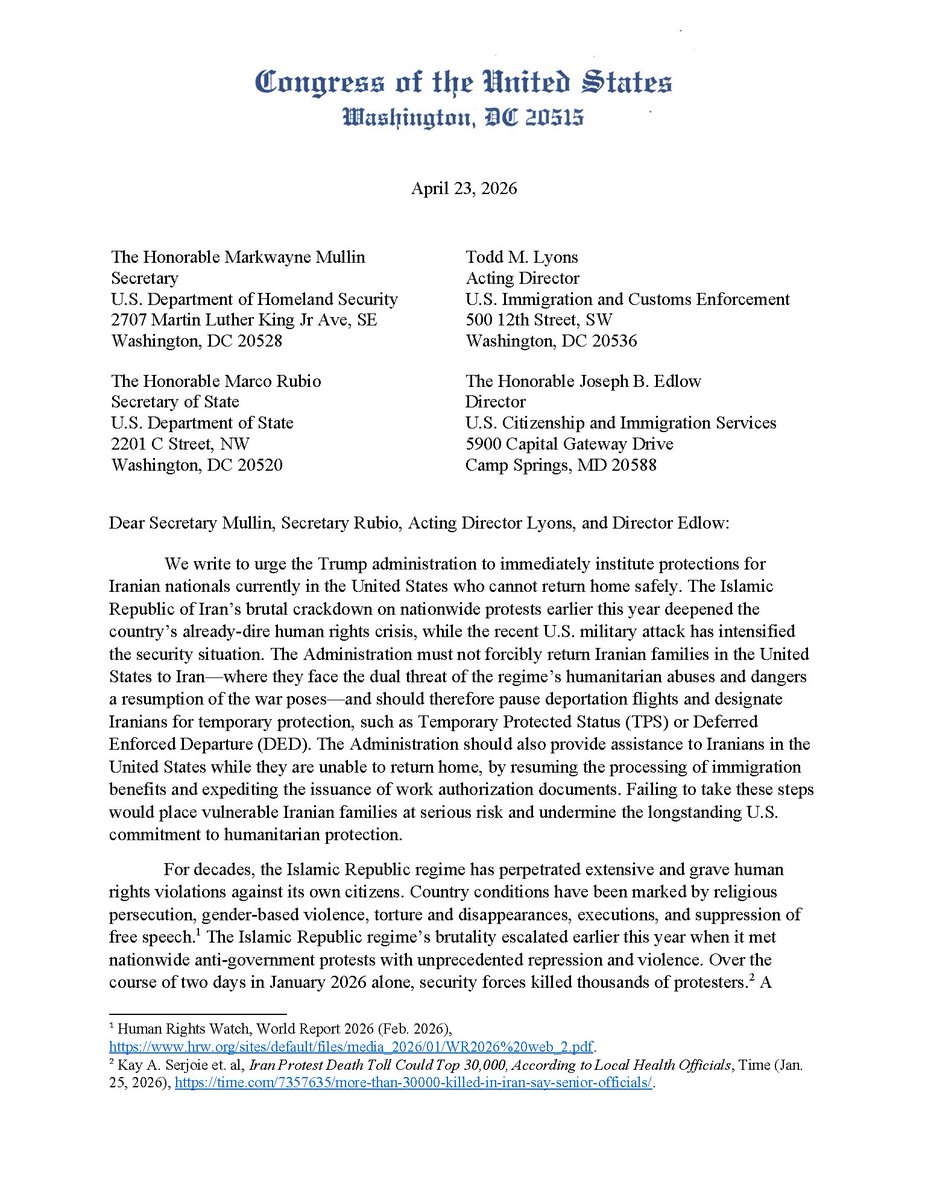
@RepYassAnsari As someone impacted by the USCIS case processing pause, I strongly reject your support as I believe you do not represent Americans, Iranian Americans, or the people of your district. Being featured by Islamic Republic state media is reason enough to question your intentions!
English
0
0
0
94
Congresswoman Yassamin Ansari
Congresswoman Yassamin Ansari@RepYassAnsari·
The USCIS pause is putting Iranian students and workers at risk of losing status and being forced back to Iran—where they could face persecution from the brutal Islamic Republic regime or renewed conflict. @SenMarkey and I led our colleagues to demand answers and immediate protections for Iranians in the U.S. who cannot safely return home.
Congresswoman Yassamin Ansari tweet mediaCongresswoman Yassamin Ansari tweet mediaCongresswoman Yassamin Ansari tweet mediaCongresswoman Yassamin Ansari tweet media
English
518
526
1.7K
143K
Sadjad Fakouri, PhD
Sadjad Fakouri, PhD@sajfb0·
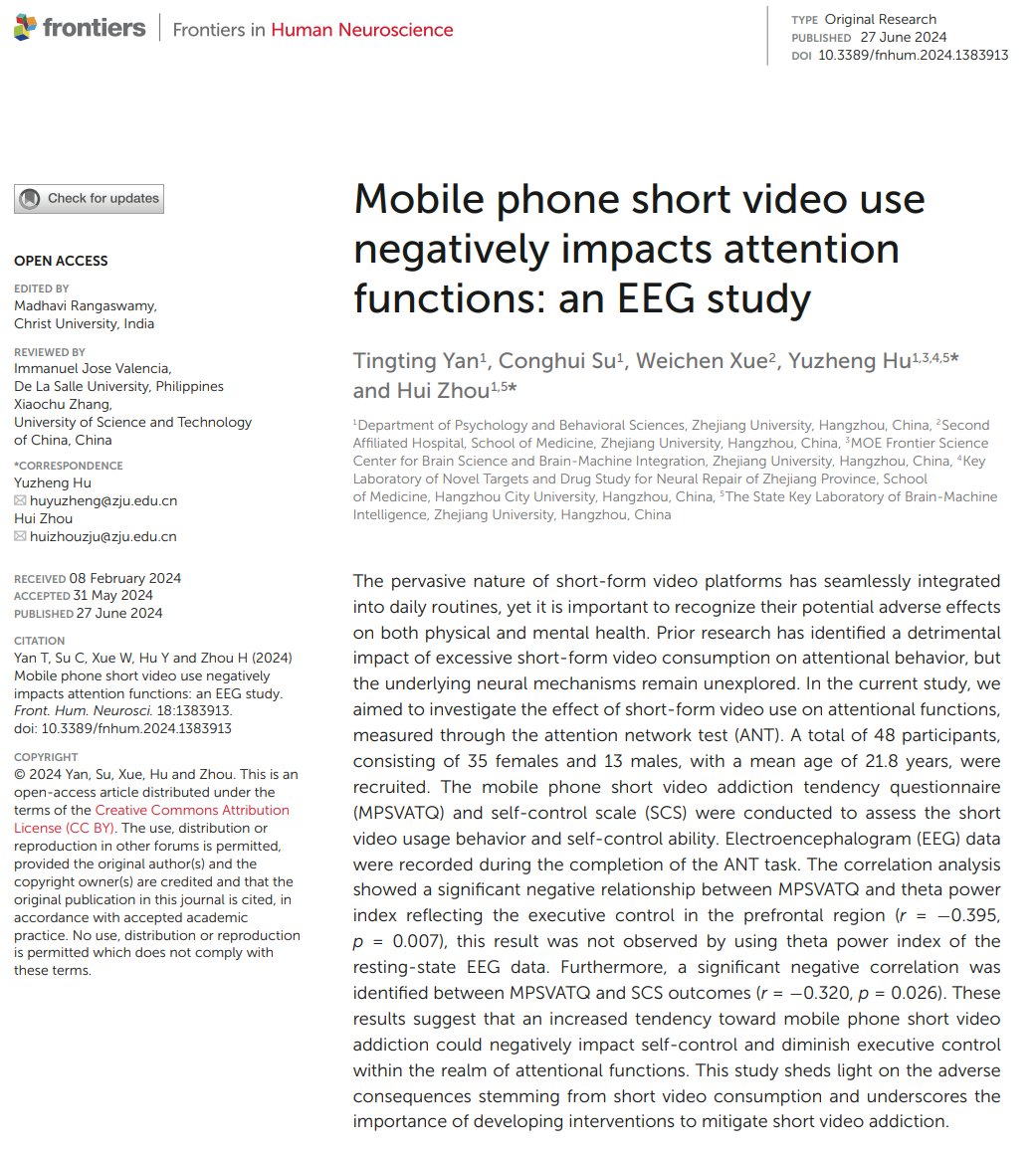
@NTFabiano Social media companies can make up to about $50 annually for each user through displaying ads, while these platforms are hurting the health of the users from every direction. What value they generate for the users in return remains the big question that nobody wants to talk about
English
0
0
0
68
Nicholas Fabiano, MD
Nicholas Fabiano, MD@NTFabiano·
Addiction to short-form videos is associated with reduction of brain activity in the frontal lobe and weakened focus.
Nicholas Fabiano, MD tweet media
English
401
8.3K
27.4K
5M
Sadjad Fakouri, PhD retweetledi
MAHA Action
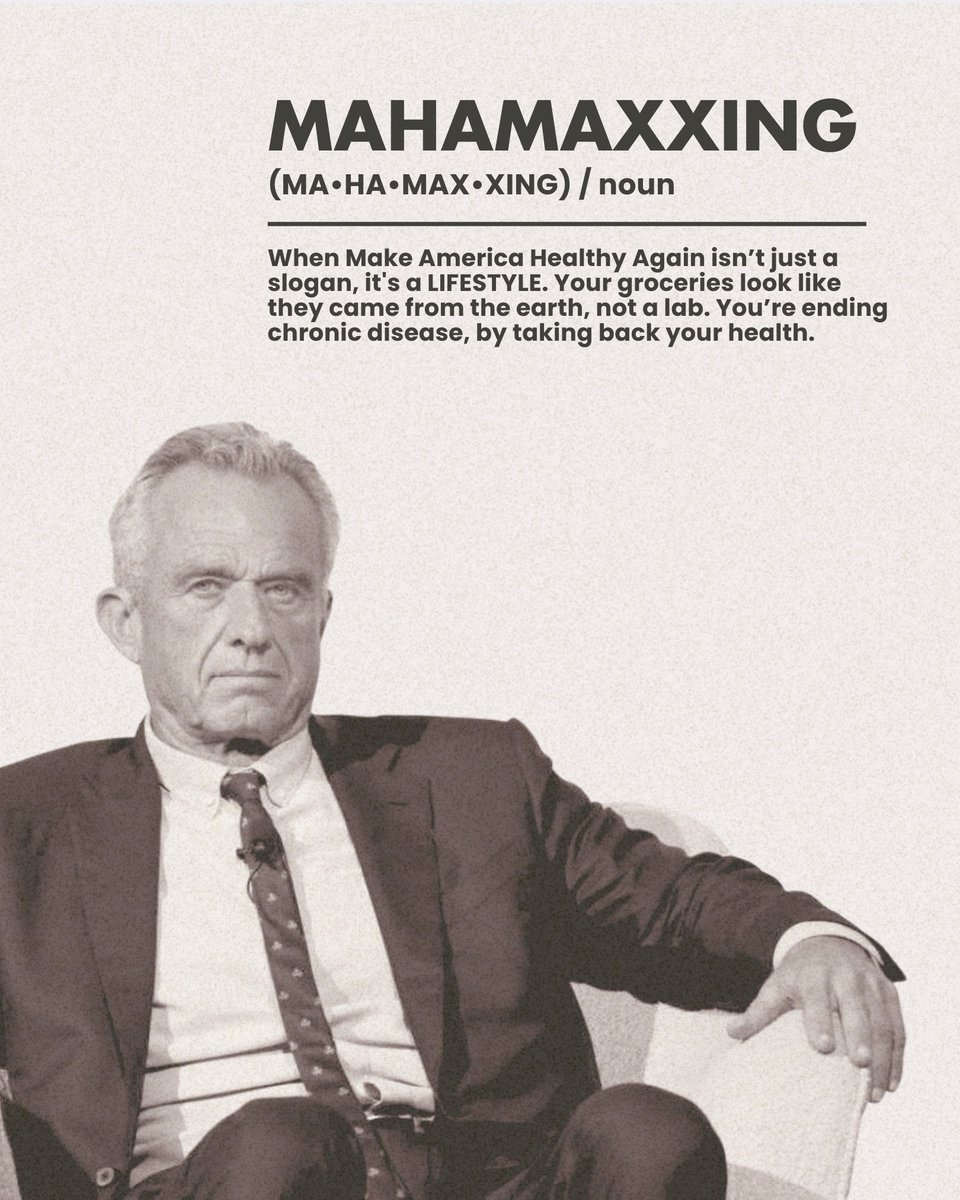
MAHA Action@MAHA_Action·
“China is now eating our lunch.” RFK Jr. warns the U.S. is losing its edge to China in medical research and drug development. “They got more drugs approved last year.” “They went from running 3% of clinical trials to running 30%.” “We are losing scientists, we’re losing our IPs, we’re losing the best researchers.” “We’re going to lose our biosecurity.” “We are fast-tracking approvals now in our country at record levels.”
English
493
242
1.4K
2.1M
Sadjad Fakouri, PhD retweetledi
NIH
NIH@NIH·
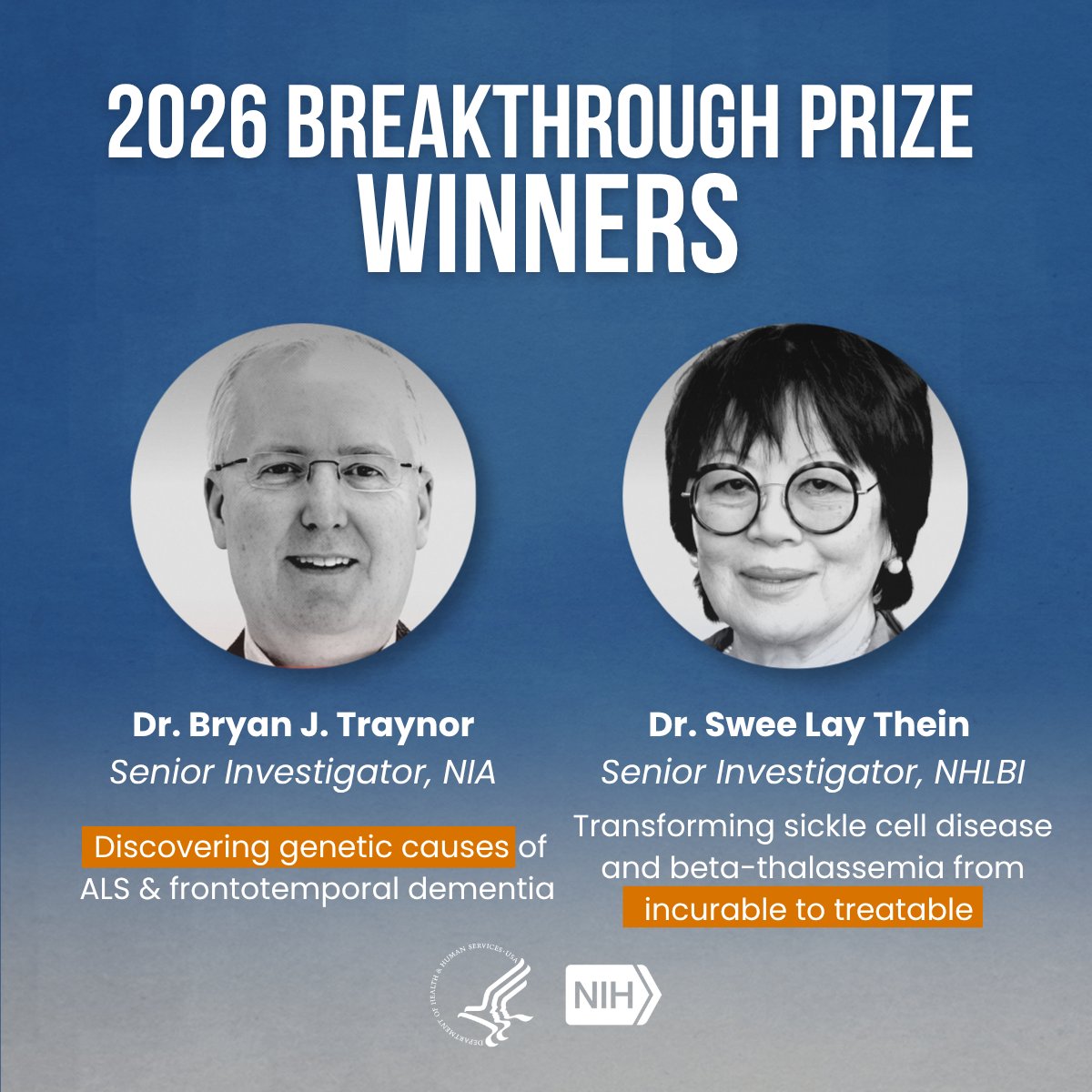
🧵Congratulations to two talented NIH researchers on winning the coveted Breakthrough Prize in Life Sciences! These scientists advanced groundbreaking discoveries--from uncovering genetic drivers of neurodegenerative disease to enabling gene-editing treatments for inherited blood disorders—transforming how these conditions are understood and treated. Learn more about this year’s winners: breakthroughprize.org/Laureates/2 (1/3) @brkthroughprize
NIH tweet media
English
6
21
96
14.1K
Sadjad Fakouri, PhD retweetledi
NIH
NIH@NIH·
🔬A new NIH-supported study spotlights a breakthrough in microscopy tools that could dramatically expand how cancer biologists study the inner workings of living cells. The research introduces a series of fluorescent dyes that make it much easier to take ultra detailed images of living cells. These tools allow scientists to watch important cancer related processes as they happen, instead of relying only on still images of fixed cells. Read the full story ➡️ bit.ly/4ctQEXqhttps:/…
NIH tweet media
English
5
23
63
10.4K
Sadjad Fakouri, PhD
Sadjad Fakouri, PhD@sajfb0·
@daviddorg Deleted my long-standing Instagram and Facebook accounts last year with zero regrets for the missing memories. What used to actually connect people turned into addictive, time-wasting machines.
English
0
0
3
2.6K
David Daines
David Daines@daviddorg·
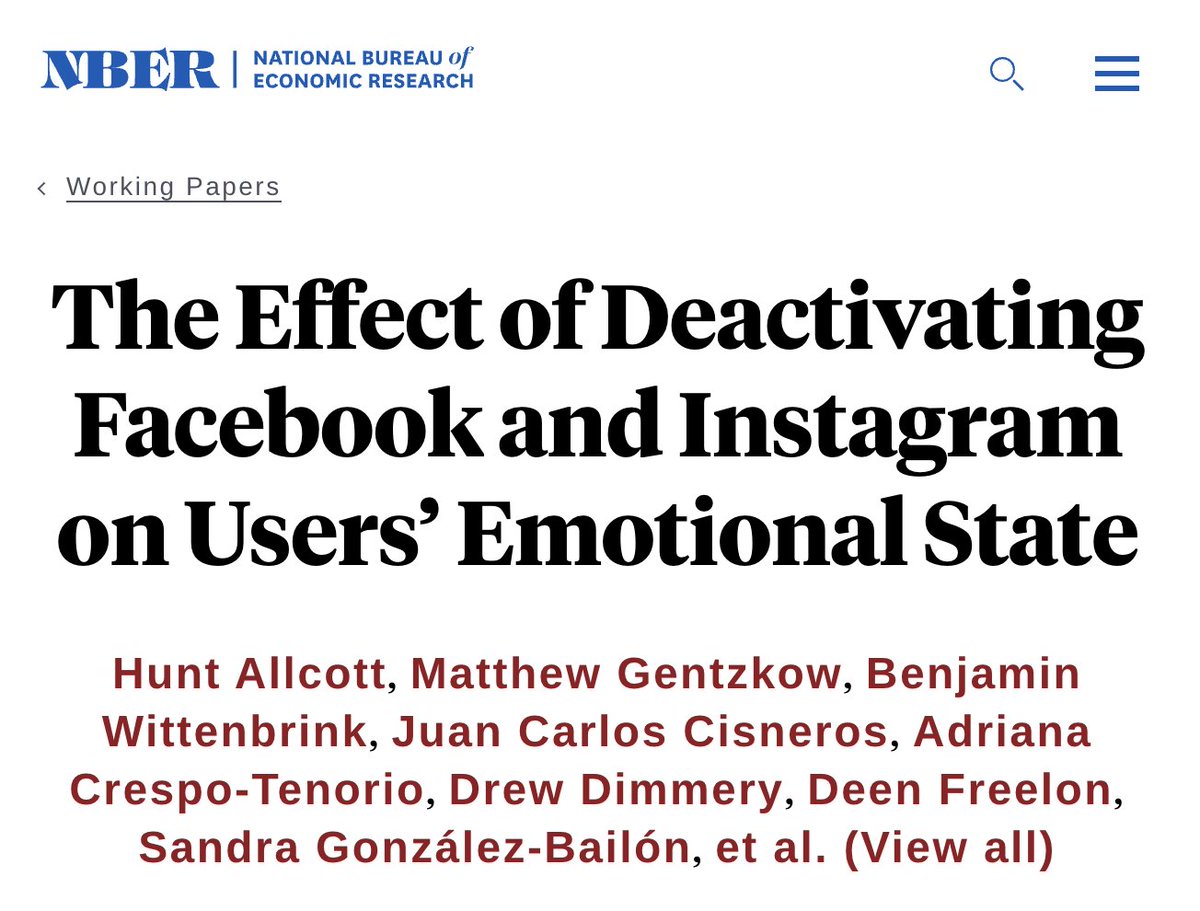
Stanford paid 35,000 people to quit Facebook and Instagram for 6 weeks Depression dropped. Anxiety dropped. Happiness went up. Women under 25 on Instagram saw the biggest gains That was 6 weeks. I'm going a full year.
David Daines tweet media
English
1.4K
10.2K
48.2K
3.7M
Sadjad Fakouri, PhD retweetledi
Secretary Kennedy
Secretary Kennedy@SecKennedy·
Today, we took long-overdue action to restore science, accountability, and the rule of law. In September 2023, the Biden FDA pushed a number of peptides into Category 2 — “Bulk Drug Substances that Raise Significant Safety Risks” — driving a dangerous black market that puts Americans at risk. Now, after nominators withdrew 12 peptides, the FDA will remove them from Category 2 and will bring them to PCAC at its next two meetings, beginning in July—where independent experts will rigorously evaluate each substance on its scientific merits using full clinical, pharmacological, and safety evidence. • BPC-157 • Thymosin beta-4 fragment (LKKTETQ) • Epitalon • GHK-Cu (injectable) • MOTS-c • DSIP (Emideltide) • Dihexa Acetate • Ibutamoren Mesylate • Melanotan II • KPV • Semax (heptapeptide) • Cathelicidin LL-37 This action begins to restore regulated access and will immediately begin shifting demand away from the black market. We will follow the science, enforce the law, and deliver the clarity patients, providers, and pharmacies deserve.
English
1.1K
2.9K
23K
6.4M