GeroScience

4.2K posts

GeroScience banner
GeroScience

GeroScience

@GeroScienceAGE

Nature-Springer journal publishing cutting-edge research in #geroscience, from molecular/cellular mechanisms of #aging to translational and clinical studies.

United States Katılım Şubat 2022
745 Takip Edilen4.1K Takipçiler
GeroScience
GeroScience@GeroScienceAGE·
🚀🌍 What can space teach us about aging? Natalie Hayslip, Michal M. Masternak, and colleagues reveal that simulated space radiation and microgravity drive striking aging-like changes in the liver by disrupting miRNA–TGF-β signaling networks involved in cellular senescence and fibrosis. These exciting findings not only advance our understanding of astronaut health but also uncover promising new molecular targets for combating age-related liver dysfunction here on Earth. Space radiation and microgravity as models of accelerated aging: modulation of hepatic miRNA-TGF-β networks associated with senescence and fibrosis 📖 Read the full article: rdcu.be/fujvq #GeroScience #HealthyAging #SpaceBiology #Microgravity #SpaceMedicine #Senescence #Fibrosis
GeroScience tweet media
English
0
1
1
390
GeroScience
GeroScience@GeroScienceAGE·
❤️🦴 New in GeroScience Machine learning derived abdominal aortic calcification is associated with physical frailty in community-dwelling adults: the UK Biobank Imaging Study Abadi K. Gebre and colleagues found that machine learning-derived abdominal aortic calcification (AAC) is associated with higher odds of pre-frailty and frailty in community-dwelling adults. The findings suggest that AAC identified from routine bone density scans could serve as an early marker for frailty risk and support more proactive, multimodal care. 📖 Read the full article: rdcu.be/fujvc #GeroScience #Frailty #HealthyAging #MachineLearning #CardiovascularHealth #UKBiobank #AgingResearch
GeroScience tweet media
English
0
2
2
323
GeroScience
GeroScience@GeroScienceAGE·
🩸🧠 New in GeroScience Age-related metabolomic signatures and stroke susceptibility in a population-based cohort Yanfeng Jiang and colleagues identified age-related metabolomic signatures associated with both ischemic and hemorrhagic stroke, demonstrating that circulating metabolic profiles can improve stroke risk prediction beyond traditional risk factors and provide new insights into the biological mechanisms linking aging and cerebrovascular disease. 📖 Read the full article: rdcu.be/ft7bx #GeroScience #Stroke #Metabolomics #BiologicalAging #BrainHealth #HealthyAging #AgingResearch
GeroScience tweet media
English
0
4
3
206
GeroScience retweetledi
NIH
NIH@NIH·
NIH is modernizing how it makes funding decisions. The new Unified Funding Strategy keeps peer review foundational while allowing NIH to consider the full picture, including scientific merit, innovation, public health needs, and emerging research opportunities. Learn more: bit.ly/4vUFLqj
NIH tweet media
English
12
24
84
33.2K
GeroScience
GeroScience@GeroScienceAGE·
🌍📢 New in GeroScience Psychosocial adversity captured by ICD-10 Z-codes and mortality risk: evidence from the UK Biobank May A. Beydoun and colleagues found that hospital documentation of psychosocial adversity—including housing, economic, and social challenges—was associated with a twofold higher risk of all-cause mortality, underscoring the importance of integrating social determinants of health into clinical care and healthy aging research. 📖 Read the full article: rdcu.be/ft7bi #GeroScience #HealthyAging #SocialDeterminantsOfHealth #Mortality #UKBiobank #AgingResearch
GeroScience tweet media
English
0
2
2
195
GeroScience
GeroScience@GeroScienceAGE·
🧬💪 New in GeroScience Telomere length and appendicular lean mass over six years in older adults with overweight or obesity and metabolic syndrome: a prospective cohort study Héctor Vázquez-Lorente and colleagues found that longer baseline telomere length was associated with better preservation of appendicular lean mass over six years, supporting telomere length as a potential biomarker of healthy muscle aging in older adults with metabolic syndrome. 📖 Read the full article: rdcu.be/ft68W #GeroScience #MuscleAging #Telomeres #Sarcopenia #HealthyAging #MetabolicHealth #AgingResearch
GeroScience tweet media
English
0
4
6
300
GeroScience
GeroScience@GeroScienceAGE·
🧠📢 New in GeroScience A local-to-distant shift in dynamic brain connectivity marks early Alzheimer's risk Andrea Coca-Pulido (@acocapulido) and colleagues found that subtle changes in dynamic brain connectivity—shifting from local to more distant network interactions—may serve as an early marker of Alzheimer's disease risk, offering new insights into the earliest stages of brain network dysfunction. 📖 Read the full article: rdcu.be/ftuld #GeroScience #AlzheimersDisease #BrainConnectivity #BrainAging #Neuroscience #HealthyAging #AgingResearch
GeroScience tweet media
English
0
3
4
306
GeroScience
GeroScience@GeroScienceAGE·
🧬🧠 New in GeroScience Analysis of second-generation epigenetic clocks reveals further associations between disproportionate biological ageing and hippocampal volume Lidija Milicic (@LidijaMilicic) and colleagues report that accelerated biological aging, measured using second-generation epigenetic clocks, is associated with smaller hippocampal volume, providing further evidence linking epigenetic aging to brain structure and age-related neurodegeneration. 📖 Read the full article: rdcu.be/ftukj #GeroScience #Epigenetics #BrainAging #Hippocampus #BiologicalAging #HealthyAging #AgingResearch
GeroScience tweet media
English
0
3
2
216
GeroScience
GeroScience@GeroScienceAGE·
🧠💪 New in GeroScience Amino acid and appendicular skeletal muscle mass insufficiency are associated with cognitive decline in the Chinese population Ting Tang and colleagues found that lower levels of essential amino acids and reduced appendicular skeletal muscle mass are associated with poorer cognitive function, highlighting a potential metabolic link between muscle health and cognitive aging. 📖 Read the full article: rdcu.be/ftujJ #GeroScience #CognitiveAging #Sarcopenia #MuscleHealth #HealthyAging #Metabolism #AgingResearch
GeroScience tweet media
English
0
2
4
237
GeroScience retweetledi
Matt Kaeberlein
Matt Kaeberlein@mkaeberlein·
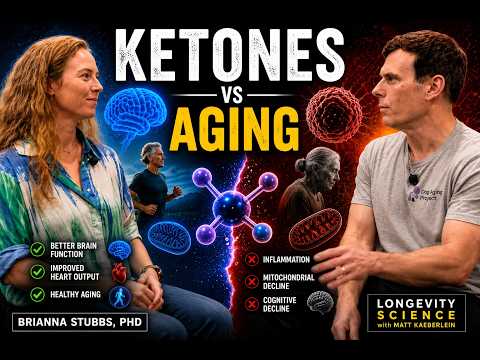
Can ketones slow aging? It's a question that sits at the intersection of metabolism, neuroscience, and geroscience—and one that has generated both genuine scientific interest and plenty of hype. In the latest episode of Longevity Science, I sat down with Dr. @BriannaStubbs , one of the world's leading experts on ketone biology and a scientist at the @BuckInstitute to explore what we actually know. Brianna's path into longevity research is anything but conventional: Oxford-trained scientist, two-time world champion rower, and former elite athlete whose interest in human performance led her to study ketones and metabolism at the highest level. In our conversation, we discuss: 🔹 What ketones are—and what they aren't 🔹 Ketogenic diets versus exogenous ketone supplements 🔹 Whether ketones can mimic some benefits of fasting 🔹 Human data on cognition and brain function 🔹 Emerging evidence in heart failure and cardiovascular health 🔹 Ketones as signaling molecules that may influence aging biology 🔹 The critical distinction between improving healthspan and extending lifespan 🔹 The biggest unanswered questions facing the field today One of the things I appreciate most about Brianna is her willingness to follow the evidence, even when it challenges early assumptions. We talk openly about where the data are compelling, where they are mixed, and where enthusiasm has gotten ahead of the science. If you're interested in longevity, metabolism, fasting, ketogenic diets, or the future of geroscience interventions, I think you'll find this discussion both informative and thought-provoking. 🎥 Watch the full episode here: youtube.com/watch?v=XoWnux…
YouTube video
YouTube
English
1
5
37
14.6K
GeroScience retweetledi
Matt Kaeberlein
Matt Kaeberlein@mkaeberlein·
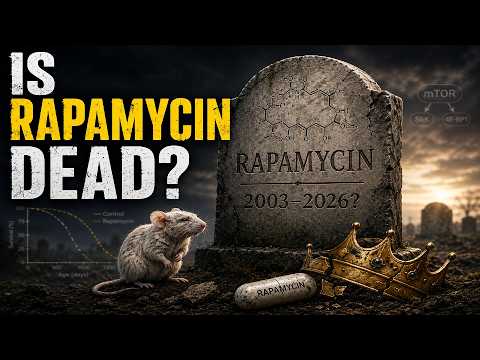
Is rapamycin dead? If you follow longevity on social media, you might think the answer is yes. Over the past couple of years, a growing number of influencers and armchair commentators have declared that rapamycin doesn't work, is too dangerous, or has been "debunked." I don't think that's what the evidence shows. In this new lecture, I take a deep dive into the science behind rapamycin—from the landmark mouse studies that transformed aging research to the latest data from dogs and humans. I also examine several of the studies and public claims that have fueled the recent backlash and explain where I think they've been misinterpreted. A few of the topics we cover: • Why rapamycin remains the most robust and reproducible intervention for extending lifespan in laboratory mice • What we actually know about safety and side effects in healthy older adults • Evidence for effects on immune function, brain aging, heart health, oral health, ovarian aging, and chronic inflammation • What recent clinical trials really tell us about muscle, exercise, and healthy aging • Why we still don't have definitive human answers—and what studies are finally underway to get them Rapamycin is not a miracle drug, and it has not been proven to extend human lifespan. But after reviewing the totality of the evidence, I believe it remains the strongest candidate we currently have for targeting the biology of aging. The field deserves more signal and less noise. My hope is that this lecture provides a useful, evidence-based resource for anyone trying to understand where the science actually stands. I'd love to hear your thoughts after you've watched it. Where do you think the strongest evidence lies, and what clinical trials would you most like to see next? youtu.be/0AdYtOvdVk8
YouTube video
YouTube
English
14
11
88
10.9K
GeroScience retweetledi
Dog Aging Project
Dog Aging Project@DogAgingProject·
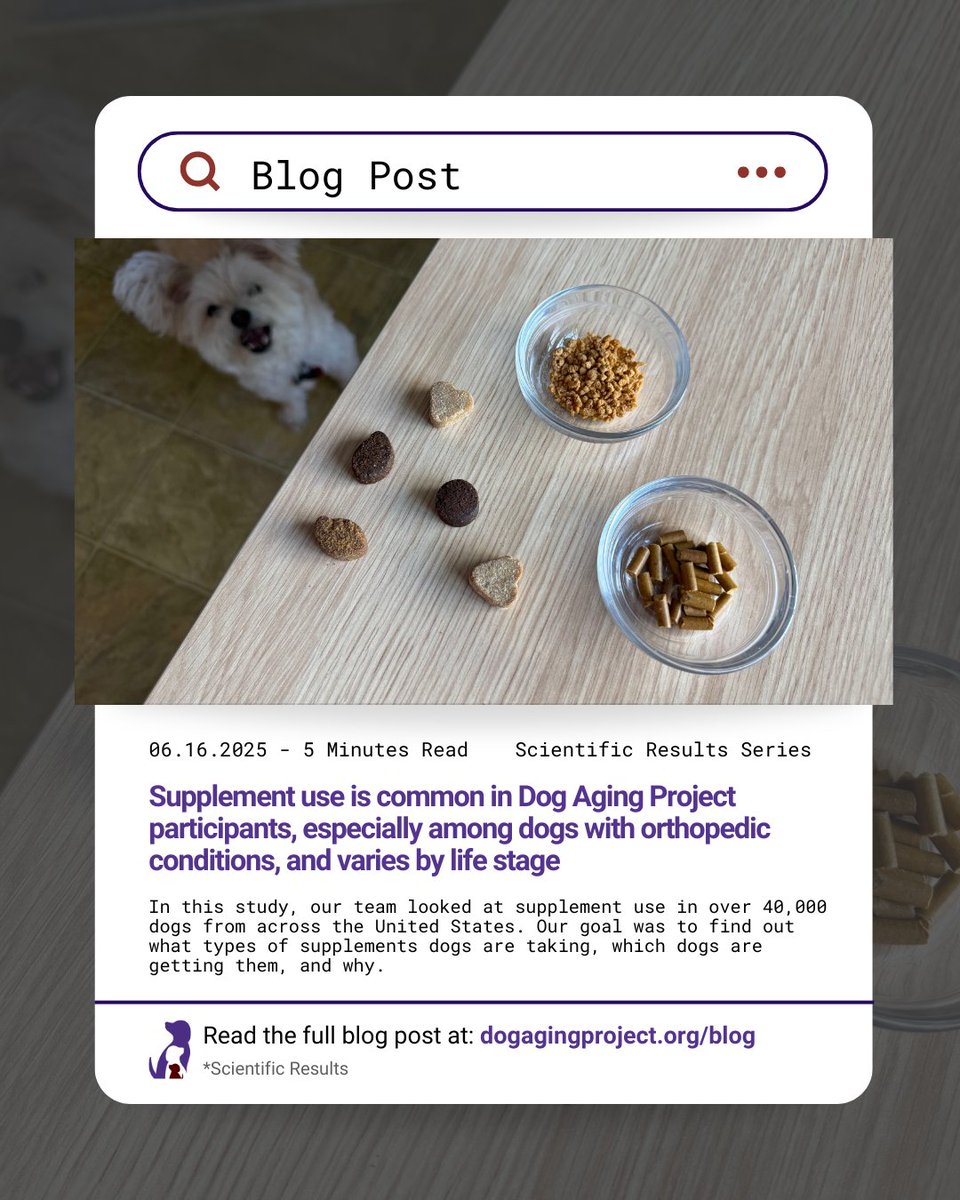
"In this study, our team looked at supplement use in over 40,000 dogs from across the United States. Our goal was to find out what types of supplements dogs are taking, which dogs are getting them, and why." Read our Scientific Results Blog to learn more: dogagingproject.org/supplement-use…
Dog Aging Project tweet media
English
0
3
4
311
GeroScience retweetledi
The Alliance for Longevity Initiatives (A4LI)
Last week, leaders in academia, longevity biotech, and policymakers came together in Washington, D.C. for our largest H-SPAN Summit to date. In an article for @LongevityTech, A4LI Vice President of Communications & Partnerships Dr. Brenda Eap reflects on this year’s Summit, from discussions with federal regulators and Members of Congress to the policy priorities that will shape the future of healthy longevity. You can read the full article here: longevity.technology/news/us-longev…
The Alliance for Longevity Initiatives (A4LI) tweet media
English
1
4
16
867
GeroScience
GeroScience@GeroScienceAGE·
💓 Can cardiac resynchronization therapy improve frailty? A new post hoc analysis of the BUDAPEST-CRT trial by Luca Kuthi and colleagues found that upgrading to cardiac resynchronization therapy (CRT) improved frailty status in patients with heart failure with reduced ejection fraction (HFrEF) and a high right ventricular pacing burden. 📖 Read more: rdcu.be/ftuiQ #GeroScience #HeartFailure #Frailty #CardiacResynchronizationTherapy #HealthyAging #Cardiology #AgingResearch
GeroScience tweet media
English
0
1
2
150