Sumit
5K posts

One of main reasons, that helped me lose 15 kg of fat in last 6 months.

English
@suritalreja He has the money and don't need any government help for any of its flaws.
English
Sumit retweetledi

Authorities should immediately reward ₹200 to anyone who reports wrong-side driving, rash driving or a stationary truck blocking a highway without parking lights or a safety triangle.
It will save countless lives and is far better than distributing money for nothing.
Have a portal, allow user to upload images/videos, FIFO payment basis. Jail if someone tries to trick the system with AI or anything else.
English
@eminiplayer Best futures trader i have seen @eminiplayer
Thanks Awais for changing our lives.
English
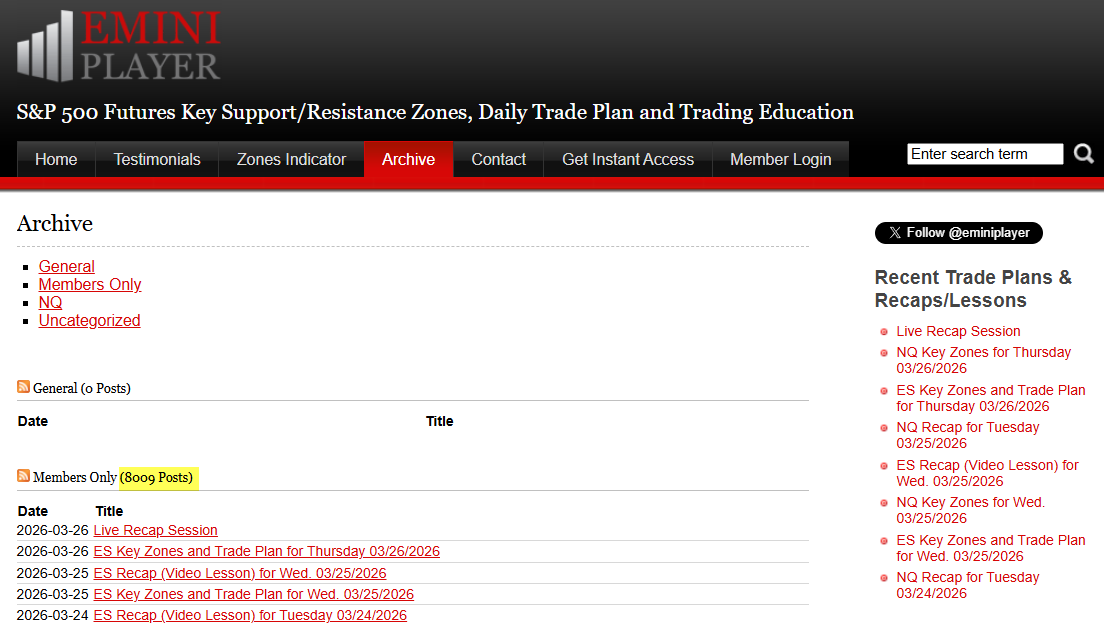
This weekend will mark the 16th anniversary of launching the EminiPlayer.net website (3/29/2010 was day 1)
16 years. 8000+ posts. Over 3,000 videos. And you can count the # of days missed on one hand.
It's been a pleasure. Thanks for accompanying me on this journey! 🙏

English
Sumit retweetledi

When I say, “eat one meal less but drive a car,” it is not aimed at people who genuinely cannot afford one. It is a gentle reminder for those who can afford a car, yet still choose a two-wheeler for convenience or fun.
Treat Indian roads like a war zone. When your first line of defence is your own body, there is almost no margin for error.
The Times Of India@timesofindia
#Maharashtra | A 42-year-old businessman cycling on an incomplete stretch of #Kalyan's #RingRoad was killed after a speeding car allegedly driven by a 17-year-old boy hit him, briefly flinging him in the air, on Tuesday night. The boy fled from the spot, went into hiding and was apprehended the next evening. More details 🔗toi.in/mmKhTY89
English

When I was learning car driving
My trainer keep insisting me , keval go fast , road is empty. And I kept going on my 30-40 kmph speed limit.
While other young kids with me for driving lesson were going 60-70kmph.
Parent must keep eye on young kids.
Jawani ke josh mai they can take life of someone else and even if u don;t care about someone else , they can take own life also by doing stunt on road.
BALA@erbmjha
🚨SHOCKING: Another minor behind the wheel. Another life lost. A 42-year-old man, cycling for the very first time to improve his health, is killed by a 17-year-old speeding through Mumbai. And what follows? Likely another “essay” and business as usual. This isn’t an isolated incident, it’s a pattern. How many more innocent lives must be lost before this is treated with the seriousness it deserves?
English
@BhavanChand 20 mins sun exposure is the best thing to maintain alertness and active during the day. Vitamin D supplements don't do that for me
English
@adi__speaks @kunalkamra88 @BeerBicepsGuy What's there to settle Palestinians ? There is no so called movement.
English

@kunalkamra88 @BeerBicepsGuy You forgot to mention that he was in a panel where they were belittling the Palestine movement.
x.com/darab_farooqui…
Darab Farooqui@darab_farooqui
Just witnessed this clip. Nas can be set aside; his Zionist position is already known and requires no further dissection. He is a known but common evil. What truly demands reckoning are Nikhil Kamat and Tanmay Bhat, living exhibits of everything that is rotting at the core of contemporary Indian public discourse. These are men who have been handed enormous platforms, cultural capital, and the ear of millions, yet remain staggeringly, almost comically unlettered. Their influence is not merely harmless celebrity; it is actively corrosive. They wield the power of mass communication with the unearned confidence of those who have never once been intellectually challenged in their own circles. This is Dunning-Kruger effect in its purest, most grotesque form: men so profoundly ignorant, so Jahil, that they lack even the self-awareness to suspect their ignorance. They speak with the swagger of Jawaharlal Nehru, but their thoughts are as shallow as a WhatsApp forward. Worse still, they have created for themselves a esoteric little ecosystem, a mutual-admiration sauna where they all soak together, marinating in the same shallow certainties, reinforcing one another’s blind spots until their shared mediocrity begins to feel like wisdom. In that echo chamber, ignorance does not merely survive; it becomes doctrine. And that is the real tragedy. India, in 2026, finds itself in a strange and humiliating intellectual dark age, not because the country lacks brilliant minds, but because the loudest, richest, and most visible ones are precisely the ones least equipped to carry the decent conversation. A single serious intellectual pushback, a solitary honest question asked with precision, would reduce these paper-tiger pundits to dust. Yet no one in their orbit ever delivers it. This is not comedy. This is a civilisational decline wearing a thick dark hoodie in deep Bombay summers, casually planning the next exotic holiday, asking whether you’ve tried that dish yet, peddling twenty-day weight-loss miracles, and cracking jokes while an entire nation quietly forgets how to think.
English
It took me and my team 10 years to build BeerBiceps and The Ranveer Show to where they were.
And in one incident, a large part of it was shaken.
When the team looked to me for next steps, I found myself going back to Sant Kabir’s doha:
धीरे-धीरे रे मना, धीरे सब कुछ होय,
माली सींचे सौ घड़ा, ऋतु आए फल होय।
A simple reminder that growth takes time, and so does rebuilding.
English
@theprayagtiwari I first thought kulche cholle da langar lagga
English
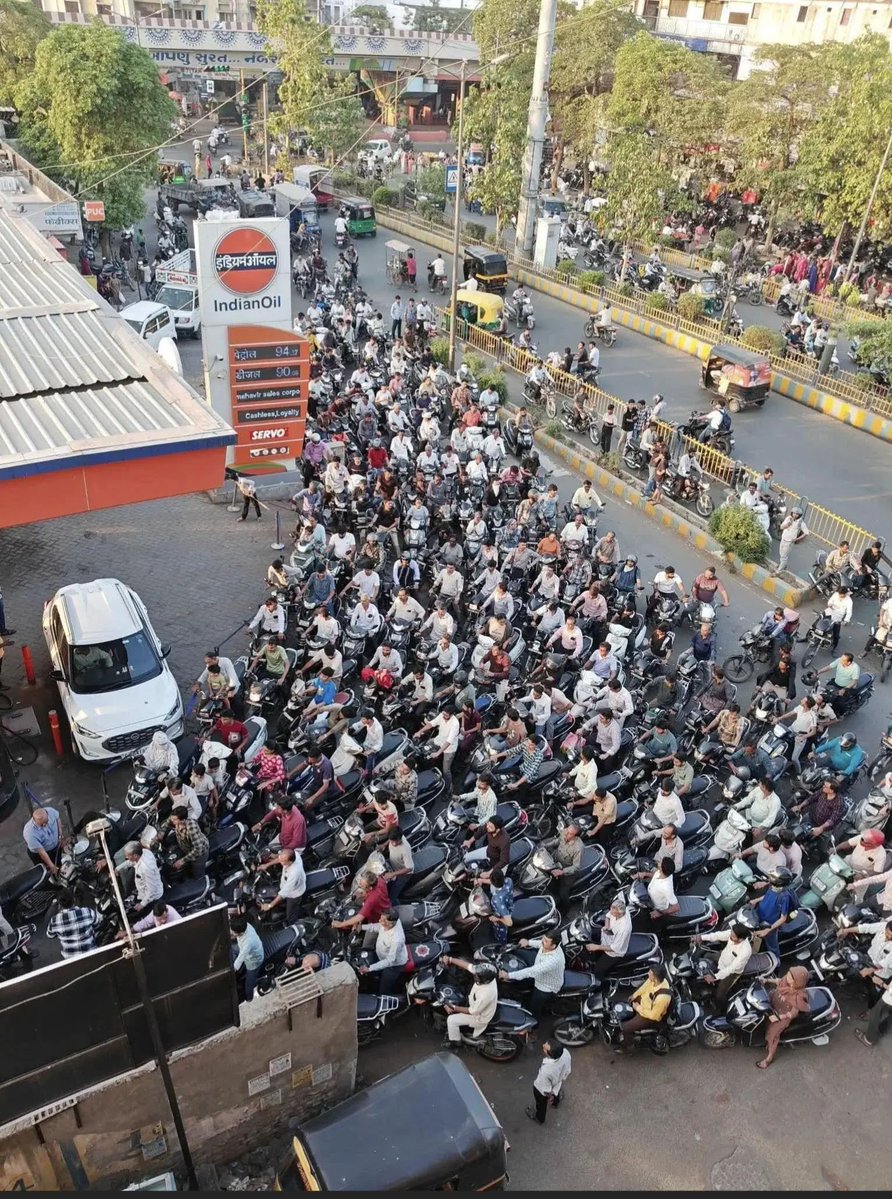


Online platforms will keep on increasing platform fees, surcharge, handling charges etc etc
People need to understand delivering online is expensive.
Earlier people thought retail is expensive bcz shop owners need to pay rent, salaries, electricity etc
But the Internet world has all these costs PLUS click ad charges, rider charges, commissions, discounts, video ads, refunds, Cashbacks etc which even reduce the gross margins available. No VC will keep on funding losses for them
So we are again going back to the world where YOU HAVE TO PAY FOR CONVENIENCE 🙏
English
@indiantweetrian Hey Pakistanis,
We would like to return this Dadlani to sender.
Loves
The rest of us Dadlani’s 🙏🏾🇮🇳
English


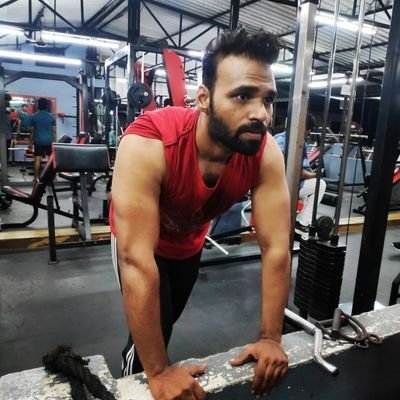
Everyday Hydration Drink:
- 5g Creatine
- 3g Glycine
- 3g Leucine
- 4g Glutamine
- 2g Beta alanine
- 1g Sodium
- 300mg Potassium
Mix everything in 2 litre water and keep sipping through out the day
This supports cell hydration, training recovery, and tissue elasticity
English
@eminiplayer I entered on failed breakdown and ES rallied to 6610 and then pulled back to 6592-94 or so targeting near ovn highs.Was this the right approach ?
English
$ES_F Short-term Bias = Neutral
Intermediate-term Bias = Bearish
6581.50-6591.50 = Initial Support + Intraday Bull/Bear (Morning Trade Plan Video talked about a possible False/Failed Break-down below that Zone)
6645-6653.50 = Pre-Market Resistance 🎯
English
@mypov82 @_pratap19 @fhzadran @th_akhilsingh Isliye bolte hain behno se shaadi nahi kia karo aise bachhe paida hote hain jo bina nashe kiye saara din nashe mein rehte hain
हिन्दी

@_pratap19 @fhzadran @th_akhilsingh BKL (Bharat ke Logo)
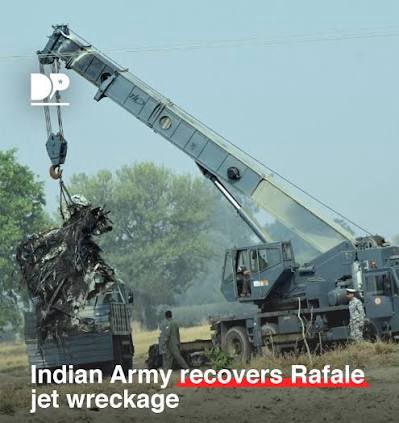
Ab hum tmhari trah gao mutr ka to nasha krny sy rhy so we are addicted to down Indian jets
Indonesia

India VS China 🤯
🇮🇳 INDIA 🇮🇳
LPG Cylinder~ ₹1,000
Petrol Price~ ₹100
Average Monthly Salary~ ₹25,000
EV Car Price~ ₹15 - ₹20 Lakhs
High Speed Rail Network~ 0 KM
Solar Panel Production Share~ 5%
Total Exports~ $770 Billion
🇨🇳 CHINA 🇨🇳
LPG Cylinder~ ₹800
Petrol Price~ ₹90
Average Monthly Salary~ ₹80,000
EV Car Price~ ₹8 - ₹10 Lakhs
High Speed Rail Network~ 40,000+ KM
Solar Panel Production Share~ 80%
Total Exports~ $3.5 Trillion
English

Did just Apex increased price for their 50k EOD plan ?
Earlier it was 29.5$
Now, it’s showing 37.35$
English
Dhurandhar Revenger after interval is something else !
English