Mario Nawfal@MarioNawfal
🚨🇺🇸🇮🇷 INVADE IRAN? CONGRATS, YOU JUST ORDERED THE FULL REGIONAL WAR COMBO
If Iran is invaded, Tehran’s menu of options is grim, familiar, and built around one idea: don’t beat a stronger enemy in a fair fight, make the cost of fighting unbearable.
Iran can't outmatch the U.S tank for tank, jet for jet, or ship for ship, so its real playbook is asymmetric.
Missiles. Drones. Proxy attacks. Maritime disruption. Cyber pressure. Economic shock. Political fragmentation.
Start with the most obvious option: hit back fast and visibly.
Iran has already shown that when struck, it can answer with missile and drone attacks on Israeli targets and U.S. bases around the region.
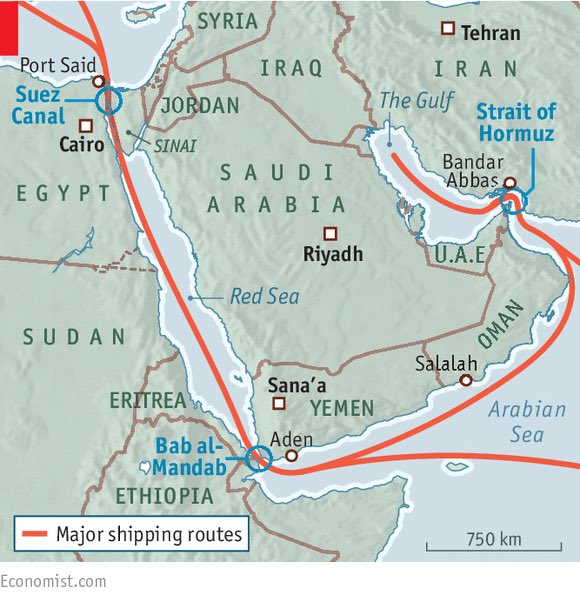
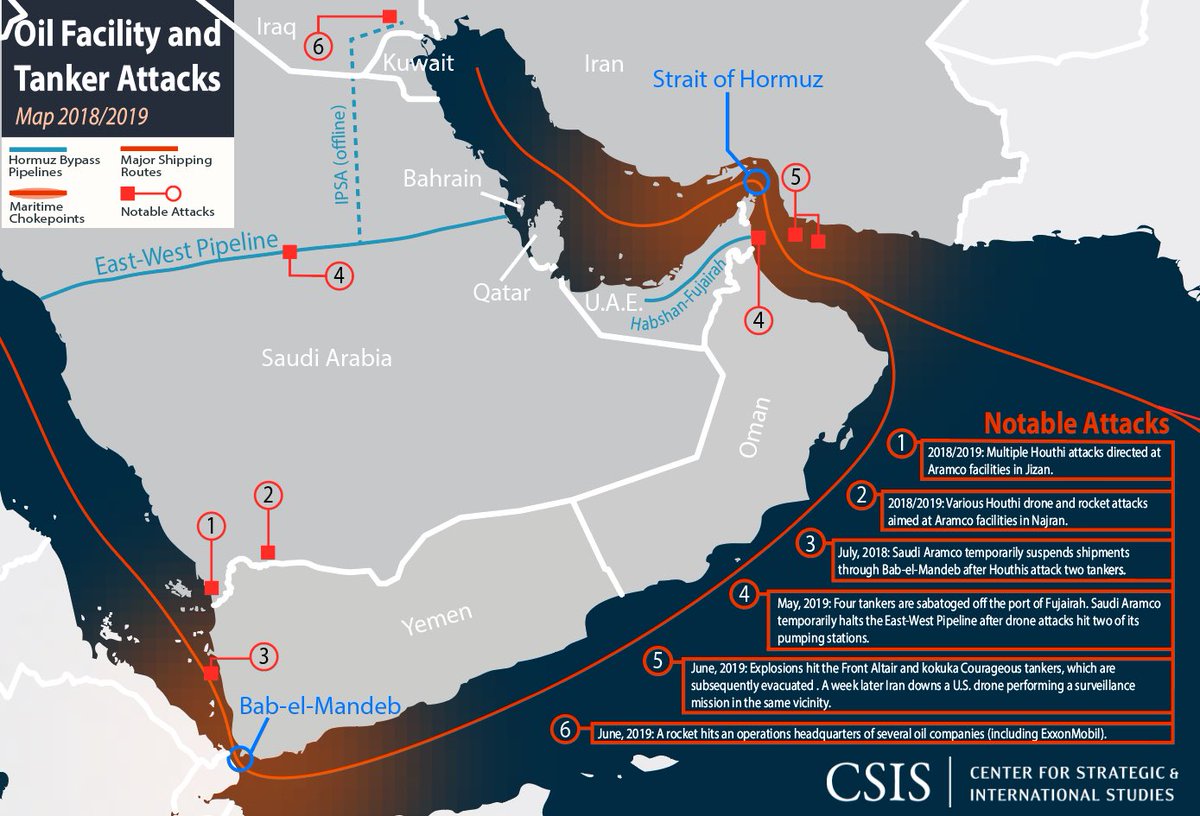
Then there's the Strait of Hormuz, the world’s favorite geopolitical panic button. Iran has already brought major disruption there, using the chokepoint as leverage.
Add in more mines, drones, anti-ship threats, and harassment, and oil skyrockets further.
Option three is domestic mobilization.
Invading Iran is not the same thing as bombing isolated facilities.
Iran is large, mountainous, heavily armed, and politically fractured in ways that could either weaken the regime or harden resistance against a foreign occupier.
History suggests outside attack often gives unpopular governments a fresh supply of nationalism. That is an inference, but it is a plausible one given Iran’s size, terrain, and the regime’s long emphasis on irregular warfare and resilience.
Option four is cyber and infrastructure retaliation.
Iran has long invested in cyber capabilities because keyboards are cheaper than fighter fleets.
In a wider war, energy networks, ports, logistics systems, and commercial infrastructure across the region would all become tempting targets.
Again, not because cyber wins wars by itself, but because it multiplies disorder.
And yes, there is the nuclear question lurking in the background like the world’s worst “what if.”
A full-scale invasion or regime-survival war could strengthen the argument inside Iran that only a true nuclear deterrent can prevent future attacks.
That would not be an immediate battlefield option, it would be a strategic consequence, and a disastrous one.
So what are Iran’s real choices if invaded?
Fight conventionally and lose fast.
Fight asymmetrically and make the invader bleed, the region burn, and oil markets convulse.
Or try to mix retaliation with diplomacy, hoping pain creates leverage for a ceasefire before the state itself is broken.
That's why an invasion of Iran is a recipe for more missile salvos, proxy warfare, shipping panic, and a global energy shock with no tidy exit ramp.
The fantasy is that invading Iran would solve the problem, the more likely reality is that it would multiply every problem at once.