Taylor Liss retweetledi
Taylor Liss
477 posts

Taylor Liss
@samort7
Up-and-coming software developer extraordinaire. https://t.co/MY6oD0siqs
Everett, MA Katılım Kasım 2013
170 Takip Edilen45 Takipçiler
Taylor Liss retweetledi


This is the console unit of the IBM 650 Magnetic Drum Data-Processing Machine (Often just called the IBM 650). Released in 1954, it was an early digital computer designed for both scientific and business use.
Because the computer's main memory was stored on a physical magnetic drum rotating at 12,500 RPM, programmers couldn't just write code linearly. They had to manually calculate where to place each instruction on the physical drum so that it would be spinning directly under the read head at the exact millisecond the processor needed it.
This was one of the true workhorses of 1950s computing! How loud do you think this was/is?
Fernando Losada Rodríguez, CC BY-SA 4.0 creativecommons.org/licenses/by-sa…, via Wikimedia Commons
#RetroTech #VintageComputing #Mainframe

English
Taylor Liss retweetledi

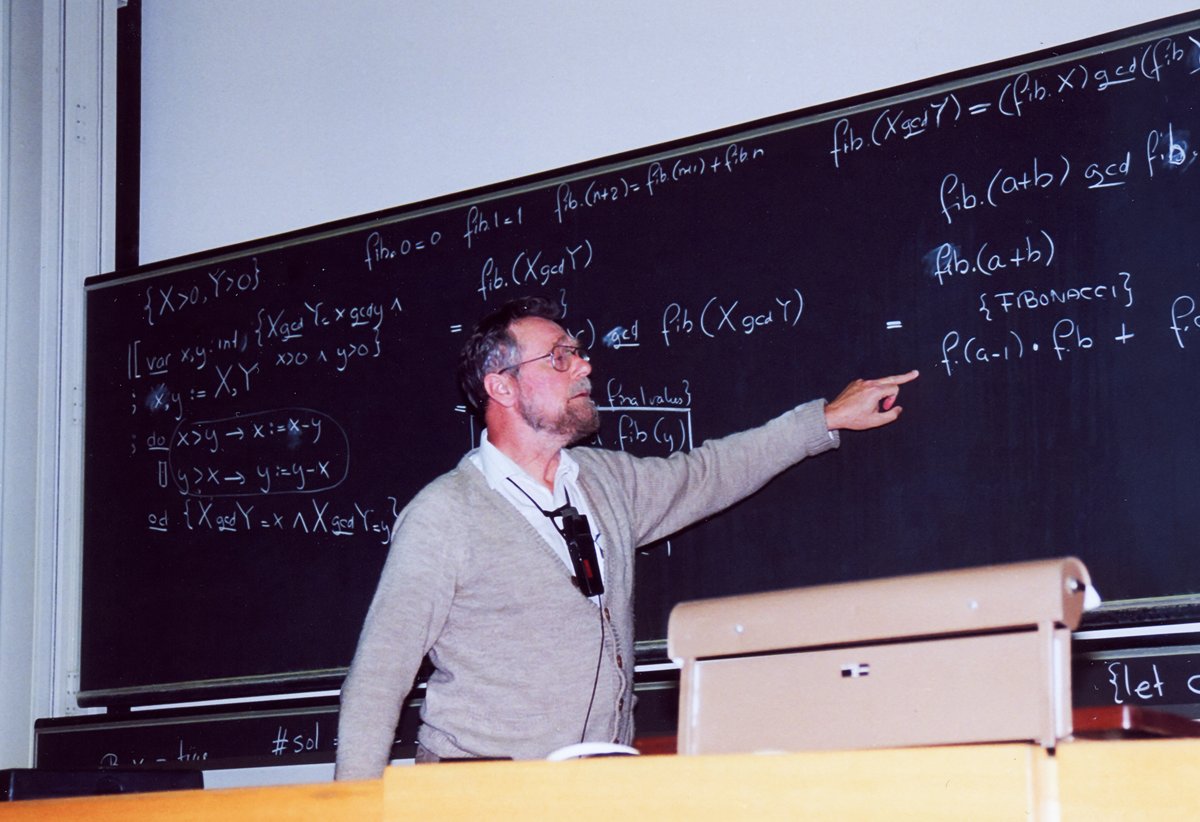
Happy birthday to the late Edsger Dijkstra, whose algorithm solved the "single-source shortest path" problem: tinyurl.com/y5ee6jdb

English
Taylor Liss retweetledi

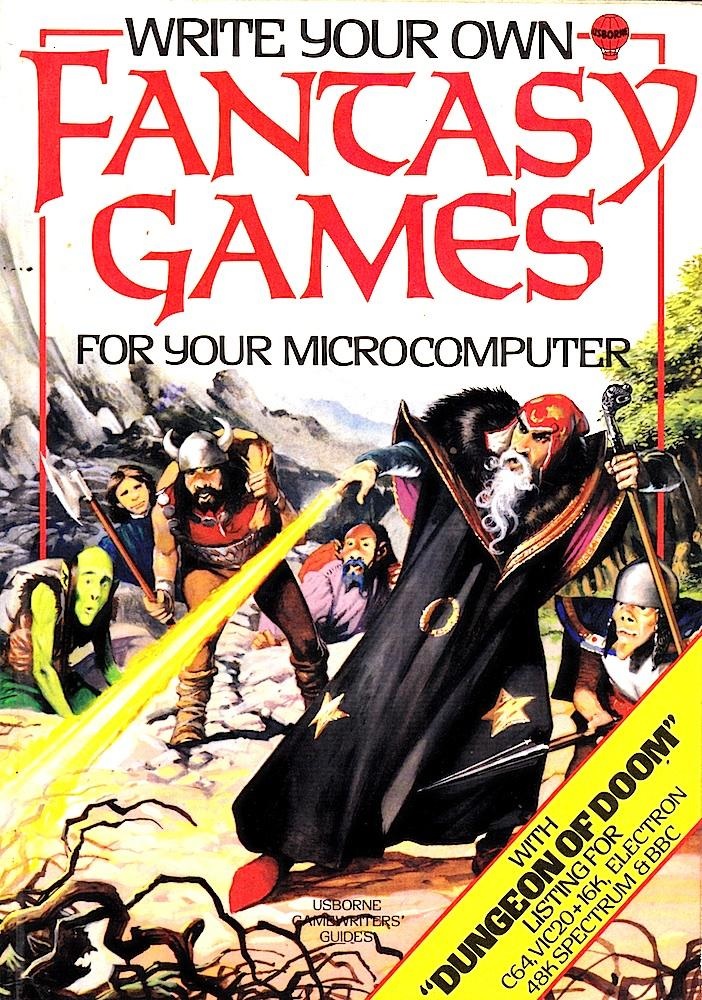
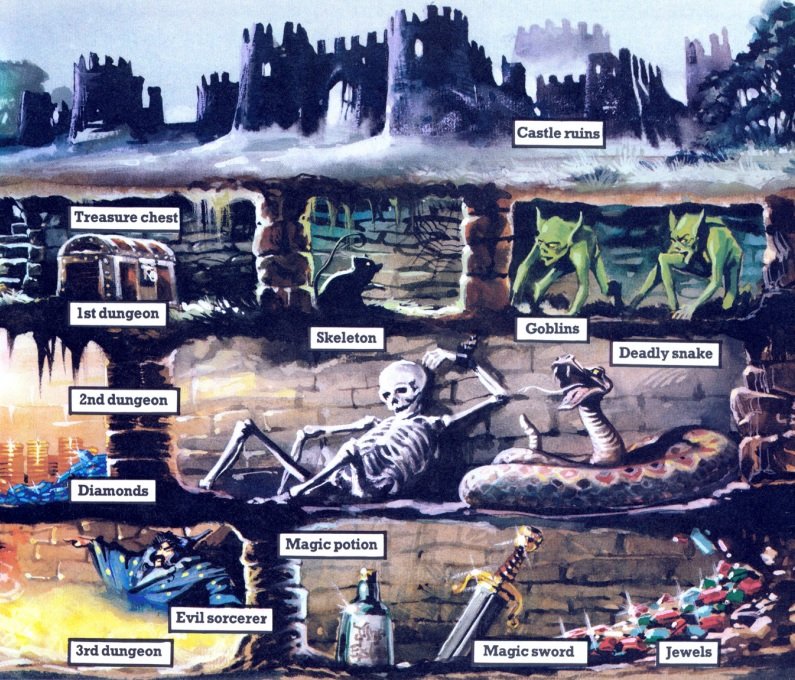
Throwback Thursday, 1984.
Lots of great art, basic code, and more building your own worlds from scratch.
And it’s free, straight from the Usborne:
usborne.com/us/books/compu…


English
Taylor Liss retweetledi

Taylor Liss retweetledi

Elite (1984) was a masterpiece.
Frontier: Elite II (1993) was and still is beyond anything I can understand, and still struggle to make sense of.
It was shipped on one main floppy disk for most versions, with a second disk that was purely optional and not required for gameplay.
Now, here comes the kicker:
The game simulated approximately 200 billion stars (try to imagine that number...), and was modeled after our real galaxy's estimated star count, with stars distributed in a realistic density map - meaning denser toward the galactic core.
Nearly every star had its own star system with planets and moons.
Systems could have up to 20+ planets/moons.
The game had millions of visitable planets and moons, and you could visit any planet or moon in any system, with realistic 1:1 scale orbits, gravity, and physics.
All on ONE (!) disk...
English
Taylor Liss retweetledi


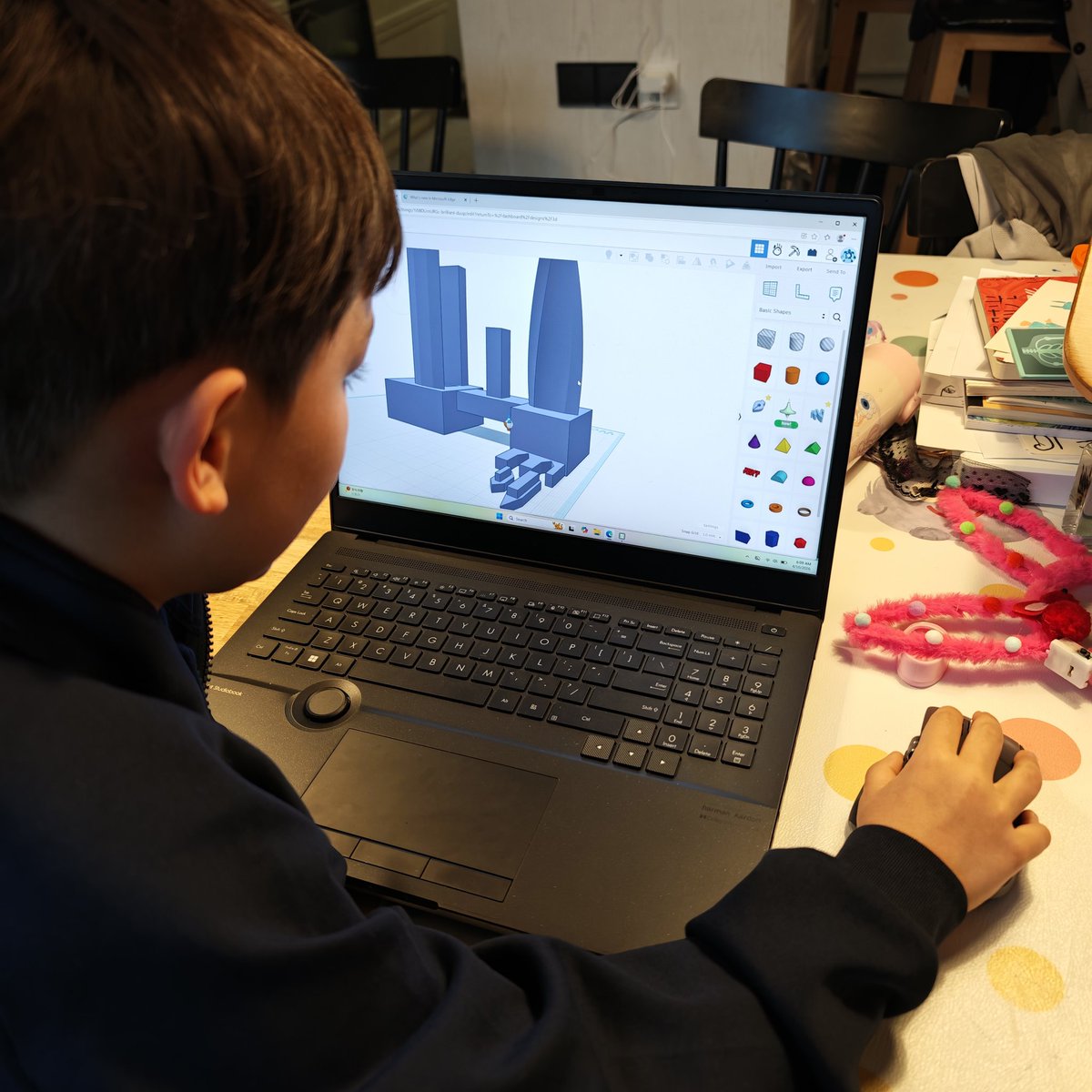
@americanmcgee Very cool! What app is he using? I want to see if my 5 year old wants to try.
English

Lucky wakes up at 0530 and says he wants to go downstairs. Immediately starts work on 3D designs for buildings and cities. A young architect. Then he 3D prints his designs and tells me all about the details. Amazing storyteller. He's six.
Up early. Design things. Tell stories. Make sure you run your days like this and you'll be just fine.


English
Taylor Liss retweetledi

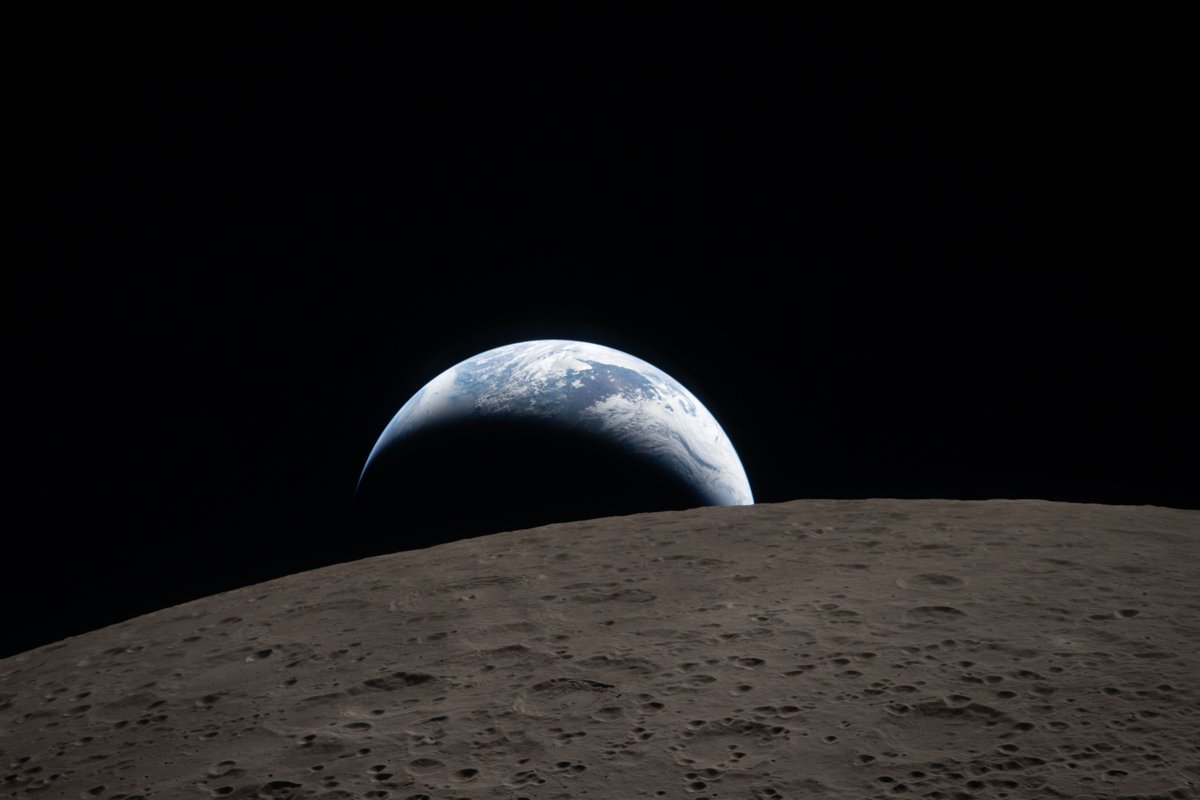
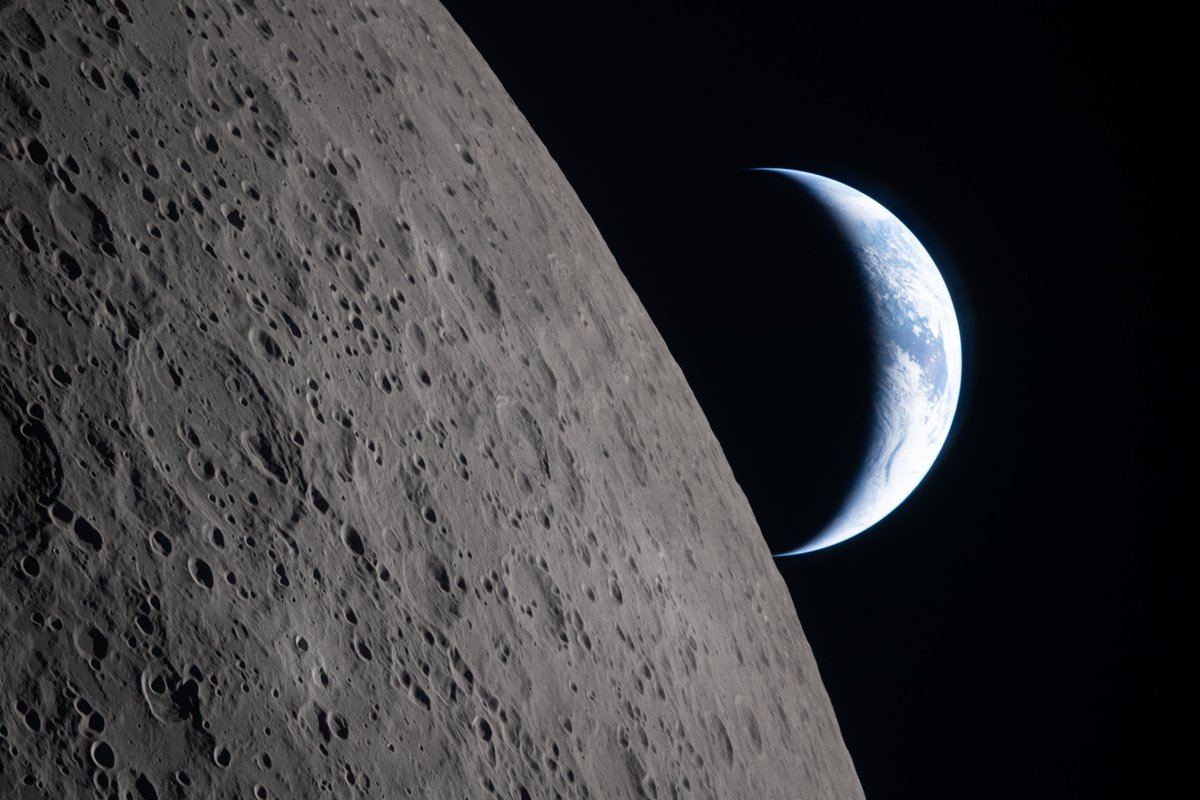
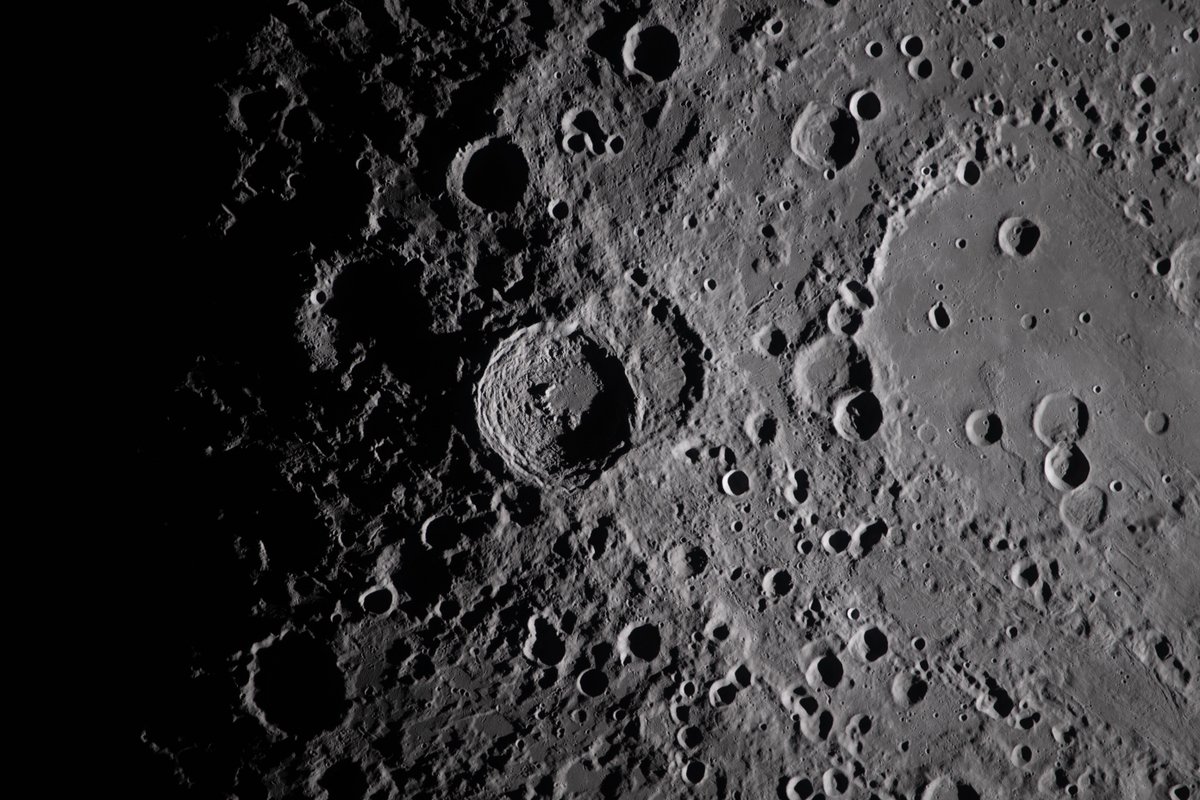
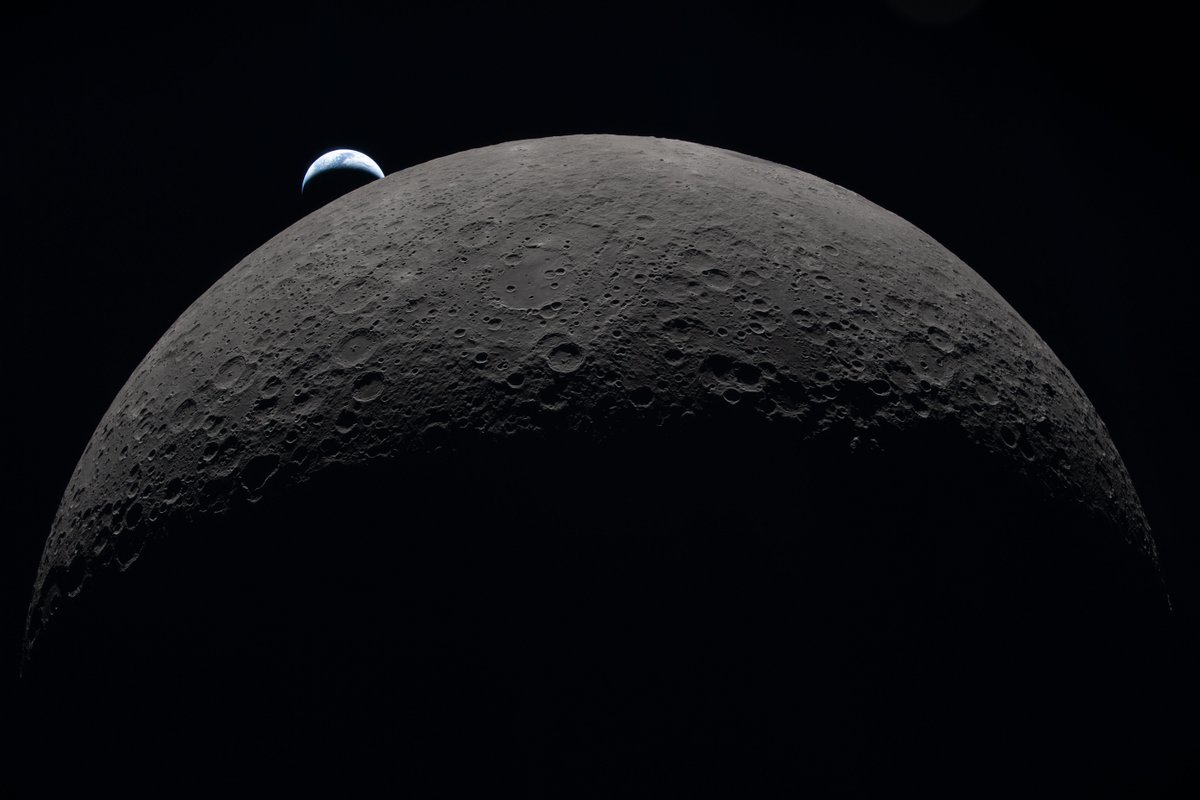
Hello, Moon. It’s great to be back.
Here’s a taste of what the Artemis II astronauts photographed during their flight around the Moon. Check out more photos from the mission: nasa.gov/artemis-ii-mul…


English
Taylor Liss retweetledi

Liftoff.
The Artemis II mission launched from @NASAKennedy at 6:35pm ET (2235 UTC), propelling four astronauts on a journey around the Moon.
Artemis II will pave the way for future Moon landings, as well as the next giant leap — astronauts on Mars.
English
Taylor Liss retweetledi

Taylor Liss retweetledi