
Sarav🇮🇳 retweetledi

Municipal officials seized a poor street vendor’s cooking setup for using a domestic LPG cylinder instead of commercial. She pleaded to keep it for her kids.
English
Sarav🇮🇳
79.3K posts


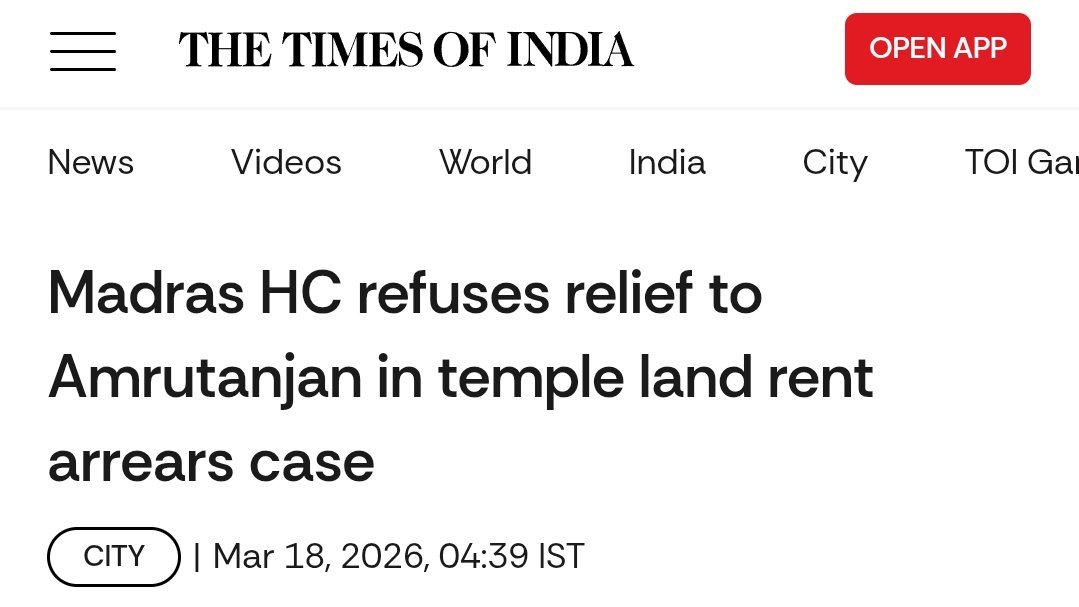
Before the world knew the power of Big Pharma, a journalist in a tiny lab in Bombay created a substance so potent it triggered a trade war with London. It was a yellow grease that did not just soothe headaches but funded a movement, bypassed British blockades, & became 1 of the few Indian products to make the Empire's own medicine look like scented water. Unlike other brands started by chemists, Amrutanjan was founded by Kasinadhuni/Kasinathuni Nageswara Rao, a man who was primarily a journalist & a freedom fighter. In the late 1800s, the pain balm market in India was a British monopoly. If your head throbbed, you bought imported ointments. Rao saw this as a tax on pain. He retreated into a lab & perfected a formula that was significantly more potent than anything coming out of London. The British tried to push their own balms like Vicks/early menthol rubs as sophisticated & odorless. They attempted to smear Amrutanjan as primitive because of its overpowering scent. Rao leaned into the scent. He realized that in a country where literacy was low, a brand could not just be a name, it had to be an experience. He distributed free samples at music concerts (Sabhas) & religious festivals. By the time the British tried to patent the market for pain relief, the entire Indian public had already associated the smell of camphor & menthol with trust. The British balms felt alien & weak compared to the sensory explosion of the yellow tin. The smell of Amrutanjan... that piercing, camphor-heavy aroma became the literal scent of the freedom struggle. If you walked into a room & it smelled of Amrutanjan, it was a silent signal: A patriot is present. It was a scent the British police could not arrest, yet it was everywhere. The British had a Patent Medicine Tax that made imported drugs expensive. However, by classifying Amrutanjan as an Ayurvedic Proprietary Medicine, Rao managed to navigate a complex legal gray area. He essentially used the British legal system against itself. By proving his ingredients were ancient yet his manufacturing was modern, he avoided the crippling taxes that applied to purely Western drugs, while maintaining a price point (initially 10 annas) that made British imports look like daylight robbery Rao fought back not just in the market, but in the press. He used the profits from the balm to fund Andhra Patrika, 1 of the most influential anti-British newspapers. The British were literally paying for their own downfall. Every time a British officer’s wife bought a jar of Amrutanjan for a migraine (because it worked better than the London balms), she was inadvertently funding the printing of revolutionary literature that called for the end of the Raj. By the 1930s, this Indian yellow grease was being exported to Indian diaspora & locals in South Africa & Ceylon. It became a global symbol of Eastern Wisdom defeating Western Chemistry. It was 1 of those few occasions, an Indian OTC (Over the Counter) product achieved cult status internationally w/o a single pound of British investment. In fact, the yellow tin became so iconic that it did not need a label in the villages. The color & the smell were the brand. It was a biological Swadeshi. While others were fighting with words, Rao was fighting with molecular relief.
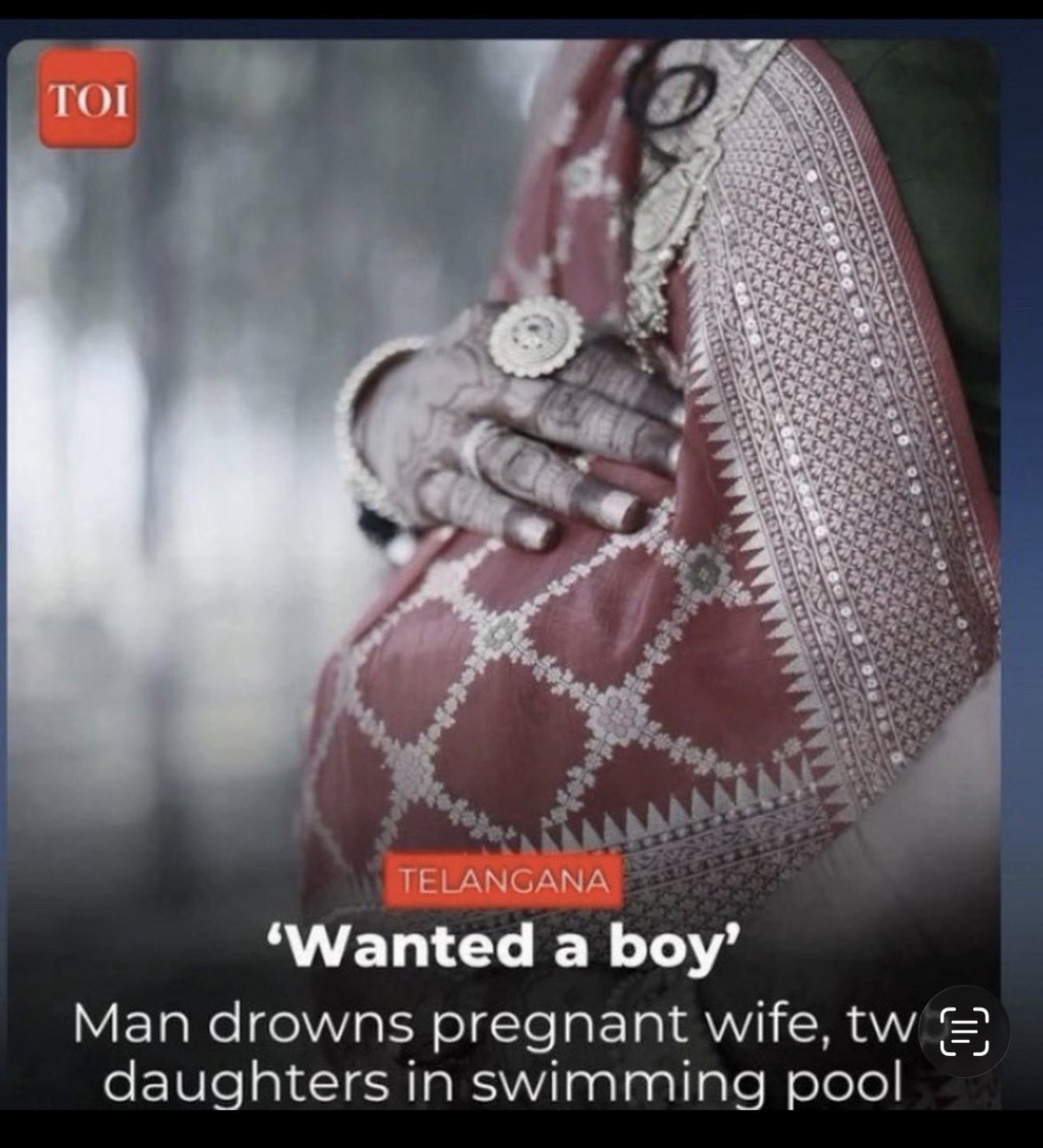
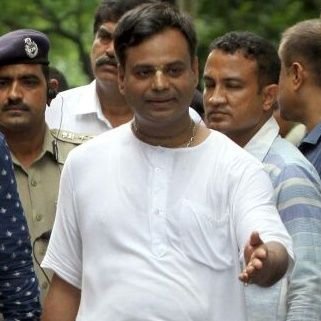
Today NEET Exam started & when the guards removed the Tulsi (Kanthi) Mala of this girl, her father protested & told her daughter to not remove the Kanthi-mala. He said are we in Pakistan or Bangladesh that we have to remive Kanthi-mala & on other hands Hijab is allowed. Shame on our Education Ministry who inspite of protest for last 3 years had done nothing to stop this partiality. They remove Janeue, Tulsi Mala, Tilak, Kalawa etc but allow Burqa. How is Burqua cheating proof & Janeu, Tilak and Kanthi Mala will help in cheating. Does Education Minister has brains or they have covered it with Burqa.


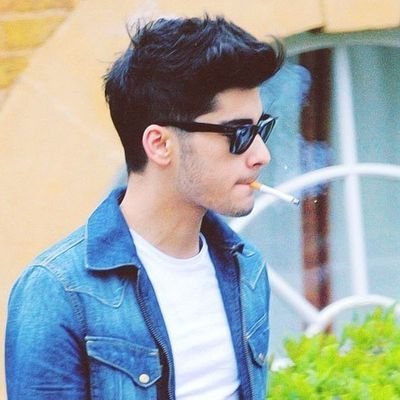
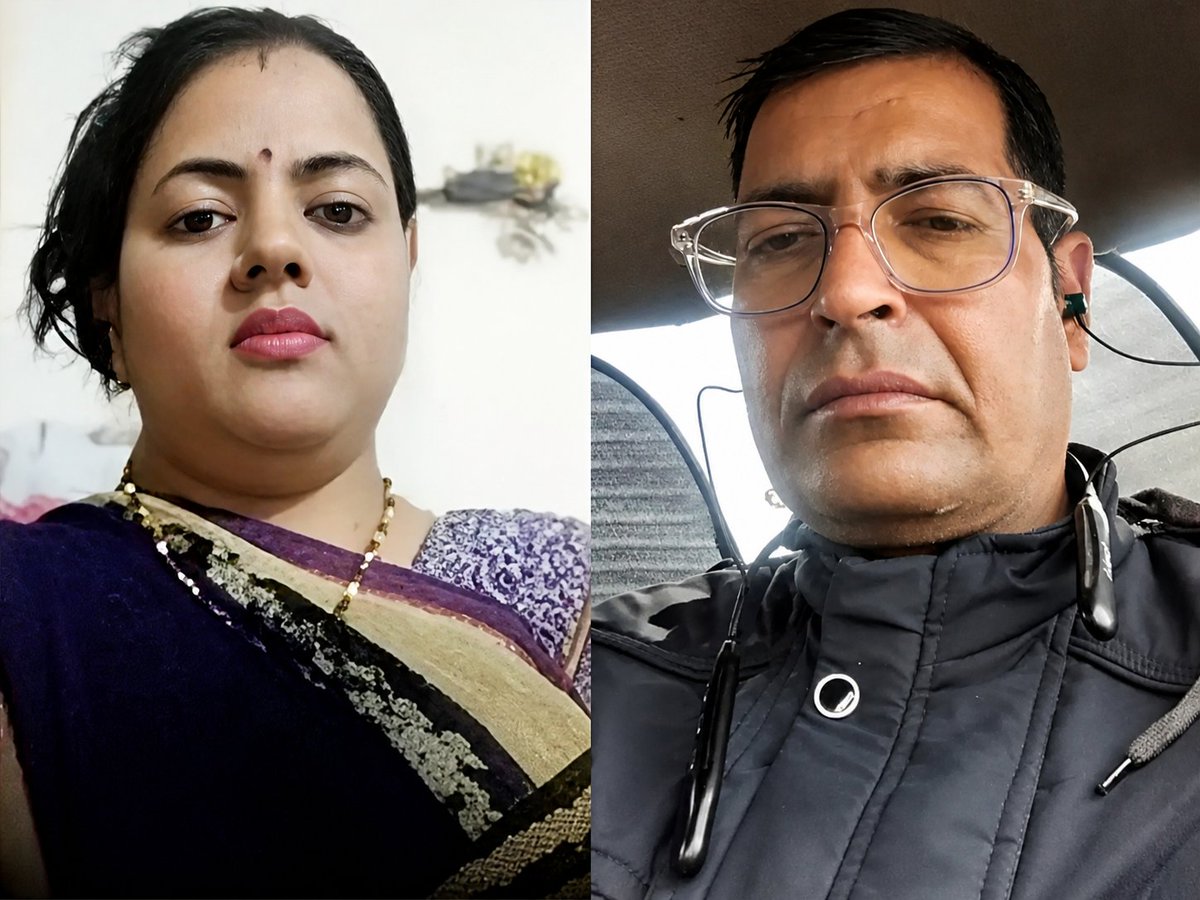
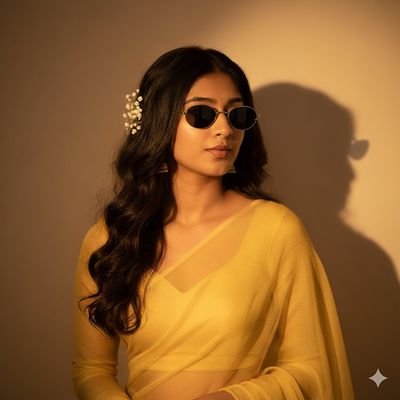


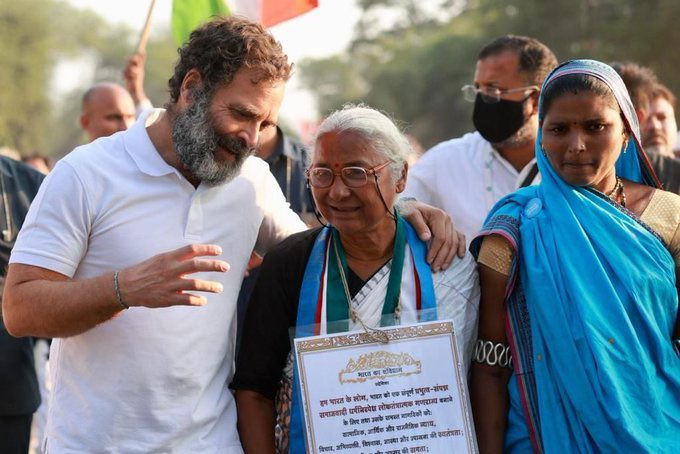
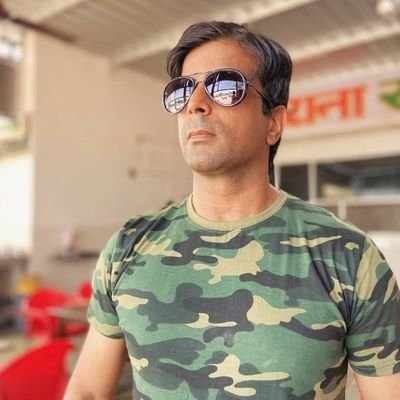
Isn’t it cute that Rahul Gandhi, who was busy creating fake propaganda around Great Nicobar project until yesterday , suddenly reaches Muscat and was pictured entering Caffe Farah on Azaiba Beach in Muscat. BTW, in between he had also raised Ladakh issue. Loyal foot soldier hai bhai apna. Curiously, the cafe he visited and also its sister concern Fanajeen are operated by Al Zaman Hospitality LLC, a subsidiary of the Al Zaman Group of Companies, an Omani single family office headquartered in Muscat. This cafe is situated in the region which has high diplomatic footfall and which is not much on tourist circuit. The principals of the group are Mohammed Khasru Zaman and his son Khalid Mohammed Zaman. And this group has an interesting China linkage as well. Khalid Zaman sits on the board of BlueFive Capital, a Gulf alternative investment platform co-founded in late 2024 with offices in London, Abu Dhabi, Dubai, Bahrain, Muscat, Singapore and Beijing. Al Zaman Group is a founding institutional partner, and Khalid Zaman is Vice Chairman of BlueFive Leasing. The critical co-board member is Fang Fenglei, Chairman of Hopu Investments, former Chairman of Goldman Sachs Gaohua, son of a People’s Liberation Army officer, and personal friend of CPC Vice President Wang Qishan. Fang has overseen the IPOs of China Mobile, China Telecom, China Unicom, PetroChina and Sinopec, and is publicly described as China’s most politically connected investment bankers. Nice, very nice… not saying they he has any linkage with PLA but one gotta be extra careful while choosing locations etc as there are no coincidences in life. Pata nahi kyon iske sath aise hota hai- that cafe is not a Michelin star restaurant nor something very famous- it just happens to be a spot visited by those in diplomatic circuit only Bhai OSINT waalon, dekh lo - thoda image search karo pls - saath wale bande ki


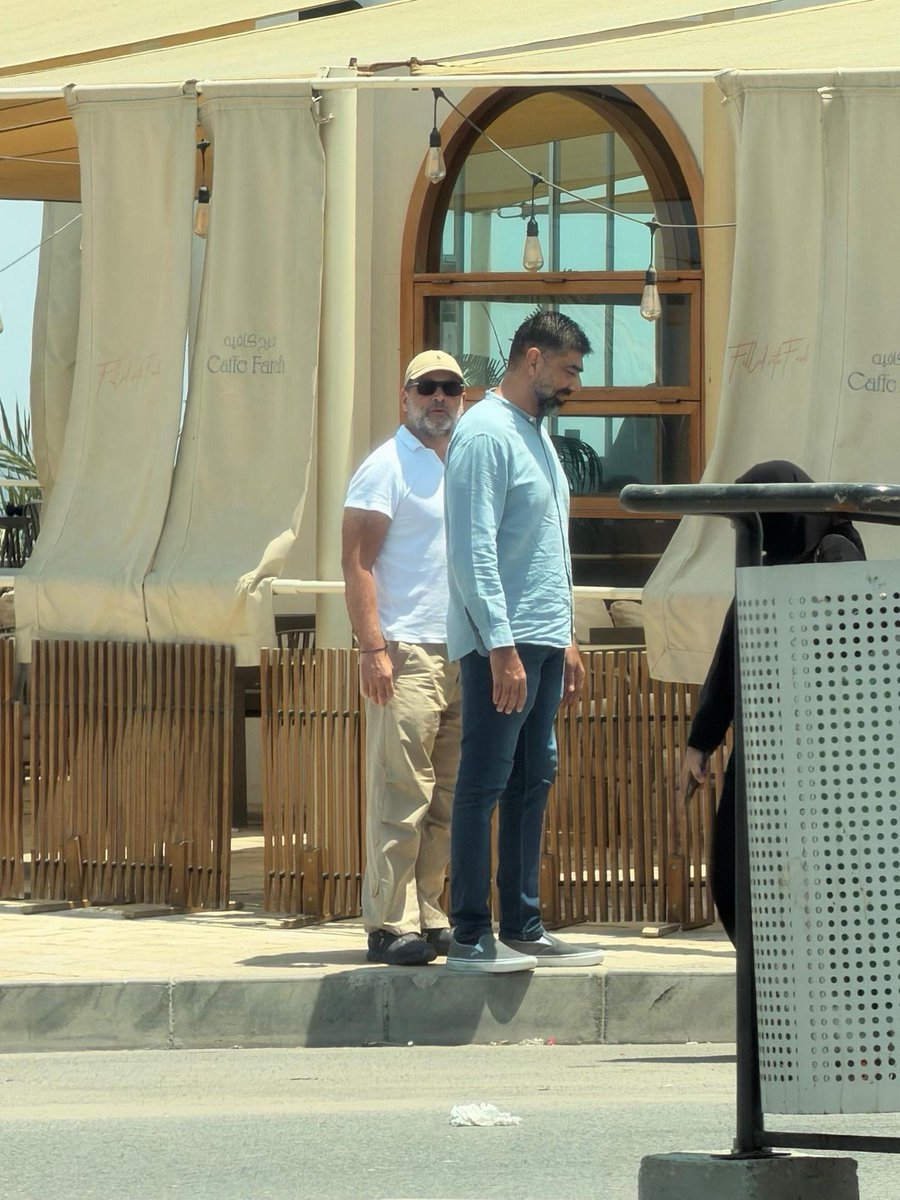
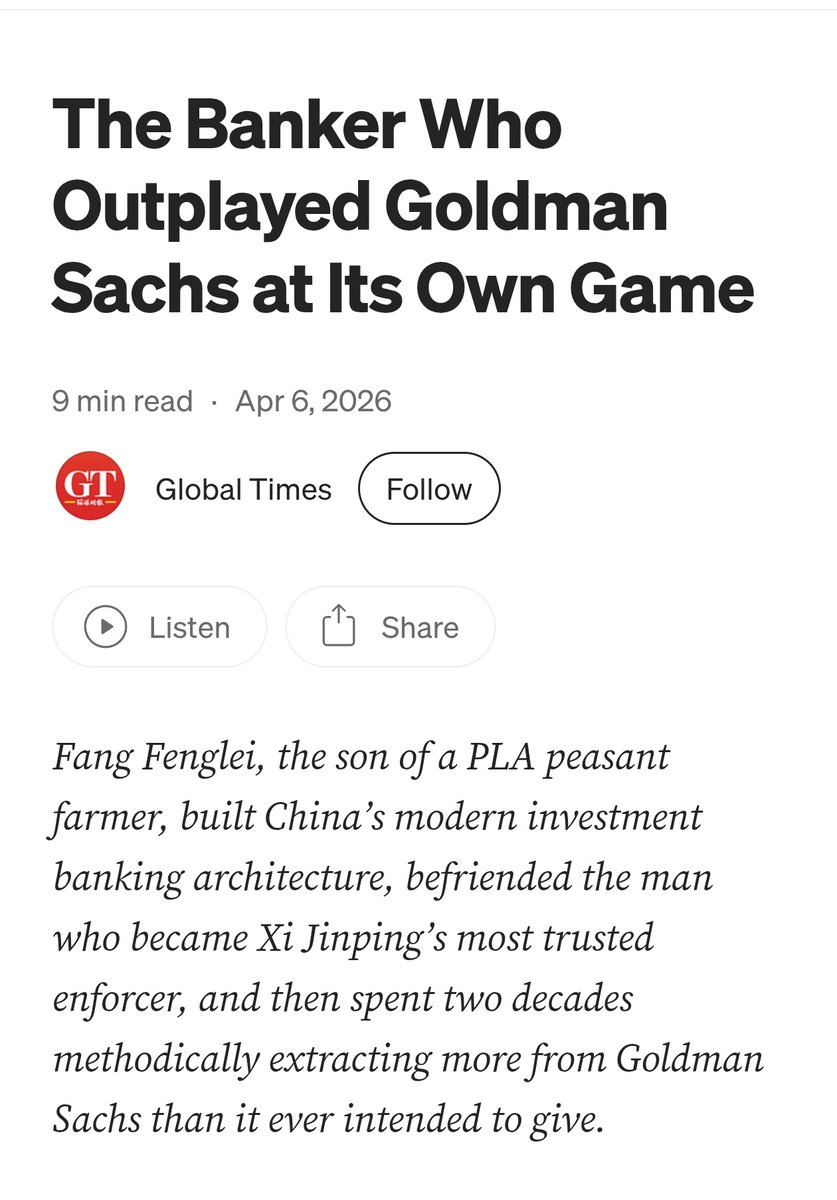
There is Abu Dhabi, London and Beijing based financial investment company - BlueFive Capital It's board members includes ▪️Royals of Gulf ▪️Fang Fenglei - A Chinese investors connected with CPC and PLA ▪️Lord Garry Grimstone - Former British minister and member of Chatham house ▪️ Mohammad Zaman - Oman based investor Mohammad Zaman owns a cafe in Muscat and it's name is Caffe Farah A place known for diplomat meetings Today Rahul Gandhi was at Caffe Farah To meet some Chinese or British and to discuss the next plan of action for the Great Nicobar project? I don't know


